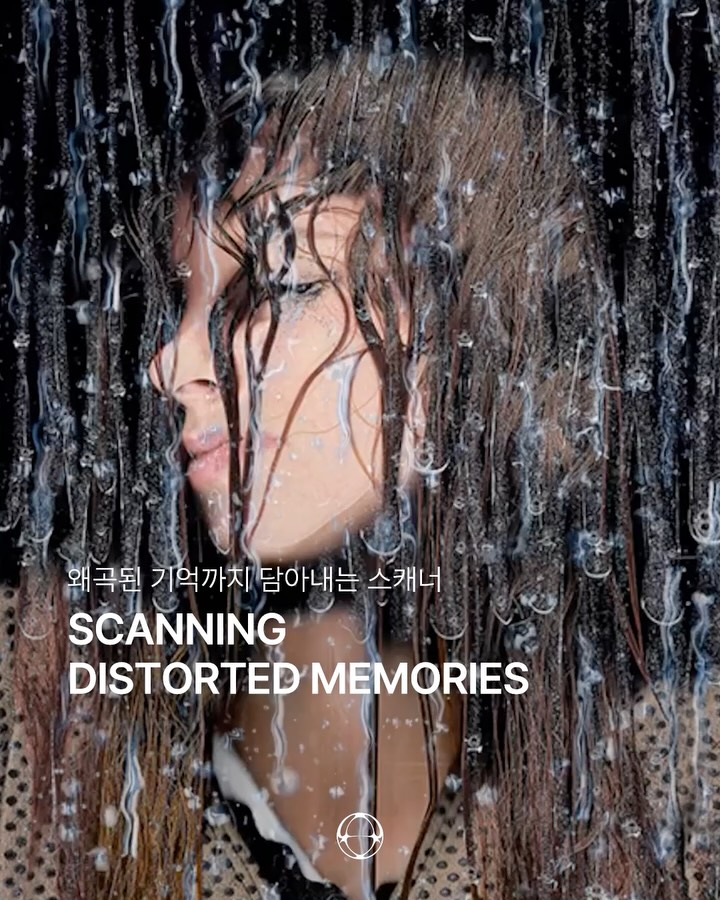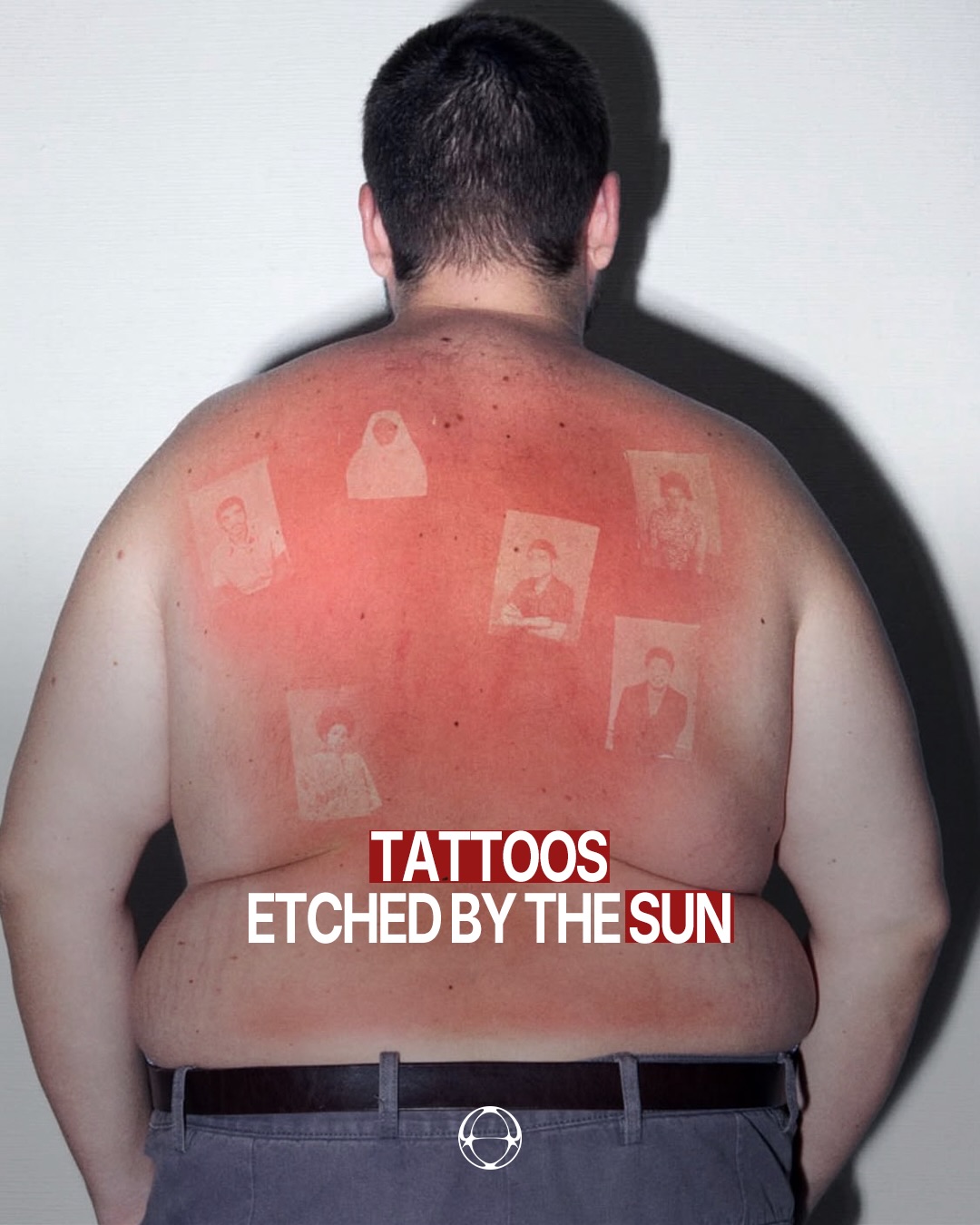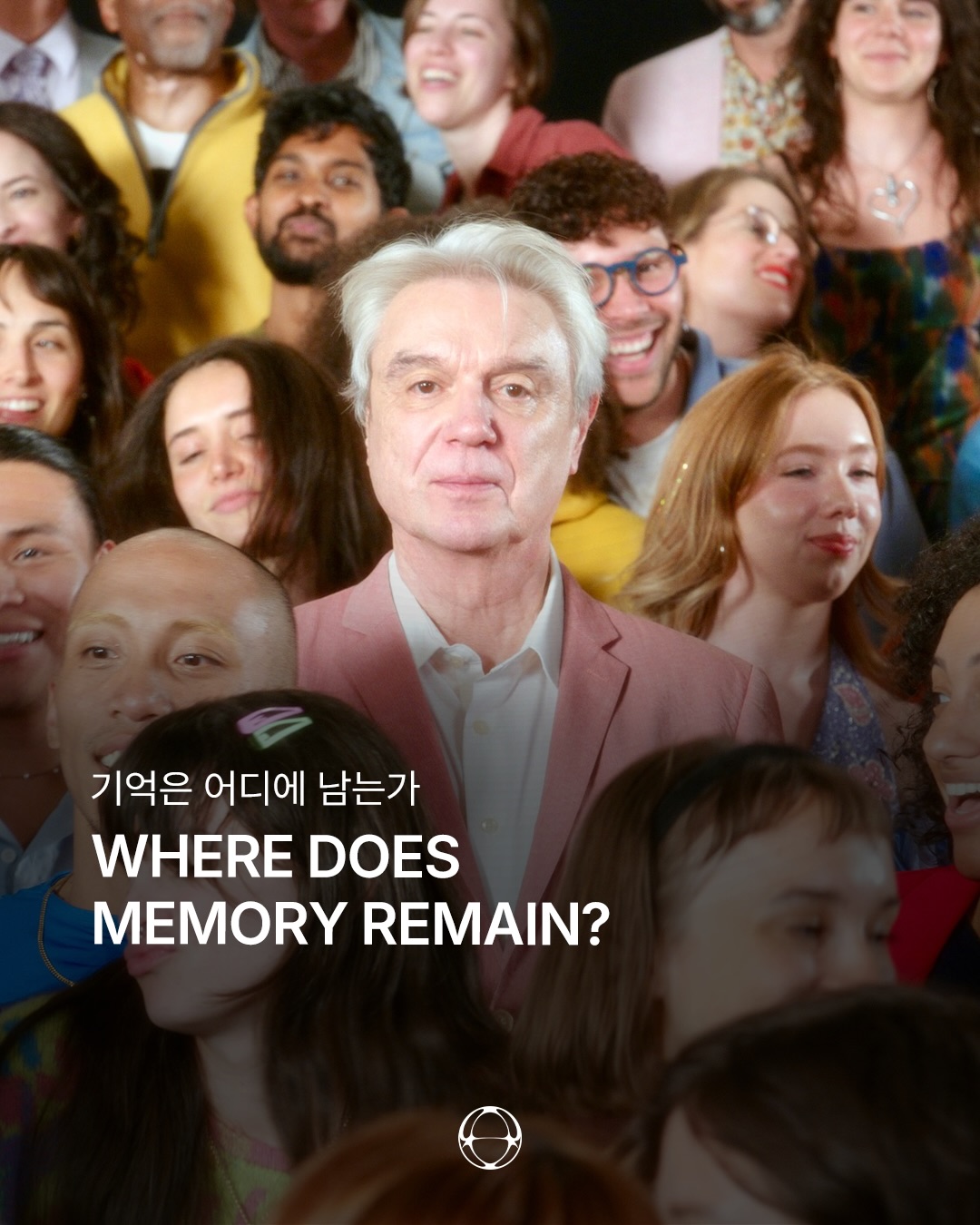
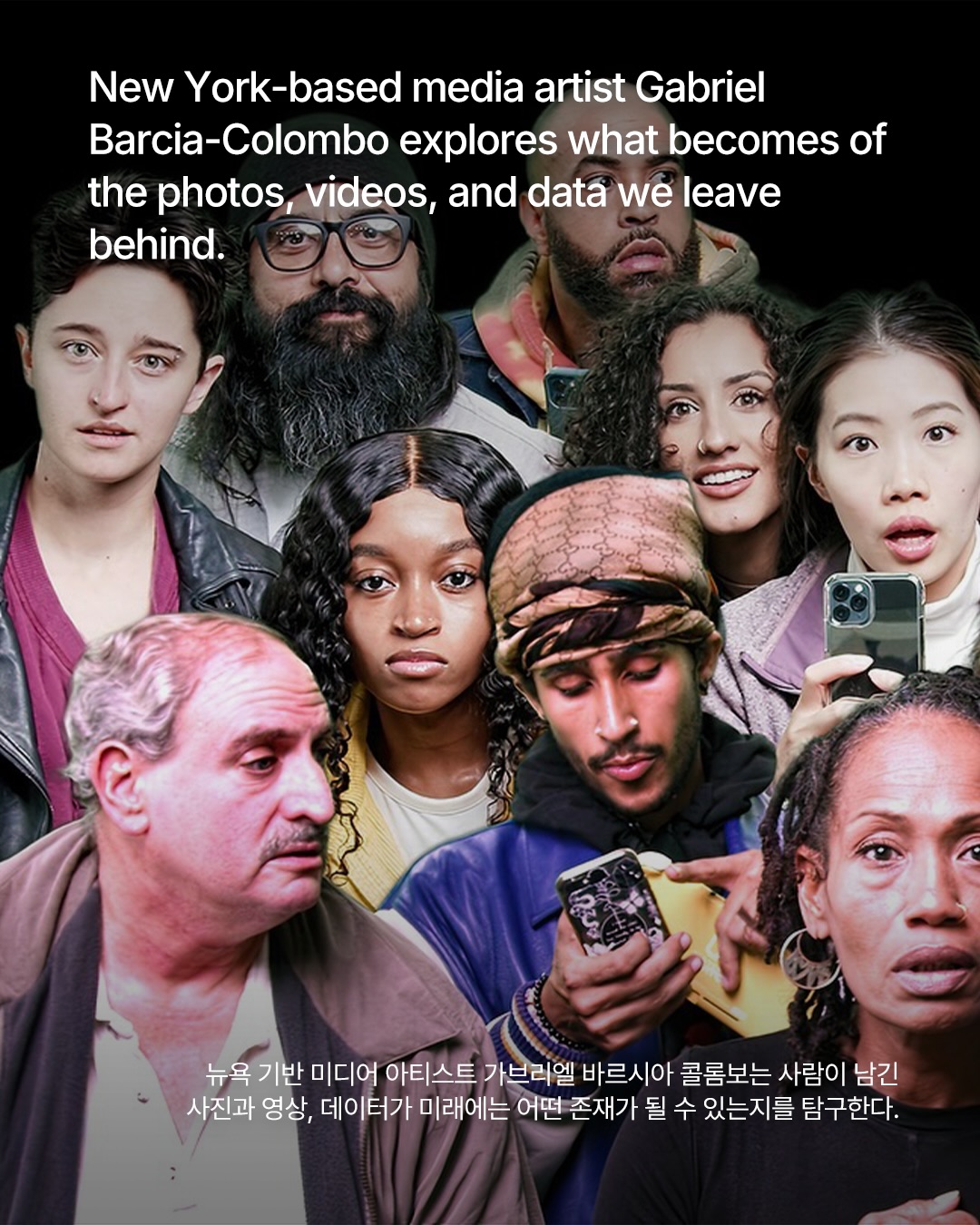
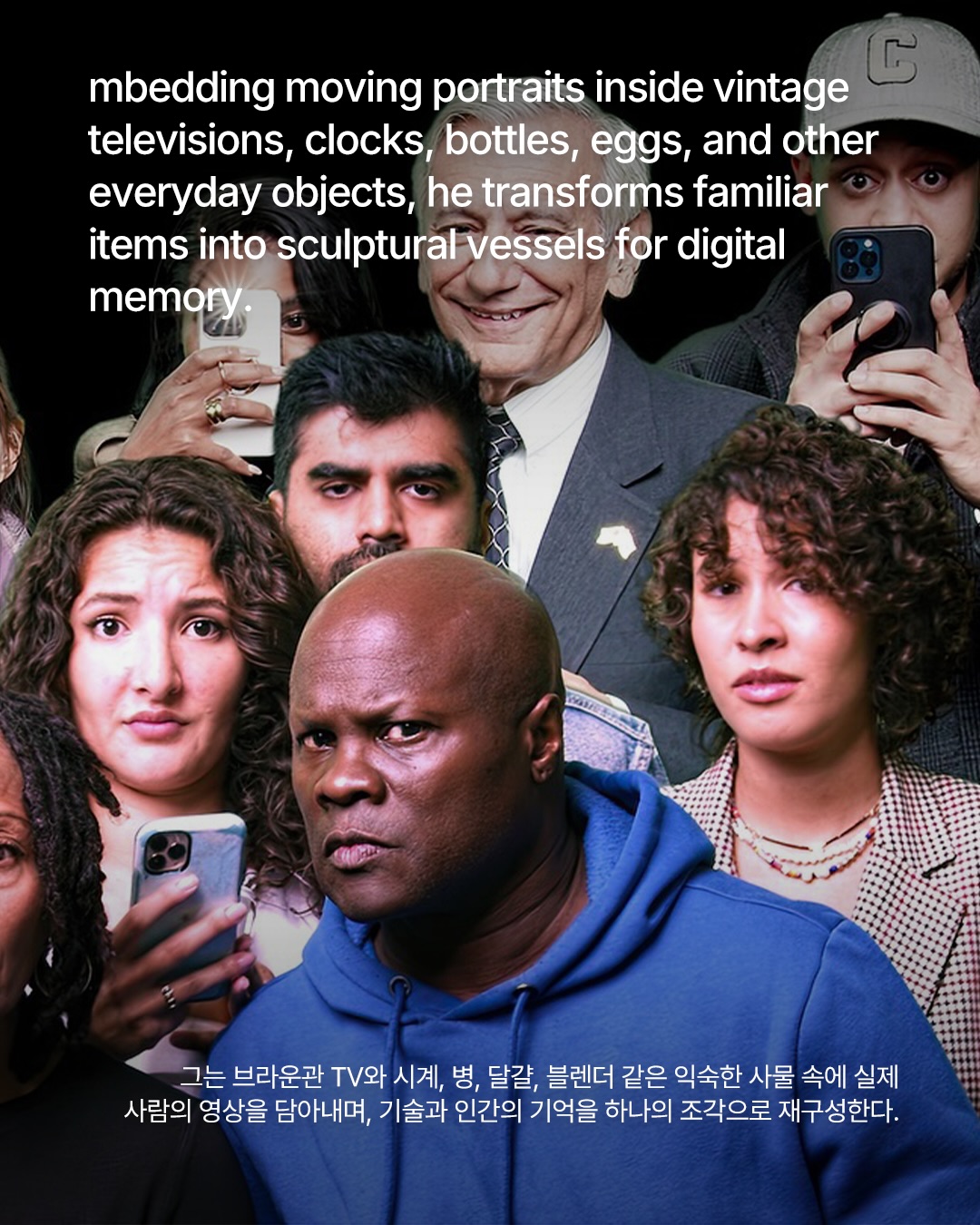
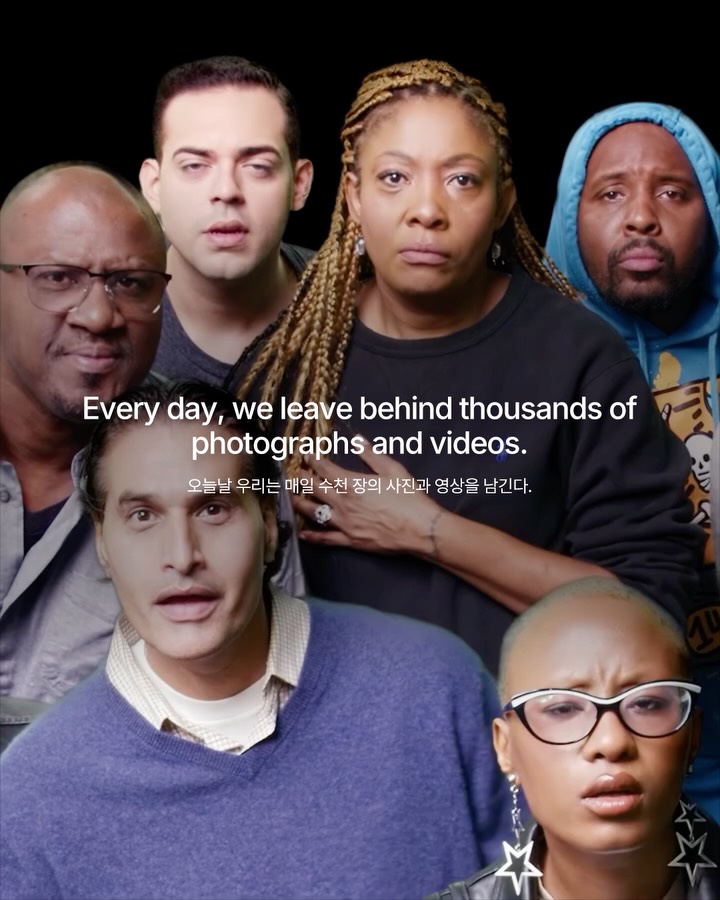
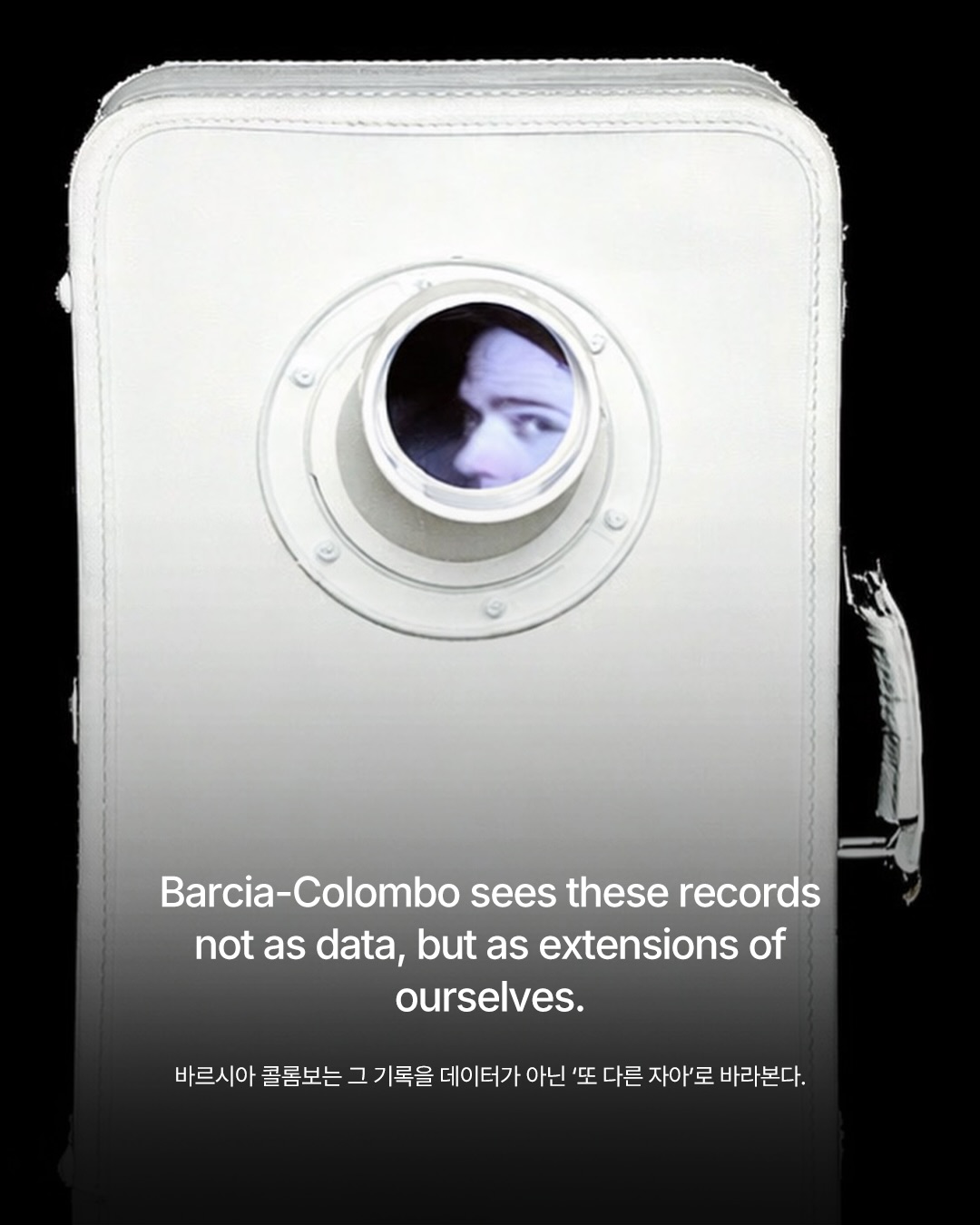
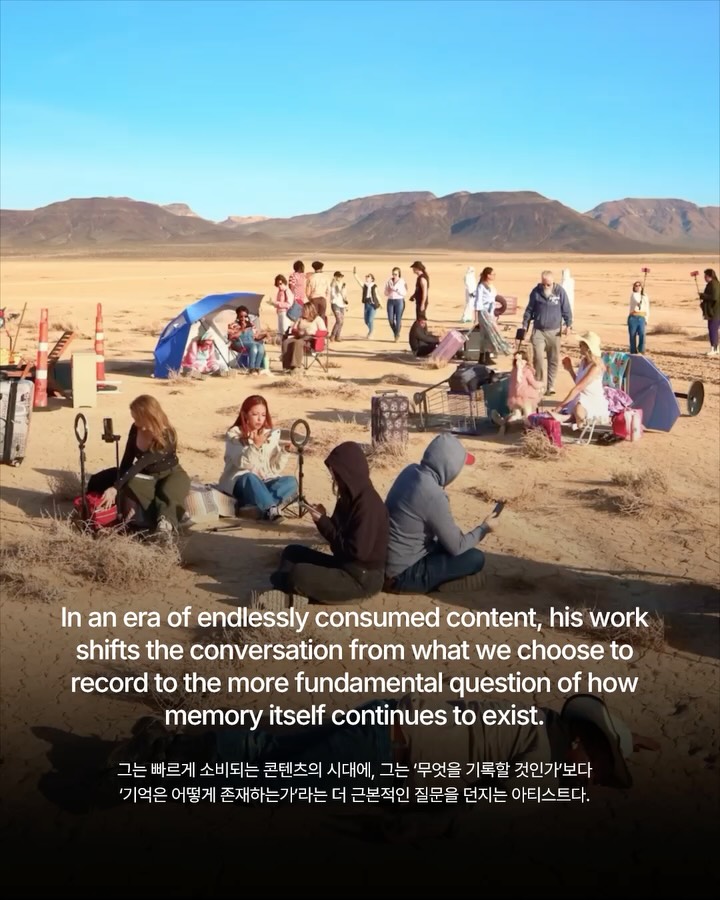
We generate thousands of photos and videos every day. Barcia-Colombo sees these records not simply as data, but as extensions of ourselves. In an era of endlessly consumed content, his work shifts the conversation from what we choose to record to the more fundamental question of how memory itself continues to exist. Will memory remain only as files stored in the cloud, or will it live on as another being breathing within us? Where do you think memory remains?
FAQ
Who is Gabriel Barcia-Colombo?
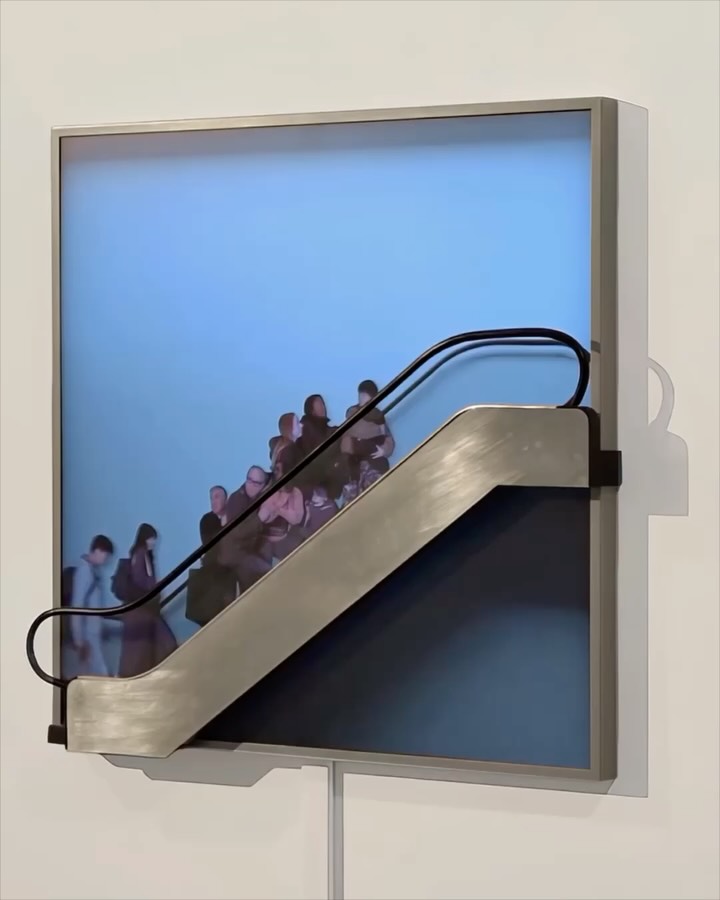
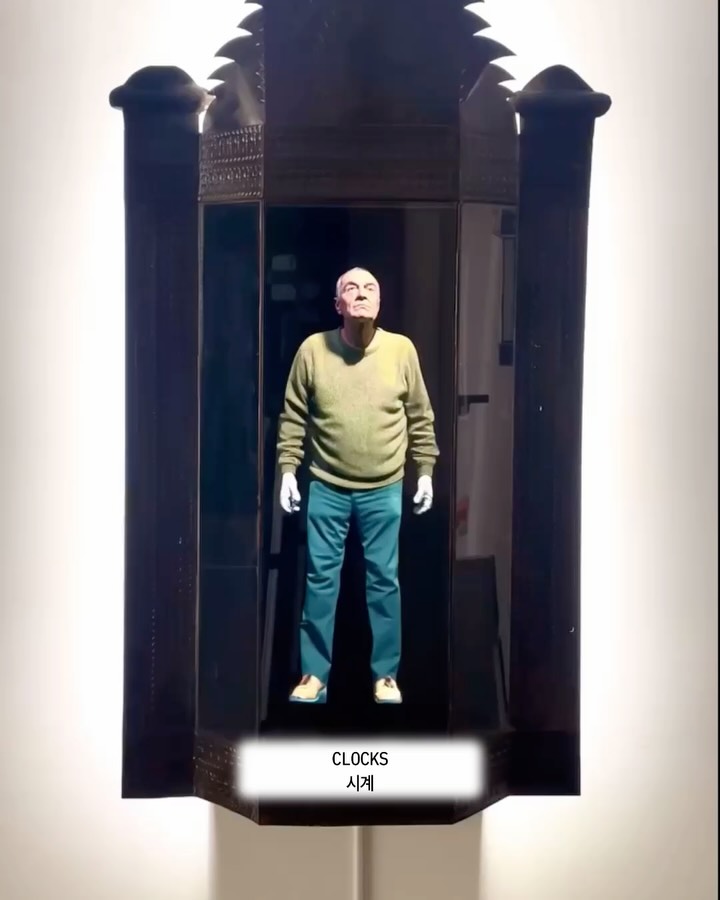
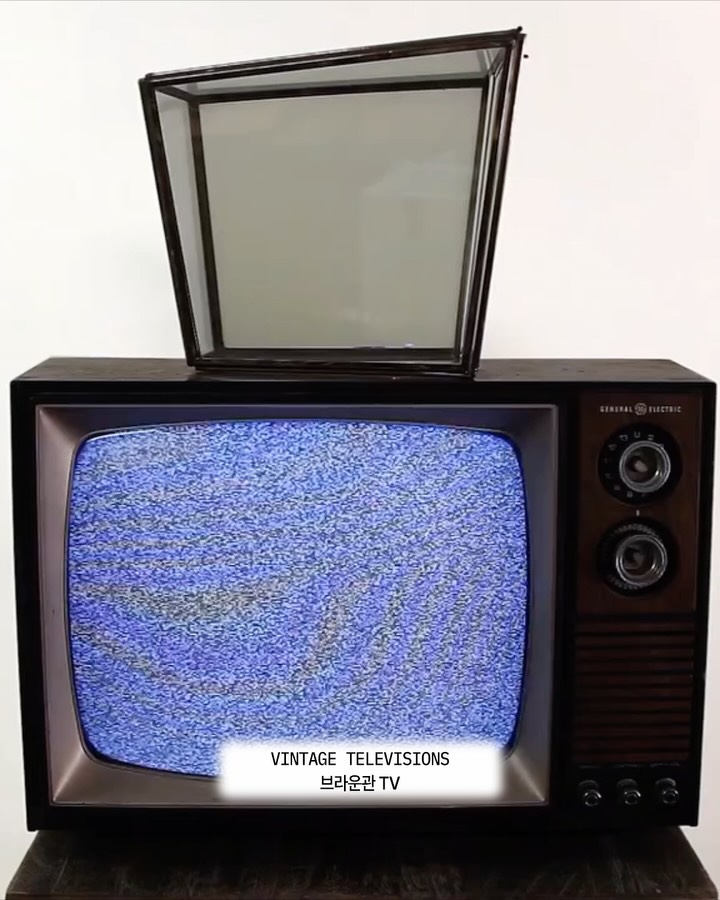
A New York–based media artist, he's a professor at NYU Tisch School of the Arts and interactive media educator. He explores how photography, video, and data might exist in the future, embedding real people's footage inside familiar objects like CRT TVs, clocks, and bottles to reconfigure technology and human memory as sculpture.
What are the core themes of Gabriel Barcia-Colombo's work?
Death, documentation, and collective memory in the digital age are his core themes. Through video sculptures, large-scale public installations, and performances, he asks not what we record but how memory exists, viewing digital records as another form of self rather than mere data.
What objects does Gabriel Barcia-Colombo use in his work?
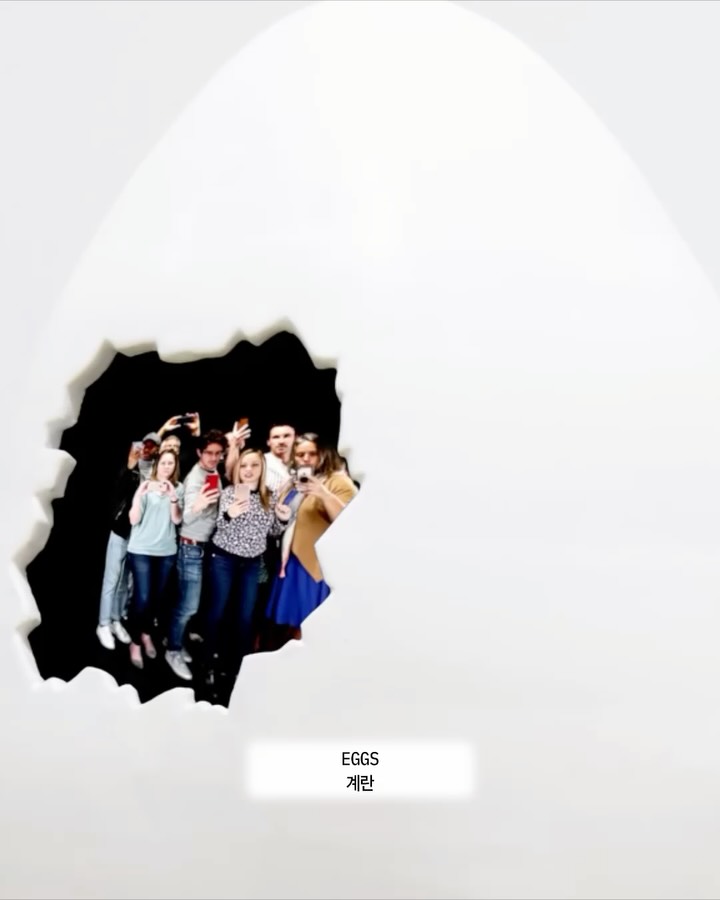
He uses everyday, familiar objects like CRT TVs, clocks, bottles, eggs, and blenders. By embedding actual people's footage inside these objects, he reconfigures technology and human memory into a single sculptural form through his video sculpture practice.