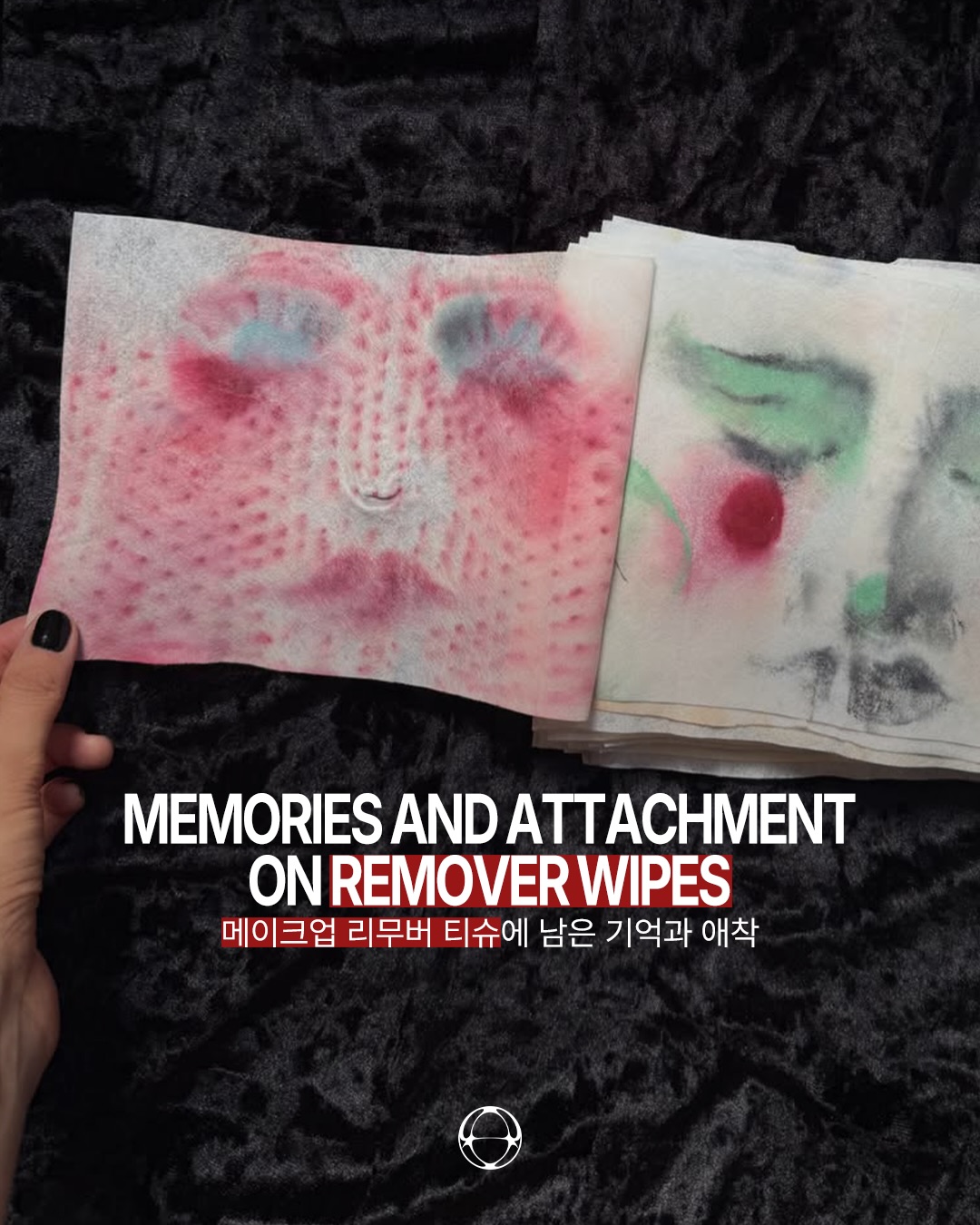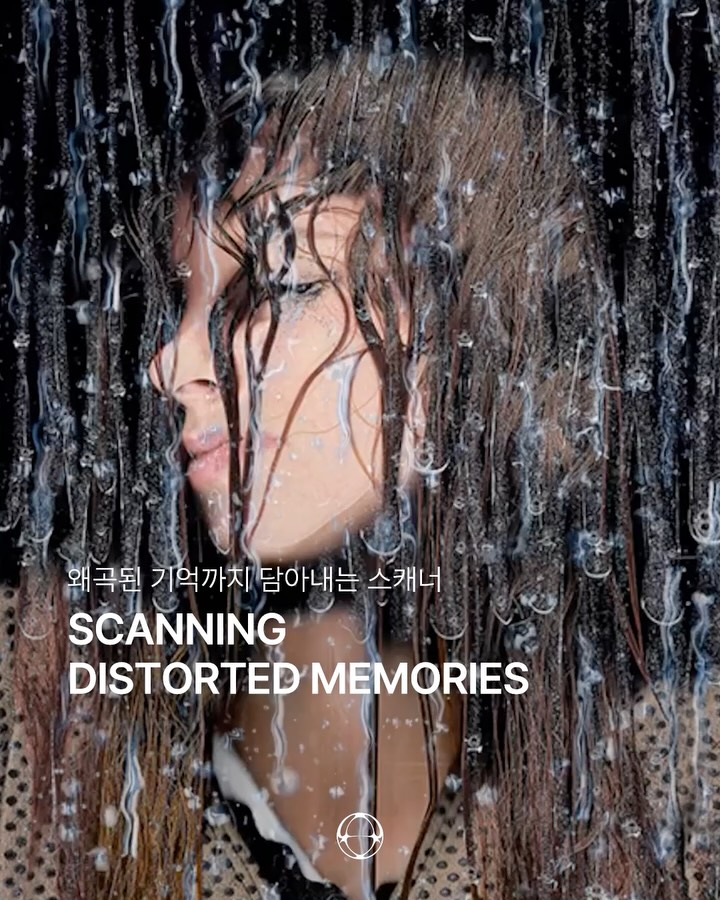
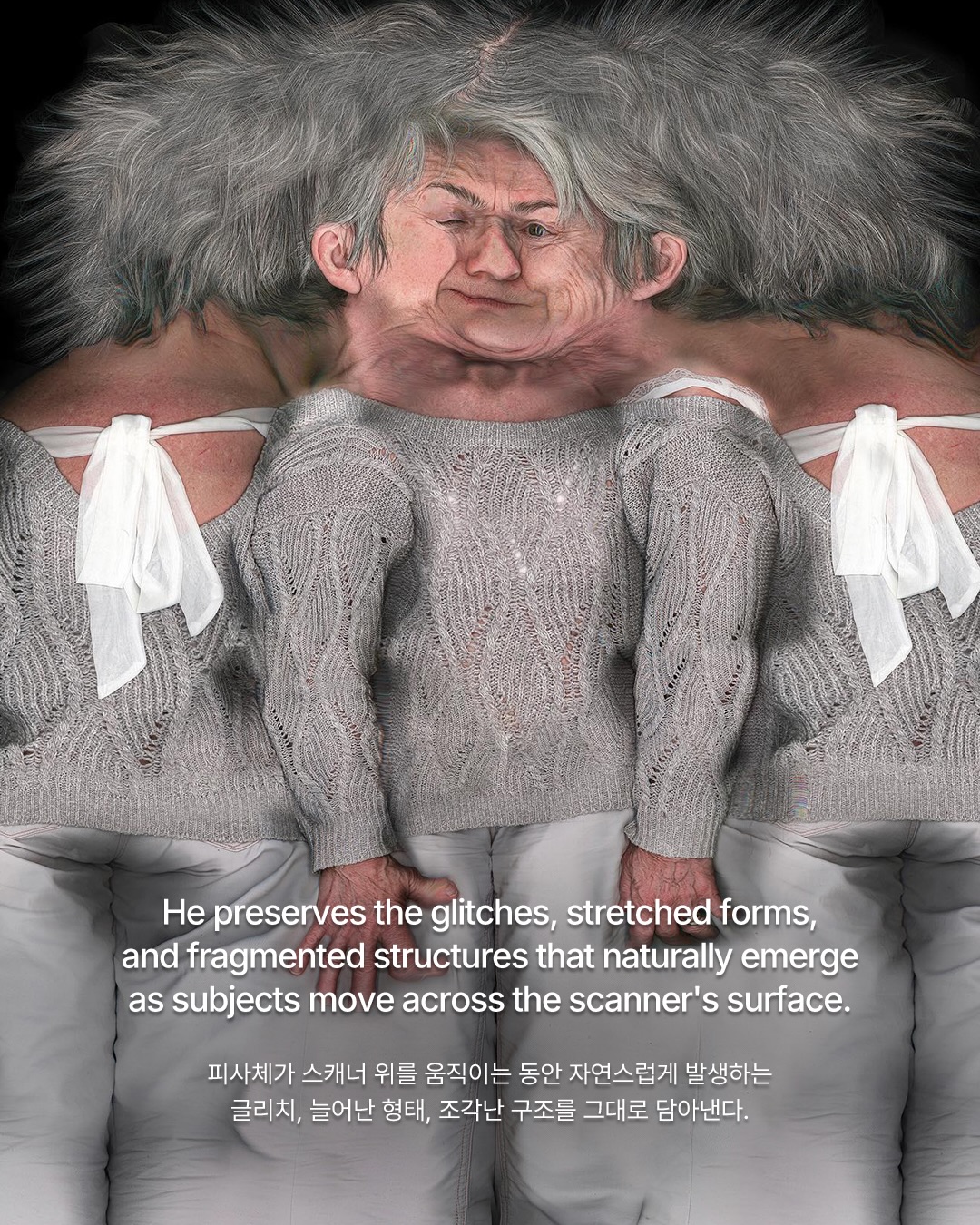
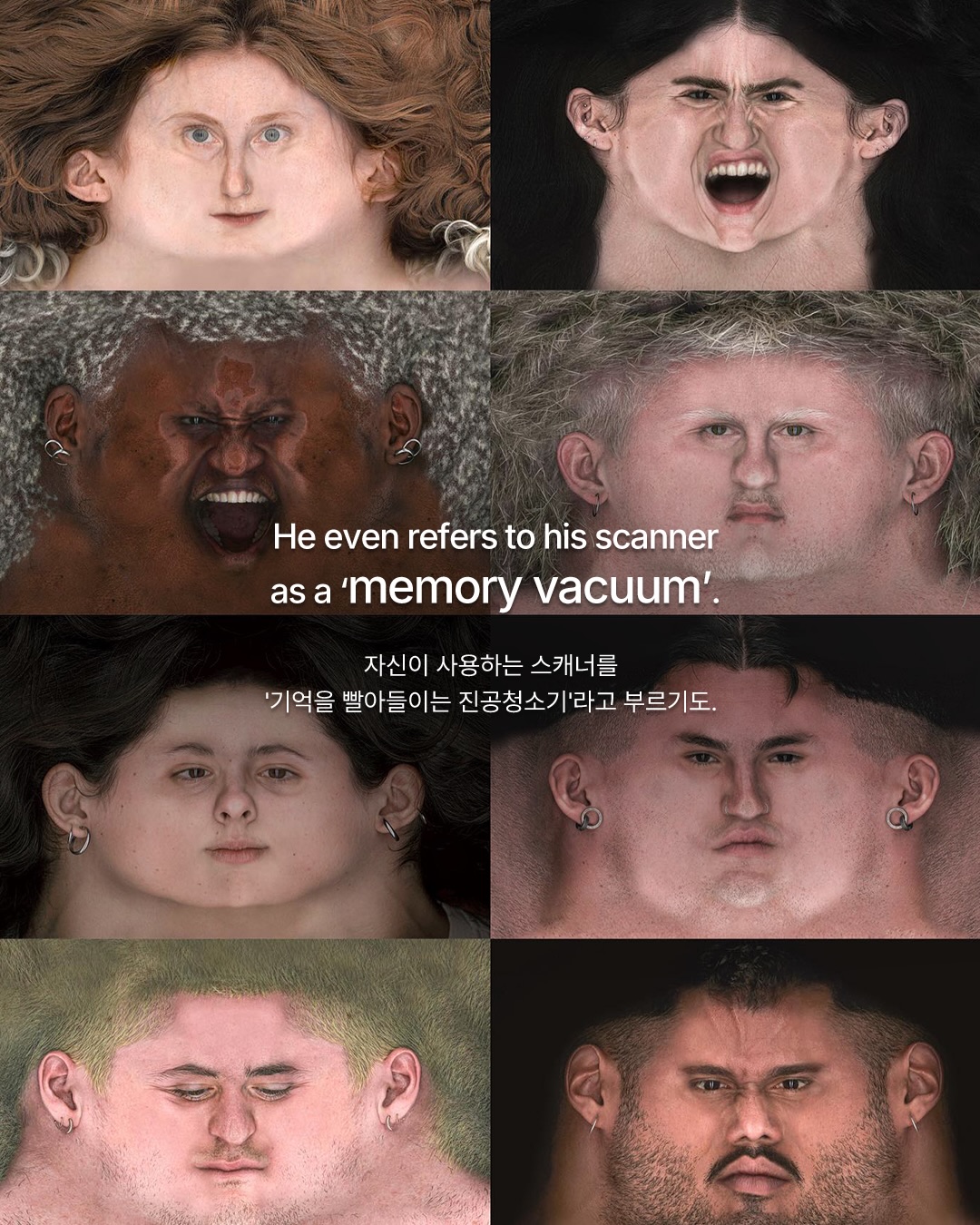
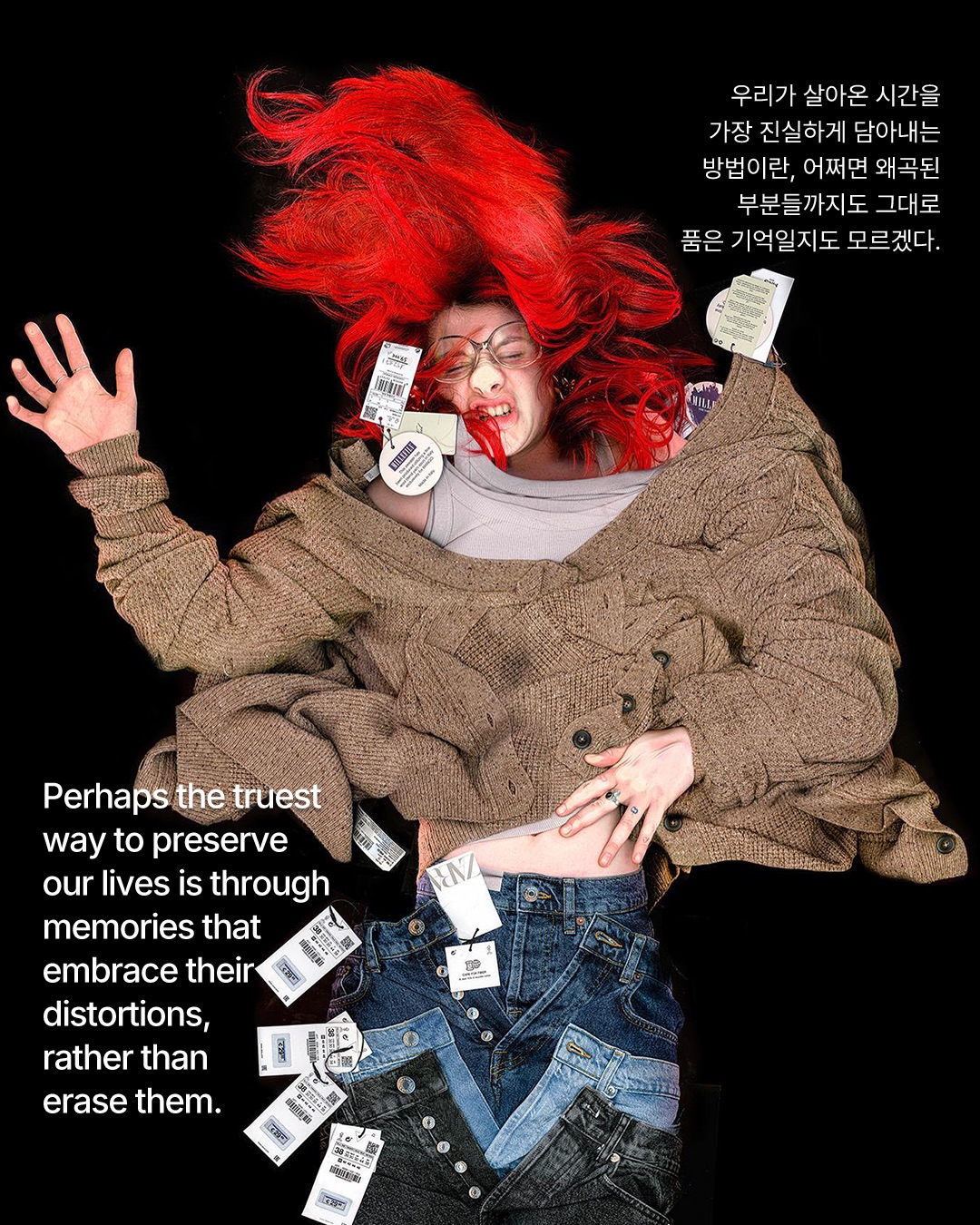
Croisonnier describes his scanner as a 'memory vacuum', capturing fragments of daily life through glitches, stretched forms, and fractured compositions created as subjects move across its surface. The resulting images are not perfect reproductions but rather accidental distortions shaped by time and movement, creating a visual language that feels both familiar and unsettling.
Expanding his practice into sculpture, the artist translates these distorted scans into 3D printed objects, giving physical form to images that were never meant to exist beyond a flat surface. This transformation bridges the gap between digital and analog, creating tactile artifacts from what began as ephemeral digital glitches.
Perhaps the truest way to preserve our lives is not through perfect documentation, but through memories that embrace every distortion. Croisonnier's work suggests that it is in imperfection, not perfection, where the most honest forms of remembrance can be found. His scanner becomes not just a tool but a philosophical instrument, questioning how we choose to remember and what we choose to preserve.
FAQ
What kind of artist is Armand Croissandeau?
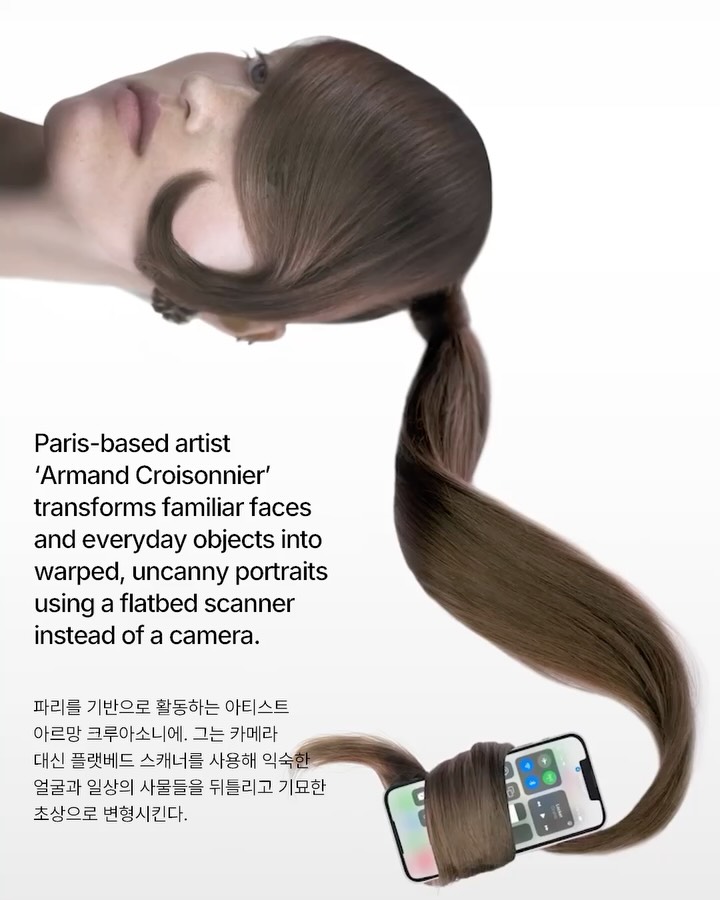
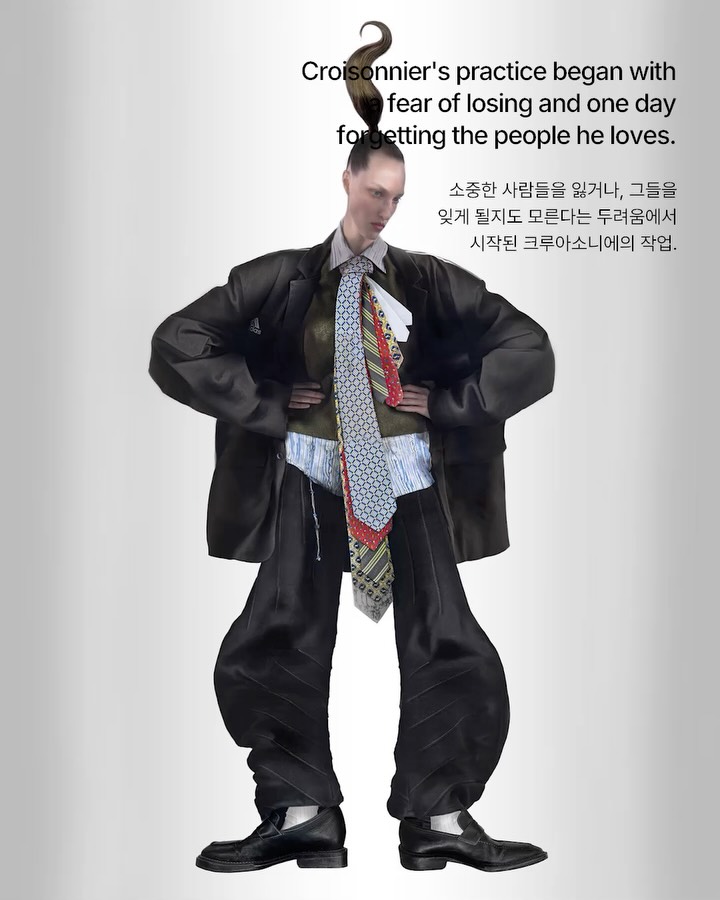
Armand Croissandeau is a Paris-based artist who uses flatbed scanners instead of cameras to transform familiar faces and everyday objects into distorted portraits. His work explores the nature of memory, originating from fear of losing or forgetting precious people.
How is scanner art created?
Croissandeau captures everyday fragments through glitches, stretched forms, and fragmented compositions that naturally occur while subjects move over the scanner. These distorted images extend into three-dimensional sculptural objects through 3D printing.
Why is the scanner called a 'memory vacuum cleaner'?
Croissandeau sees the scanner as similar to actual memory's operation, capturing distortions rather than perfect reproduction. He believes more truthful memory forms can be discovered within imperfection, metaphorizing the scanner as a tool that sucks in memories.