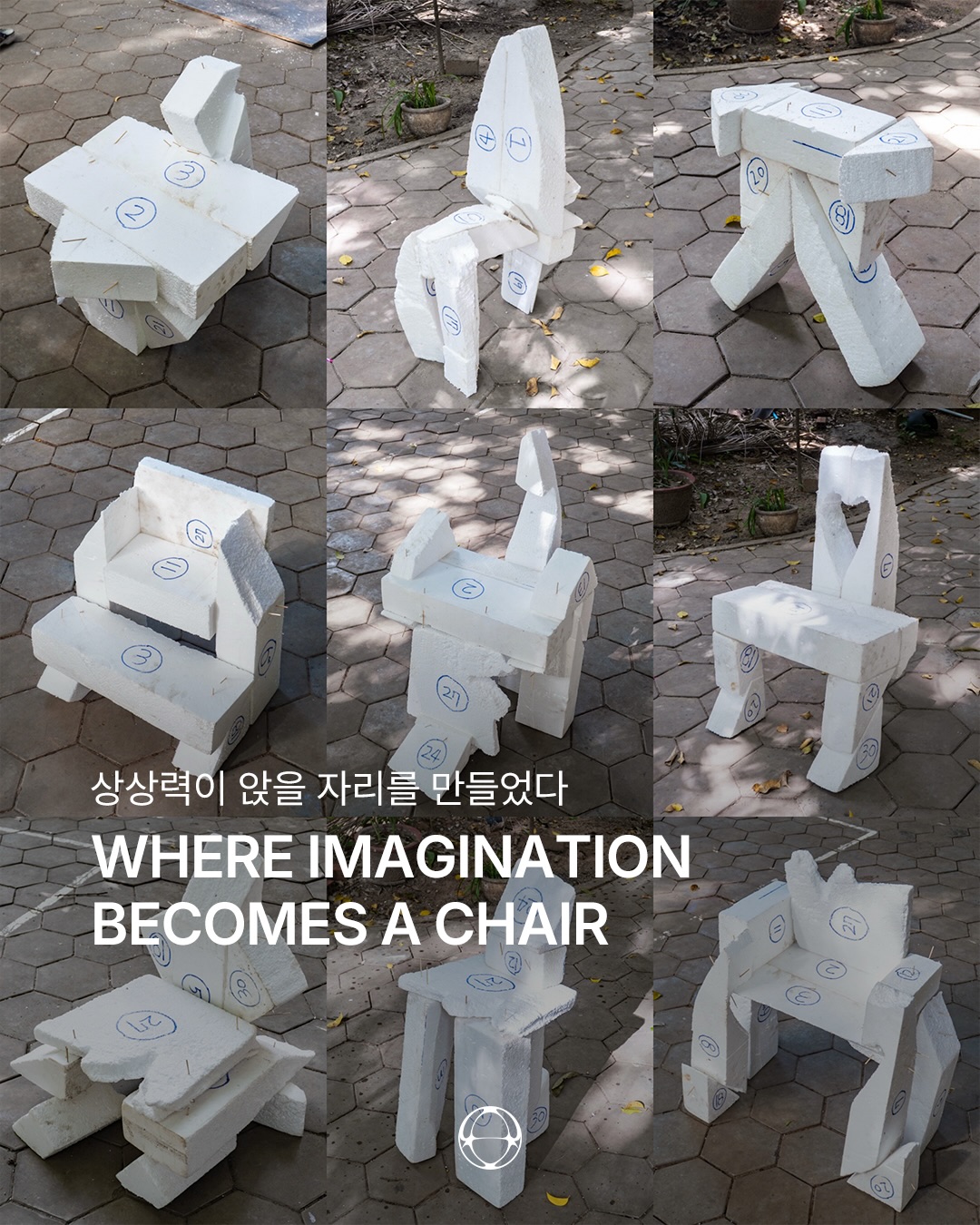
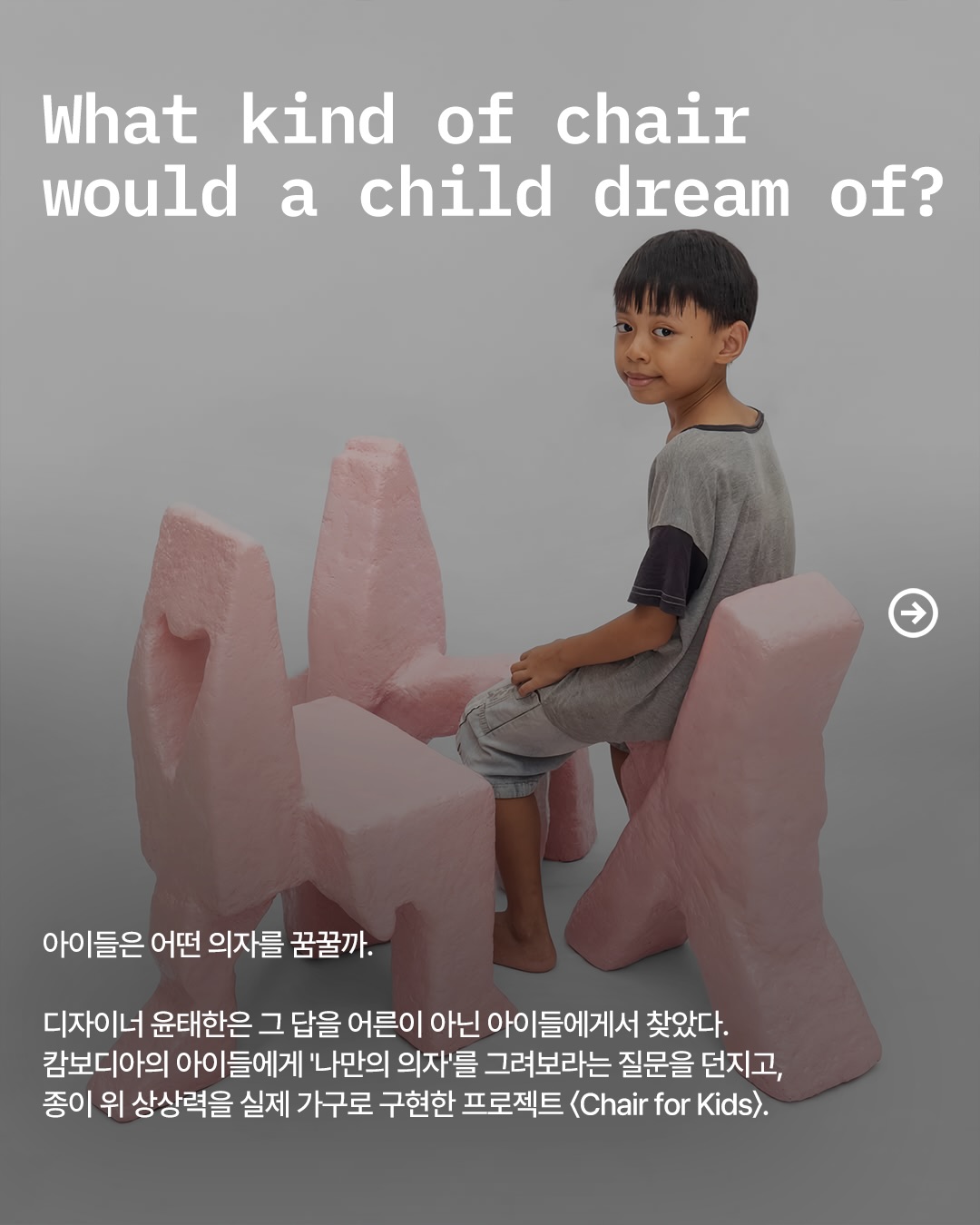
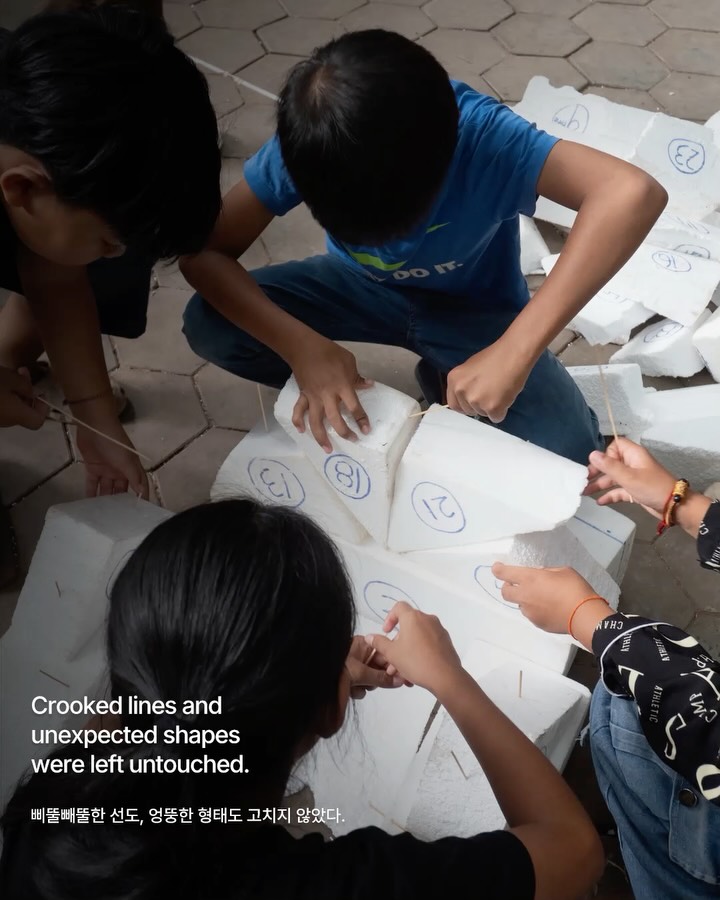
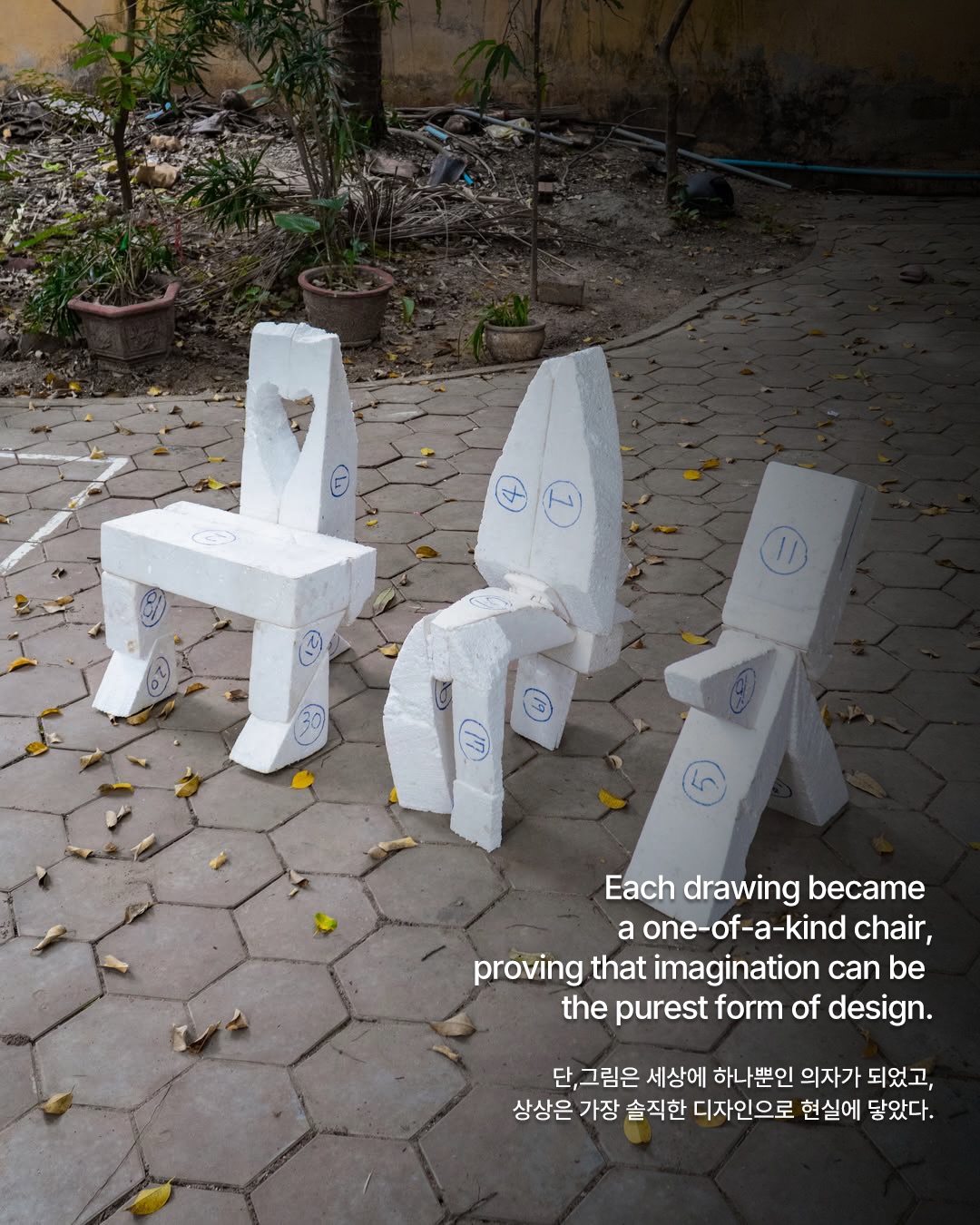
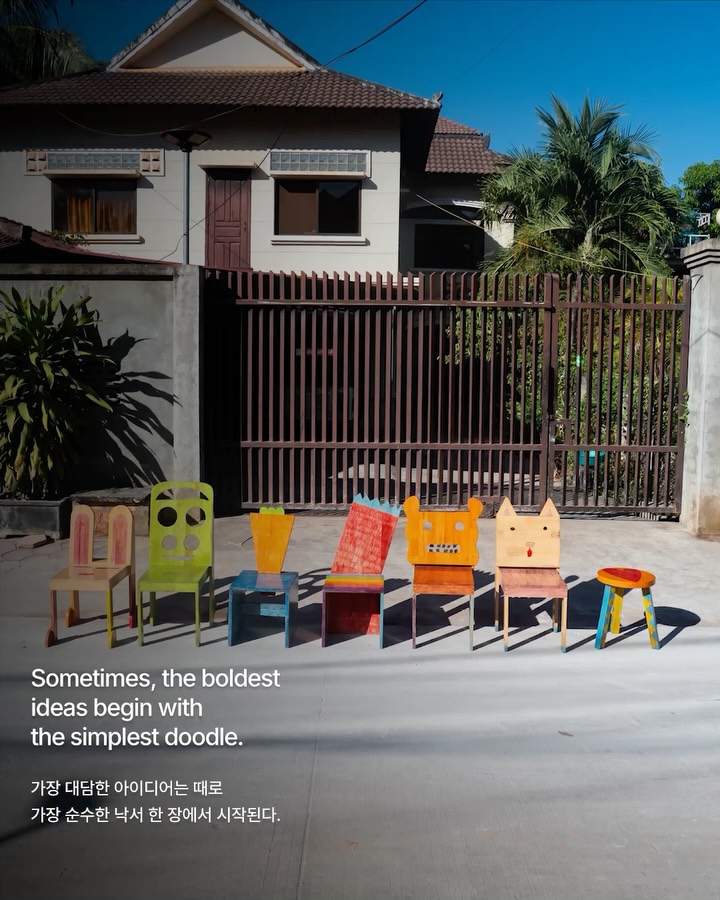
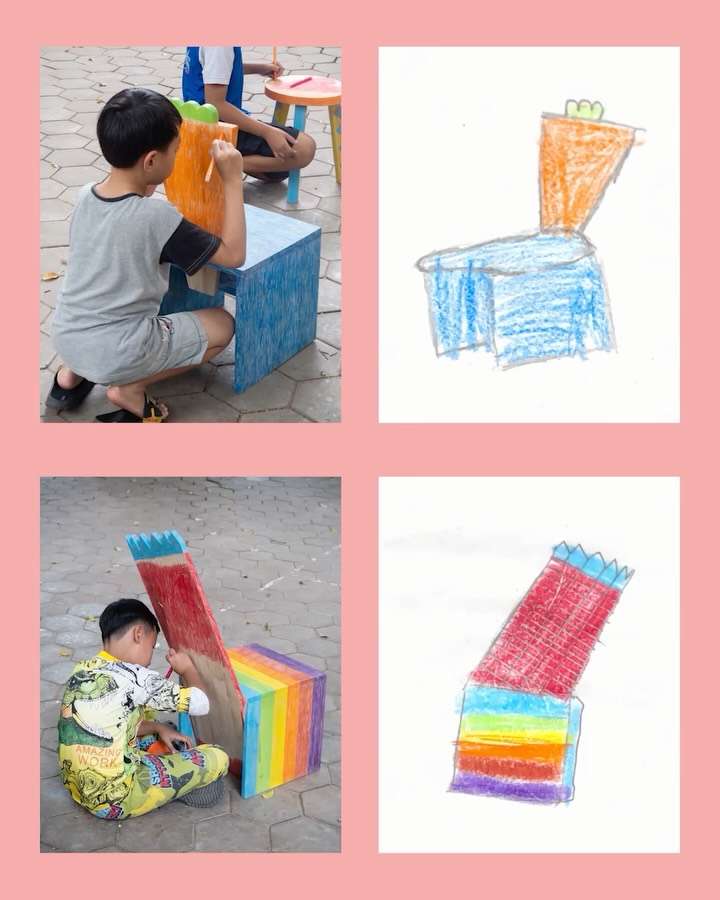
What kind of chair would a child dream of? Designer Taekhan Yun looked to children, not adults, for the answer. In Chair for Kids, he invited children in Cambodia to draw their own ideal chair, then transformed those sketches into real furniture. Crooked lines and unexpected shapes were left untouched. Each drawing became a one-of-a-kind chair, proving that imagination can be the purest form of design.
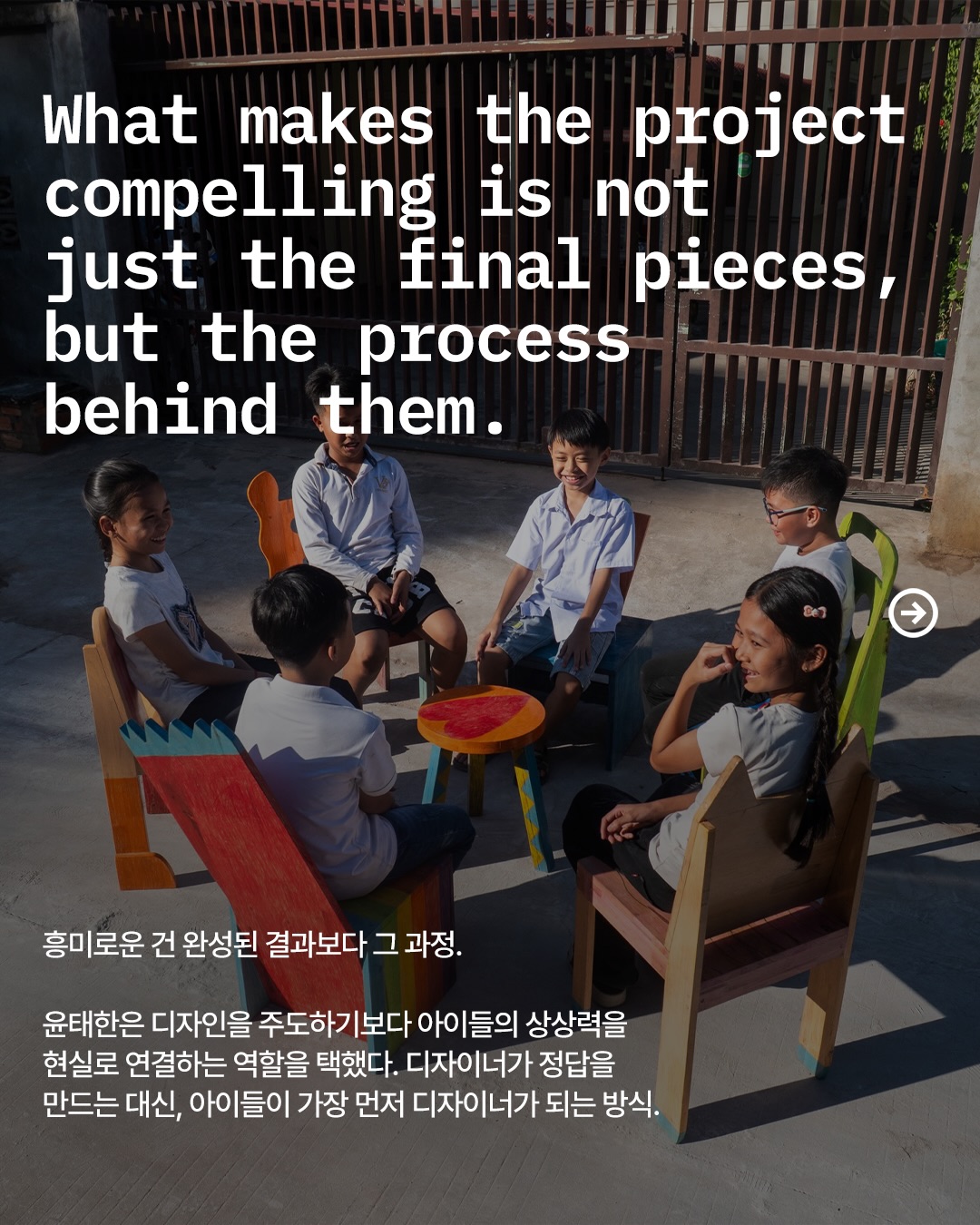
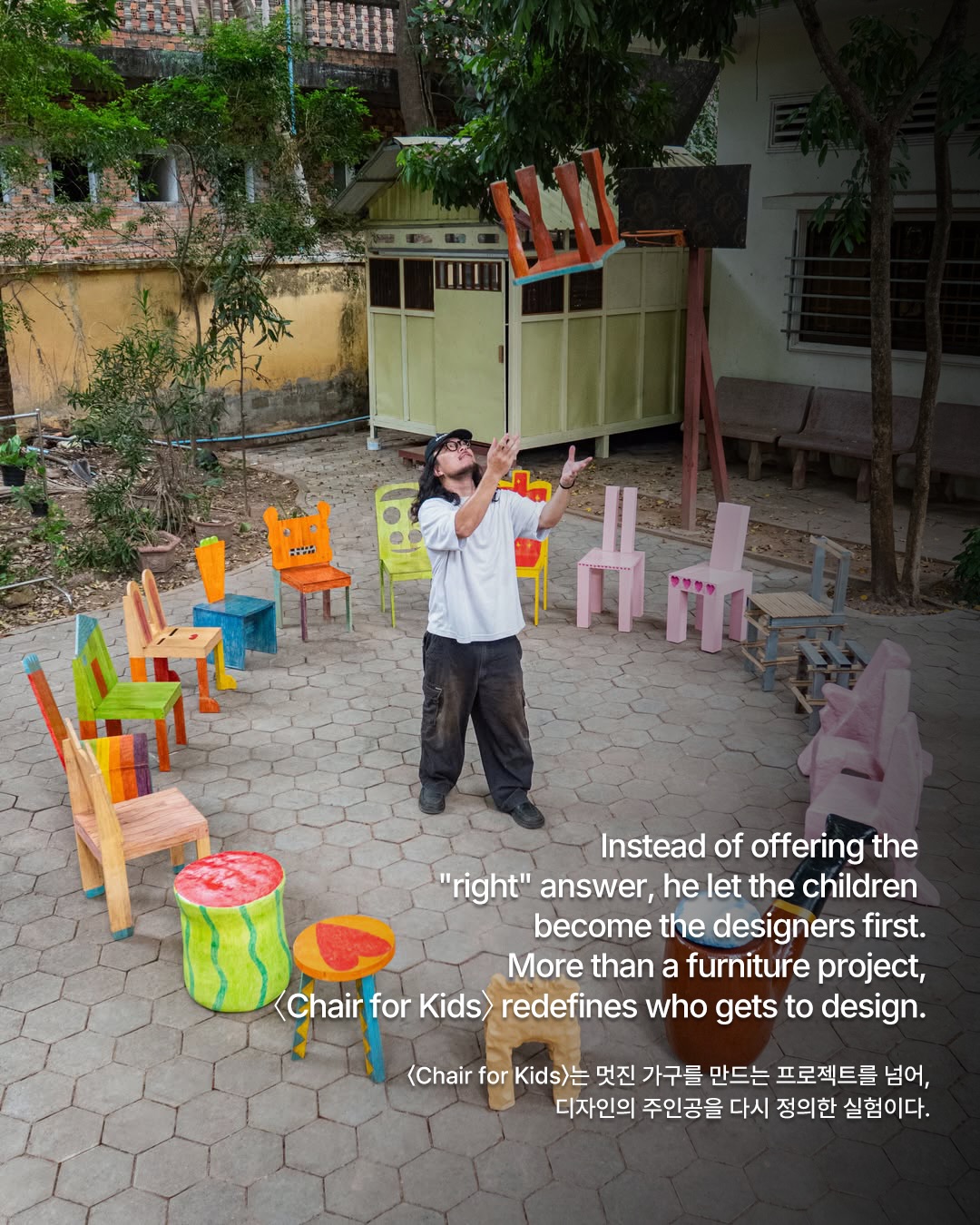
What makes the project compelling is not just the final pieces, but the process behind them. Rather than leading the design, Yun acted as a bridge between children's imagination and reality. Instead of offering the "right" answer, he let the children become the designers first. Each piece was crafted from foam blocks, numbered and assembled, preserving the original freedom inherent in the children's drawings.
Sometimes, the boldest ideas begin with the simplest doodle. More than a furniture project, Chair for Kids redefines who gets to design. It demonstrates that imagination is ultimately the most honest form of design, and that the courage to believe in it and bring it to life is where true creation begins.
What makes the project compelling is not just the final pieces, but the process behind them. Rather than leading the design, Yun acted as a bridge between children's imagination and reality. Instead of offering the "right" answer, he let the children become the designers first. Each piece was crafted from foam blocks, numbered and assembled, preserving the original freedom inherent in the children's drawings.
Sometimes, the boldest ideas begin with the simplest doodle. More than a furniture project, Chair for Kids redefines who gets to design. It demonstrates that imagination is ultimately the most honest form of design, and that the courage to believe in it and bring it to life is where true creation begins.
FAQ
What is designer Yoon Taekhahn's Chair for Kids project?
It's a participatory design experiment where Cambodian children were asked to draw their own chairs, then those doodles were fabricated into actual furniture using foam. The designer didn't lead but realized children's imagination as is.
How were the Chair for Kids chairs made?
Based on children's drawings, foam blocks were numbered and assembled. Crooked lines and odd shapes were implemented without correction, preserving the children's pure imagination.
What role did designer Yoon Taekhahn play in Chair for Kids?
Rather than leading the design, he served as a bridge connecting children's imagination to reality. He let children become designers first and took the role of executor who realized their ideas into actual furniture.