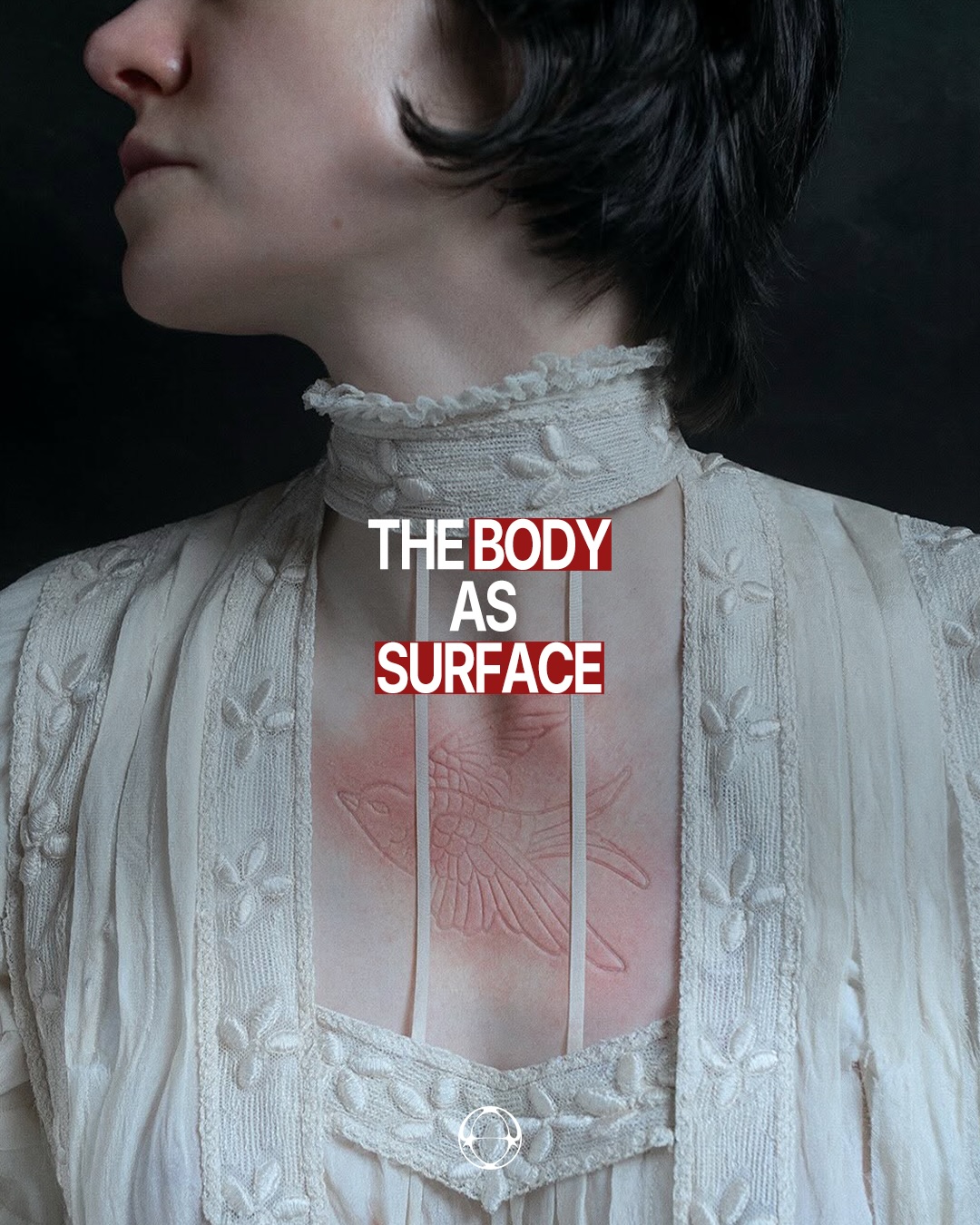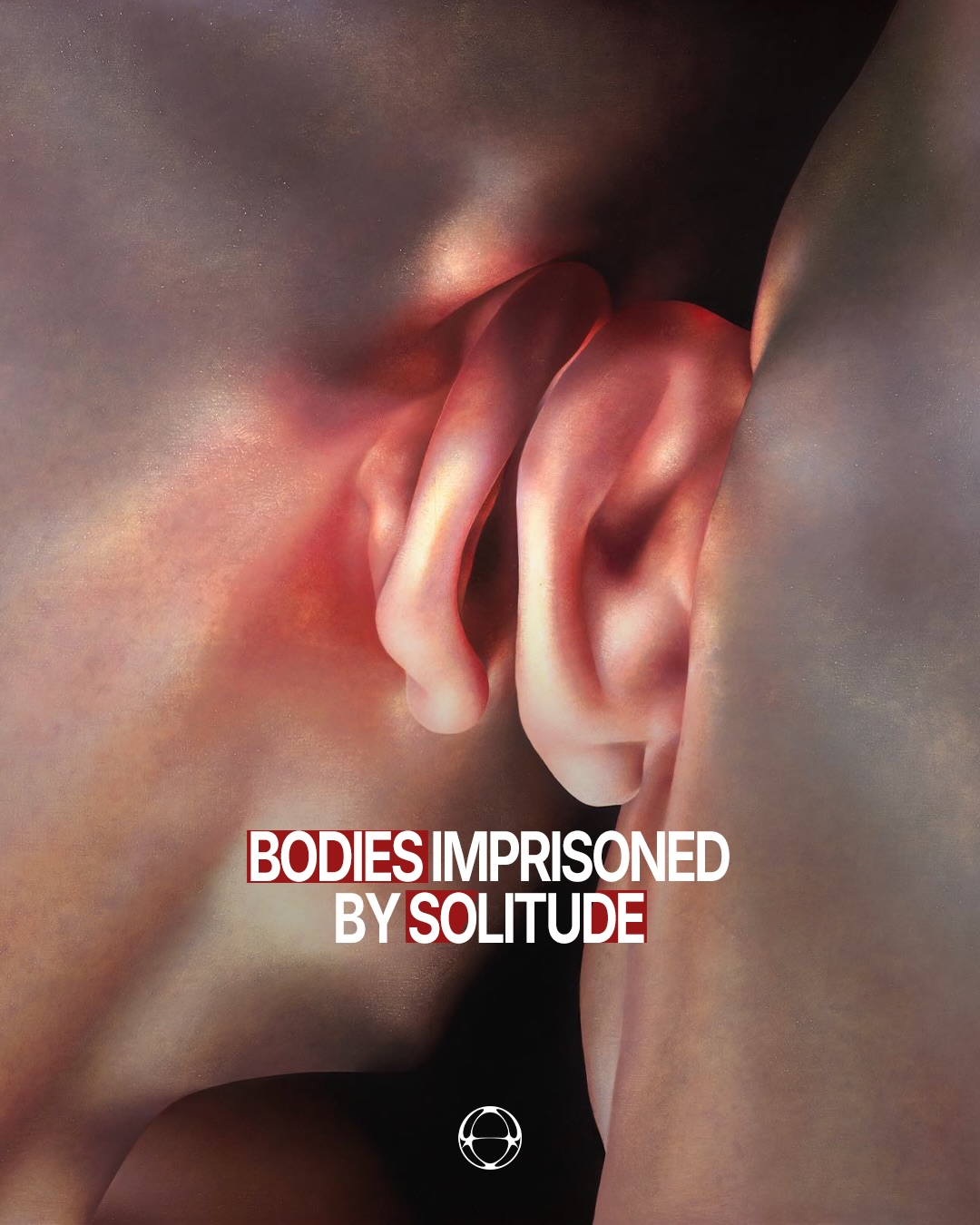
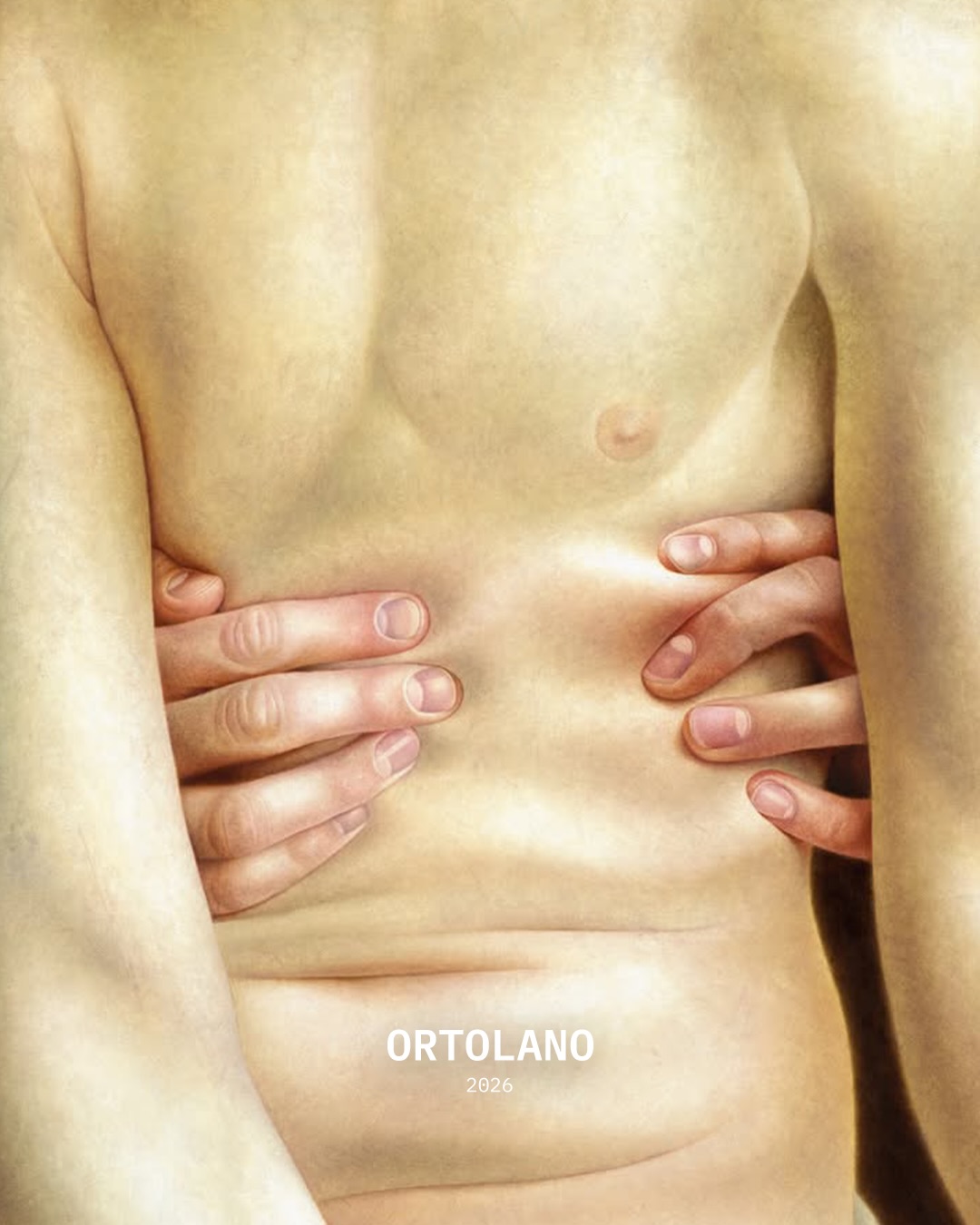
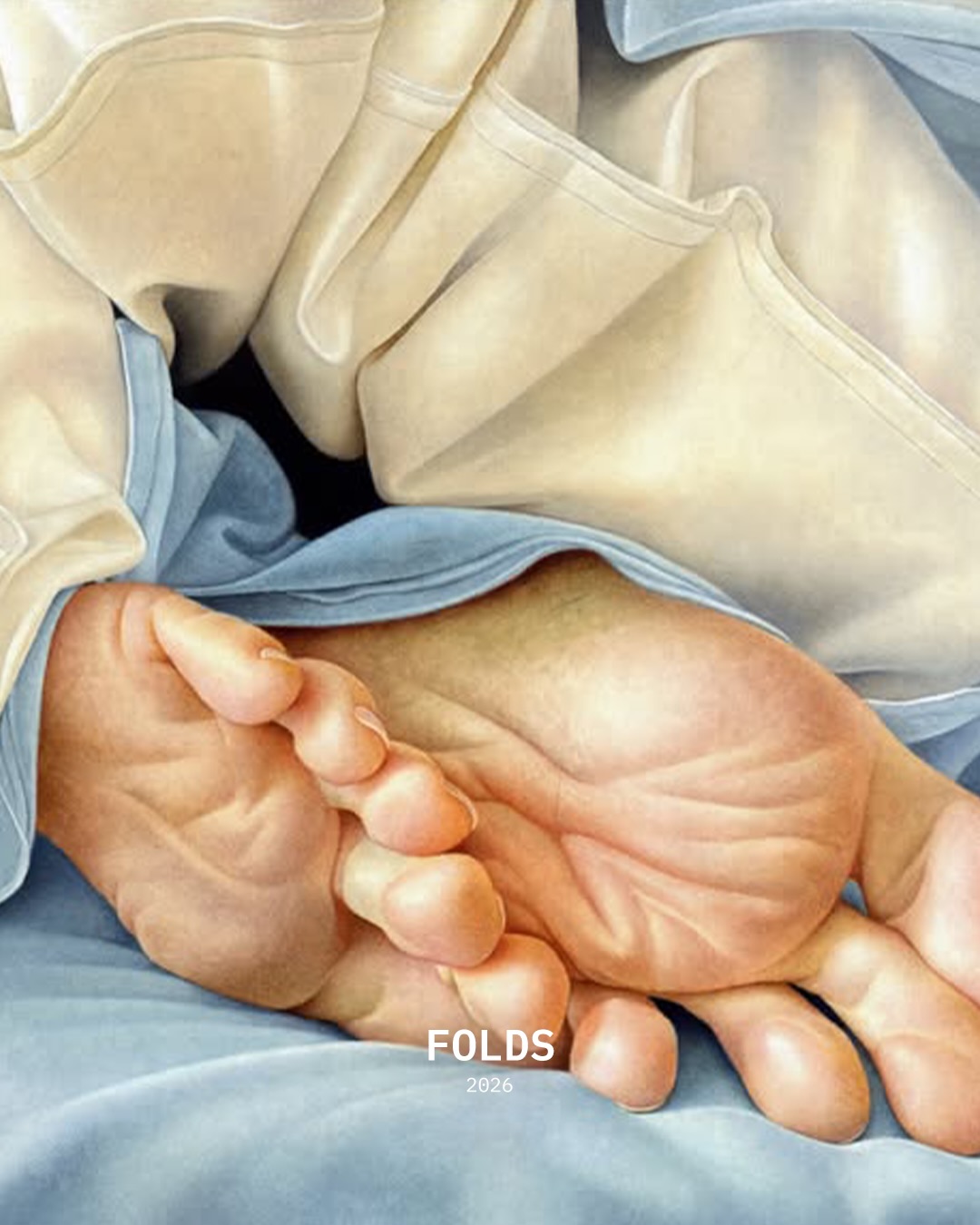
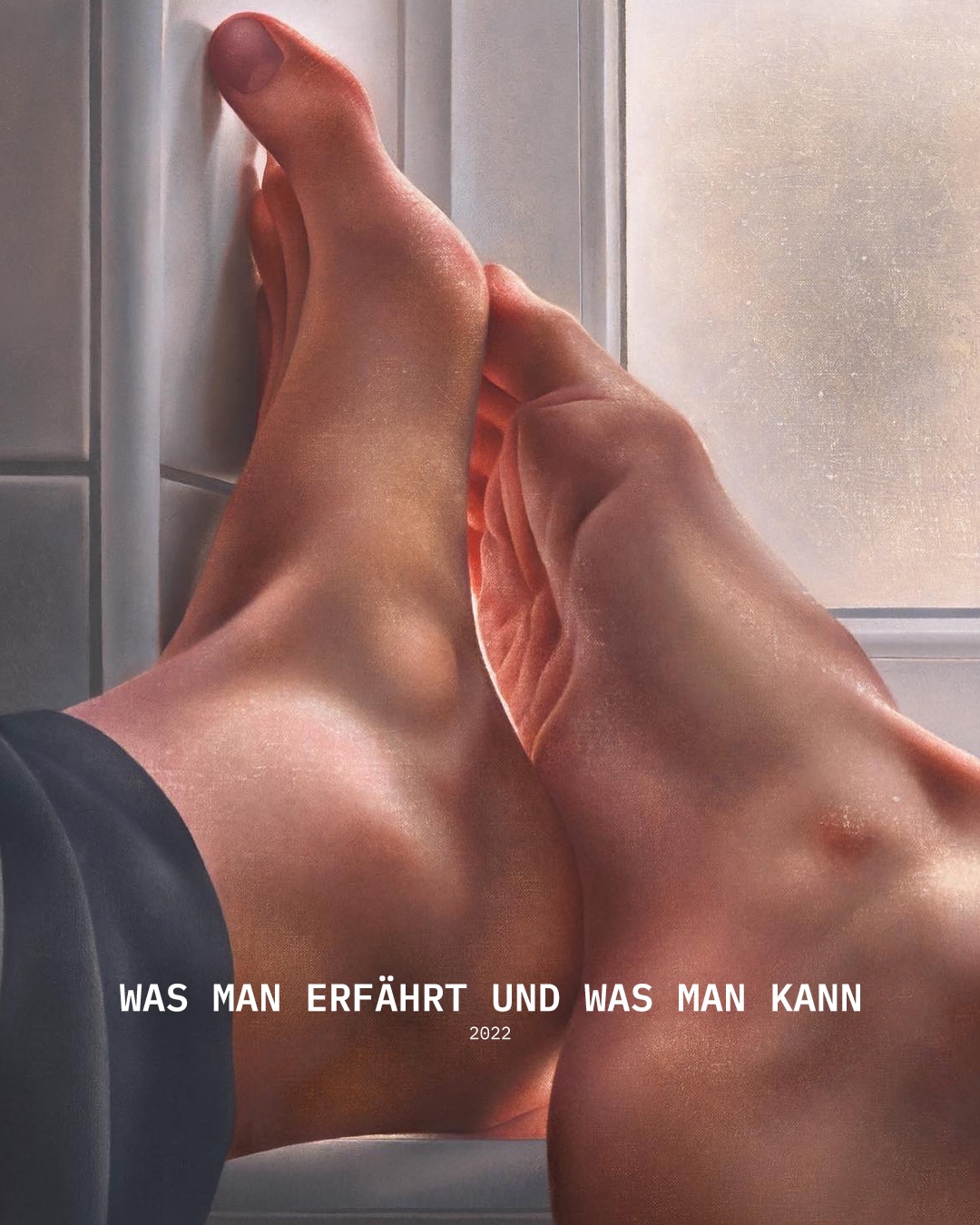
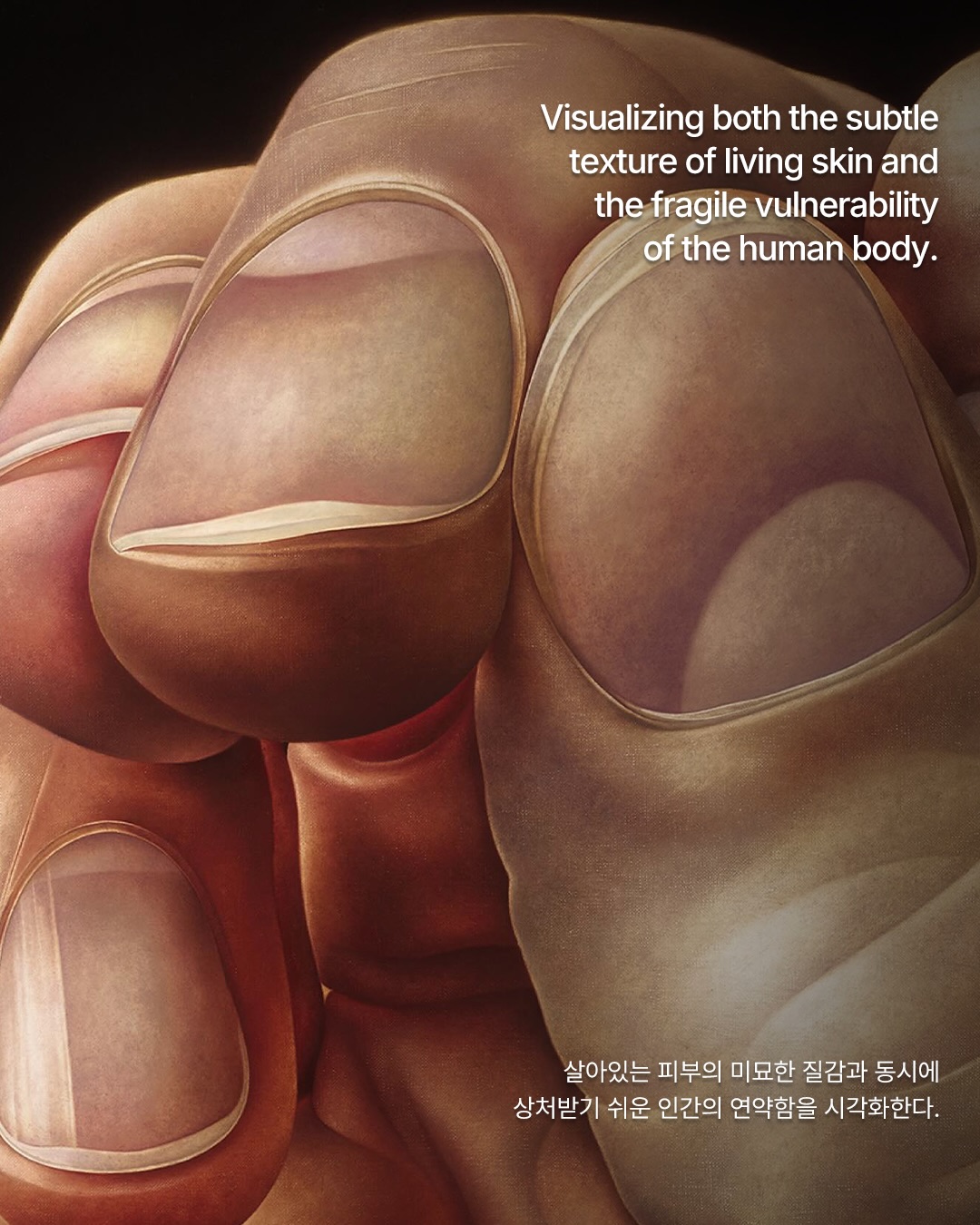
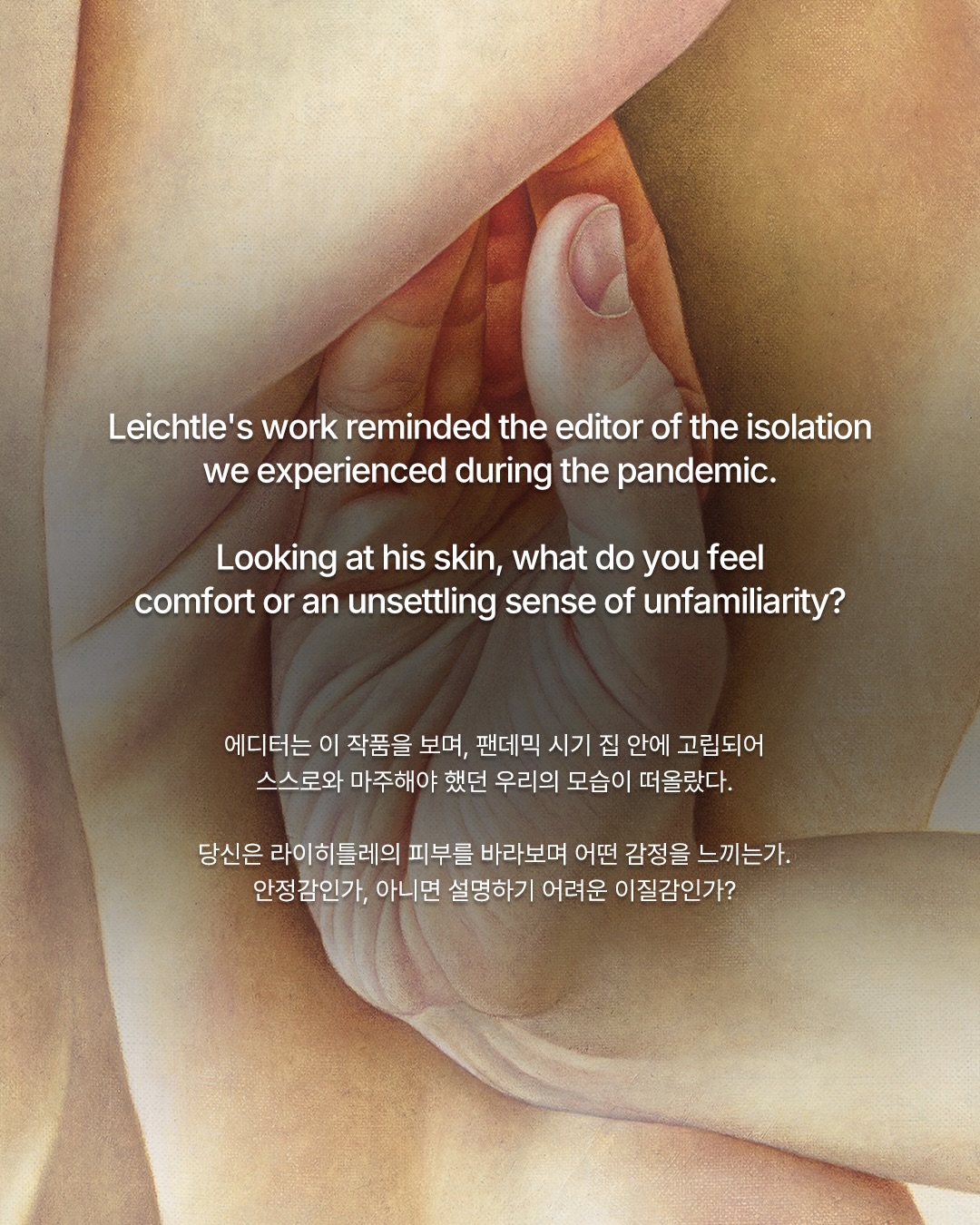
Leichtle challenges viewers to reconsider the body from an entirely new perspective. His works reveal the profound loneliness and psychological tension of individuals confronting themselves in isolation from the external world. The hyperrealistic depiction of skin evokes not comfort, but rather a sense of alienation and discomfort—a reflection of the psychological estrangement felt by individuals in modern society.
His paintings present the body not merely as a physical entity, but as a psychological space where emotions and experiences accumulate. Viewers experience instability when faced with his hyperreal skin, which is precisely the artist's intention. Leichtle's work poses a question: Are you truly connected to your own body, or are you imprisoned within it?
FAQ
What technique does Lucas Lugius Reihofer use in his work?
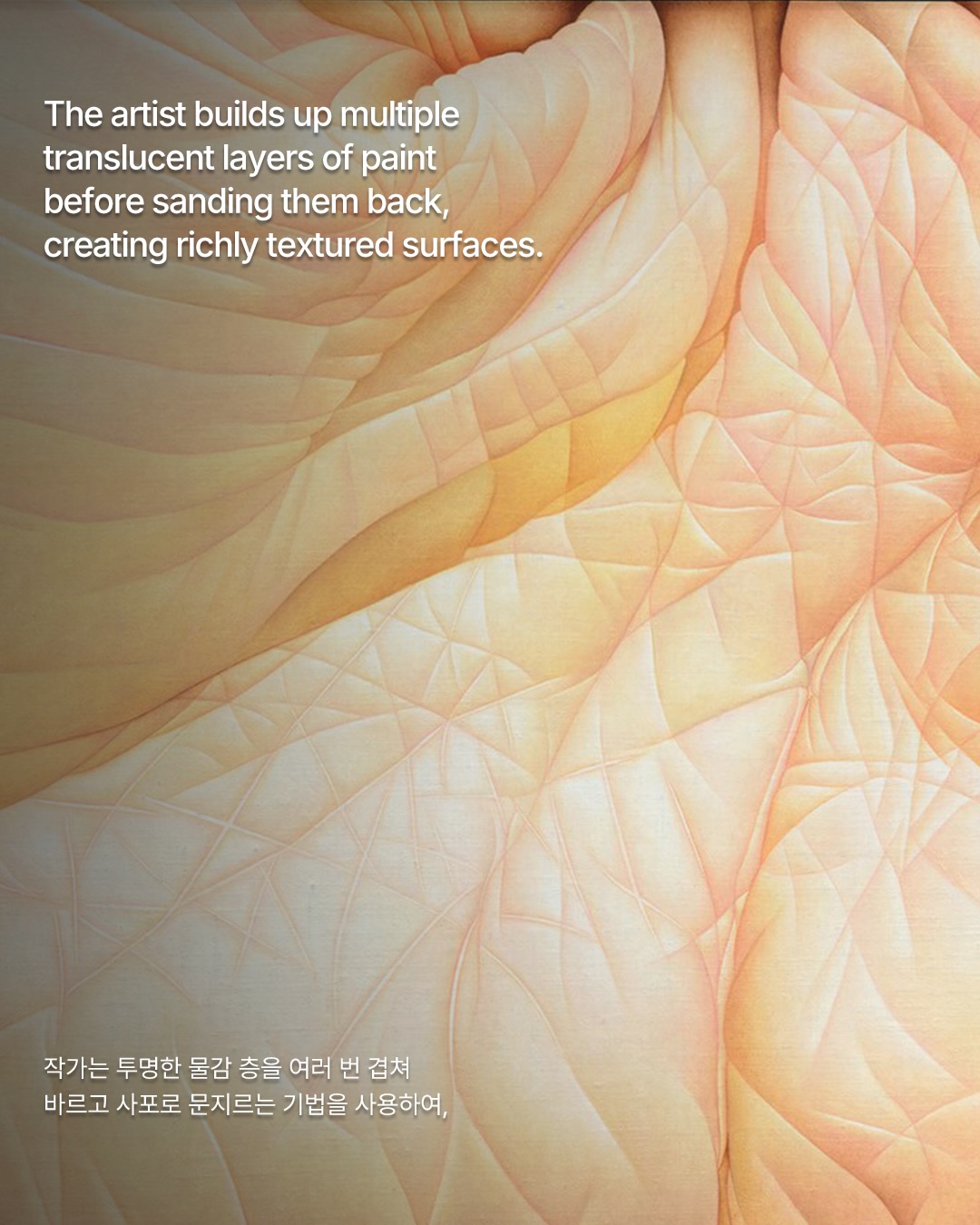
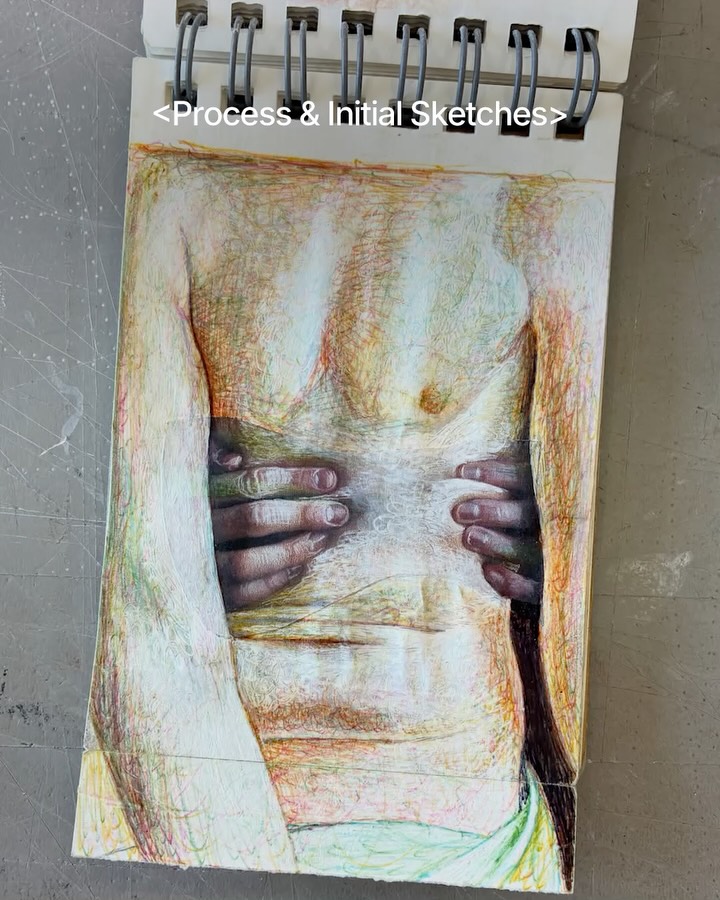
Lucas Lugius Reihofer uses a unique technique of layering transparent paint multiple times and sanding it down. Through this, he hyperrealistically visualizes the subtle texture of living skin and human fragility, creating a distinctive atmosphere that blurs the boundary between reality and surrealism.
What themes does Reihofer's work address?
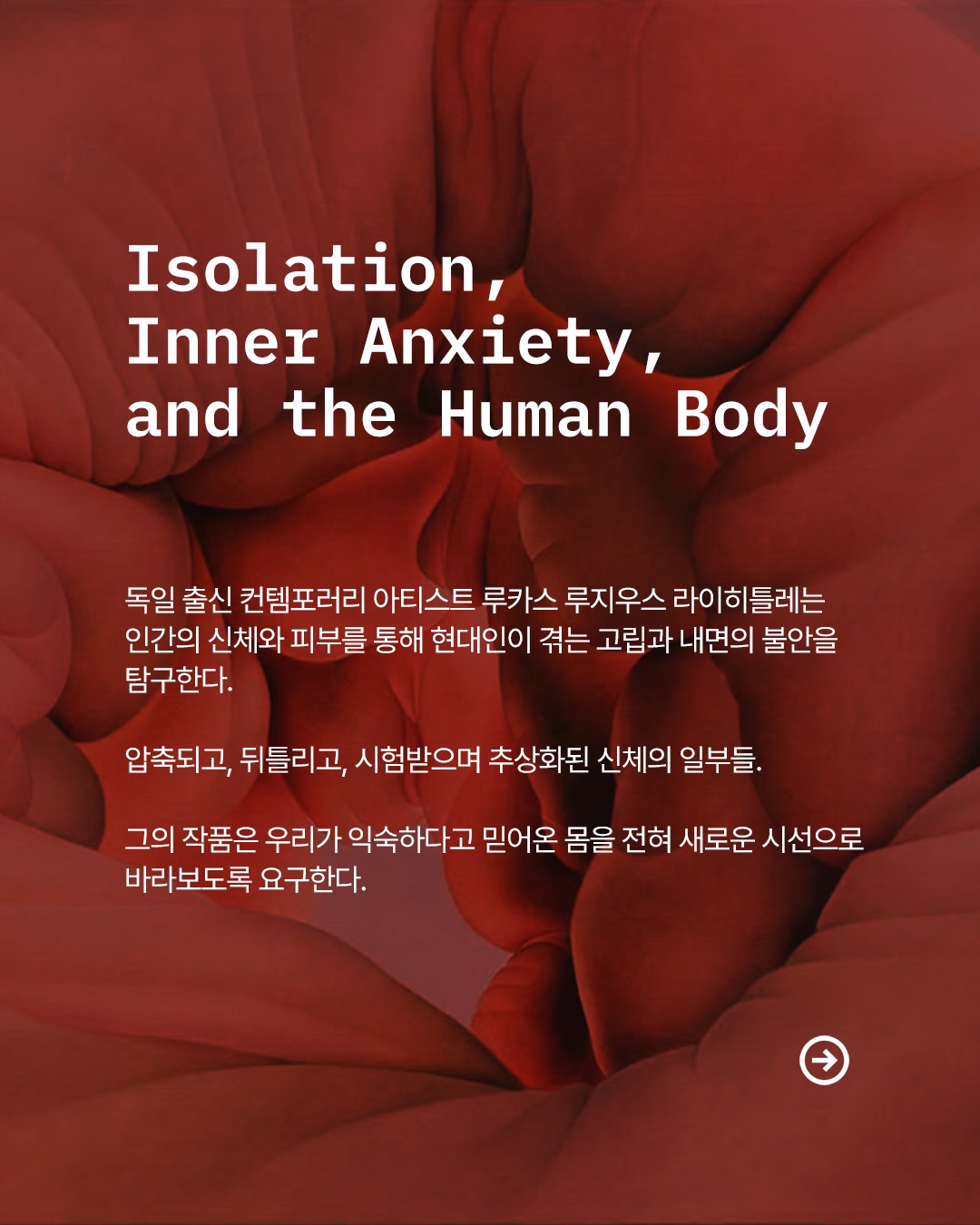
Reihofer's work primarily addresses the isolation and inner anxiety experienced by modern people. Through distorted and deconstructed bodies, he expresses the profound loneliness and psychological pressure of individuals facing themselves alone, disconnected from the outside world, visualizing the psychological alienation of individuals in modern society.
Why does Lugius Reihofer's work create discomfort?
Despite extremely realistic skin rendering, distorted and deconstructed bodies appear in his work. This prompts viewers to see familiar bodies as unfamiliar, intentionally delivering a sense of alienation and psychological discomfort rather than stability, making them viscerally feel the isolation and anxiety of modern people.