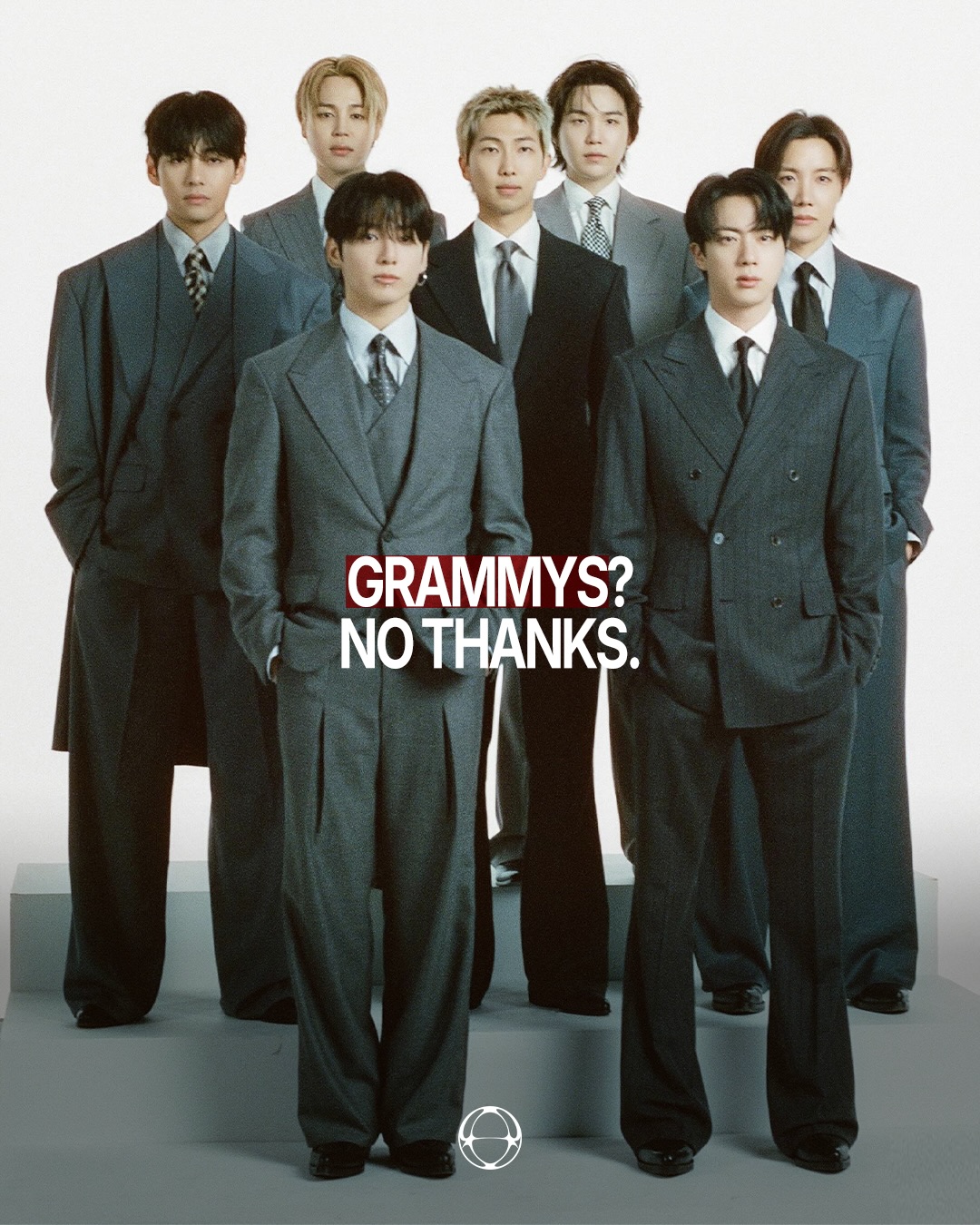
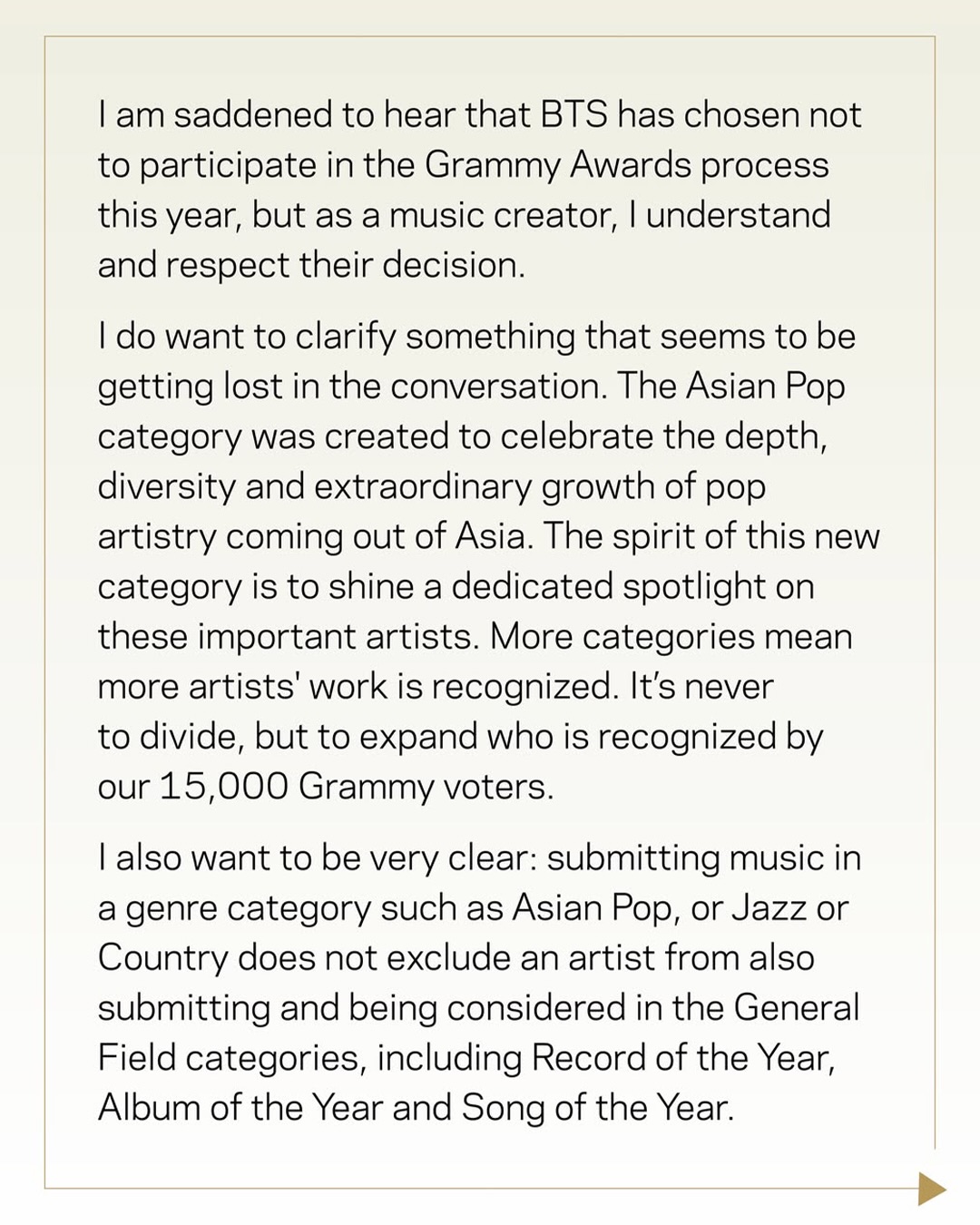
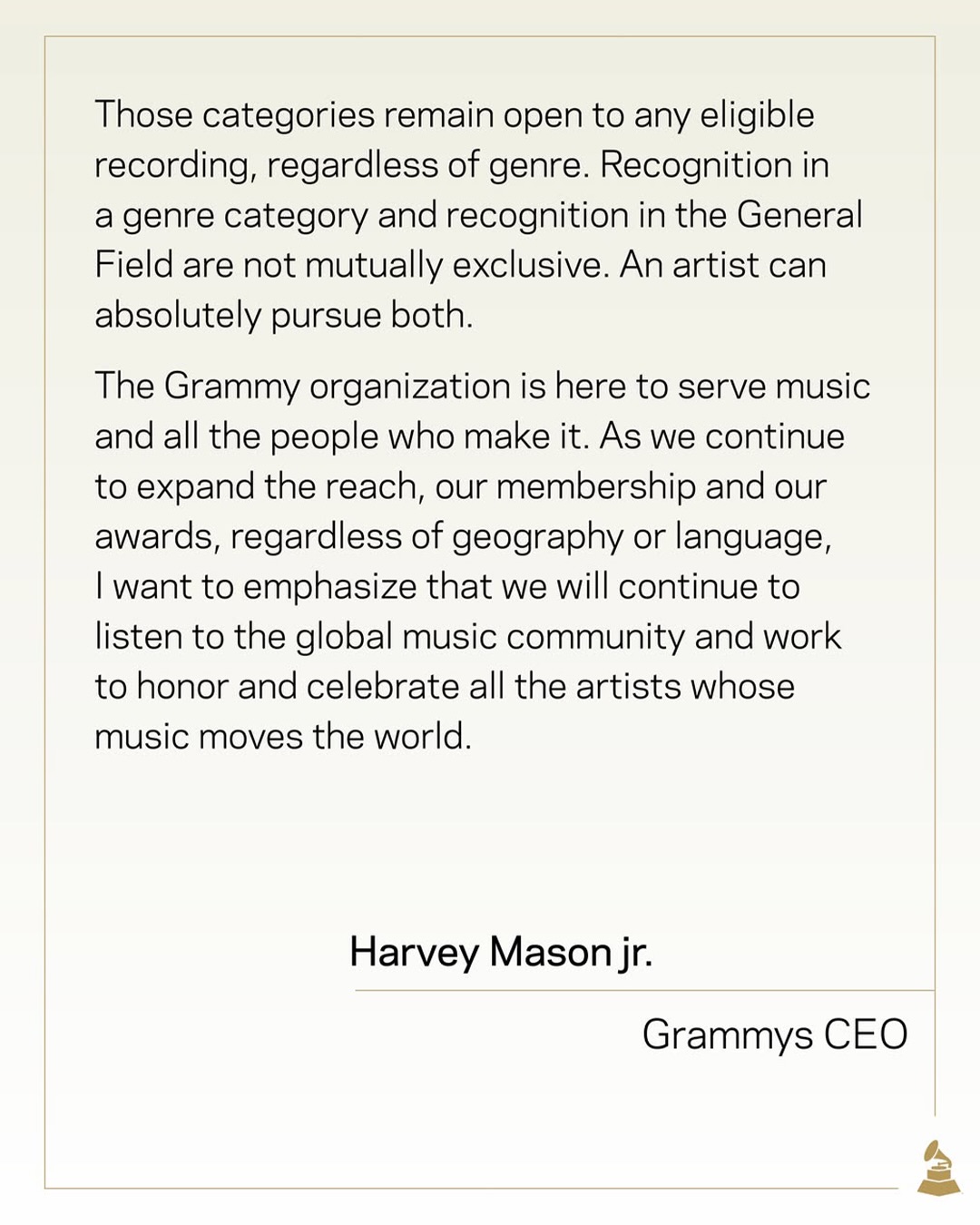
At the heart of the controversy is the Grammy's newly introduced Asian Pop category. Critics have raised concerns that this move may segregate Asian artists from the mainstream awards. In response, Mason clarified, "Adding more categories is about creating more opportunities to recognize artists, not dividing them." He stressed that submissions to genre-specific categories—including Asian Pop, Jazz, and Country—will still remain eligible for the General Field awards such as Record of the Year, Album of the Year, and Song of the Year.
Mason reaffirmed the Recording Academy's commitment to inclusion, saying, "We will continue listening to voices from the global music community, regardless of genre or region." However, following BTS's symbolic absence, questions remain about whether these statements will translate into meaningful industry change. Fans and the music world are watching closely to see how the Grammys will act moving forward.
FAQ
Why did BTS skip the Grammy Awards?
While BTS's specific reason wasn't officially disclosed, it's speculated to relate to criticism that the Grammy's new 'Asian Pop' category attempts to separate Asian artists from mainstream categories. The Grammy CEO stated they respect the artists' choice.
Does the Grammy Asian Pop category affect eligibility for major award nominations?
No, it doesn't affect eligibility. Grammy CEO Harvey Mason Jr. clearly stated that submitting to specific genre categories like Asian Pop, Jazz, or Country doesn't exclude artists from consideration for major general categories like Record, Album, or Song of the Year.
What stance did the Grammy CEO take on BTS's absence?
Grammy CEO Harvey Mason Jr. stated that while BTS's decision not to participate is disappointing, he respects their choice as music makers. He emphasized an inclusive attitude of continuing to listen to voices from the global music community regardless of genre or region.