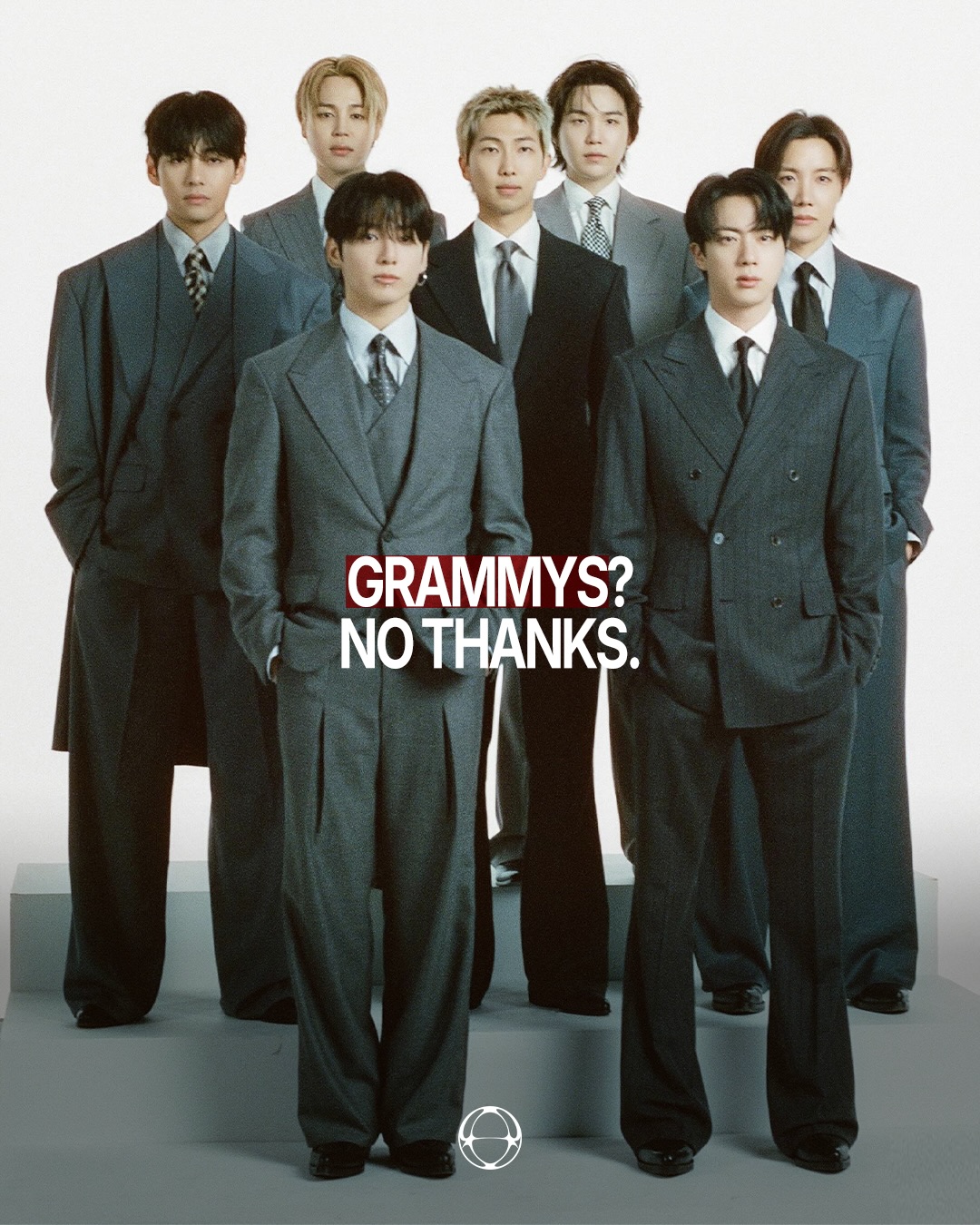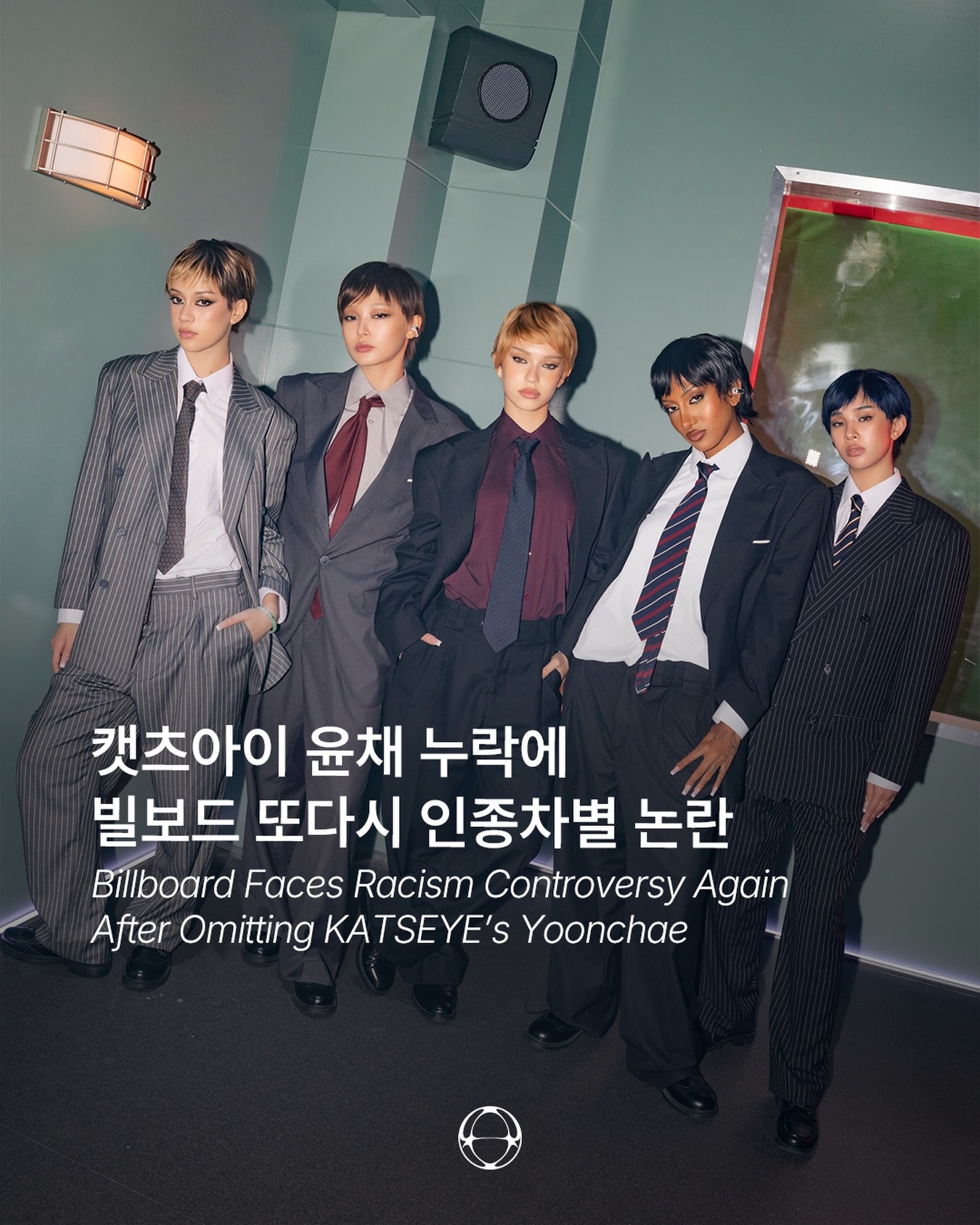
What makes this incident particularly troubling is the pattern of similar occurrences. In May, Billboard faced criticism for the same issue when sharing KATSEYE member selfies, excluding only Yoonchae's image. The incident has also reignited discussion around Billboard's 2021 controversy involving BTS, when the outlet shared an illustration depicting the group's members being struck by a Grammy trophy. While the original illustrator apologized, Billboard never issued an official statement addressing the racist imagery.
For a publication that operates the world's most influential music charts and represents the global music industry, these recurring incidents suggest more than simple mistakes—they point to systemic editorial failures. Fans are calling for rigorous content review processes and accountability measures, demanding an official apology and concrete steps to prevent future occurrences. As K-pop continues to dominate global charts, the need for culturally sensitive and equitable media representation has never been more urgent.
FAQ
Why did Billboard omit Yoonchae's photo from CATSEYE?
Billboard hasn't provided an official explanation, but deleted all individual photos from the post after controversy erupted. Fans point out this isn't the first time—a similar incident occurred in May when only Yoonchae's selfie was excluded—making it difficult to dismiss as mere error.
What racial discrimination controversy has Billboard had with BTS in the past?
In 2021, Billboard faced racial discrimination controversy after sharing an illustration on official social media depicting BTS members beaten by Grammy trophies. While the original artist apologized, Billboard issued no official statement, and this incident is being re-examined alongside the CATSEYE situation as a recurring problem.
What are fans demanding after the Yoonchae omission incident?
Fans are demanding an official apology from Billboard along with concrete measures to prevent recurrence. They argue that as a global music publication, more thorough content review systems and culturally sensitive editorial processes are necessary, urging structural problem-solving.