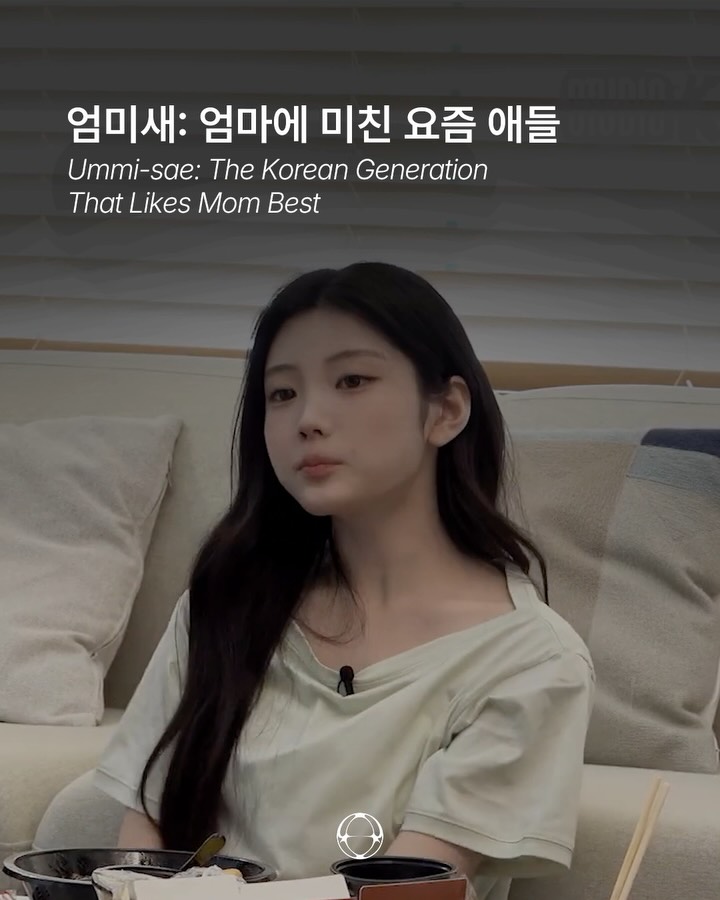
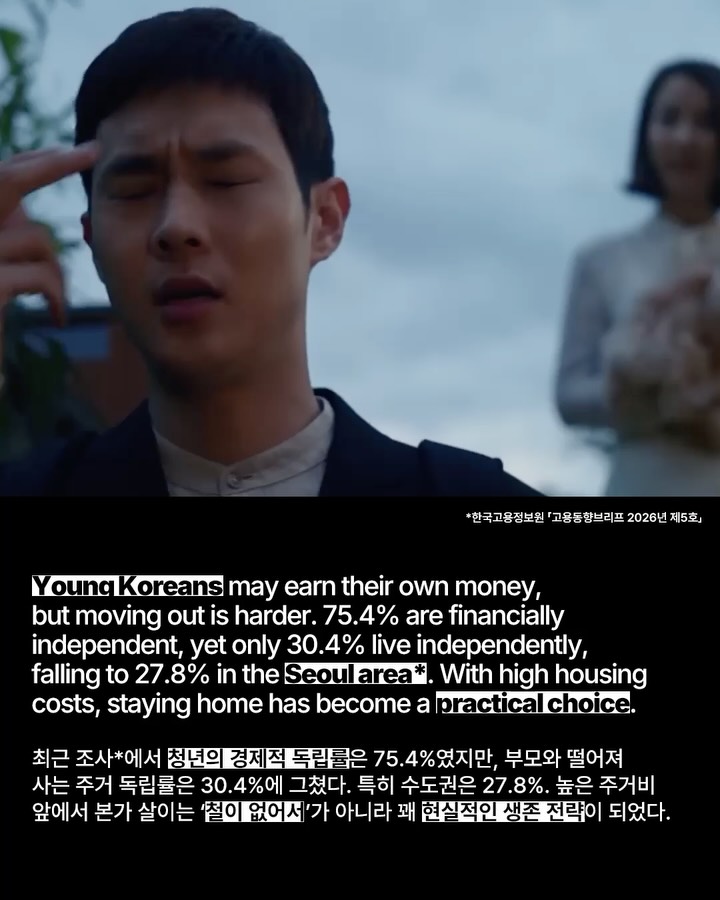
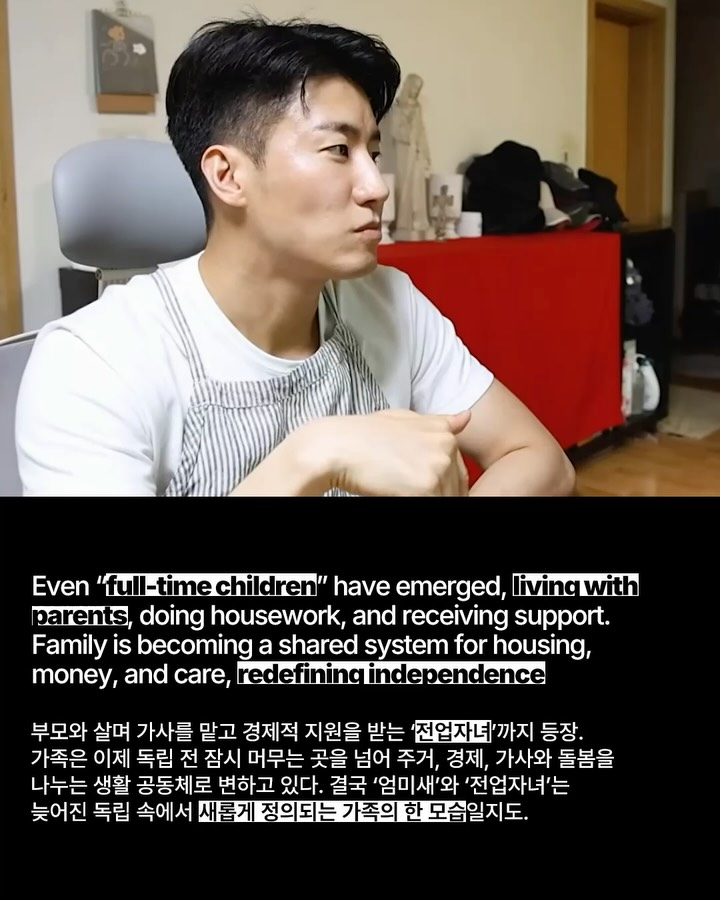
So why now? Relationships feel exhausting, independence is expensive, and individualism is stronger than ever. Connecting with others demands more energy, and living alone has become financially draining. A generation that championed going solo has circled back to its closest tie. Maybe Ummi-sae isn't simply about loving Mom too much. It might be the name of a generation that found safe connection in an isolating world. Who is your closest bond?
FAQ
What does eommi-sae mean?
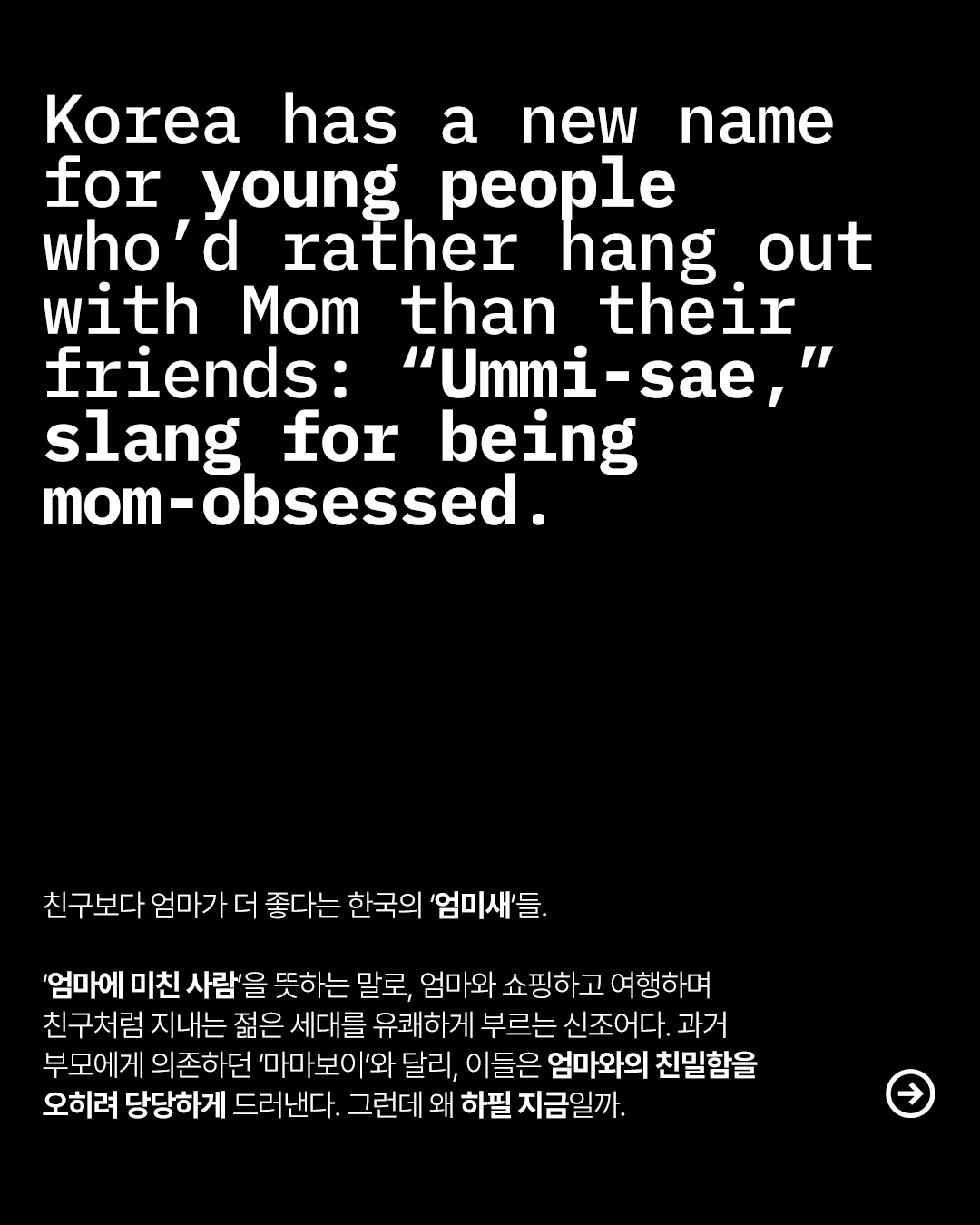
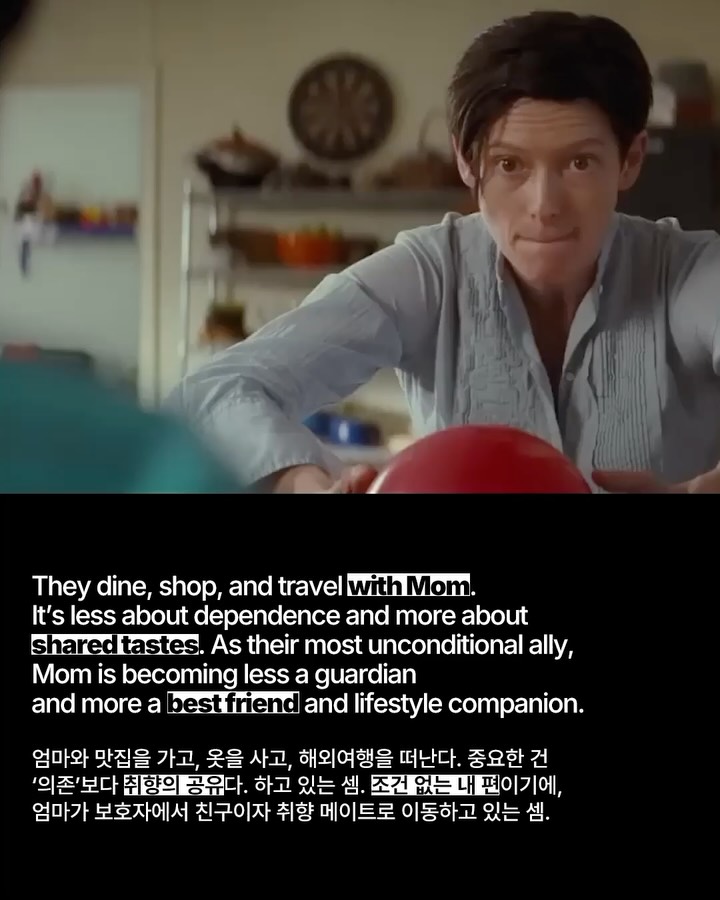
Eommi-sae is a Korean neologism meaning 'person crazy about mom,' playfully referring to young people who shop and travel with their mothers like friends. Unlike dependent mama's boys of the past, it describes independent adults who openly embrace closeness with their mothers.
Why has the younger generation become closer to their mothers?
Because relationships have become exhausting, independence costs have risen, and individualism has strengthened. As connecting with others requires more energy and living alone becomes economically burdensome, the survival-mode generation has rediscovered mothers as their safest relationship.
How do eommi-sae and mama's boys differ?
Mama's boys carry a negative image of parental dependence, while eommi-sae describes independent adults who confidently express intimacy with their mothers. Eommi-sae proudly share daily moments with their mothers on social media and often prioritize them for weekend plans.