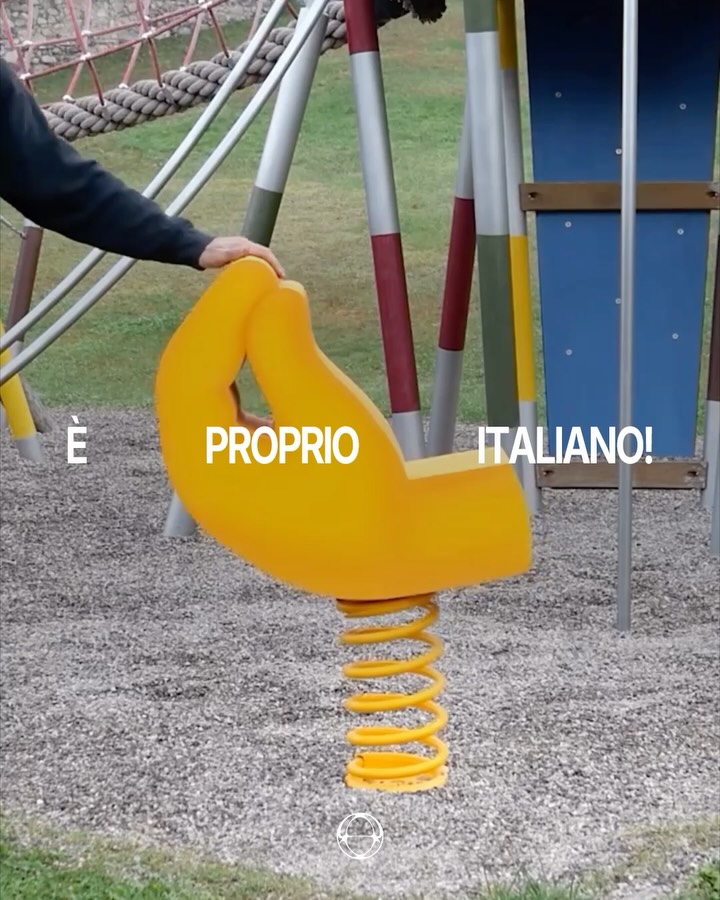
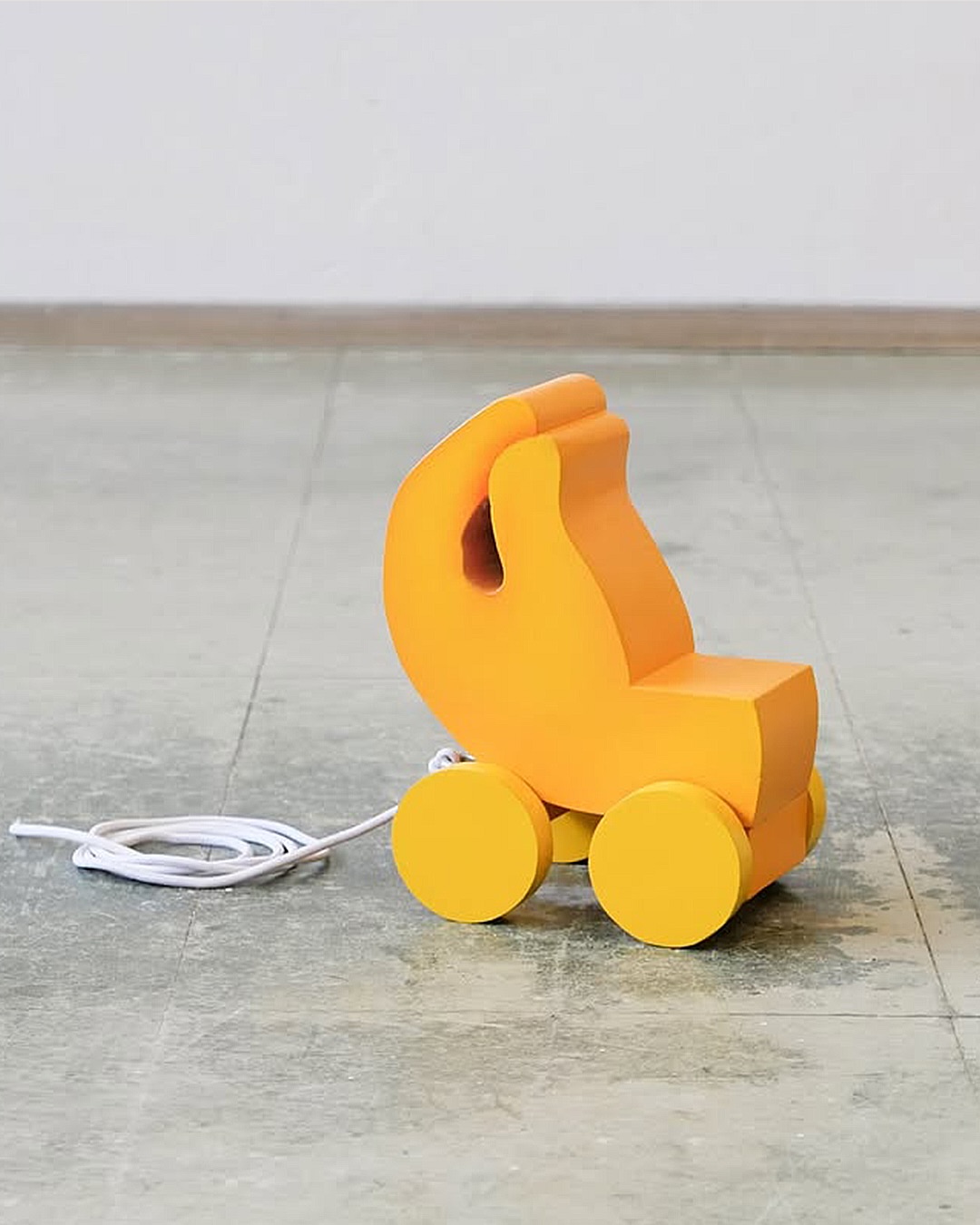
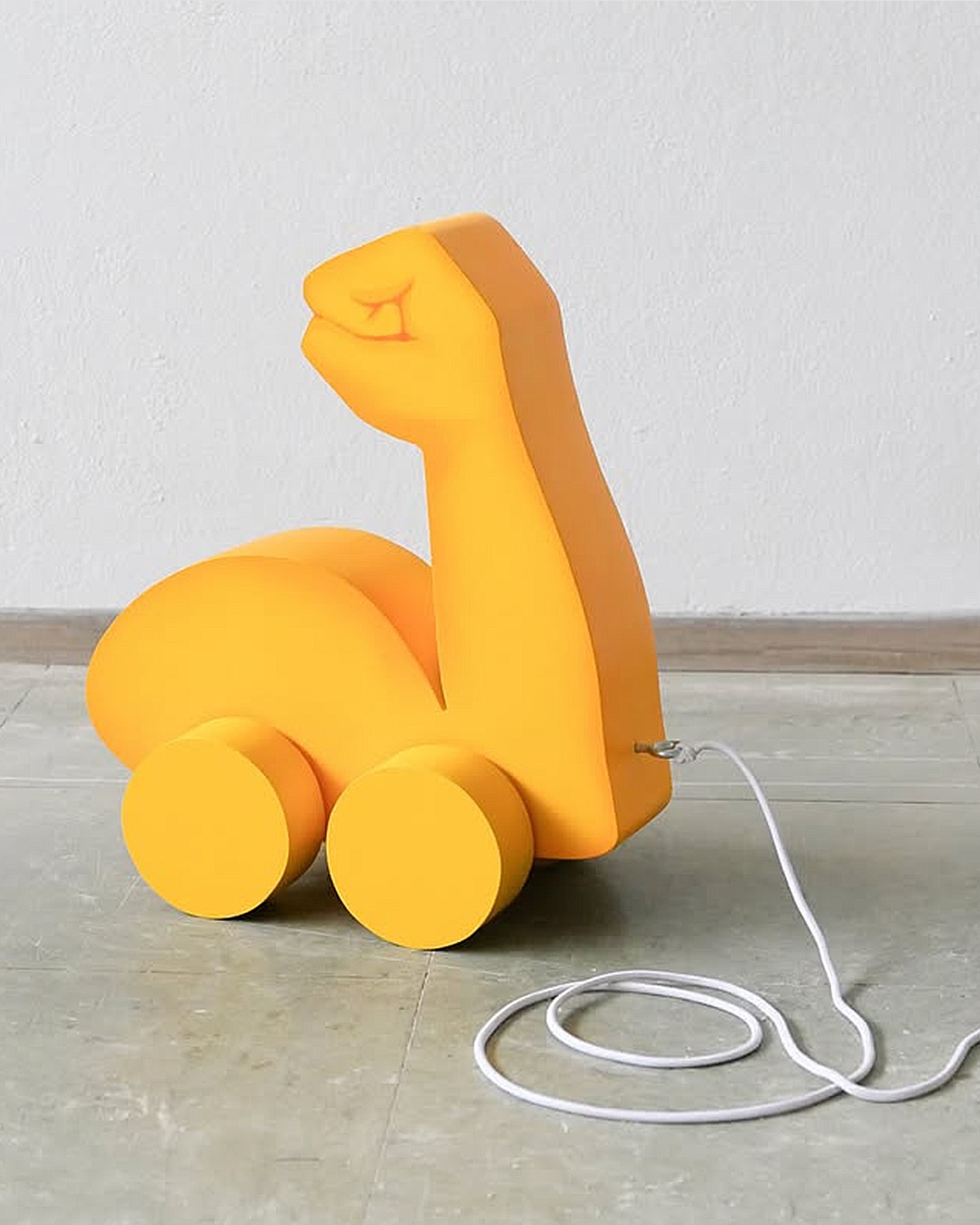
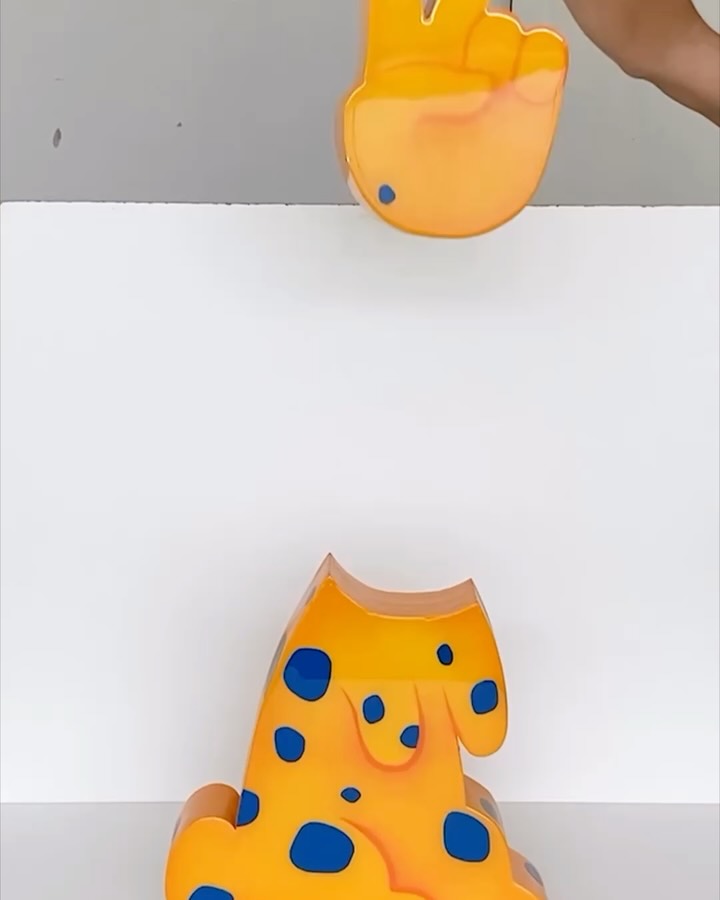
Fidel's practice centers on capturing the visual language we encounter daily but rarely pause to examine. He uses familiar visual codes—advertising icons, road sign symbols, smartphone emojis—as raw materials, translating them into sculptures and installations. Through this process, he explores how these commonplace images function beyond mere communication tools, reflecting and reinforcing social expectations and cultural norms.
His work strikes a balance between humor and critique. Audiences first respond with amusement to the familiar forms, but soon find themselves reconsidering the meanings embedded in the gestures and symbols they take for granted. By translating everyday language into sculpture, Fidel illuminates the non-verbal communication systems prevalent in contemporary society and the social messages they carry.
Beyond visual play, his practice constitutes an artistic inquiry into how our symbolic systems shape collective identity and cultural codes. Fidel's sculptures offer viewers simultaneous familiarity and estrangement, translating the sociology of everyday gestures into compelling contemporary art that questions the unspoken rules governing our daily interactions.
FAQ
Who is Delfino Sisto Legnani?
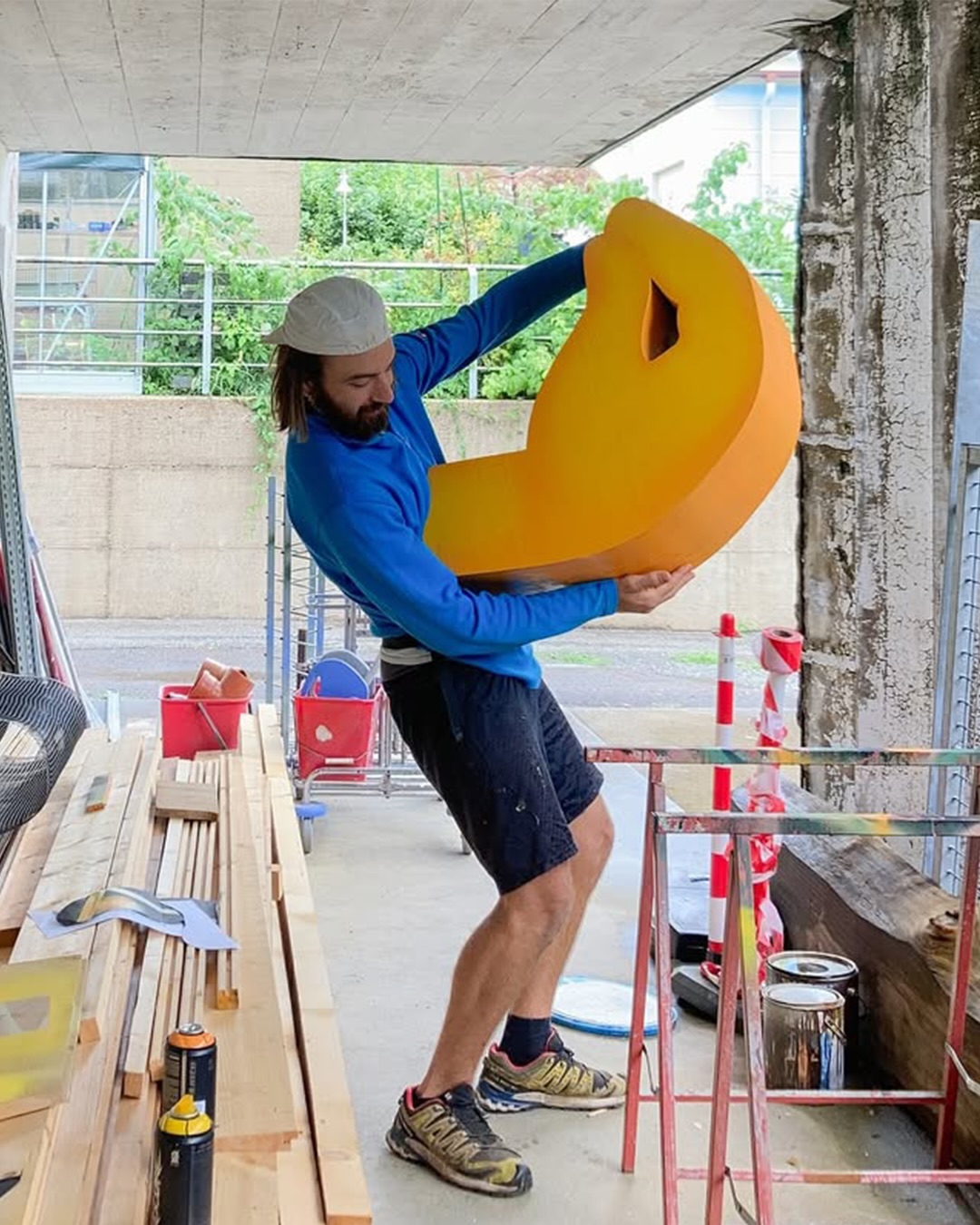
Delfino Sisto Legnani transforms everyday gestures and symbols into contemporary sculpture. He reinterprets visual codes like Italian hand gestures, advertising icons, signage symbols, and emoticons as sculptural objects and installations, questioning how our casual nonverbal communication reflects social expectations and norms.
What is Delfino Sisto Legnani's Italian hand gesture artwork?
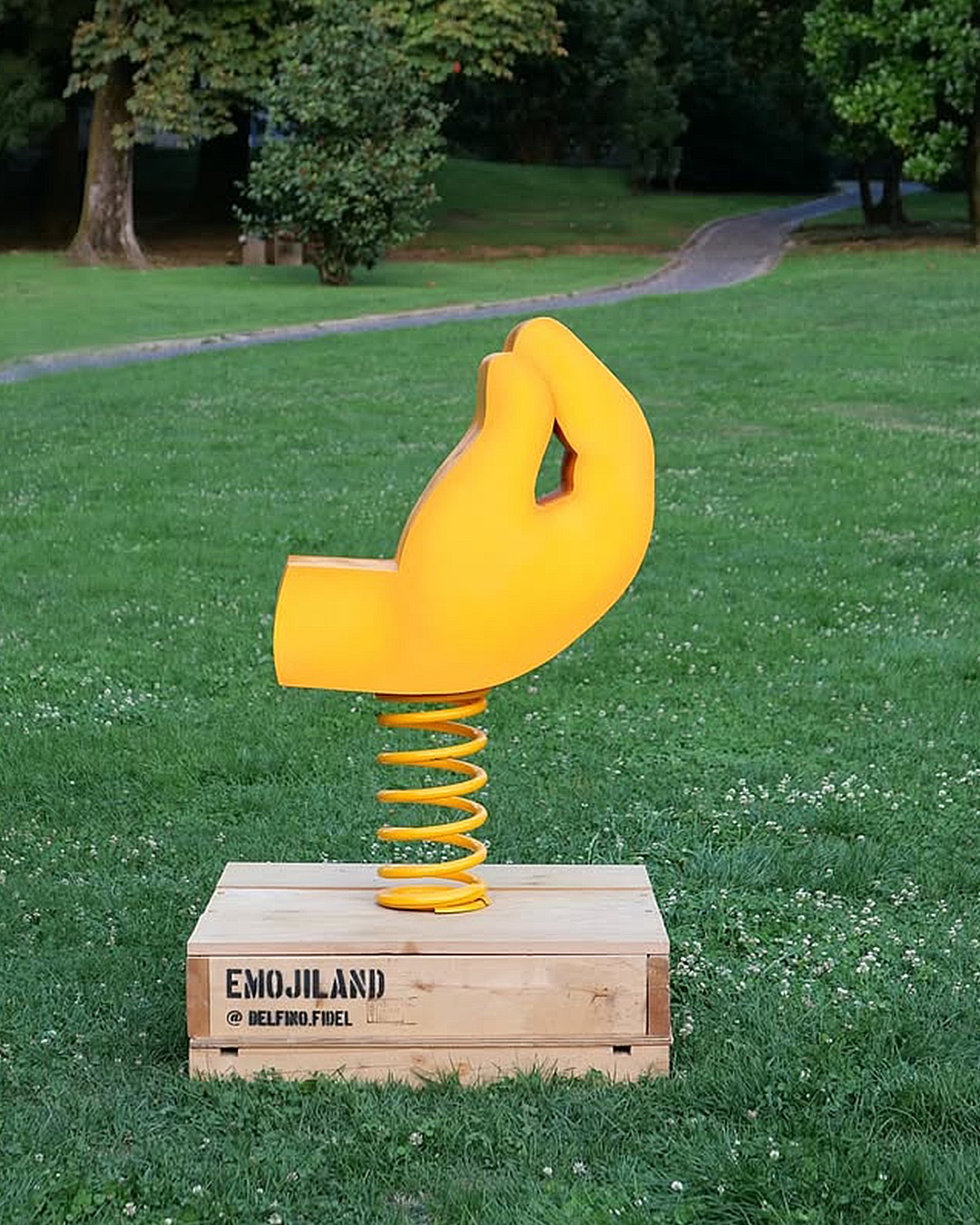
One of Delfino's signature pieces transforms the Italian pinched-fingers gesture 🤌 into a sculpture resembling a playground spring rider. Created in yellow, this work converts a familiar gesture into a three-dimensional object, injecting humor while questioning cultural symbolism.
What themes do Delfino Sisto Legnani's works address?
Delfino's work explores how everyday gestures and visual symbols reflect social expectations and cultural norms. By translating common visual languages like advertisements, signs, and emoticons into sculpture, he prompts viewers to reconsider taken-for-granted communication modes, artistically illuminating modern society's nonverbal communication systems.