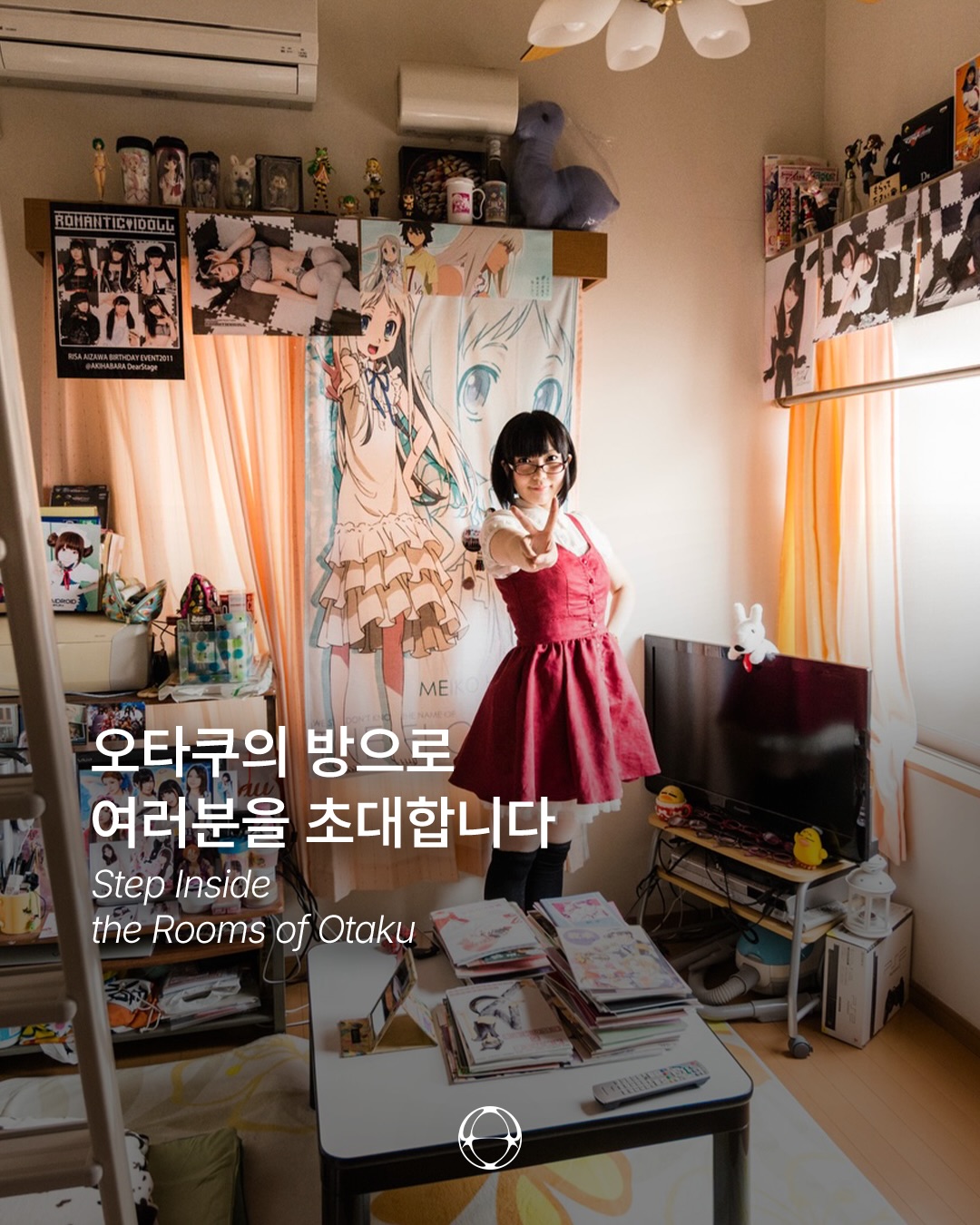
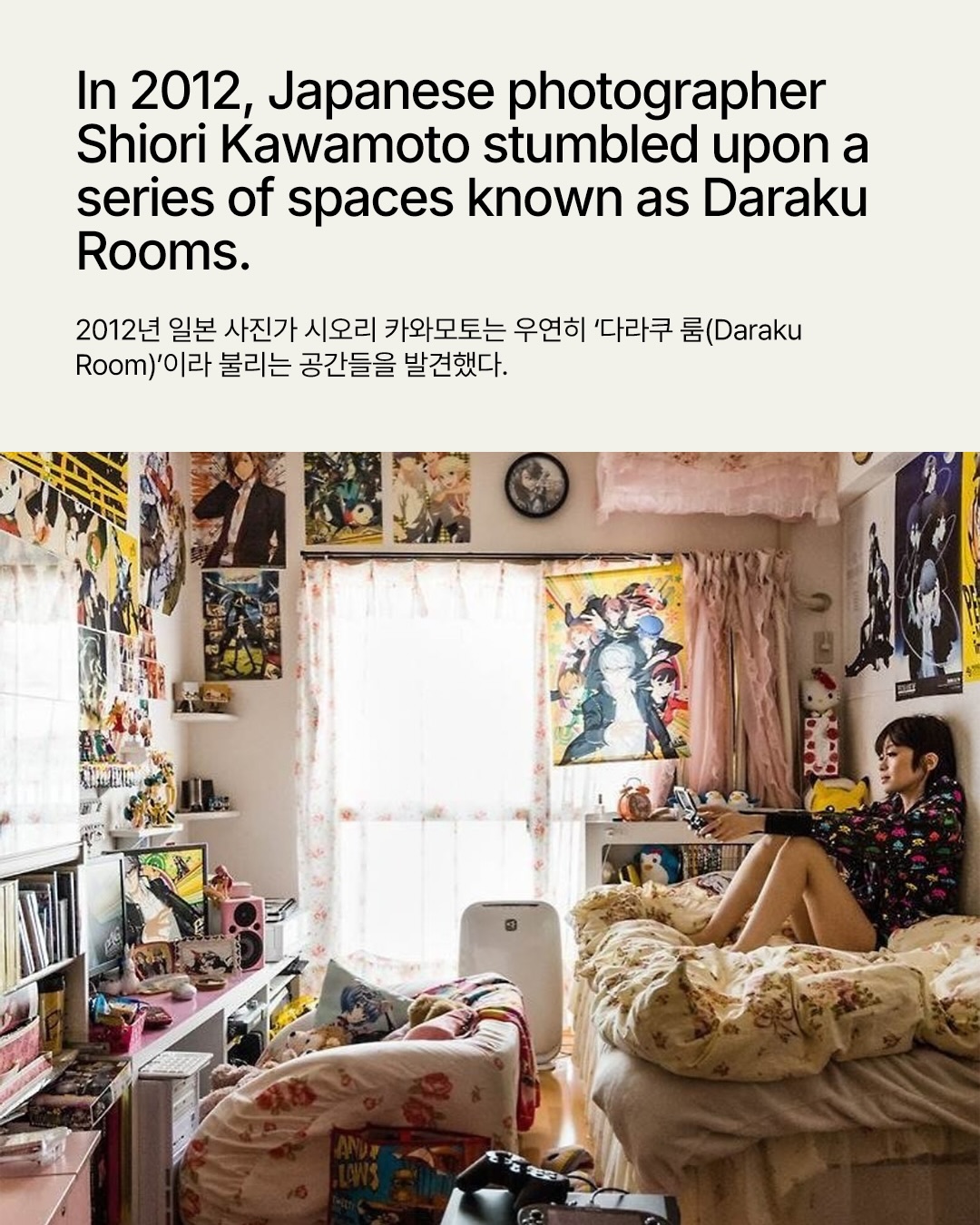
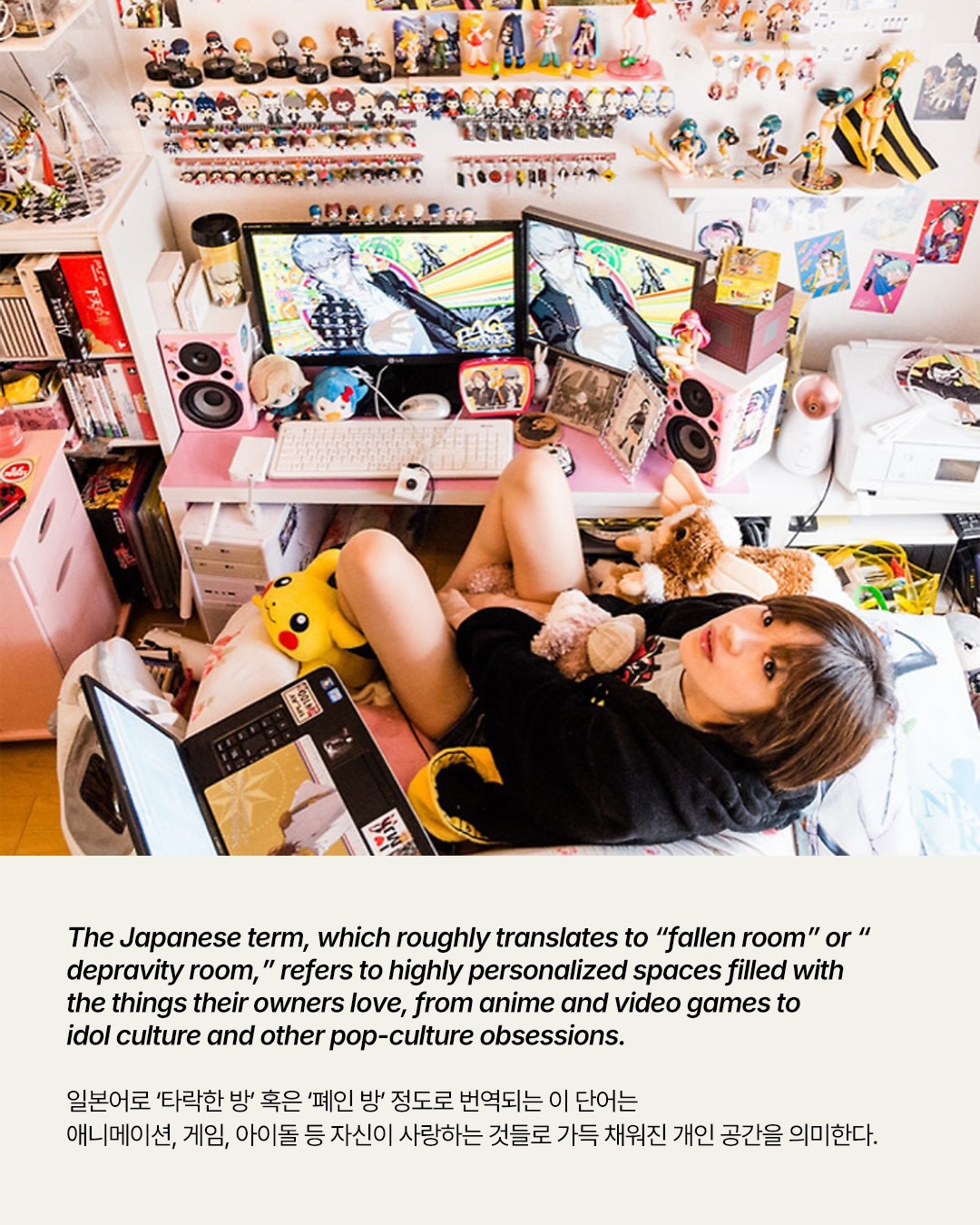
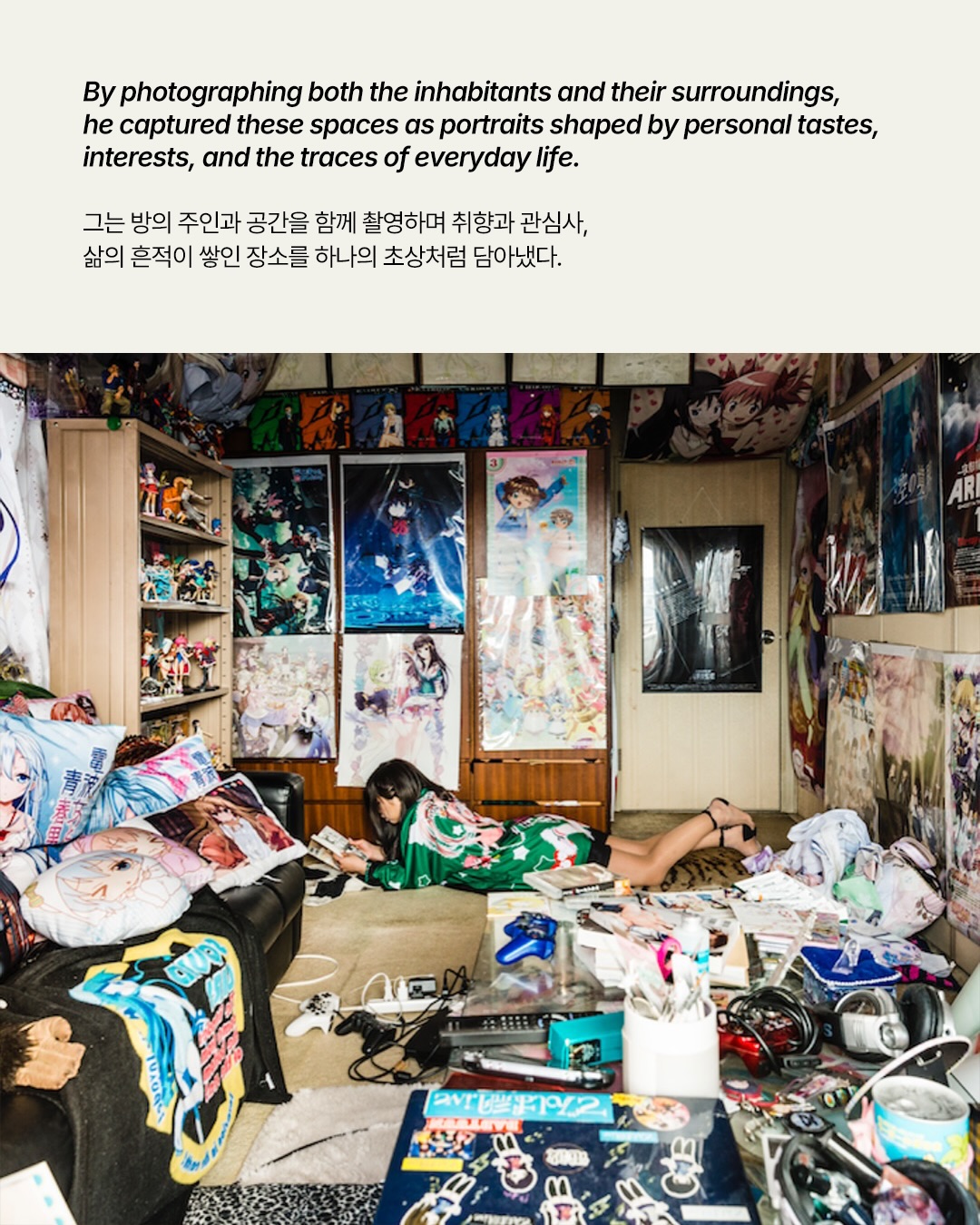
Walls covered with anime posters, character pillows on the bed, and figures and game consoles scattered across the floor. In 2012, Japanese photographer Shiori Kawamoto stumbled upon spaces known as Daraku Rooms. Roughly translating to "fallen rooms" or "depravity rooms," the term refers to highly personalized spaces filled with the things their owners love, from anime and video games to idol culture. These spaces, once viewed negatively by society, gained new meaning through Kawamoto's lens.
Kawamoto did not view these rooms as simply messy living spaces. Instead, he photographed both the rooms and their inhabitants, treating these environments as portraits shaped by personal interests, habits, and traces of everyday life. Each room becomes a canvas revealing its owner's identity, with every object serving as a language that tells their story. Before otaku culture entered the mainstream, he had already captured the authenticity and beauty inherent in these spaces.
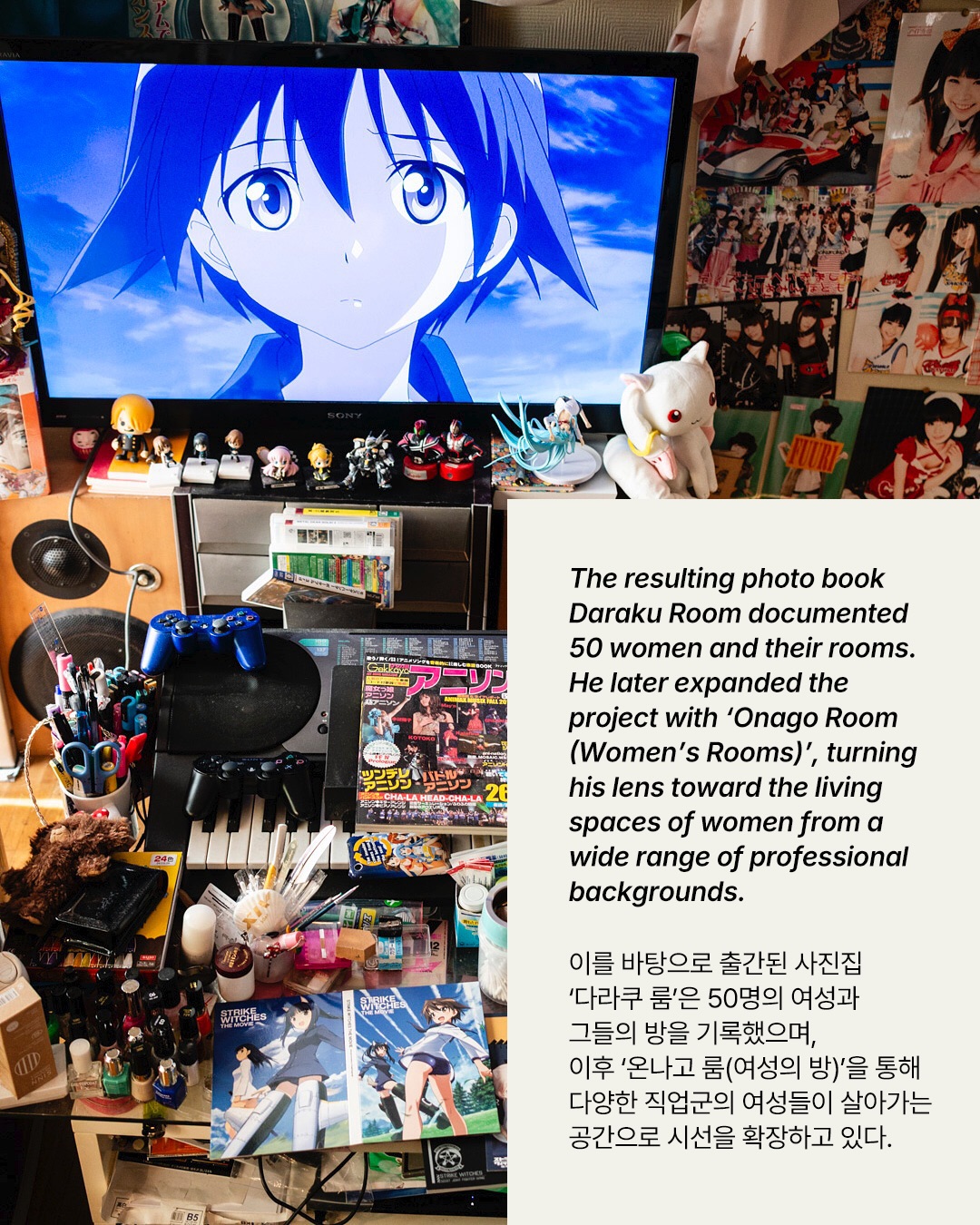
The resulting photo book Daraku Room documented 50 women and their rooms, while his later project Onago Room ("Women's Rooms") expanded the concept to include women from a wide range of professional backgrounds and lifestyles. Kawamoto's work transcends mere documentation, becoming a cultural archive that shows how personal taste is expressed through space and shapes identity. Today, when rooms filled with K-pop albums and merchandise are proudly shared on social media, we can see how ahead of his time his pioneering vision truly was.
Kawamoto did not view these rooms as simply messy living spaces. Instead, he photographed both the rooms and their inhabitants, treating these environments as portraits shaped by personal interests, habits, and traces of everyday life. Each room becomes a canvas revealing its owner's identity, with every object serving as a language that tells their story. Before otaku culture entered the mainstream, he had already captured the authenticity and beauty inherent in these spaces.
The resulting photo book Daraku Room documented 50 women and their rooms, while his later project Onago Room ("Women's Rooms") expanded the concept to include women from a wide range of professional backgrounds and lifestyles. Kawamoto's work transcends mere documentation, becoming a cultural archive that shows how personal taste is expressed through space and shapes identity. Today, when rooms filled with K-pop albums and merchandise are proudly shared on social media, we can see how ahead of his time his pioneering vision truly was.

FAQ
What does Daraku Room mean?
Daraku Room, Japanese for 'fallen room' or 'recluse room,' refers to a personal space filled with one's beloved things—anime, games, idols, and other passions.
How did Shiori Kawamoto photograph Daraku Rooms?
Kawamoto photographed room owners alongside their spaces, capturing places layered with tastes, interests, and life traces as portraits. She compiled these into a photo book documenting fifty women and their rooms.