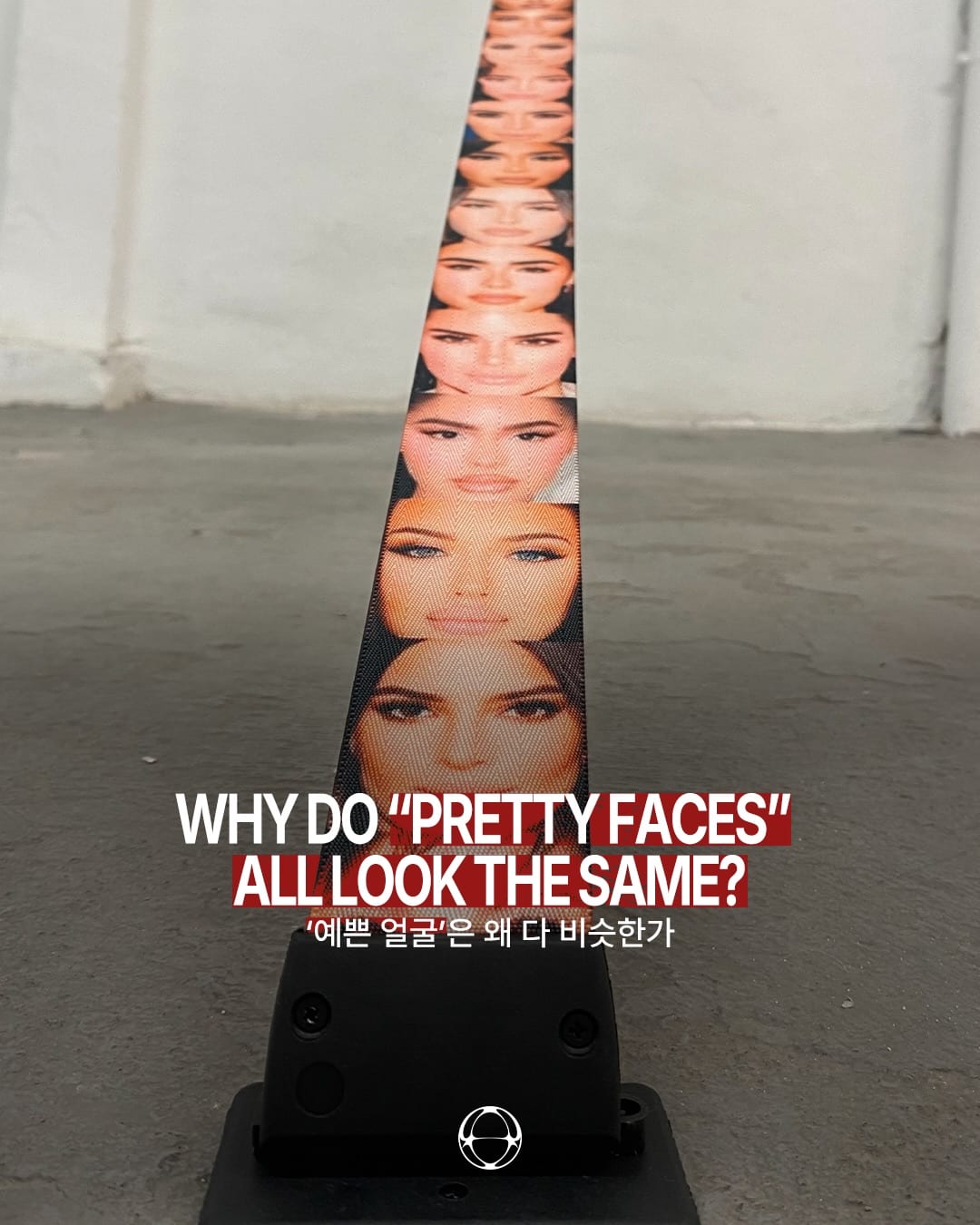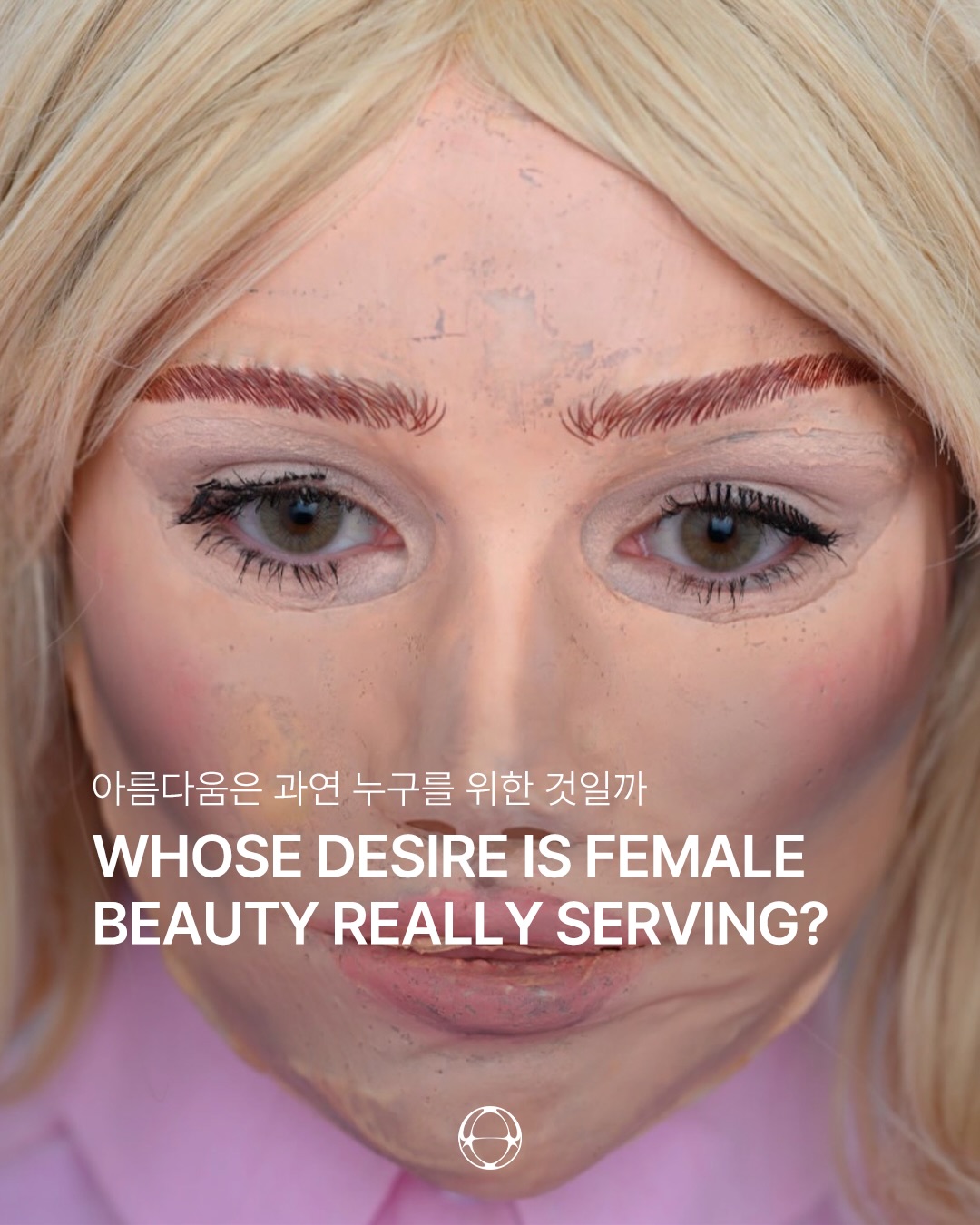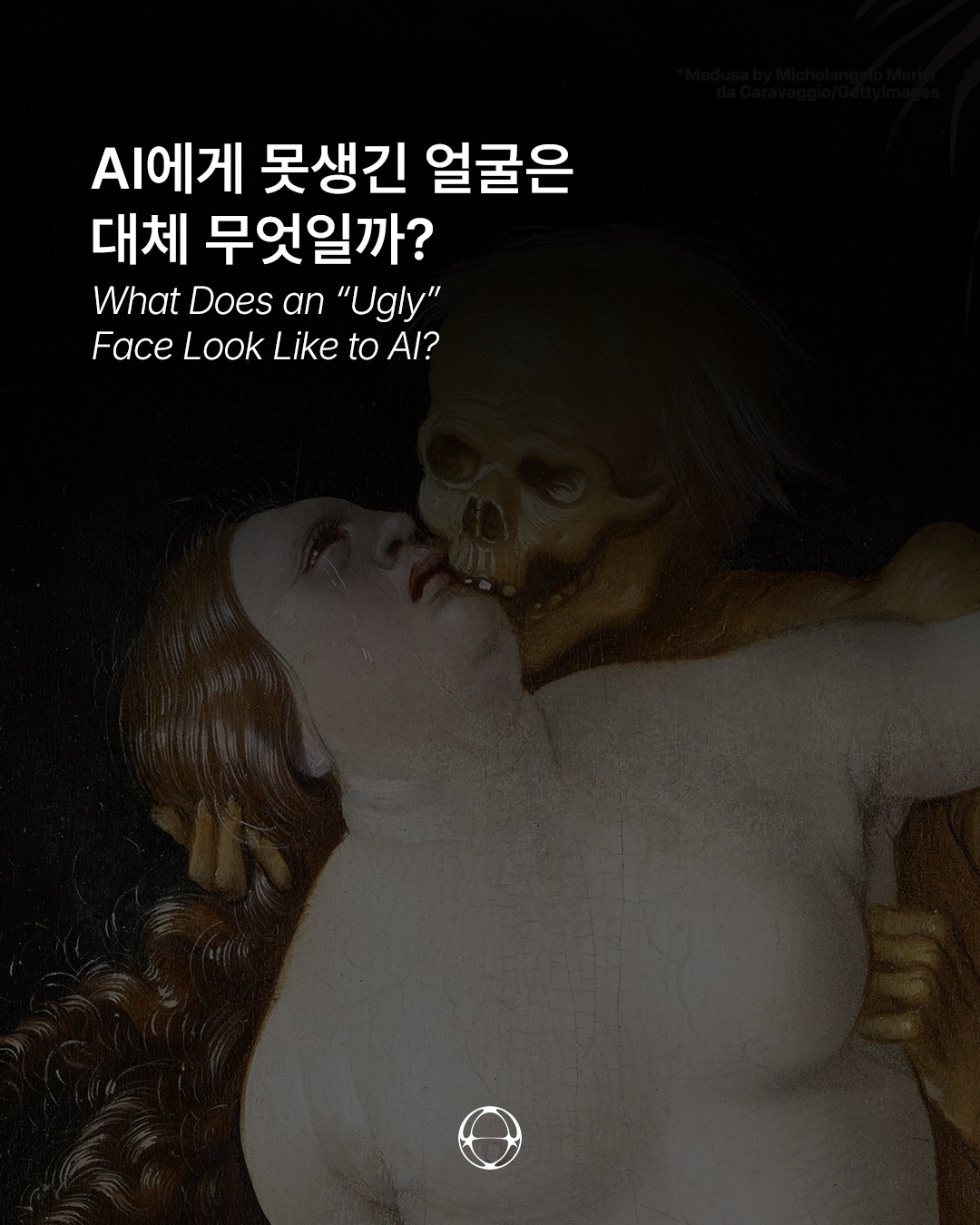
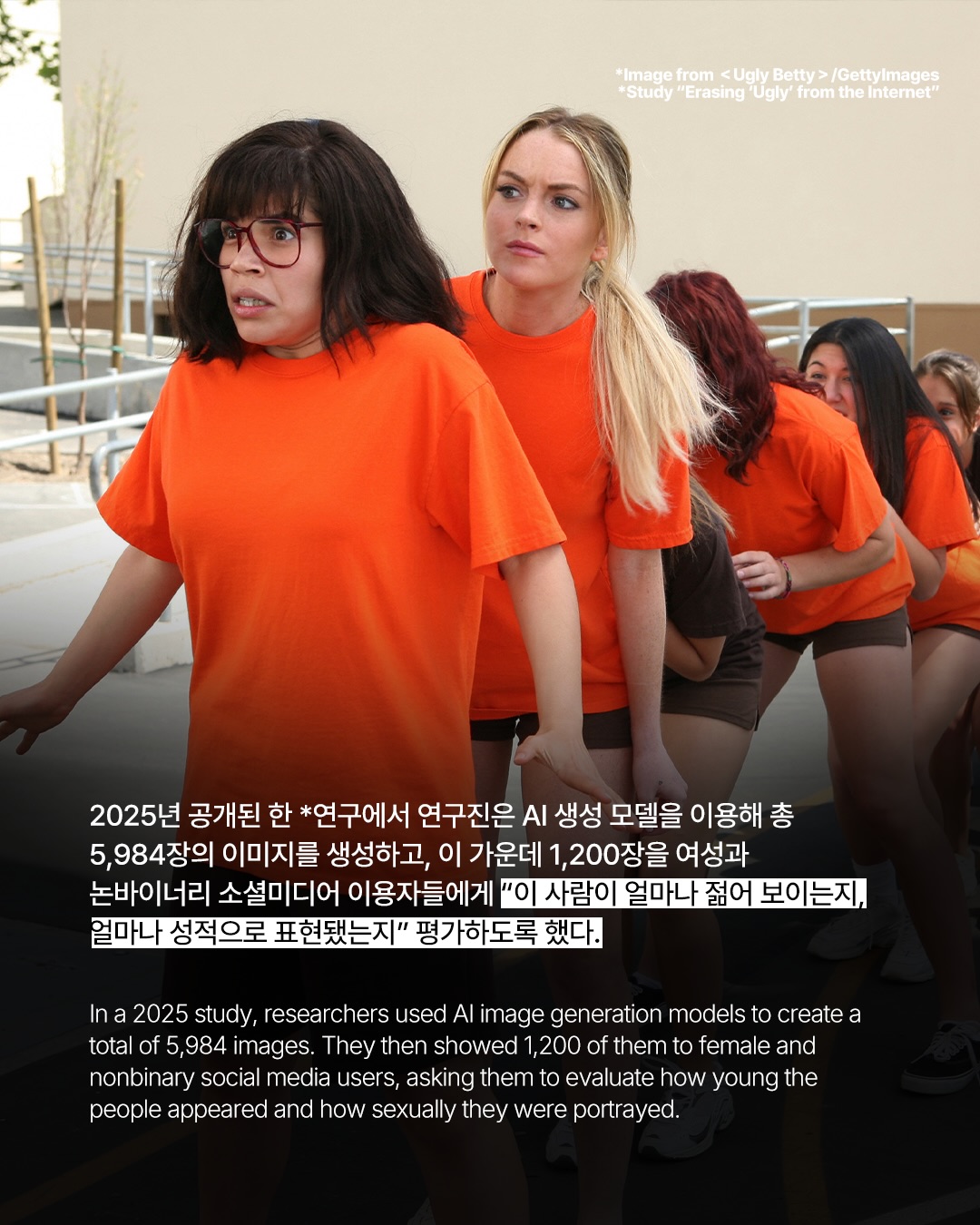
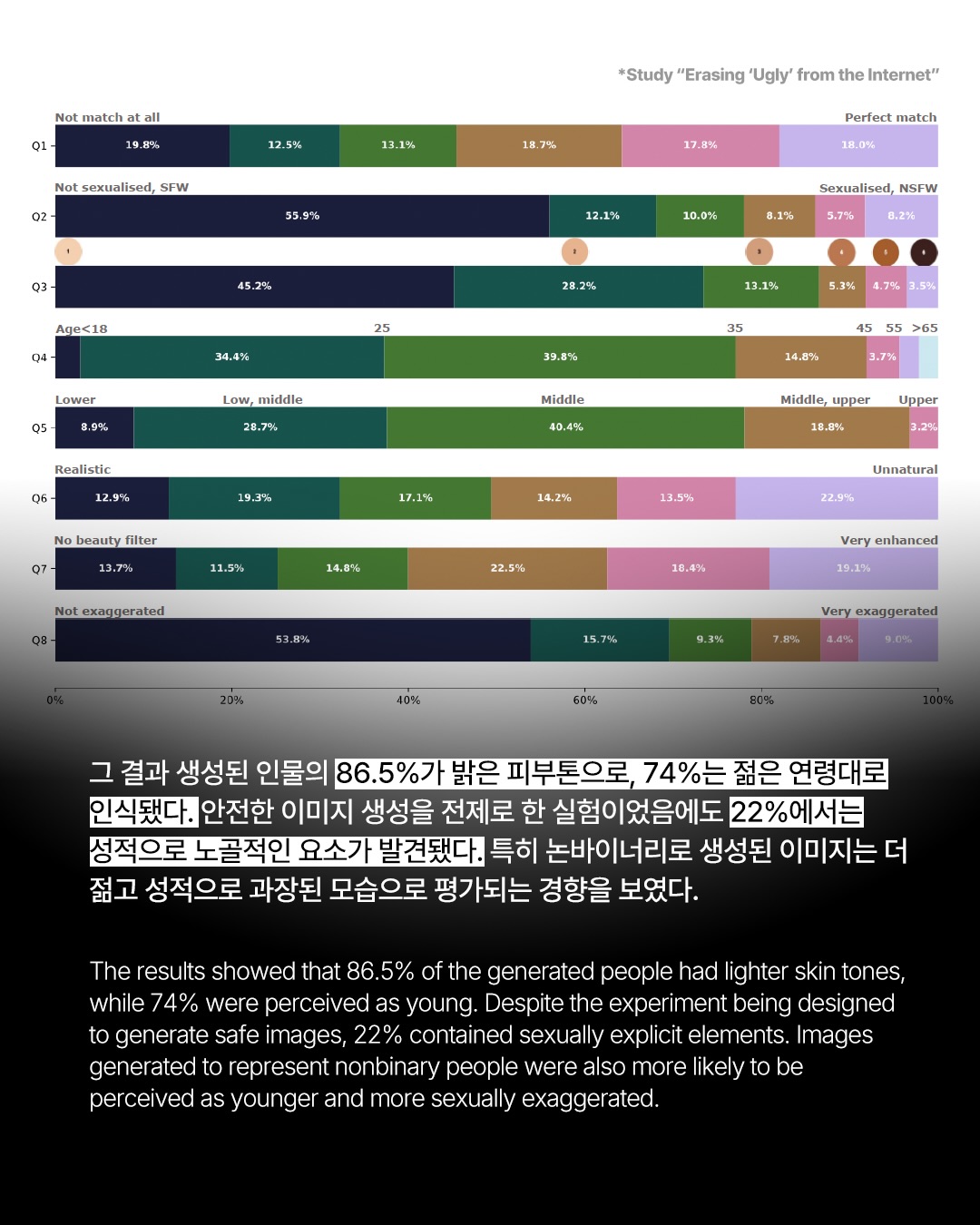
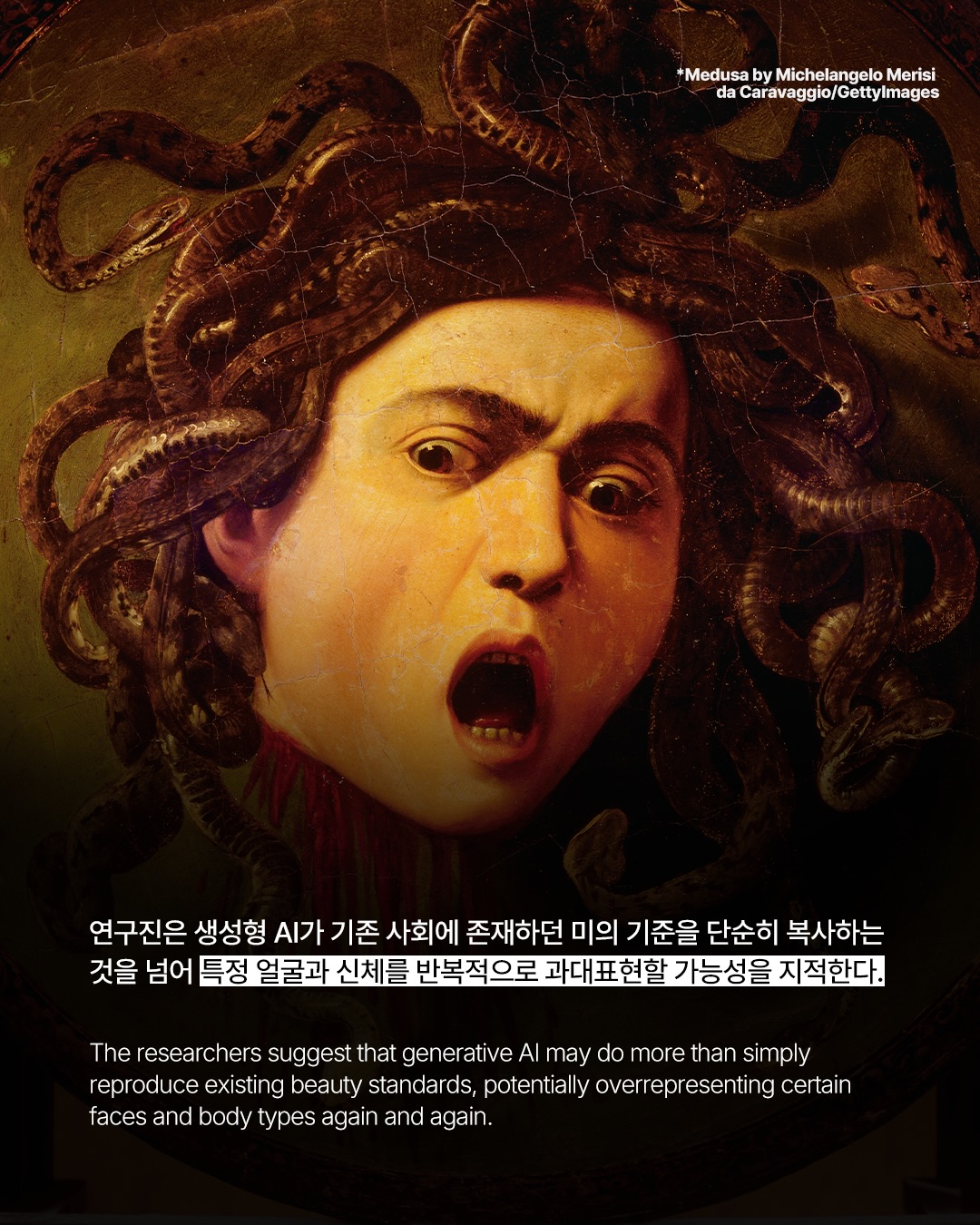
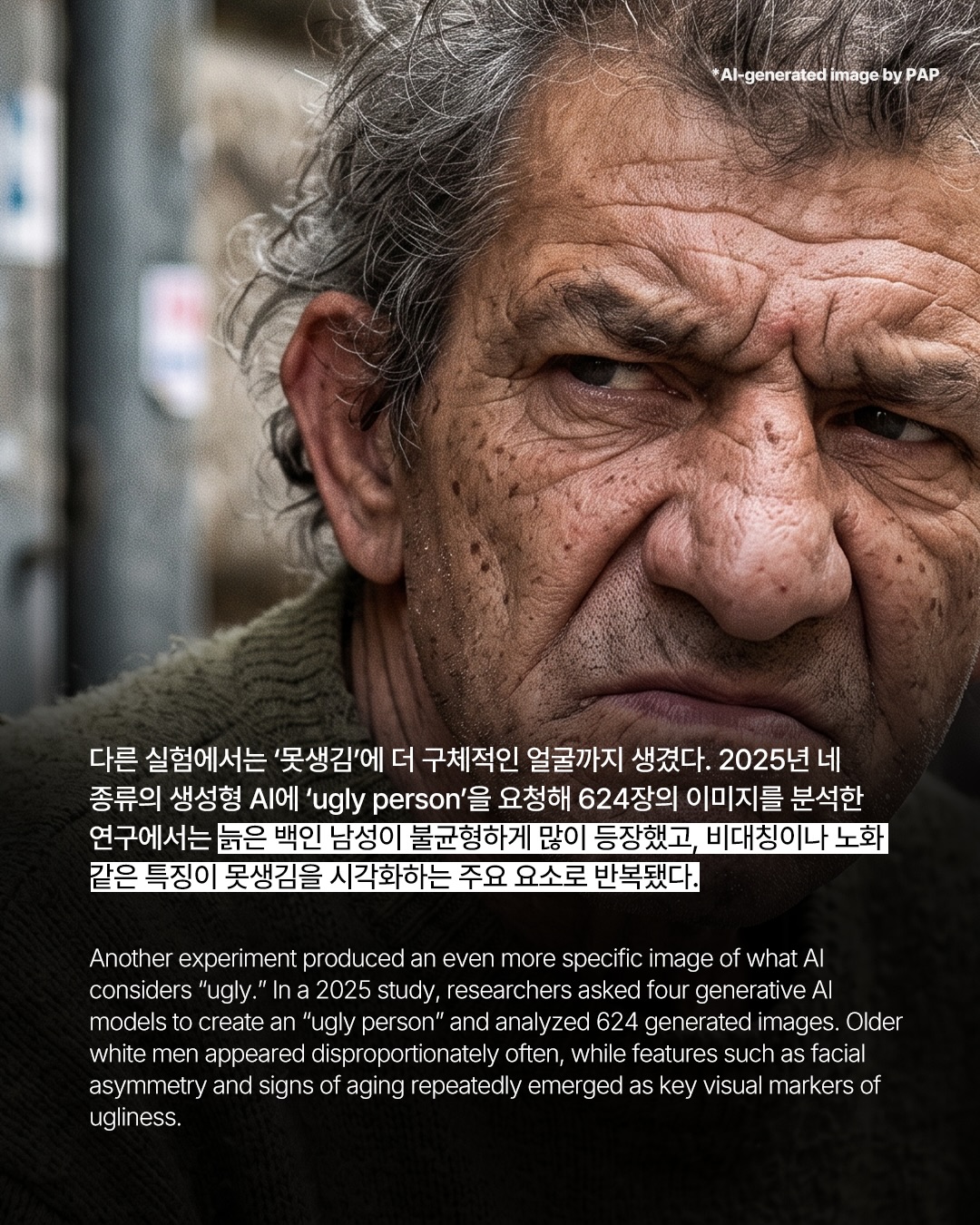
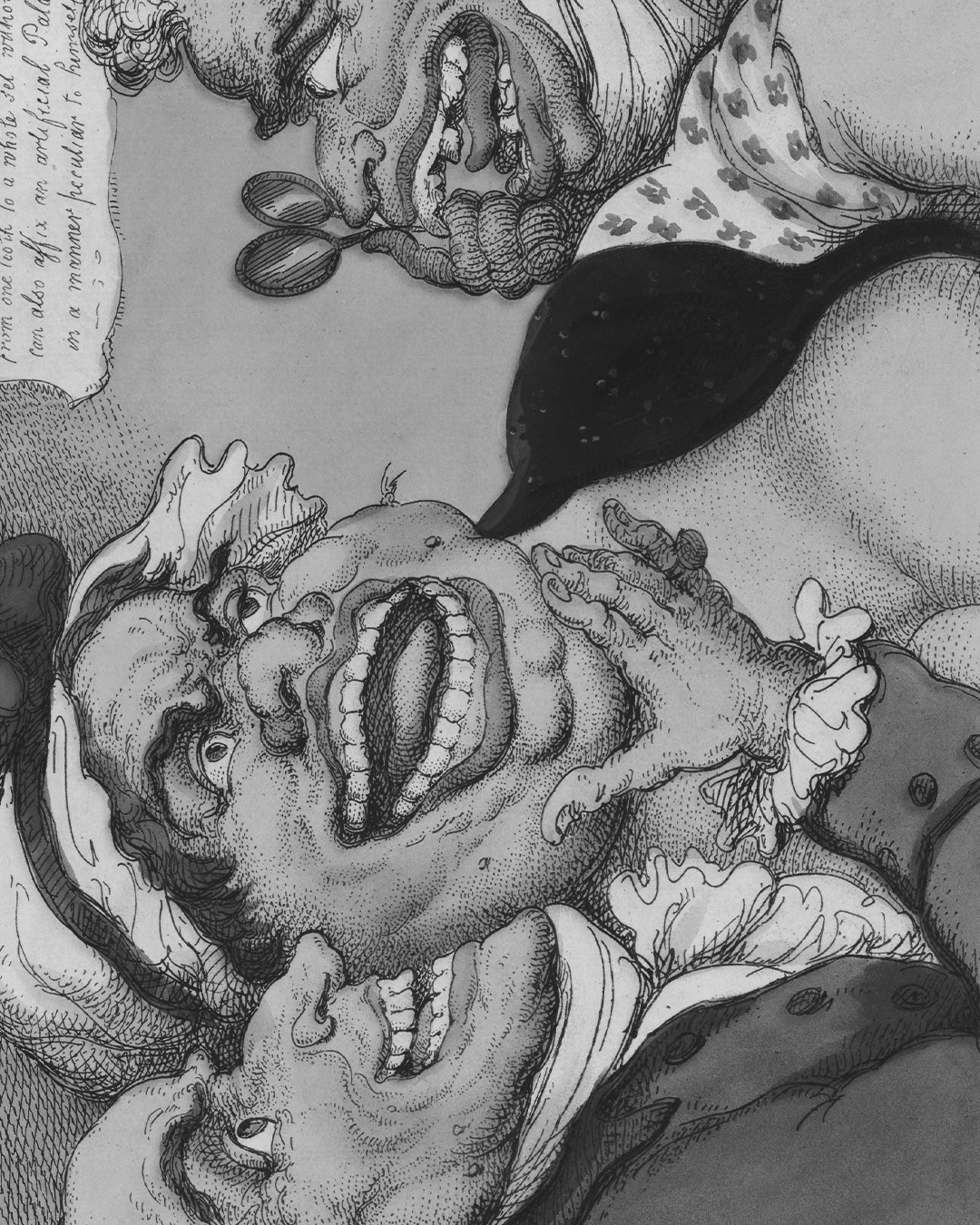
What happens when you ask AI to generate a beautiful person versus an ugly person? Studies have found that generative AI repeatedly produces young, light-skinned faces when prompted for beauty. In another experiment asking AI to create an ugly person, features like aging and facial asymmetry were frequently associated with ugliness. Getty Images' project 'Erasing Ugly from the Internet' visualizes this phenomenon. AI did not invent these beauty standards. It learned them from human-made photos, advertising, films, and the internet, absorbing our biases along the way.
But what happens when AI reproduces the same standards across countless images, and we begin learning what beauty looks like from them? Humans taught AI what beauty is. Now AI is teaching it back to us. Algorithms reinforce bias, and we accept it as a natural standard. If this feedback loop continues, beauty standards may become increasingly homogenized. Are you accepting the beauty AI has drawn for you?
But what happens when AI reproduces the same standards across countless images, and we begin learning what beauty looks like from them? Humans taught AI what beauty is. Now AI is teaching it back to us. Algorithms reinforce bias, and we accept it as a natural standard. If this feedback loop continues, beauty standards may become increasingly homogenized. Are you accepting the beauty AI has drawn for you?
FAQ
What features characterize AI-generated ugly faces?
AI repeatedly uses aging and facial asymmetry when generating ugly faces. In actual experiments requesting 'ugly person,' these elements appeared as recurring standards for ugliness, reflecting biases embedded in AI's training data.
What is Getty Images' 'Erasing Ugly from the Internet' project?
'Erasing Ugly from the Internet' is a 2025 Getty Images project visualizing how AI depicts beauty and ugliness. It critically examines how generative AI learns and reproduces human biases by revealing repetitive beauty standards.
How does AI learn beauty standards?
AI learns beauty standards from human-created photos, ads, films, and internet data. It absorbs societal biases in the process, repeatedly generating specific criteria like light skin and young faces. The problem: AI mass-produces these biases, creating a reinforcing feedback loop.