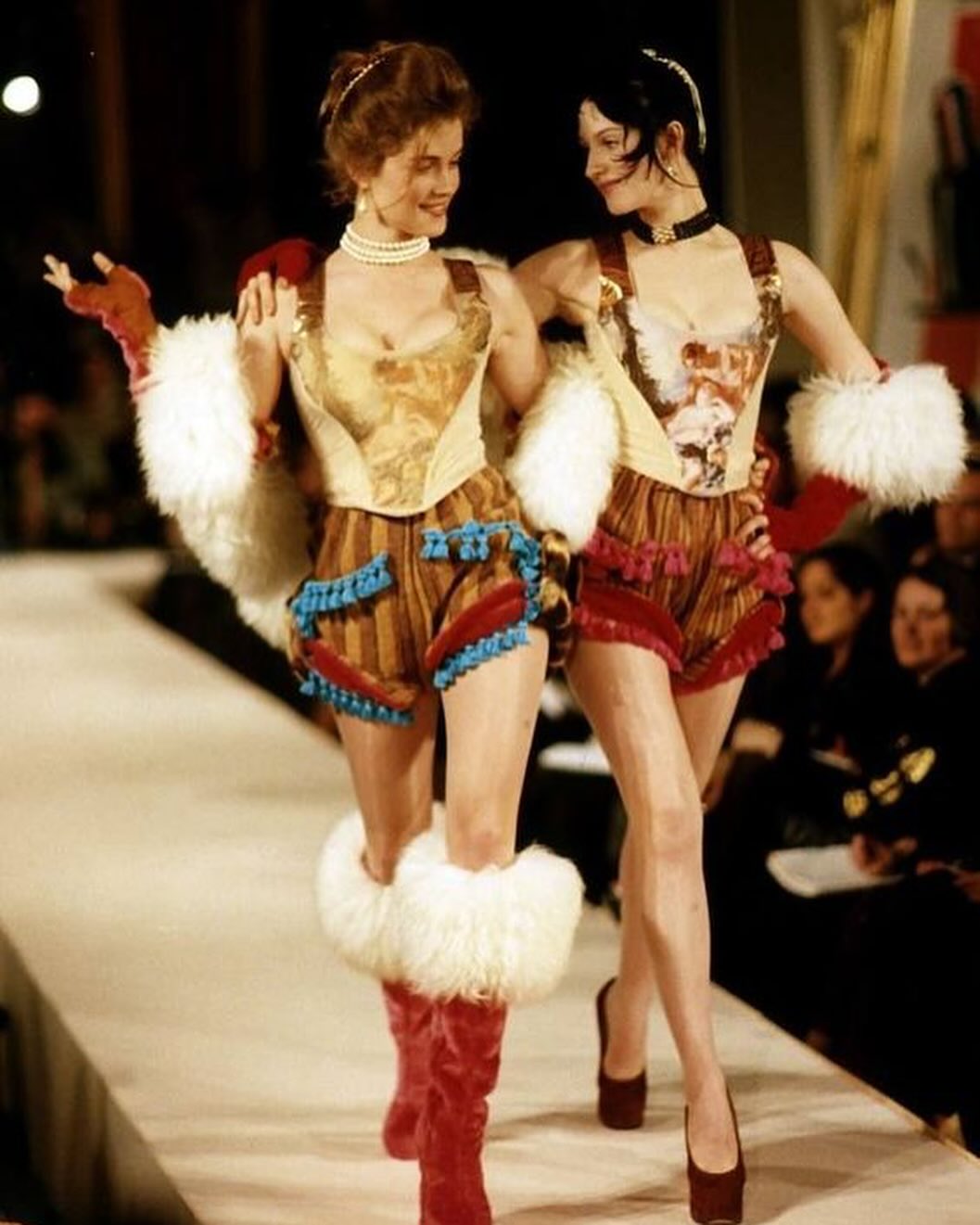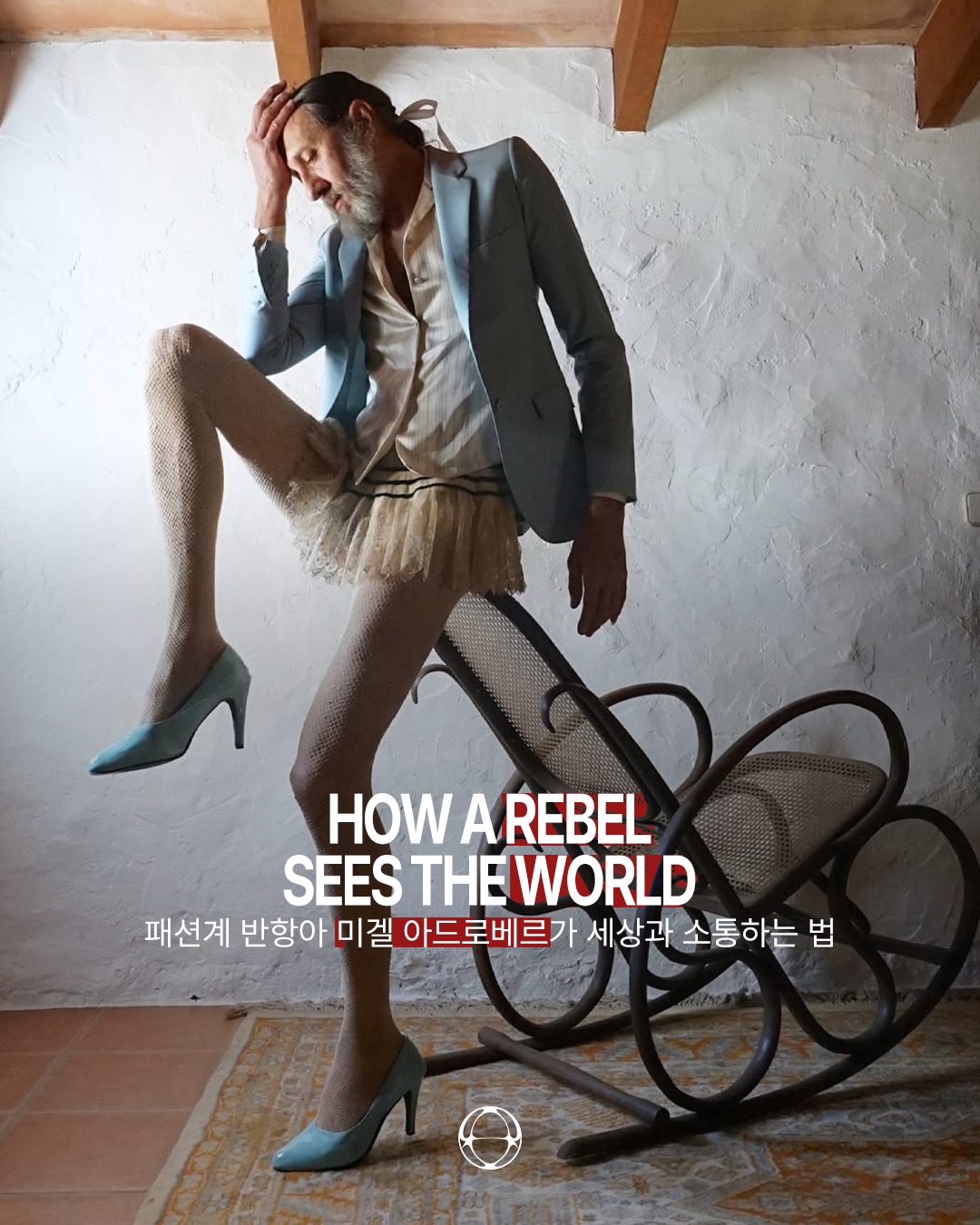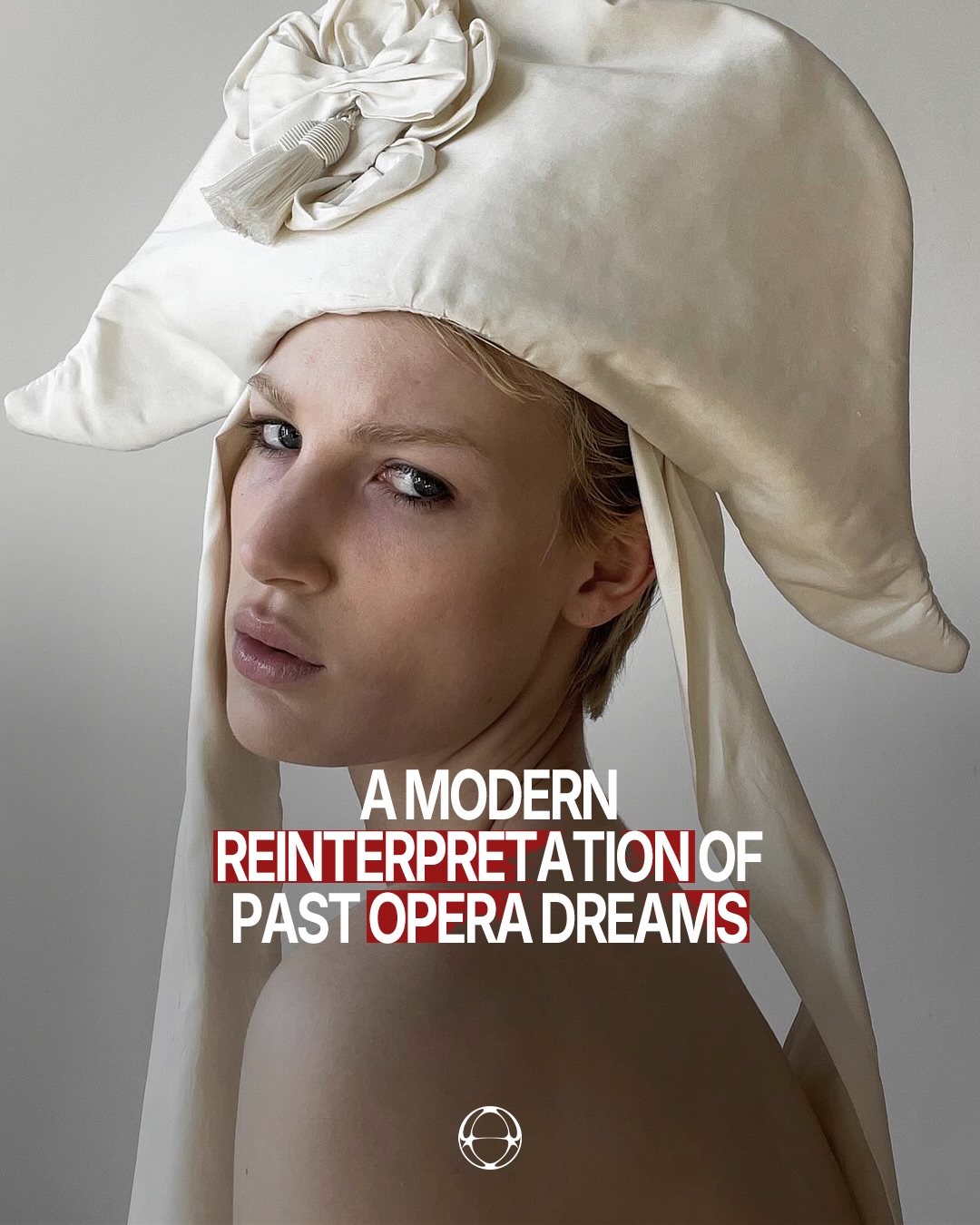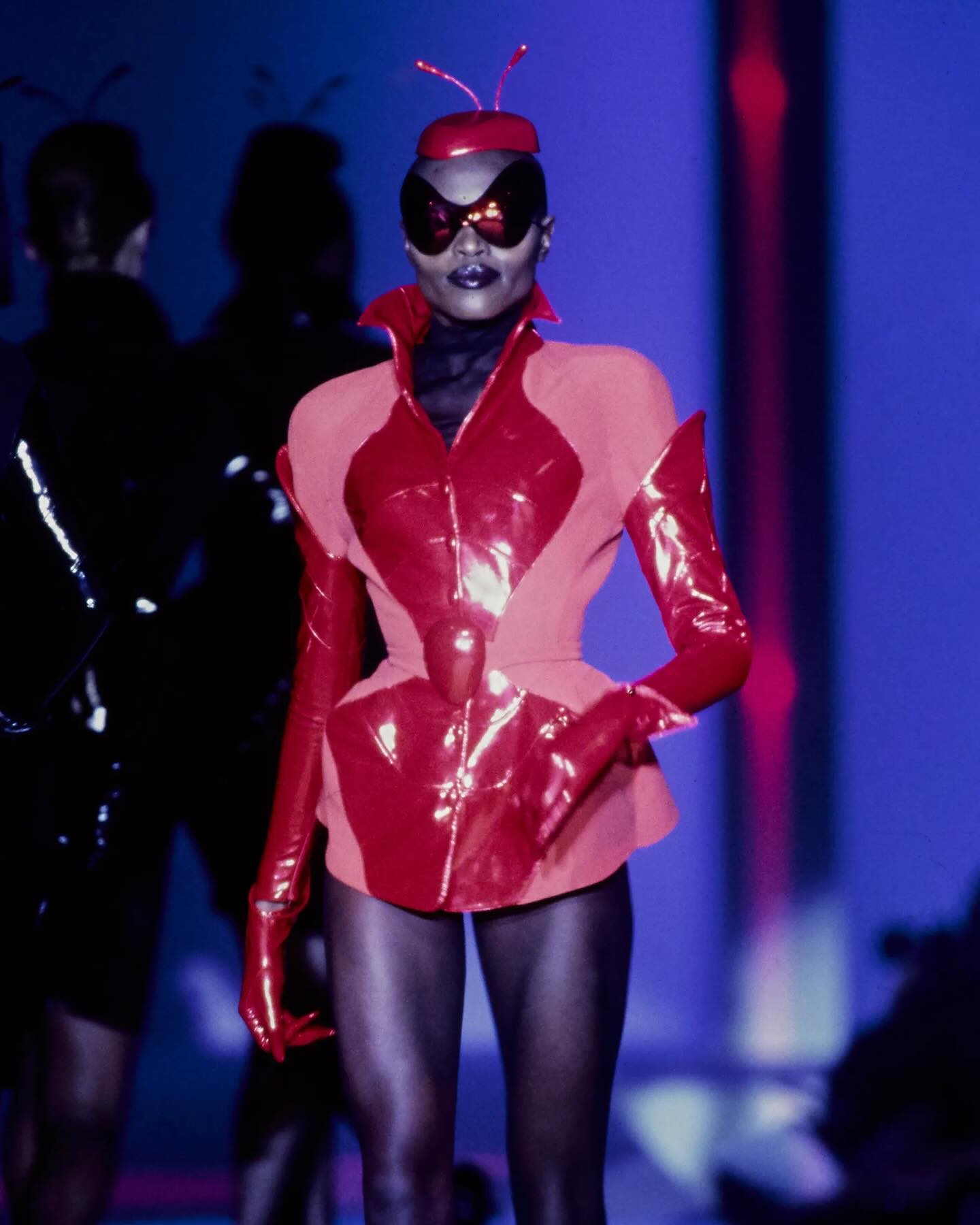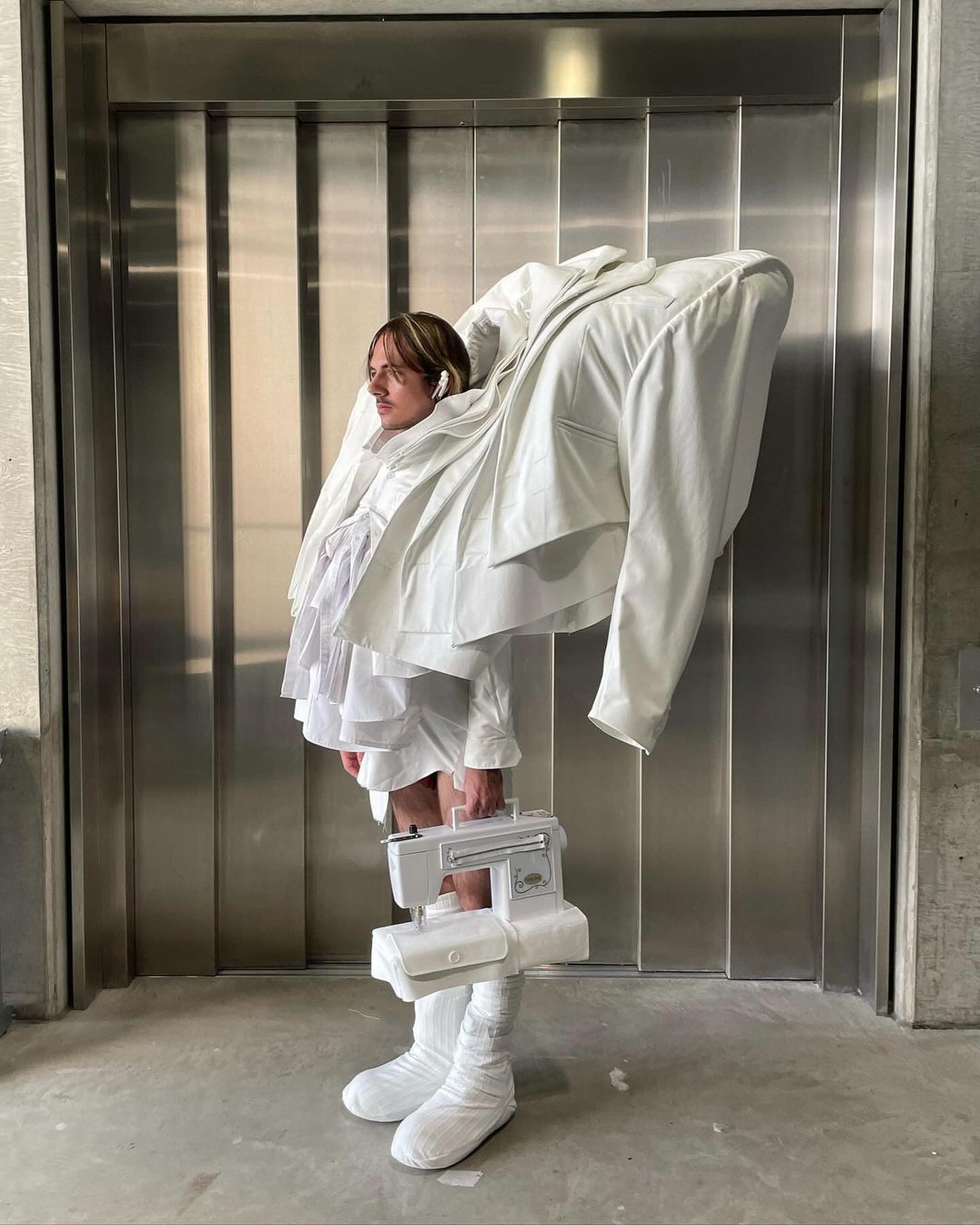
Adrover, a designer from Mallorca, Spain, had been active in New York since the late 1990s, gaining attention as fashion's iconoclast. He was known for radical upcycling work, transforming mattress covers into dresses and deconstructing Louis Vuitton bags into new garments. His 2001 collection continued this philosophy, questioning the elitism and exclusivity inherent in high fashion.
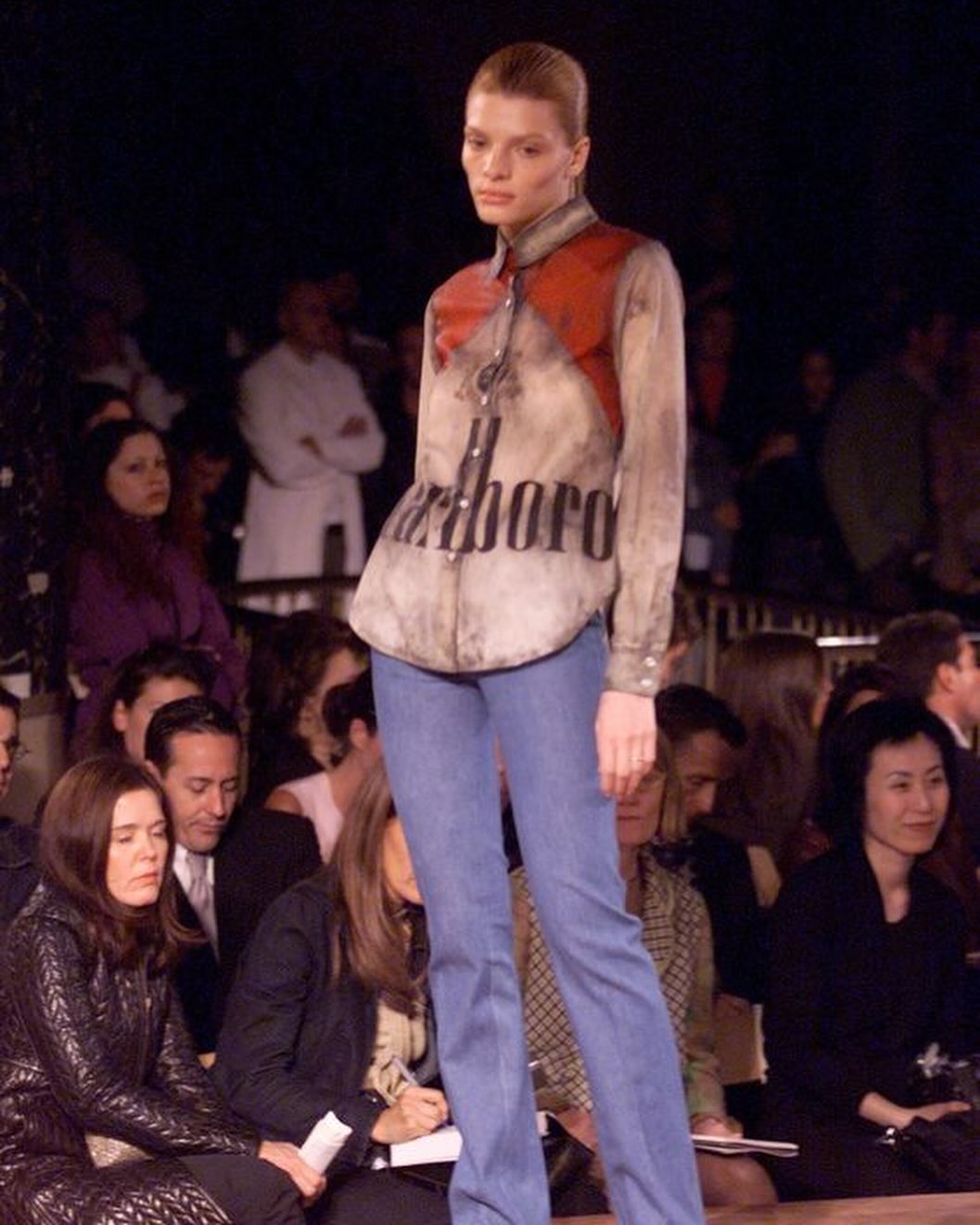
Models walked the runway not in perfectly pressed clothes but in wrinkled, faded garments, wearing expressions full of lived experience rather than glossy perfection. A jacket emblazoned with 'Marlboro' carried Adrover's commentary on consumer society and mass culture. This was not merely an aesthetic choice but proof that fashion could convey social messages.
Twenty years later, Adrover's 2001 collection remains a pivotal moment in fashion history. Seeing sustainability and inclusivity become central topics in today's fashion world reveals just how ahead of his time his visionary perspective was. His rebellion against the conventions of high fashion paved the way for designers who dare to challenge the status quo.




FAQ
What defines Miguel Adrover's 2001 collection?
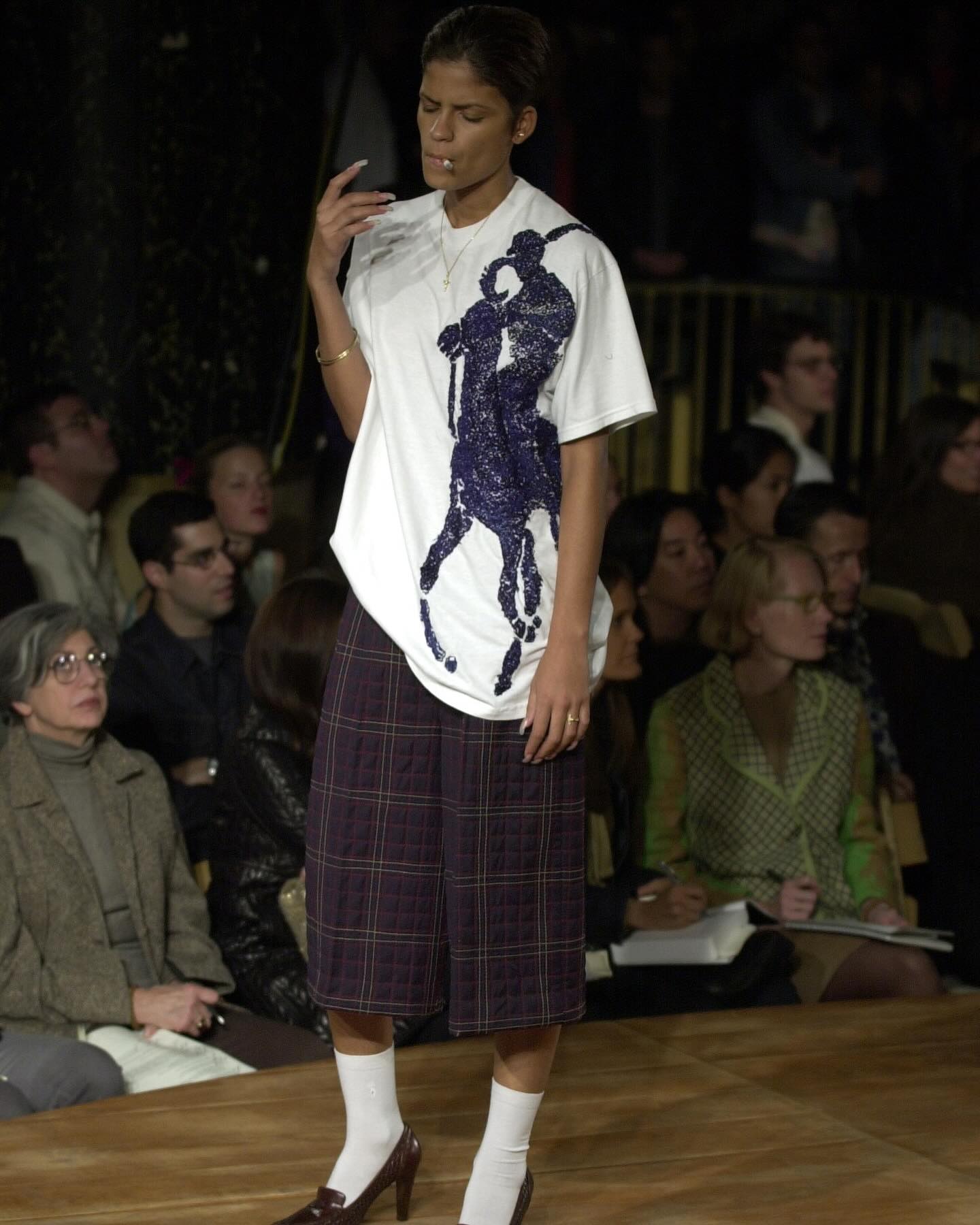
Miguel Adrover's Spring 2001 collection portrayed exhausted urbanites in worn, tattered clothing smoking cigarettes. Unlike the bright, fresh designs other brands presented that season, it challenged high fashion's classism and exclusivity while delivering a social message.
Who is Miguel Adrover?
Miguel Adrover is a Spanish designer from Mallorca who worked in New York from the late 1990s. He gained attention as fashion's rebel through radical upcycling work, transforming mattress covers into dresses and deconstructing Louis Vuitton bags into new garments.
What impact did Adrover's 2001 collection have on contemporary fashion?
Adrover's 2001 collection proved fashion can convey social messages. His pioneering vision contributed to making sustainability and inclusivity central topics in today's fashion industry, paving the way for contemporary designers to challenge existing conventions.