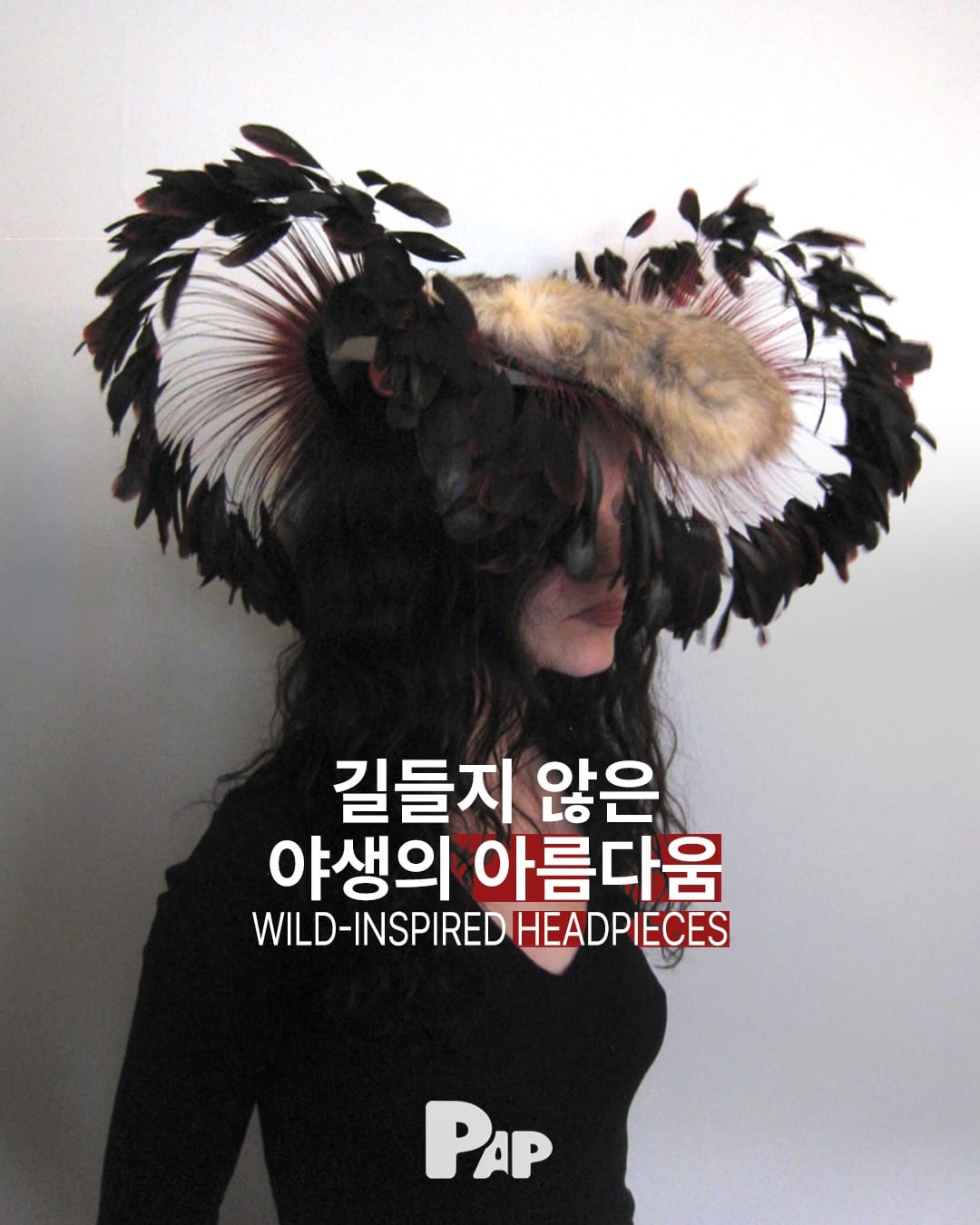
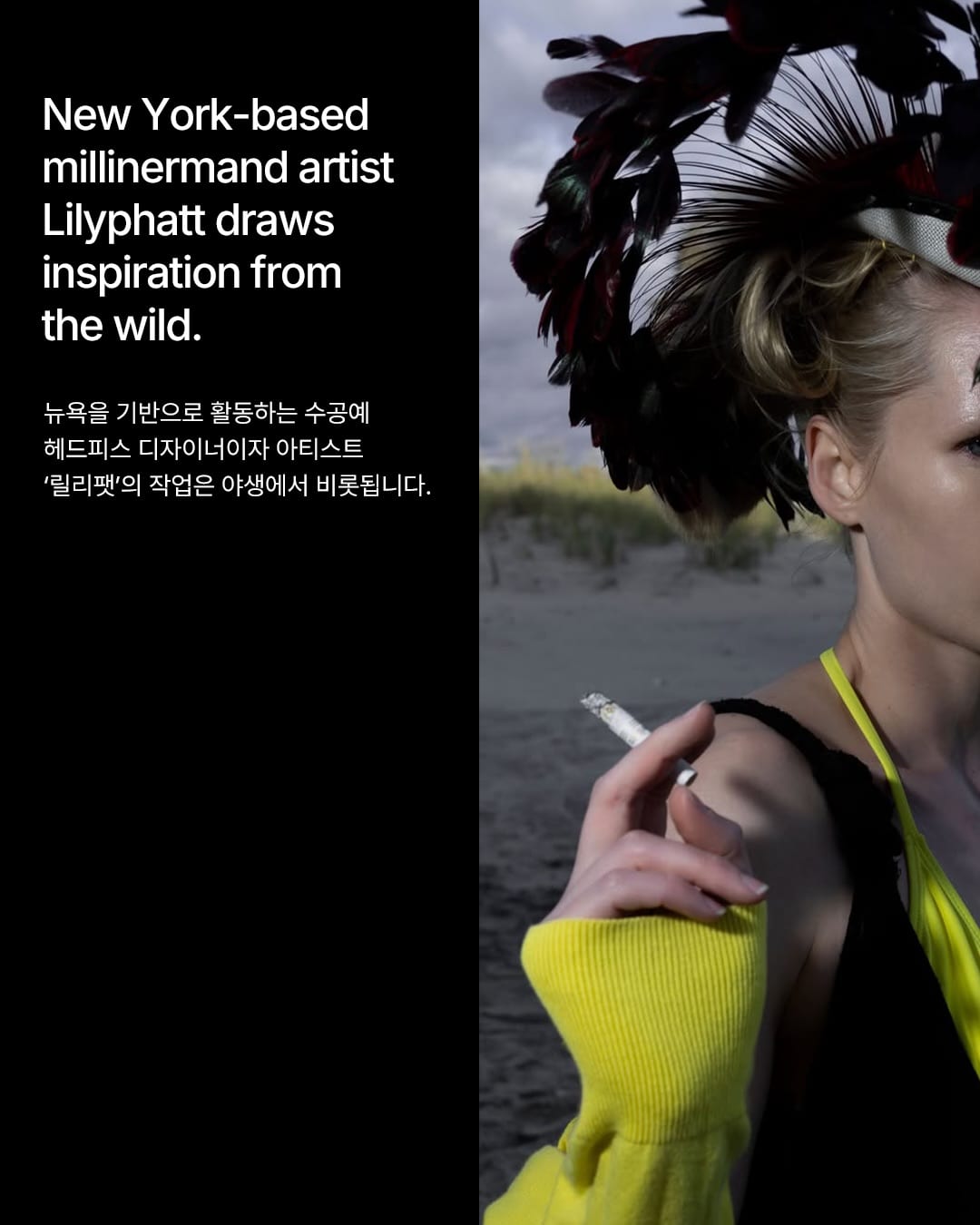
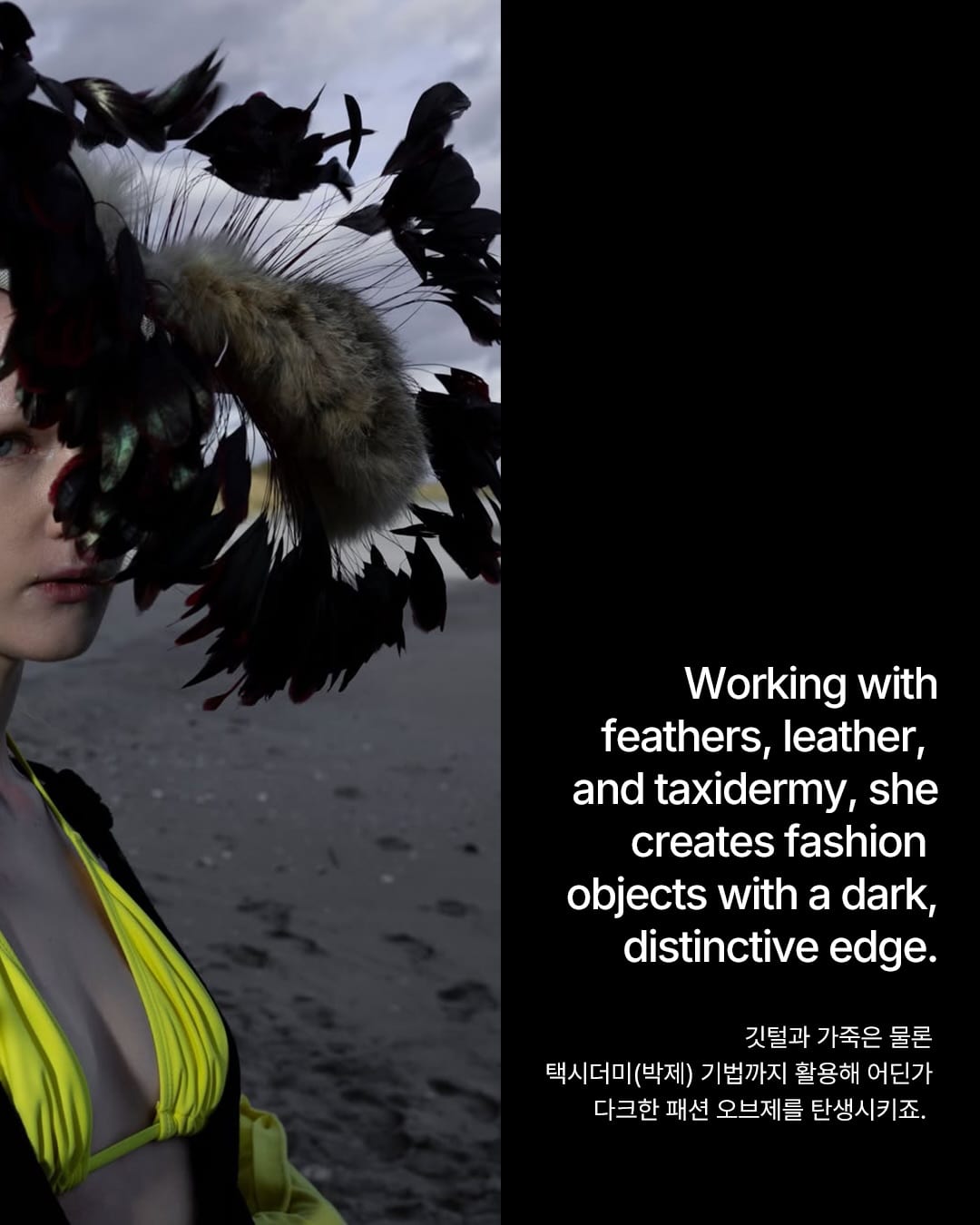
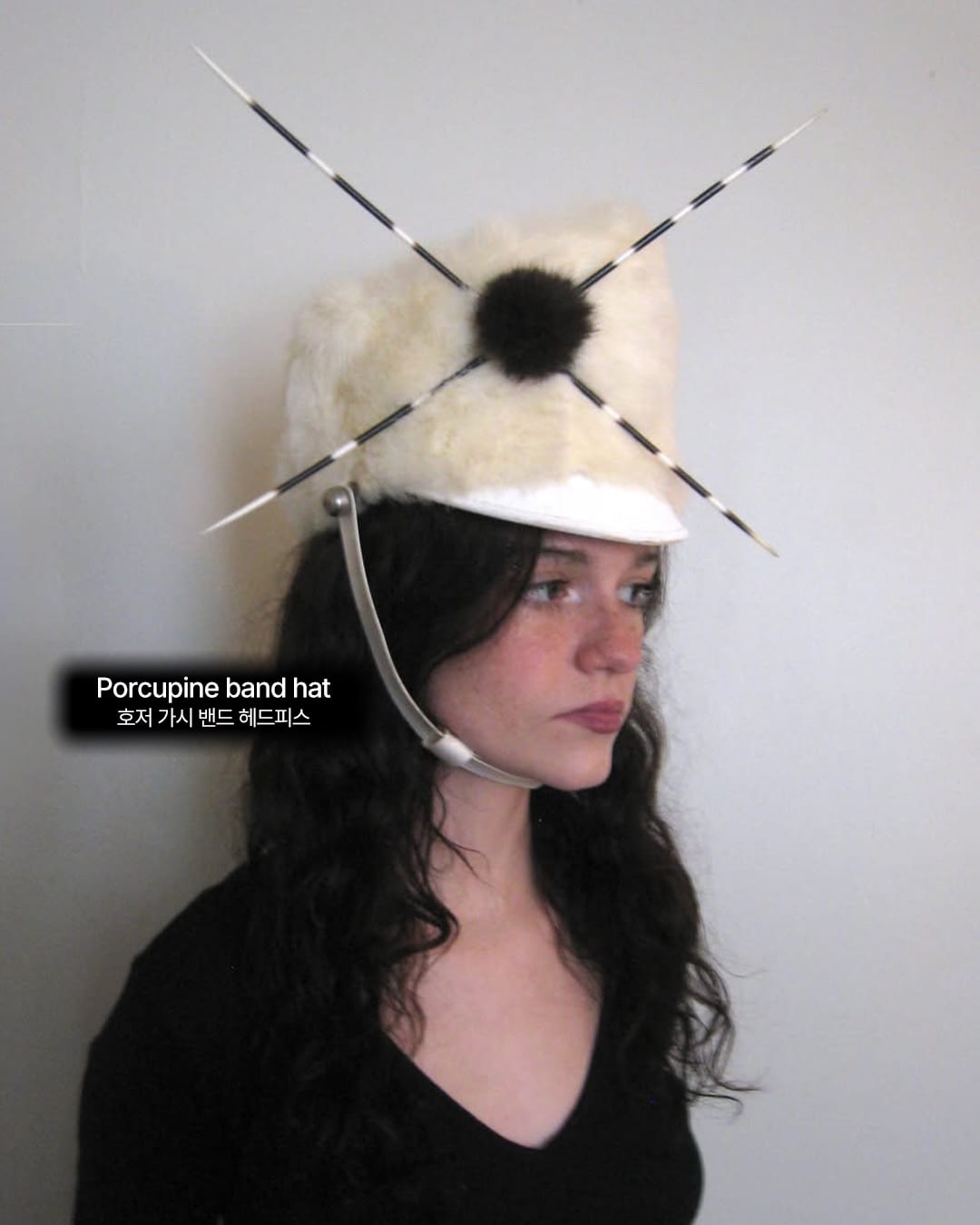
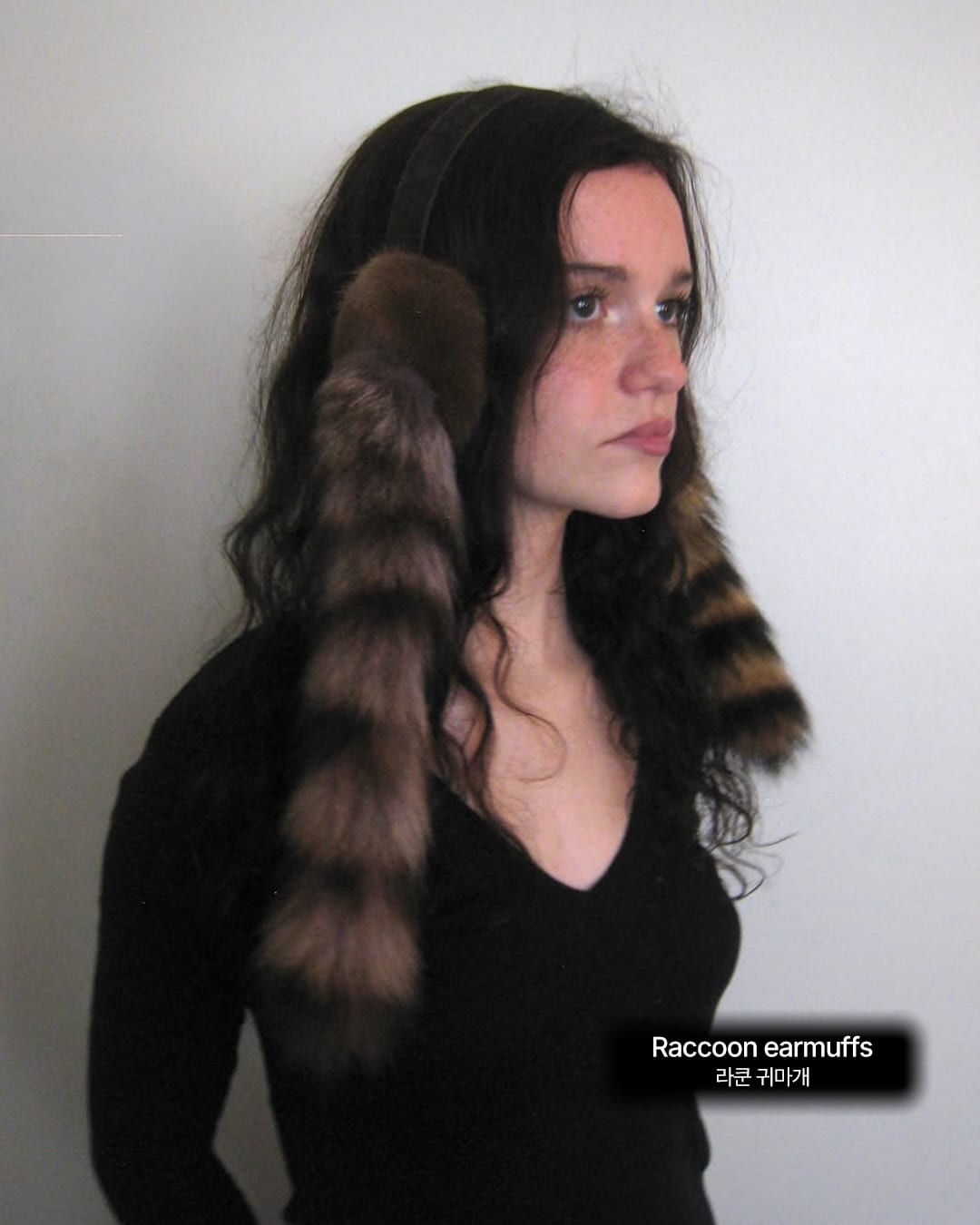
The specific process behind Lilyphatt's work remains shrouded in mystery. How she handles feathers and leather, or applies taxidermy techniques to headpieces, is not publicly disclosed. This secrecy only adds to the mystique of her creations. Only the finished objects are revealed to the world.
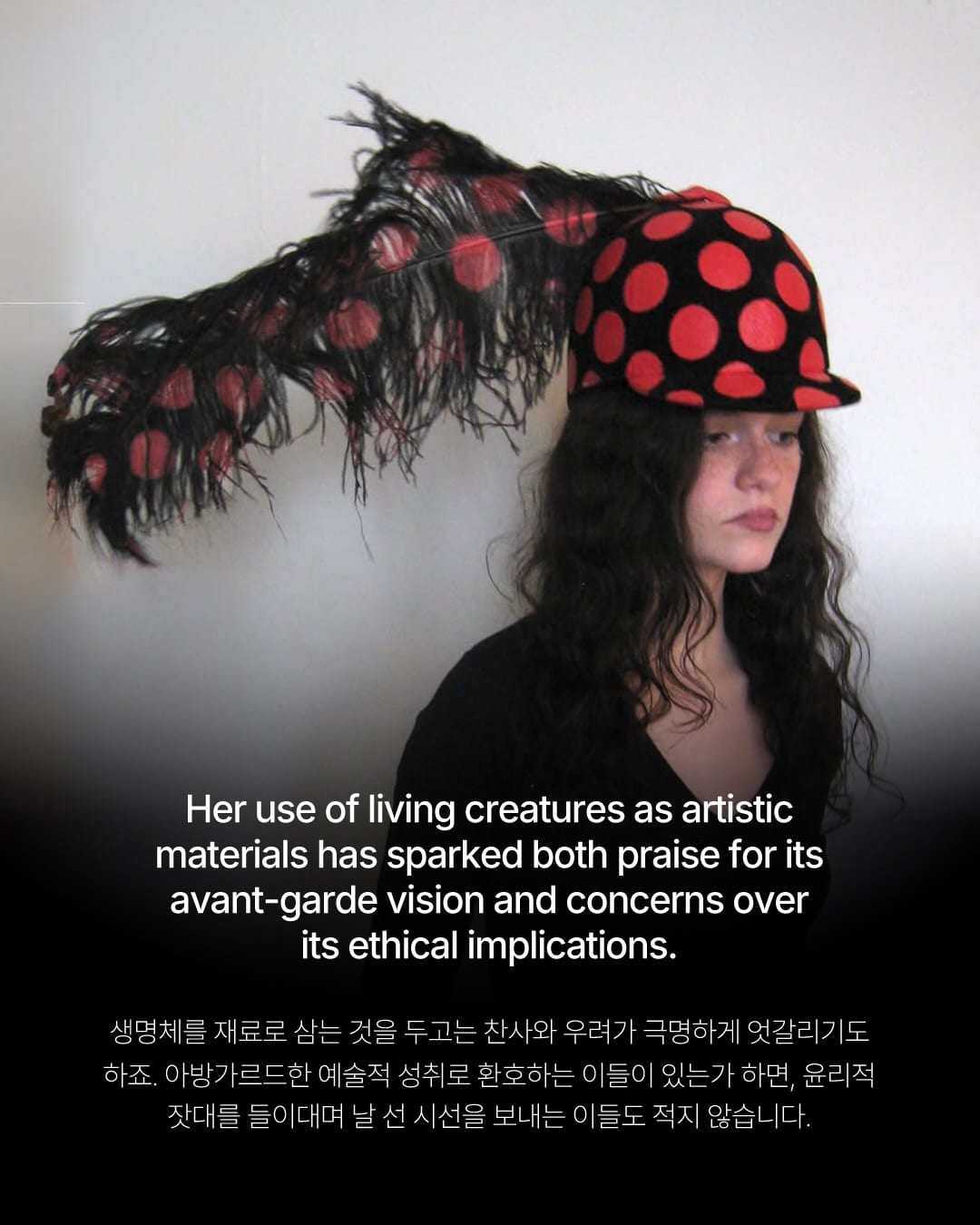
Her use of street creatures as artistic material has sparked a range of reactions. Some celebrate the avant-garde artistry of her work. Others cast a critical eye through an ethical lens. Art and ethics have always existed in tension.
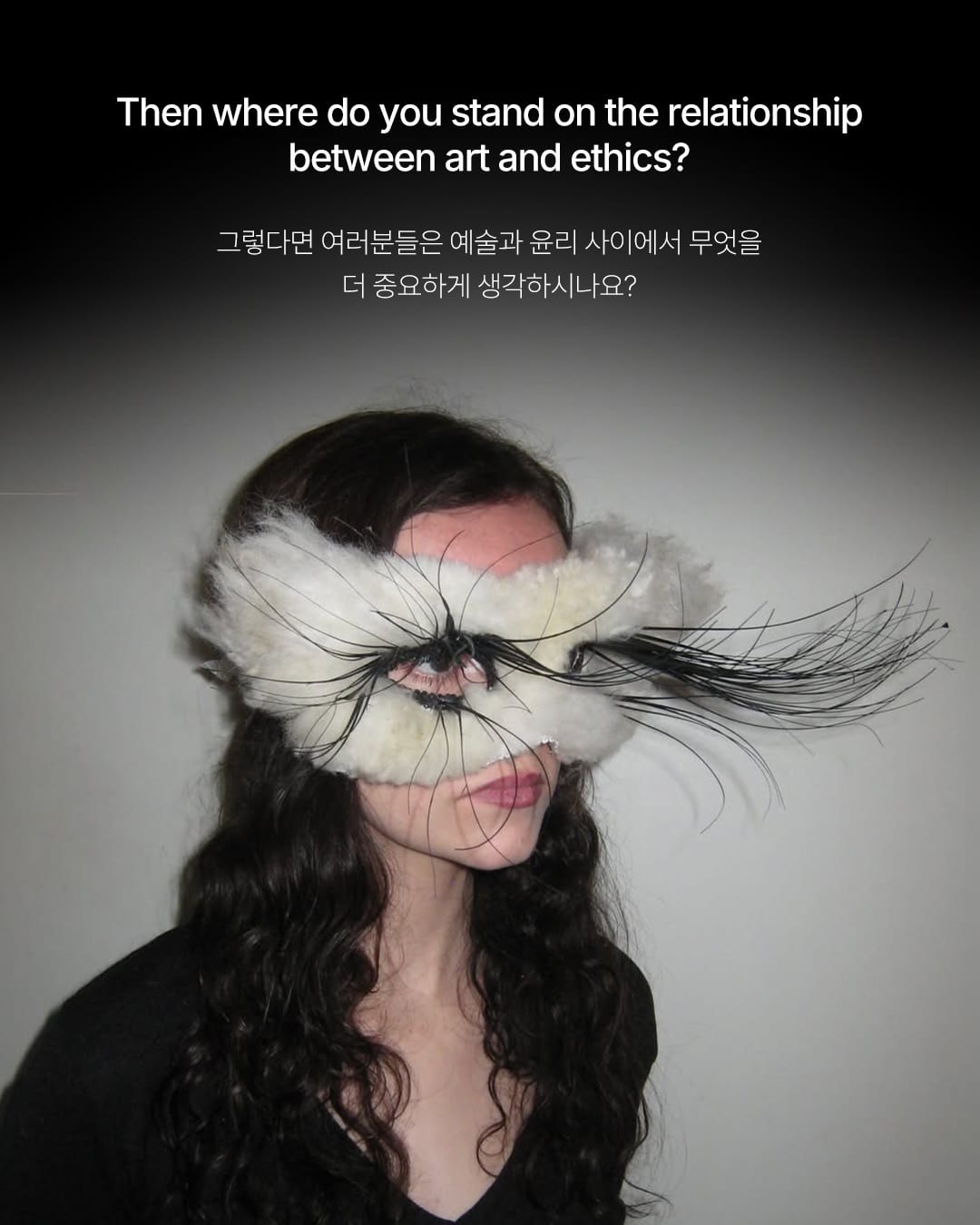
Lilyphatt's headpieces blur the line between fashion and art. What sits atop the head becomes more than decoration—it becomes a work of art. Her wild-inspired creations will continue to provoke debate. Where do you stand on the relationship between art and ethics?

FAQ
What are Lilipot's signature pieces?
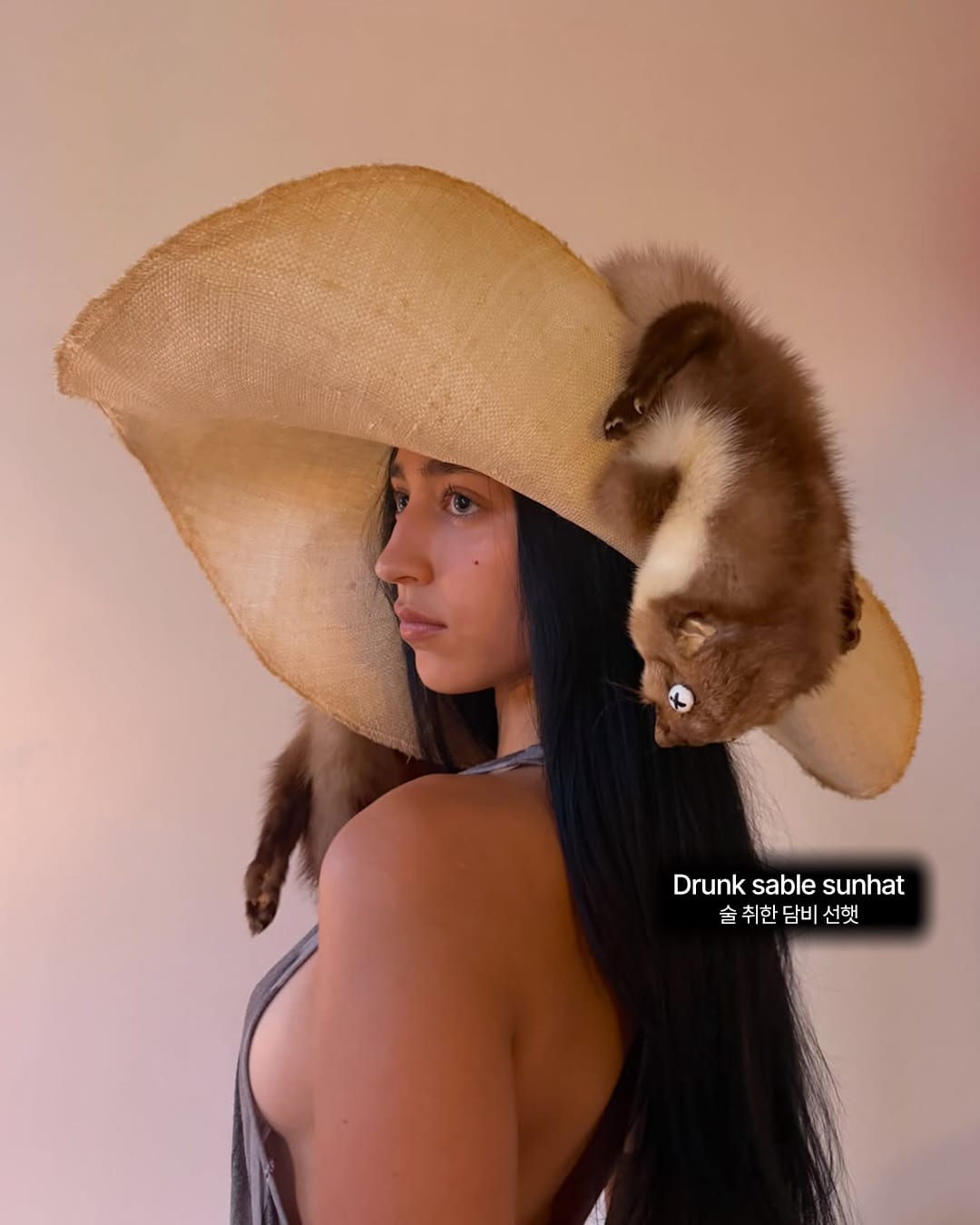
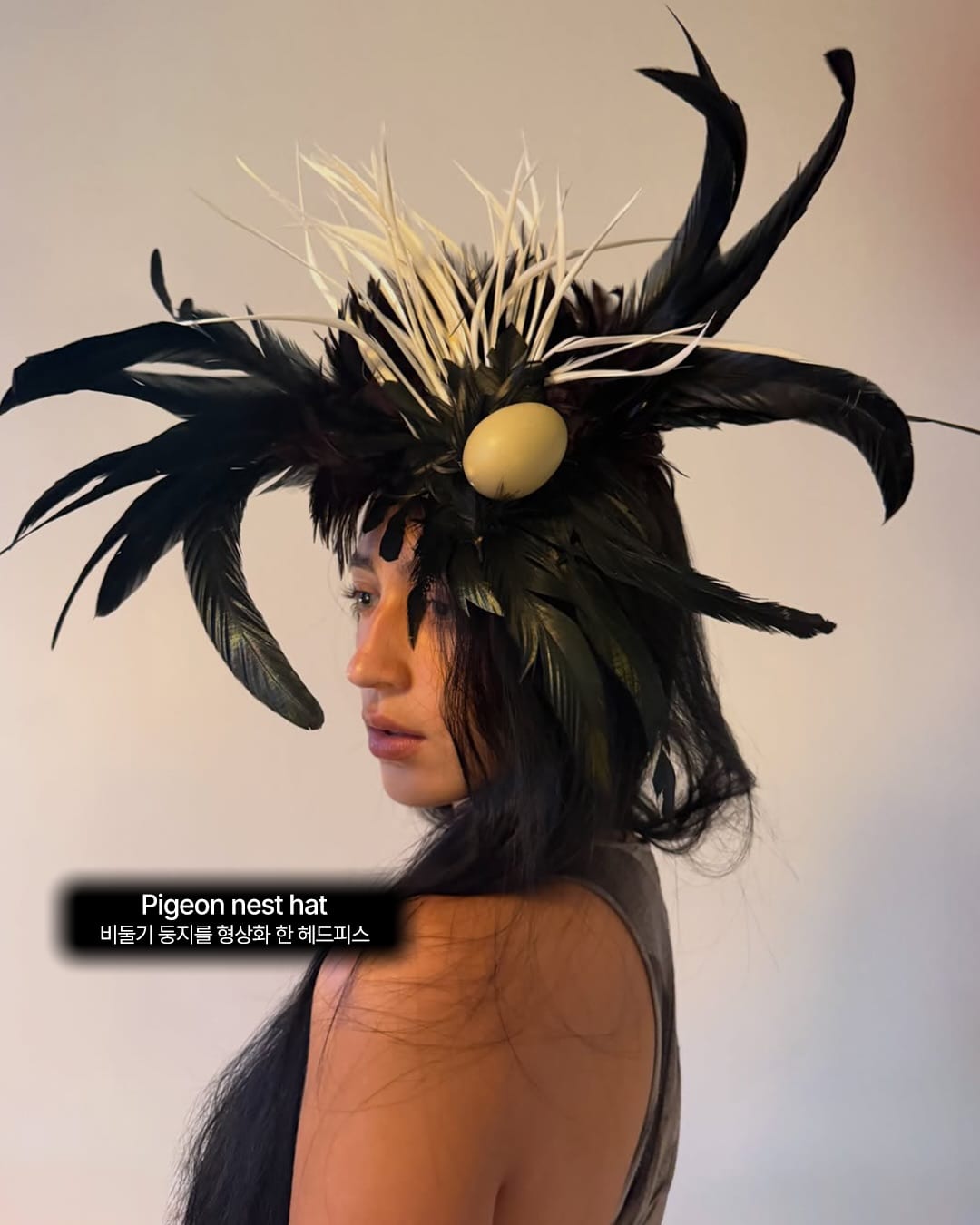
Lilipot's signature works include 'Drunkn Sable Sunhat,' featuring a taxidermied sable, and 'Nest of Thorns,' a crown-shaped headpiece inspired by urban pigeon nests. These dark fashion objects utilize feathers, leather, and taxidermy techniques, sparking both avant-garde acclaim and ethical controversy.
What materials does Lilipot use to create headpieces?
Lilipot works with feathers, leather, and taxidermy techniques. The designer sources materials from urban wildlife to craft headpieces that capture raw beauty. Specific methods remain undisclosed, adding to the work's mystique.
Why is Lilipot's work controversial?
Lilipot uses urban wildlife as materials. While some celebrate this as avant-garde artistic achievement, others criticize it from an ethical standpoint. The tension between art and ethics remains central to the debate surrounding the work.