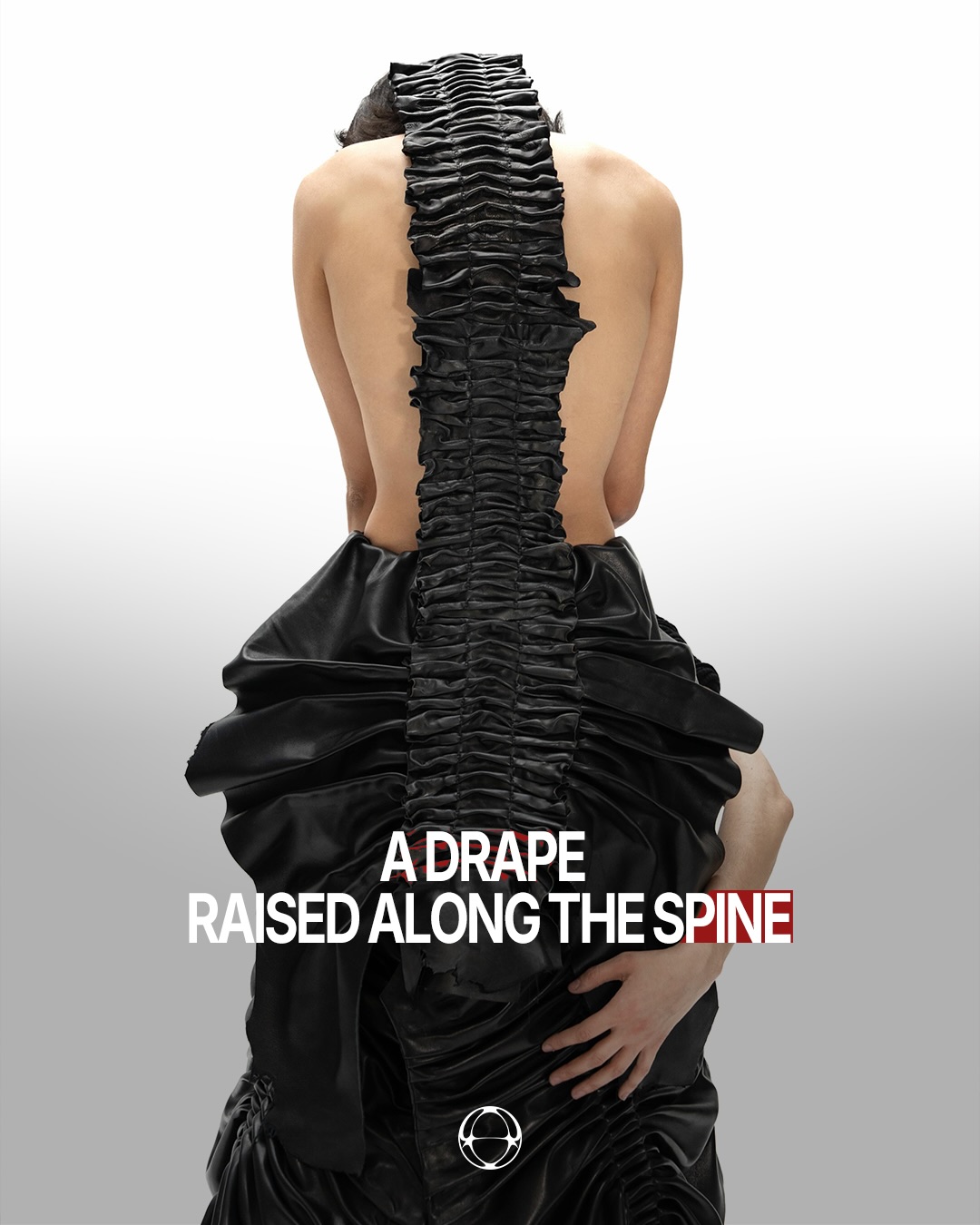
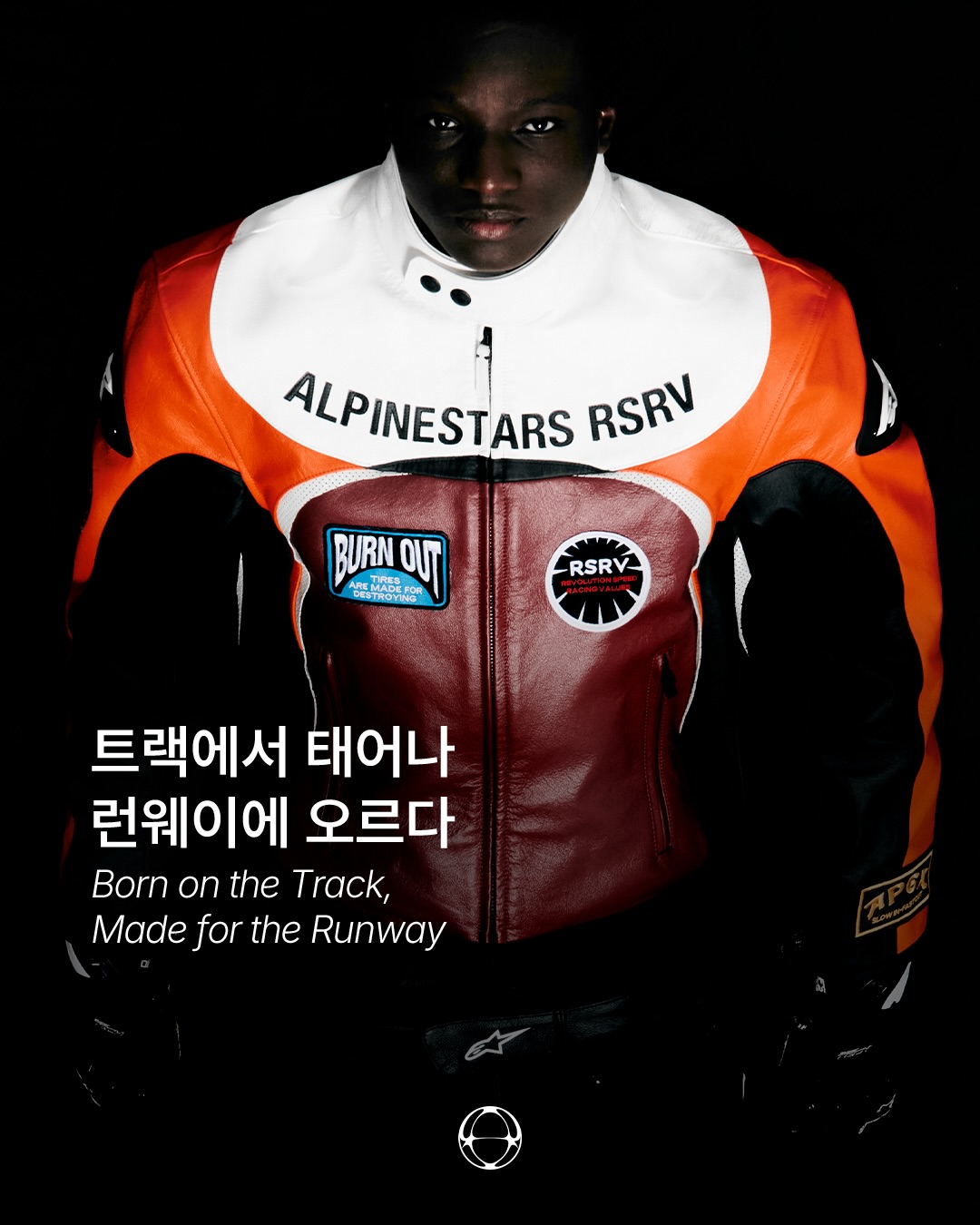
Designer Juun.J fundamentally redefined the concept of clothing through his Spring/Summer 2026 collection. This season, Juun.J proposed tailoring as a disassemblable, modular device—transforming garments from something you wear into a system you install and reconfigure. Precision-engineered power shoulders met deconstructed silhouettes, presenting a radical vision where clothing becomes a tool for expressing identity.
Matte-black boxy jackets featured matrix-like necklines, paired with oversized flare and curved trousers that were voluminous yet sculpturally cinched at the waist. Denim appeared not as traditional bottoms but as modular accessories slung below the hips, emphasizing a layered, cyber-mechanical structure. This wasn't mere styling—it was a blueprint for disassembling and reassembling garments as functional components.
The color palette of muted black, washed denim, army green, and graphic stripes honored menswear heritage codes while deliberately disrupting them. Camouflage pieces were draped like sculptural artifacts, simultaneously tactical and sensual. Juun.J reimagined clothing as an engineered device designed to express the multiplicity of identity and the precision of chaos.
Juun.J SS26 was not just a show—it was a system. The structure allows wearers to assemble, detach, and recombine garments themselves, proving that fashion is not merely about appearance but an expansion of thought. In this collection, garments aren't worn—they're installed, reprogrammed, and made personal.
FAQ
What is the core concept of Juun.J 2026 SS collection?
Juun.J SS26's core concept redefines garments as 'modular devices.' It proposes clothing not as something to wear but as a system to install, disassemble, and recombine, transforming tailoring into engineered tools for expressing identity.
How was denim utilized in the Juun.J 2026 Spring/Summer show?
Denim was layered below the hips not as traditional bottoms but as 'modular accessories.' This emphasized cyber-mechanical structures, presenting it as part of a modular system where clothes can be disassembled and reassembled.
What is the main color palette of Juun.J 2026 SS collection?
Black, washed denim, army green, and graphic stripes form the main color palette. This combination inherits traditional menswear codes while presenting a new visual language through intentional deconstruction.