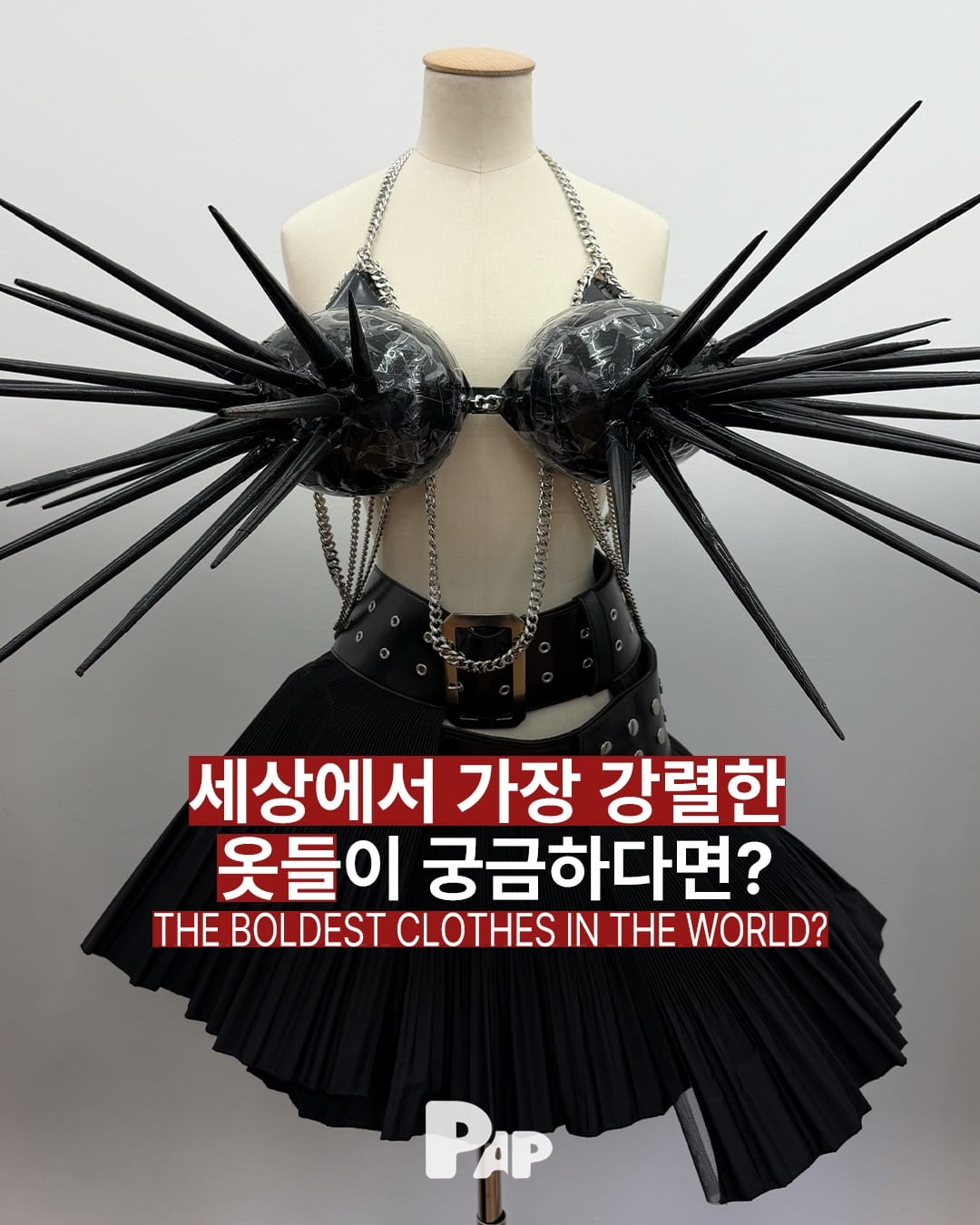
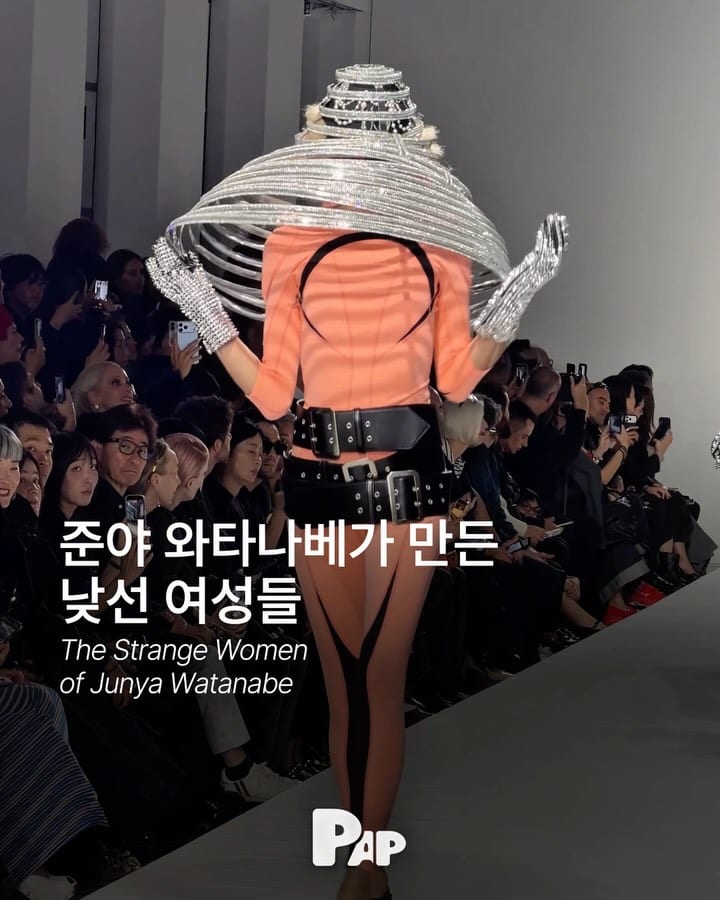
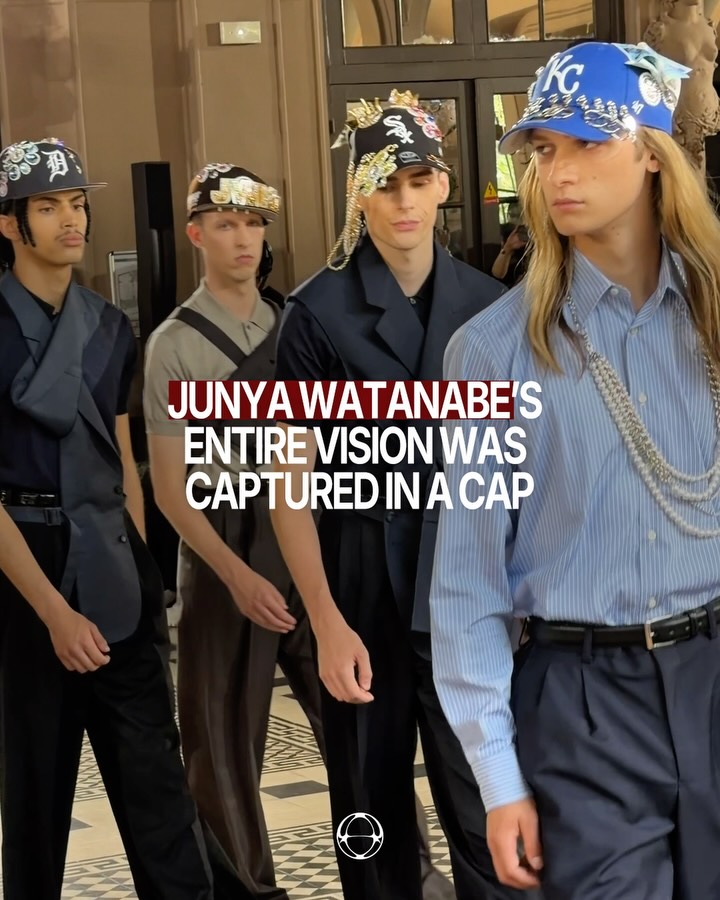
The collection is distinguished by its subversion of traditional tailoring combined with leather, technical fabrics, and metallic details. This marriage of industrial mood and avant-garde aesthetics created a unique visual language unmistakably Watanabe's own. Unexpected pattern collisions and structural layering posed continuous questions about the materiality and form of clothing itself, inviting viewers to reconsider what fashion can be.
FW26 once again proved Watanabe's commitment to expanding fashion into an experimental design language. His gaze—balancing function and form, tradition and innovation—remains as sharp and provocative as ever. The collection served as a manifesto, redefining the very act of dressing and asserting fashion's place in the broader conversation of contemporary art and design.
FAQ
What is the core design technique of Junya Watanabe FW26 collection?
Deconstruction and reconstruction. Junya Watanabe twisted traditional tailoring and combined leather, technical fabrics, and metal details to create sculptural silhouettes, using structural layering to make each look appear like a moving installation piece.
What atmosphere did Junya Watanabe FW26 express?
It simultaneously revealed industrial mood and avant-garde aesthetics. Technical fabrics and metal details provided an industrial feel, while unexpected pattern combinations and deconstructive structures completed an experimental and artistic atmosphere.
What is Junya Watanabe's design philosophy?
Expanding fashion into an experimental design language. The FW26 collection crossed boundaries between function and form, tradition and innovation, redefining the act of wearing clothes and elevating fashion as an artistic means of expression.