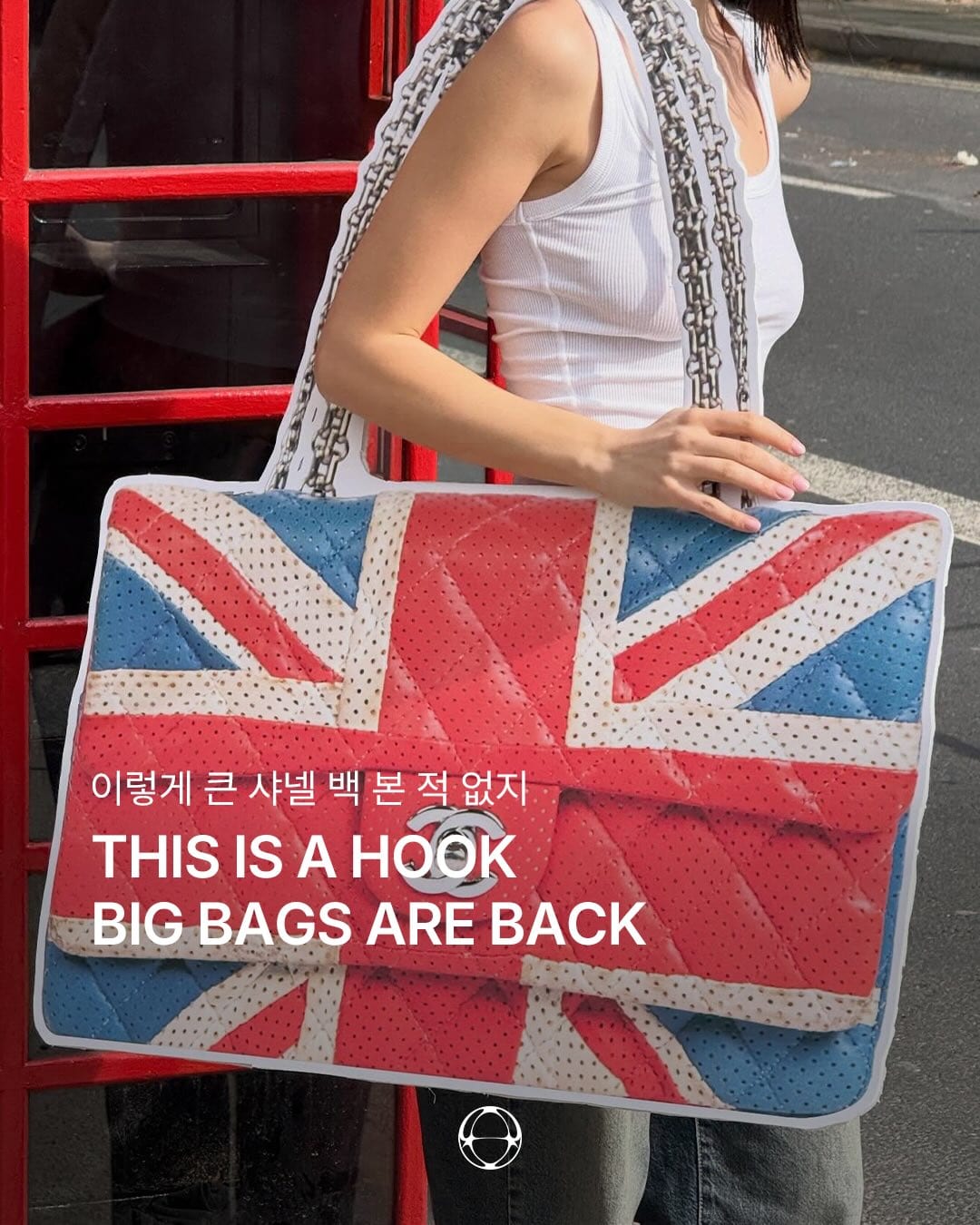
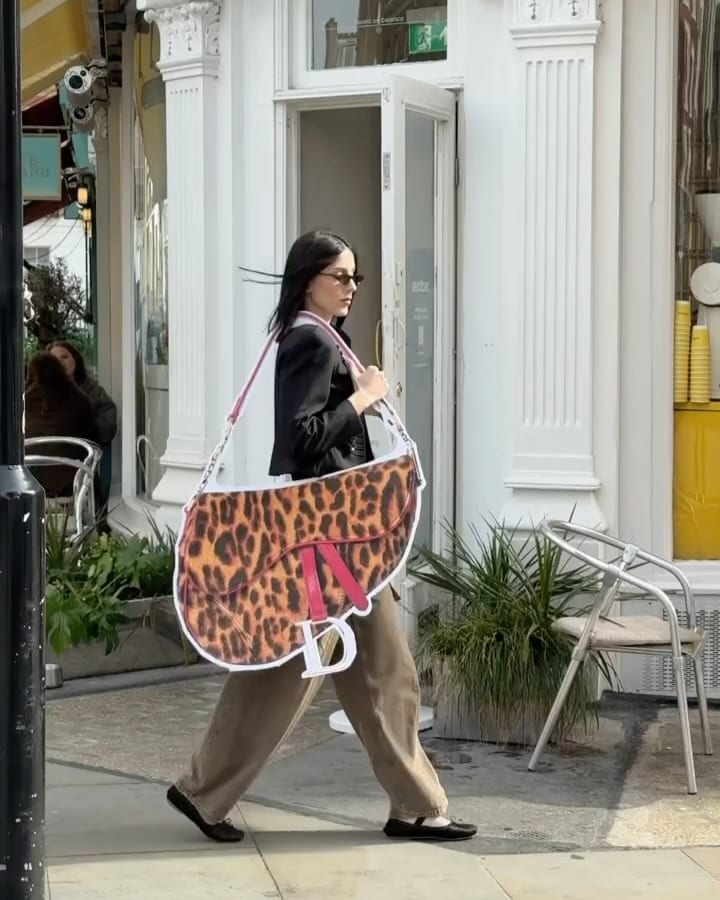
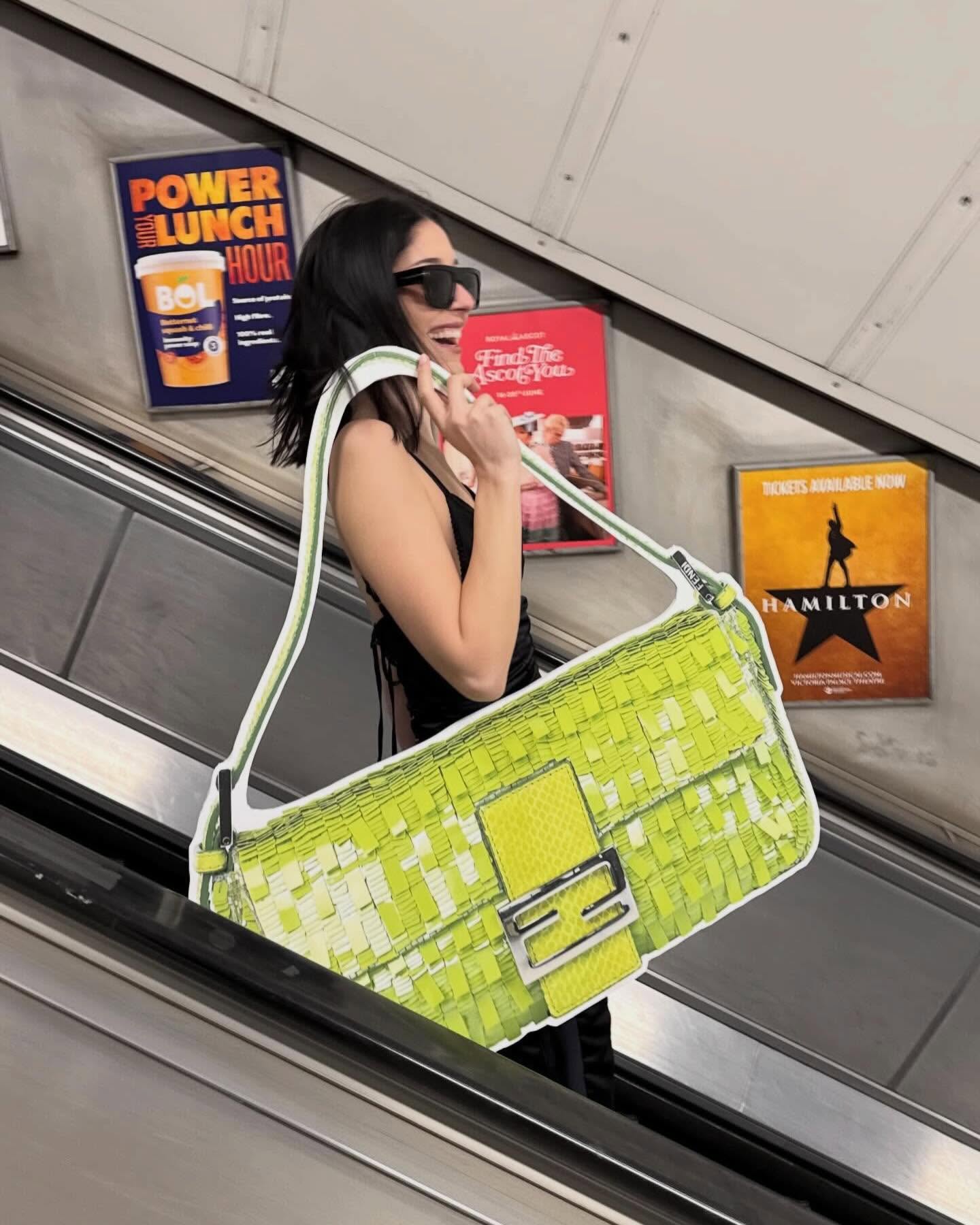
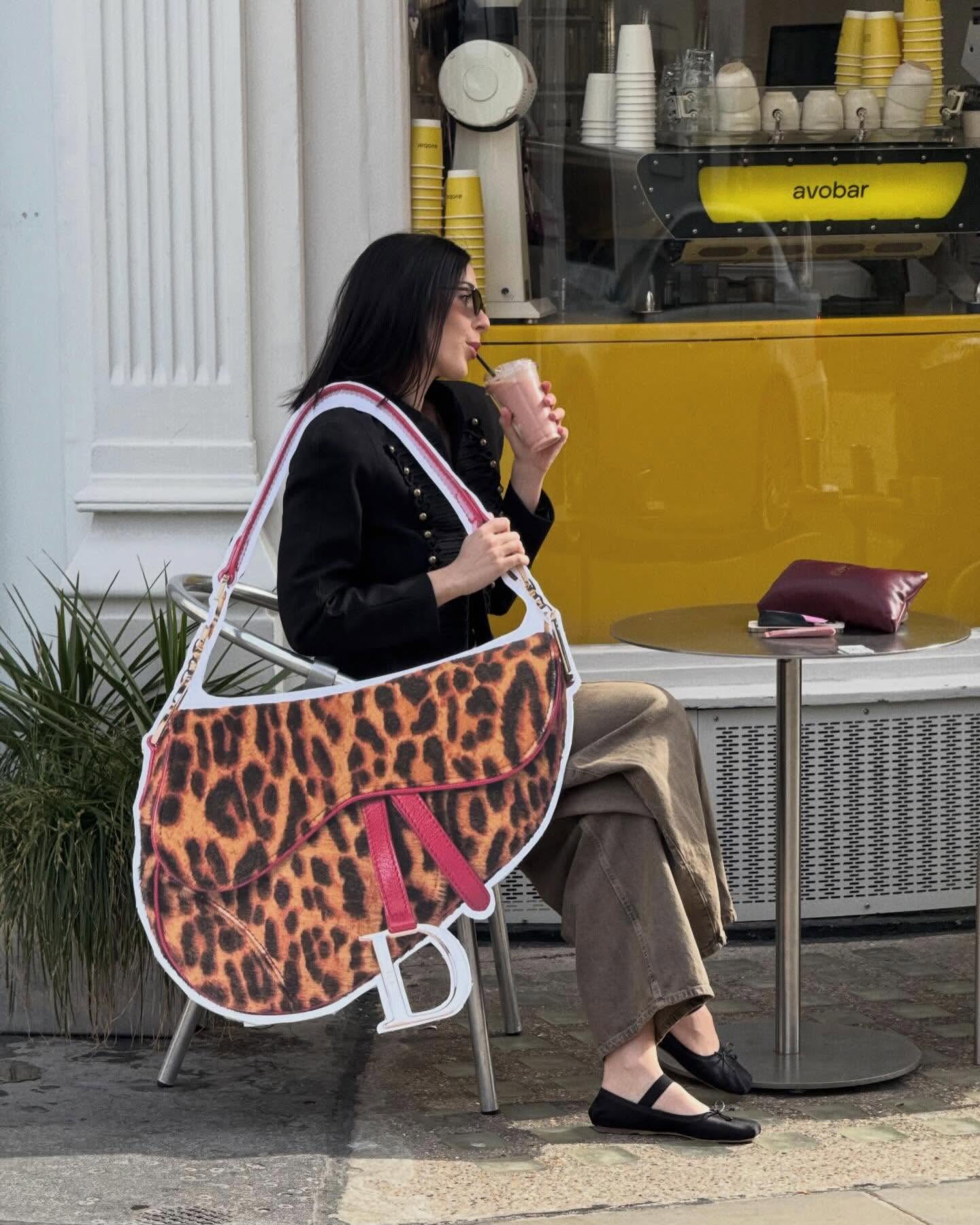
Enlargement here is not exaggeration but reinterpretation. Quilted stitching, chain links, logo hardware—all read anew on a blown-up canvas. Iconic elements of luxury bags rise like architecture, and the very idea of scarcity inflates physically. Break Archive floated these visuals onto the algorithm, and clicks followed automatically.
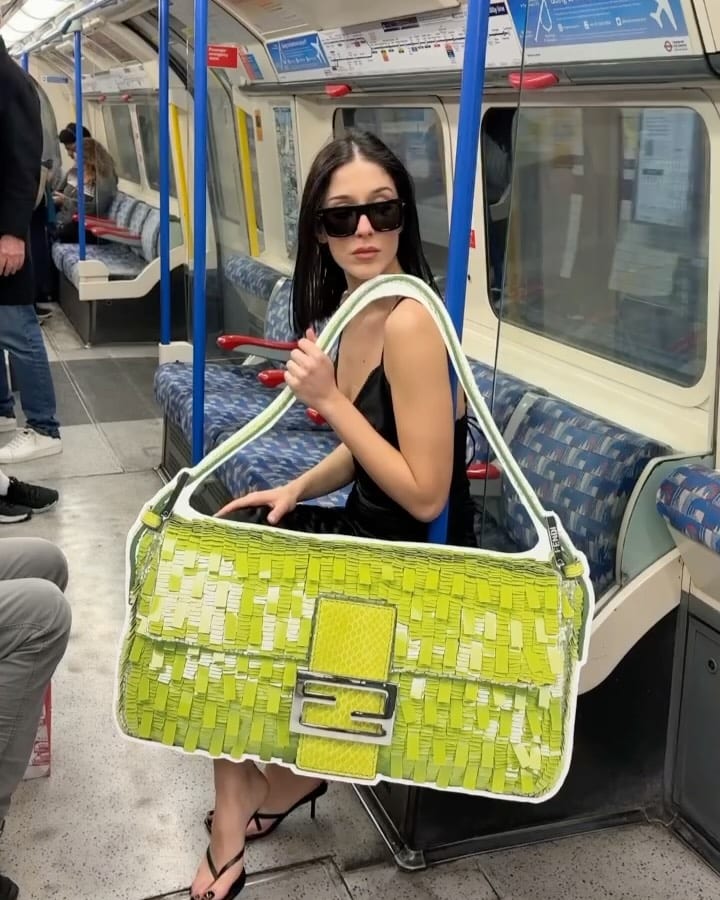
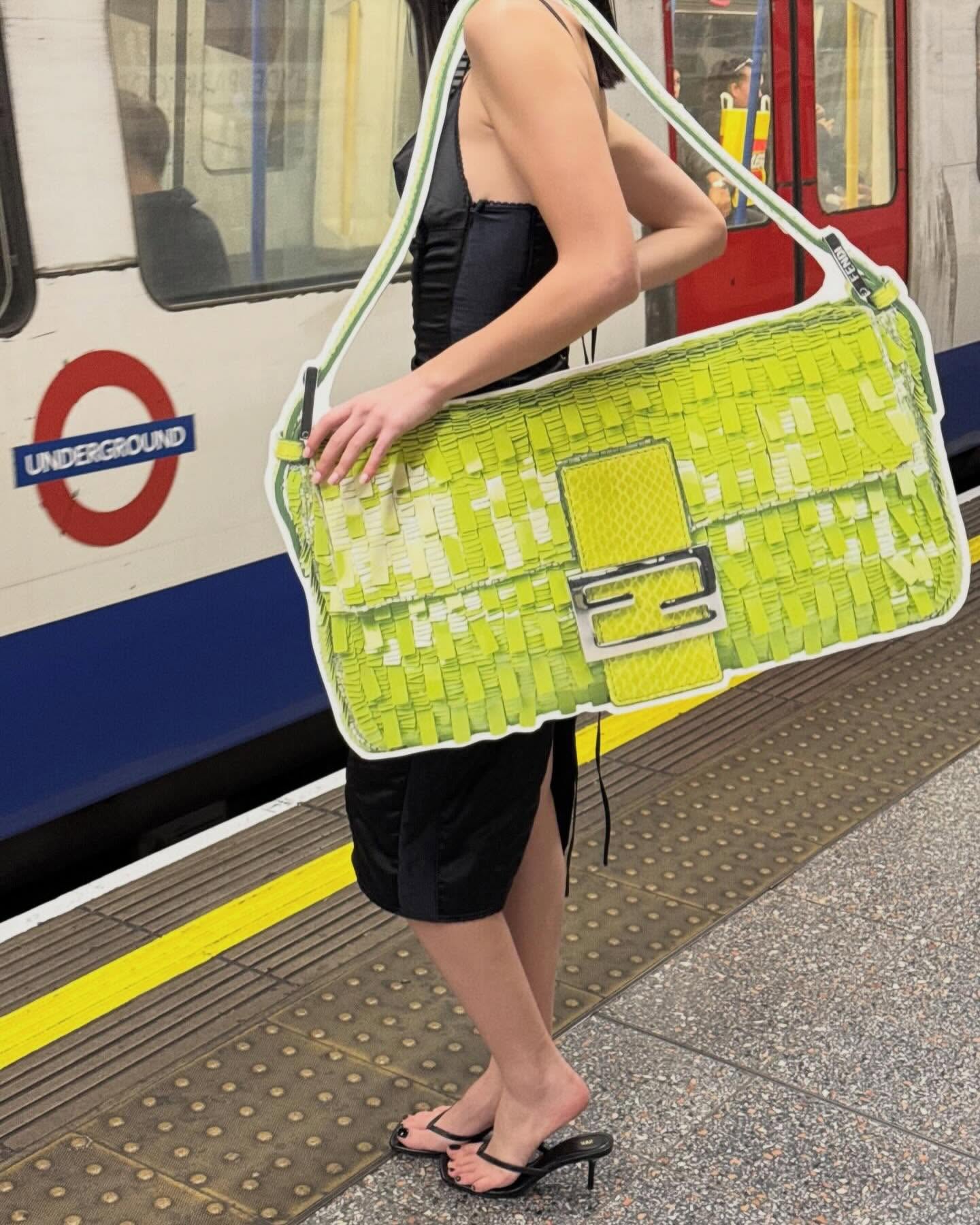
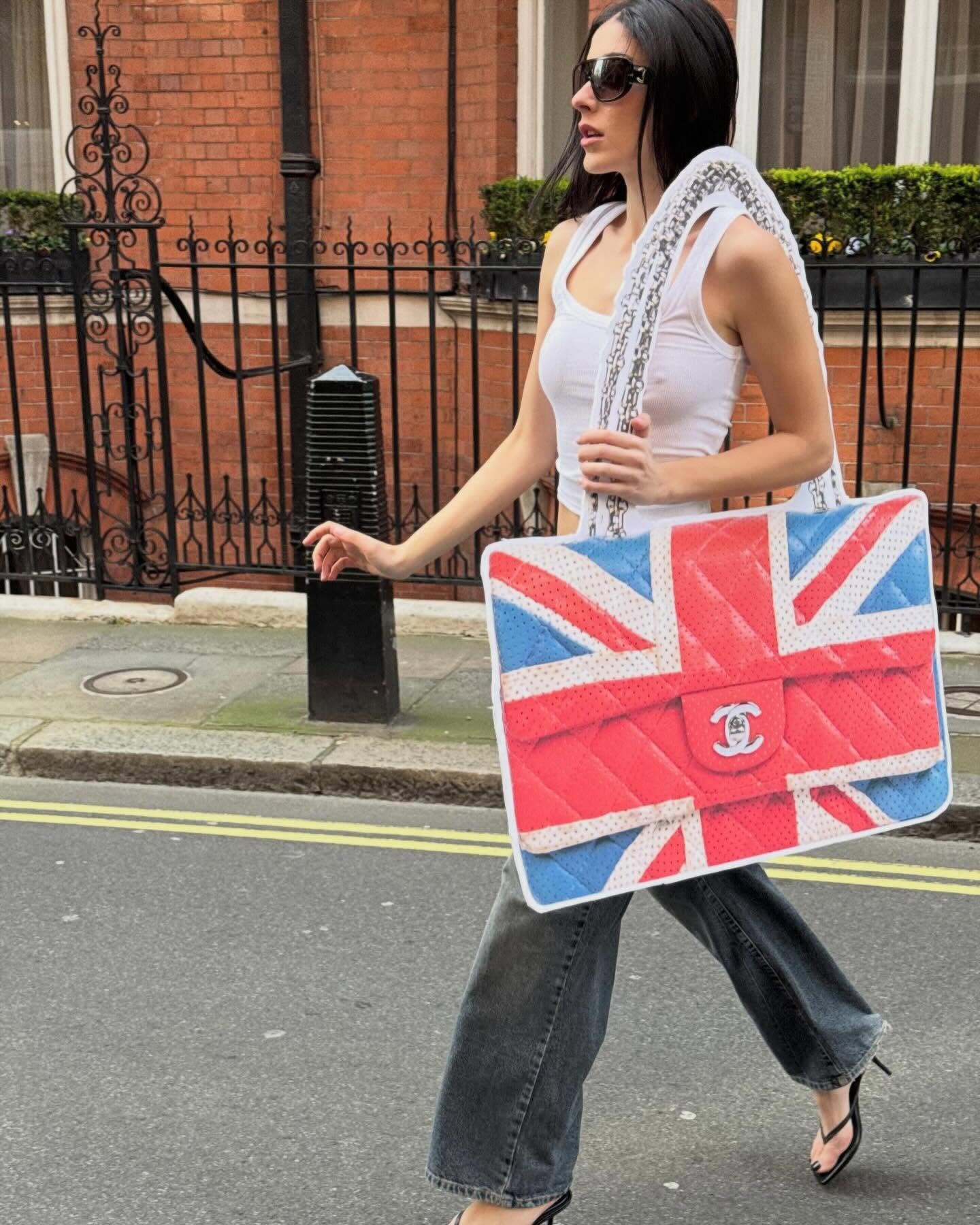
The stars are a Union Jack Chanel and a lime-green woven Fendi Baguette, both rare archive pieces available at the pop-up. Models carry these fake-looking objects through London streets and Tube platforms, performing everyday life. Real-world proportion collapses here, and vintage crosses into fantasy territory.
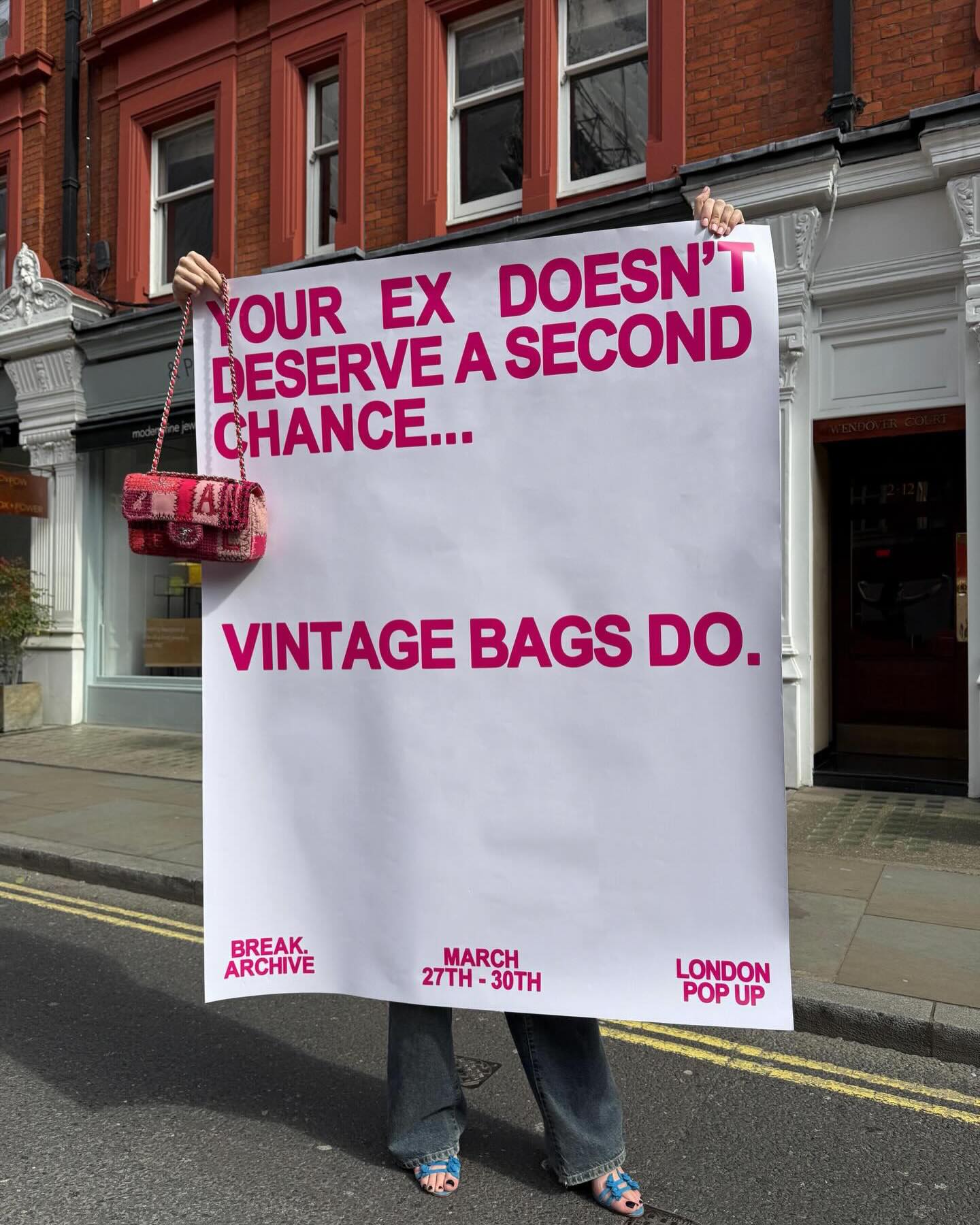
A line reads: "Second chances are for vintage bags, not your ex." Humor is the final layer of persuasion, the trigger that makes you click the tagged account. Break Archive designed the hook before showing the product. If eye-catching works this well, you've probably already clicked. Did you realize what you saw on the algorithm wasn't the bag, but the design of your own gaze?
FAQ
What visual strategy did the Break Archive pop-up use?
Break Archive created images of actual vintage Chanel and Fendi bags enlarged beyond human height for their pop-up campaign. By exaggerating details like quilting, chains, and logos and physically inflating the concept of luxury scarcity, they employed a hooking strategy that sells attention before product.
What bags can be seen at the Break Archive pop-up?
A Union Jack-patterned Chanel bag and lime green woven Fendi Baguette are key items. Both are rare archive pieces viewable in person at the pop-up. Campaign visuals feature models carrying these bags in exaggerated sizes against London streets and subway stations.
What copy did Break Archive use?
"Give a second chance to vintage bags, not your ex" was layered over the visuals. Using humor to complete the final persuasion layer, it acts as a trigger to click the tagged account, emotionally yet wittily redefining vintage consumption.