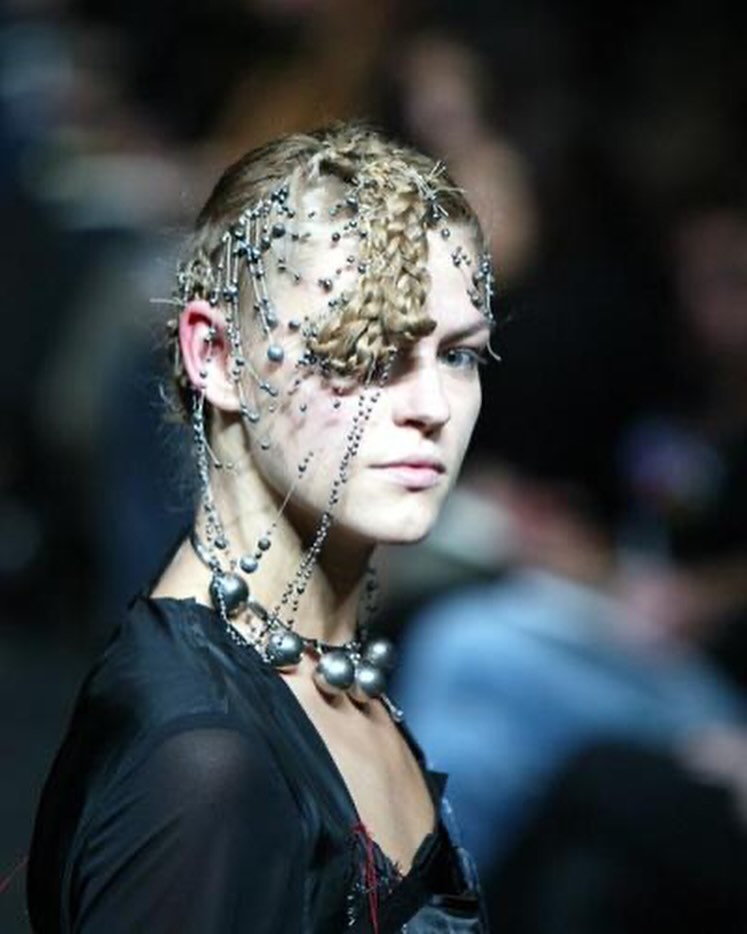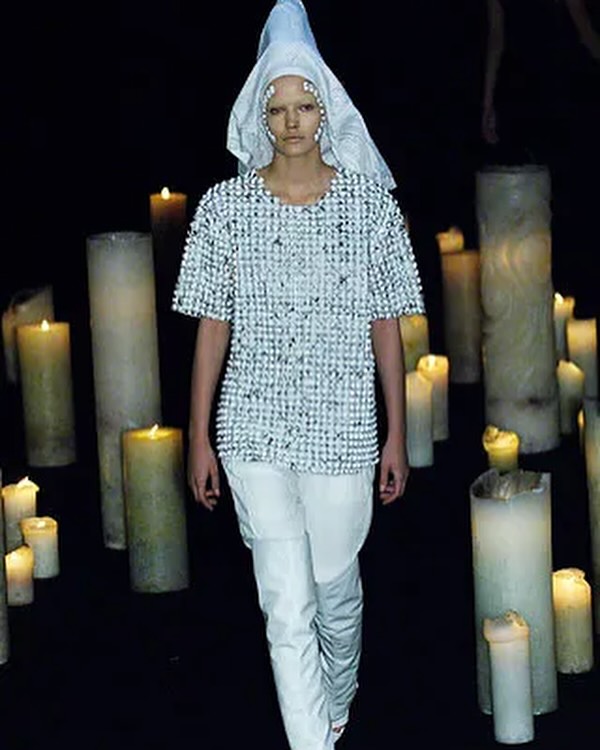
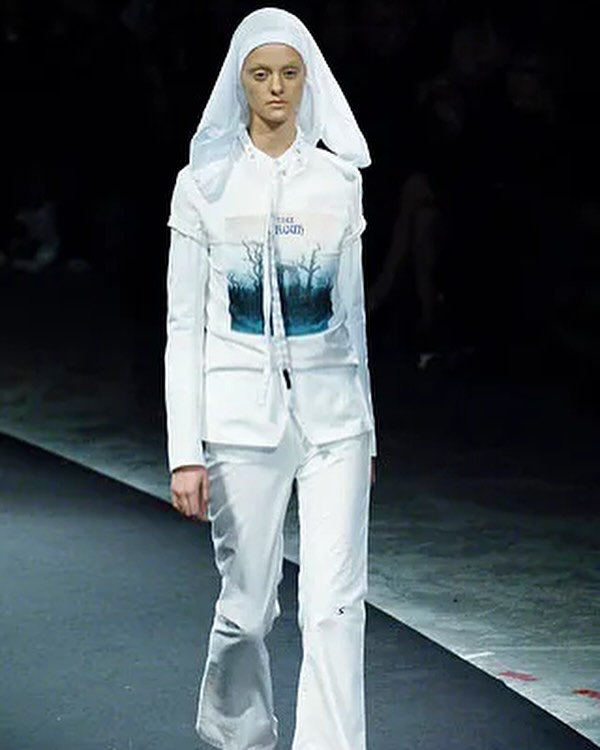
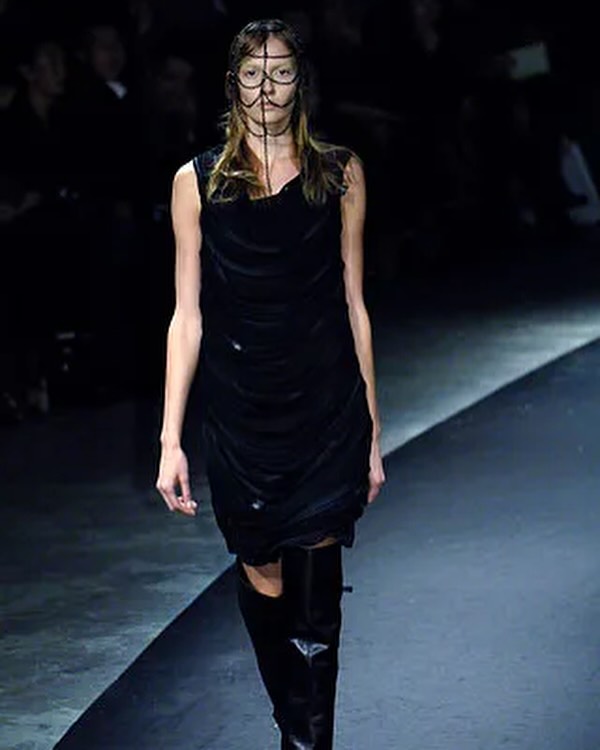
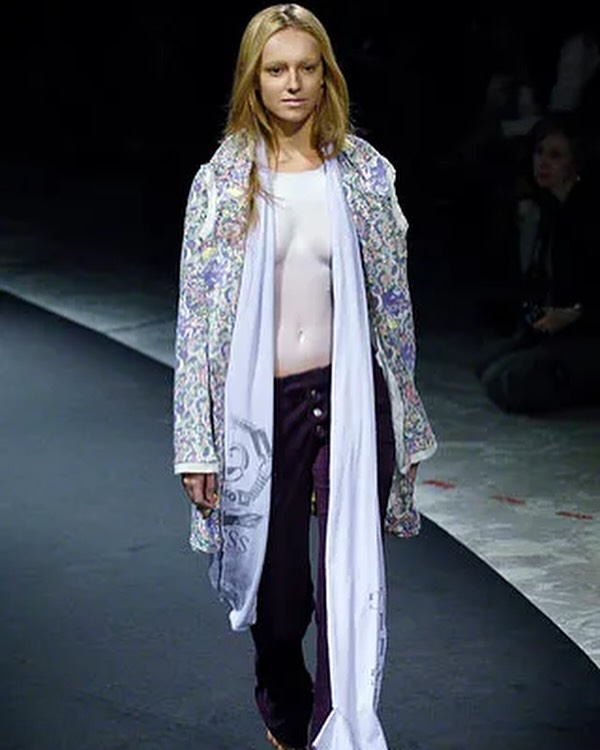
Irregularly cut T-shirts and medieval headdresses formed the collection's core vocabulary. The pointed conical veil stands out as particularly striking, blurring boundaries between religious iconography and avant-garde fashion. The fusion of Gothic and punk styles showcased Takahashi's signature blend of rebellion and poetry.
By the mid-2000s, Undercover had established itself as an innovative force in Japanese fashion. This collection clearly articulated the designer's philosophy of drawing inspiration from music, art, and counterculture rather than commercial trends. The bold rejection of seasonality remains a talking point among archive fashion enthusiasts today.
Jun Takahashi's vision—translating the experimental spirit of progressive rock into garments—proved that fashion could transcend clothing to become cultural statement. The collection's creepiness, as the designer acknowledged, was precisely what made it memorable and enduring.

FAQ
What was the concept of Undercover's 2006 Spring/Summer collection?
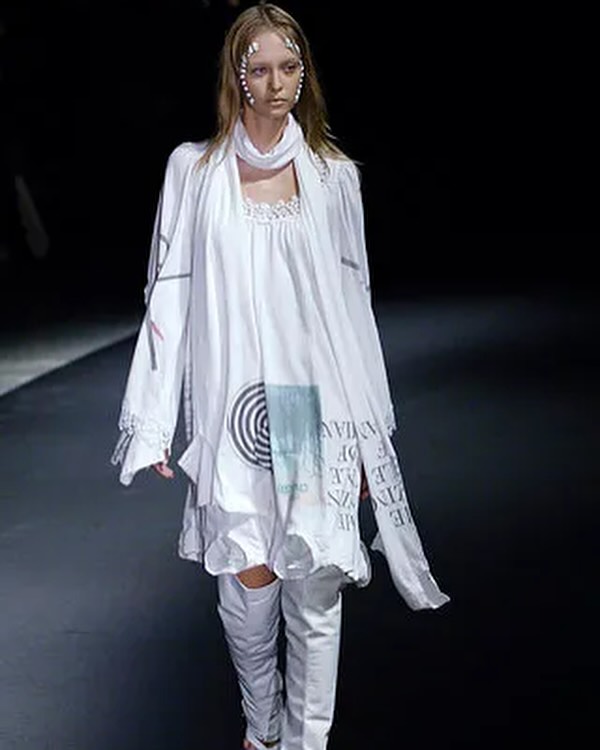
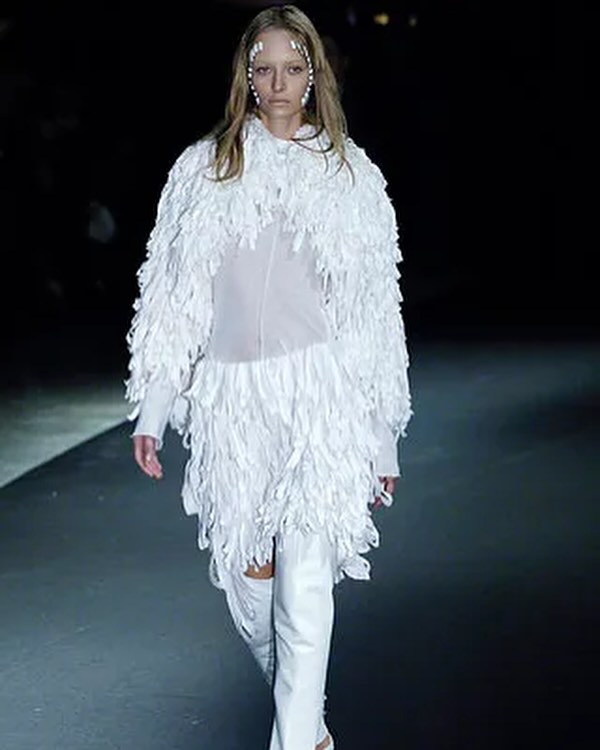
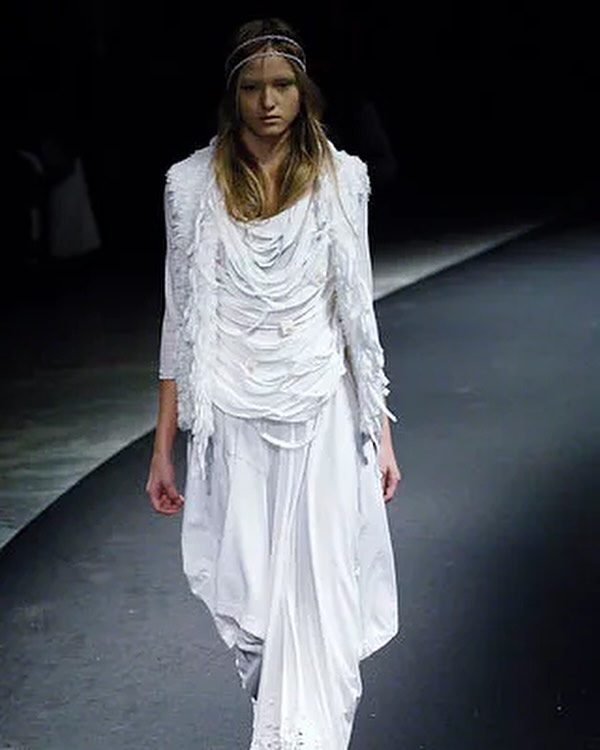
Designer Jun Takahashi imagined a progressive rock band, presenting a collection blending gothic and punk styles. Featuring dark spaces surrounded by white candles, irregularly cut T-shirts, and medieval headdresses, it rejected spring season conventions with dark aesthetics.
What kind of brand is Undercover?
Undercover is a Japanese fashion brand led by designer Jun Takahashi, famous for experimental and avant-garde designs inspired by music, art, and counterculture. It established itself as an innovative icon of Japanese fashion in the mid-2000s.
What was the most striking item in the 2006 Undercover collection?
The pointed, conical medieval-style headdress (veil) was most striking. Straddling the boundary between religious imagery and avant-garde fashion, this piece symbolically demonstrated Takahashi's characteristically rebellious yet poetic aesthetic.