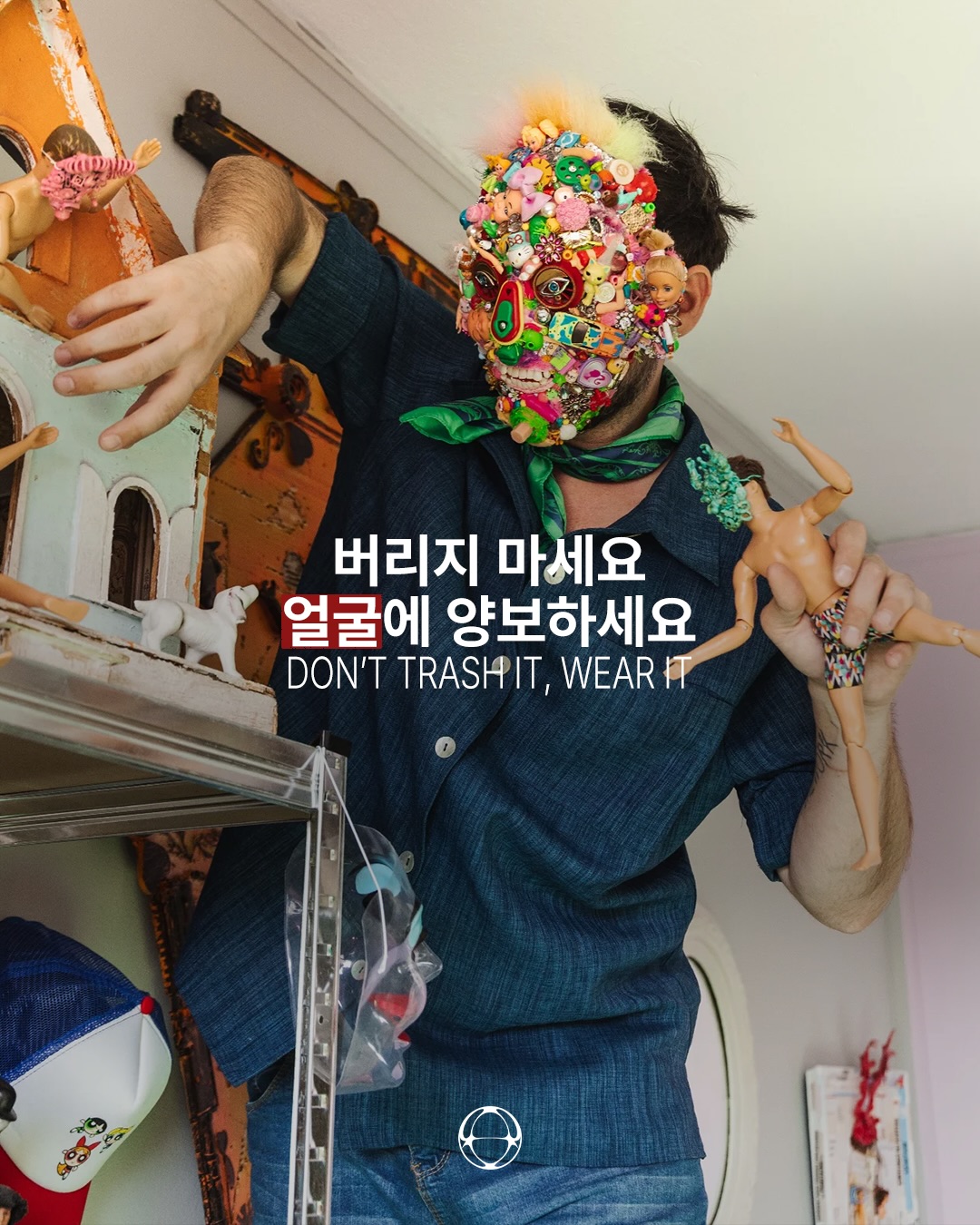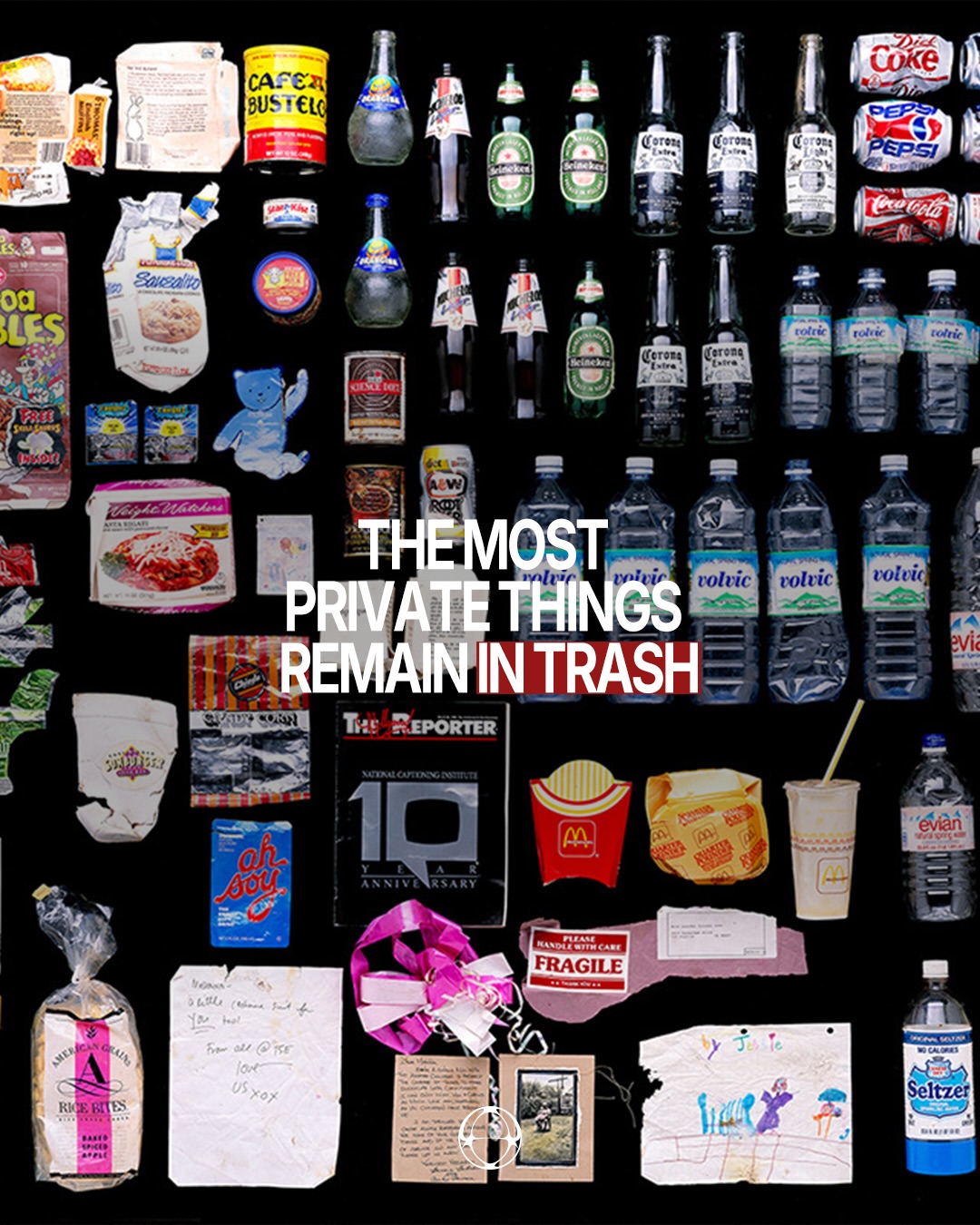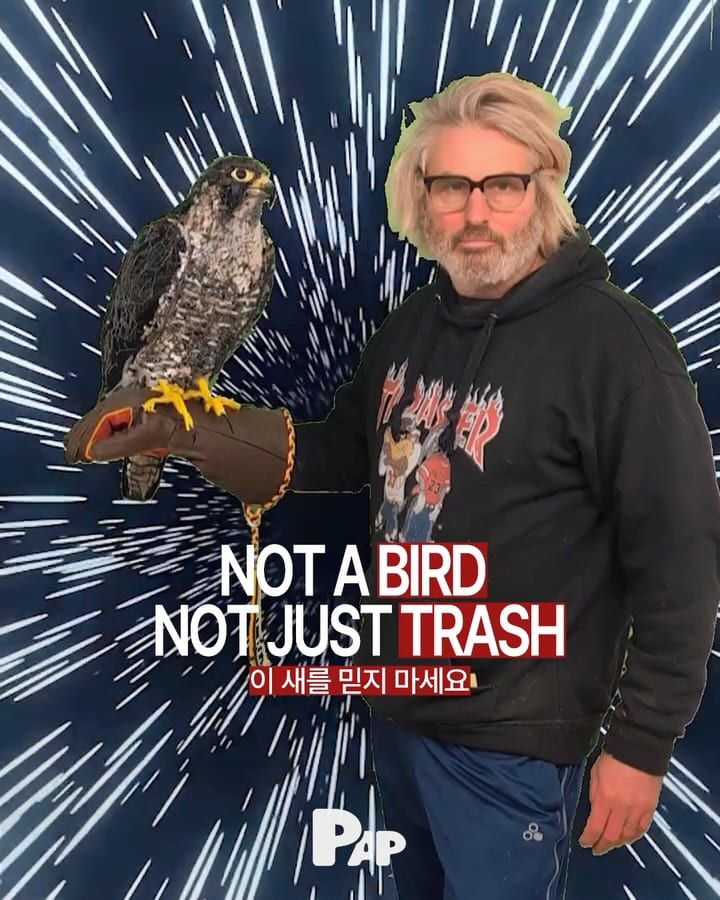
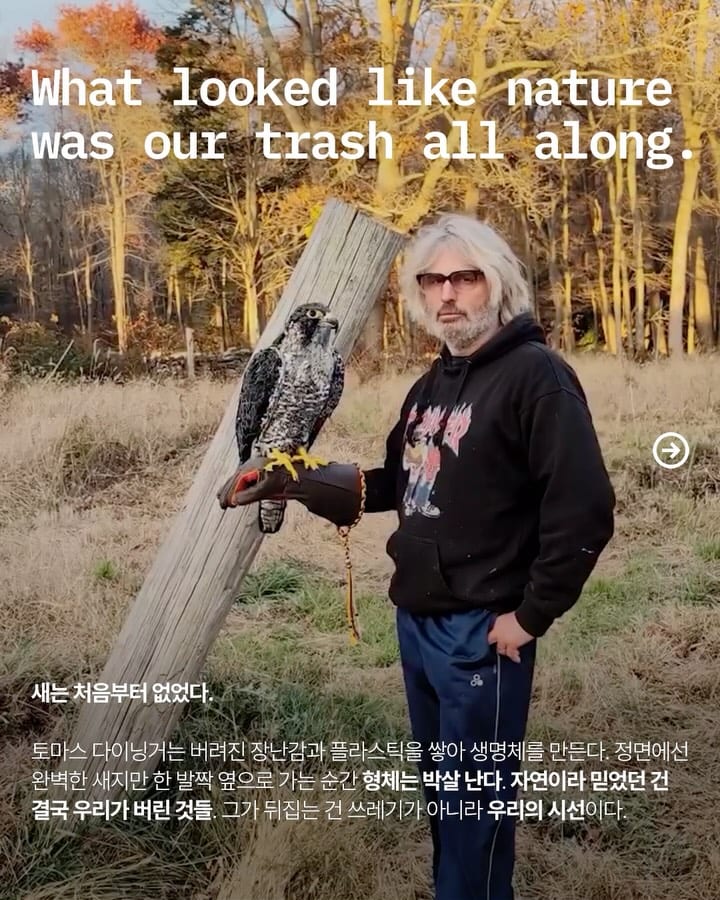
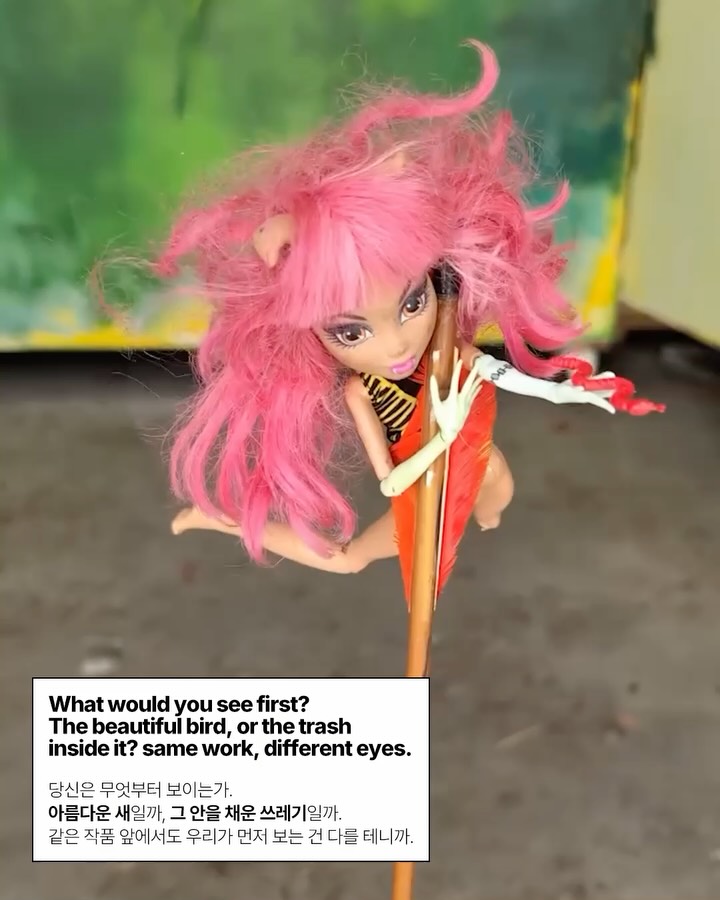
Thomas Deininger's birds die the moment you step to the side. From a distance, they look alive—feathers detailed, posture convincing. Move closer and the illusion collapses. Wings turn into plastic toys, beaks revert to discarded household objects. What you thought was nature is just the debris we left behind. One angle makes the difference between life and waste.
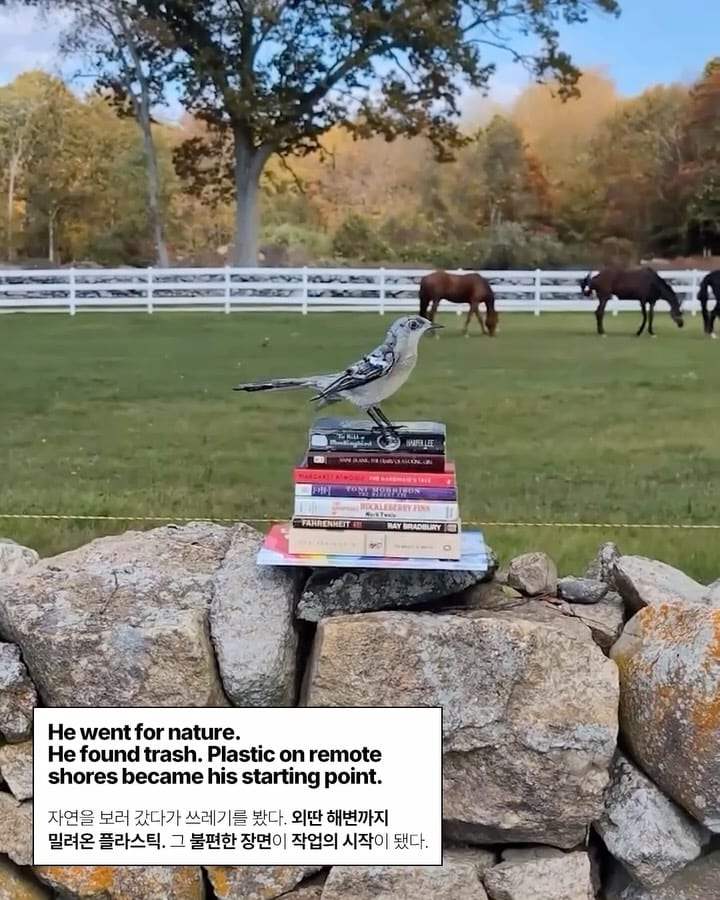
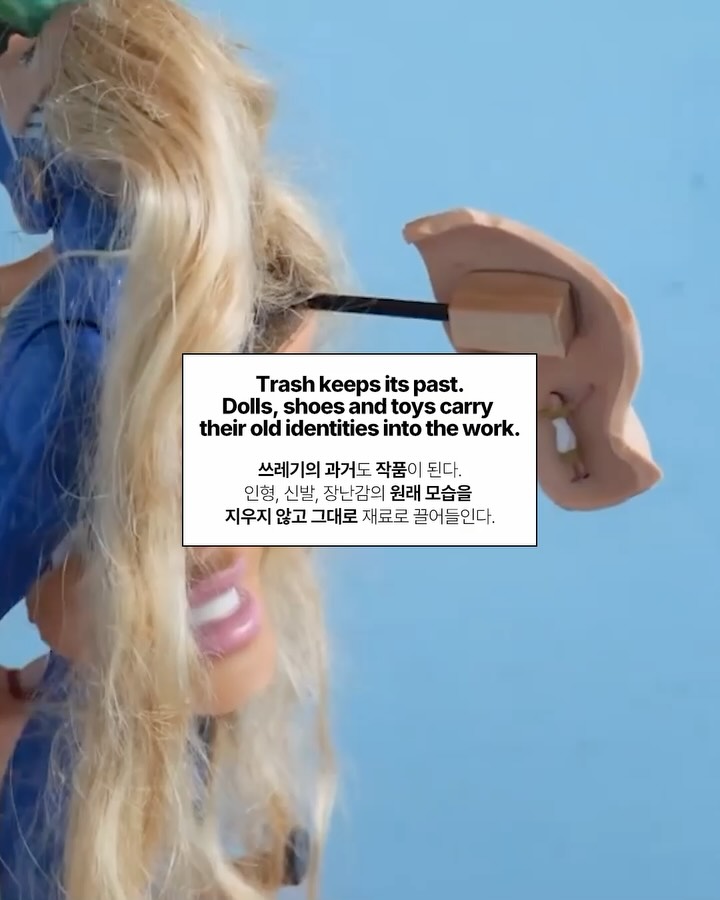
Deininger stacks found plastic and discarded objects into creatures that exist only from a single viewpoint. Shift your position and nature disappears, leaving consumption in plain sight. The work is sculptural but reads like painting, environmental but playful. He recycles more than trash—he recycles the way we see.
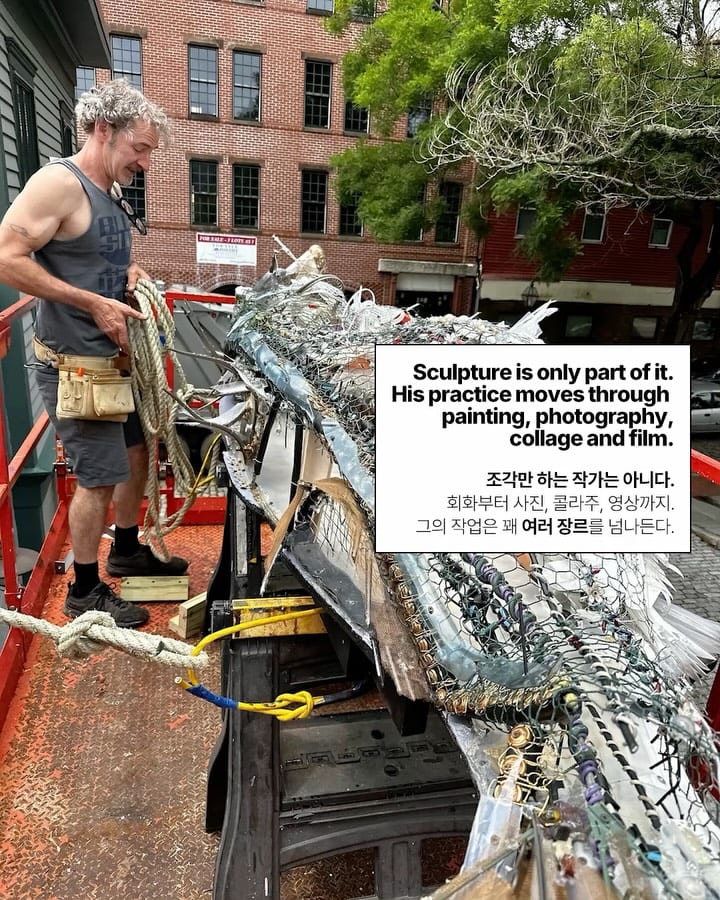
Sculpture is only part of it. His practice moves through painting, photography, collage, and film. Mediums change, but the core stays the same. Meaning isn't in what you see but where you stand. He uses waste to prove that perspective is everything.
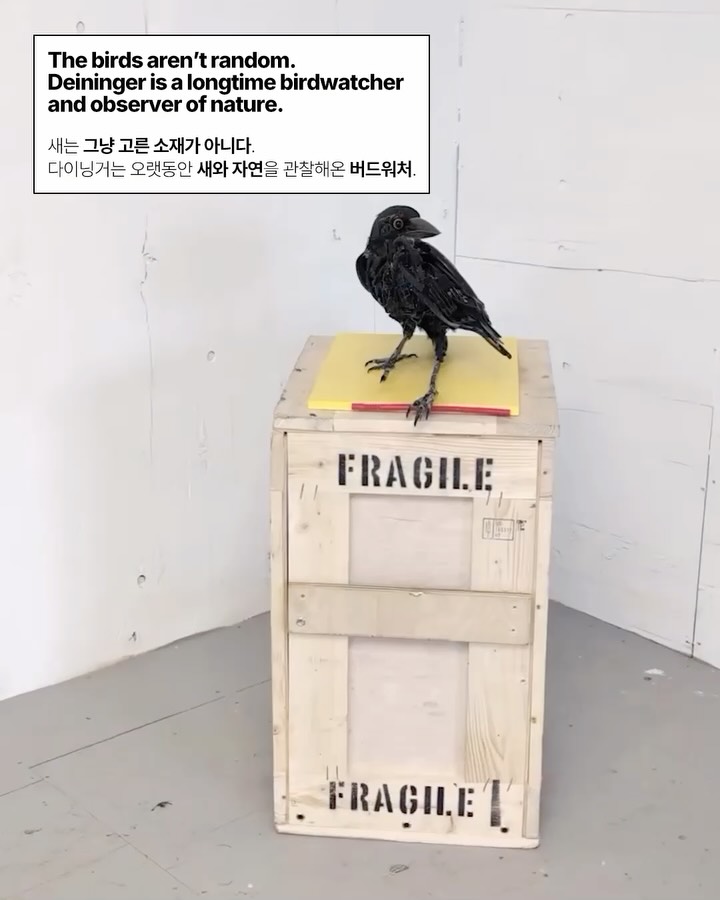
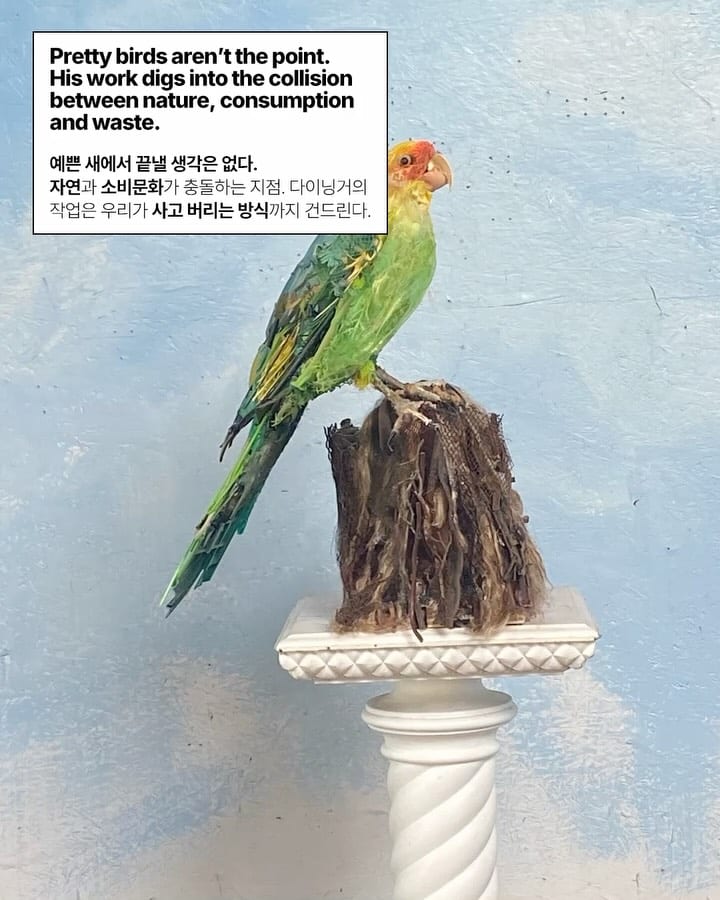
His birds mimic nature but also expose its absence. The beauty isn't life—it's an optical trick. The truth is plastic. Yet when that plastic looks alive again, we stand somewhere between consumption and creation. Maybe Deininger isn't just recycling trash. Maybe he's recycling vision itself.
Where would you stand?
Deininger stacks found plastic and discarded objects into creatures that exist only from a single viewpoint. Shift your position and nature disappears, leaving consumption in plain sight. The work is sculptural but reads like painting, environmental but playful. He recycles more than trash—he recycles the way we see.
Sculpture is only part of it. His practice moves through painting, photography, collage, and film. Mediums change, but the core stays the same. Meaning isn't in what you see but where you stand. He uses waste to prove that perspective is everything.
His birds mimic nature but also expose its absence. The beauty isn't life—it's an optical trick. The truth is plastic. Yet when that plastic looks alive again, we stand somewhere between consumption and creation. Maybe Deininger isn't just recycling trash. Maybe he's recycling vision itself.
Where would you stand?
FAQ
What materials does Thomas Deininger use to create his work?
Thomas Deininger uses discarded plastics and found everyday objects. He stacks abandoned toys and household items to create lifeforms that only materialize from a specific viewpoint. When the angle shifts, nature disappears and trash is revealed.
What is the key technique in Thomas Deininger's work?
The core of Deininger's work is perspectival illusion. The image completes only from one specific viewpoint, and the form collapses when the viewing position changes. This technique allows him to simultaneously present nature and waste, beauty and consumption.
Does Thomas Deininger only make sculptures?
No. Deininger's practice spans sculpture, painting, photography, collage, and video. Though he works across media, his consistent themes remain viewpoint, illusion, and the reinterpretation of what humans have discarded.