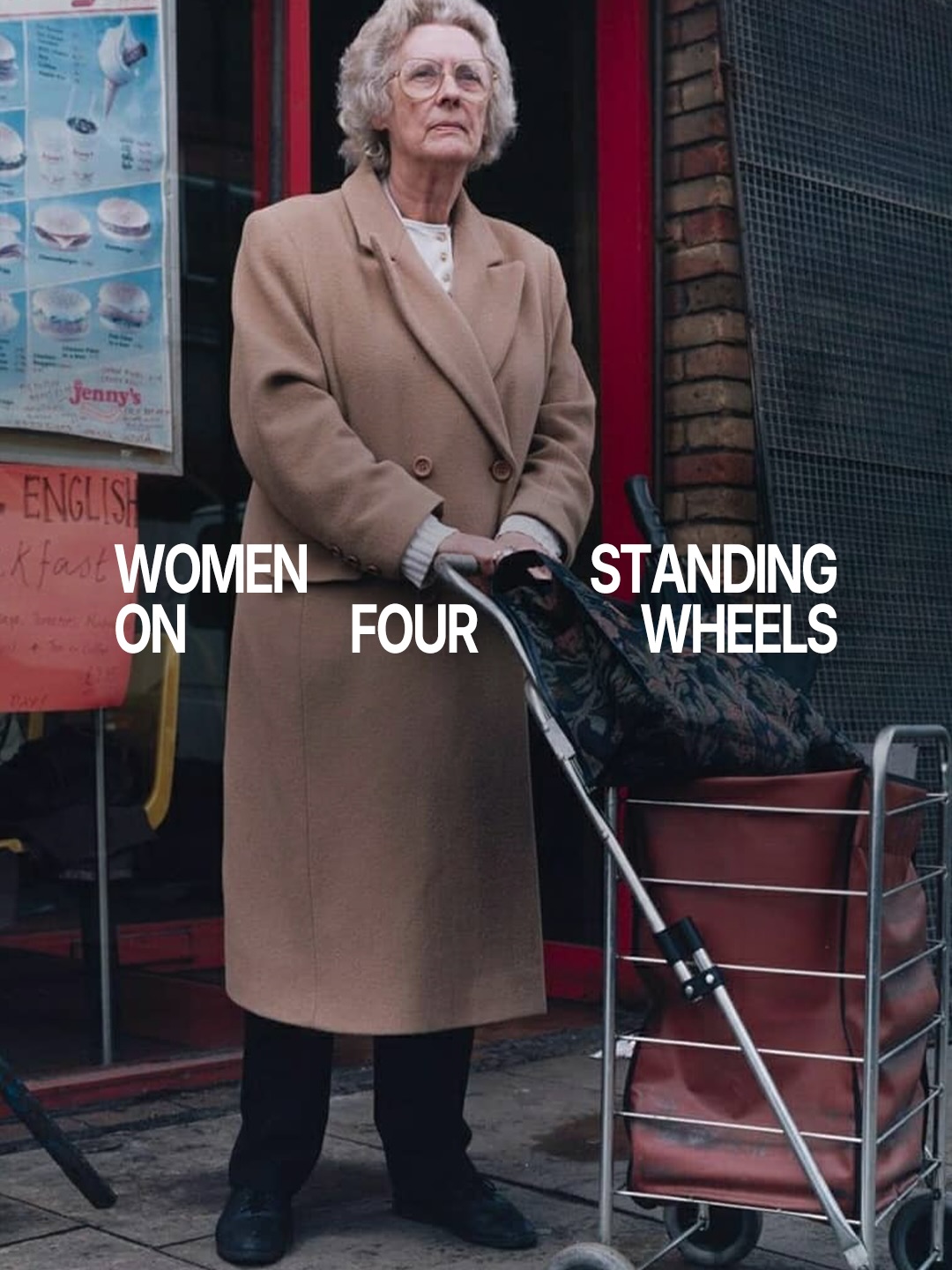
The origin of the project is deeply personal. After suffering a back injury, Gill began using a shopping trolley to transport his camera equipment—a practical solution that led to a profound realization. He came to see the trolley not merely as a tool, but as a symbol of mobility, autonomy, and attitude. His research uncovered that the familiar form of the shopping trolley was first developed over thirty years ago in Spitalfields by a family-run business called Sholley Trolleys, adding a layer of local history to the visual narrative.
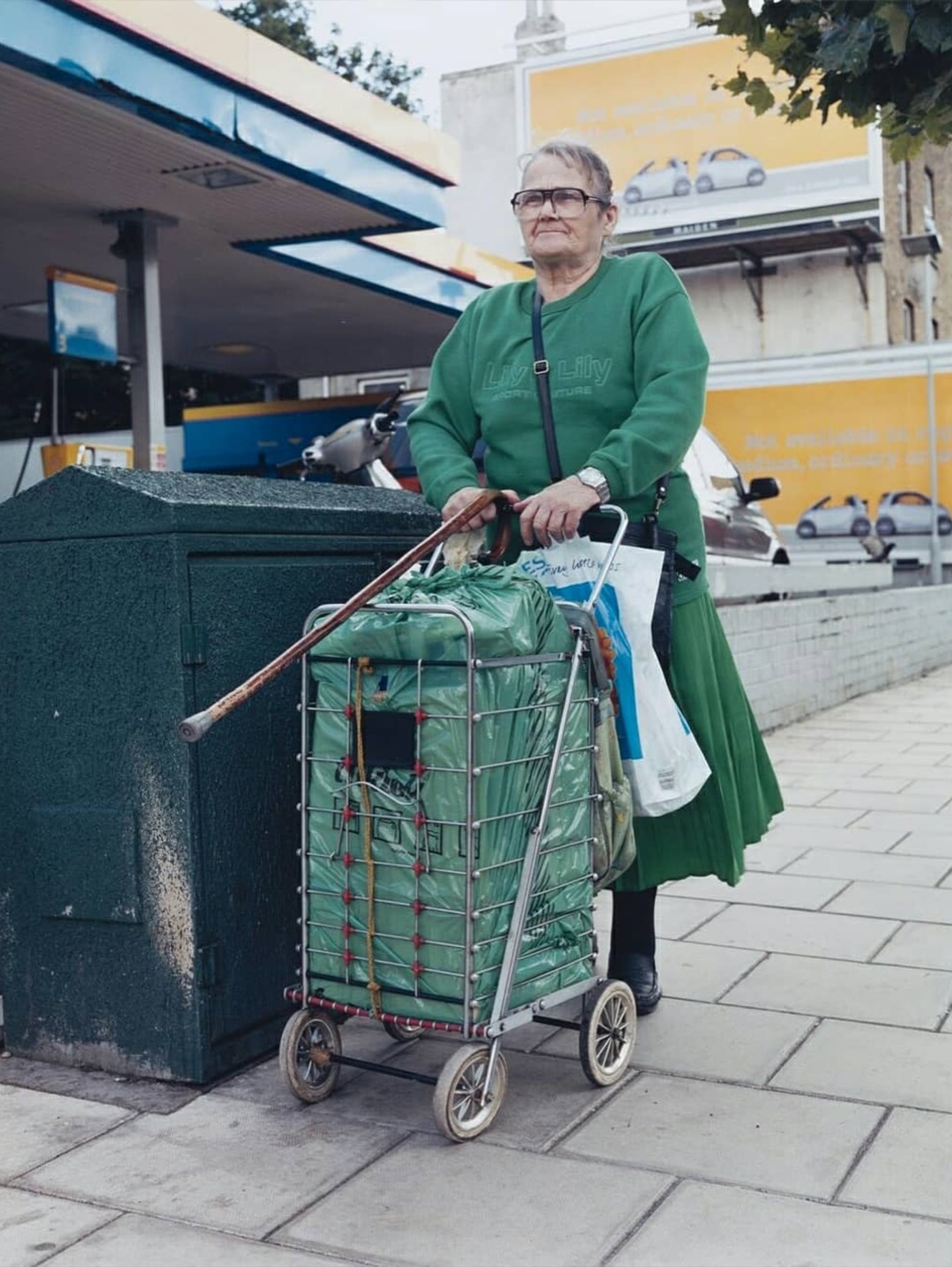
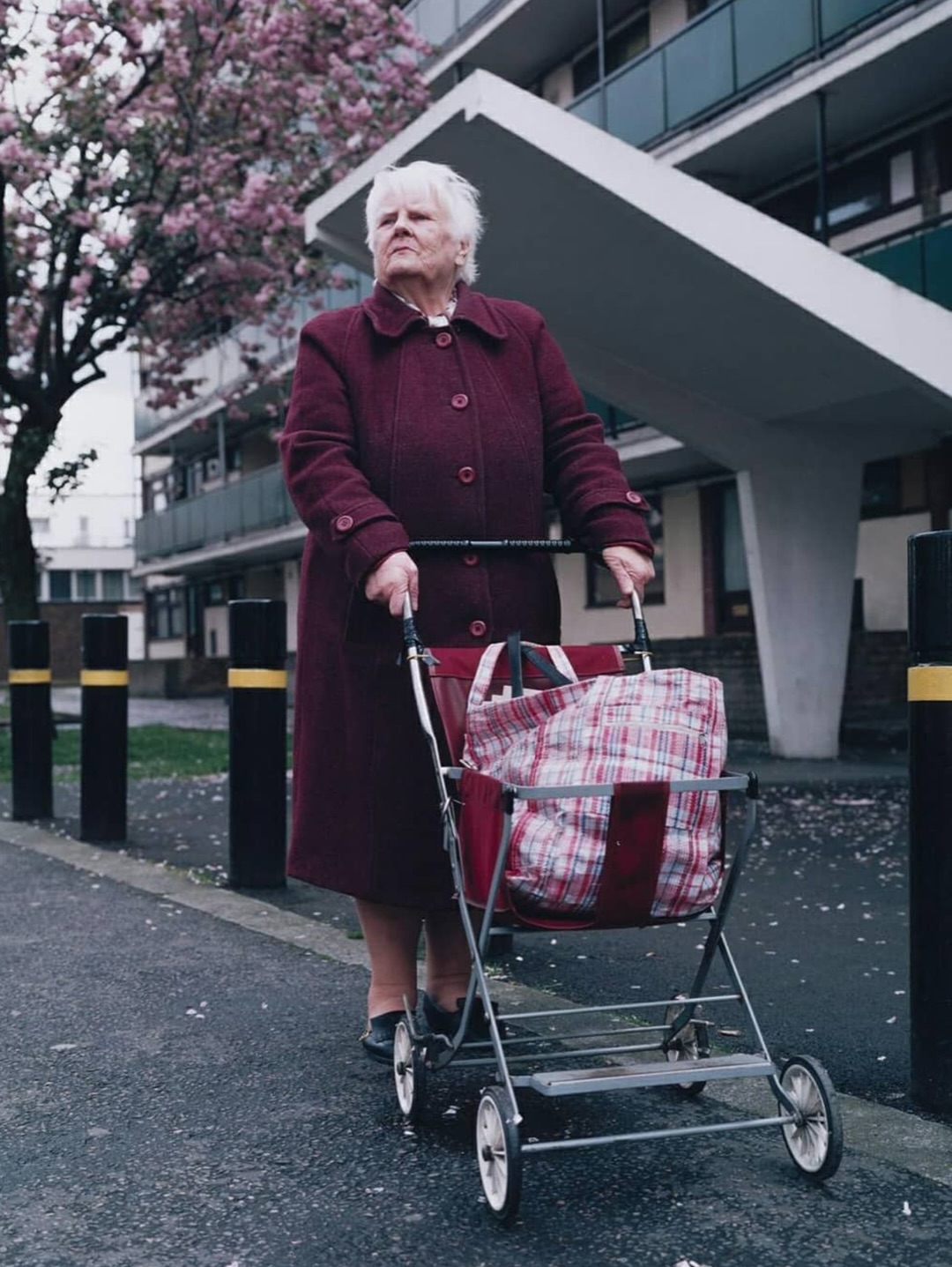
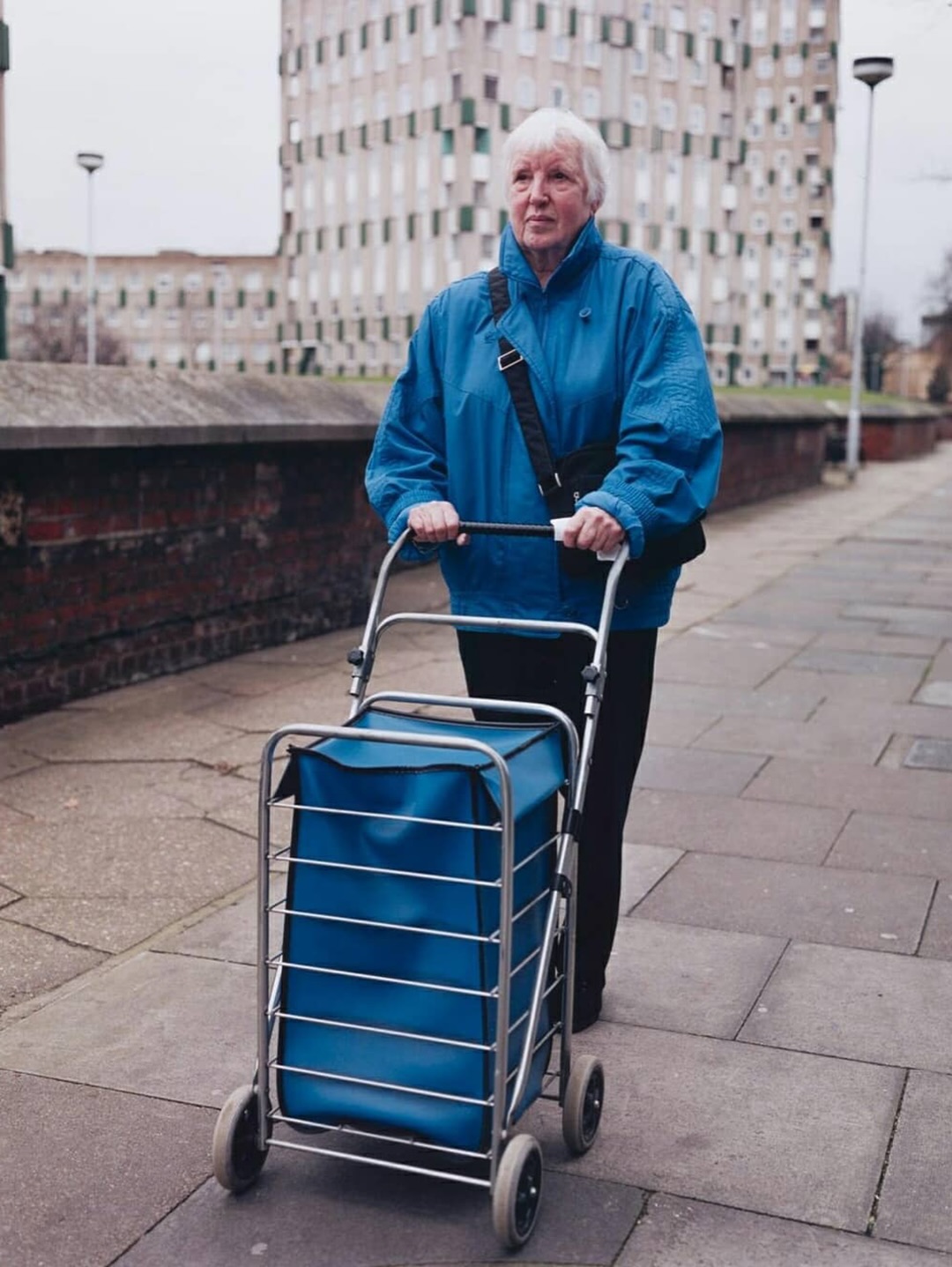
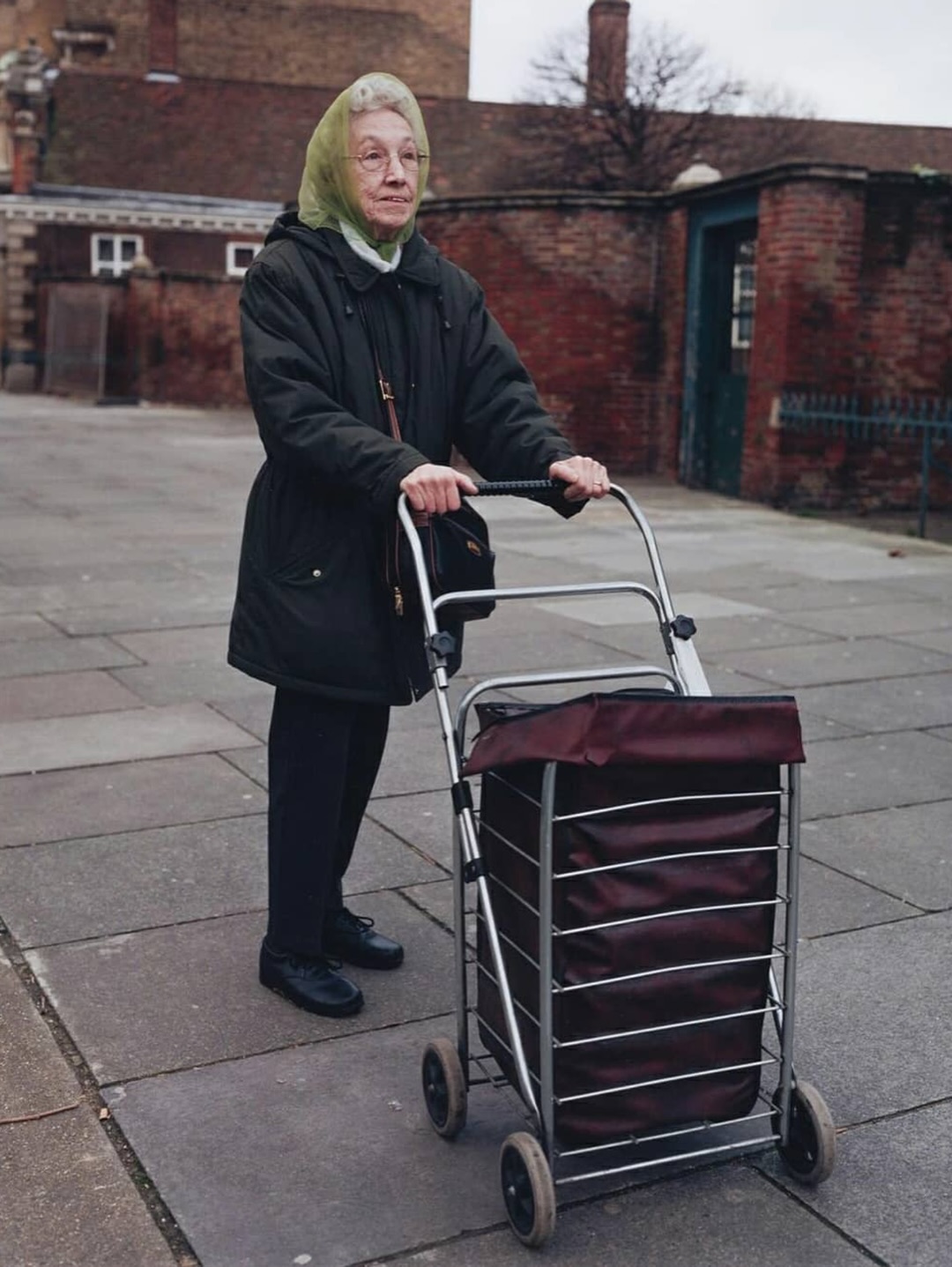
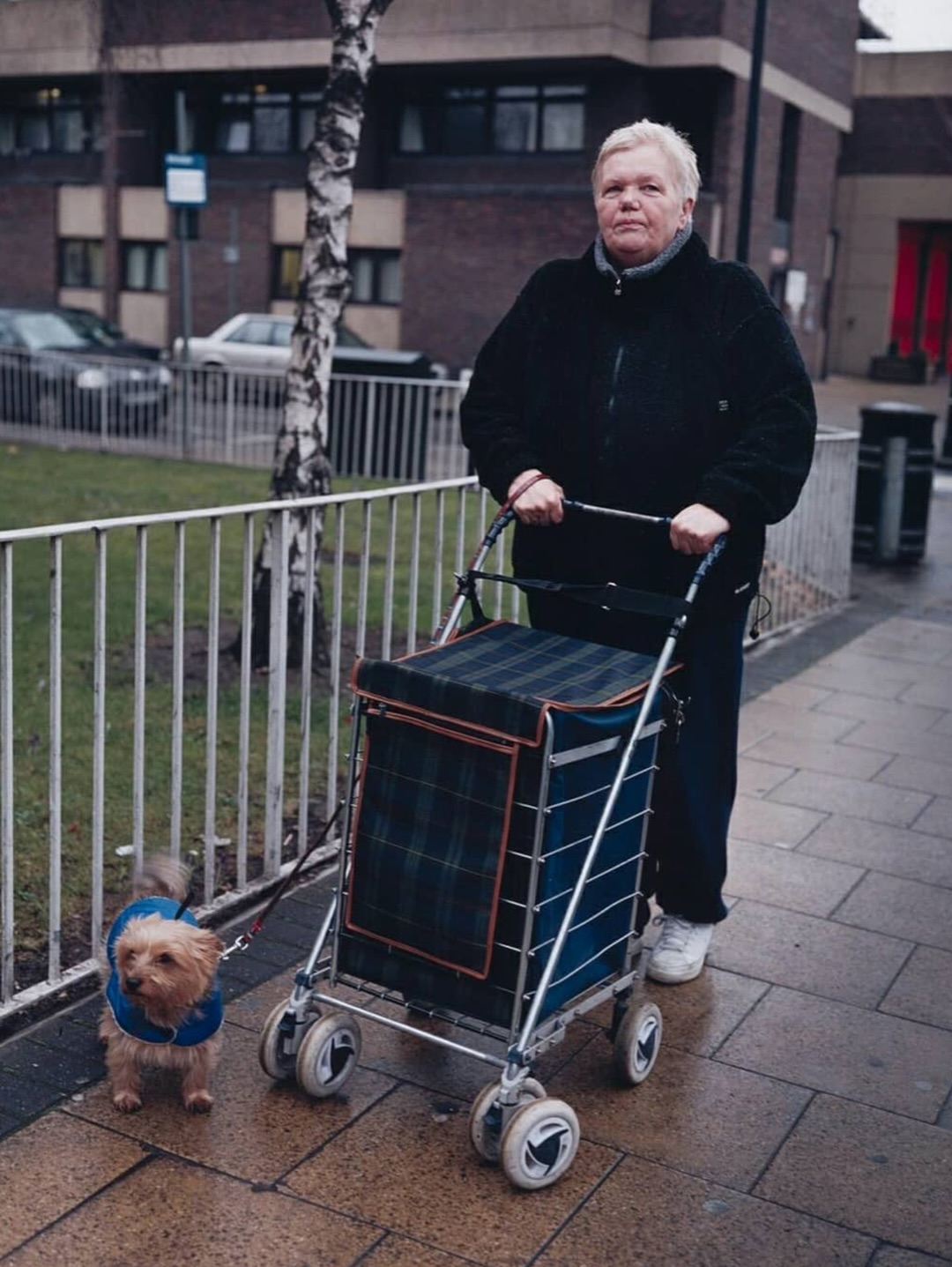
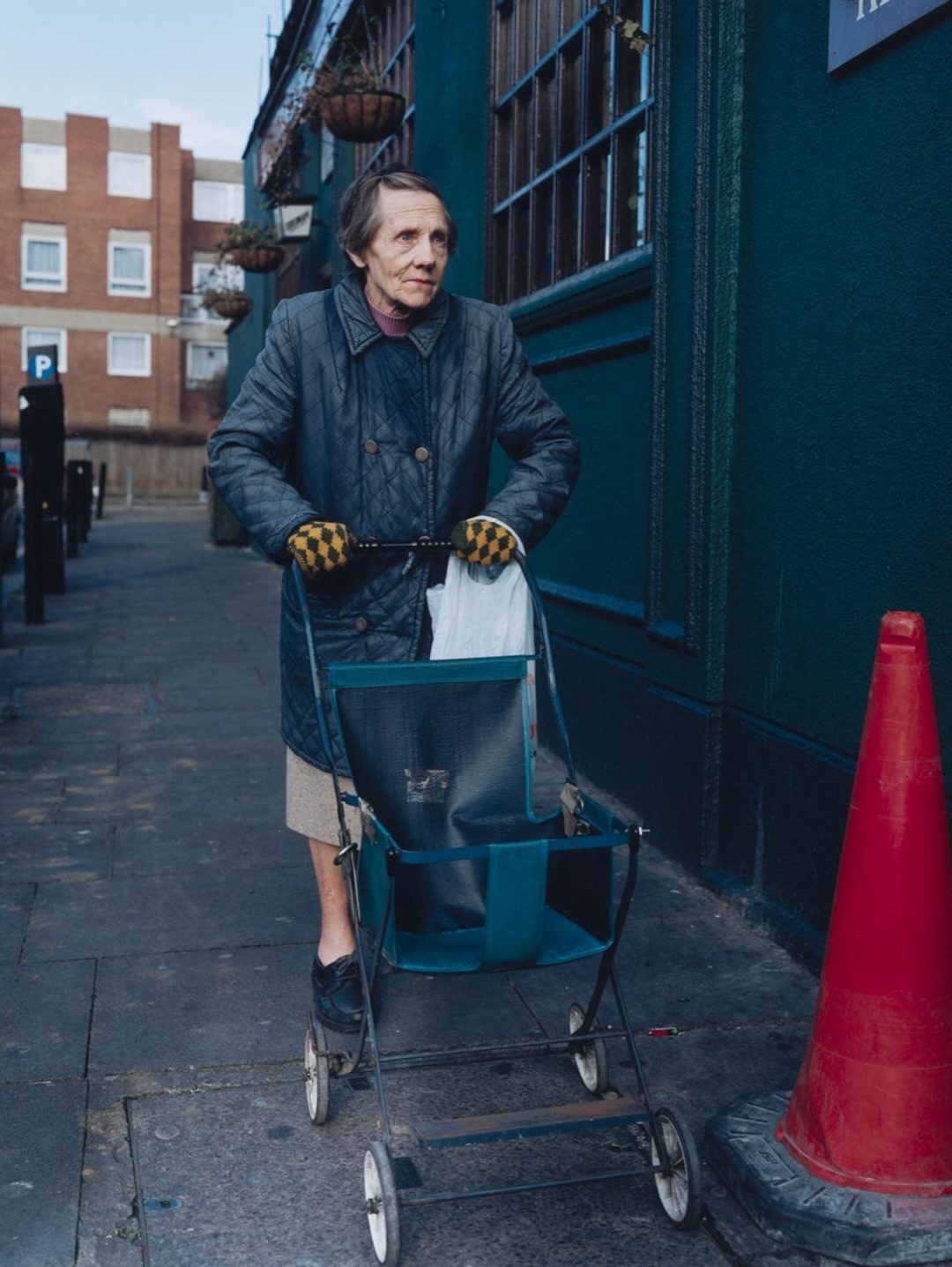
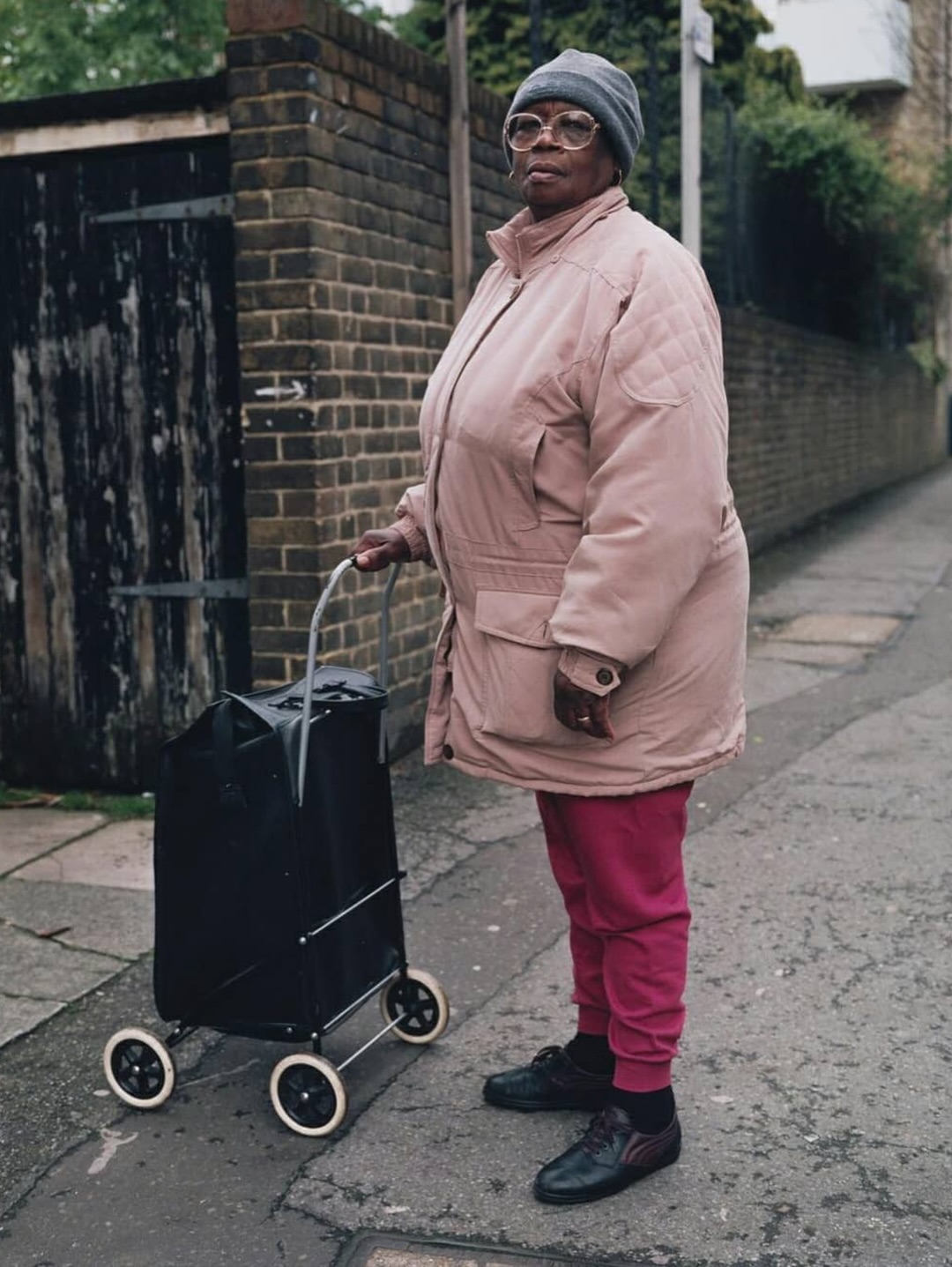
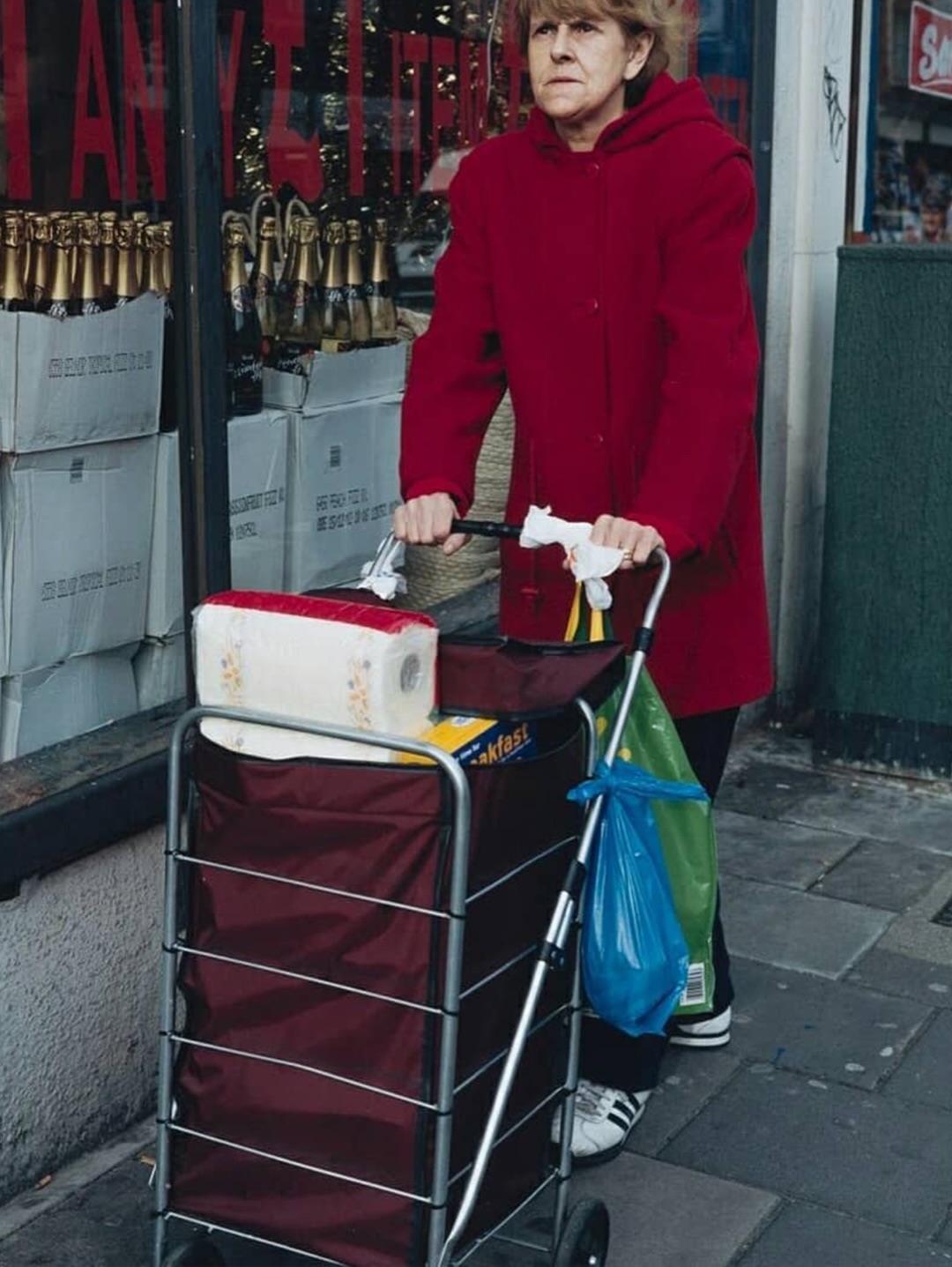
Trolley Portraits transcends documentary photography by embedding objects and subjects within a broader cultural and historical context. The trolley becomes a marker of East London's identity and the women's personal narratives, symbolizing both communal heritage and individual dignity. Gill's editorial eye captures the intersection of fashion, routine, and social environment, offering a portrait series that is as much about color theory and composition as it is about resilience and presence in everyday urban life.
FAQ
What is Steven Gill's Trolley Portraits series about?
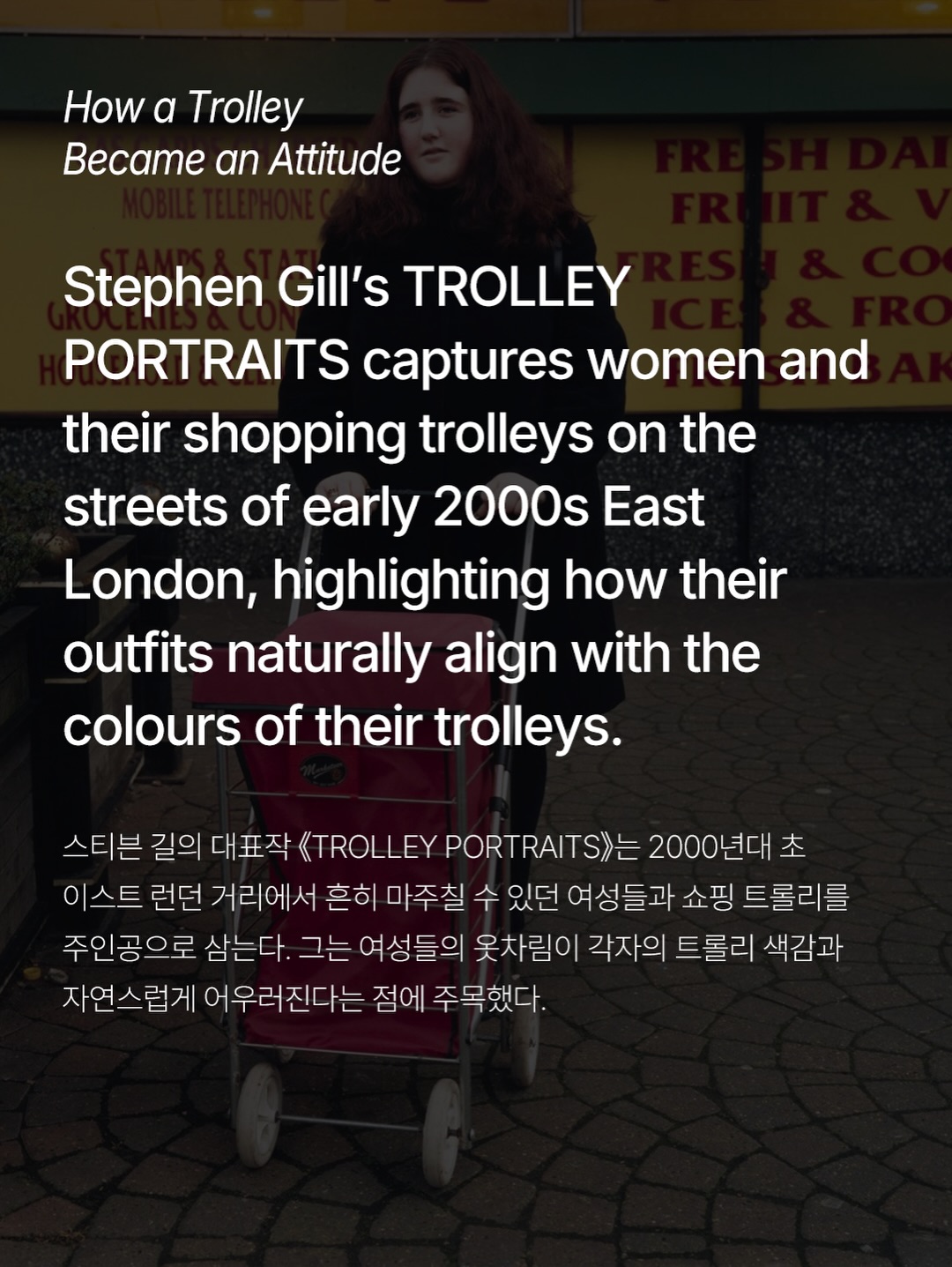
It's a photo series capturing women with shopping trolleys on East London streets in the early 2000s. Gill documented how their outfits and trolley colors naturally harmonized with surrounding landscapes, revealing everyday dignity and color palettes in ordinary life.
Why did Steven Gill choose shopping trolleys as his subject?
After a back injury forced him to transport camera gear in a shopping trolley, Gill realized trolleys symbolize mobility, autonomy, and personal attitude. He later discovered that trolleys were first developed in Spitalfields by a family business, deepening his project's historical dimension.
What do trolleys represent in Trolley Portraits?
They simultaneously symbolize East London's history, personal narratives, and everyday dignity. Beyond mere transport tools, trolleys function as visual markers of local cultural identity and women's autonomous living attitudes.