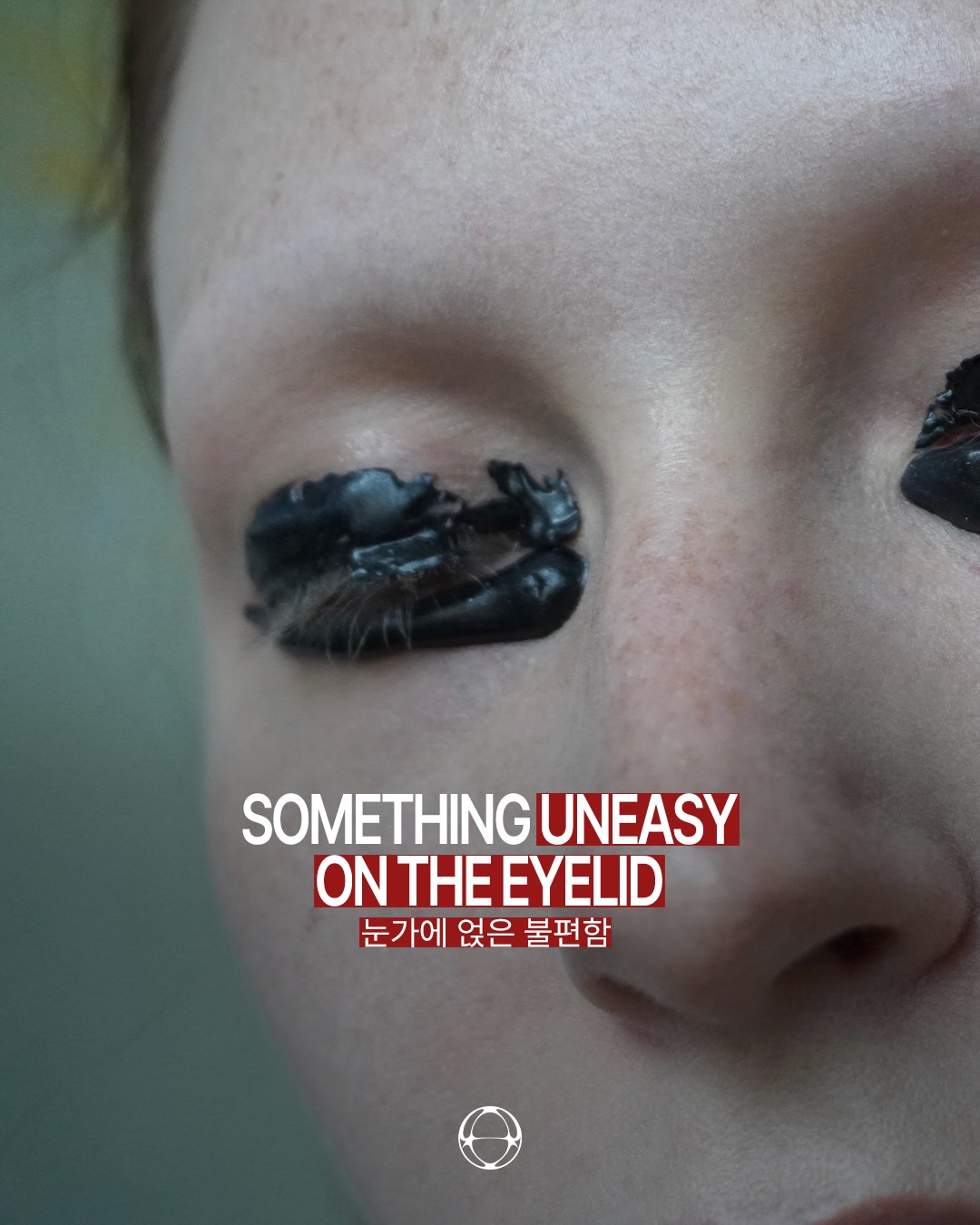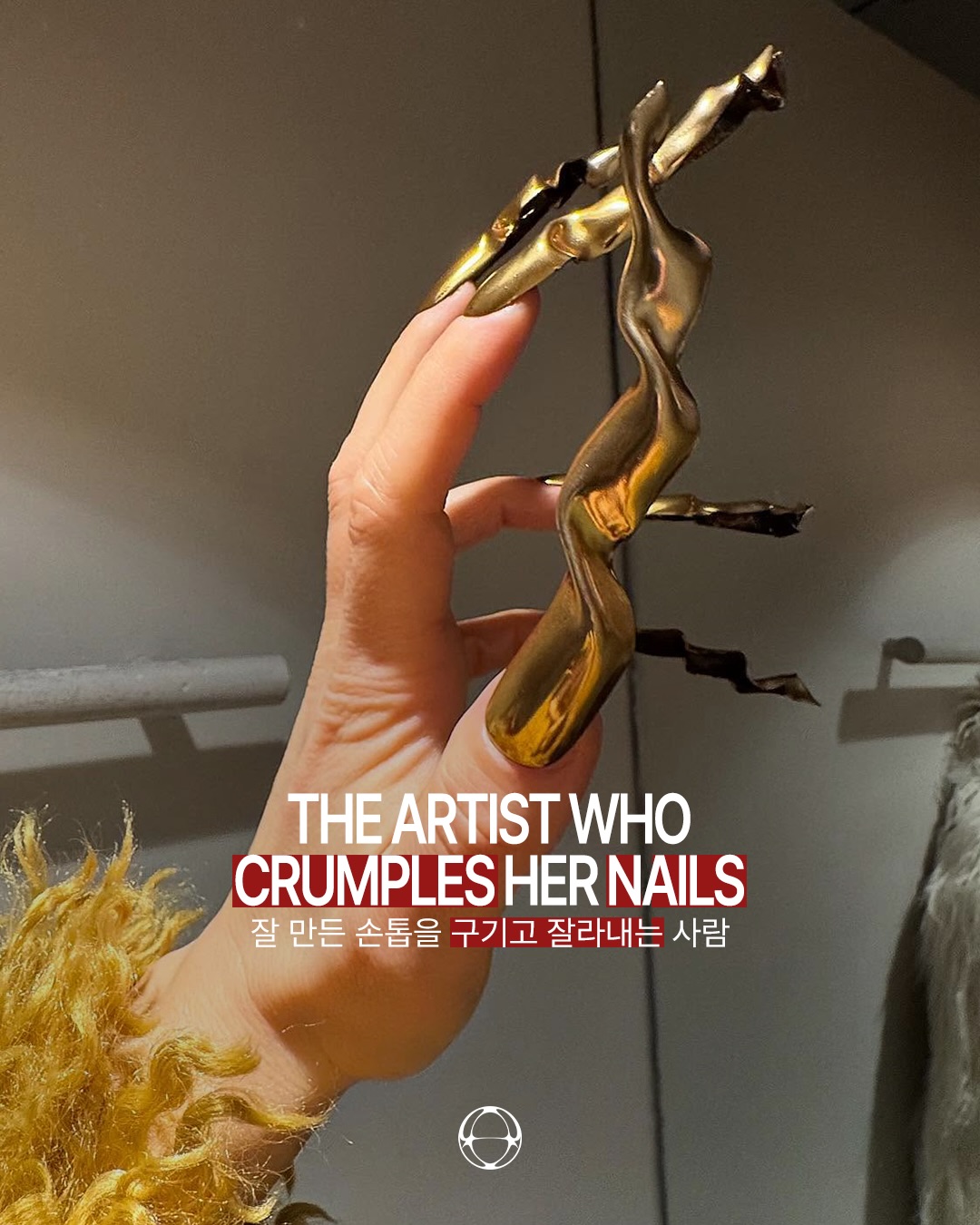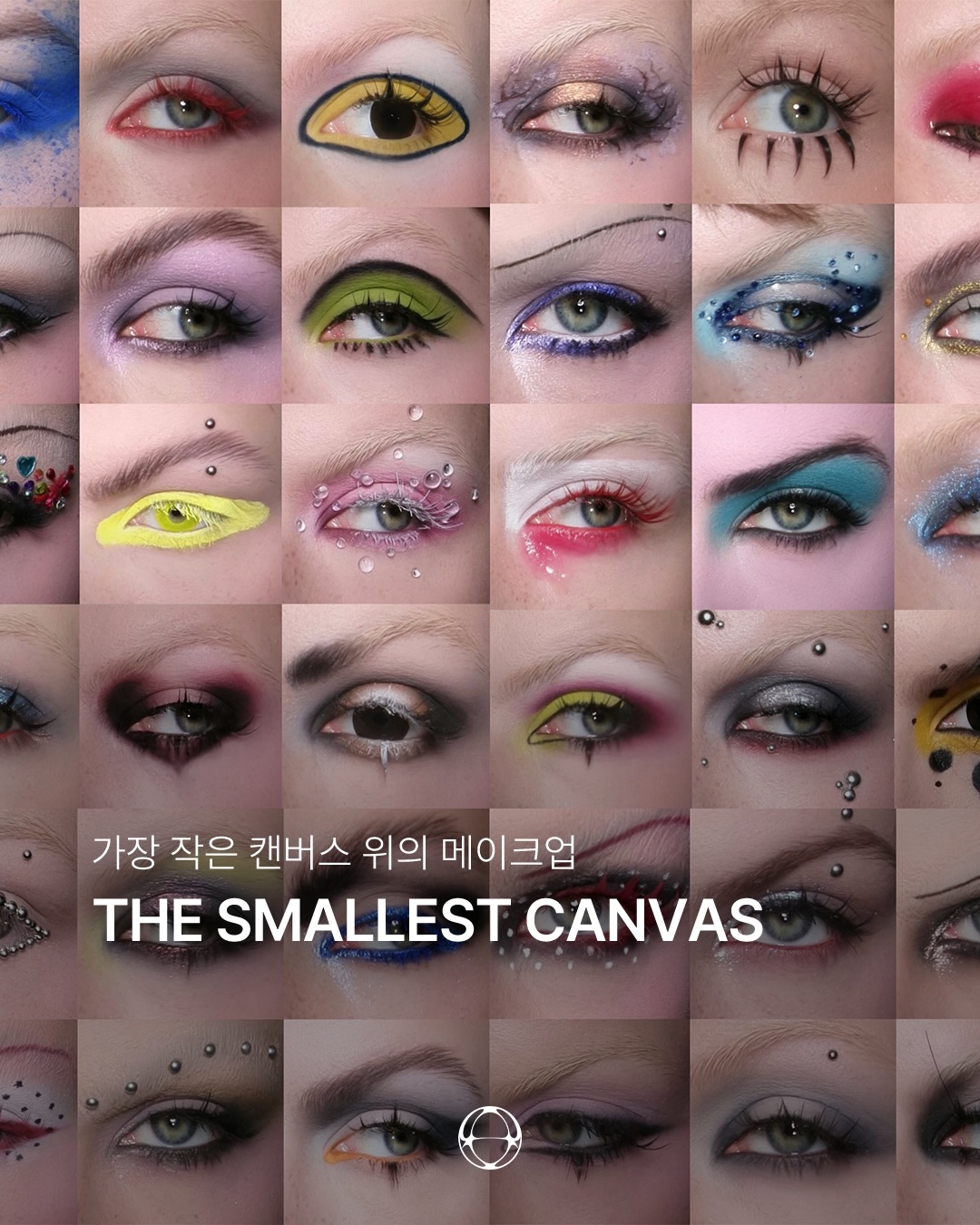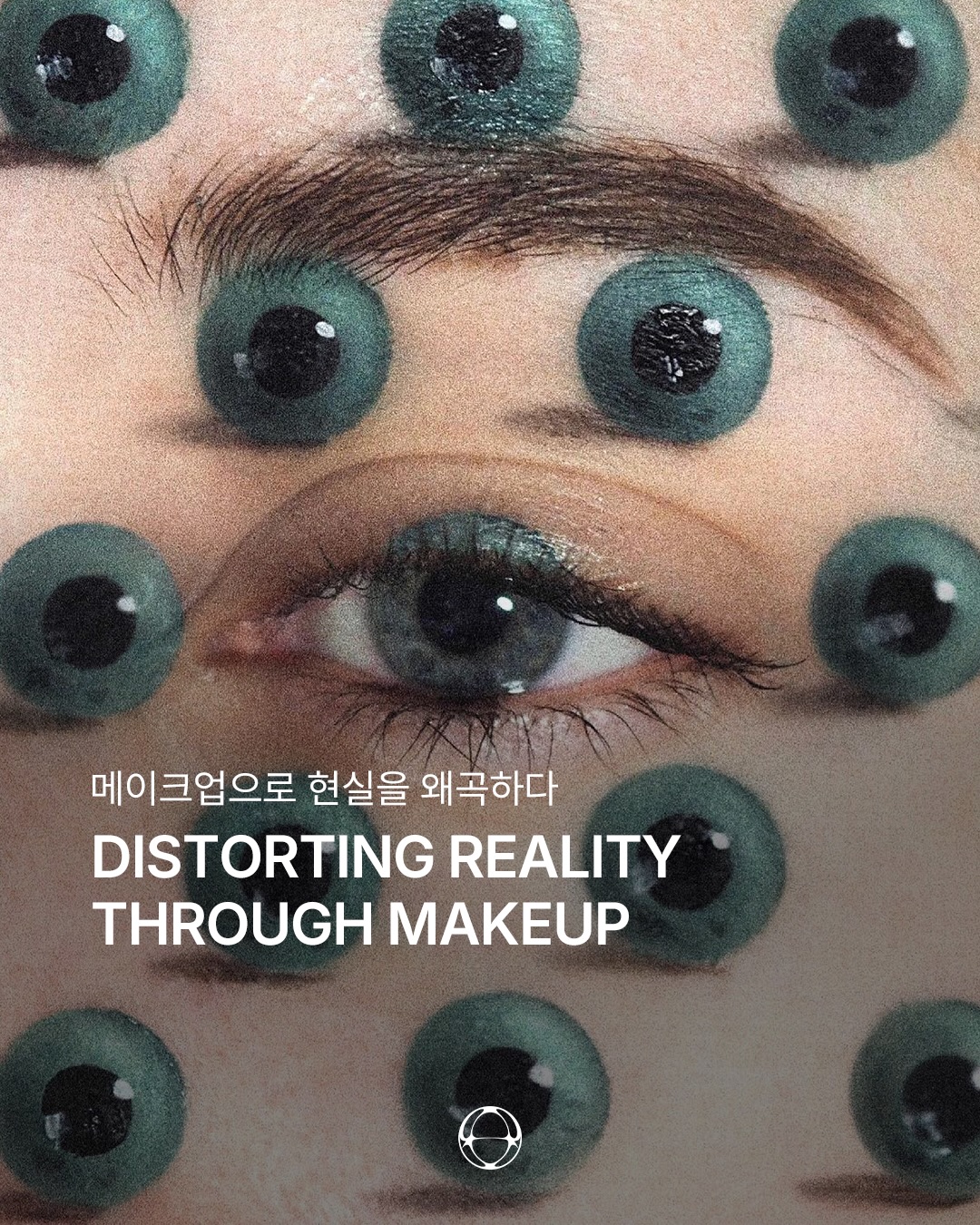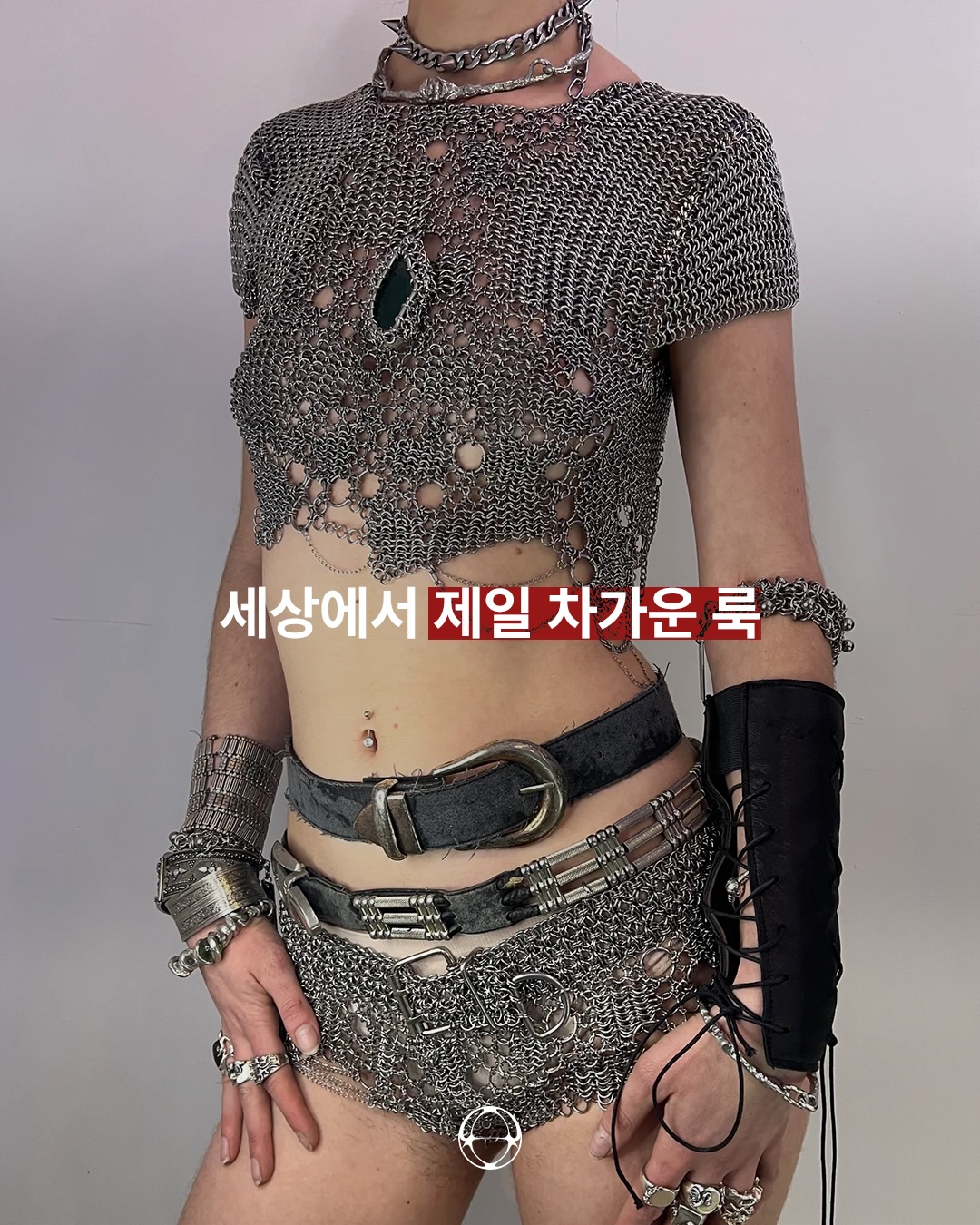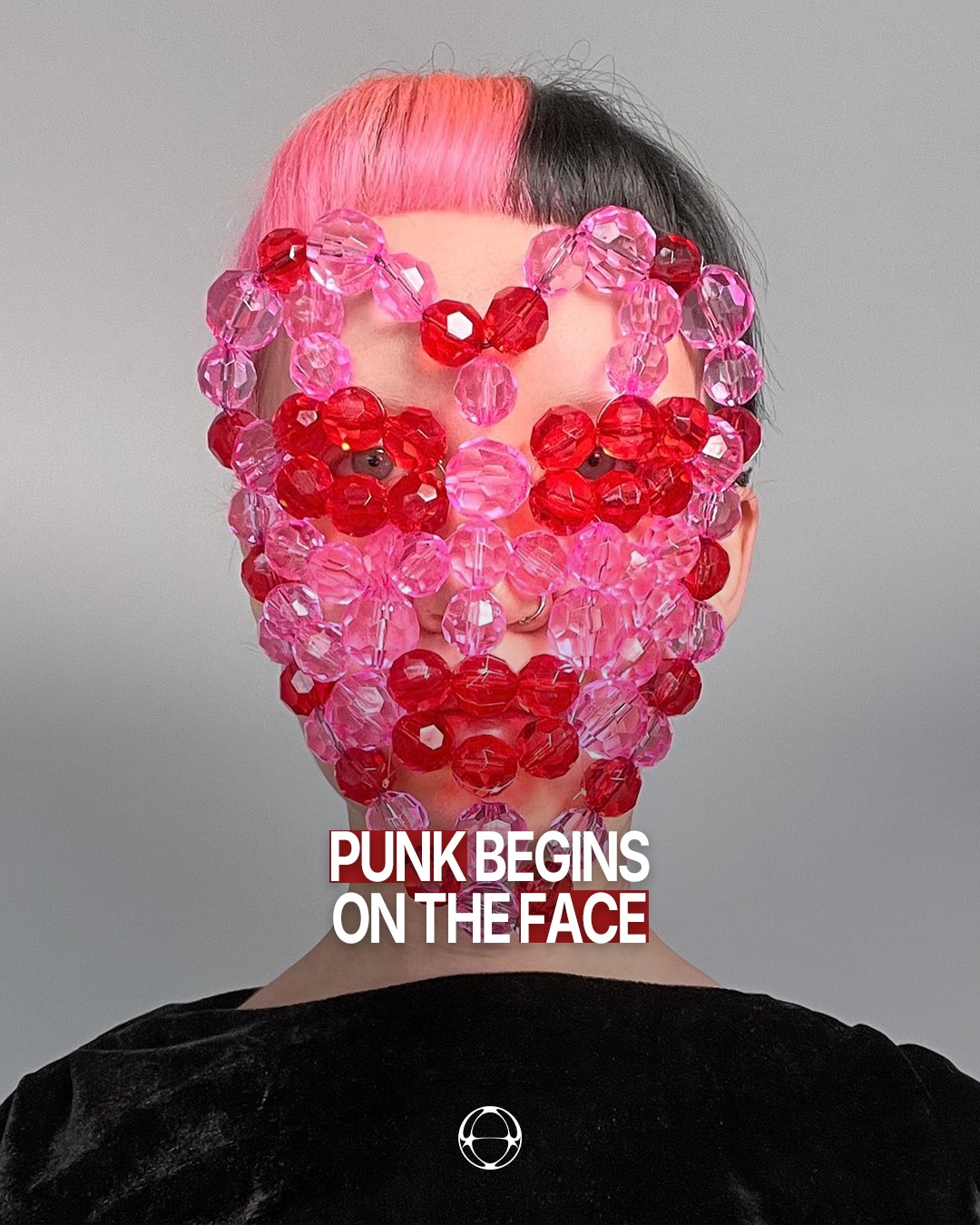
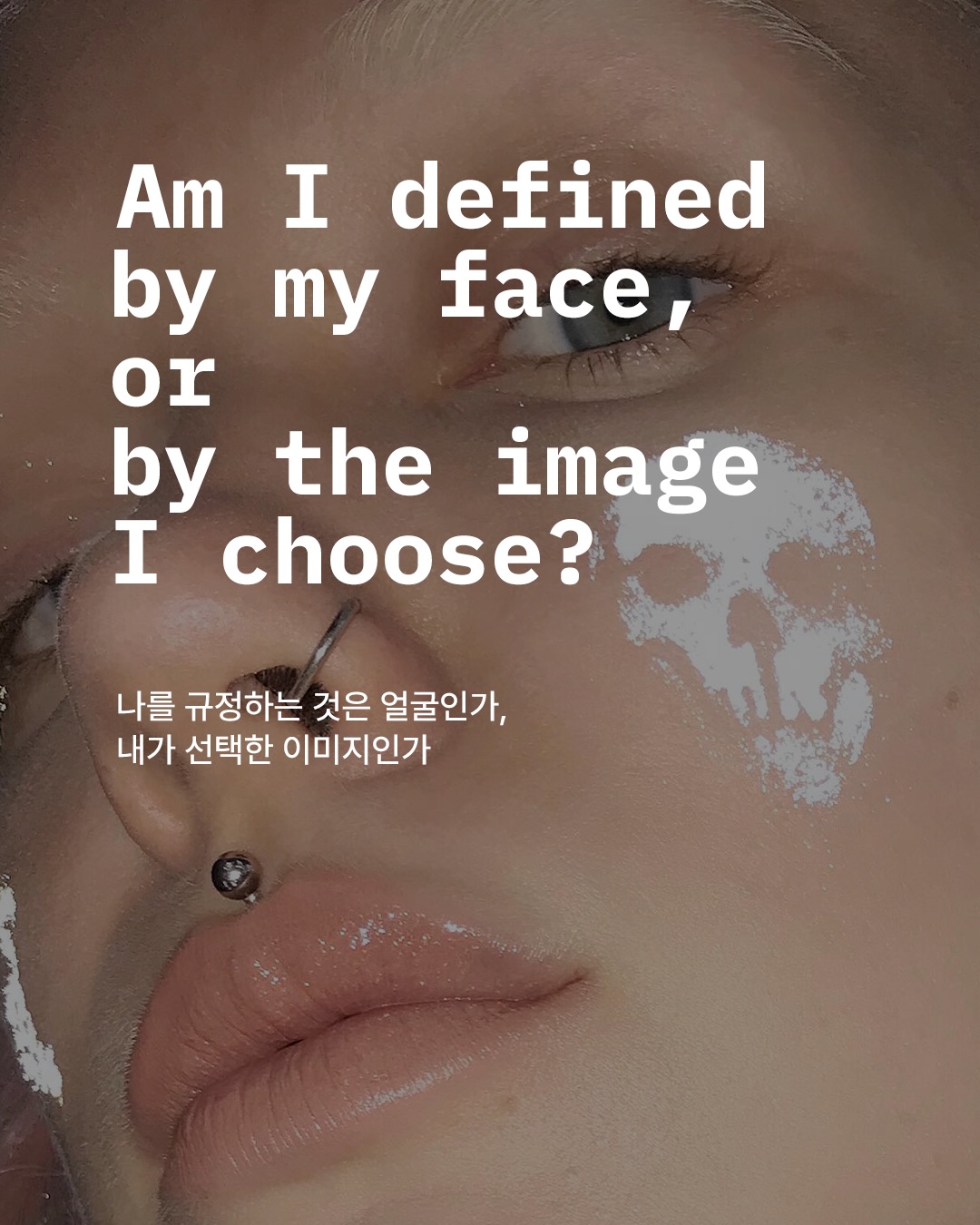
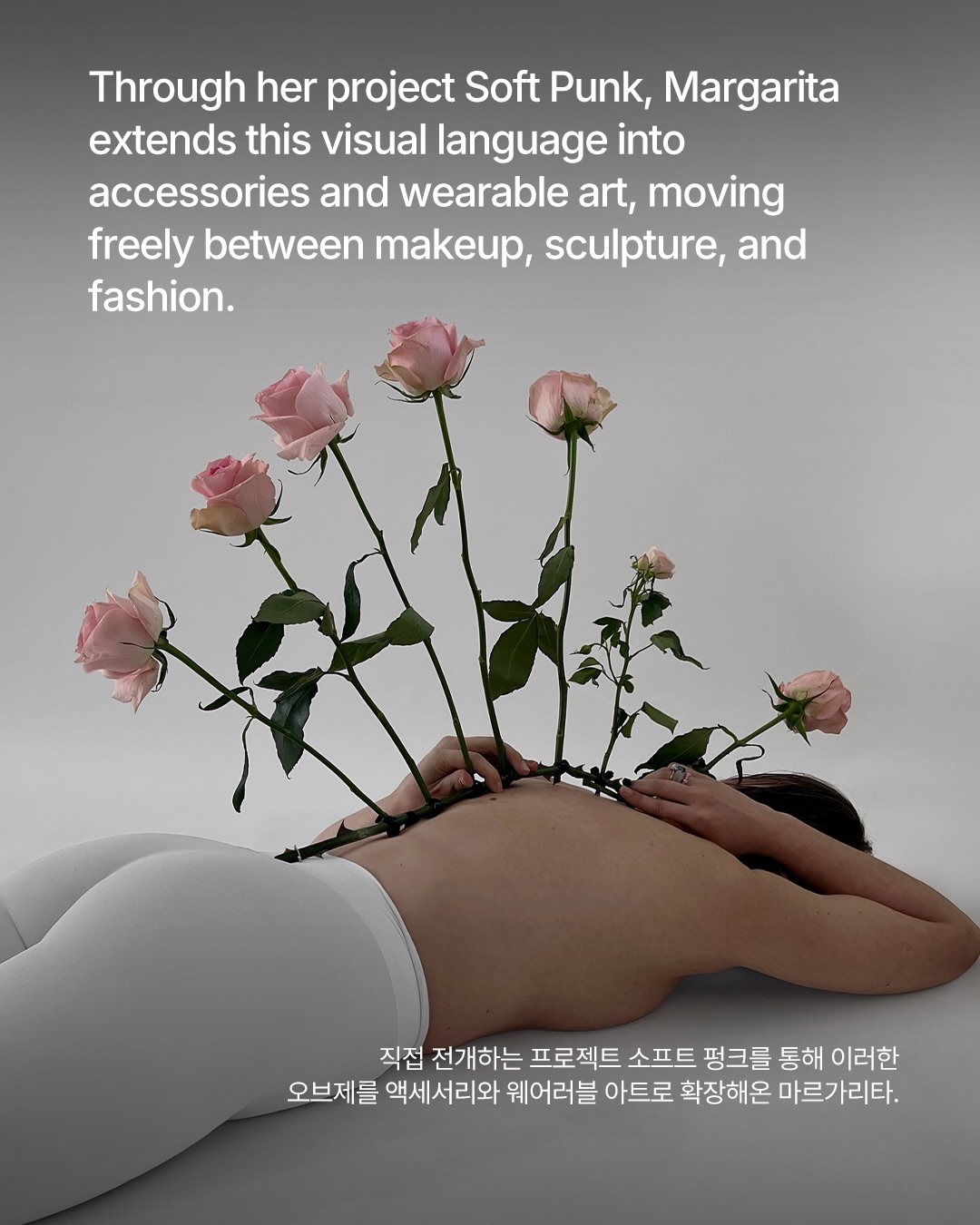
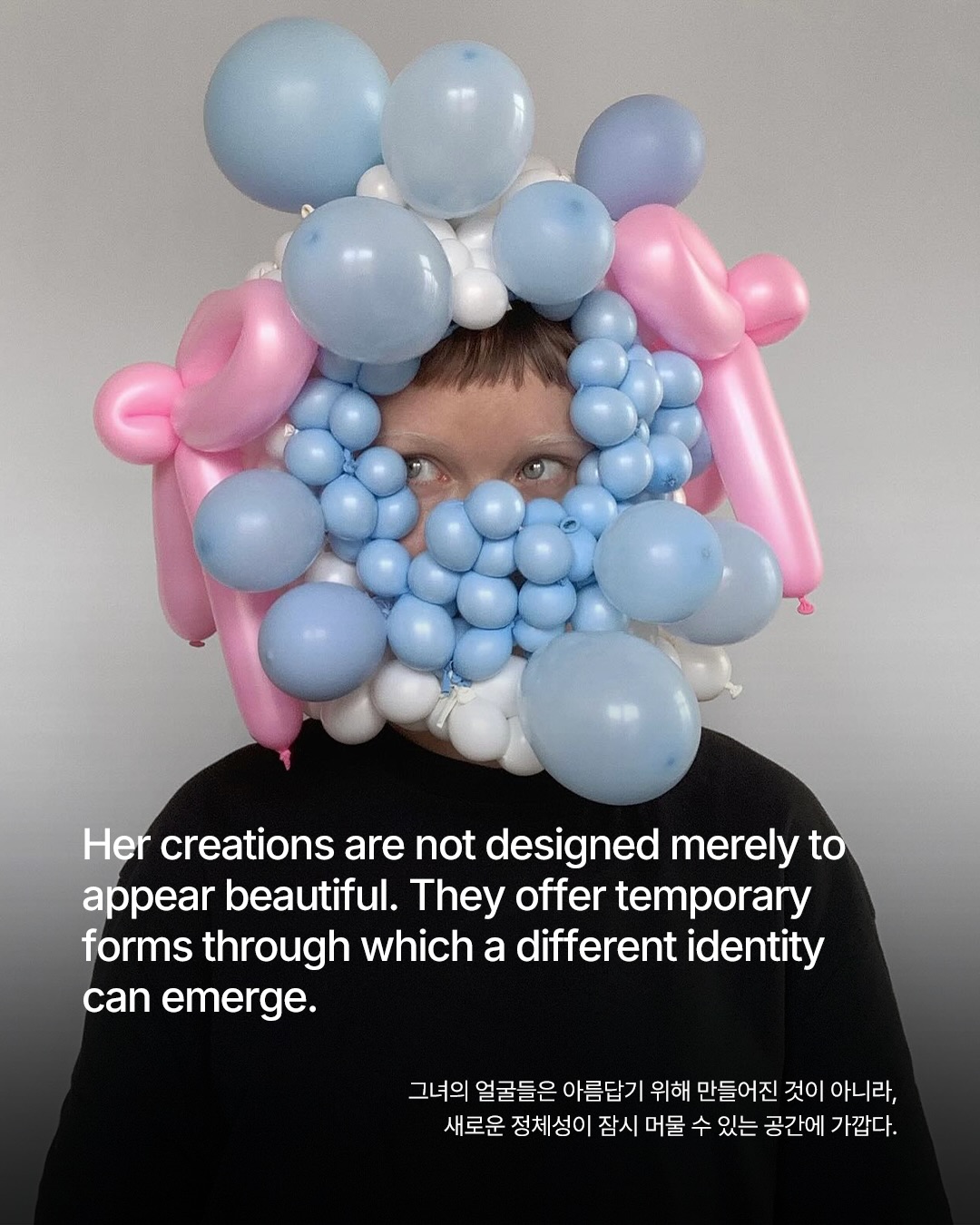
Her work extends into wearable art, moving freely between makeup, sculpture, and fashion. The face is no longer a given condition, but a temporary space where new identities can emerge. The question Margarita poses is clear. Are we defined by our faces, or by the images we choose? What do you think?
FAQ
What materials does Margarita Art use for makeup work?
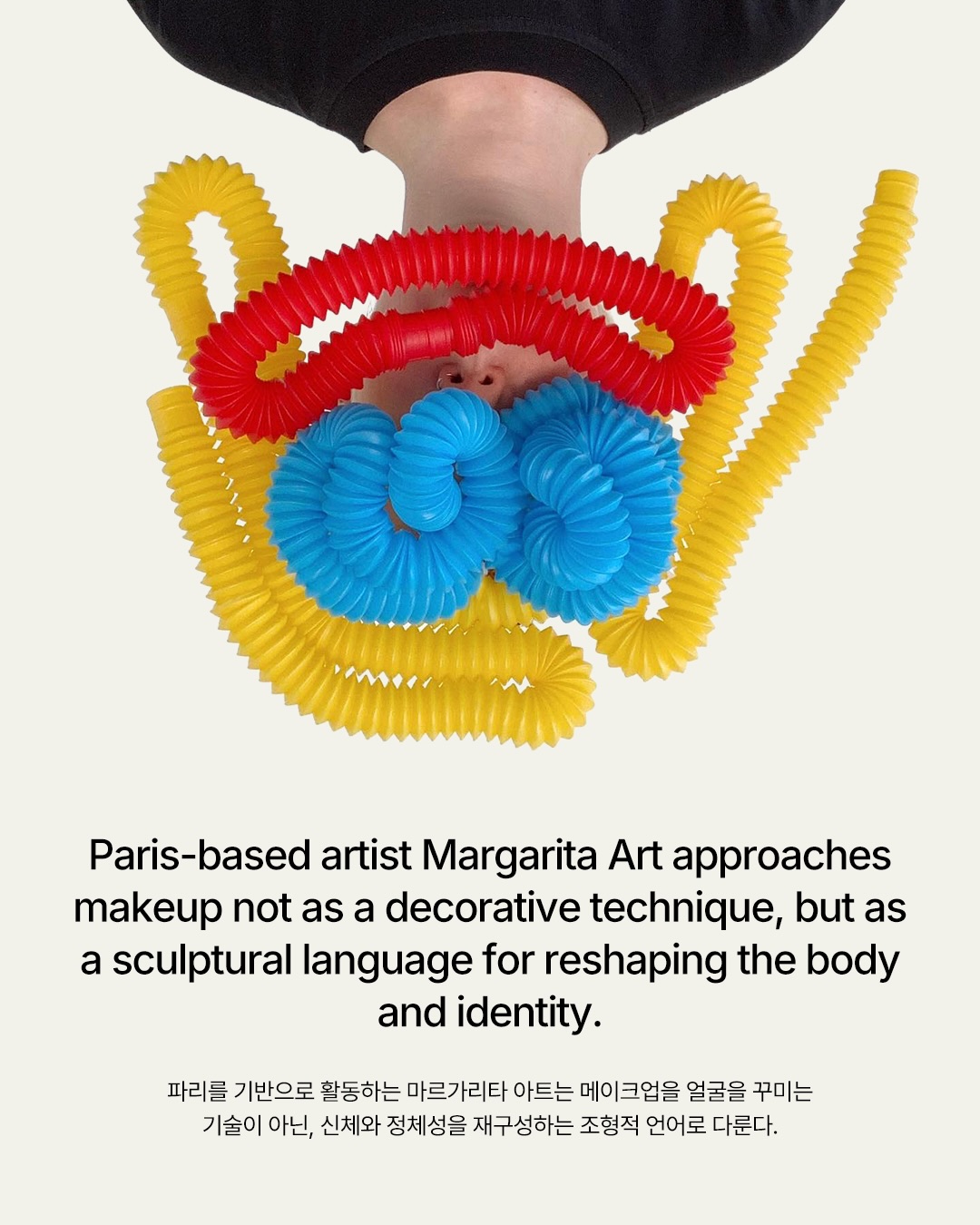
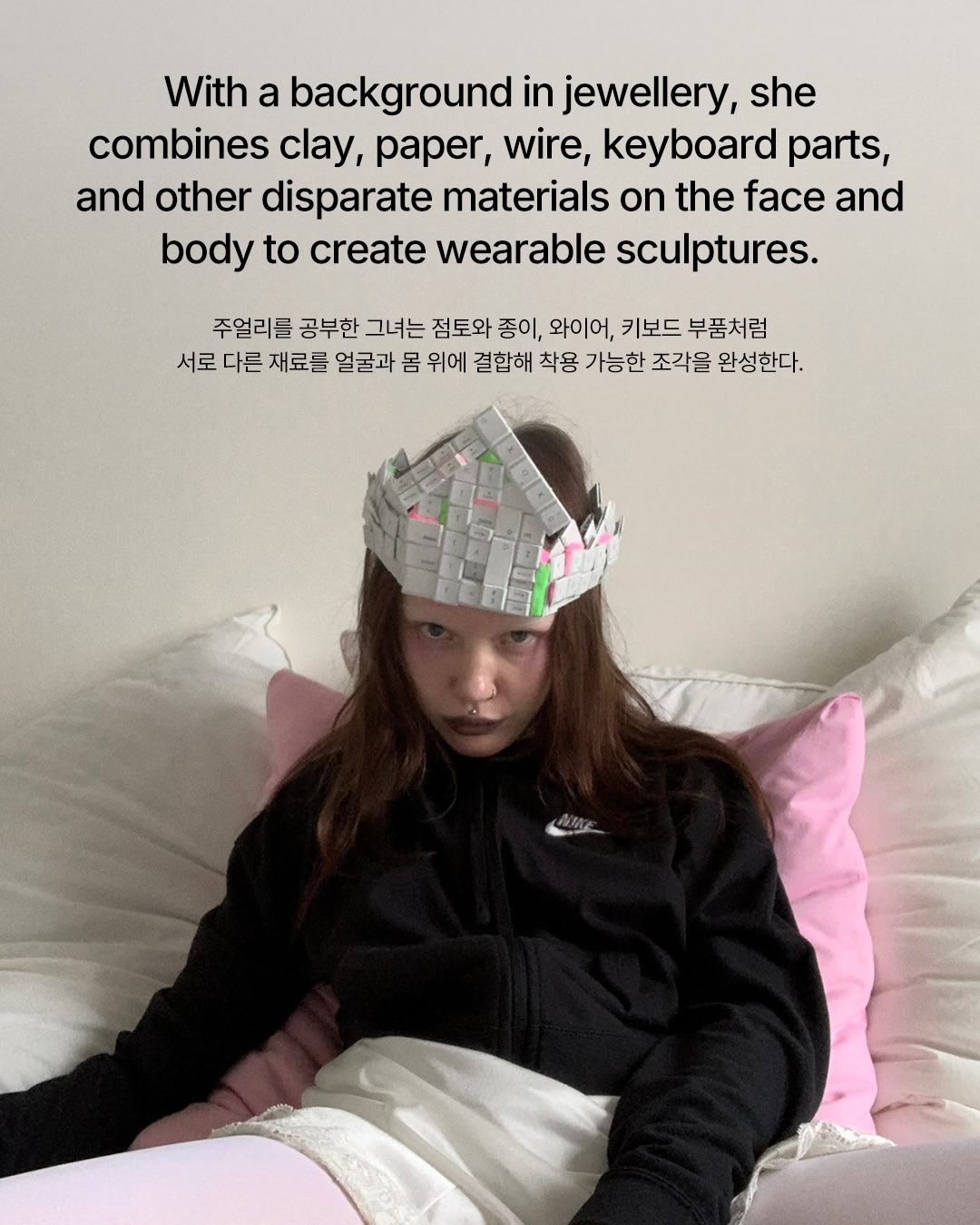
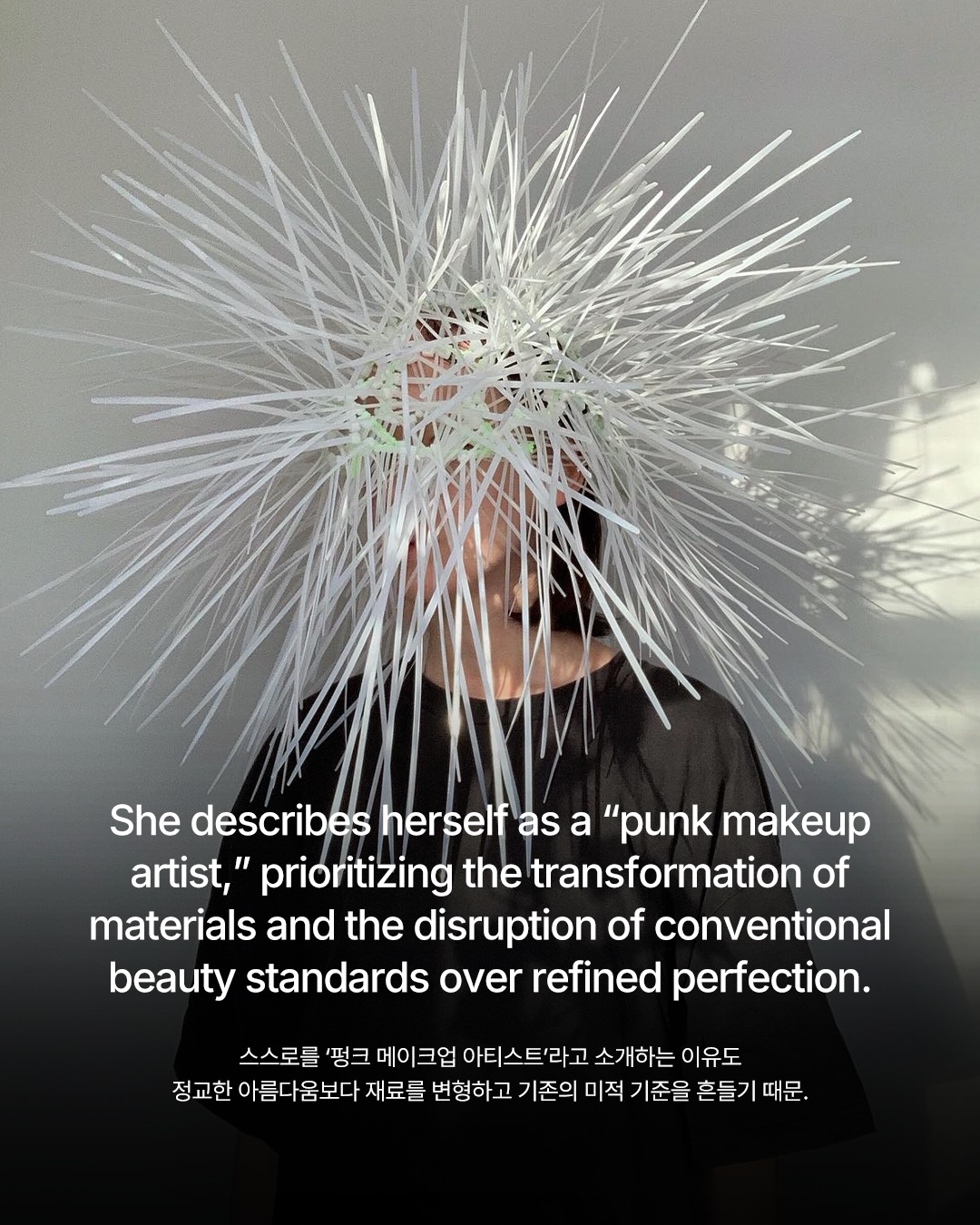
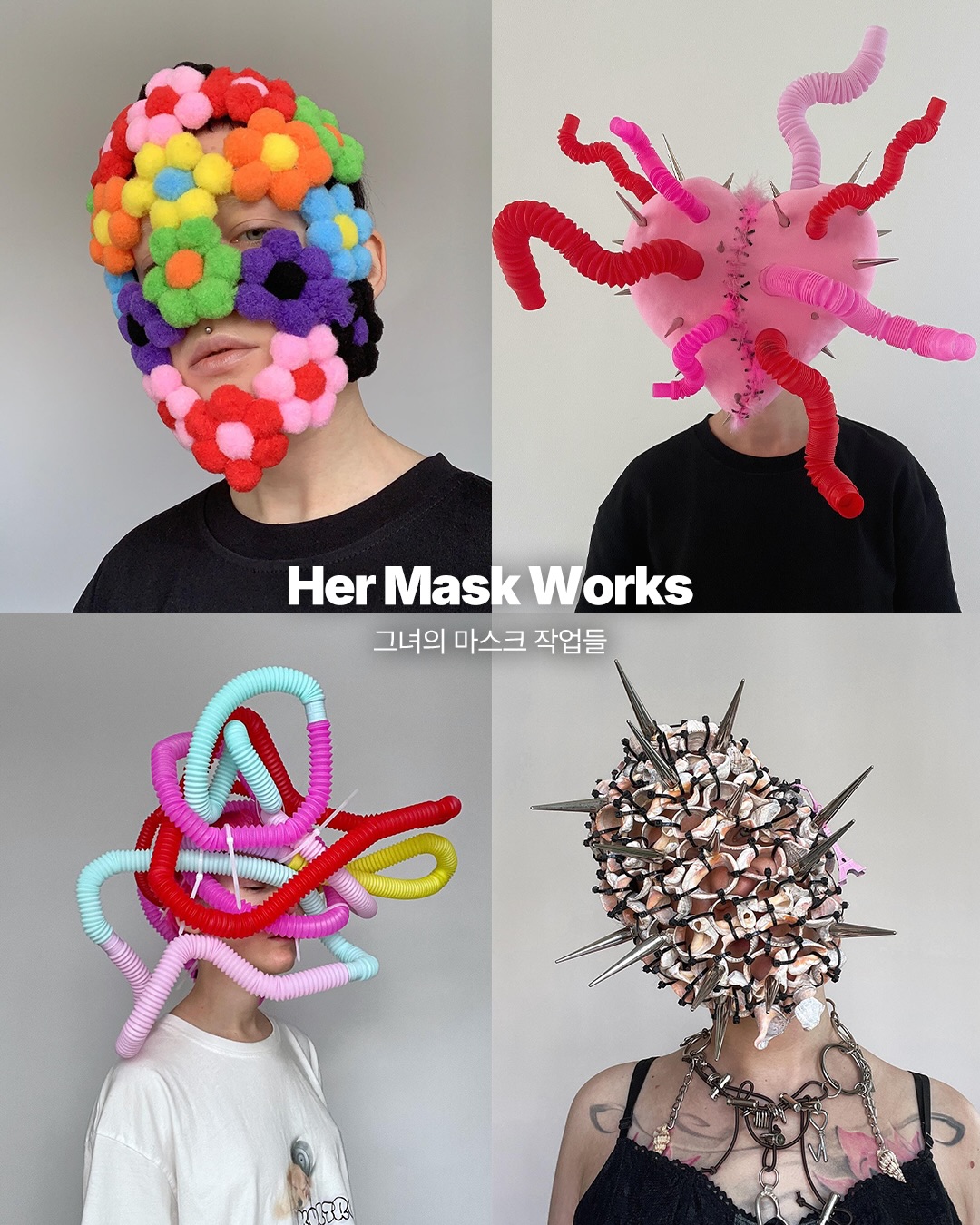
Margarita Art combines everyday waste and sculptural materials like clay, paper, wire, and keyboard parts on face and body to complete wearable sculptures. With jewelry training, she treats makeup not as beautifying technique but as sculptural language reconstructing body and identity, calling herself a 'punk makeup artist.'
What is Margarita Art's working style?
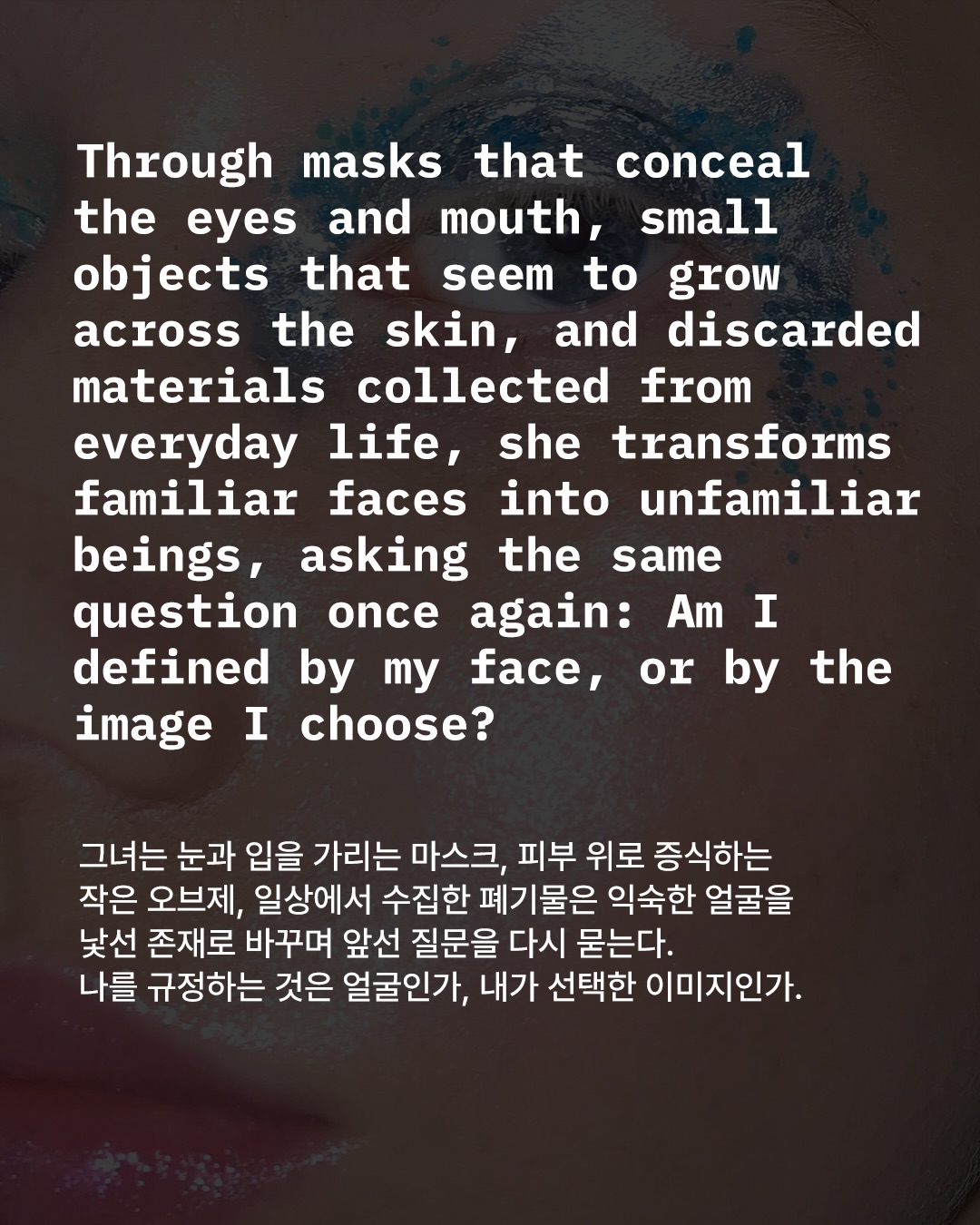
Margarita Art takes a punk approach, transforming materials and disrupting existing aesthetic standards rather than pursuing refined beauty. Through masks covering eyes and mouth and small objects proliferating across skin, she transforms familiar faces into alien beings, freely crossing boundaries between makeup, sculpture, and fashion into wearable art.
What question does Margarita Art pose through her work?
Margarita Art asks: 'What defines me—the face or the image I choose?' In her work, the face becomes reinterpreted not as an innate condition but as space where new identities can temporarily reside, shaking fixed standards about body and identity.