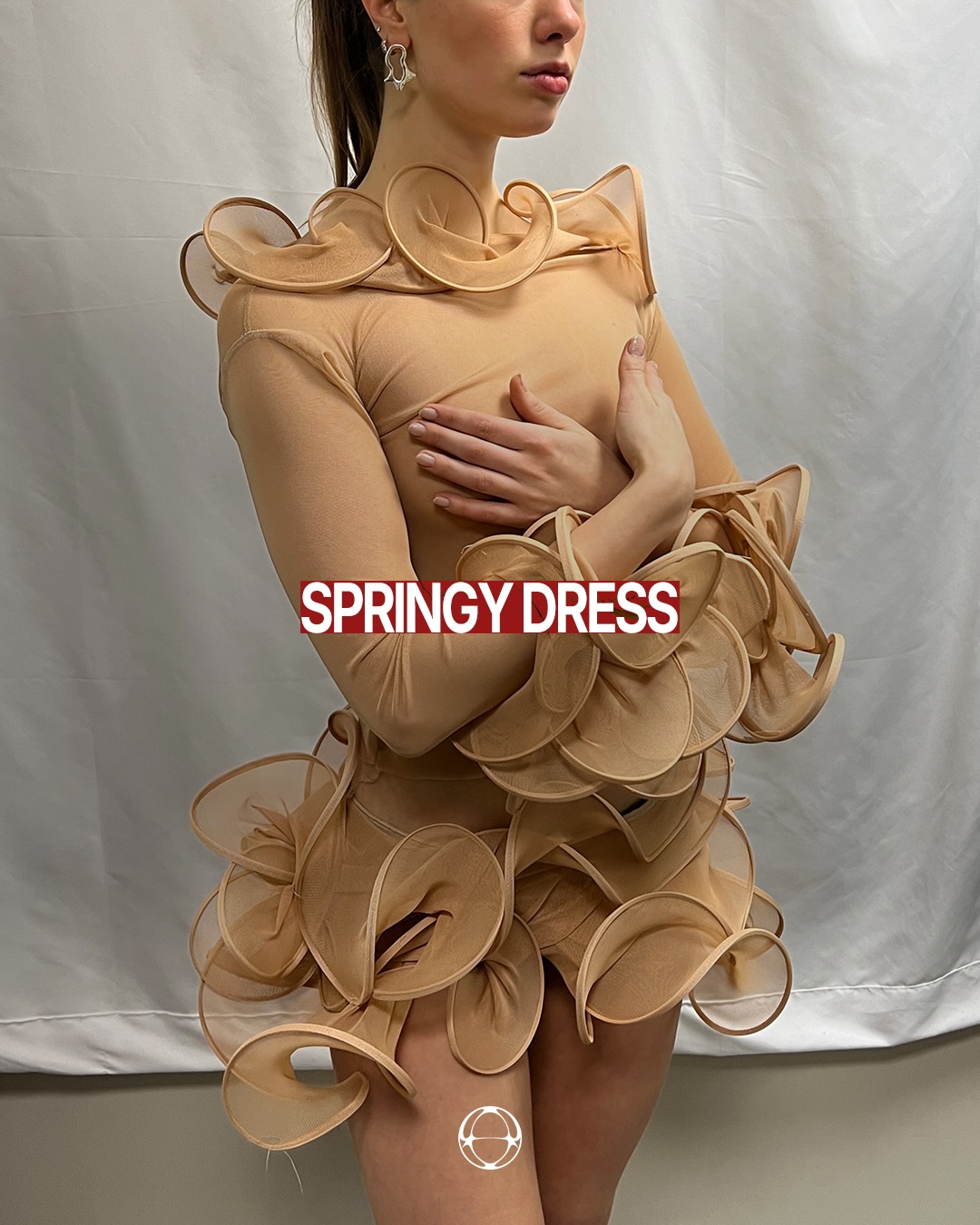
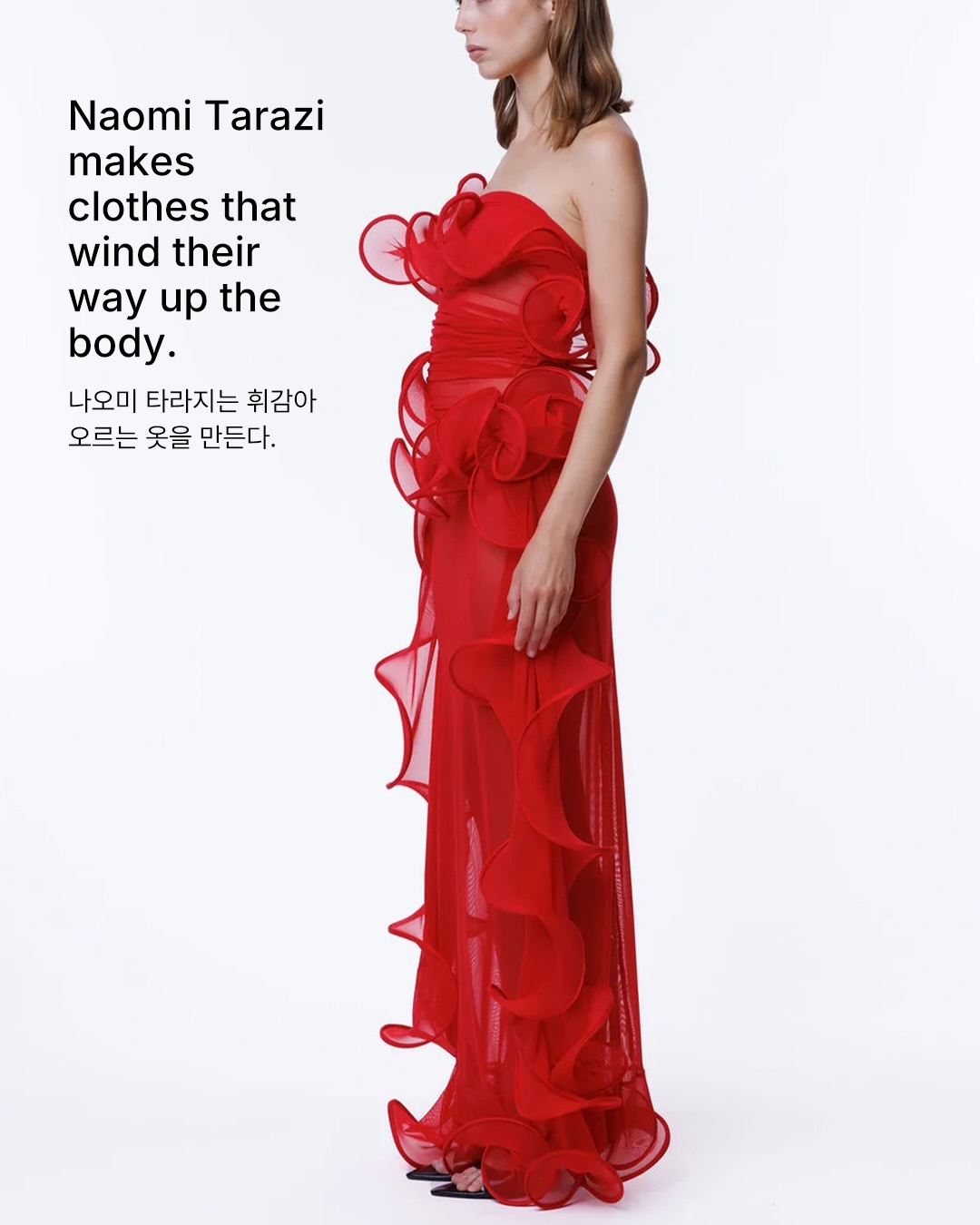
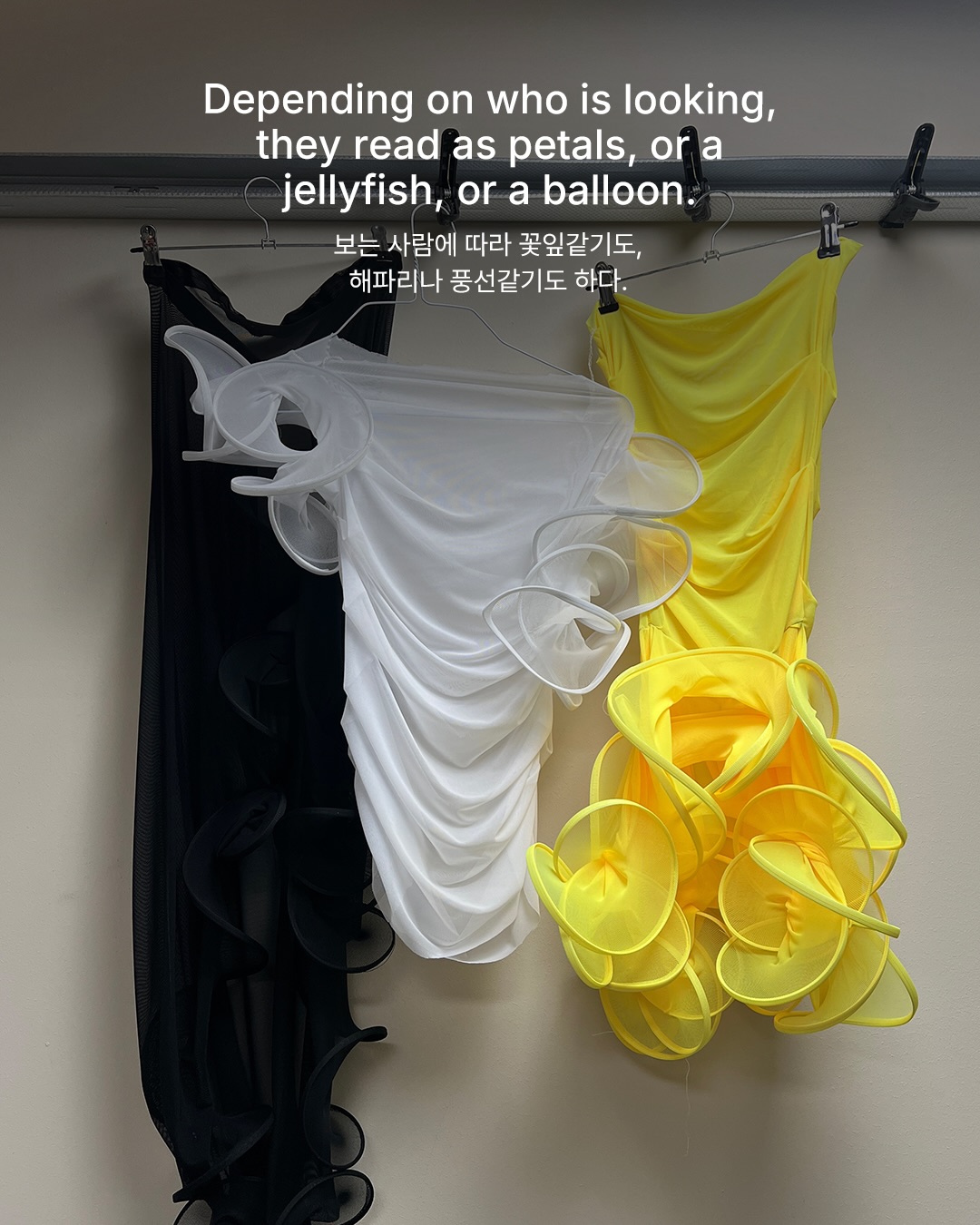
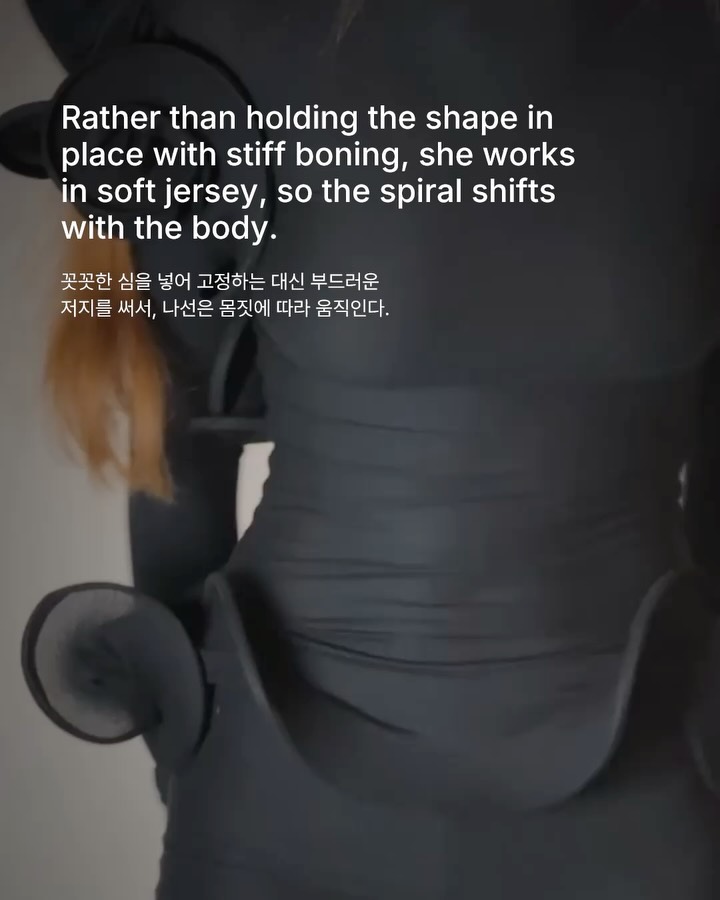
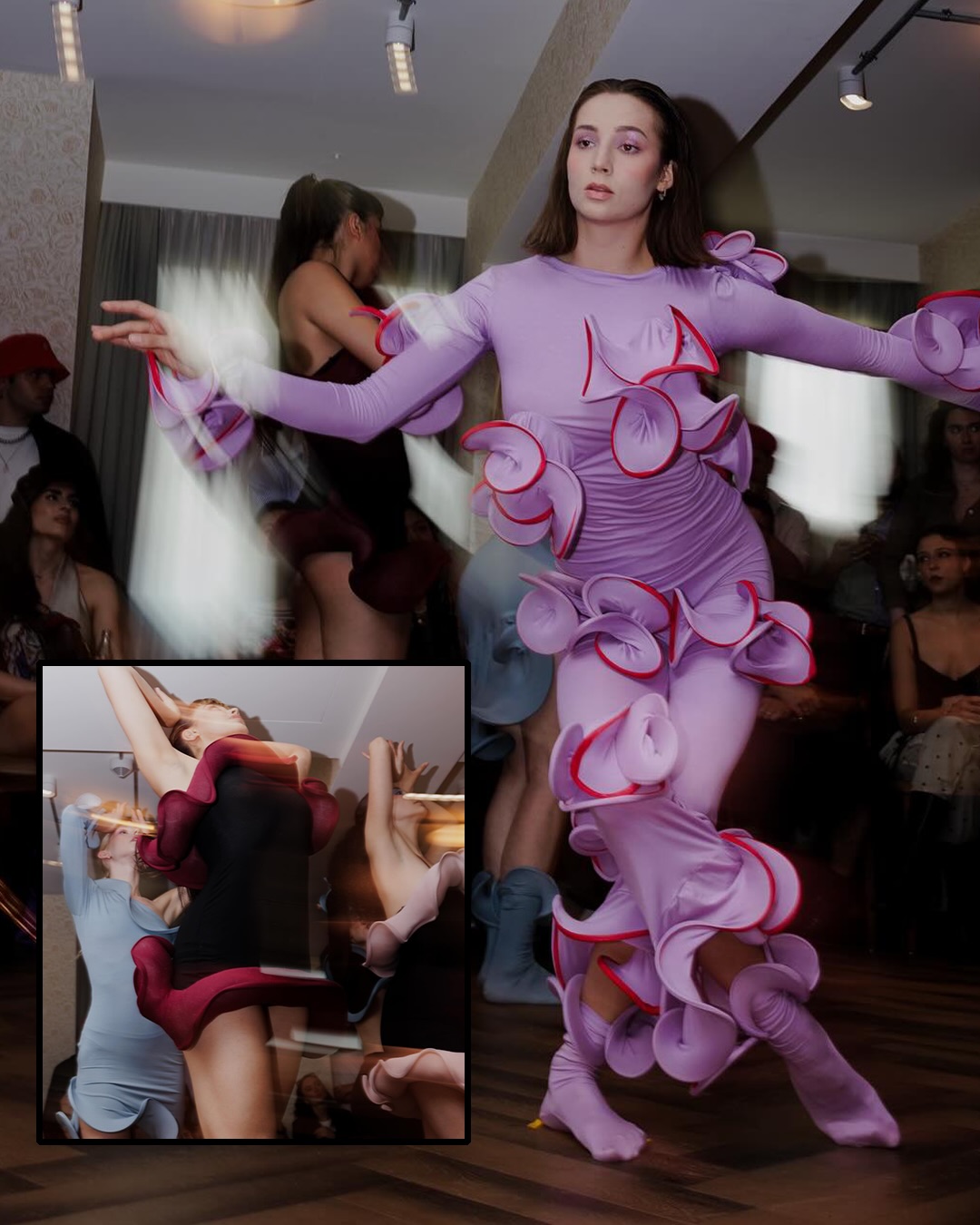
Clothes that coil around the body like a spring. Naomi Tarazi makes clothes that move. Depending on who is looking, they read as petals, or a jellyfish, or a balloon. Rather than holding the shapes in place with stiff boning, she works in soft jersey, so the spirals shift with the models' gestures. It was for the same reason that she had her models dance instead of walk at her first presentation last year.
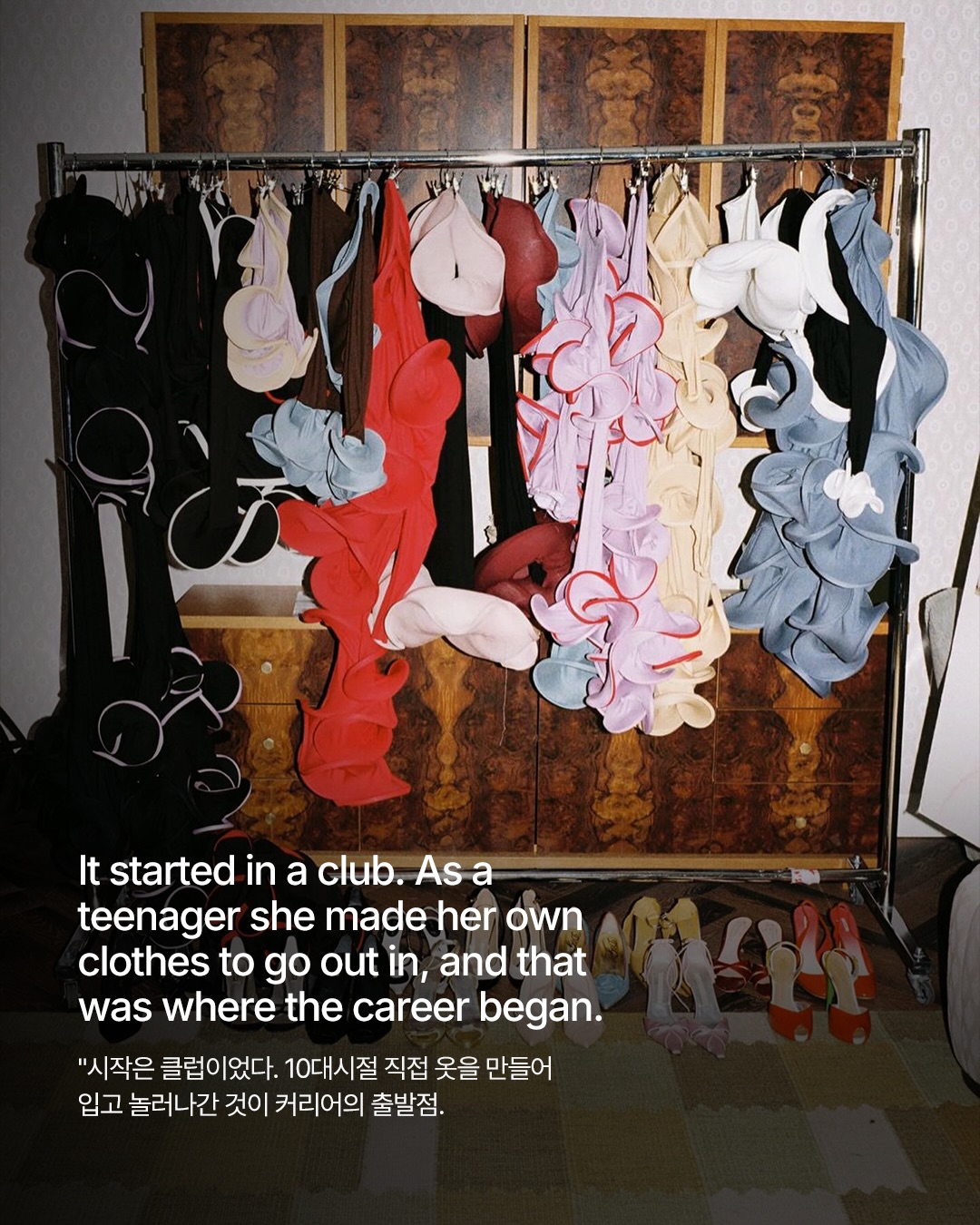
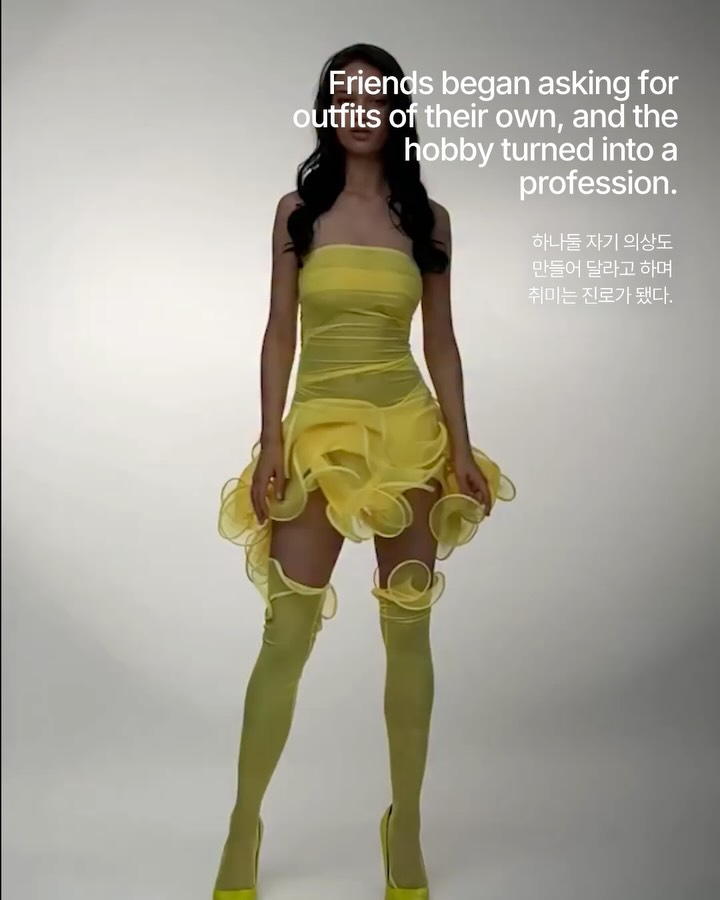
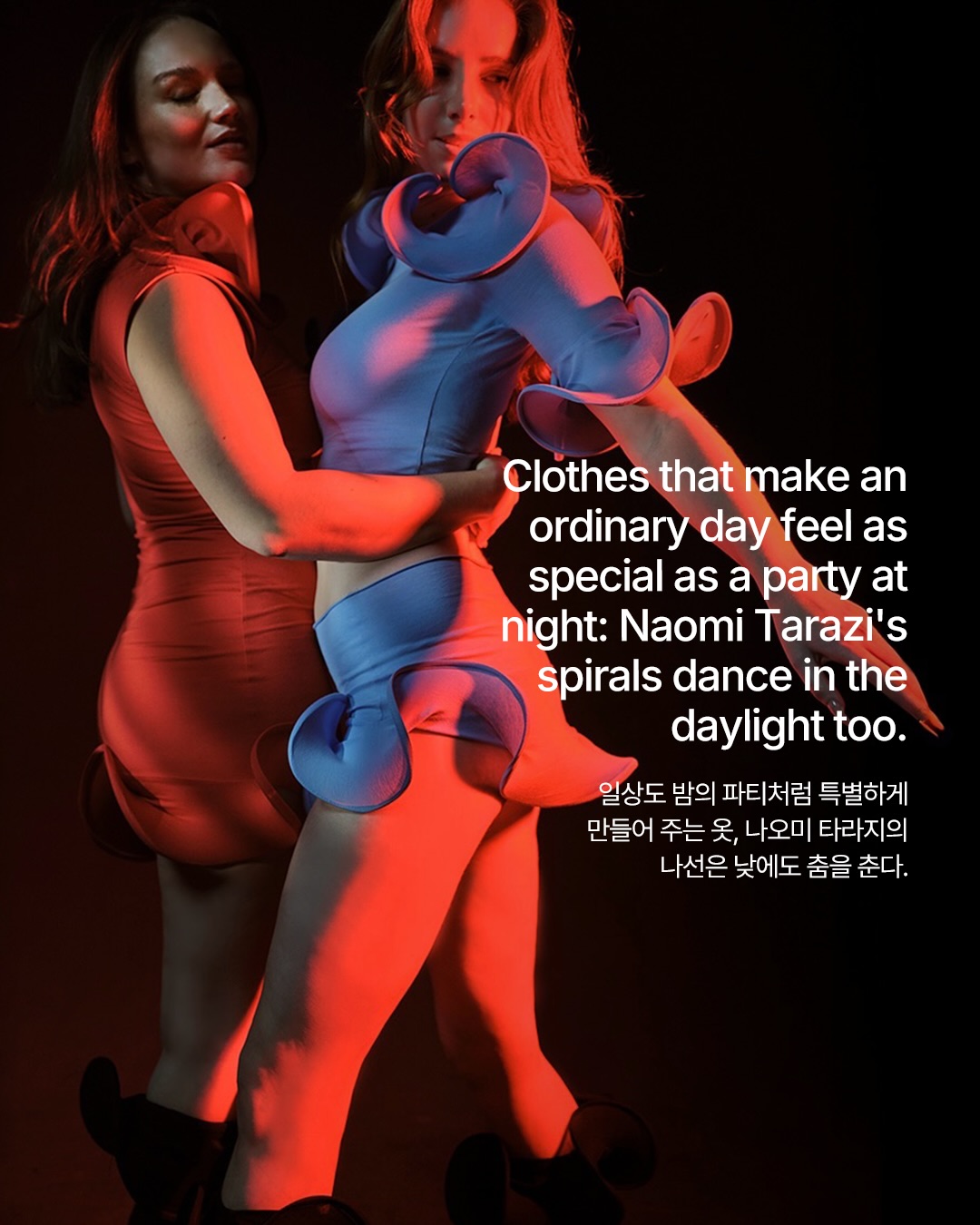
It started in a club. Around 2013, in her late teens, when she was making her way through Berlin's club scene, she sewed her own clothes to go out in, and that became the seed of a career. Things like a high waisted mini skirt cut from black neoprene. Friends began asking her to make their outfits too, and the hobby turned into a profession. Clothes that make you feel as singular as a night out: Naomi Tarazi's spirals dance in the daylight too. Have you ever felt your clothes move with you?
It started in a club. Around 2013, in her late teens, when she was making her way through Berlin's club scene, she sewed her own clothes to go out in, and that became the seed of a career. Things like a high waisted mini skirt cut from black neoprene. Friends began asking her to make their outfits too, and the hobby turned into a profession. Clothes that make you feel as singular as a night out: Naomi Tarazi's spirals dance in the daylight too. Have you ever felt your clothes move with you?
FAQ
What are the characteristics of Naomi Taraji's clothes?
Naomi Taraji's clothes spiral around the body like springs and move with the model's gestures. Instead of rigid seams, she uses soft jersey fabric that transforms and dances with movement.
How did Naomi Taraji become a designer?
Around 2013, in her late teens while frequenting Berlin's club scene, she began making her own clothes for nights out. After creating pieces like black neoprene miniskirts, friends started requesting custom garments, and her hobby evolved into a career.
How was Naomi Taraji's first presentation conducted?
At last year's debut presentation, models danced instead of walking. This staging maximized the spiral design's ability to transform with the body's movement.