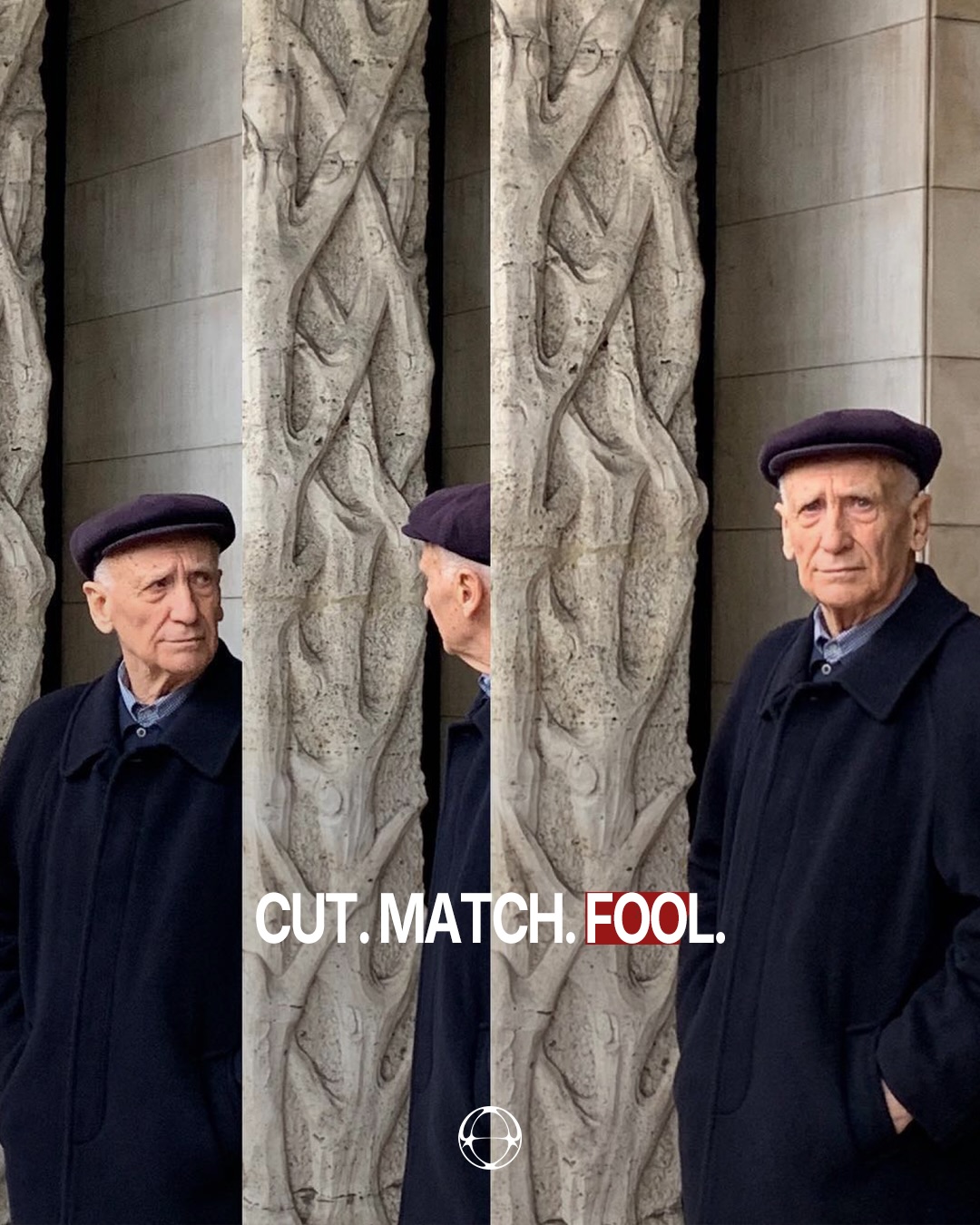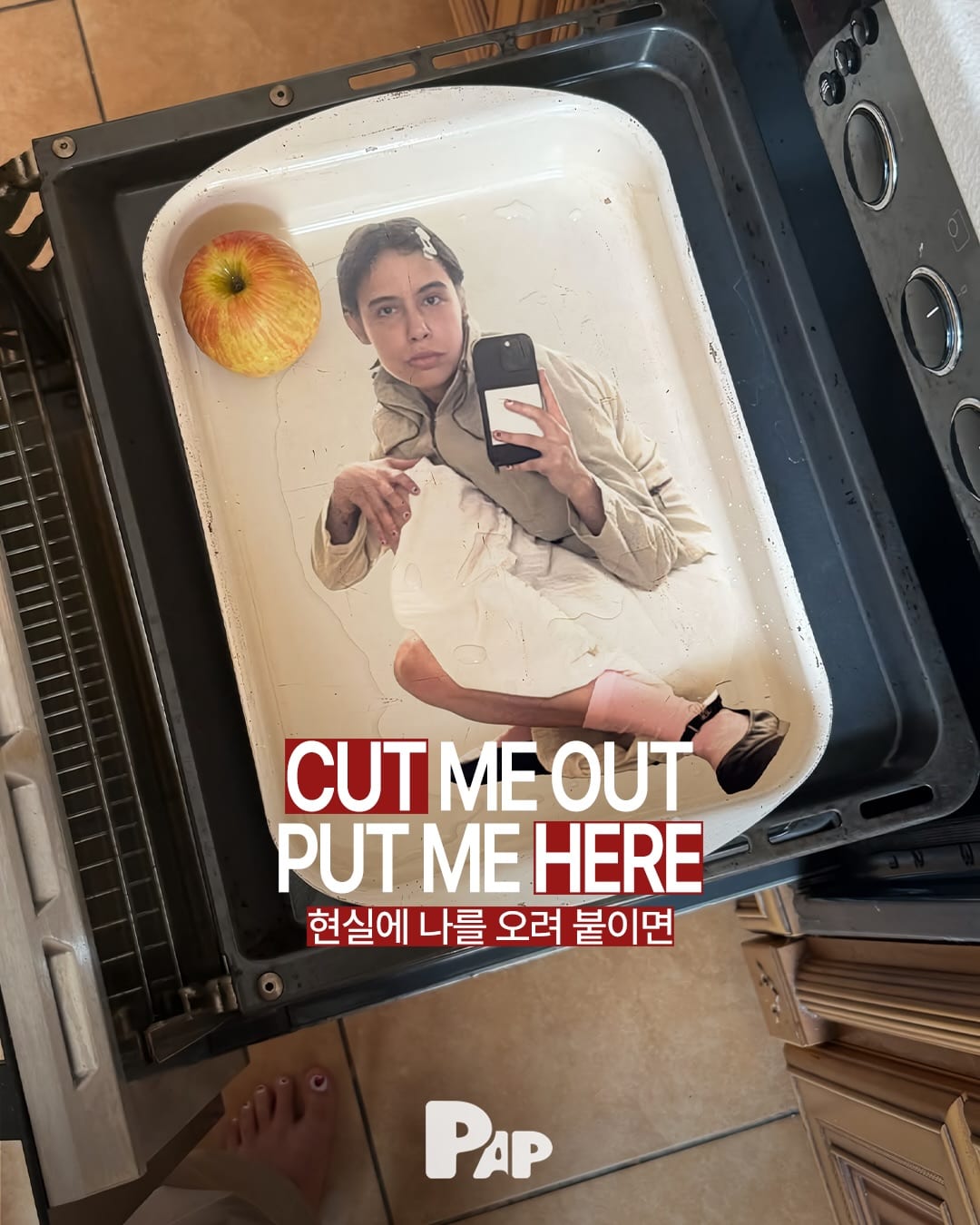
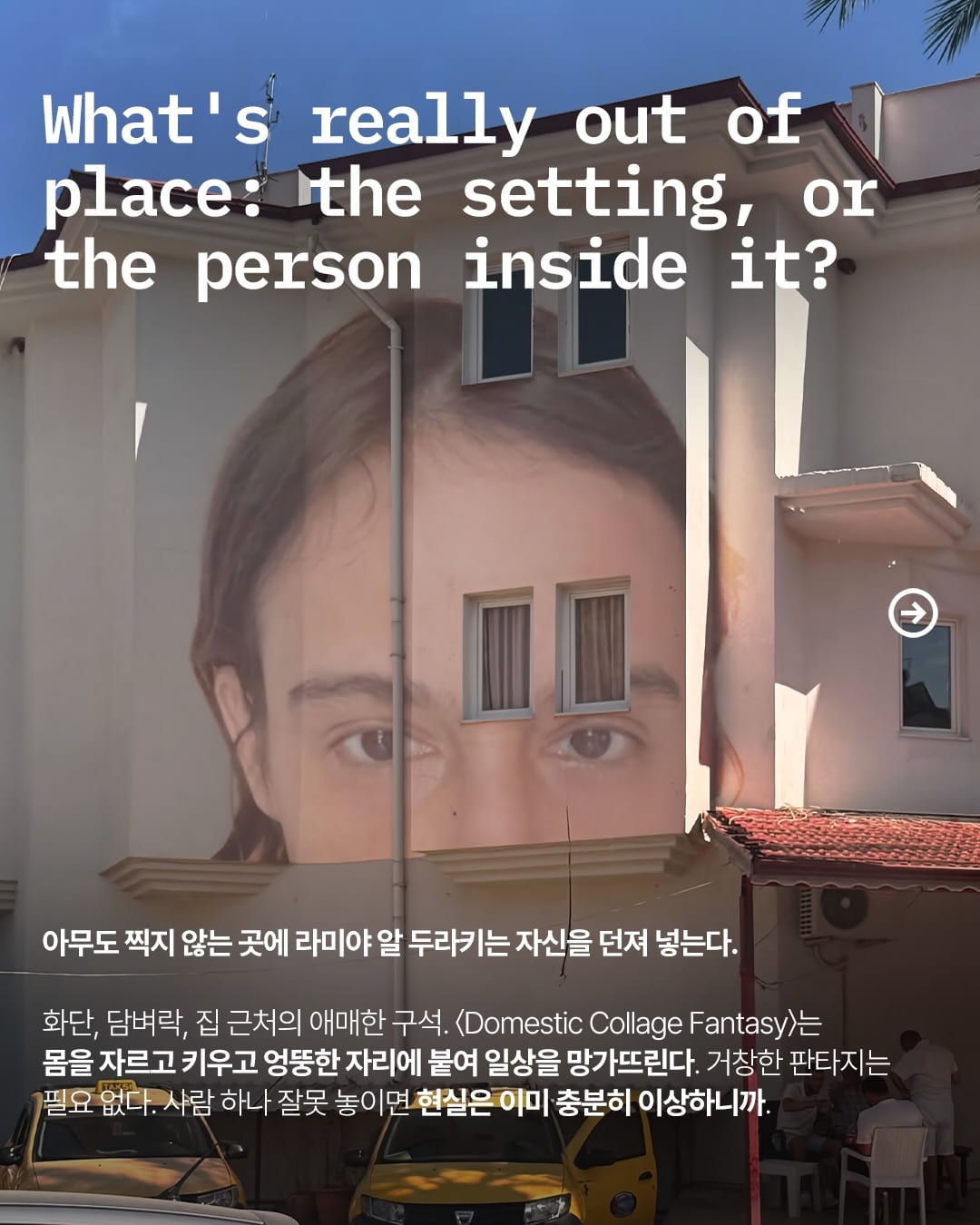
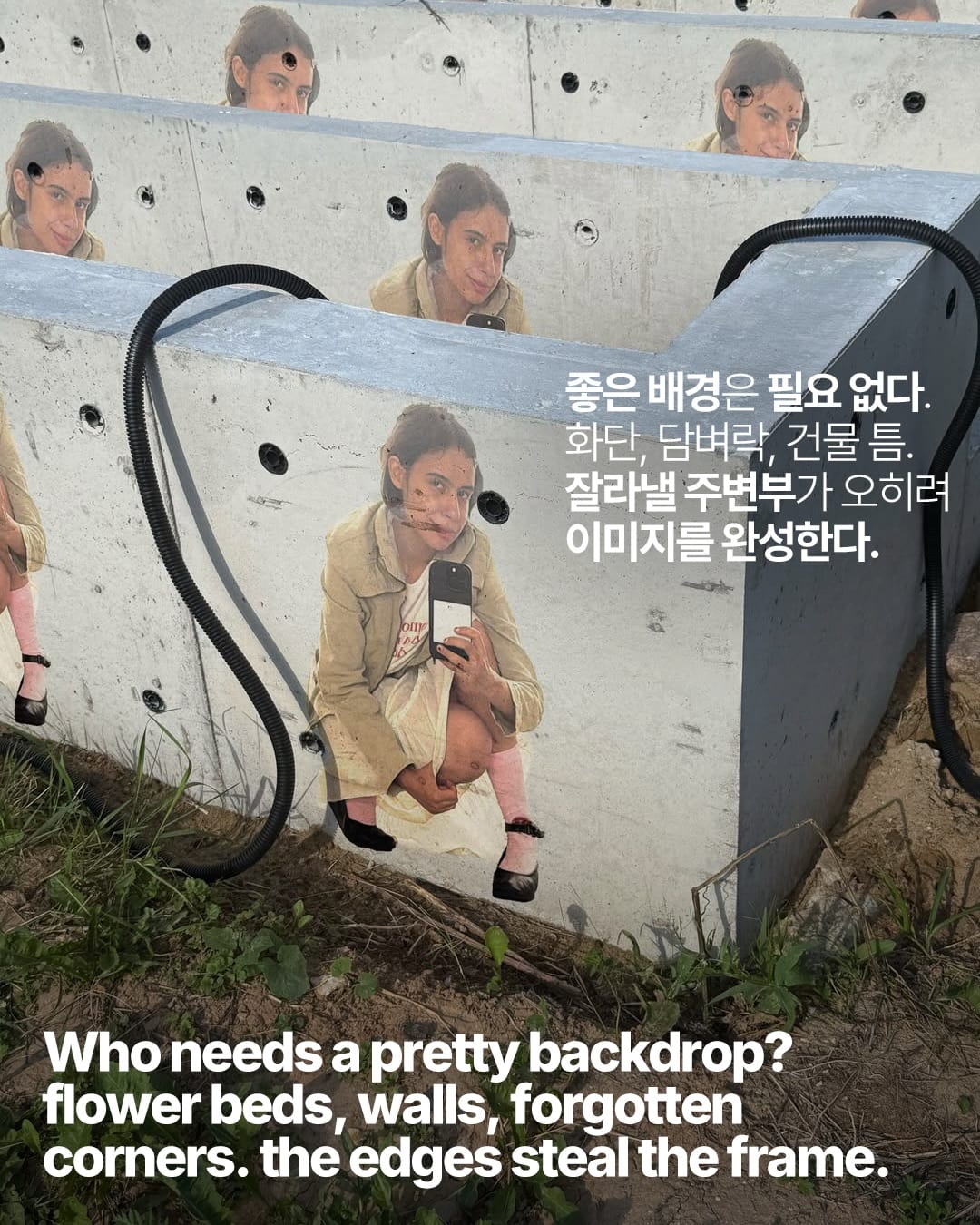
Lamiya Al Durakhi keeps putting herself where no one would think to take a picture. A roadside flower bed, a wall, some forgotten corner near home. In her project Domestic Collage Fantasy, ordinary places turn slightly strange the moment her body enters the frame. A pretty backdrop is not required.
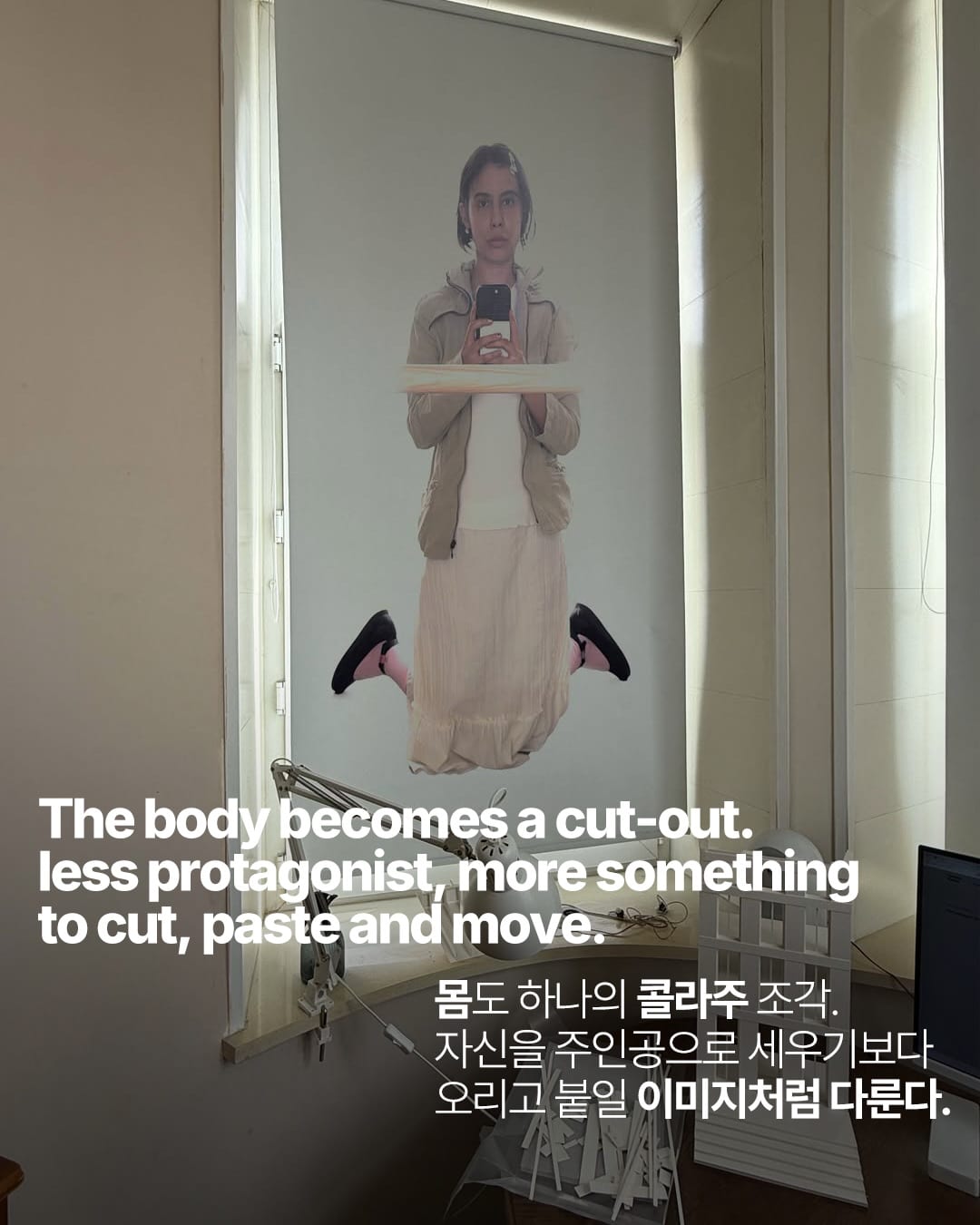
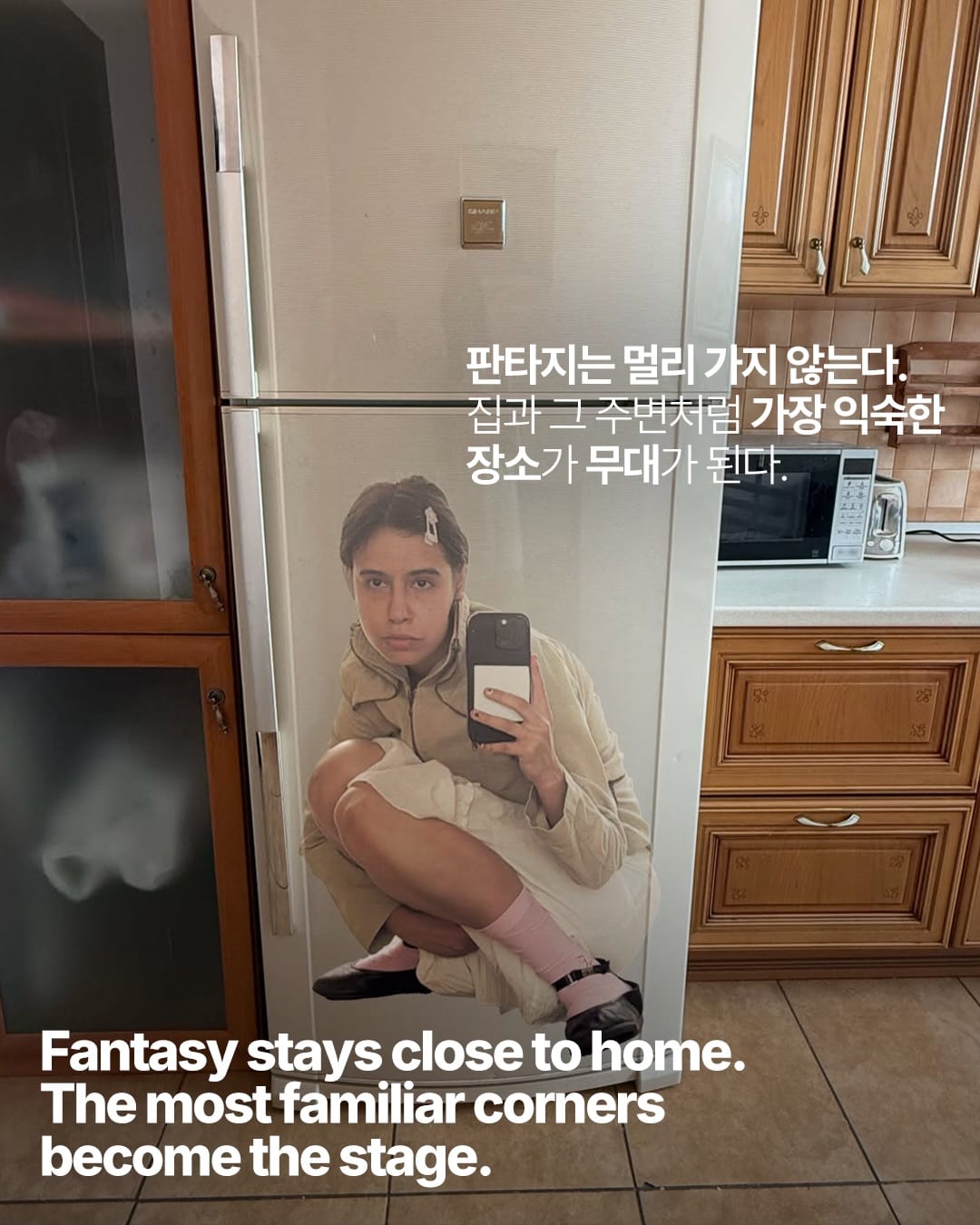
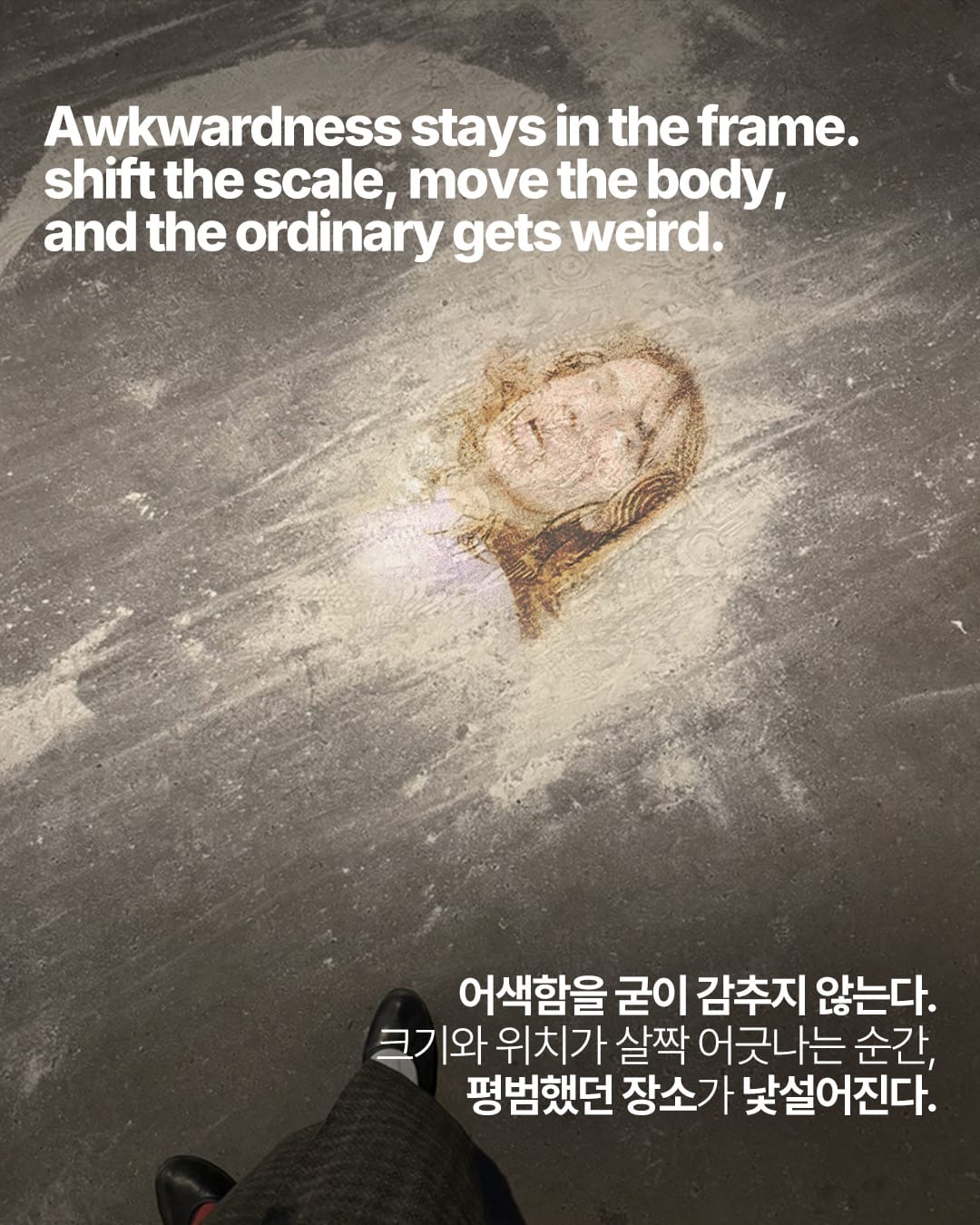
She cuts, pastes and distorts herself, slipping her body into places it shouldn't quite belong. Flower beds, walls, buildings, forgotten edges. The periphery she cuts out completes the image. No grand fantasy needed. Misplace one person in everyday reality and things get weird enough.
The body becomes a cut-out. Less protagonist, more something to cut, paste and move. On a tray, between walls, inside a mirror. Reality is already strange enough. We just don't notice.
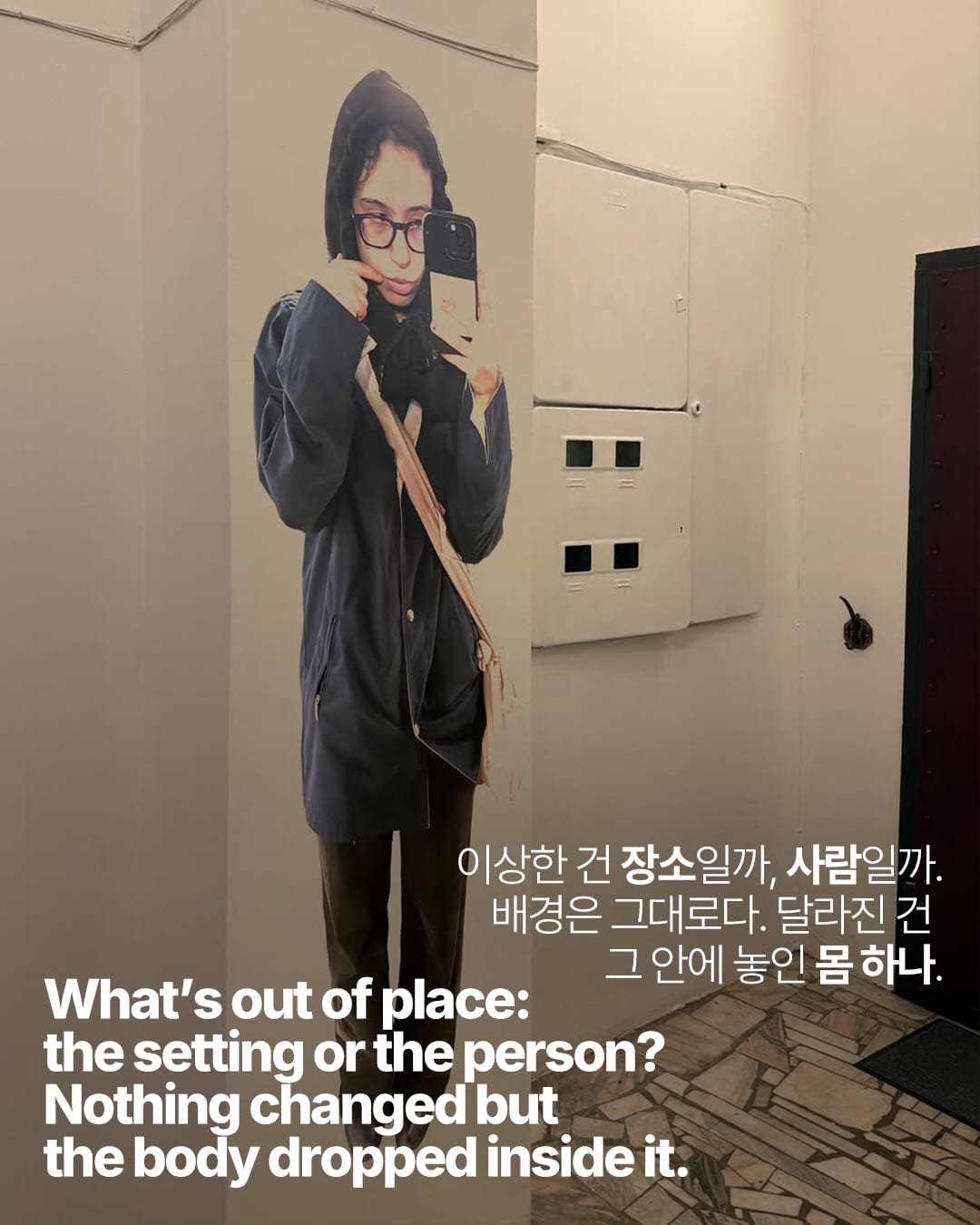
So what's really out of place: the setting, or the person inside it? What space do you consider the most ordinary?
She cuts, pastes and distorts herself, slipping her body into places it shouldn't quite belong. Flower beds, walls, buildings, forgotten edges. The periphery she cuts out completes the image. No grand fantasy needed. Misplace one person in everyday reality and things get weird enough.
The body becomes a cut-out. Less protagonist, more something to cut, paste and move. On a tray, between walls, inside a mirror. Reality is already strange enough. We just don't notice.
So what's really out of place: the setting, or the person inside it? What space do you consider the most ordinary?
FAQ
What is Lamia Al Duraki's Domestic Collage Fantasy about?
It's a digital collage project where the artist cuts, pastes, and distorts her own body into mundane everyday locations. By placing her body 'incorrectly' in sidewalk planters, walls, and neglected corners, she defamiliarizes ordinary spaces.
What kinds of locations does Lamia Al Duraki use as backdrops?
She chooses unremarkable places no one would photograph: roadside flower beds, boundary walls, buildings, and awkward corners around the house—spaces we pass without noticing in daily life.
How is the body treated in Domestic Collage Fantasy?
The body isn't the protagonist but a collage fragment to cut and paste. The artist slices her own body, warps its scale, and positions it in implausible places to complete each image.