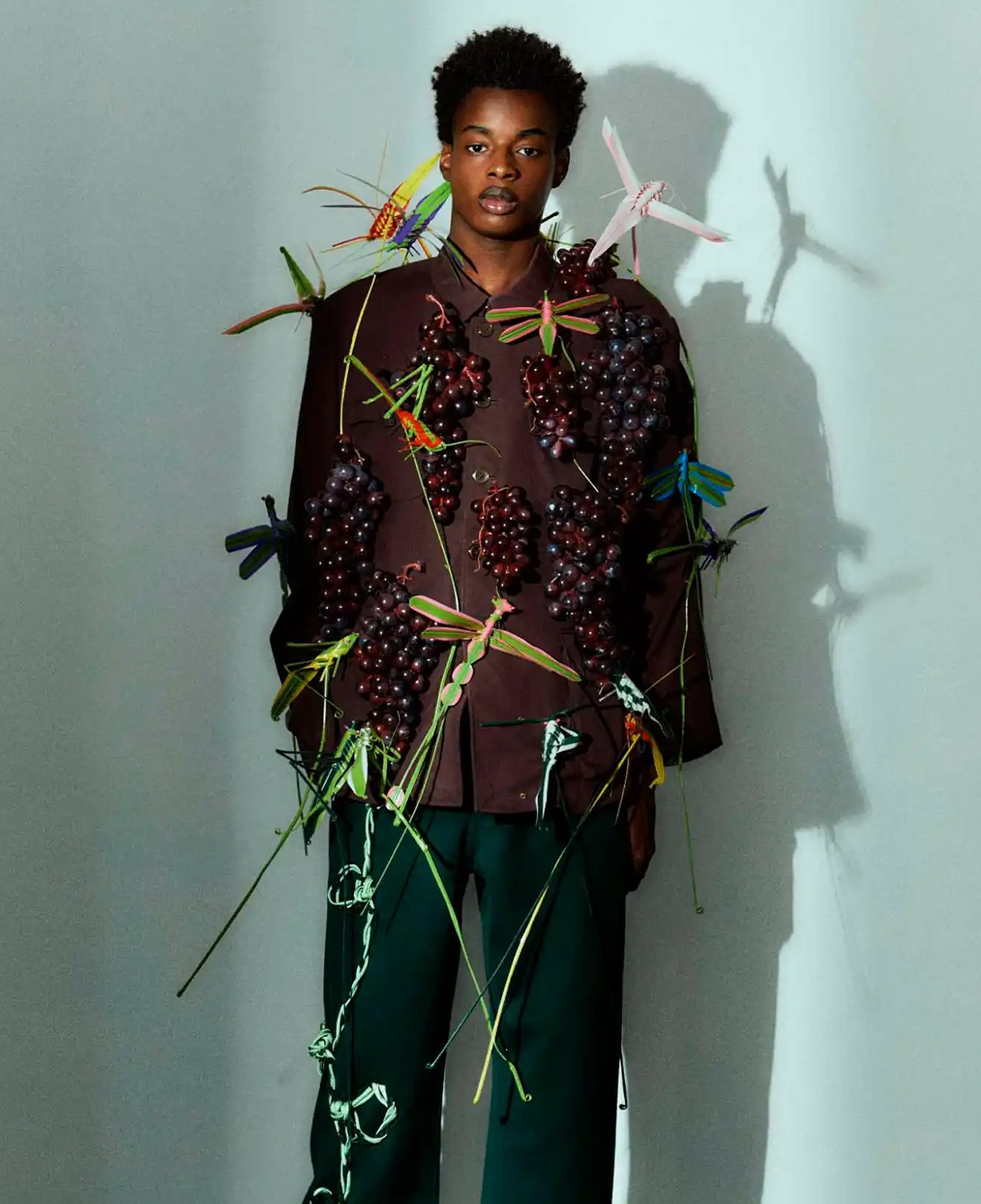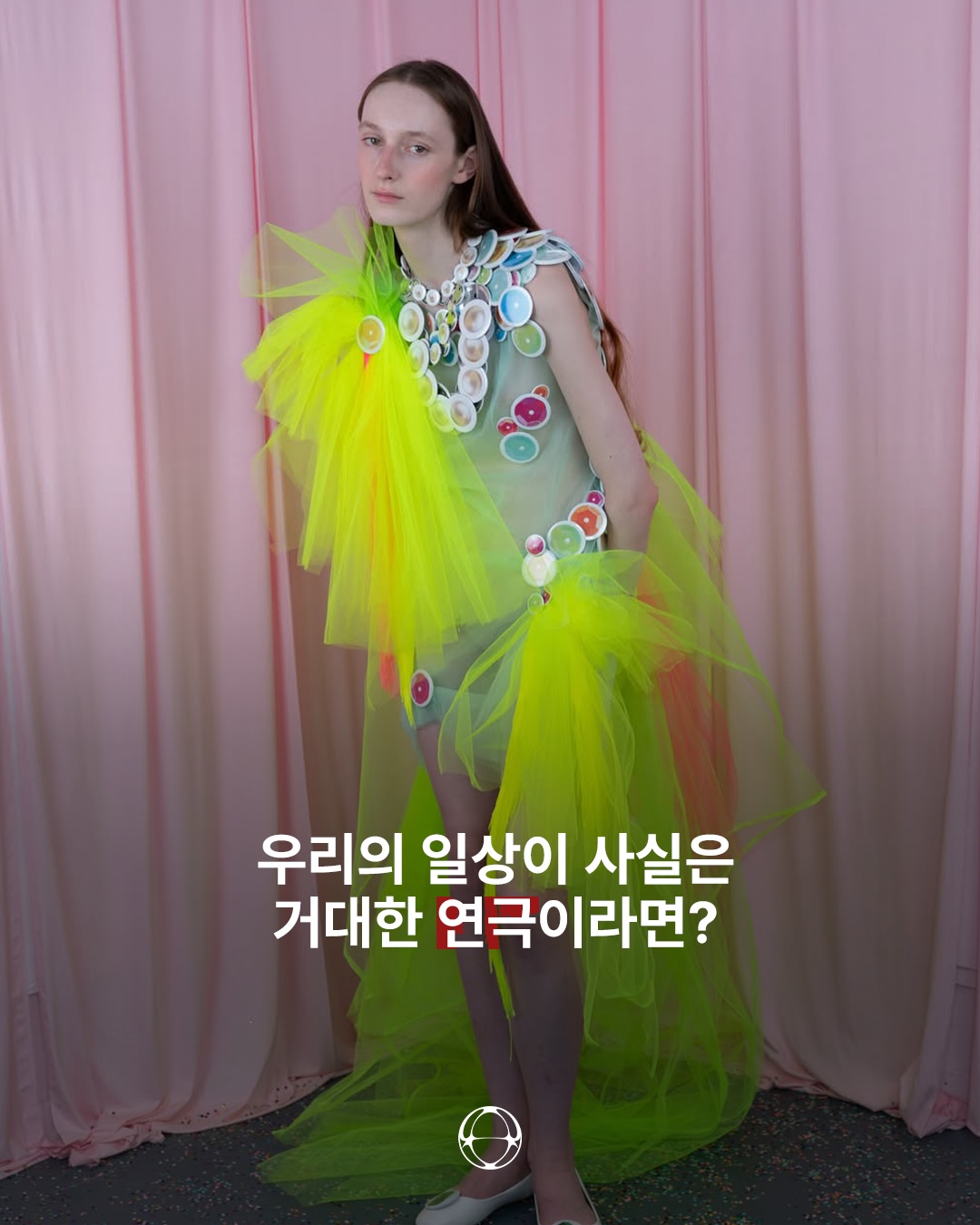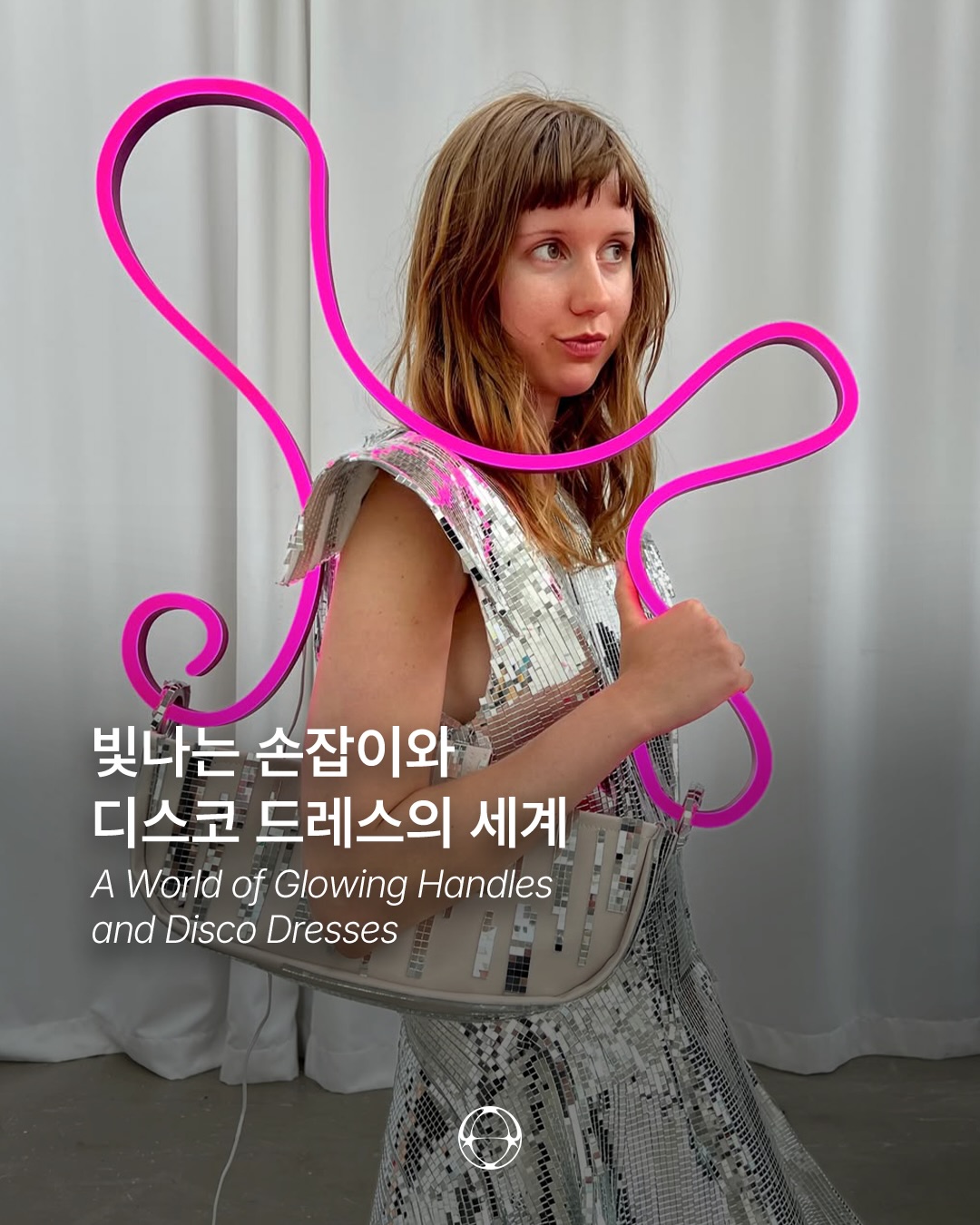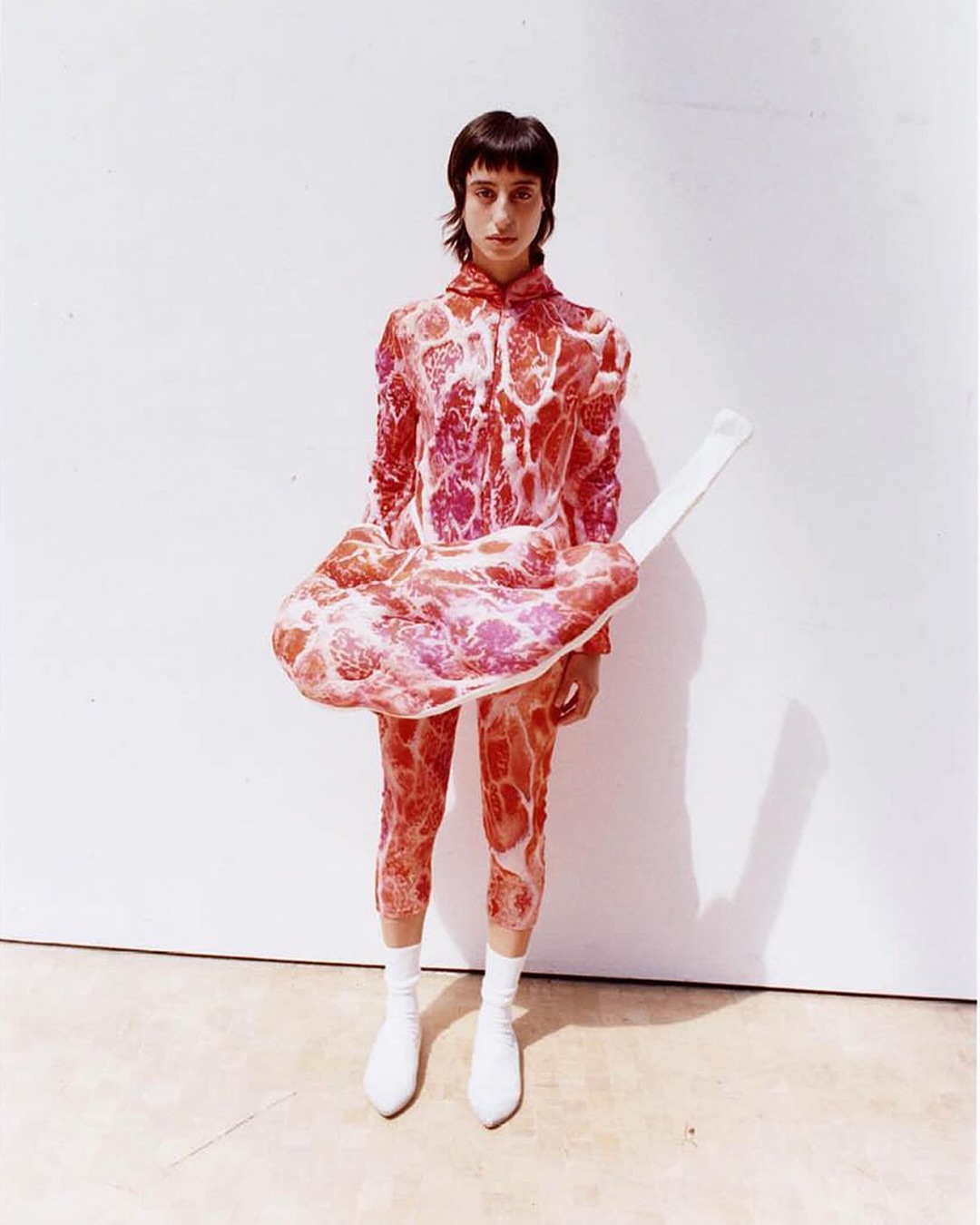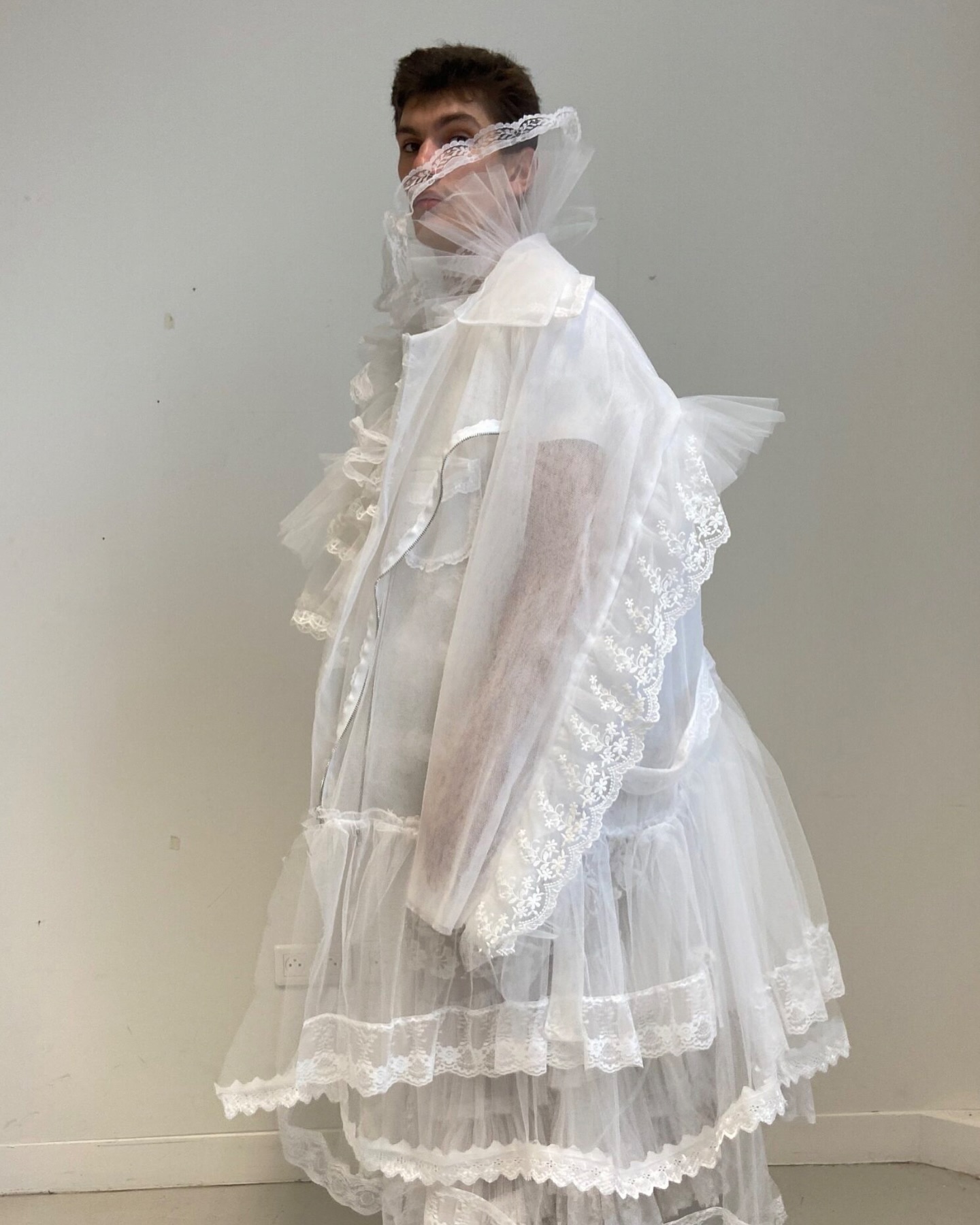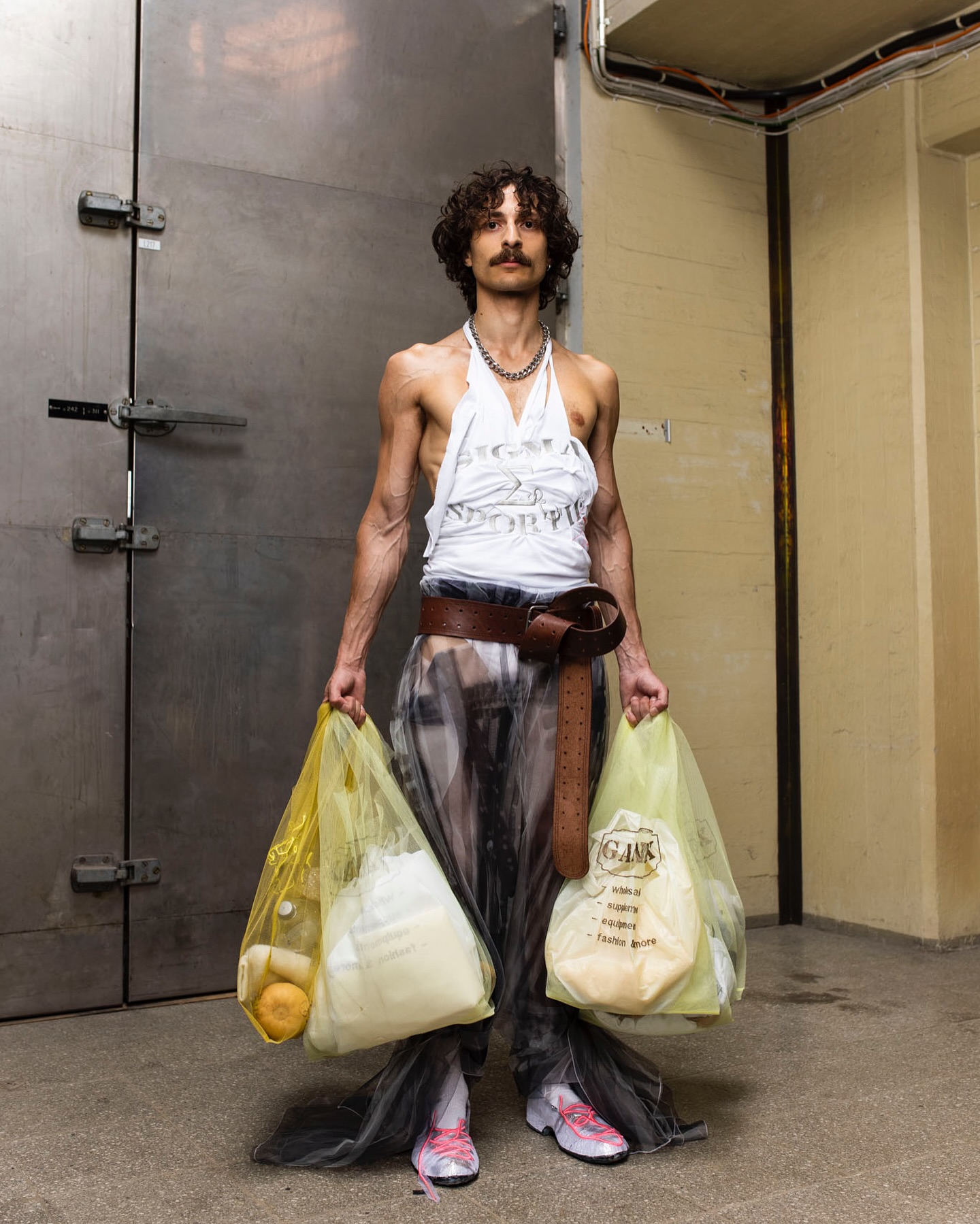
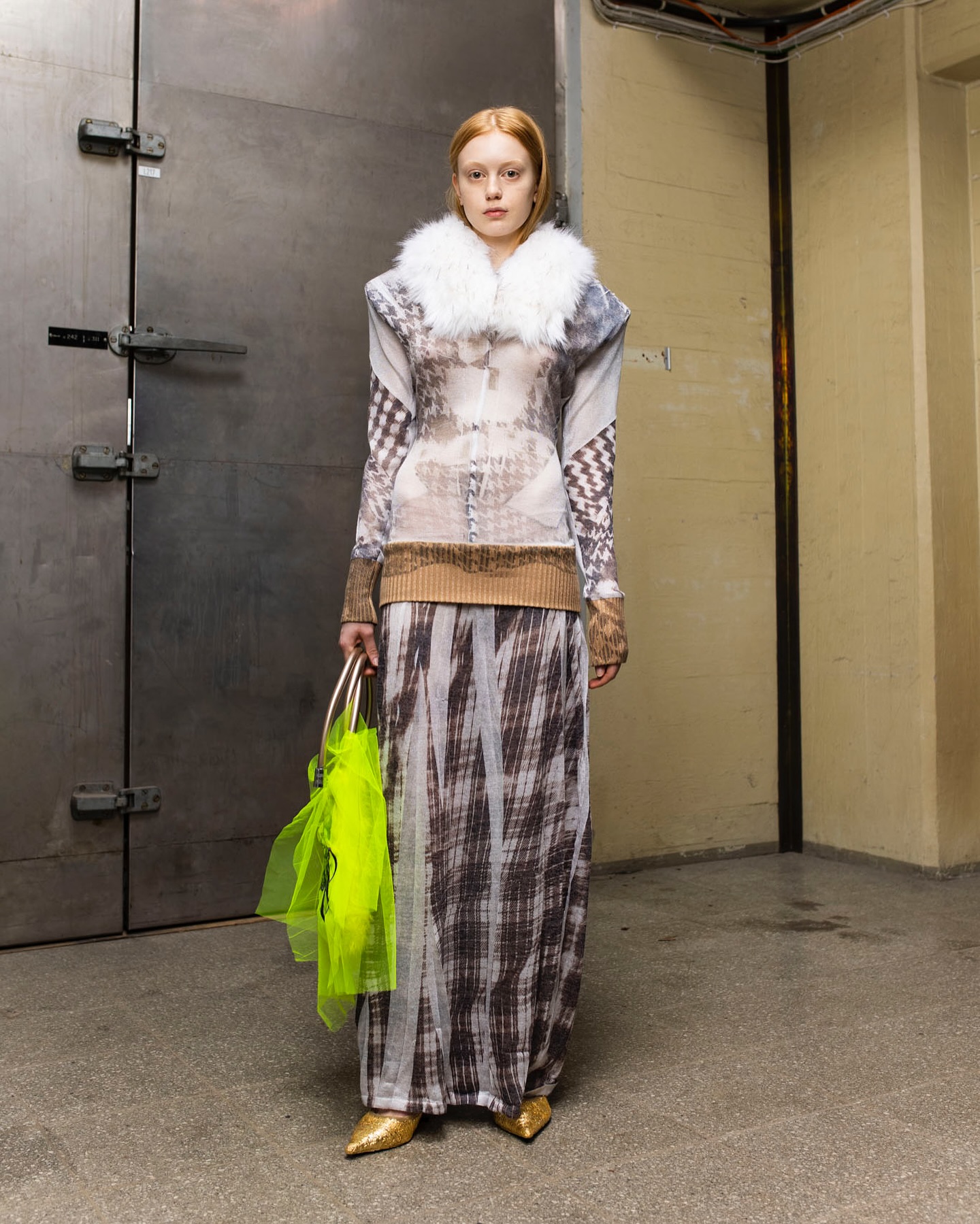
Karejoa's work explores what happens to the meanings and interpretations of visual signs when they are endlessly reproduced, repeated, and recontextualized. She re-appropriates and curates pre-existing fashion items and imagery, reprocessing them through techniques like sublimation printing, embroidery, and engraving. For Karejoa, fashion serves as a medium of exploration rather than mere product creation. Her pieces combine transparent materials with graphic elements, incorporating even everyday shopping bags into the fashion narrative, blurring the boundaries between consumption and reuse.
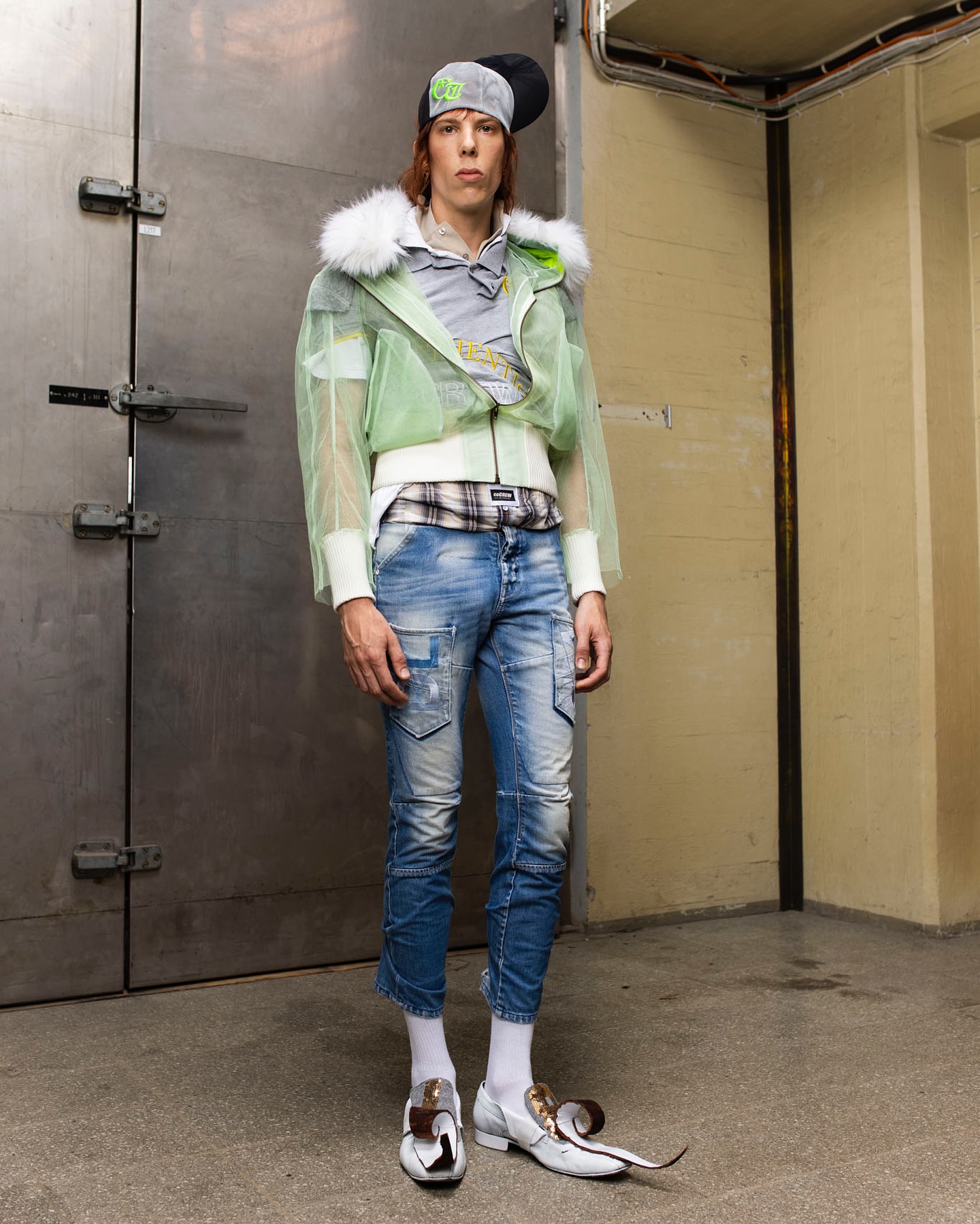
By emphasizing the societal role of design, Karejoa finds purpose in her work that extends beyond aesthetics. Her approach resonates with the fashion industry's ongoing discourse on sustainability and circular economy. Instead of succumbing to the pressure of constant novelty, she rediscovers value in what already exists and reinterprets it within contemporary contexts. As an Aalto Fashion graduate, Karejoa's experimental methodology represents a new direction in Nordic design education, one that questions the very foundations of creative authorship in fashion.

FAQ
Which school did Iris Karjalainen graduate from?
Iris Karjalainen earned her master's degree in fashion from Aalto University in Finland. Her graduation collection gained attention for its original approach of reappropriating and reworking existing fashion items and imagery.
What is Iris Karjalainen's design philosophy?
Rather than inventing something entirely new, Karjalainen chooses to reappropriate and curate existing fashion items and imagery. Operating under the premise that creating something completely new is impossible, she explores combining and recontextualizing existing concepts and references to generate new meaning.
What techniques does Iris Karjalainen use?
Karjalainen employs sublimation printing, embroidery, and engraving to rework existing materials. Through these techniques, she adds new visual layers and meaning to pre-existing fashion items, creating works that challenge perceptions of originality.