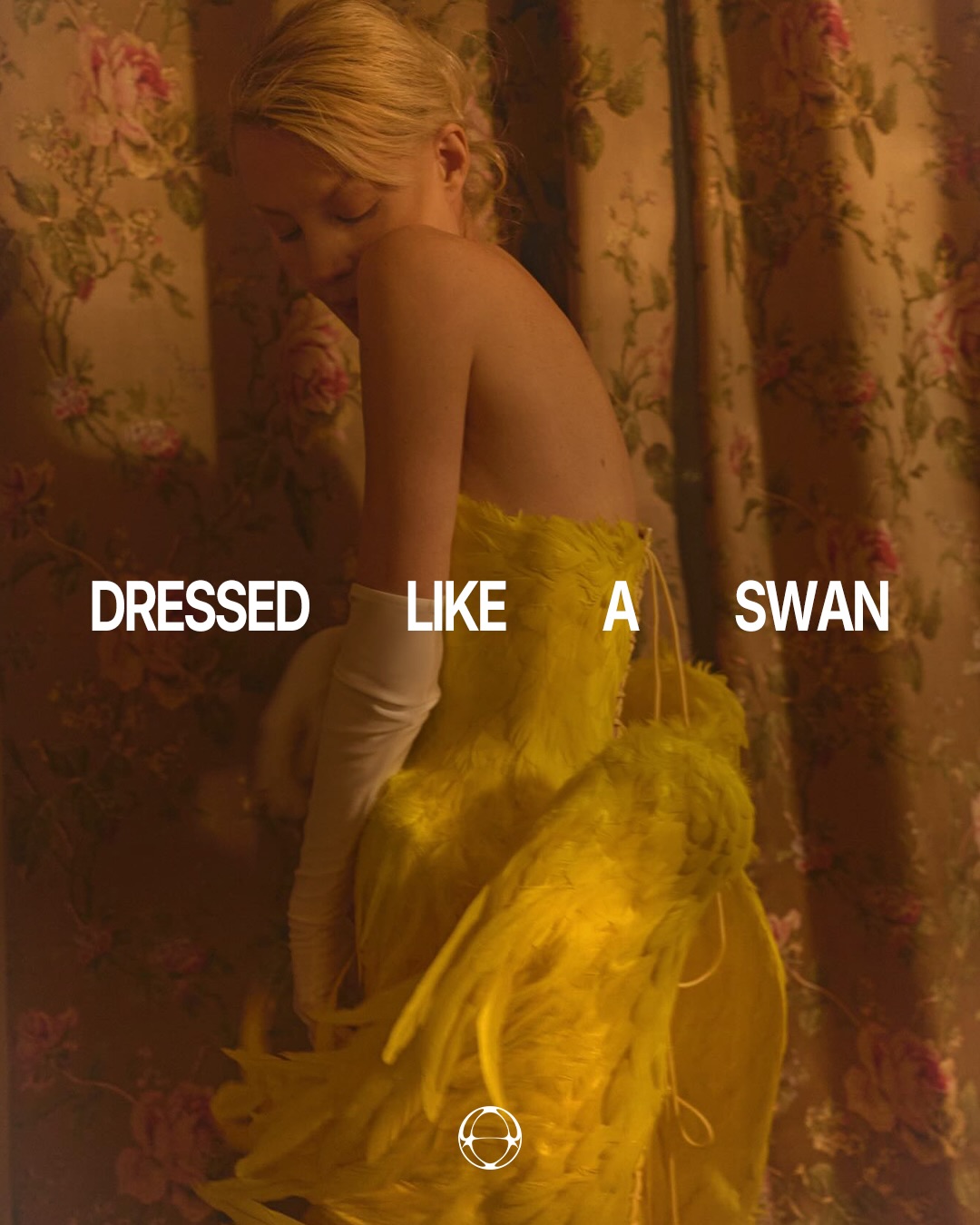
This is where the wabi-sabi aesthetic comes into focus. Knowing what to remove, and when to stop, completes the structure. By stripping away the unnecessary and moving closer to what is essential, Kim has attracted the attention of Tokyo's fashion scene following her collaboration with Kiko Mizuhara's brand OfficeKiko.
This look encapsulates the philosophy she pursues. The loose texture mixing cotton and wool is intentionally unstable, and the cobweb-thin material wraps the body to create an amorphous silhouette. This rejection of perfection proposes a new standard of beauty in contemporary fashion.


FAQ
What is knitwear artist Kim Seung-hyun's wabi-sabi aesthetic?
Kim Seung-hyun's wabi-sabi aesthetic finds essence in imperfection. Through loose knits and asymmetric cuts, he strips away unnecessary elements to focus on origins, intentionally revealing wool's vulnerability and rough texture. He completes works by refusing perfection, choosing subtraction, and knowing when to stop.
Which brand did Kim Seung-hyun collaborate with Kiko Mizuhara on?
Kim Seung-hyun collaborated with Kiko Mizuhara's brand OfficeKiko. Following this collaboration, he gained attention in Tokyo's fashion scene, marking a turning point where his design philosophy of stripping away unnecessary elements and focusing on origins received recognition.
What characterizes loose-knit pieces?
Kim Seung-hyun's loose knits feature disorderly scattered structures and drapes that are both pure and decayed-looking. Cotton-wool blended textures are intentionally unstable, with spider-web-thin materials creating asymmetric silhouettes. Asymmetric cuts make them swell roughly, becoming decorative elements themselves.