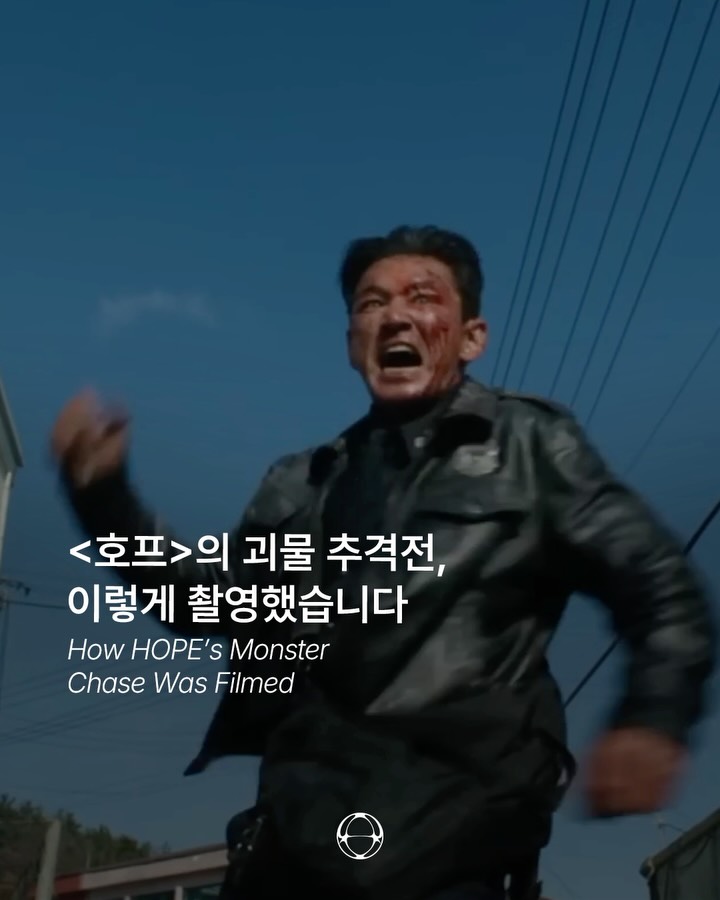
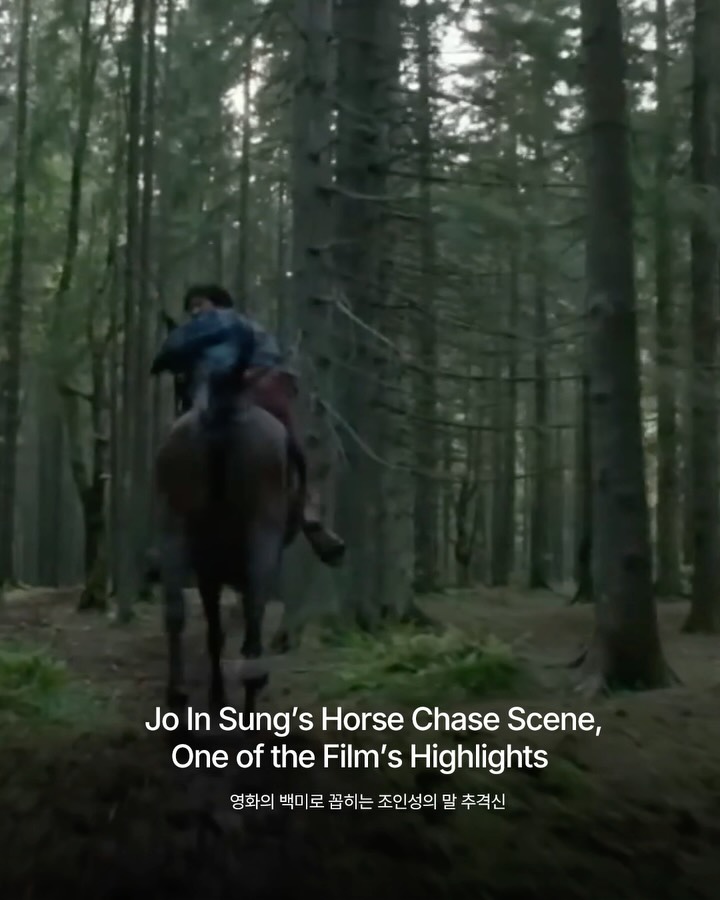
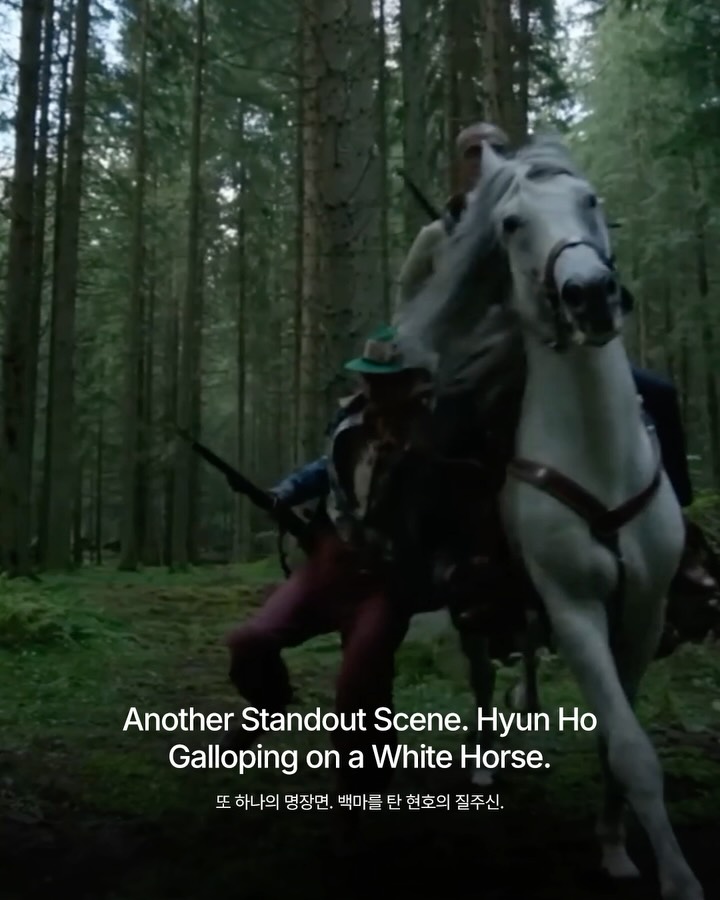
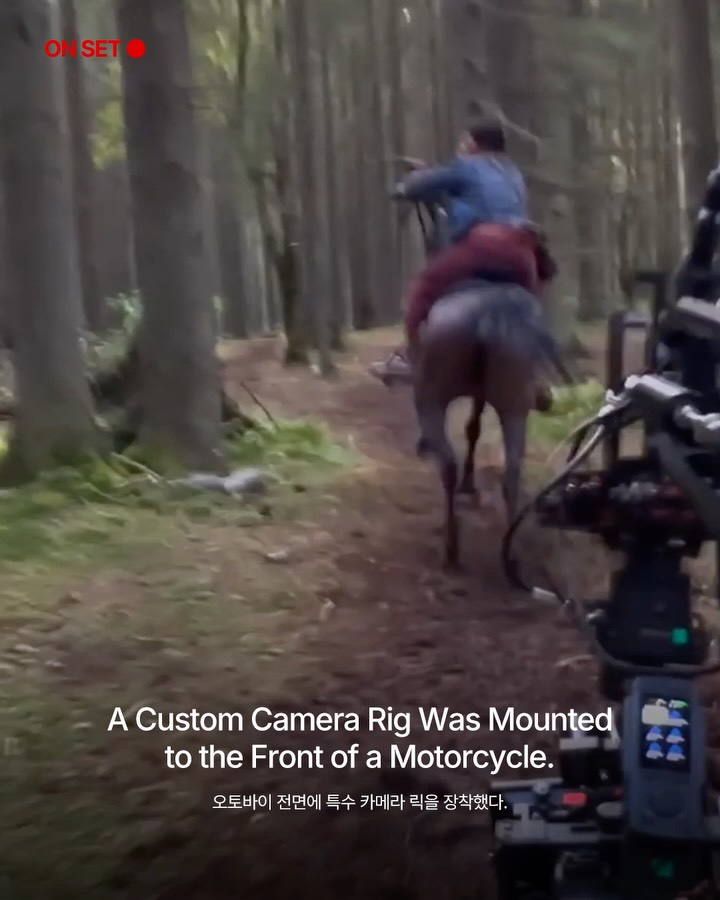
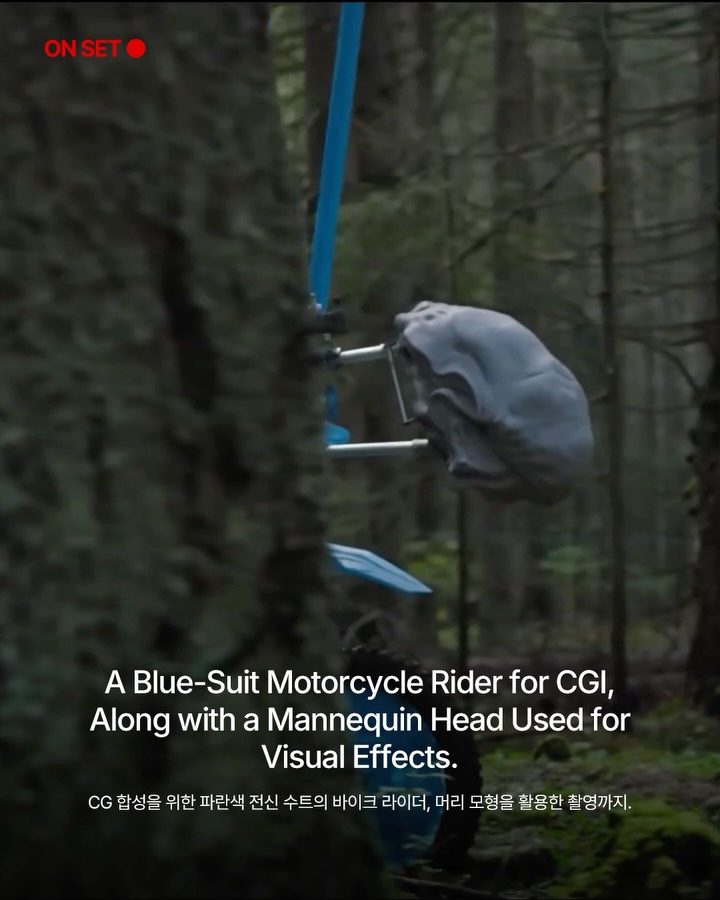
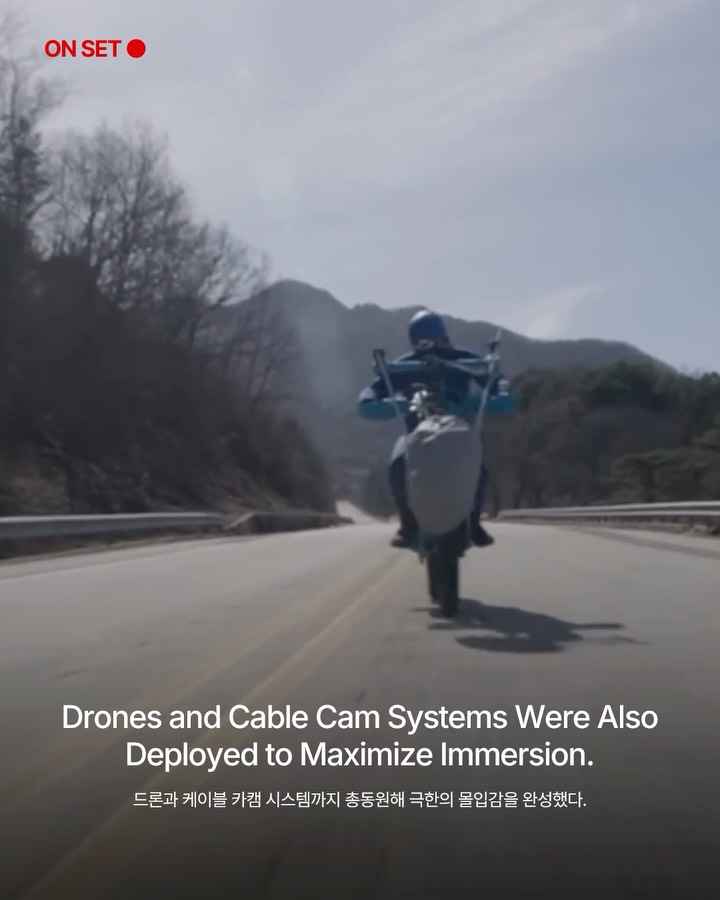
Working with Hollywood specialty camera team XM2, the production mounted custom camera rigs to motorcycles to capture the high-speed chases between horses and bikes from the heart of the action. Blue-suit stunt riders for CGI compositing, mannequin heads for visual effects, drones, and cable cam systems were all deployed to create the film's immersive action. Every tool available was used to maximize the visceral impact on screen.
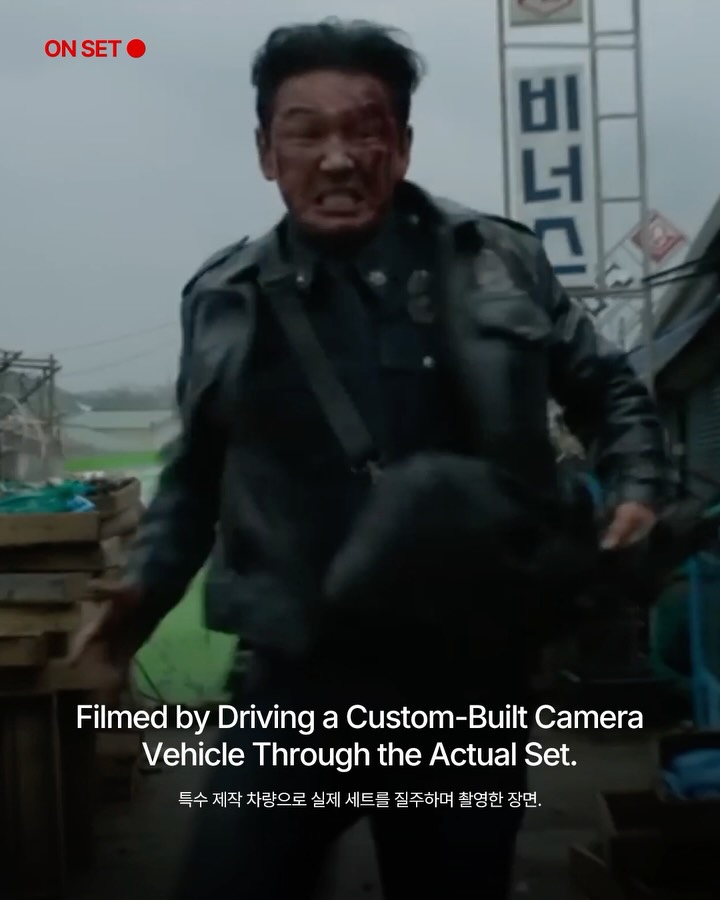
The chase involving the giant Bamigir was filmed by driving specially built camera vehicles through the actual set at breakneck speed. The result is a testament to the crew whose relentless work—often moving faster than the actors themselves—made every frame pulse with tension. Rather than relying solely on CGI, the film's action is a synthesis of practical filmmaking and cutting-edge technology.
The behind-the-scenes footage has garnered significant attention among film enthusiasts and industry professionals as a showcase of the evolving technical capabilities of Korean cinema production.
FAQ
How were the chase scenes in the film HOPE filmed?
Chase scenes in HOPE were filmed collaborating with Hollywood special effects team XM2, mounting special camera rigs on motorcycles, using blue full-body suit riders for CG compositing, drones, and cable cam systems. Giant Barmigyeol scenes involved specially built vehicles racing through actual sets.
What special equipment was used filming HOPE?
Filming utilized motorcycle-mounted special camera rigs, drones, cable cam systems, blue full-body suits for CG compositing, head models, and specially built vehicles. Hollywood special effects team XM2 provided technical collaboration.
Was HOPE made only with CGI?
No. HOPE was created through harmony of actual filming and cutting-edge technology, not mere CGI. Specially built vehicles raced through real sets during filming, using various special equipment to combine live action and VFX for maximized immersion.