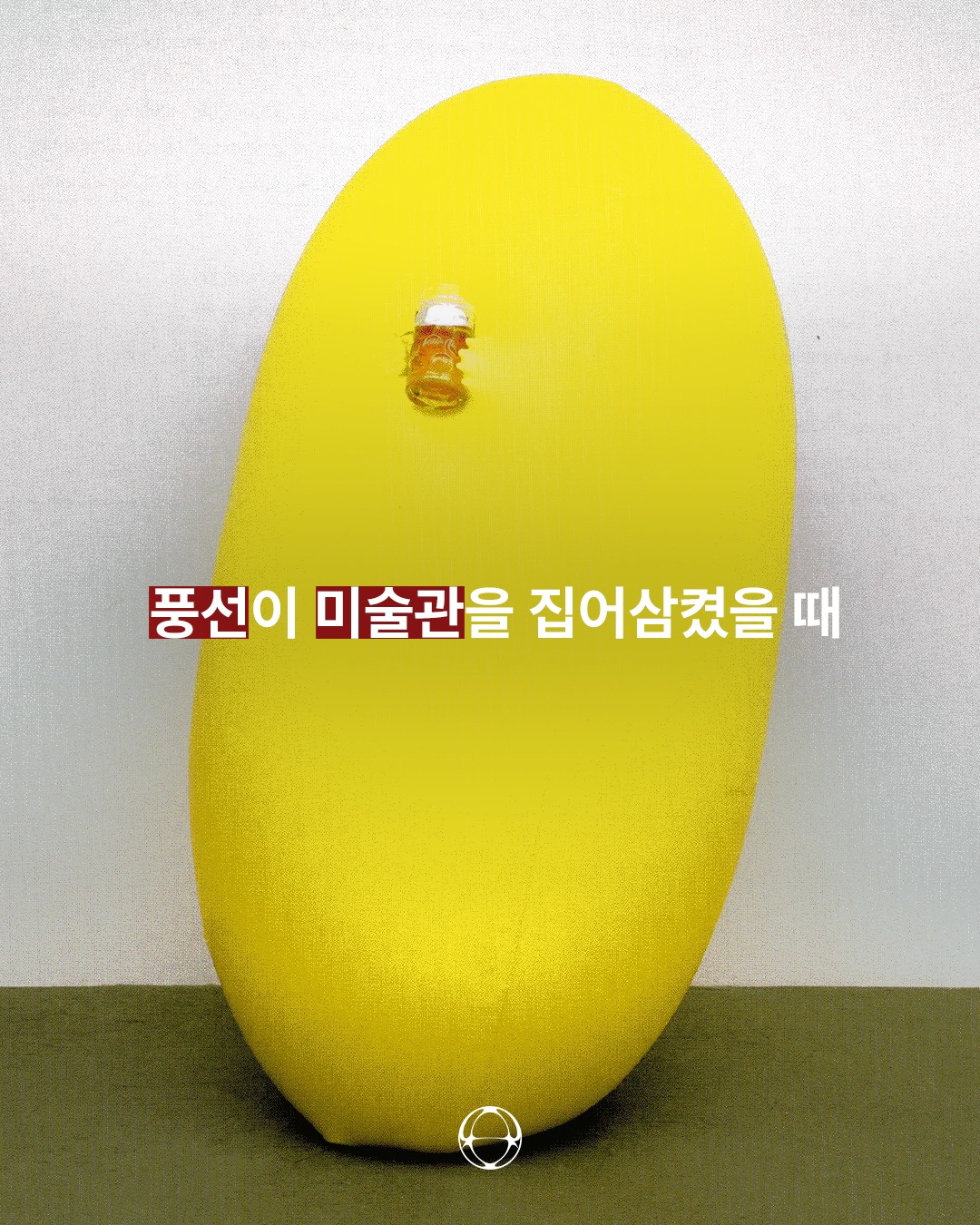
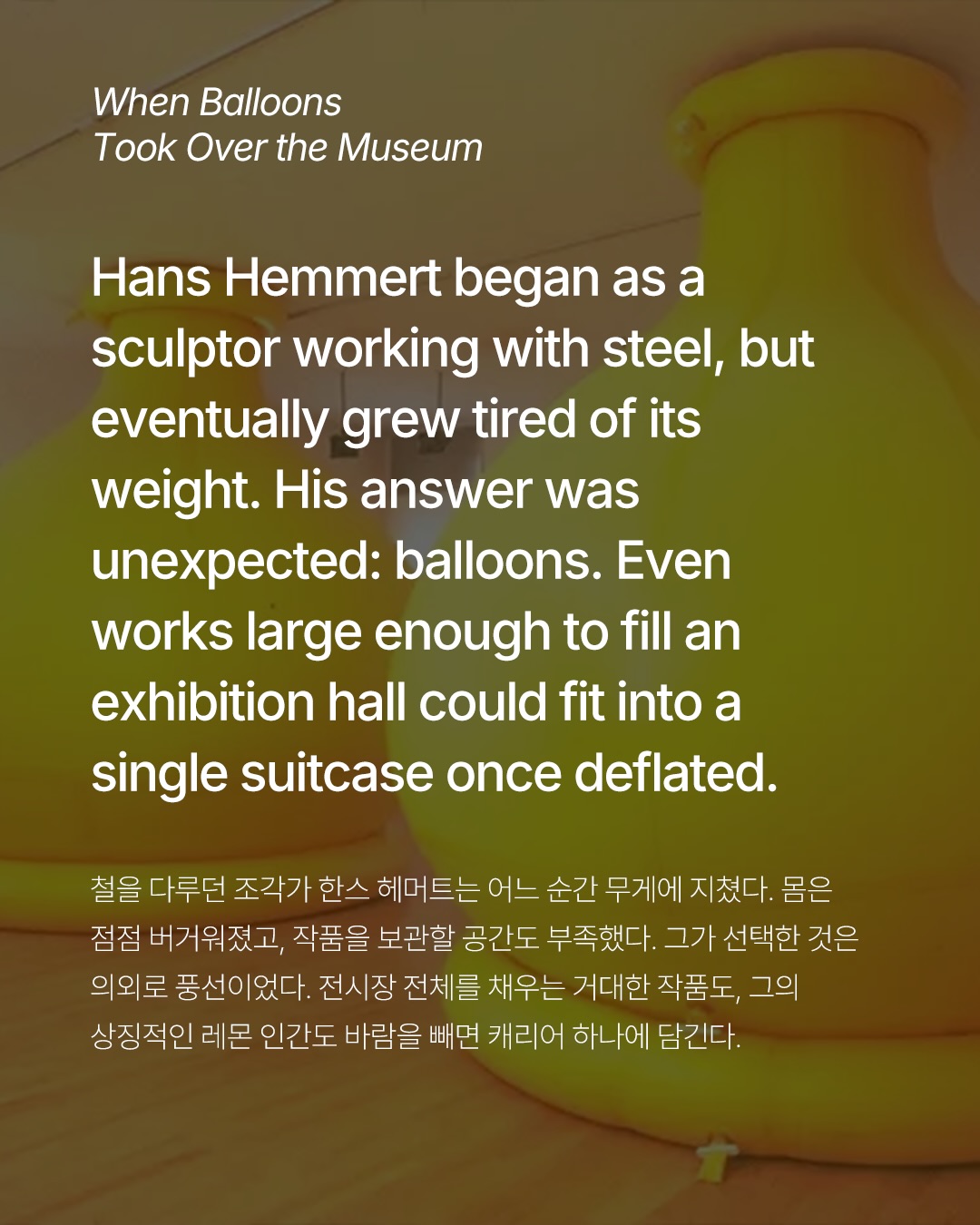
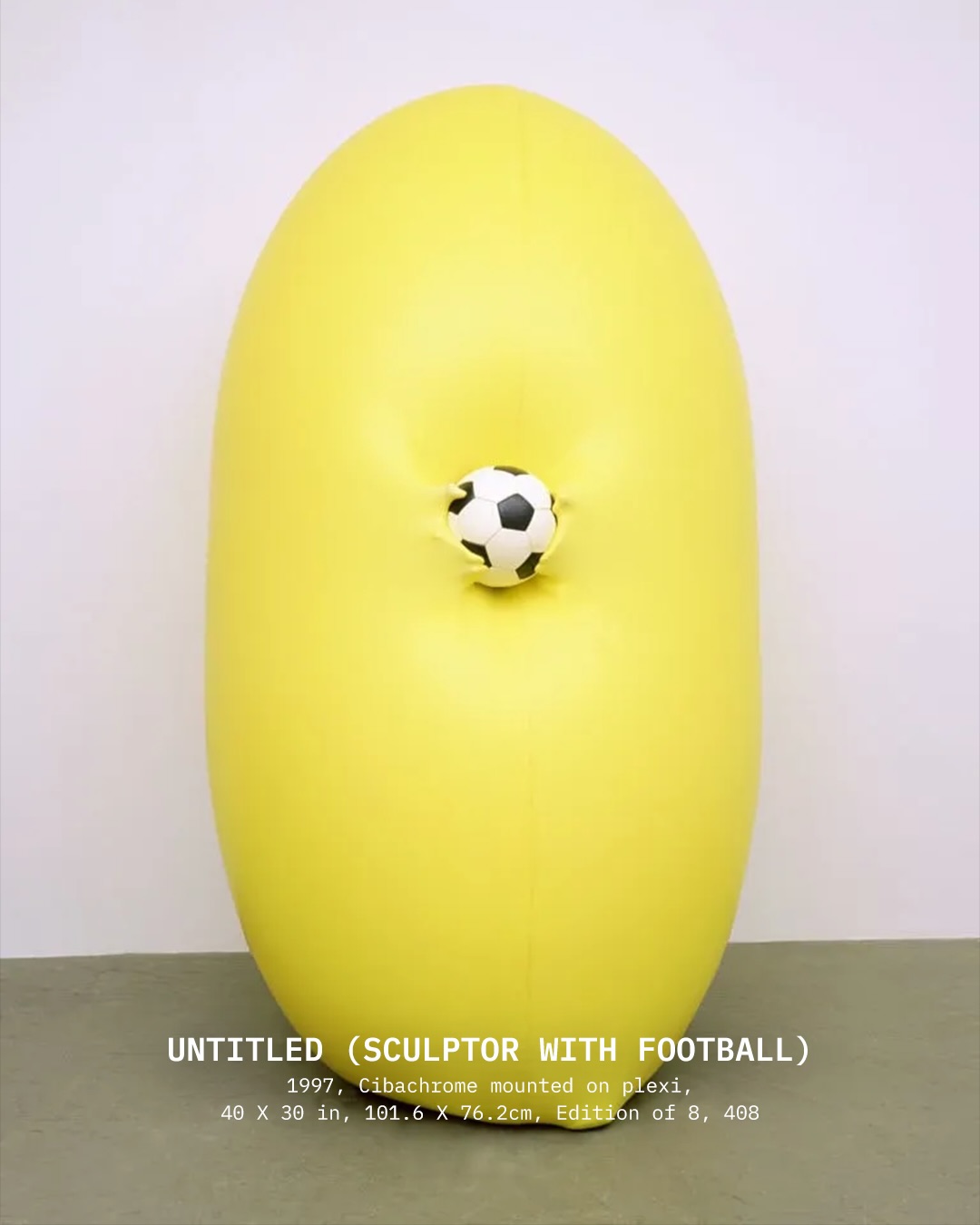
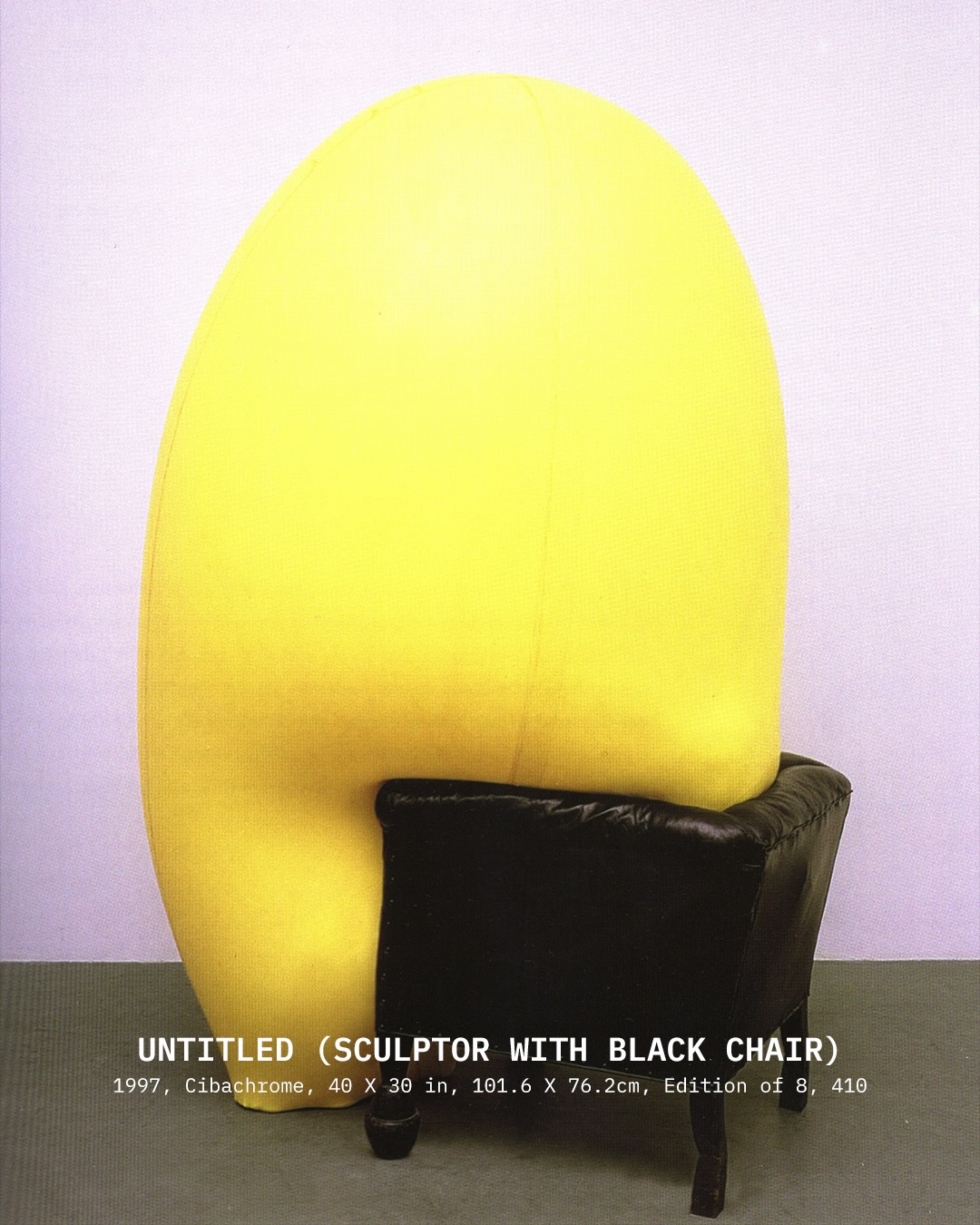
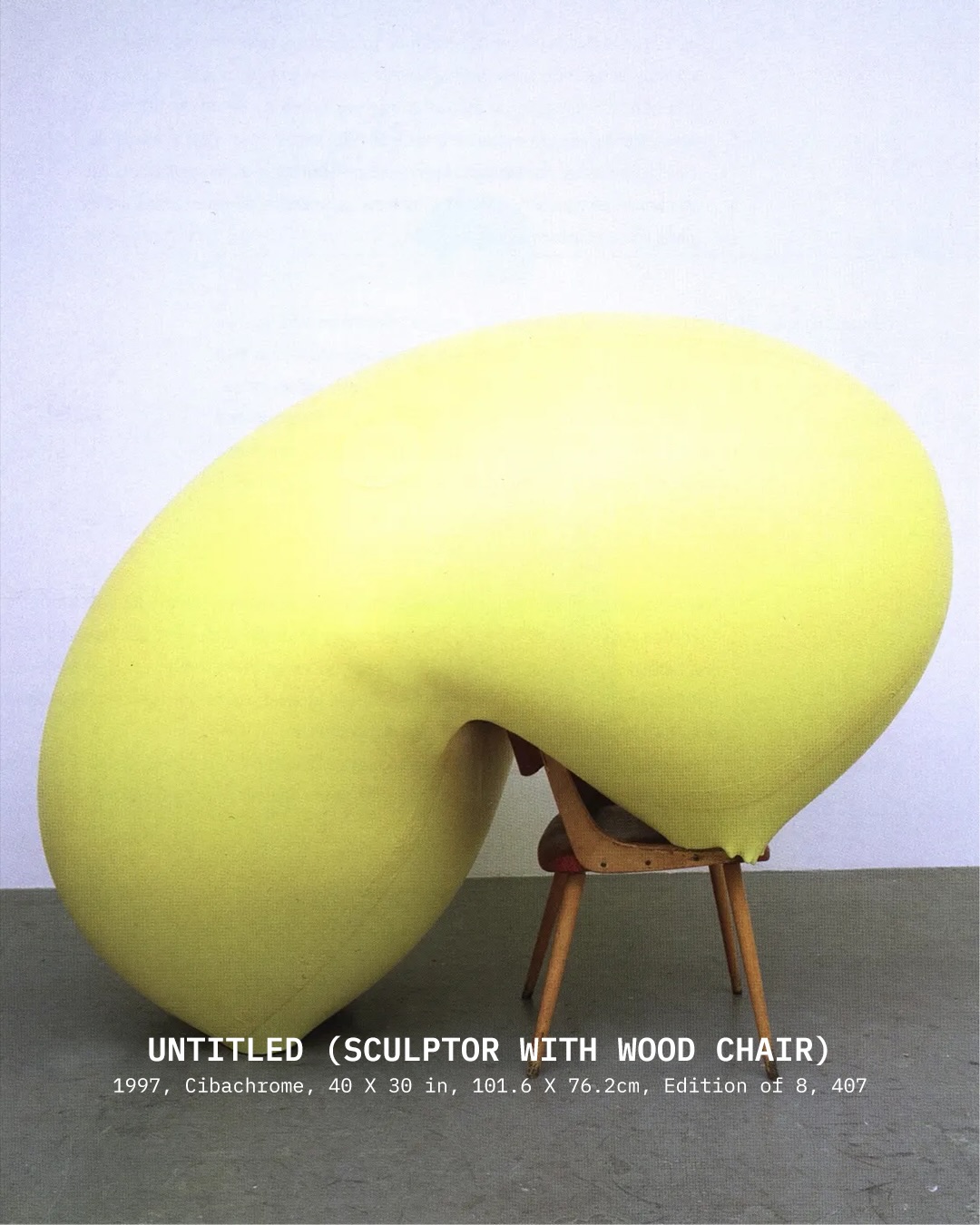
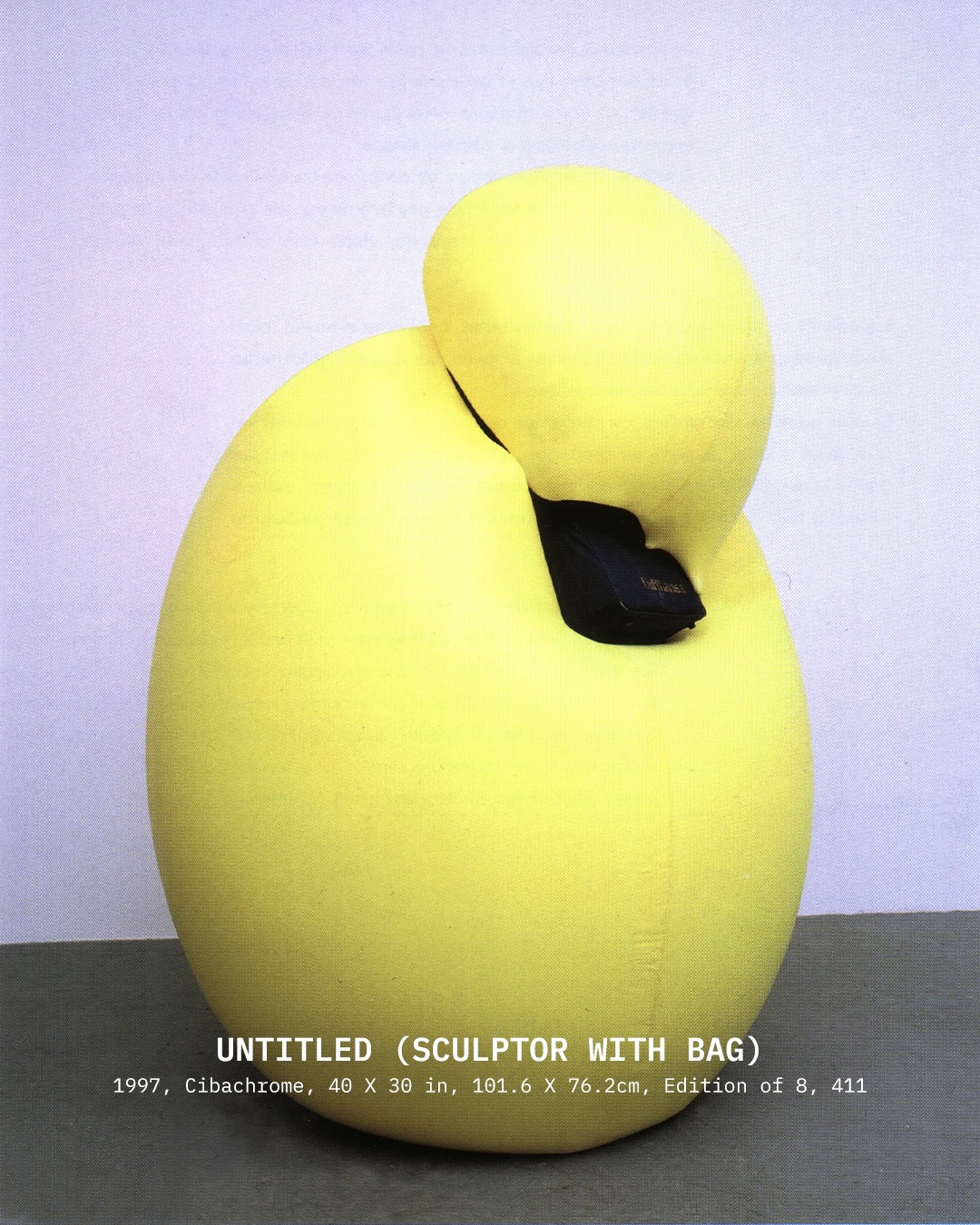
Hans Hemmert began as a sculptor working with steel, but eventually grew tired of its weight. His body struggled, and storage space became scarce. His solution was unexpected: balloons. Even works large enough to fill an entire exhibition hall could fit into a single suitcase once deflated. His iconic lemon-yellow human figures, monumental in scale, collapsed into portable forms.
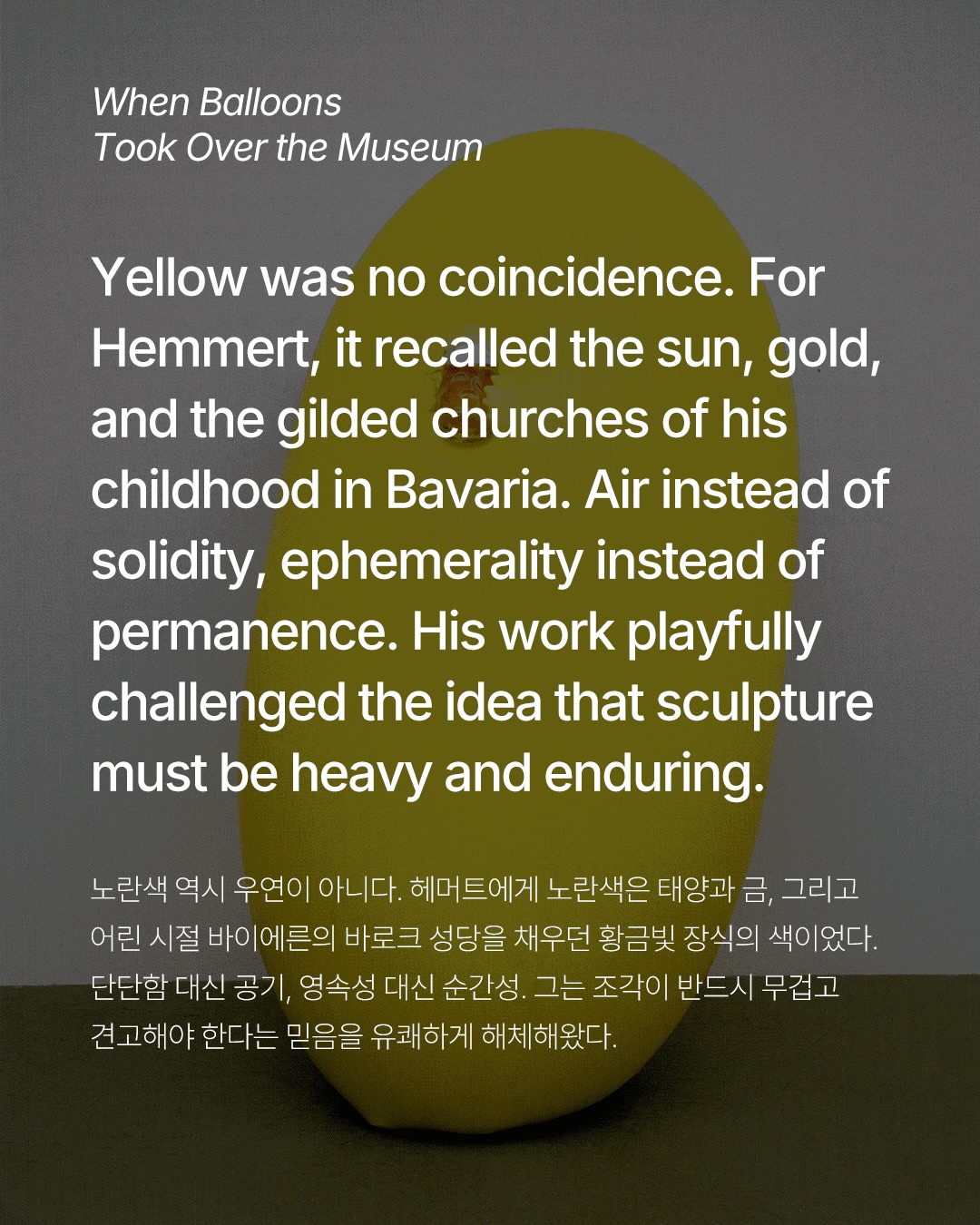
Yellow was no coincidence. For Hemmert, it recalled the sun, gold, and the gilded Baroque churches of his Bavarian childhood. Air instead of solidity, ephemerality instead of permanence—he playfully challenged the idea that sculpture must be heavy and enduring. His work questioned the very foundations of what sculpture could be.
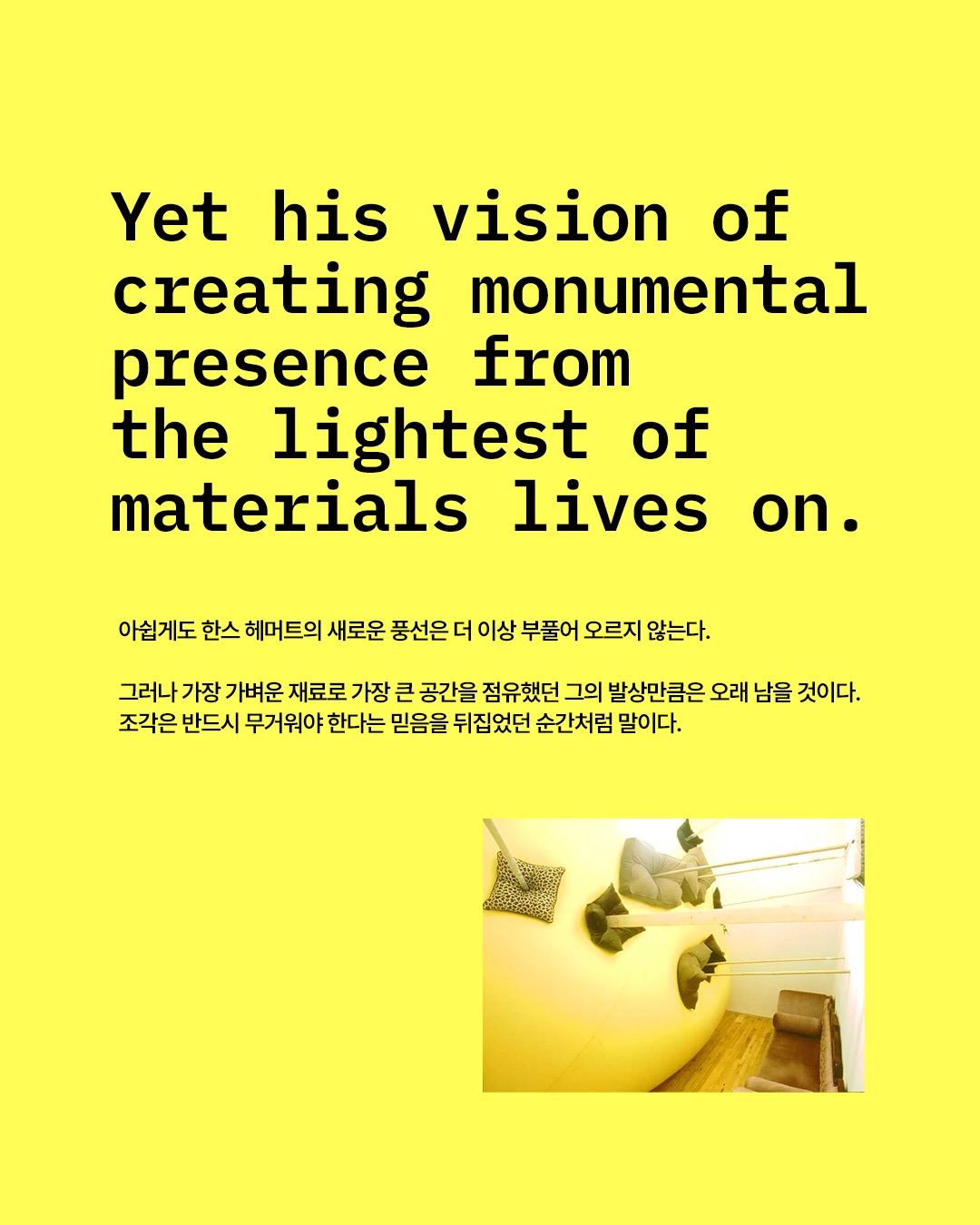
Sadly, Hans Hemmert's balloons will never inflate again. Yet his vision of creating monumental presence from the lightest of materials lives on. Like the moment he overturned the belief that sculpture must always be heavy, his legacy remains buoyant.
FAQ
Why did Hans Hemmert choose balloons over steel as a sculpture material?
Hans Hemmert was exhausted by steel's weight and lacked storage space for his works. Using balloons, even massive installations filling entire exhibition halls could deflate and fit into a single suitcase, solving both weight and storage issues simultaneously.
Why did Hans Hemmert predominantly use yellow?
Yellow symbolized the sun, gold, and the golden Baroque church decorations from his Bavarian childhood. This wasn't coincidental but an intentional choice rooted in his personal memory and cultural background.
What significance do Hans Hemmert's balloon sculptures hold in contemporary art?
Hemmert playfully dismantled the traditional belief that sculpture must be heavy and solid. By occupying maximum space with minimal material, he chose momentariness over permanence, air over solidity, expanding sculpture's very concept.