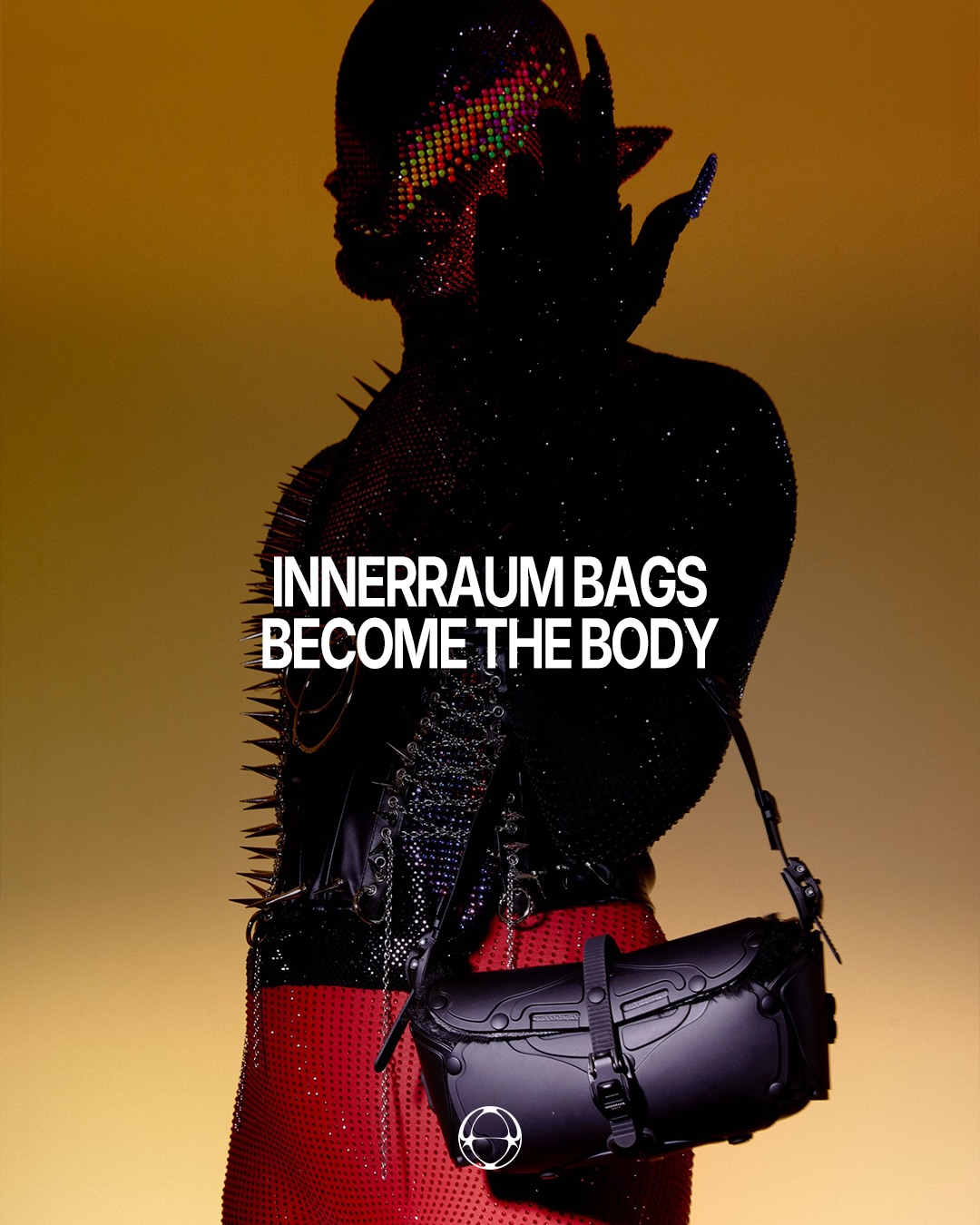
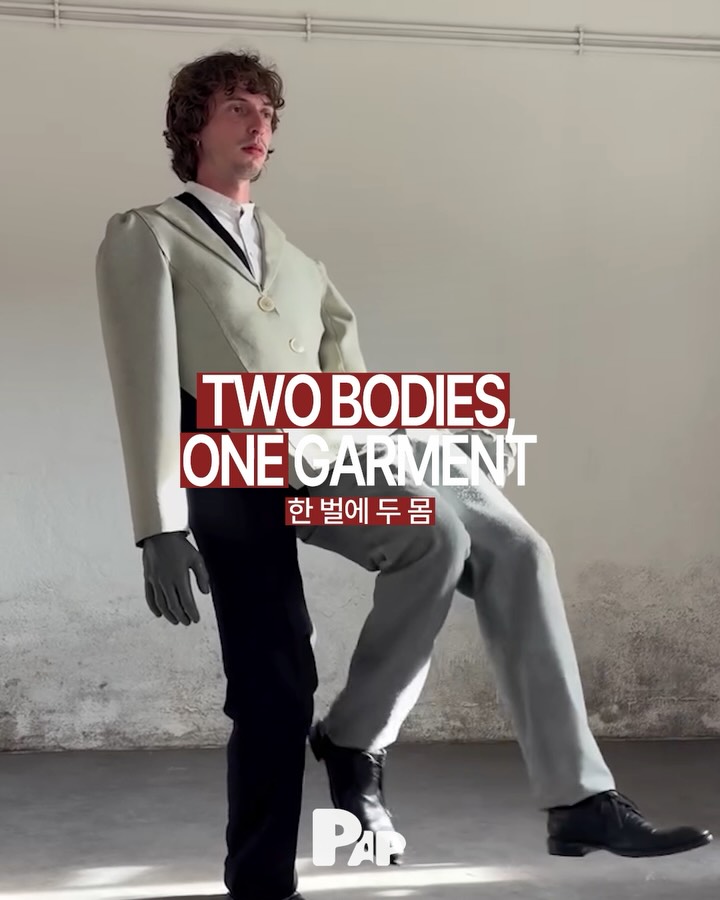
Created in collaboration with choreographer Akira Uchida, the project positions the bag as more than an accessory. It functions as an extension of the body itself, expanding rather than restricting movement and serving as a mediator of distance and connection between people. In scenes where performers move in unison, hands resting on each other's shoulders, the bag becomes a tool that shapes relationships and spatial dynamics.
What registers first is not form or material, but rhythm and human connection. Eckhaus Latta once again approaches fashion in its signature way—defining the bag not as an object to carry things, but as a device that sets the body in motion. This approach raises fresh questions about the relationship between fashion and physicality, continuing the brand's ongoing exploration of the blurred boundary between wearing and being.


FAQ
Who did Eckhaus Latta collaborate with for their new bag campaign?
Eckhaus Latta collaborated with choreographer Akira Uchida for their new bag campaign. The project expresses bags not as mere accessories but as body extensions, featuring choreography-centered video work focused on movement and relationality.
How did Eckhaus Latta represent bags in this campaign?
Eckhaus Latta defined bags not as containers but as devices that activate the body. Rather than showcasing products directly, they approached bags through the physical relationships and rhythms created—movement between bodies, balance, spatial navigation.
What concept drove Eckhaus Latta's bag campaign?
The campaign explores the relationship between bags and the body, using choreography to capture subtle movements bags create. It records moments like grazing someone or adjusting balance, representing bags almost as bodily organs through a uniquely distinctive approach.