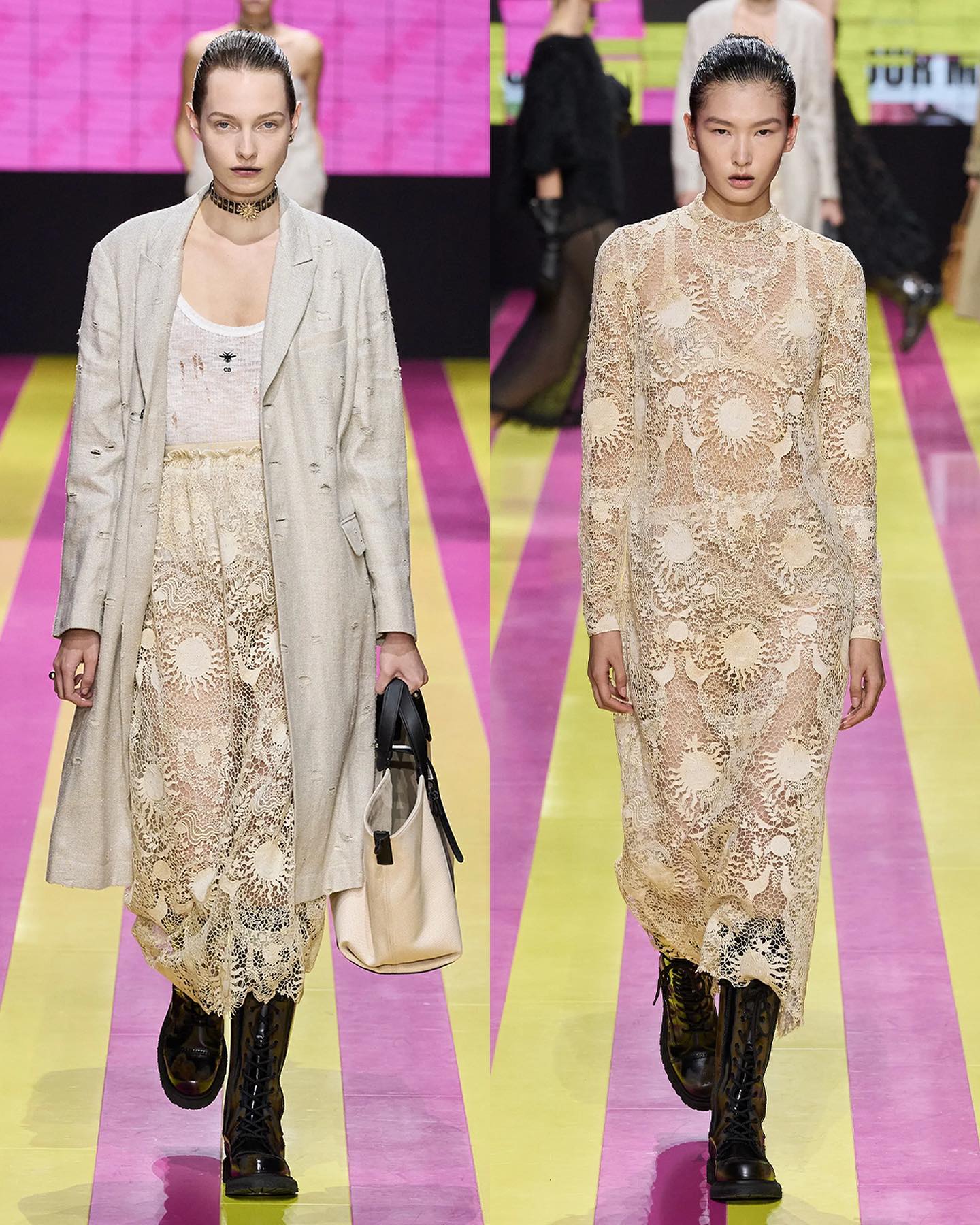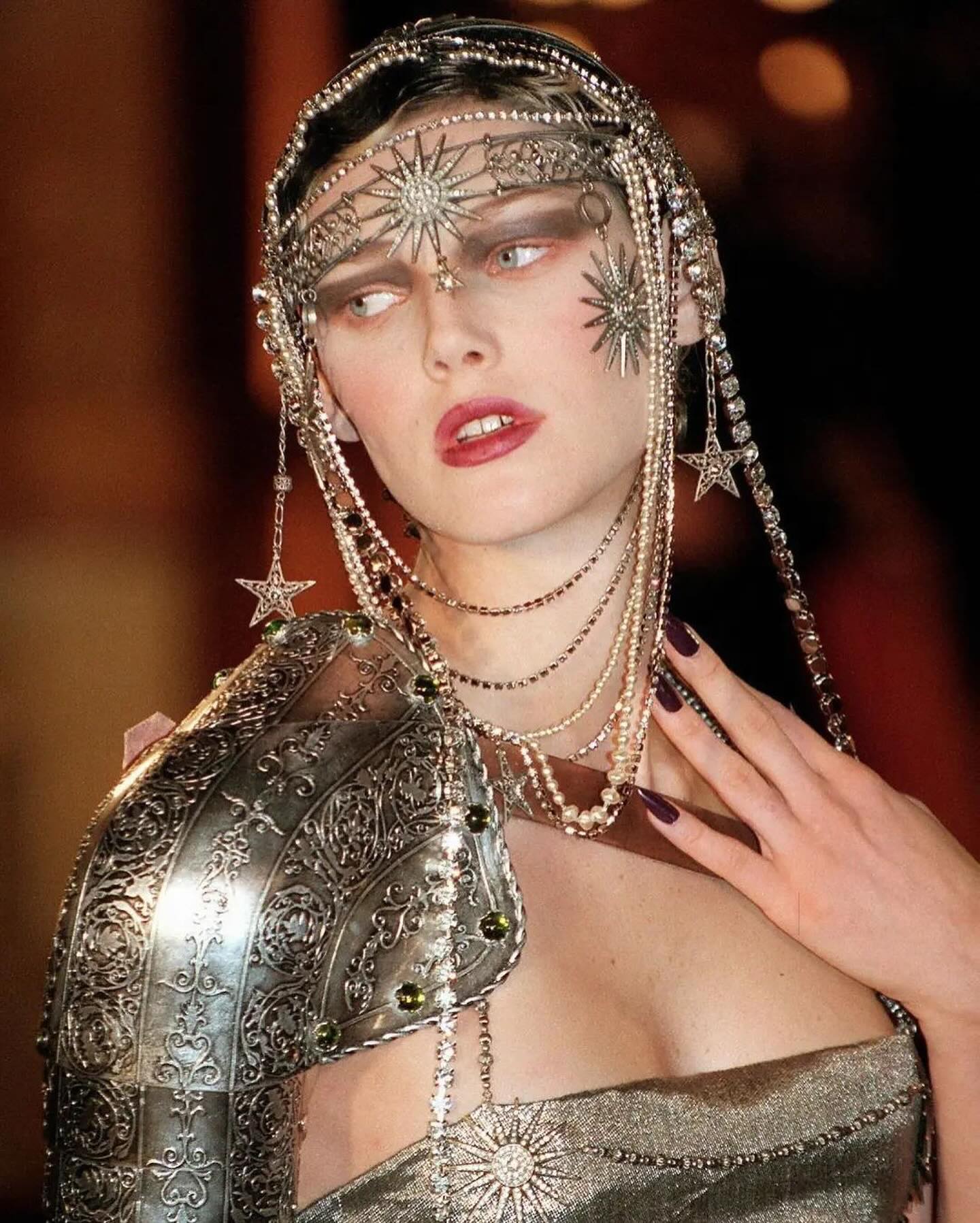
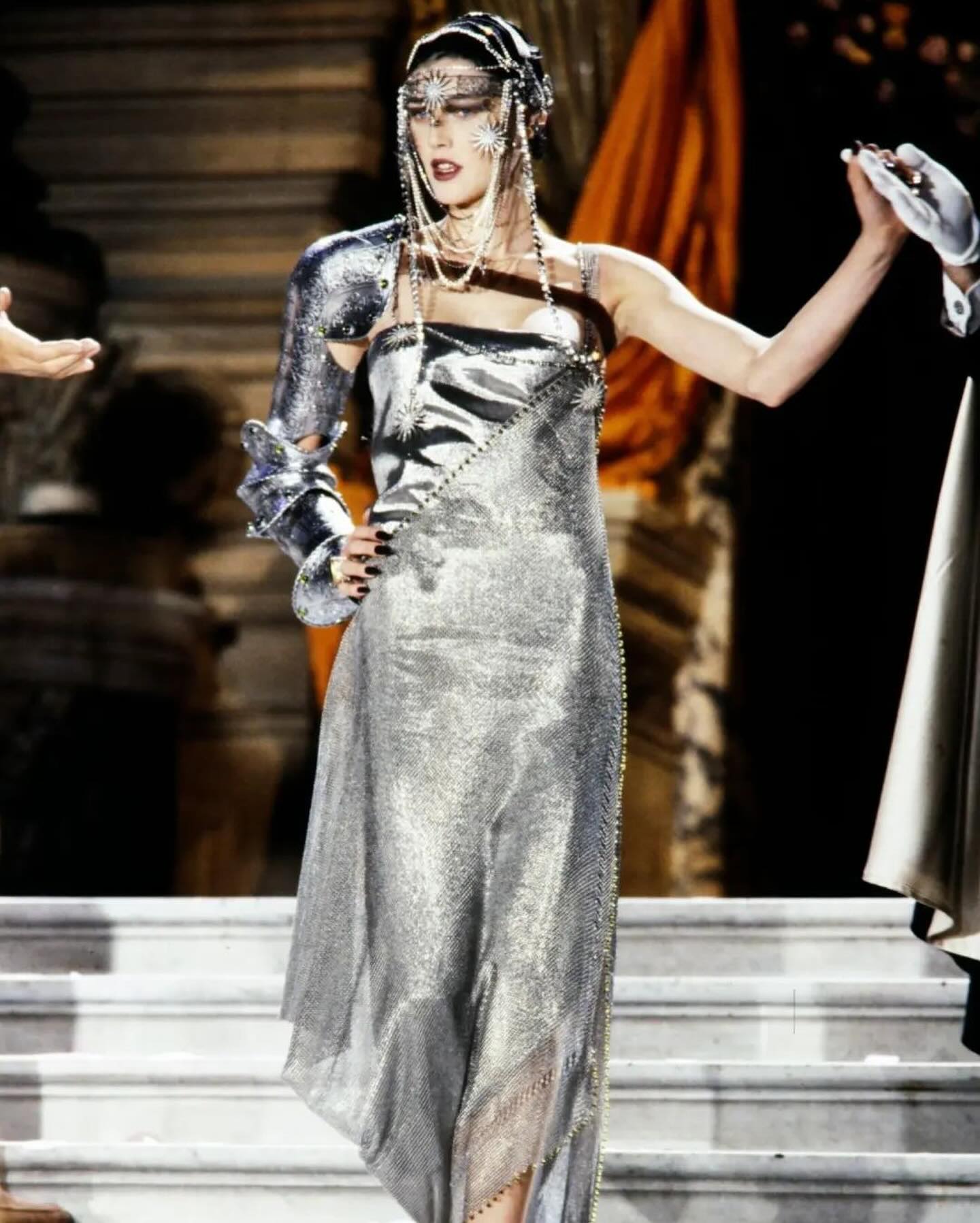
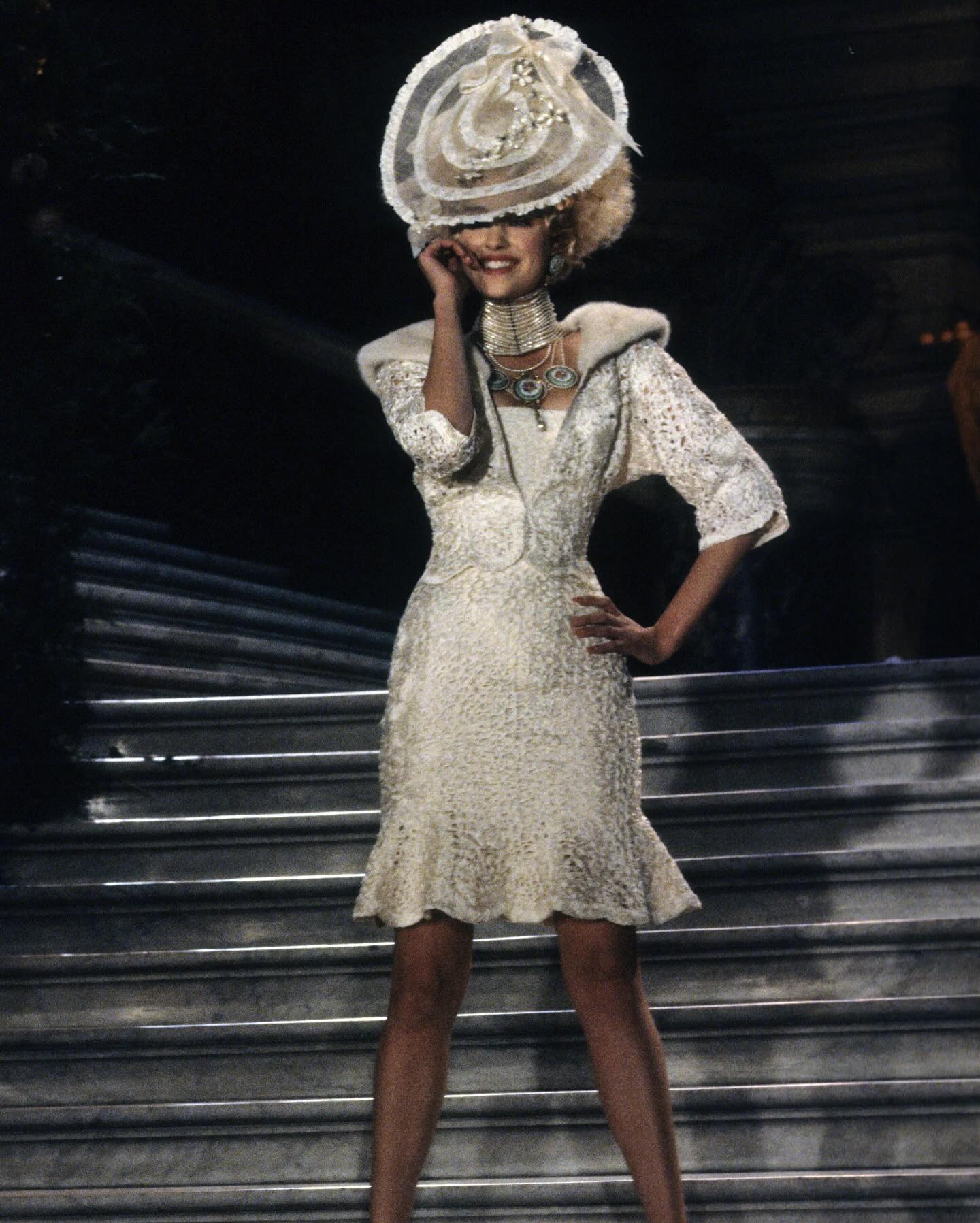
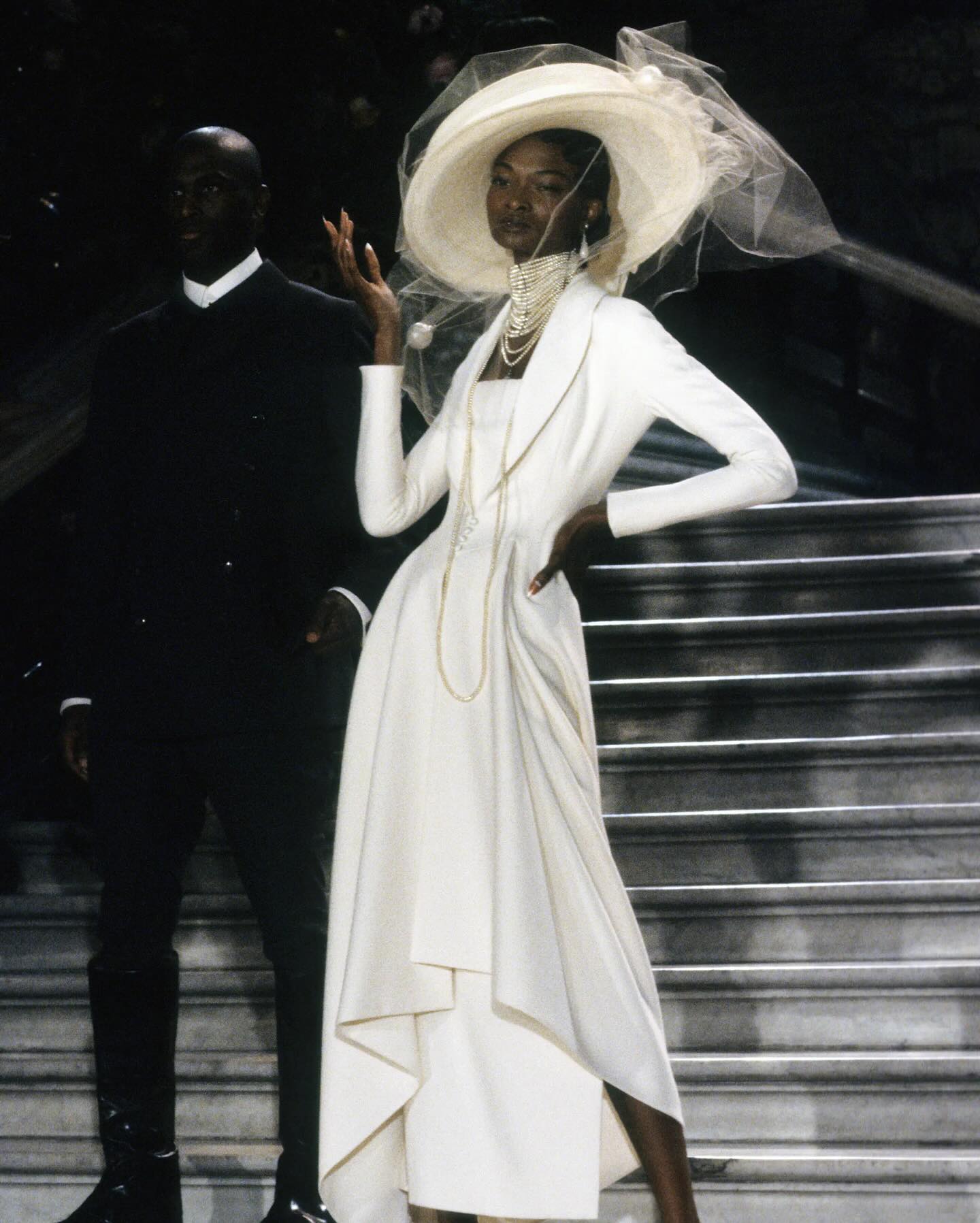
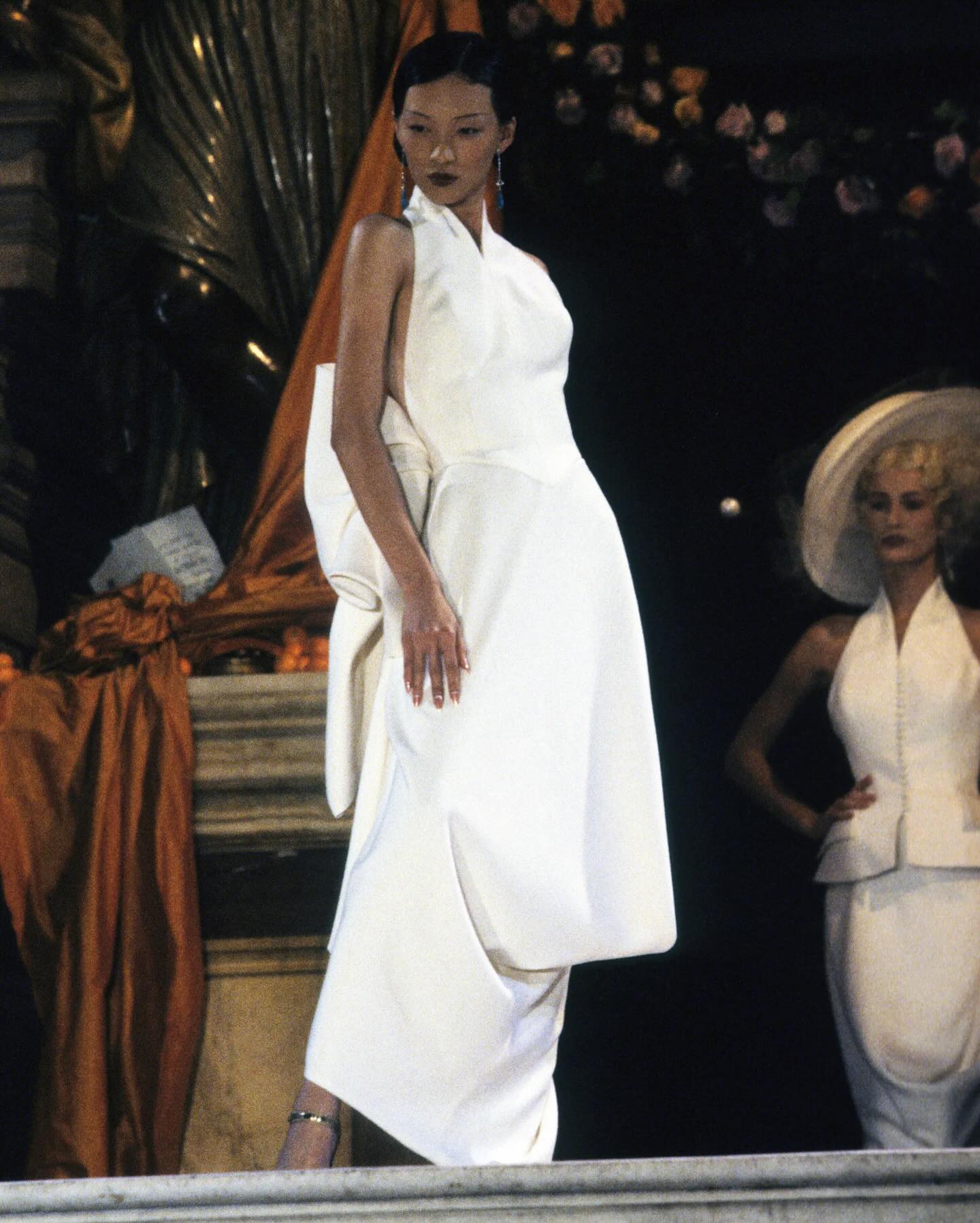
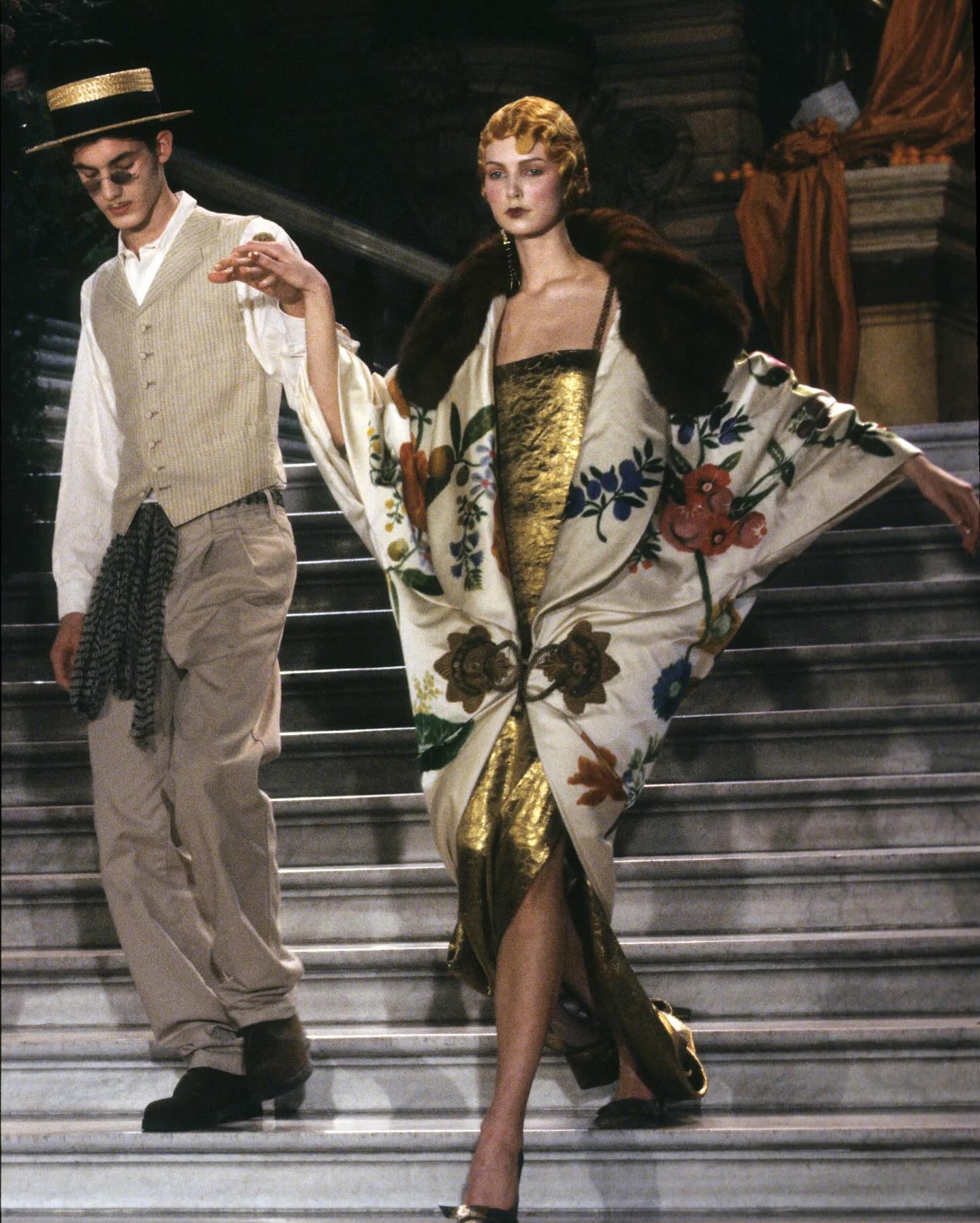
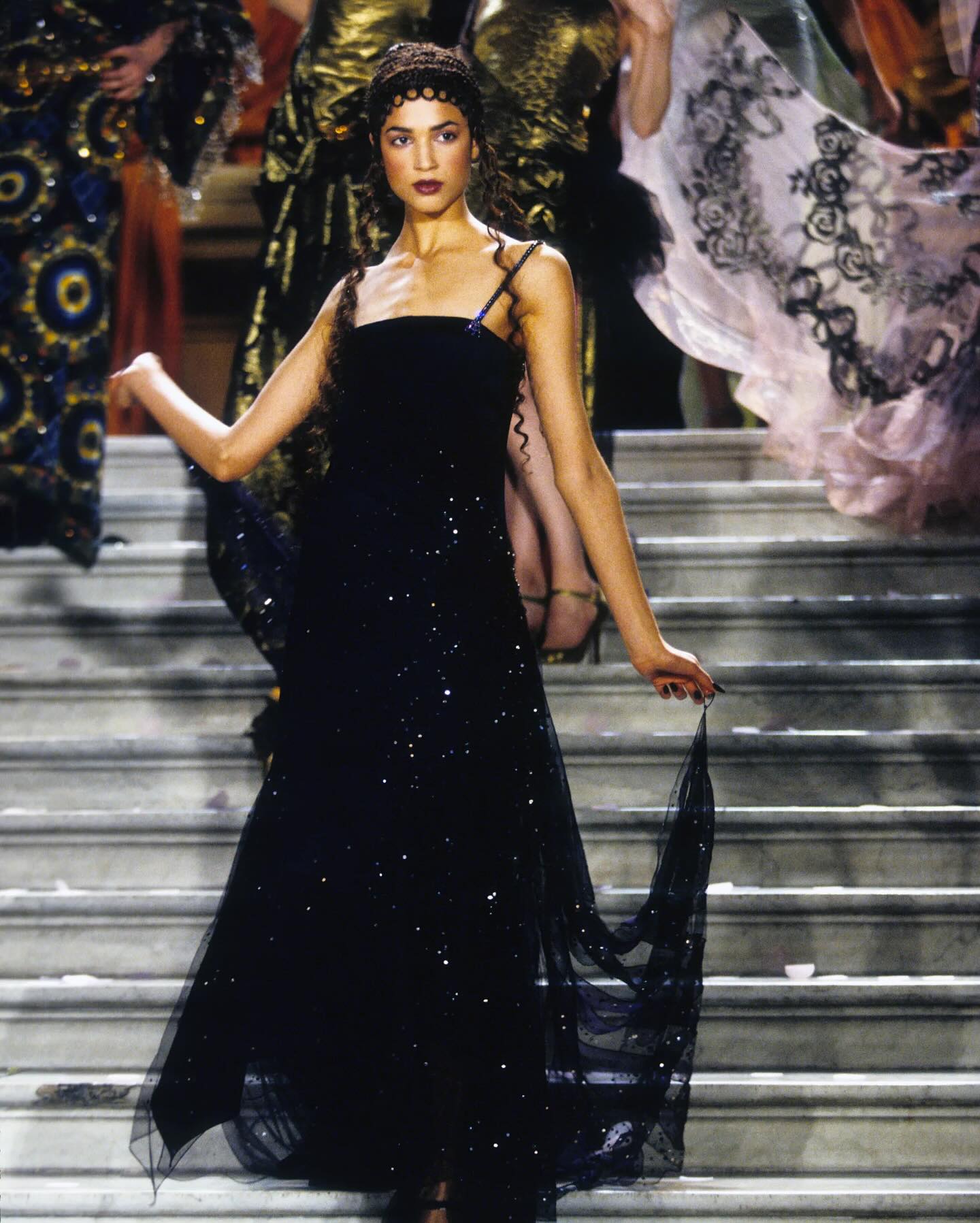
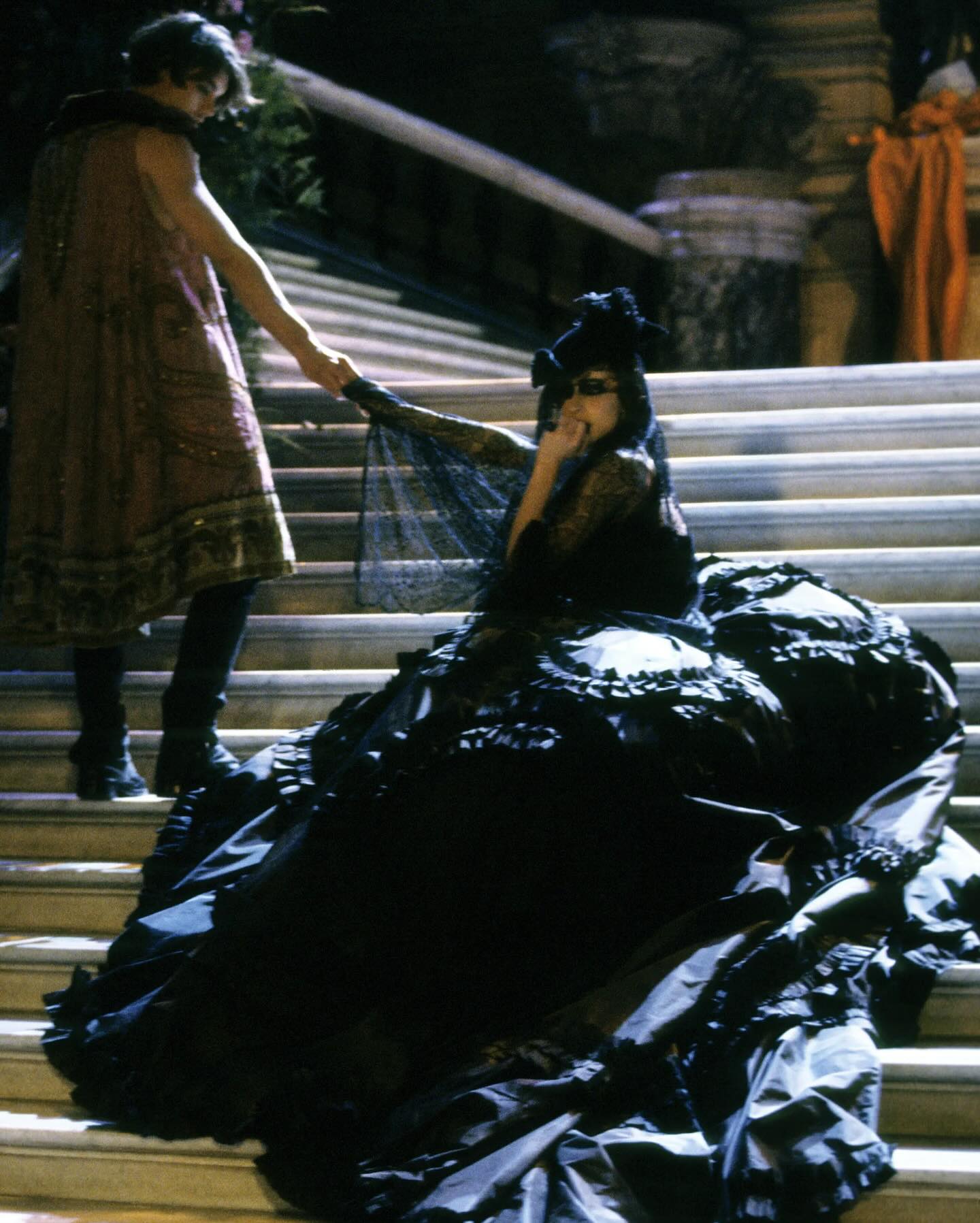
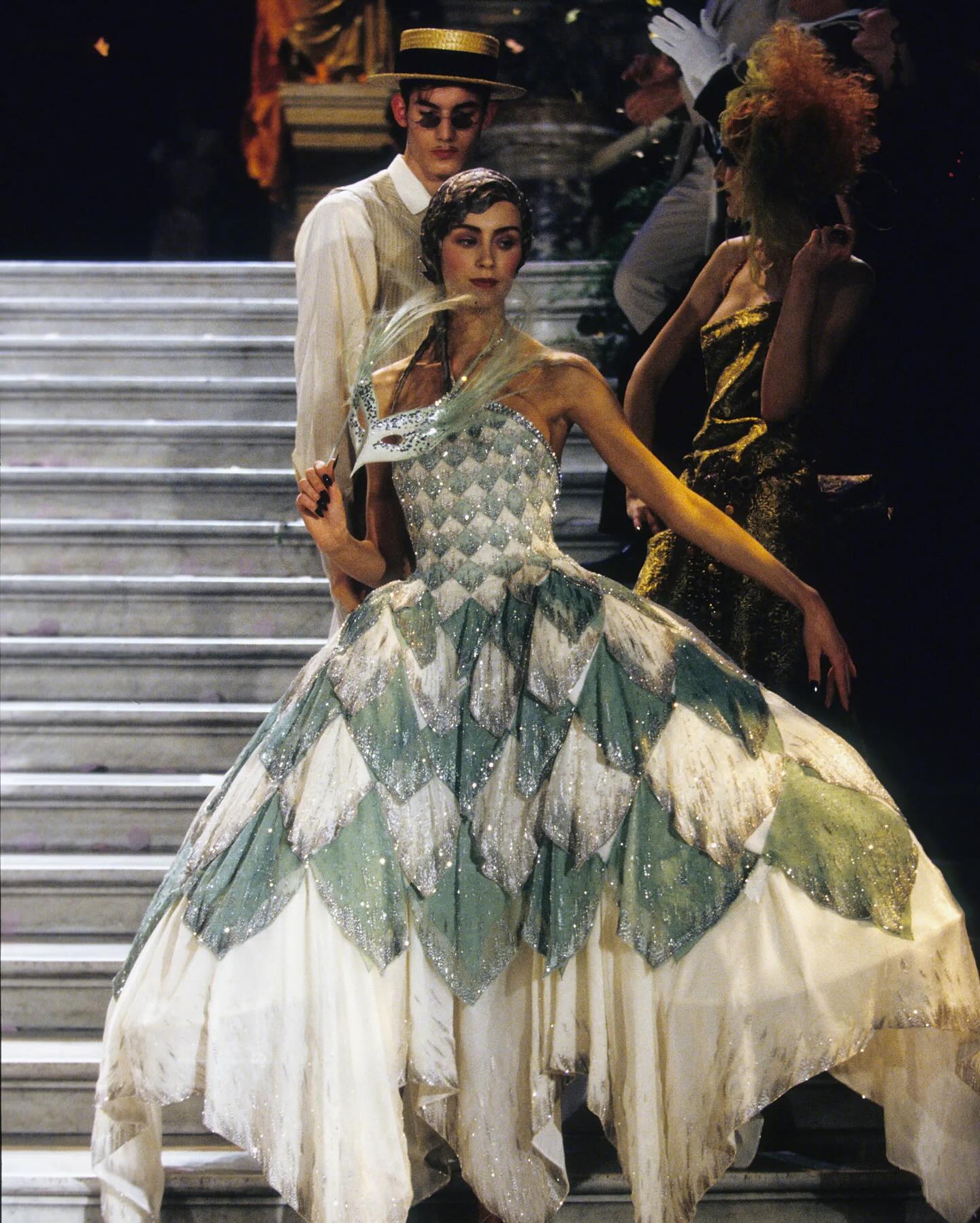
Marchesa Casati was a style icon of early 20th-century Parisian society, whose dramatic and enchanting life inspired countless artists and designers. Galliano channeled her bold aesthetic and theatrical sensibility throughout the collection, reviving her spirit through elaborate headpieces, layered jewelry, and looks featuring star motifs that epitomized the extravagance of elite Parisian women.
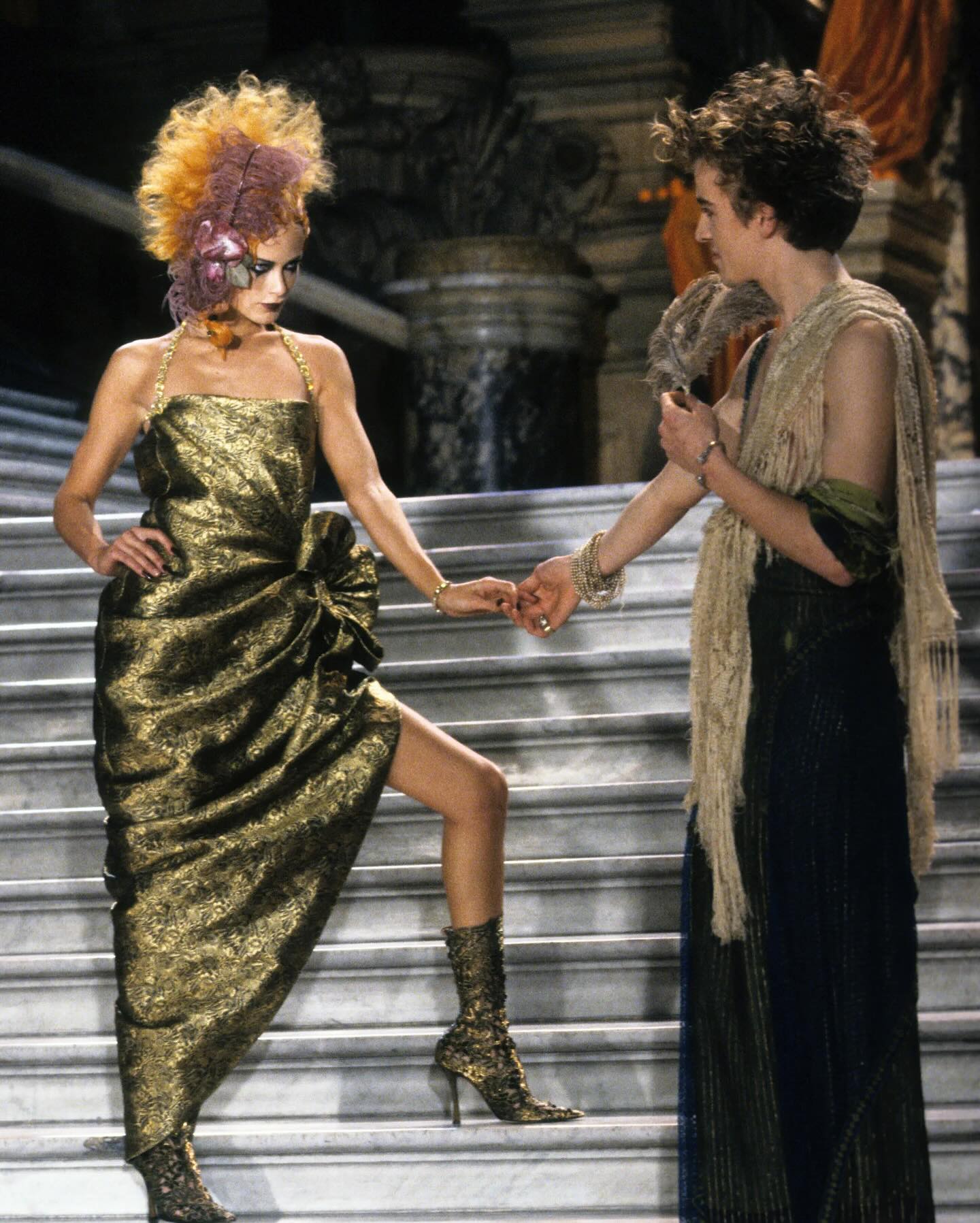
Dior's 98 S/S Haute Couture transcends mere clothing—it is a narrative masterpiece that translates one woman's legendary life into the language of fashion. As one of Galliano's early collections for Dior, it stands as testament to the peak of his imagination and craftsmanship. Twenty-five years later, this collection remains a touchstone among archive fashion enthusiasts, representing the artistic possibilities of couture at its finest.
FAQ
Who was the muse for Dior's 1998 Spring Haute Couture collection?
John Galliano chose Marchesa Casati as his muse. A legendary style icon of early 20th-century Parisian high society, her dramatic and captivating life inspired many artists and designers. Galliano infused her audacious aesthetic throughout the entire collection.
What were the distinctive design elements of the 1998 Dior couture collection?
Ornate headpieces, layered jewelry, and sun-and-star motifs were key features. Dior's affection for celestial symbols combined with Galliano's theatrical storytelling expressed Marchesa Casati's dramatic aesthetic, showcasing the pinnacle of John Galliano's imagination and craftsmanship.
Why is John Galliano's Dior 98 S/S couture important in fashion history?
Because it's a narrative work translating a woman's legendary life into fashion language, transcending mere clothing collection. As one of Galliano's early Dior collections, it remains a benchmark demonstrating couture's artistic possibilities, still discussed among archive fashion enthusiasts twenty-five years later.