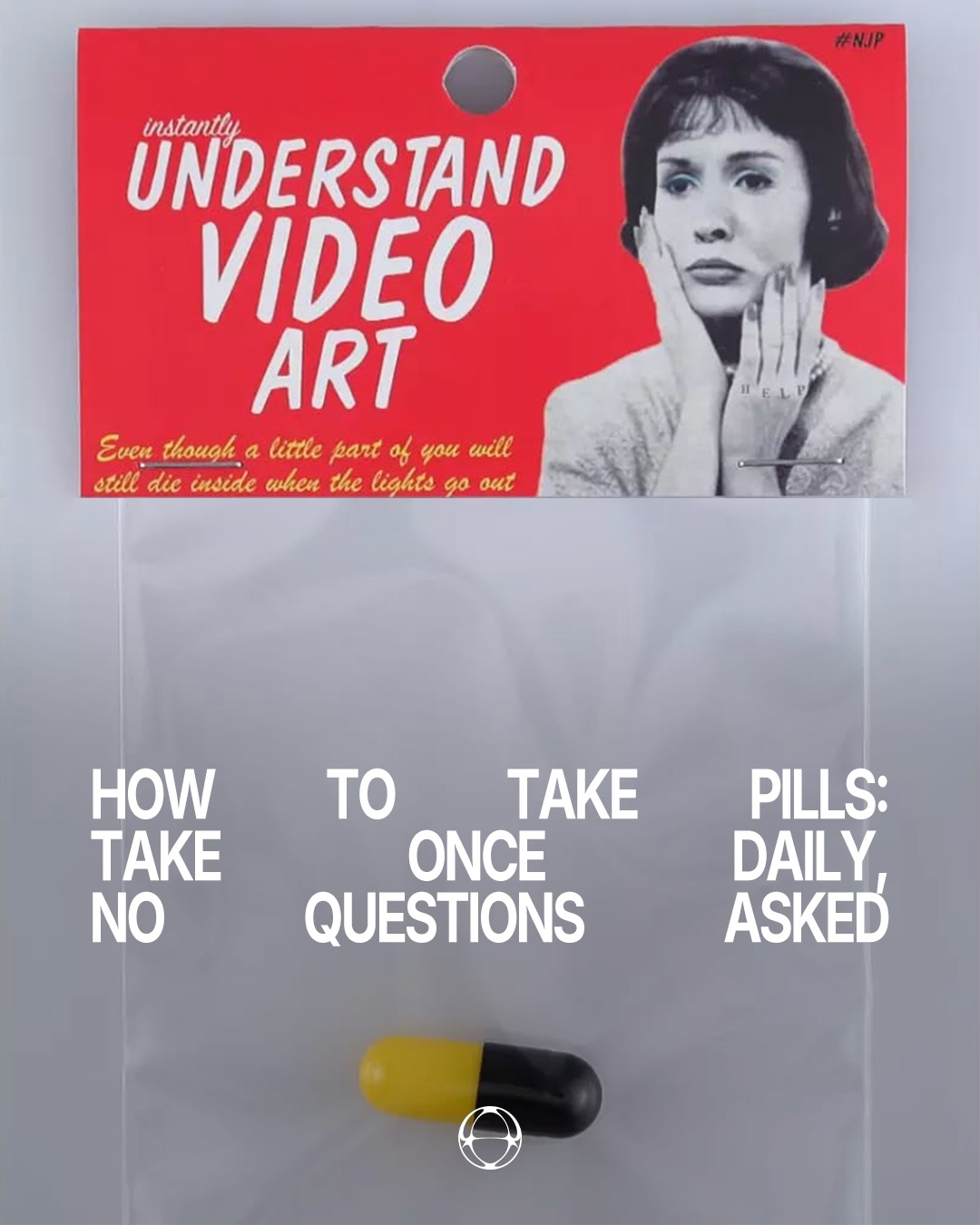
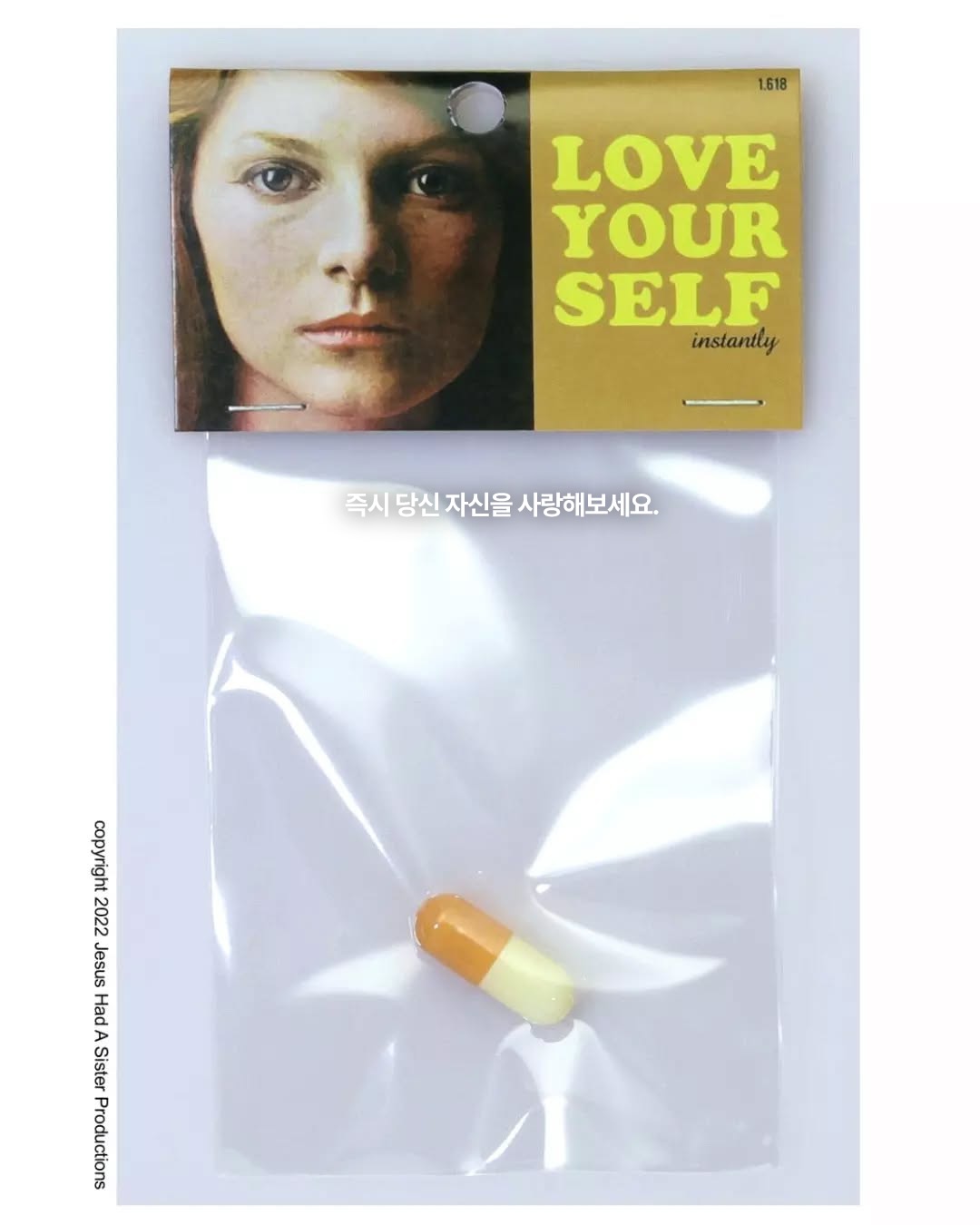
With a fictional backstory claiming it was founded in 1786 by the artist's great-great-great grandfather and has never closed its factory doors for a single day, this imaginary company operates as a fully realized alternate reality. The vintage graphics and product photography resemble old advertising catalogs, but the goods within are conceptual products of desire that cannot be purchased in reality.
The project cleverly collapses the boundary between art and commerce, asking what we truly want in a consumer society. Faced with products promising perfect solutions, what would we choose? Wyse's work parodies the commodification of desire while simultaneously refusing to deny its allure.
It's a sharp commentary on contemporary consumer culture and a conceptual art project articulated through humorous visual language. Which pill do you need right now? Maybe, somehow, it's all of them.








FAQ
What is Dana Wyse's Jesus Had A Sister Productions project?
Jesus Had A Sister Productions is Dana Wyse's fictional corporation project, set with the premise of being established in 1786, selling bizarre products that don't exist in reality—instant solution pills, space food, time travel, espionage devices—exploring the boundary between art and commerce.
What themes does this project address?
This project parodies the commodification of desire in modern consumer society and dismantles the boundary between art and commerce. Through products promising perfect solutions, it questions what we truly want and offers sharp commentary on consumer culture.
What are the visual characteristics of the project?
It uses retro-sensibility vintage graphics and old advertising catalog-style product photography, designed to appear as though it's a genuinely historic company. This visual language is essential to delivering humorous yet conceptual messages.