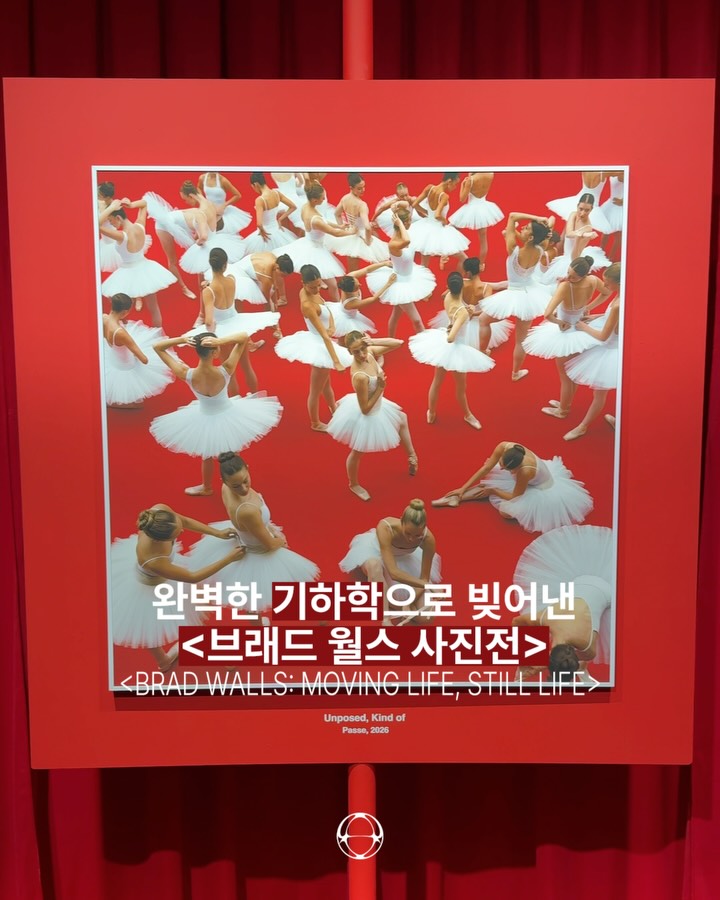
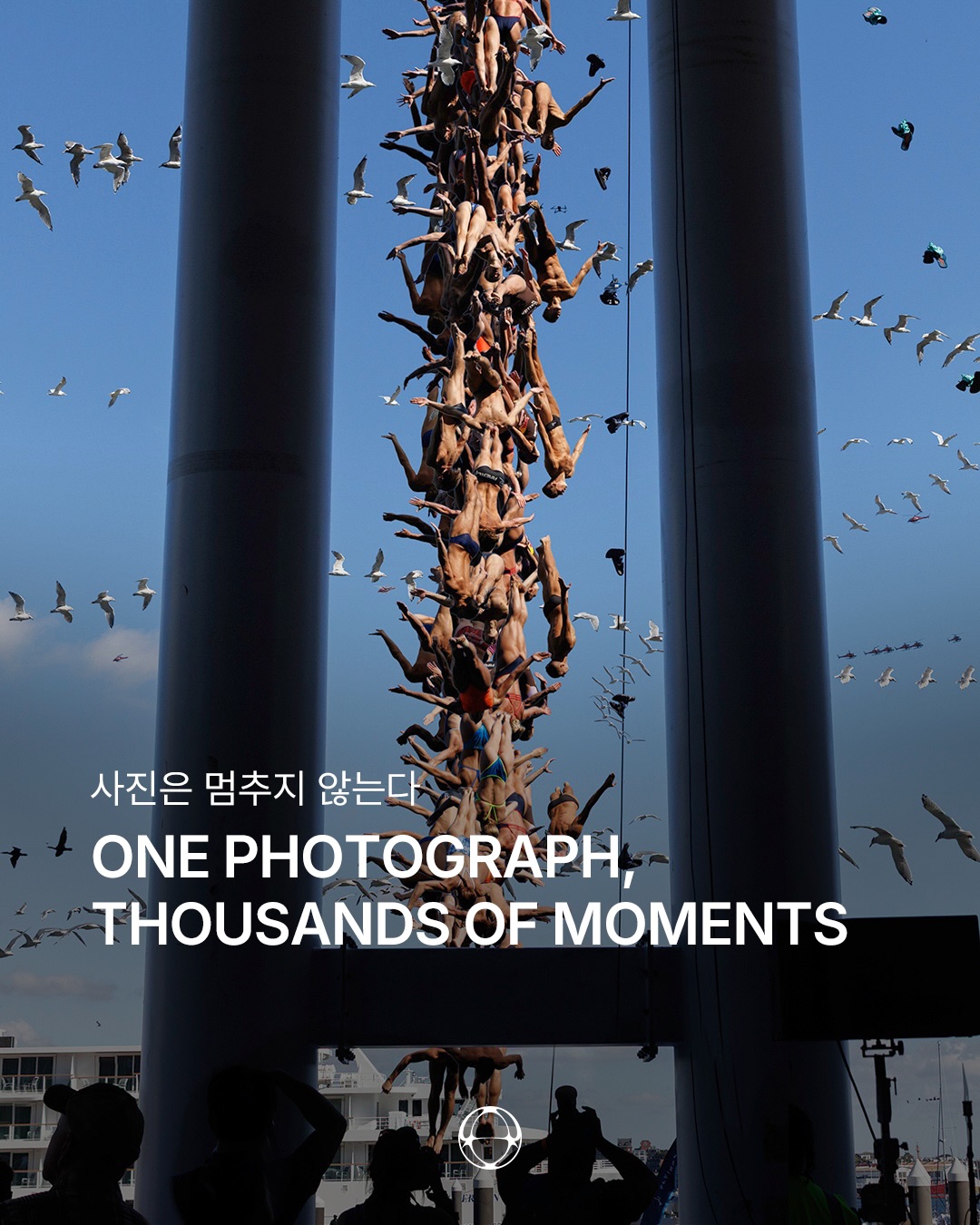
His gaze prioritizes interval over emotion, structure over narrative. Viewed from above, every movement becomes a geometric shape, pushing photography closer to abstraction. Ballet dancers in white tutus morph into geometric patterns; swimming pool lanes become exercises in color composition. The result feels less like photography and more like spatial installation.
Walls' work blurs the boundaries between photography, performance, and graphic design. His images are not captured moments but meticulously planned and choreographed visual experiences. The perfect symmetry and repetition that emerge only through controlled order prove that even human movement can be transformed into artistic material. His aerial perspective strips away context, leaving only form—a radical reimagining of documentary photography as conceptual art.


FAQ
What kind of work does Brad Walls do as a photographer?
Brad Walls is an Australian photographer who uses drones to reconstruct people, architecture, and sports into geometric patterns through aerial photography. He transforms everyday scenes like ballet dancers or swimming pools into abstract visual art by shooting from above, gaining attention for blurring photography and performance boundaries.
Why do Brad Walls's photos look like graphic design?
Brad Walls shoots vertically downward with drones, removing context and leaving only pure form and pattern. Elements like ballerinas' formations or pool lanes create perfect symmetry and repetition from above, appearing like abstract color-field compositions. These are thoroughly planned and staged visual outcomes.
What are the characteristics of Brad Walls's work?
The key characteristics of Brad Walls's work are perfect geometric structure and symmetry captured from an aerial perspective. Prioritizing spacing and structure over emotion or narrative, he reduces human movement to shapes. Though photography, his visual language approaches abstraction rather than documentation, breaking boundaries between photography and performance art.