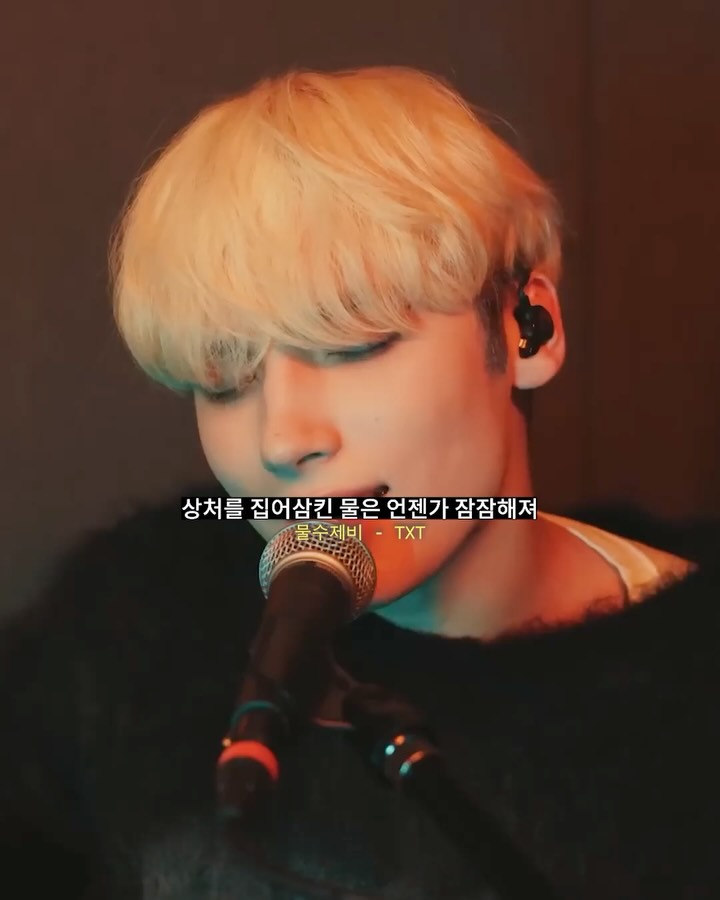
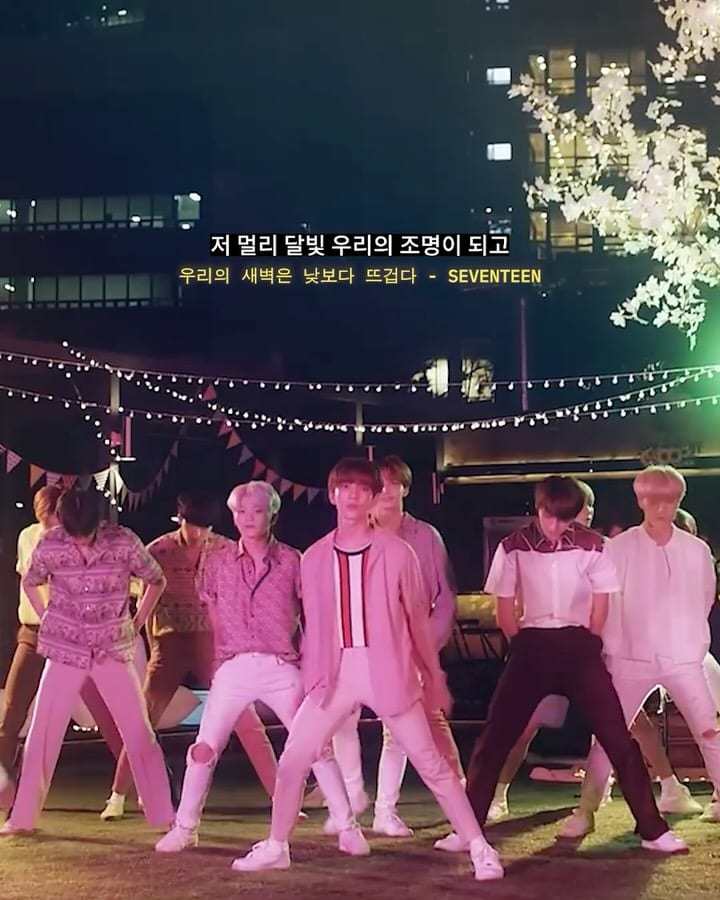
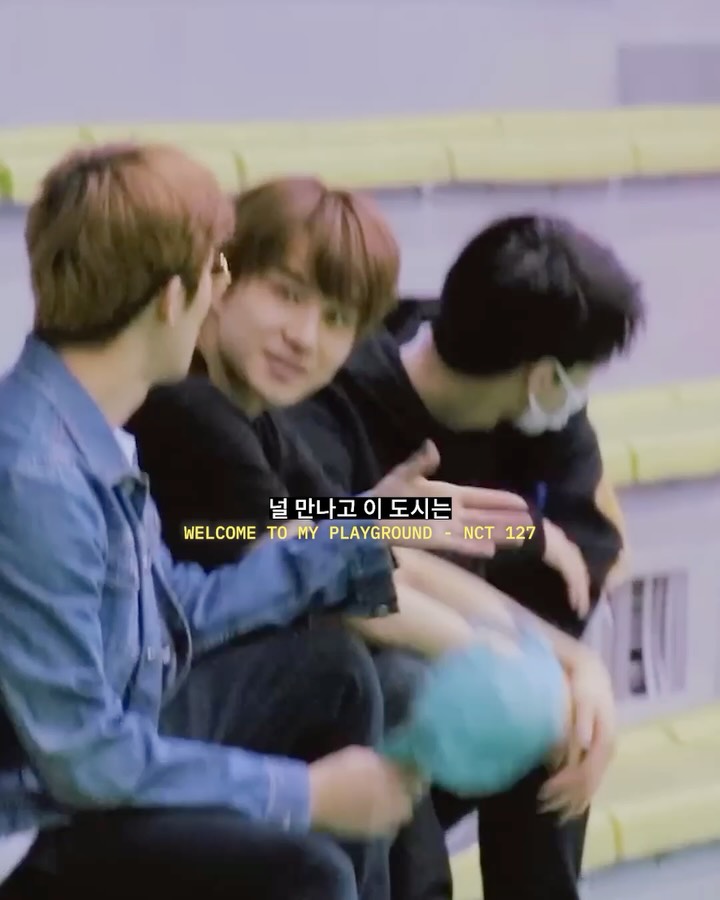
Today is Hangul Day, marking the 580th anniversary of the Korean alphabet. Hangul continues to thrive in K-pop, carrying the language forward with every beat. Look closely at the lyrics beneath the upbeat rhythms, and you'll find lines as beautiful as poetry. Some songs use the language of nature—seasons, nights, stars, and wind—to express longing, while others capture the flutter of new emotions with words that roll softly off the tongue the moment you speak them aloud.
Often, a subtle feeling that English cannot easily translate rests whole and intact in a single Korean word. A short Korean expression can hold more heart than a long sentence. This is why Korean lyrics remain powerful even as K-pop reaches global audiences. There is a grain of emotion in our language that translation simply cannot touch.
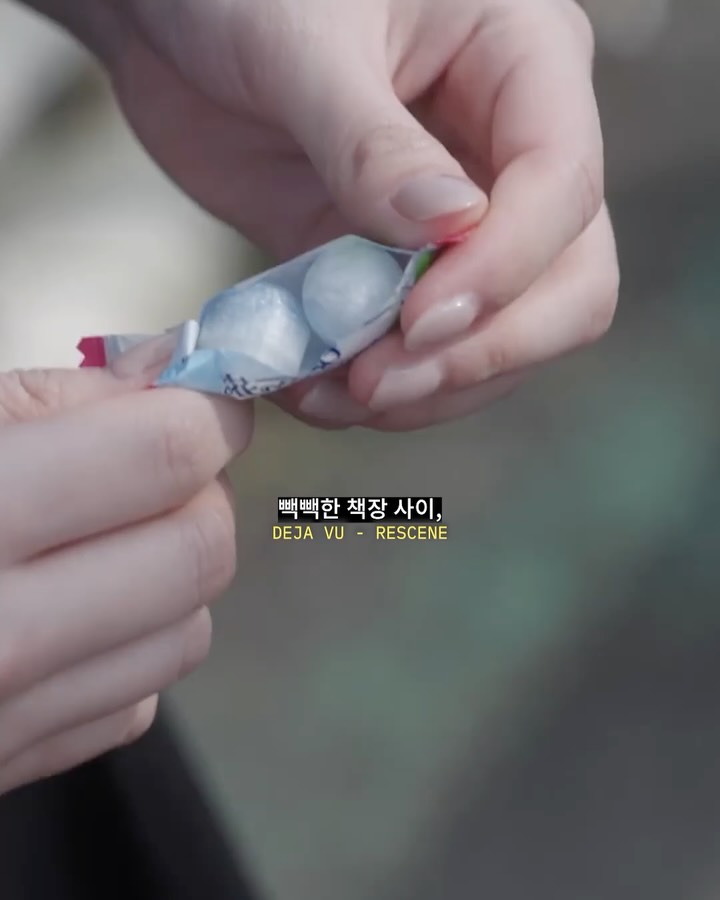
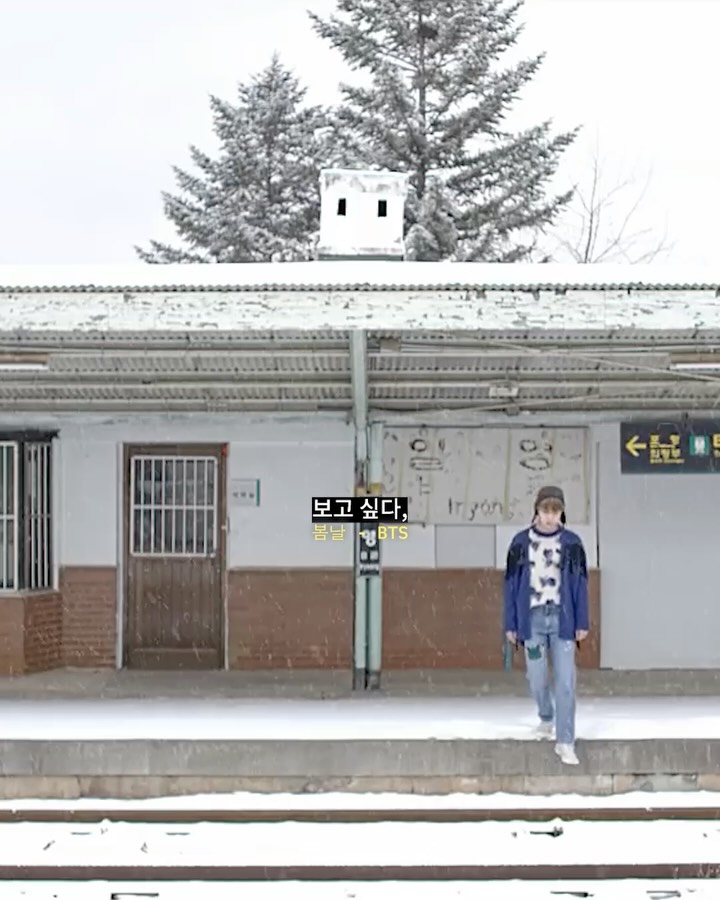
You can find these graceful expressions in songs like 'Dancing Alone' by Kirikiii, 'Deja Vu' by RESCENE, 'Spring Day' by BTS, 'Don't Wanna Cry' by SEVENTEEN, 'The End' by NCT 127, and 'Way To Go' by Girls' Generation. Each song carries a different texture of Korean. Some paint emotion in the language of seasons, others in the language of the senses. One thing unites them: the feelings they hold can only be carried in Hangul.
Today, take a moment to listen for the Hangul in your favorite songs. A lyric you once passed over might strike you in a new way. Read it aloud, and its beauty becomes even clearer. What Korean lyric in K-pop moves you the most?
Often, a subtle feeling that English cannot easily translate rests whole and intact in a single Korean word. A short Korean expression can hold more heart than a long sentence. This is why Korean lyrics remain powerful even as K-pop reaches global audiences. There is a grain of emotion in our language that translation simply cannot touch.
You can find these graceful expressions in songs like 'Dancing Alone' by Kirikiii, 'Deja Vu' by RESCENE, 'Spring Day' by BTS, 'Don't Wanna Cry' by SEVENTEEN, 'The End' by NCT 127, and 'Way To Go' by Girls' Generation. Each song carries a different texture of Korean. Some paint emotion in the language of seasons, others in the language of the senses. One thing unites them: the feelings they hold can only be carried in Hangul.
Today, take a moment to listen for the Hangul in your favorite songs. A lyric you once passed over might strike you in a new way. Read it aloud, and its beauty becomes even clearer. What Korean lyric in K-pop moves you the most?


FAQ
When is Hangeul Day?
Hangeul Day falls on October 9th every year. In 2025, it marks the 580th anniversary of the Korean alphabet's creation—a day to celebrate Hangeul's excellence and rediscover the beauty of the Korean language.
Which K-pop songs showcase the beauty of Hangeul in their lyrics?
'Dancing Alone' by Kirikiii, 'Deja Vu' by RESCENE, 'Spring Day' by BTS, 'Don't Wanna Cry' by SEVENTEEN, 'The End' by NCT 127, and 'Way To Go' by Girls' Generation all feature exquisite Korean expressions, drawing emotion through the language of nature and sensation.
Why do Korean lyrics matter so much in K-pop?
Because a single Korean word can hold nuanced emotion that's nearly impossible to convey in English. The grain of feeling embedded in our language remains untranslatable, which is why Korean lyrics continue to resonate powerfully even as K-pop expands worldwide.