10 more of 12 images
This editorial opens with a PREMIUM membership
STANDARD currently covers editorials published since 2026.04
PREMIUM · the full archive since 2019
See membershipPREMIUM · the full archive since 2019
DOWNLOADS
Cover and logo image downloads are for Standard members.
Contributing creators: the tearsheet and hi-res images of your own editorial are included from Standard (€5.49/mo).
Contributing creators: the tearsheet and hi-res images of your own editorial are included from Standard (€5.49/mo).
Personal, non-commercial use only
Brands in this editorial
FAQ
What's the shooting location and setting for PARASITES?
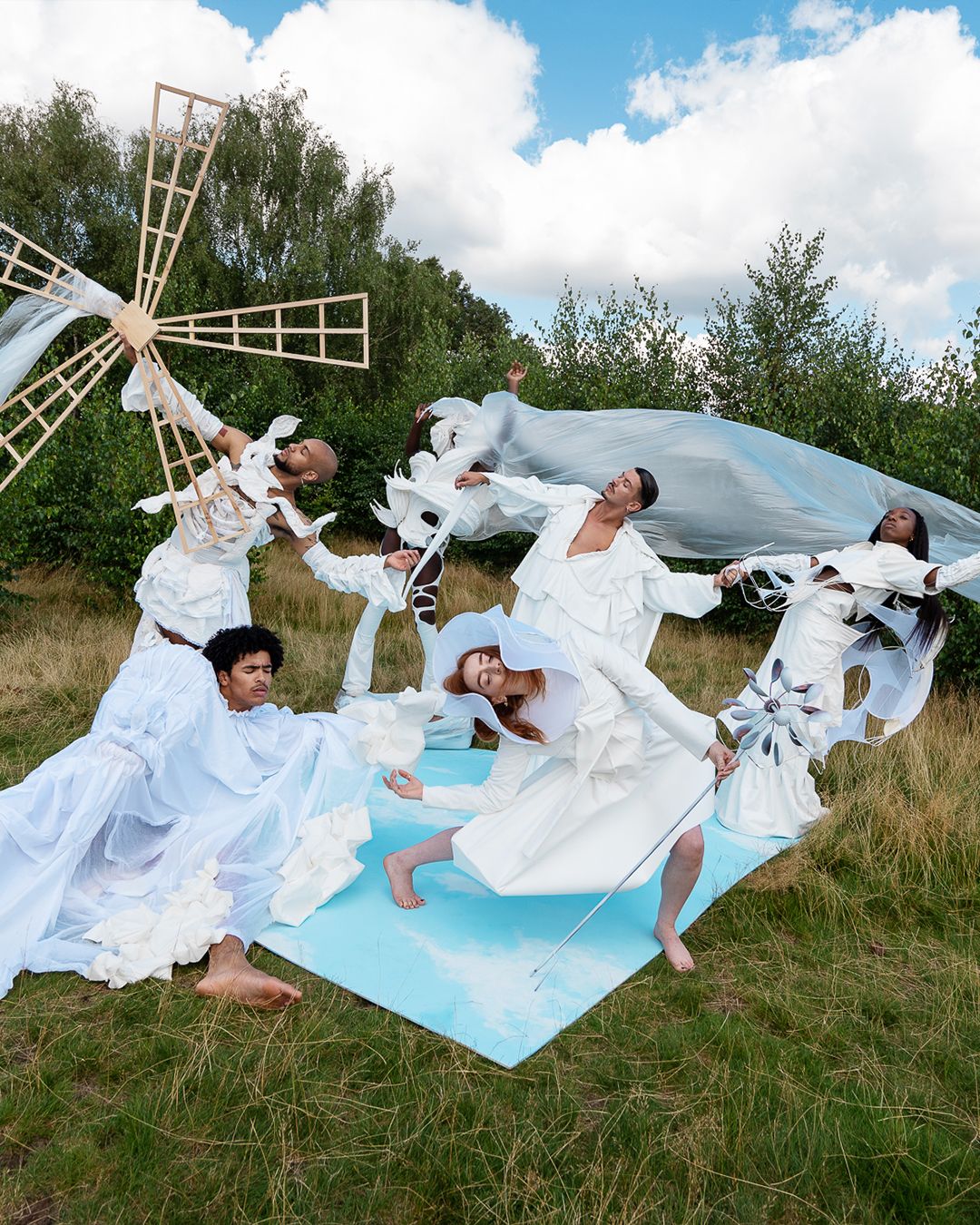
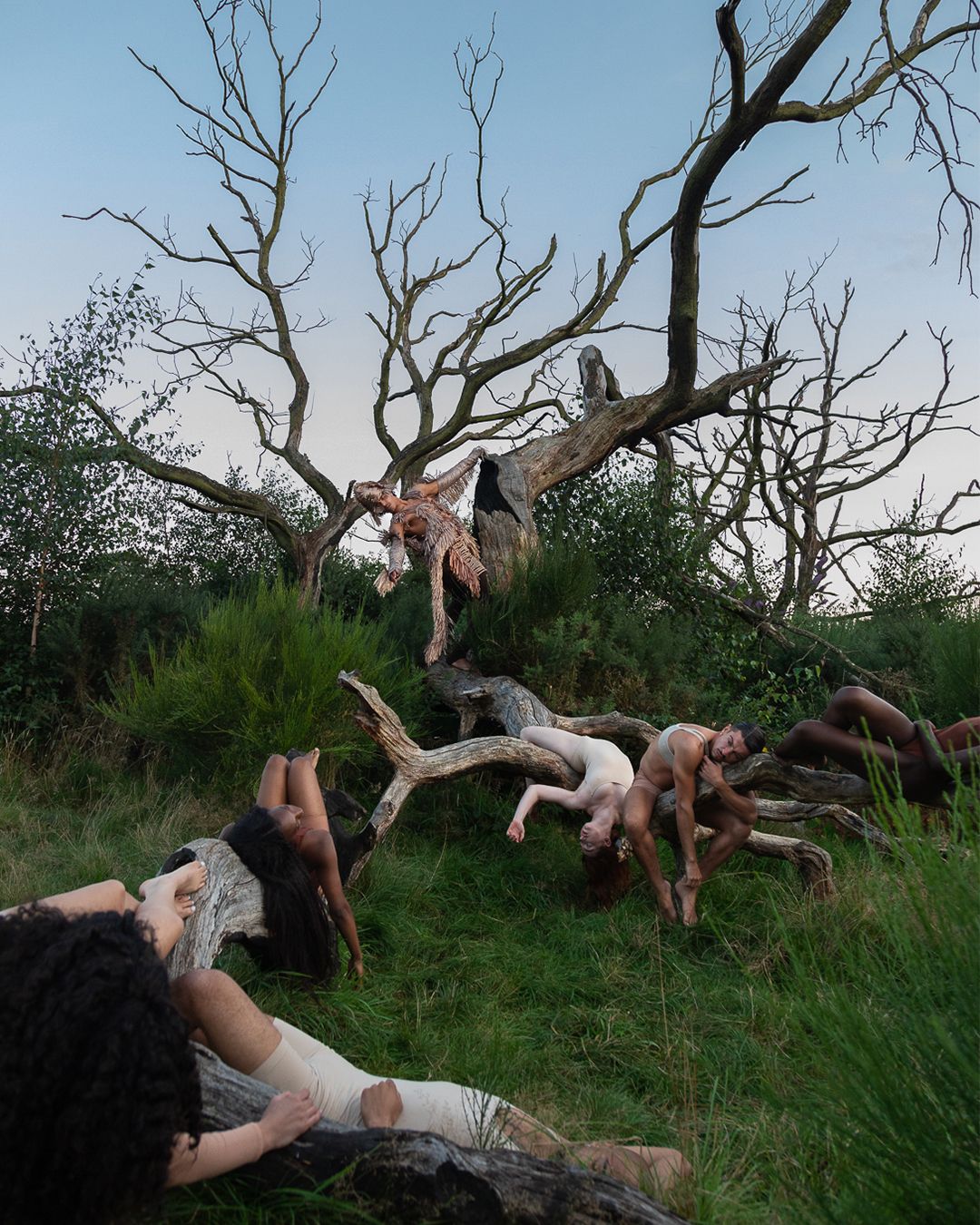
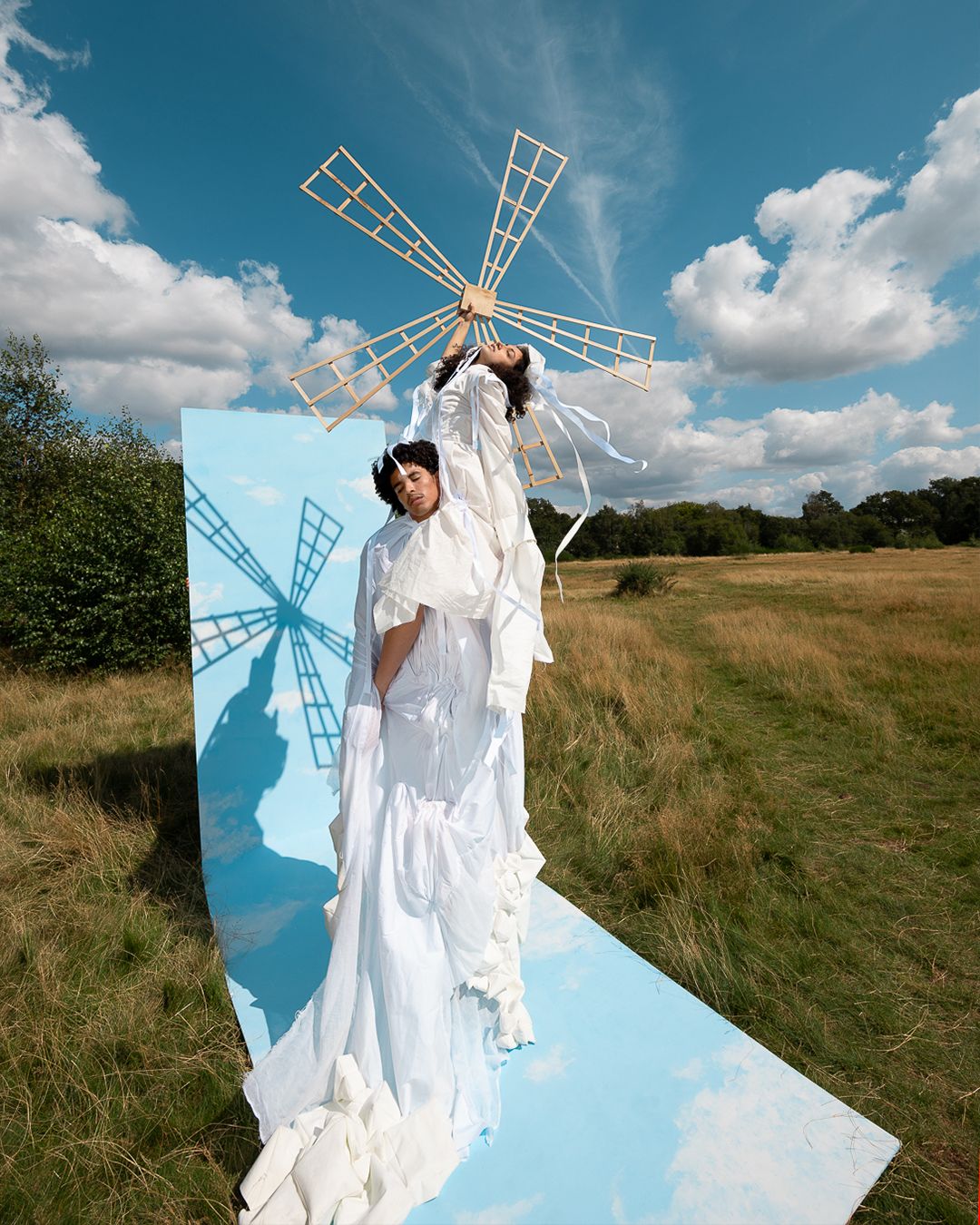
Shot on a light-blue canvas over dry grassland, between wooden-frame windmill structures and dead trees, using natural light to capture a pastoral yet anxiously tense atmosphere.
What garment materials are used in this editorial?
White organic cotton and tulle, beige and ivory-toned knitwear and underwear emphasize organic textures throughout the series.
What does the visual narrative of PARASITES signify?
Blurring boundaries between nature and artificial structures, organisms and inorganic matter, it's composed as a performance document carrying metaphors of parasitism and symbiosis.
%22%2F%3E%3Ctext%20x%3D%22200%22%20y%3D%22250%22%20text-anchor%3D%22middle%22%20fill%3D%22rgba(255%2C255%2C255%2C0.2)%22%20font-family%3D%22sans-serif%22%20font-size%3D%2213%22%20font-weight%3D%22bold%22%20letter-spacing%3D%222%22%3ETIME%20CAPSULE%3C%2Ftext%3E%3Ctext%20x%3D%22200%22%20y%3D%22275%22%20text-anchor%3D%22middle%22%20fill%3D%22rgba(255%2C255%2C255%2C0.1)%22%20font-family%3D%22sans-serif%22%20font-size%3D%2210%22%20letter-spacing%3D%223%22%3EPAP%20MAGAZINE%3C%2Ftext%3E%3C%2Fsvg%3E)