15 more of 17 images
This editorial opens with a PREMIUM membership
STANDARD currently covers editorials published since 2026.04
PREMIUM · the full archive since 2019
See membershipPREMIUM · the full archive since 2019
DOWNLOADS
Cover and logo image downloads are for Standard members.
Contributing creators: the tearsheet and hi-res images of your own editorial are included from Standard (€5.49/mo).
Contributing creators: the tearsheet and hi-res images of your own editorial are included from Standard (€5.49/mo).
Personal, non-commercial use only
Brands in this editorial
FAQ
What's the concept of the LA VALSE DES MONSTRES editorial?
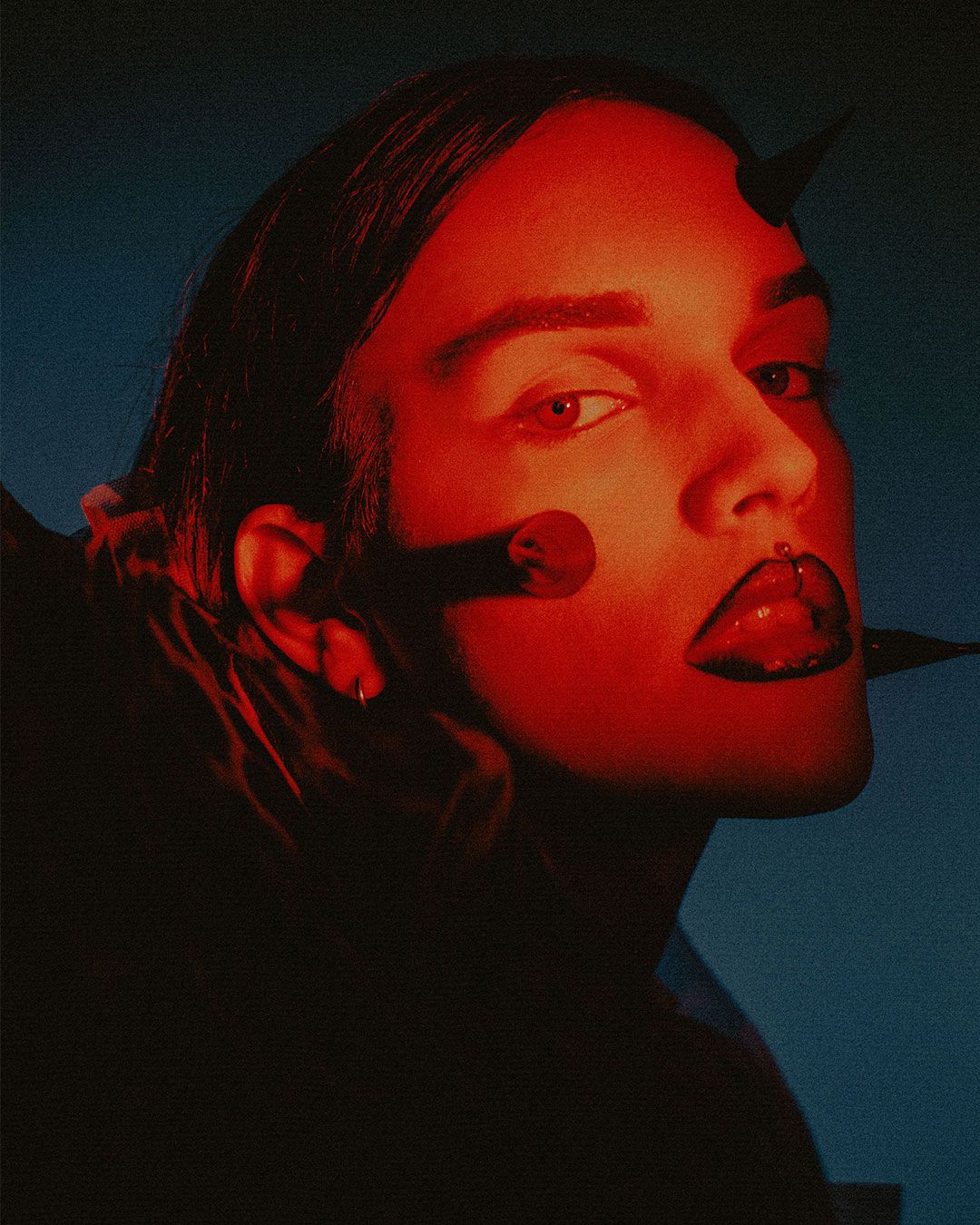
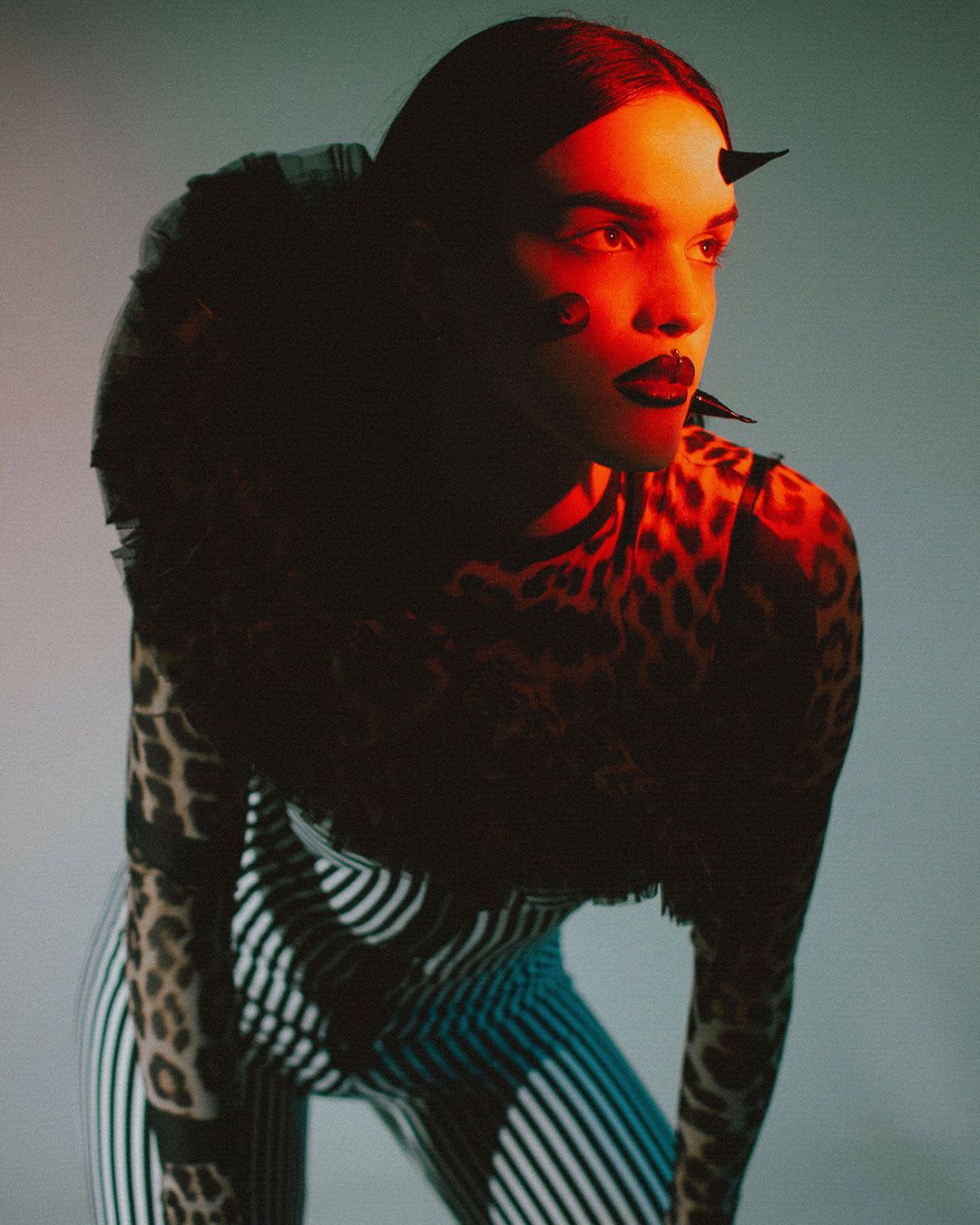
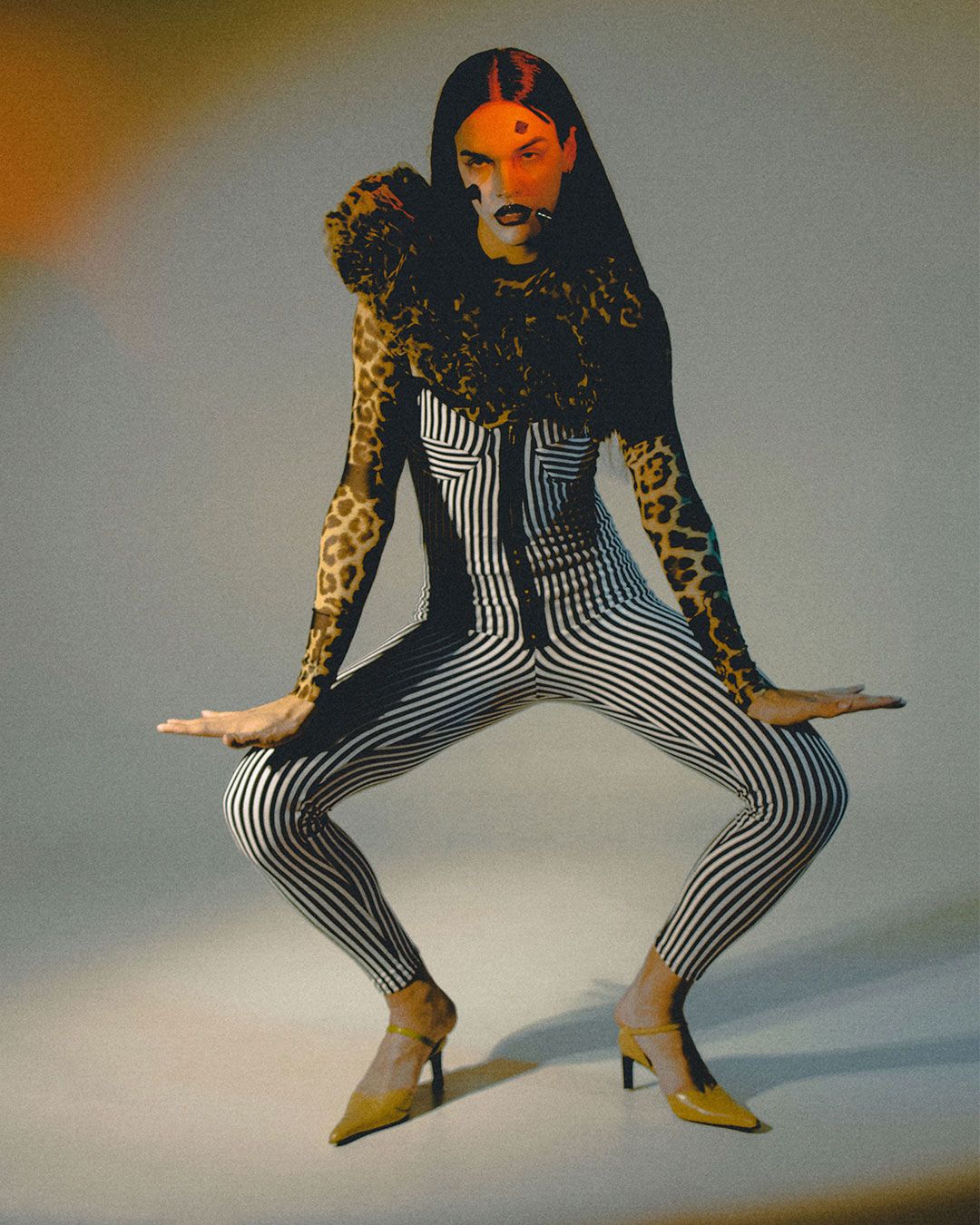
Themed around a waltz of monsters, it proposes both wildness and mechanical beauty through choreography-like staging between red lighting and optical illusions, expressing the character's inhumanity.
What garments and patterns were used in LA VALSE DES MONSTRES?
Black-and-white striped bodysuits, leopard-print gloves, fur collars, geometric striped catsuits, and leopard sleeves with fur stoles layer prints and textures together.
How were the lighting and color palette executed in LA VALSE DES MONSTRES?
Intense red filters saturate the face while orange light beams from the front melt skin and print together; grain texture and color temperature contrast revive analog film's tactility.
%22%2F%3E%3Ctext%20x%3D%22200%22%20y%3D%22250%22%20text-anchor%3D%22middle%22%20fill%3D%22rgba(255%2C255%2C255%2C0.2)%22%20font-family%3D%22sans-serif%22%20font-size%3D%2213%22%20font-weight%3D%22bold%22%20letter-spacing%3D%222%22%3EESCAPE%20%26amp%3B%20WONDERLAND%3C%2Ftext%3E%3Ctext%20x%3D%22200%22%20y%3D%22275%22%20text-anchor%3D%22middle%22%20fill%3D%22rgba(255%2C255%2C255%2C0.1)%22%20font-family%3D%22sans-serif%22%20font-size%3D%2210%22%20letter-spacing%3D%223%22%3EPAP%20MAGAZINE%3C%2Ftext%3E%3C%2Fsvg%3E)