6 more of 8 images
This editorial opens with a PREMIUM membership
STANDARD currently covers editorials published since 2026.04
PREMIUM · the full archive since 2019
See membershipPREMIUM · the full archive since 2019
DOWNLOADS
Cover and logo image downloads are for Standard members.
Contributing creators: the tearsheet and hi-res images of your own editorial are included from Standard (€5.49/mo).
Contributing creators: the tearsheet and hi-res images of your own editorial are included from Standard (€5.49/mo).
Personal, non-commercial use only
FAQ
Who styled the HOMEBODIES editorial?
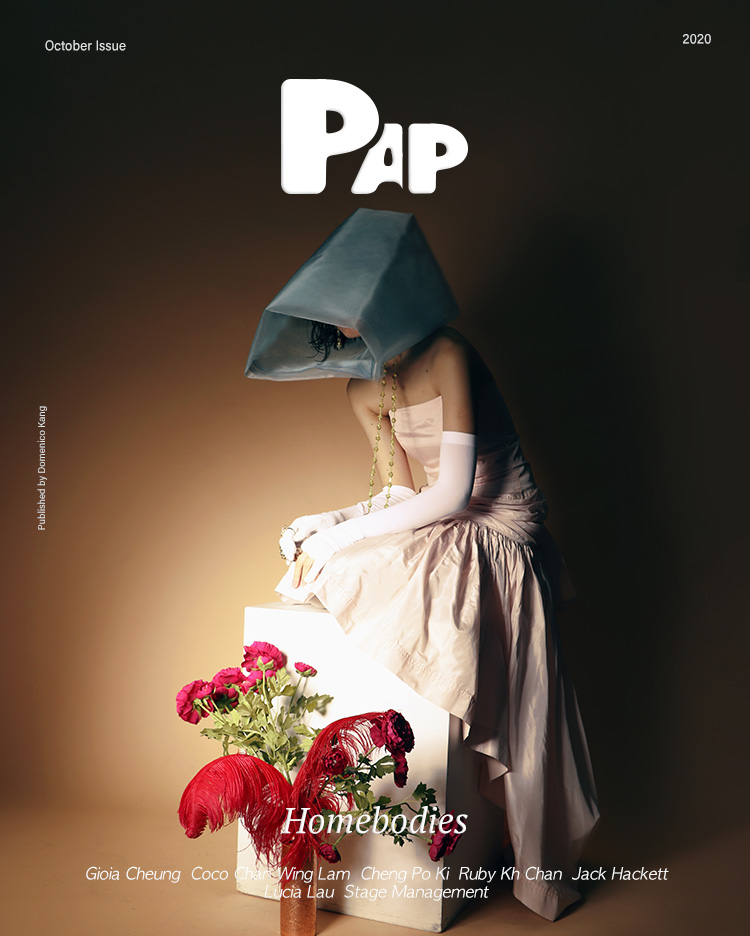
Styled by Gioia Cheung and Coco, with Wing Lam, Cheng Po Ki, Ruby Kh Chan, and Jack Hackett collaborating to reinterpret the aesthetics of pandemic-era isolation as staged performance.
What is the main concept of the HOMEBODIES editorial?
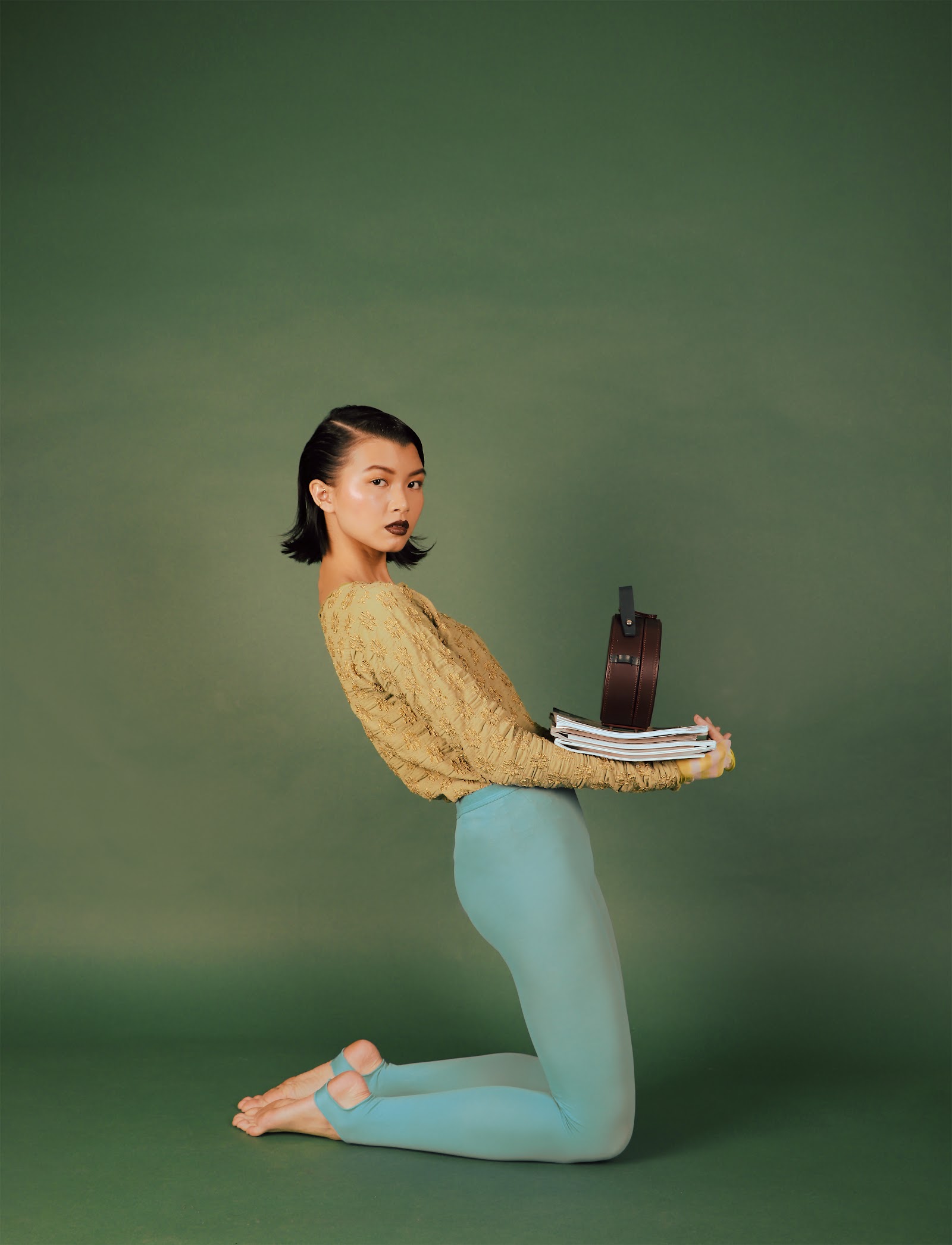
Transforming the isolated space of home into an intimate theater, repositioning symbols of domestic labor within studio portraiture to simultaneously capture the dignity and theatricality found in domestic life.
What styling techniques are used in HOMEBODIES?
Instead of ordinary homewear, structural layering and textures—crinkled cotton, transparent veils, glossy nylon—are overlapped to transform the domestic body into a stage performer.