15 more of 17 images
This editorial opens with a PREMIUM membership
STANDARD currently covers editorials published since 2026.04
PREMIUM · the full archive since 2019
See membershipPREMIUM · the full archive since 2019
DOWNLOADS
Cover and logo image downloads are for Standard members.
Contributing creators: the tearsheet and hi-res images of your own editorial are included from Standard (€5.49/mo).
Contributing creators: the tearsheet and hi-res images of your own editorial are included from Standard (€5.49/mo).
Personal, non-commercial use only
Brands in this editorial
FAQ
What are the styling characteristics of the An Ode to Rick editorial?
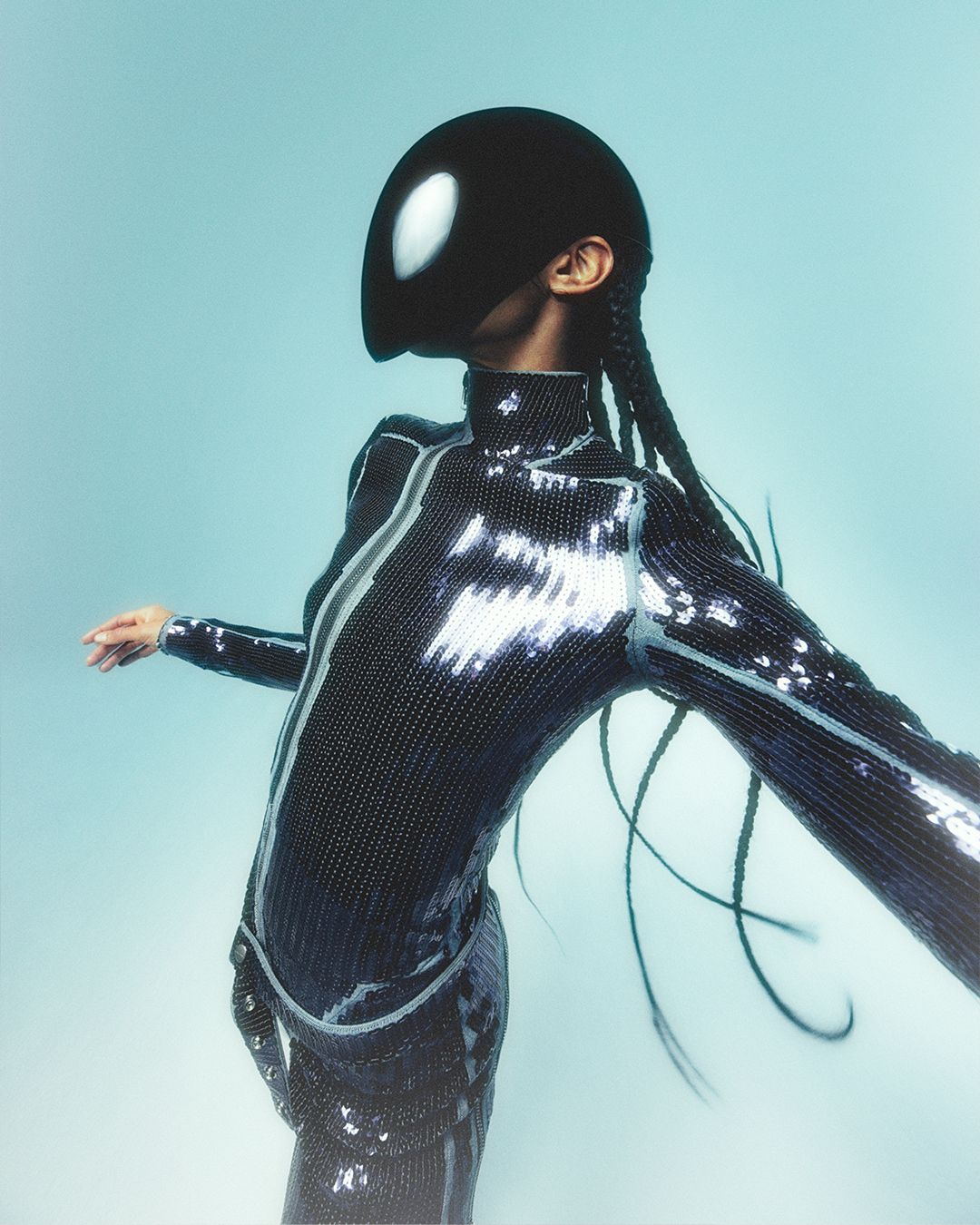
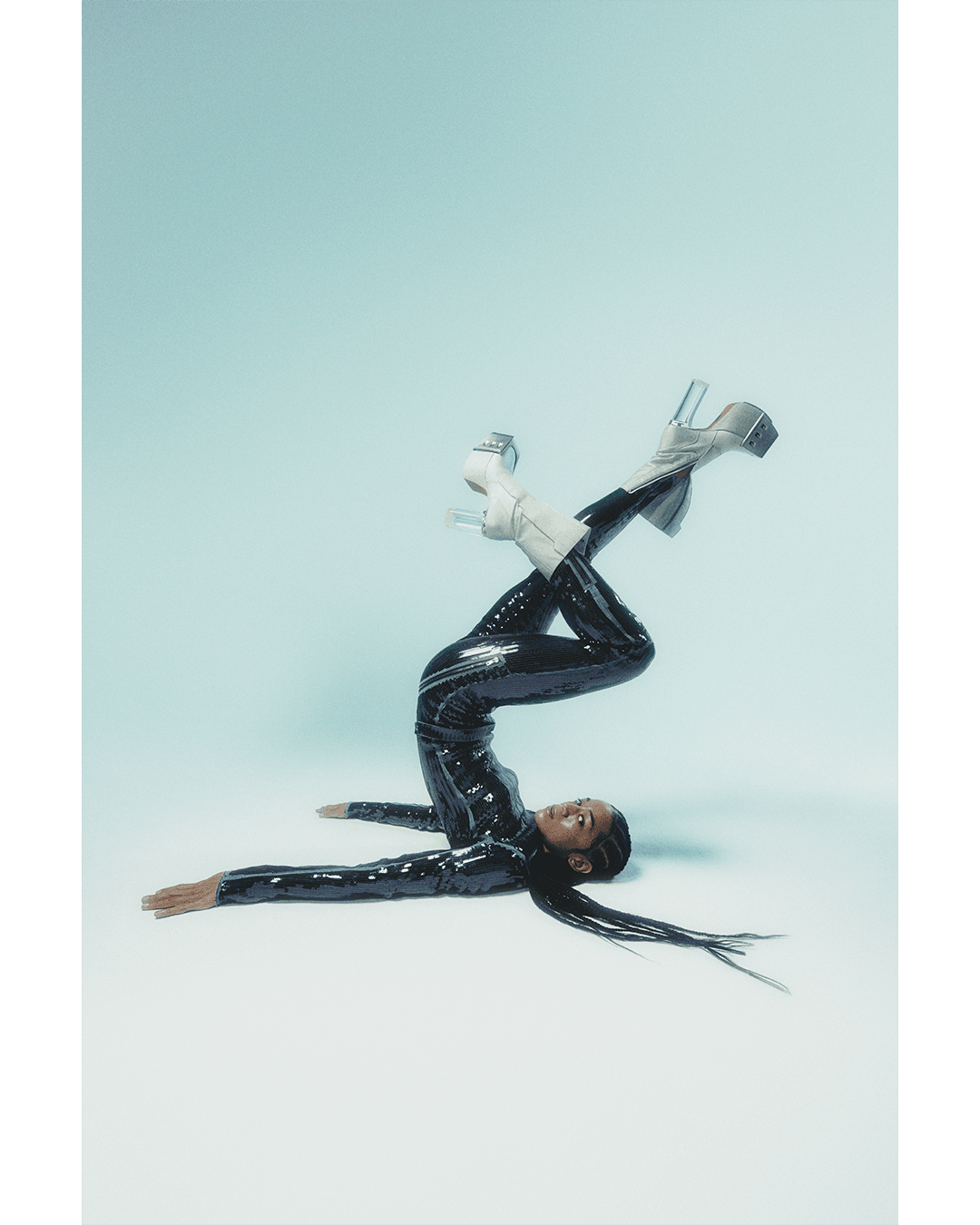
Black knit fabrics meet white paint-splatter patterns and sky-blue piping that trace architectural lines. Glossy textures combine with silver platform shoes for an avant-garde styling statement.
What is the concept of this editorial?
This experimental concept navigates extreme black-and-white palettes, colliding glossy materials with matte skin and organic forms with mechanical structures, reinterpreting the body as futuristic sculpture.
How is the face expressed in An Ode to Rick?
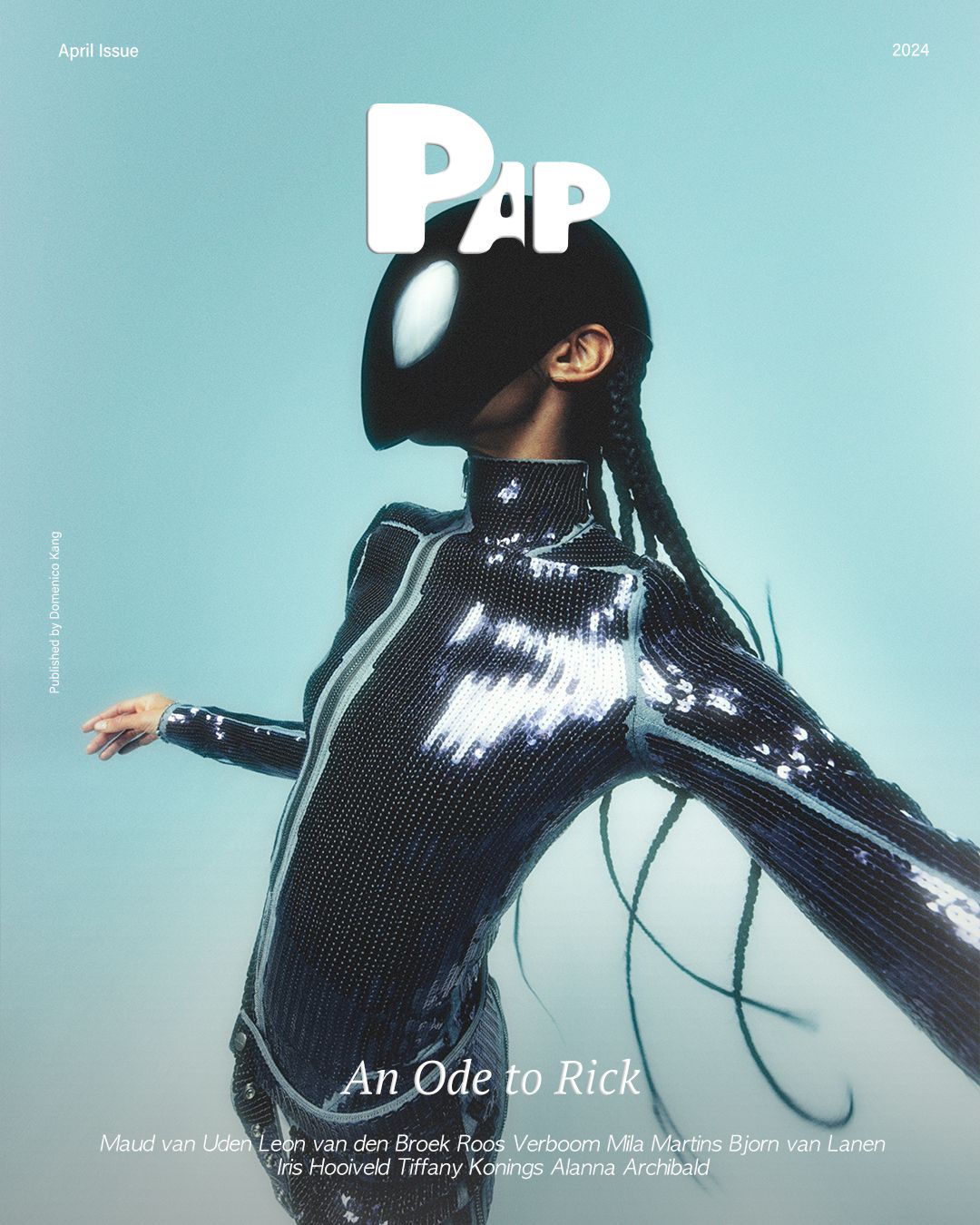
A black mask envelops the entire face, leaving only one oval opening. It erases identity, blurs boundaries between human and object, and serves as a sculptural anchor.