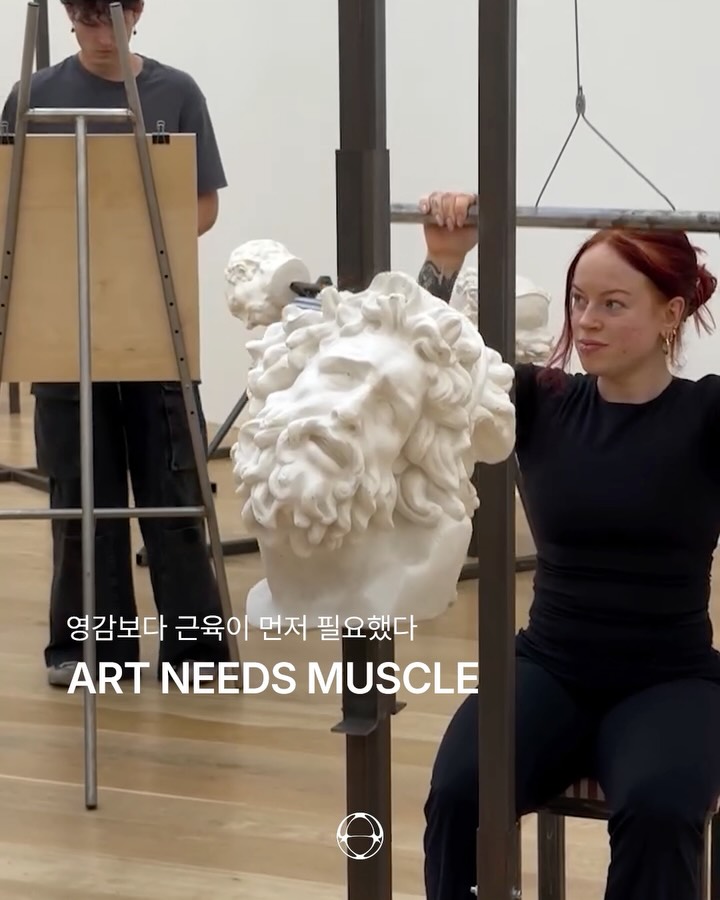
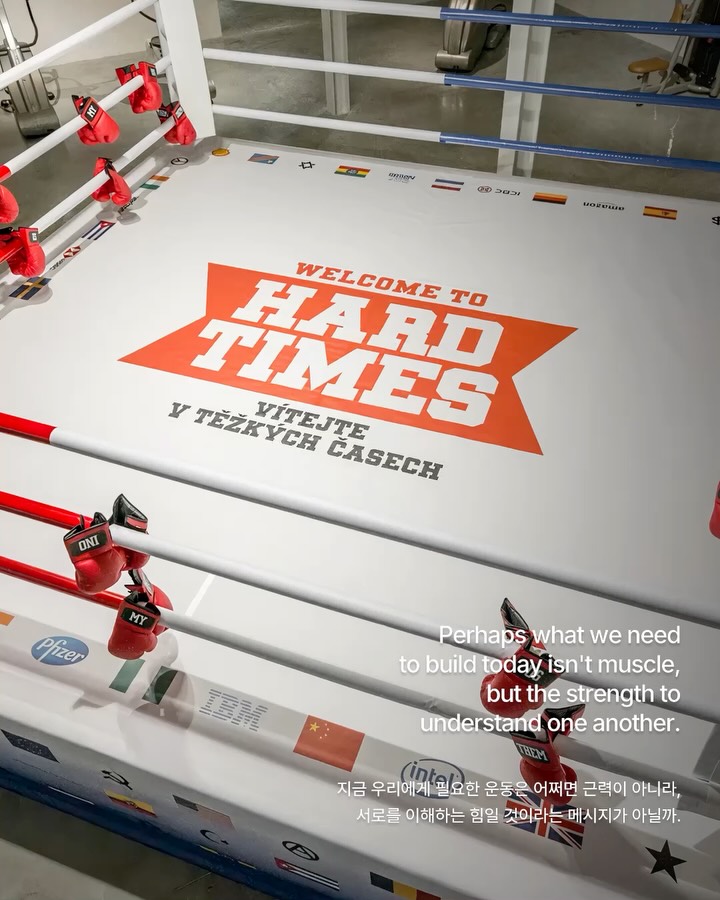
Calories may burn, but prejudice rarely does. Curated by Dutch artist Erik Kessels, transforms the conventional gym into a training ground for today's society. Here, prejudice outweighs dumbbells, while conflict outlasts the treadmill. Fake news, political polarization, religion, power, migration, and hate—walk between the exercise equipment and you'll find yourself passing straight through the heart of our contemporary world.
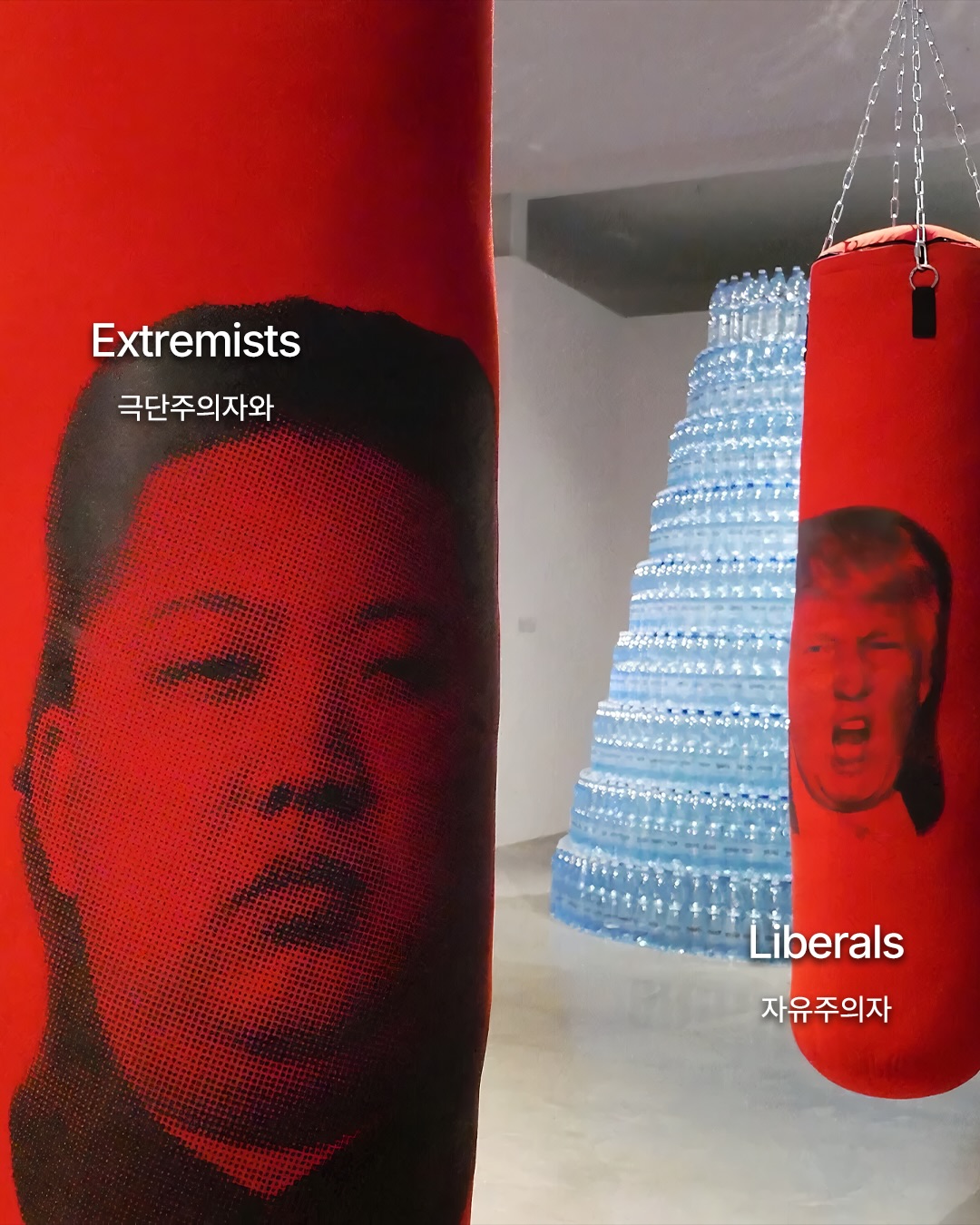
Dictators and peacemakers. Left and right. Extremists and liberals. They share the same space, yet never face the same direction. As voices grow louder, conversations disappear, and walls rise higher than the faces they obscure. While we train our bodies for better health, society keeps training division, erecting new boundaries and forming new sides.
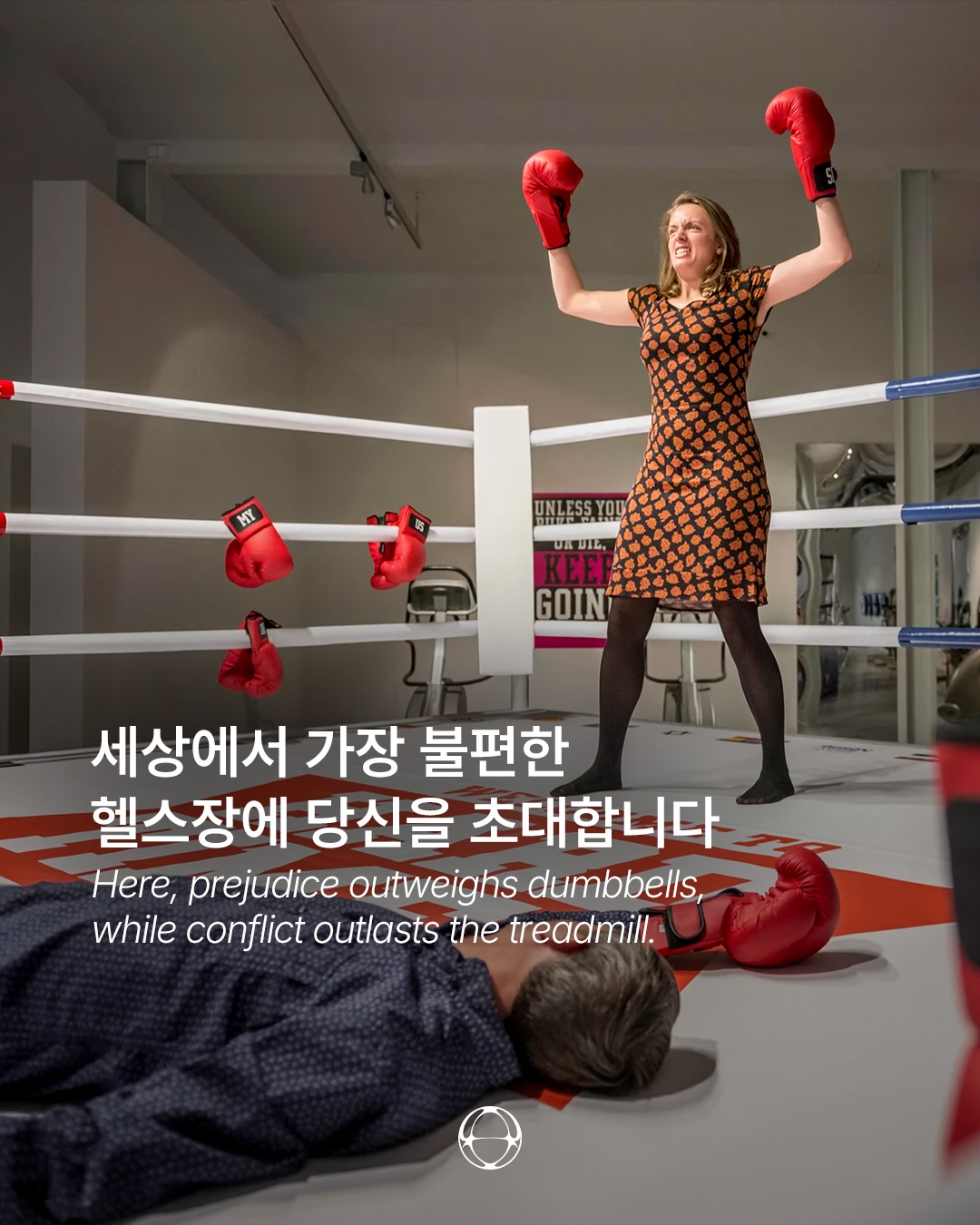
What begins as a place for physical recovery quickly becomes an unsettling reflection of the world outside. places today's reality atop exercise equipment, leaving us with its darkest joke: perhaps the exercise we repeat most isn't the bench press, but taking sides. The image of a woman standing victorious in the ring, arms raised in triumph, symbolically captures the project's central question—what, exactly, are we fighting against?
Dictators and peacemakers. Left and right. Extremists and liberals. They share the same space, yet never face the same direction. As voices grow louder, conversations disappear, and walls rise higher than the faces they obscure. While we train our bodies for better health, society keeps training division, erecting new boundaries and forming new sides.
What begins as a place for physical recovery quickly becomes an unsettling reflection of the world outside.



FAQ
What kind of exhibition is Hard Times Gym?
A work curated by Dutch artist Erik Kessels. It's not a gym for training bodies, but a metaphorical gymnasium that trains today's society.
What does this work address?
It places modern social conflicts—fake news, political polarization, religion and power, immigration and hate—among exercise equipment, delivering the bitter joke that the exercise we repeat most might be 'taking sides.'
What is the core irony of the work?
The space where people enter to restore their bodies becomes a mirror that most nakedly reflects the conflicts of reality.