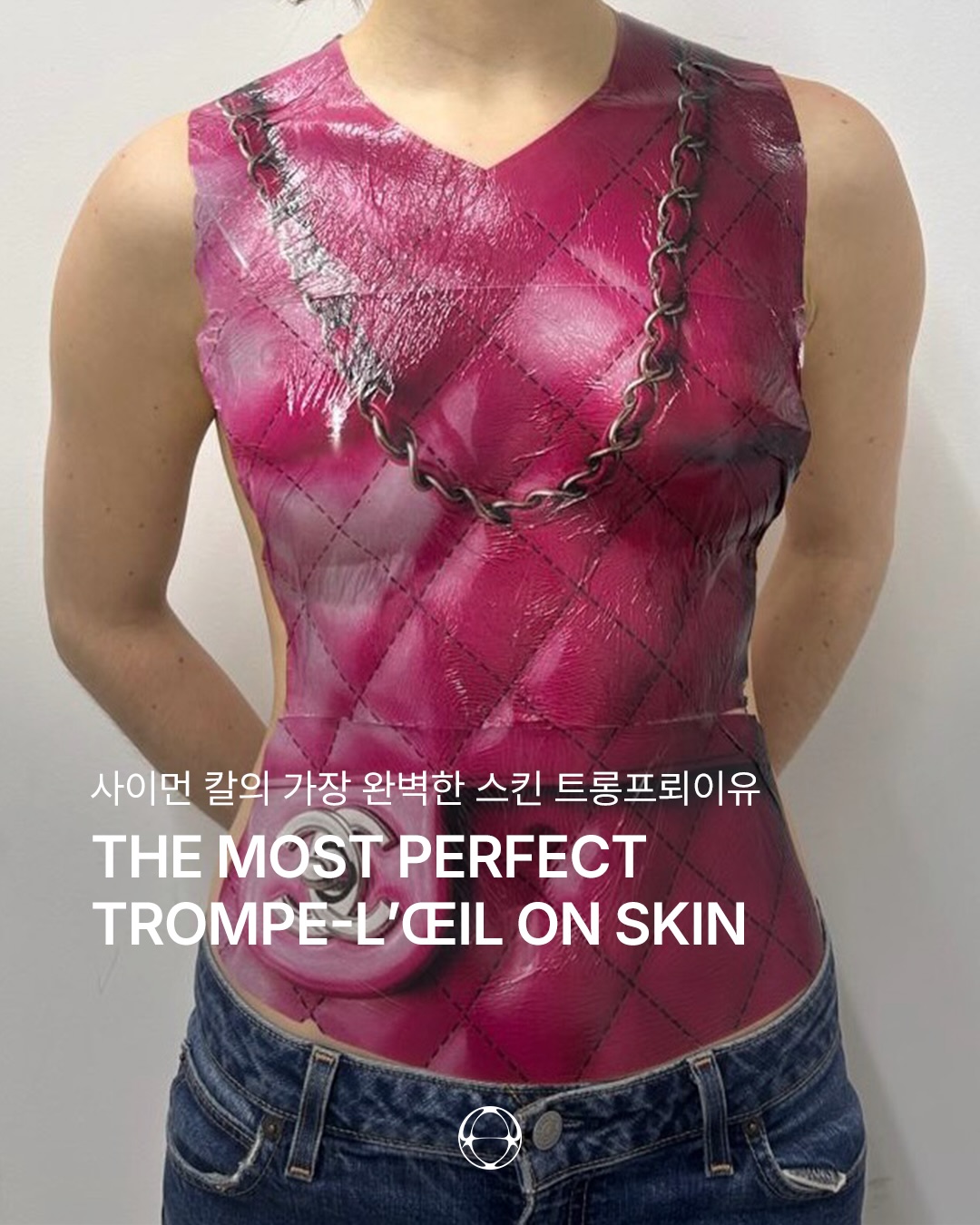
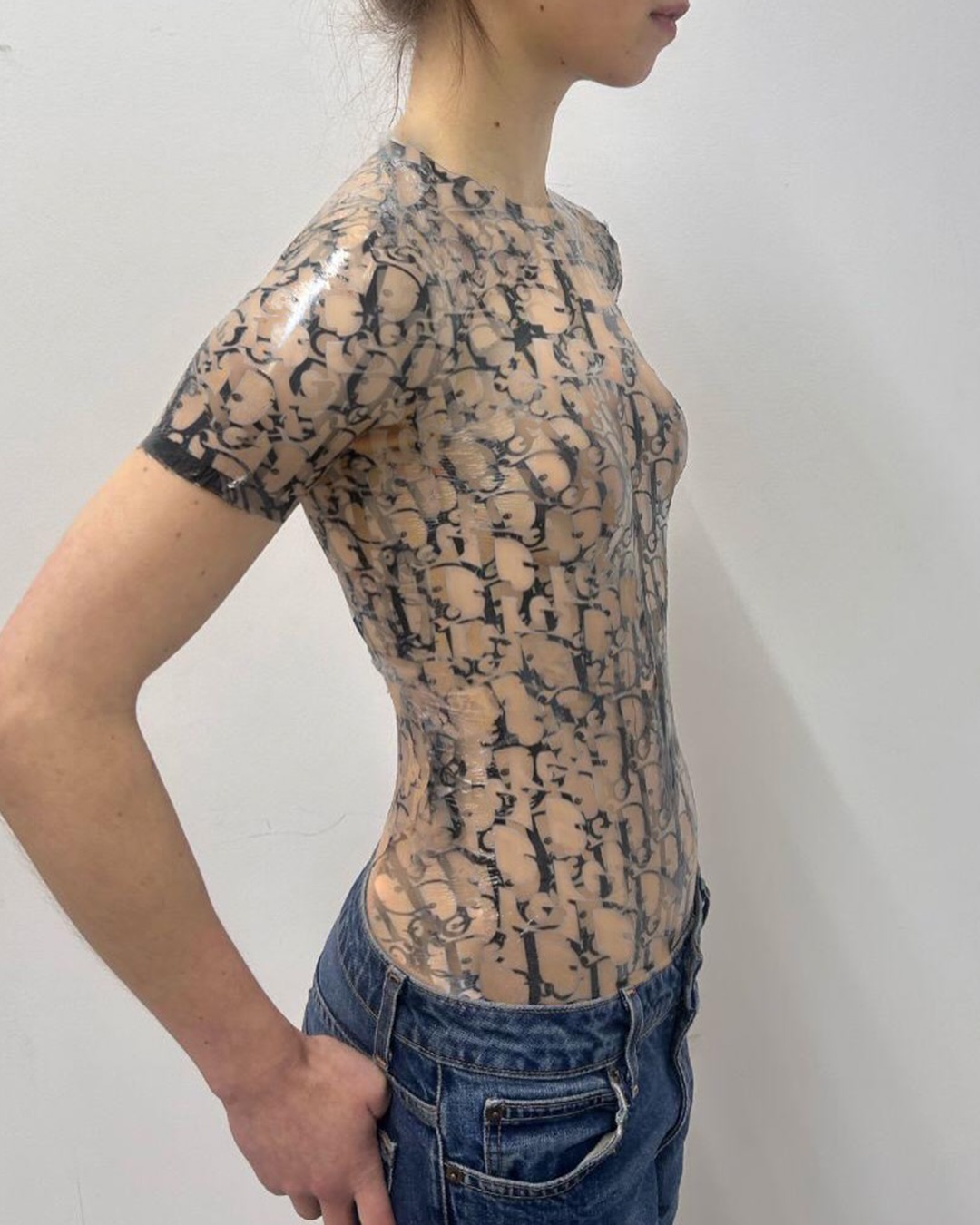
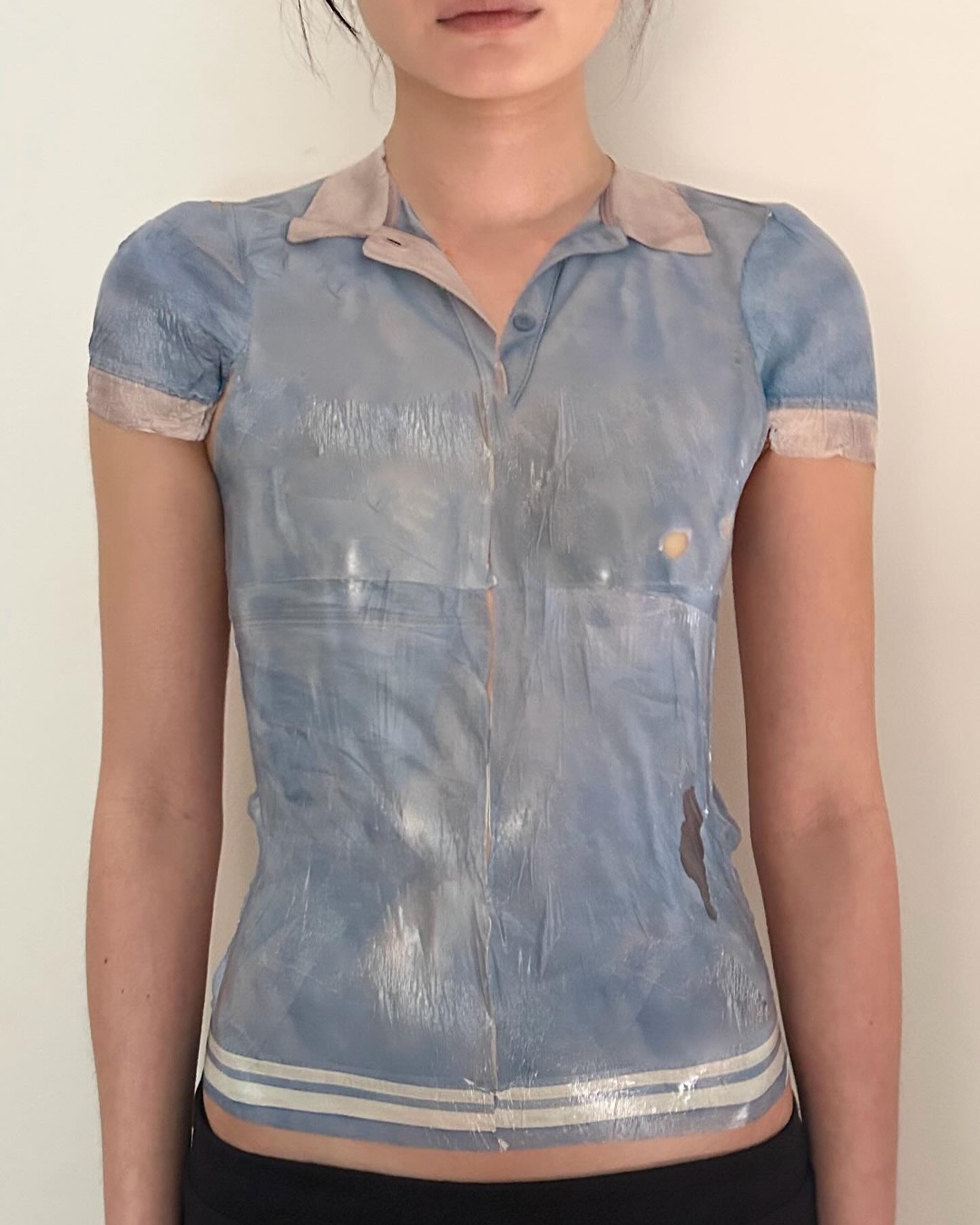
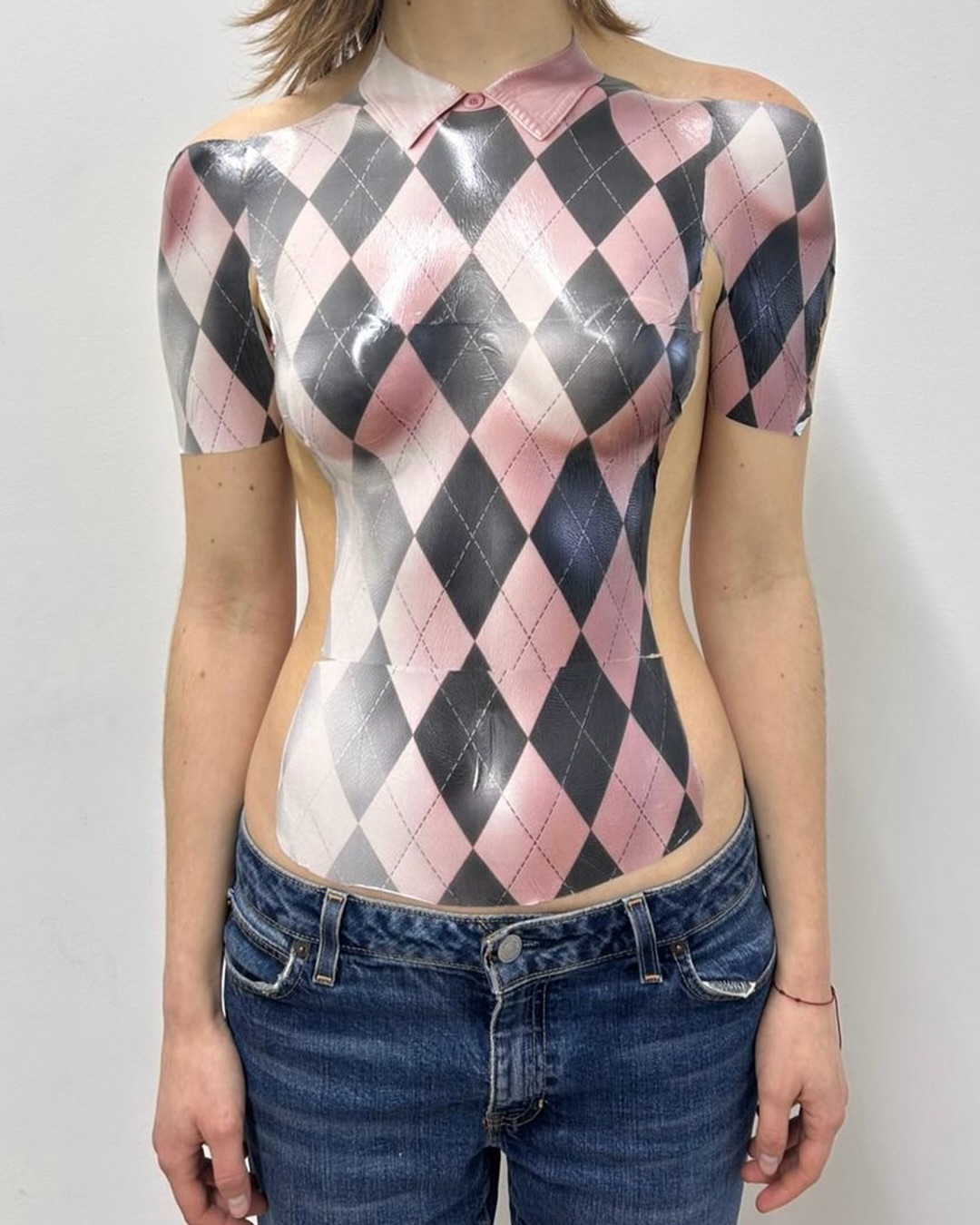
His work treats the body itself as a canvas rather than something to be dressed. Chain details, quilted patterns, even the sheen of leather—all are printed images, yet they flow naturally along the body's curves and move like real garments. This approach completely dissolves the boundaries between fashion, body art, and graphic design.
Carle's skin trompe-l'œil proves that fashion no longer needs to remain in the realm of 'wearing.' It is an illusion drawn on skin, the most direct method of erasing the boundary between body and garment. His work offers the most radical answer yet to how close fashion can come to the human body—the most extreme form of intimacy between dress and flesh.
FAQ
How does Simon Karl create his skin trompe-l'œil?
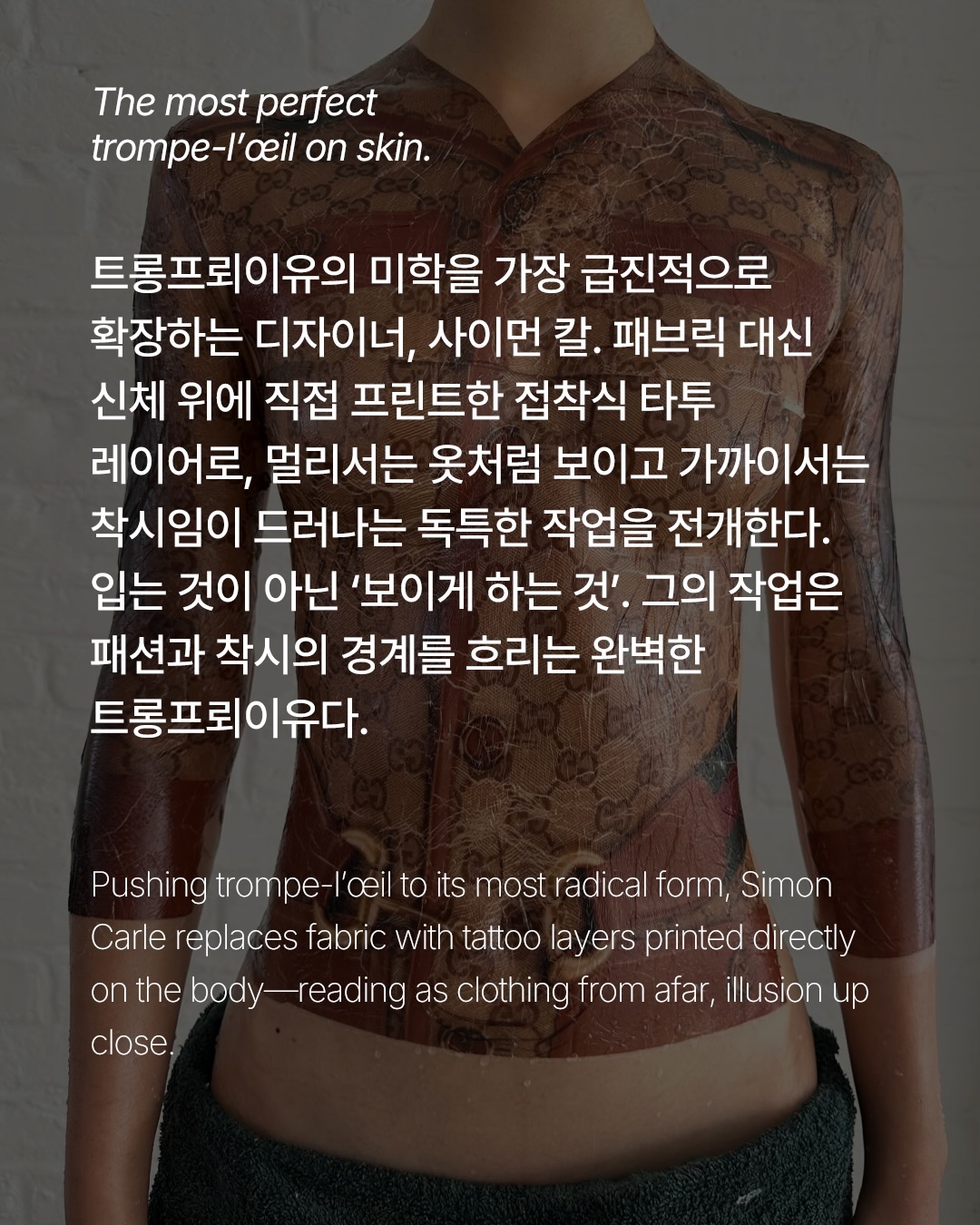
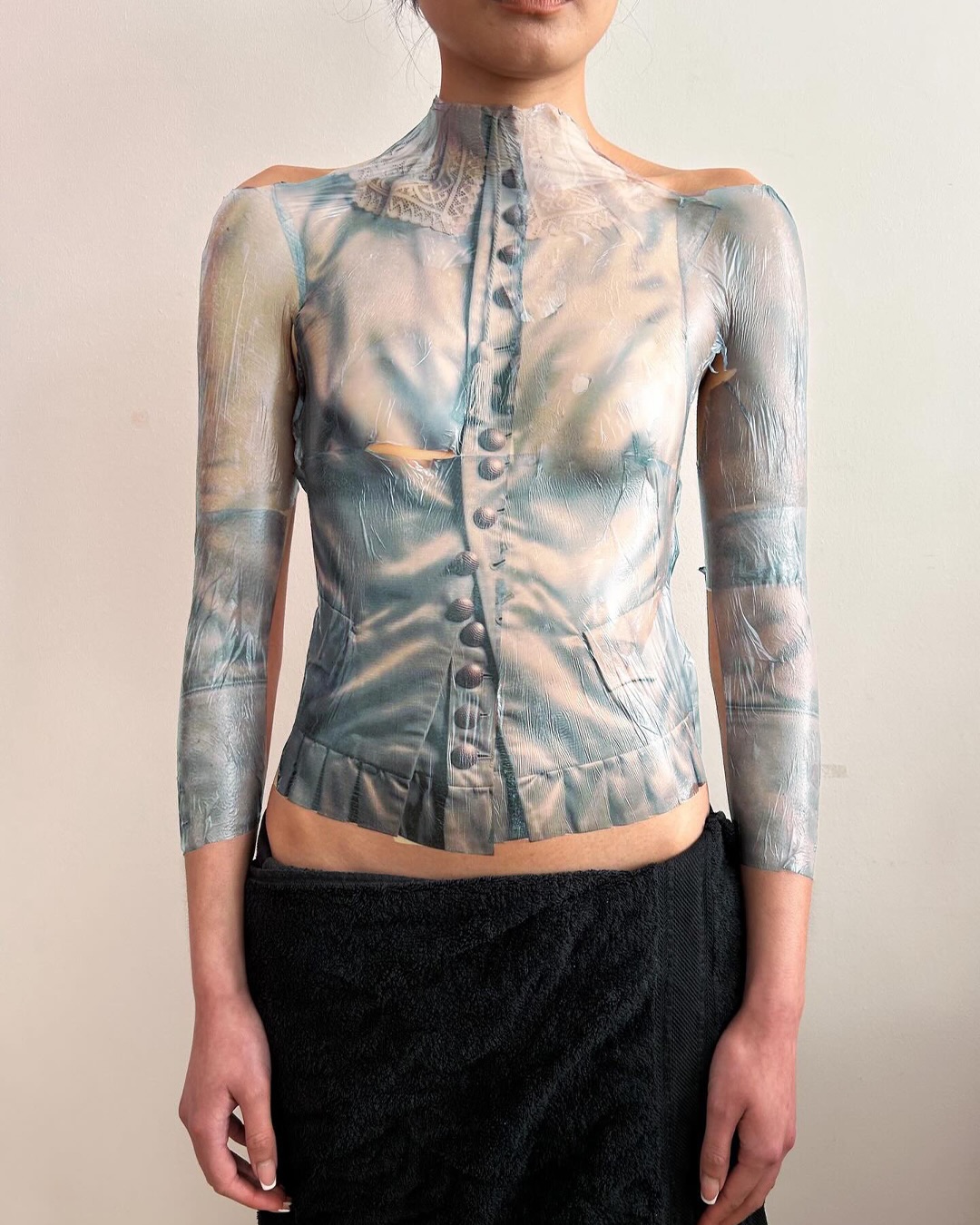
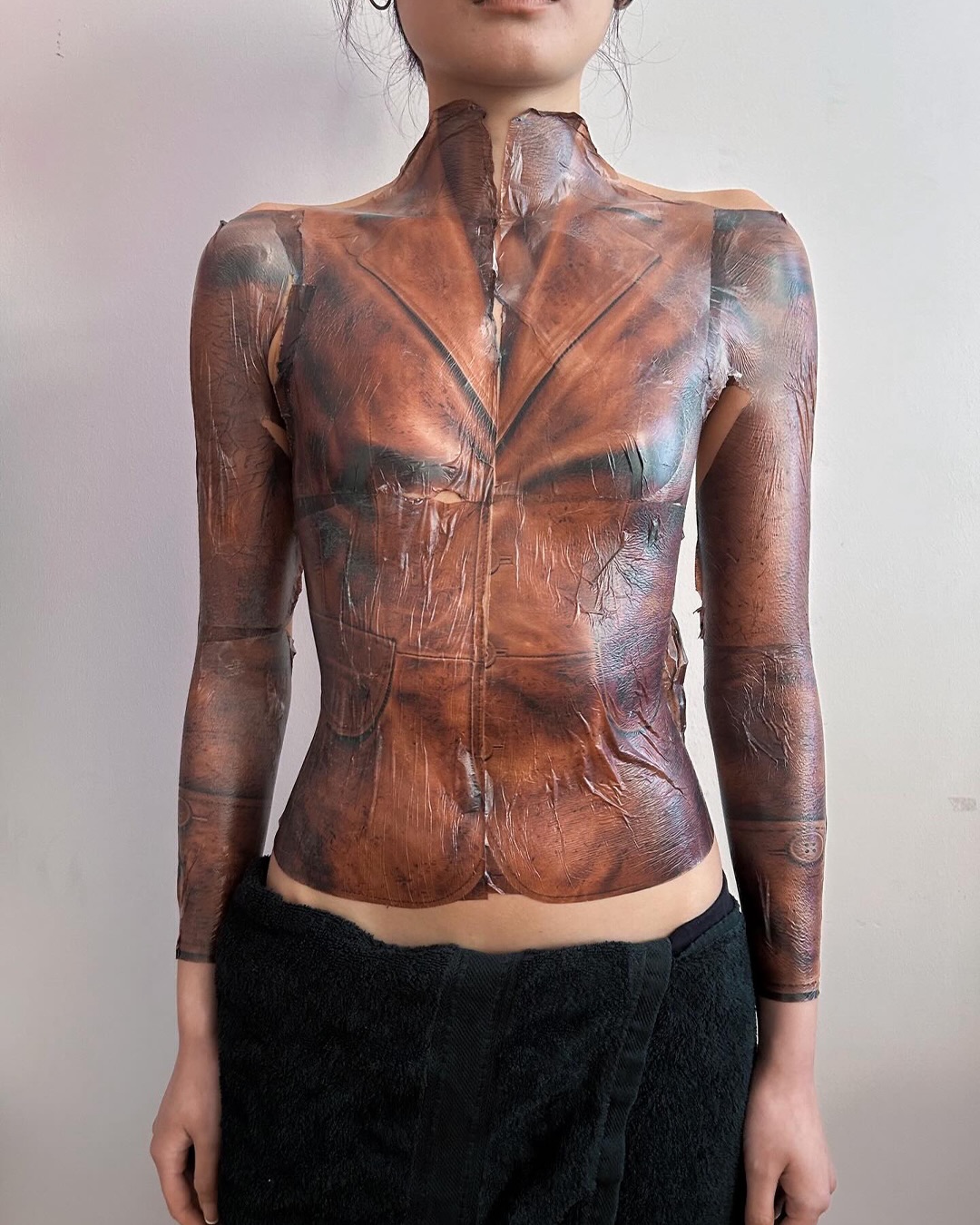
Simon Karl prints directly onto bodies using adhesive tattoo layers instead of fabric. He meticulously cuts and collages leather textures, quilted patterns, and chain details, adhering them to skin—appearing as real garments from afar, revealed as printed tattoos up close.
What does Simon Karl's work mean for fashion?
His work collapses boundaries between fashion, body art, and graphic design, challenging the assumption that clothes must be made from fabric. Using the body as canvas to erase boundaries between garment and flesh represents fashion experimentation in its most radical form.
What is trompe-l'œil fashion?
Trompe-l'œil is French for 'deceive the eye,' referring to techniques making unreal things appear real. In Simon Karl's case, he implements this by perfectly recreating actual materials and details like leather and chains through printed tattoos.