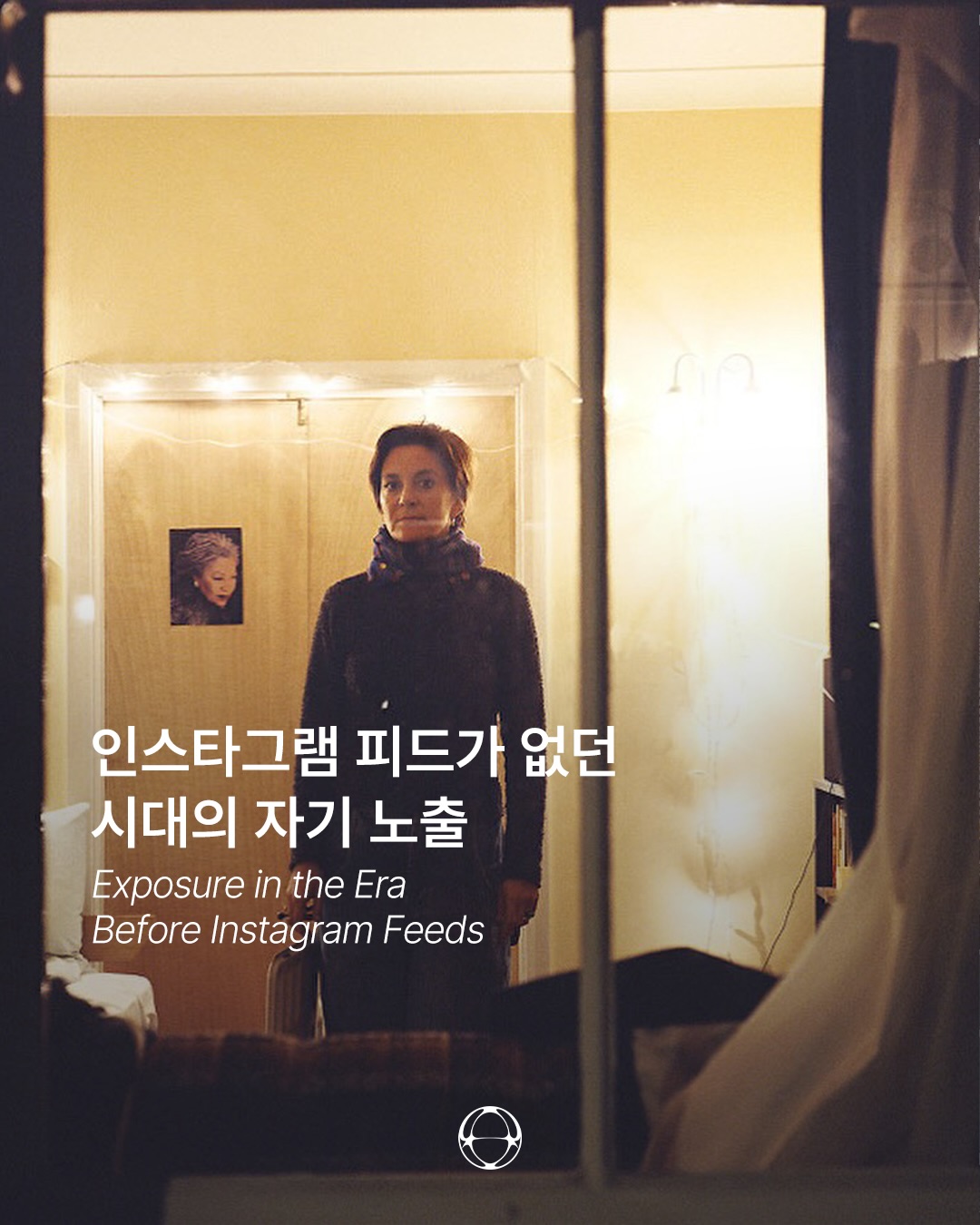
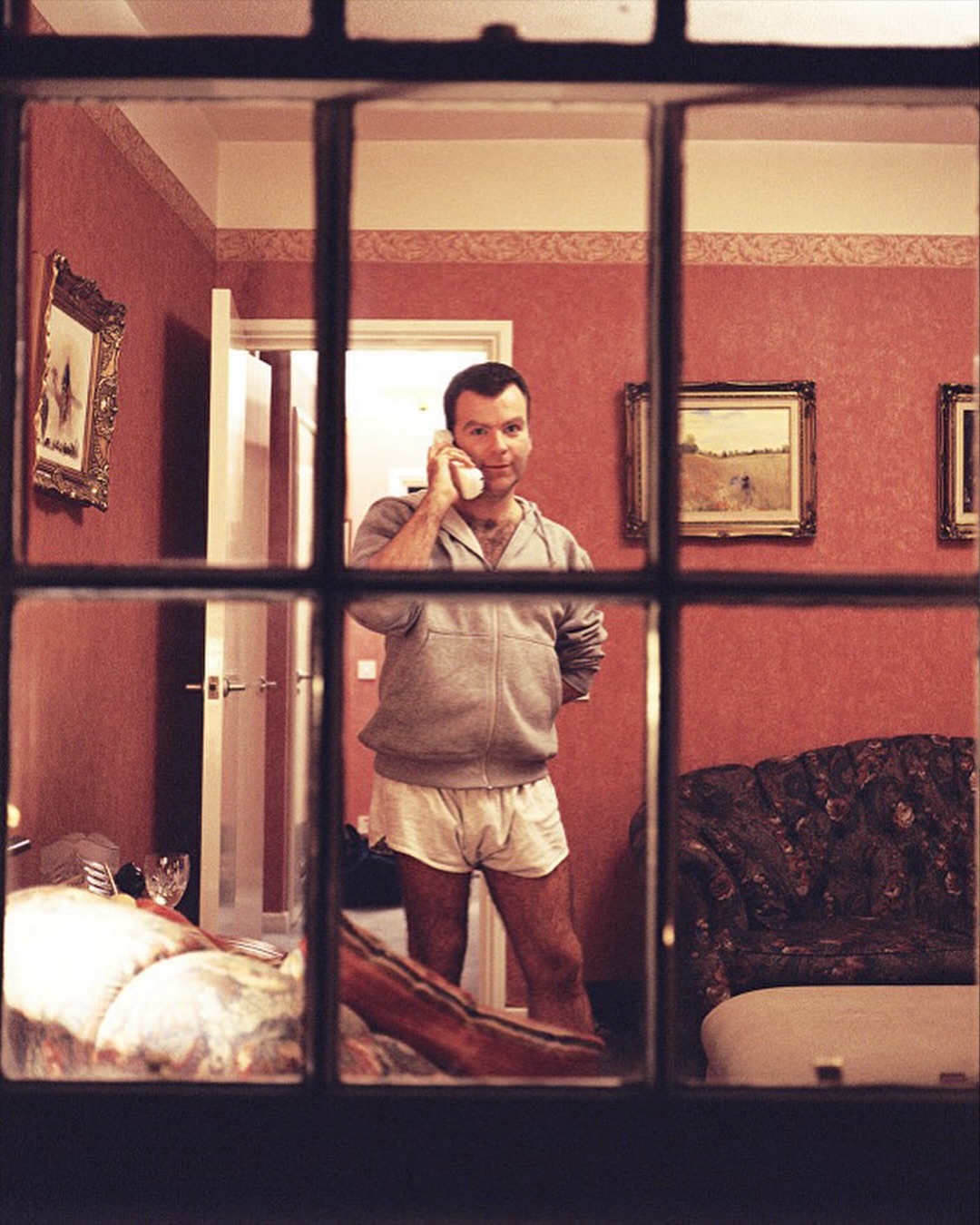
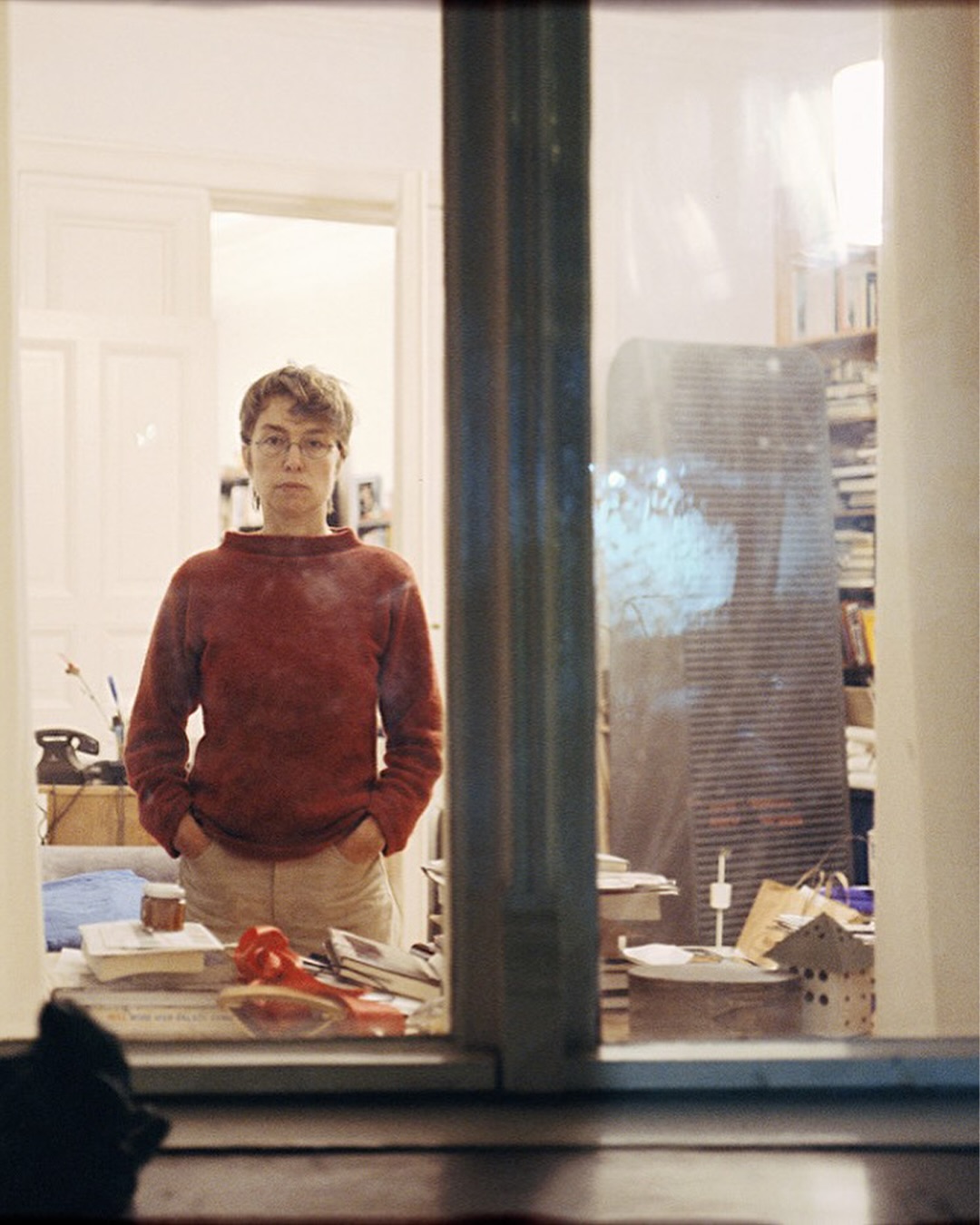
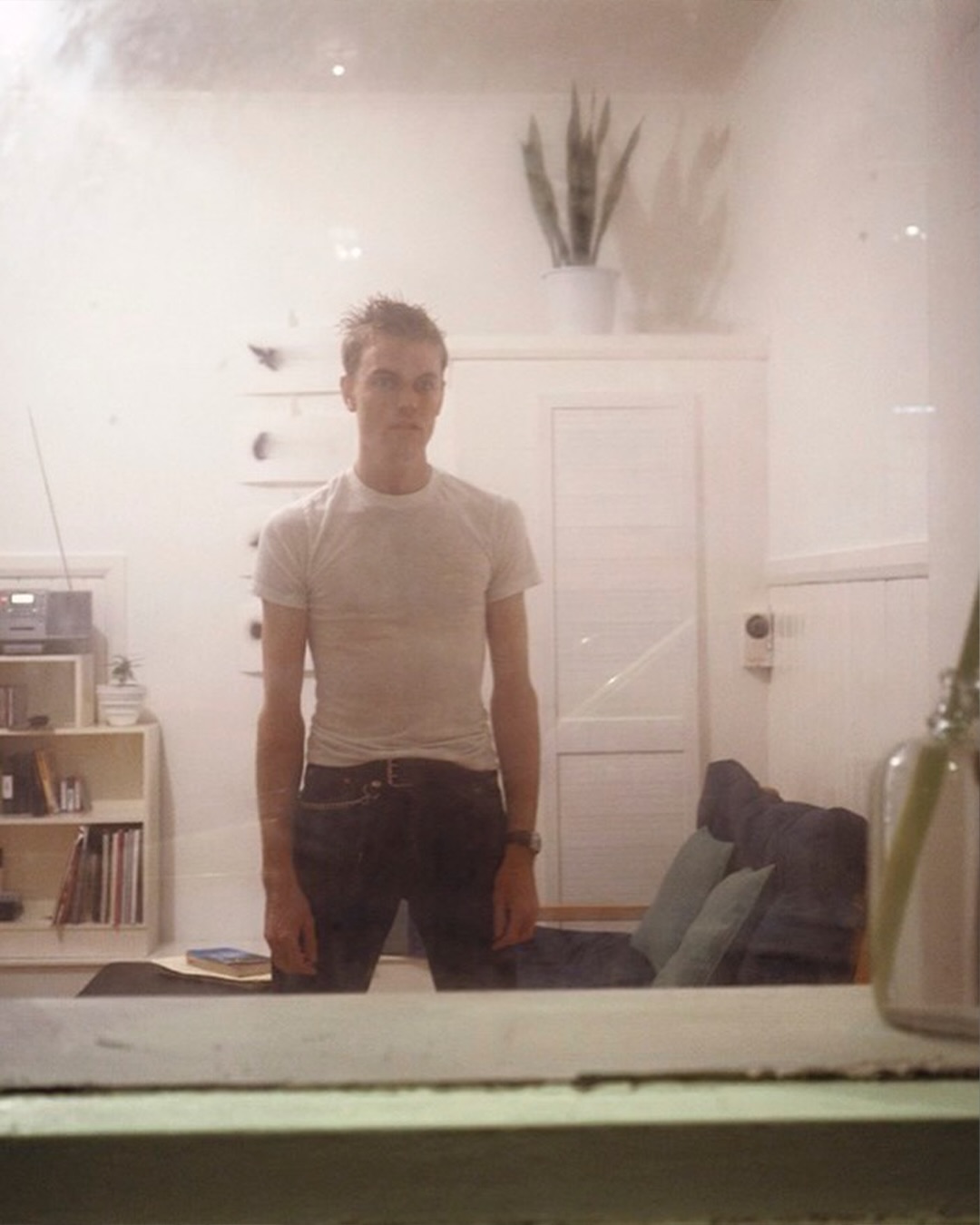
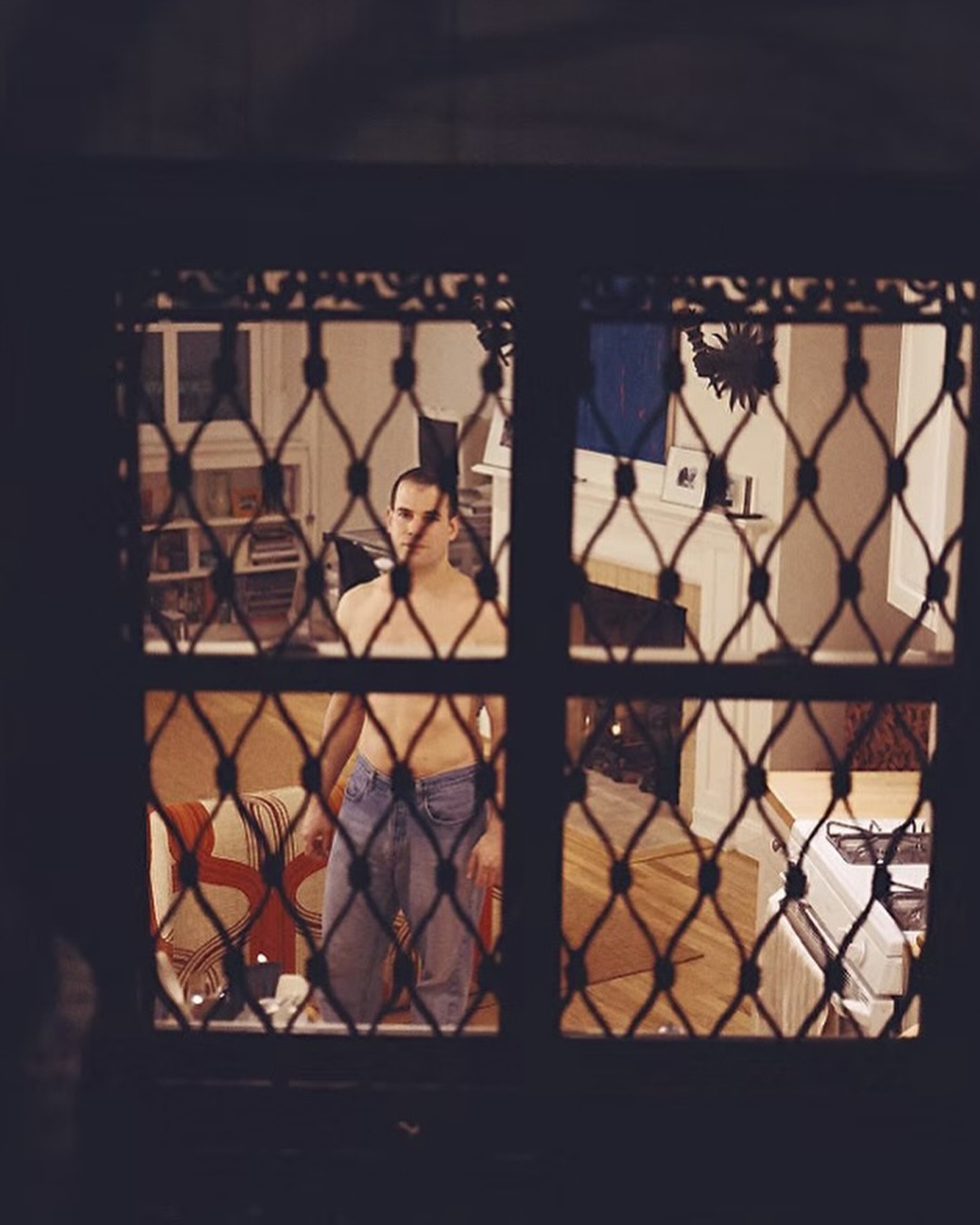
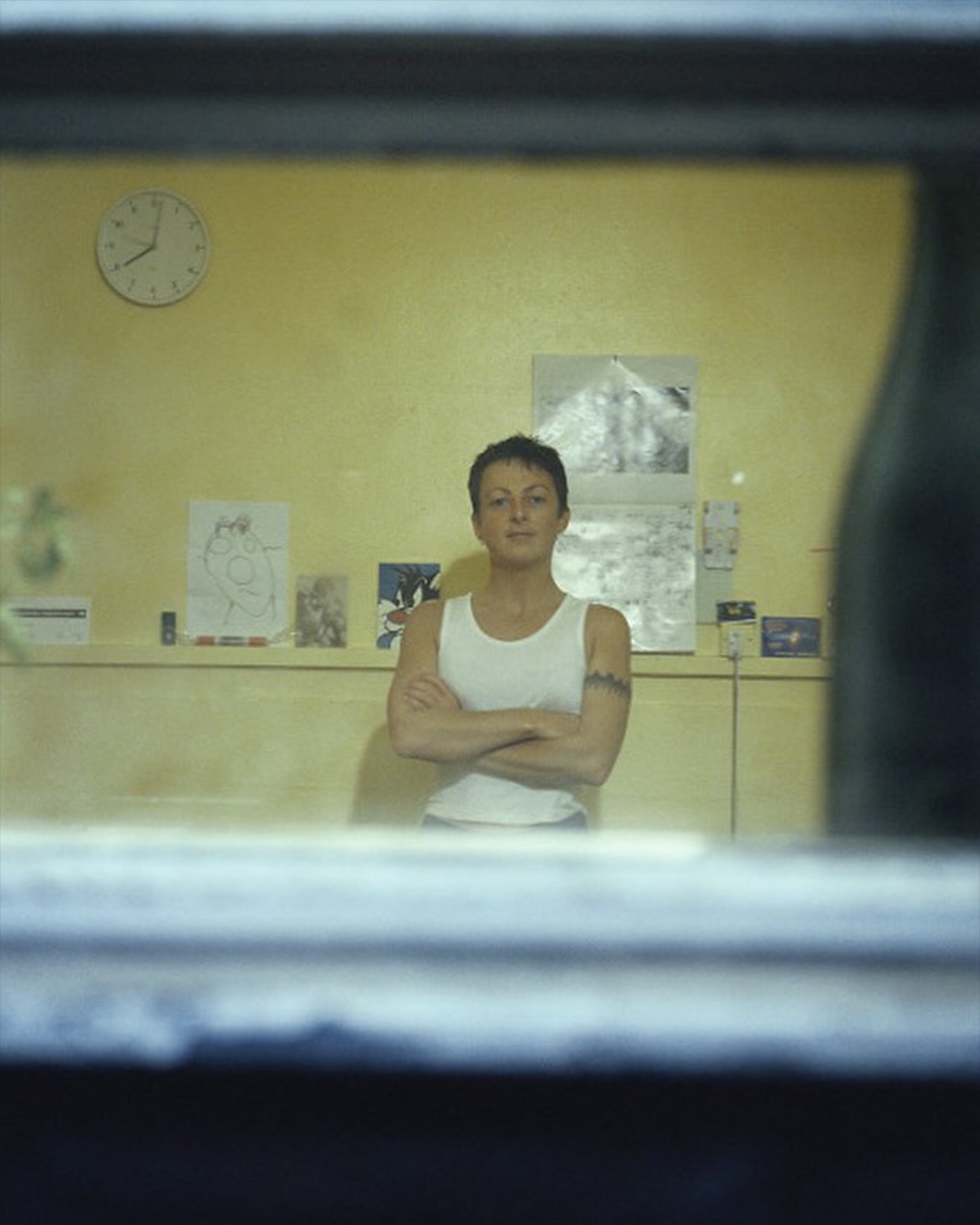
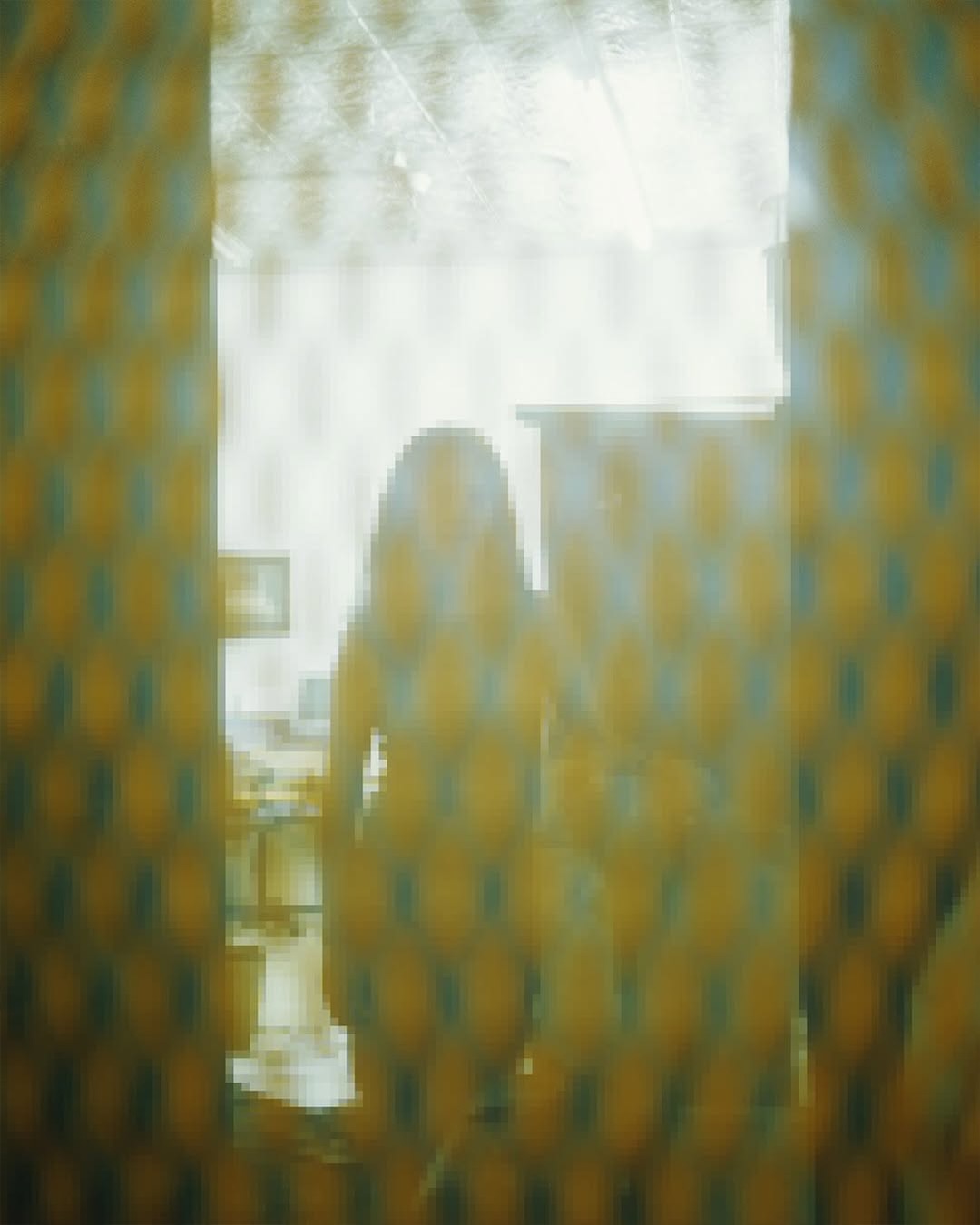
There was no conversation, no face-to-face encounter. The simple act of appearing at the window became consent. Separated by glass, the figures lingered between voyeurism and agreement, anonymity and intimacy. The window became both a physical boundary and a photographic frame, transforming ordinary individuals into singular presences the moment they chose to be seen.
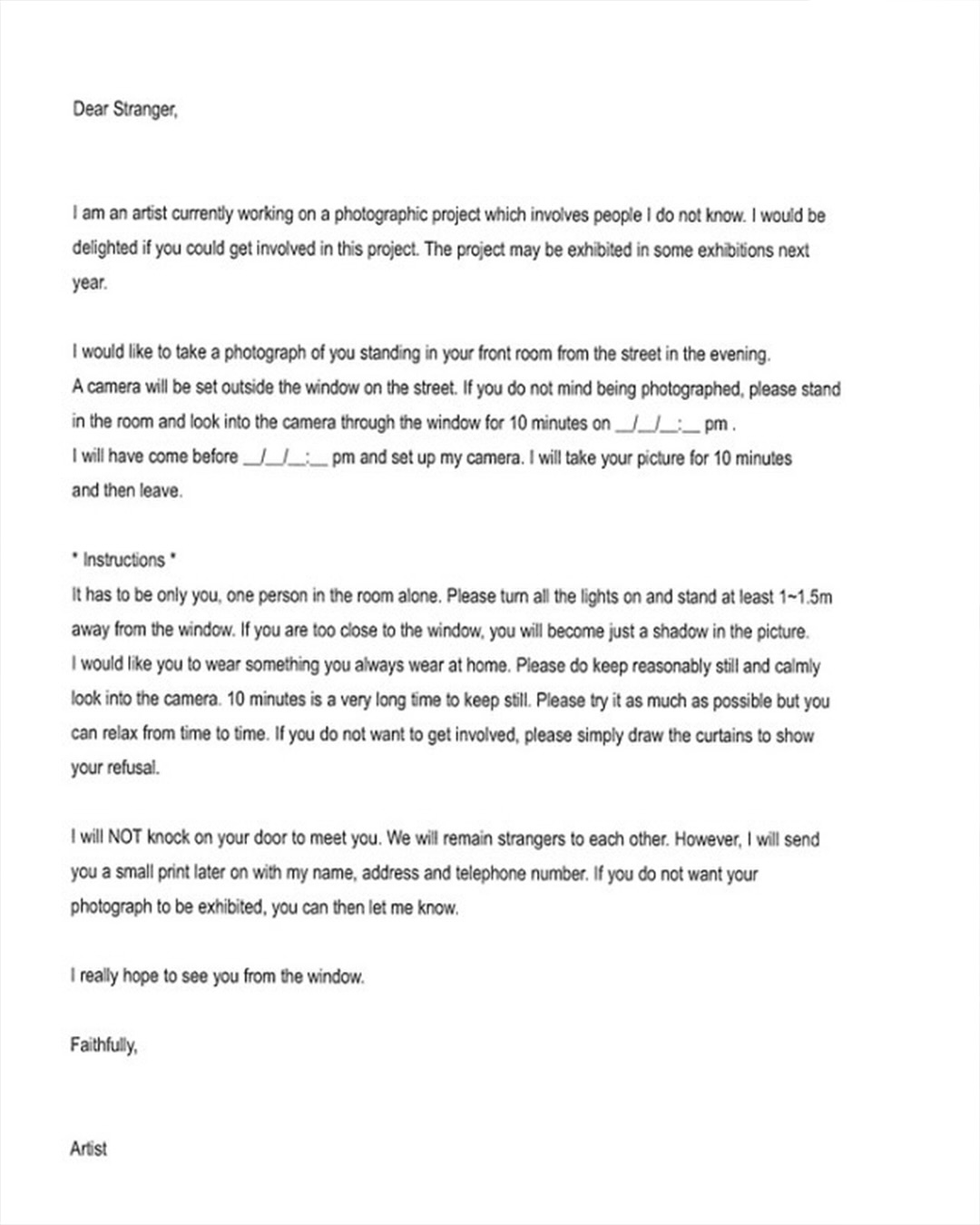
"I will not knock on your door or meet you. We will remain strangers to each other," Yokomizo wrote in her letters. In an era before Instagram feeds, the photographer was already exploring questions of exposure, consent, privacy, and visibility through artistic form.
This project poses even more urgent questions today, in a time when digital self-exposure has become routine. Who do we choose to be seen by? And is that choice truly voluntary? Shizuka Yokomizo's work remains a landmark in visual art, delicately capturing the ethical tension between the act of looking and the act of being seen.
FAQ
How did Yokomizo Shizuka's Dear Stranger project unfold?
Yokomizo Shizuka placed letters in strangers' mailboxes proposing to photograph them from the street if they stood by their window for ten minutes at a specific time. Conducted between 1998 and 2000, consent was established through the act of appearing at the window, without face-to-face meetings or conversations.
What's the artistic significance of the Dear Stranger project?
The project explores boundaries between voyeurism and consent, anonymity and intimacy, capturing ethical tension between seeing and being seen. The window becomes both physical boundary and frame, transforming ordinary individuals into special beings who chose to be visible.
What nationality is photographer Yokomizo Shizuka?
Yokomizo Shizuka is a Japanese photographer who presented 'Dear Stranger' between 1998 and 2000, one of the most radical projects in contemporary photography history. She's an artist who artistically explored issues of privacy and visibility.