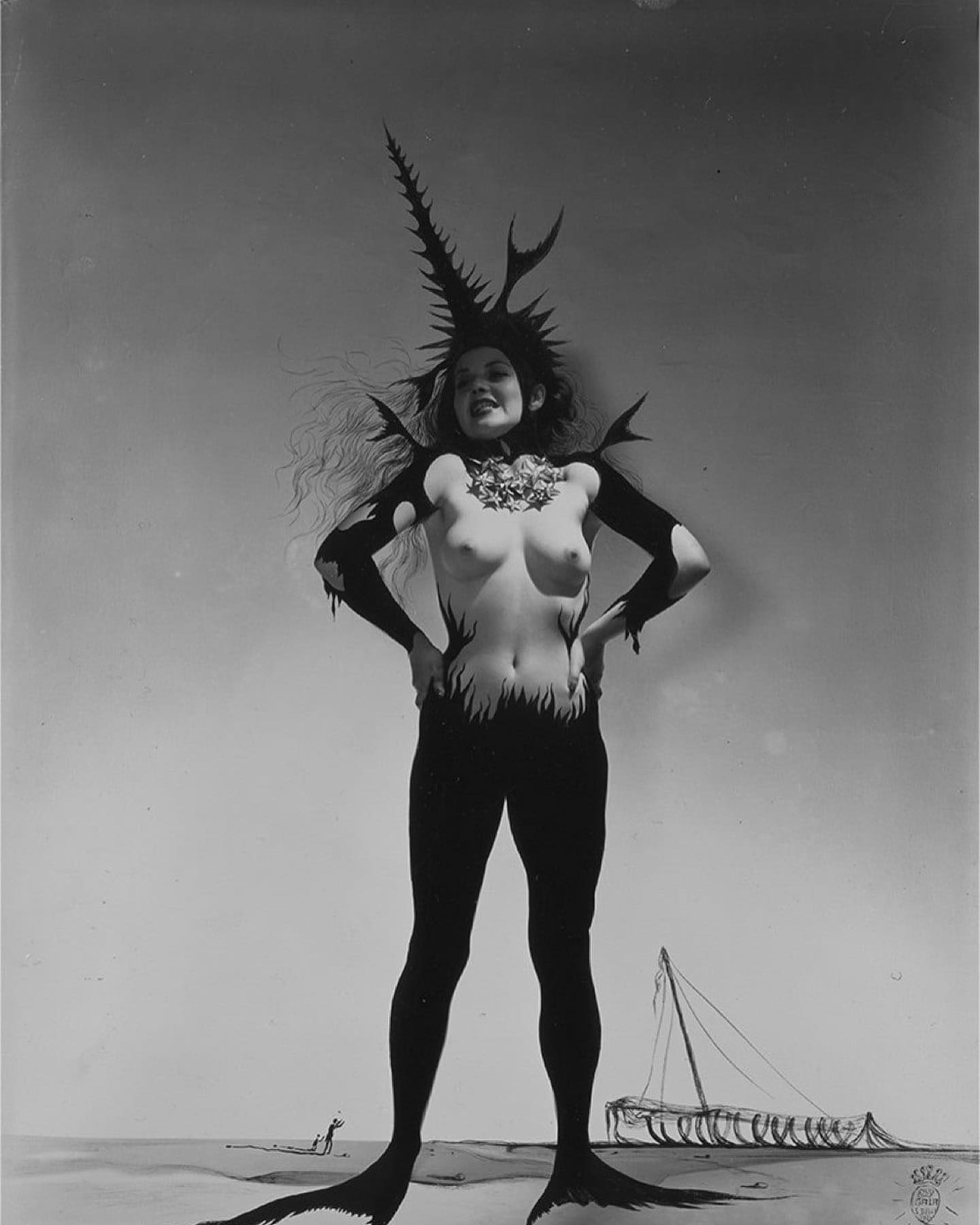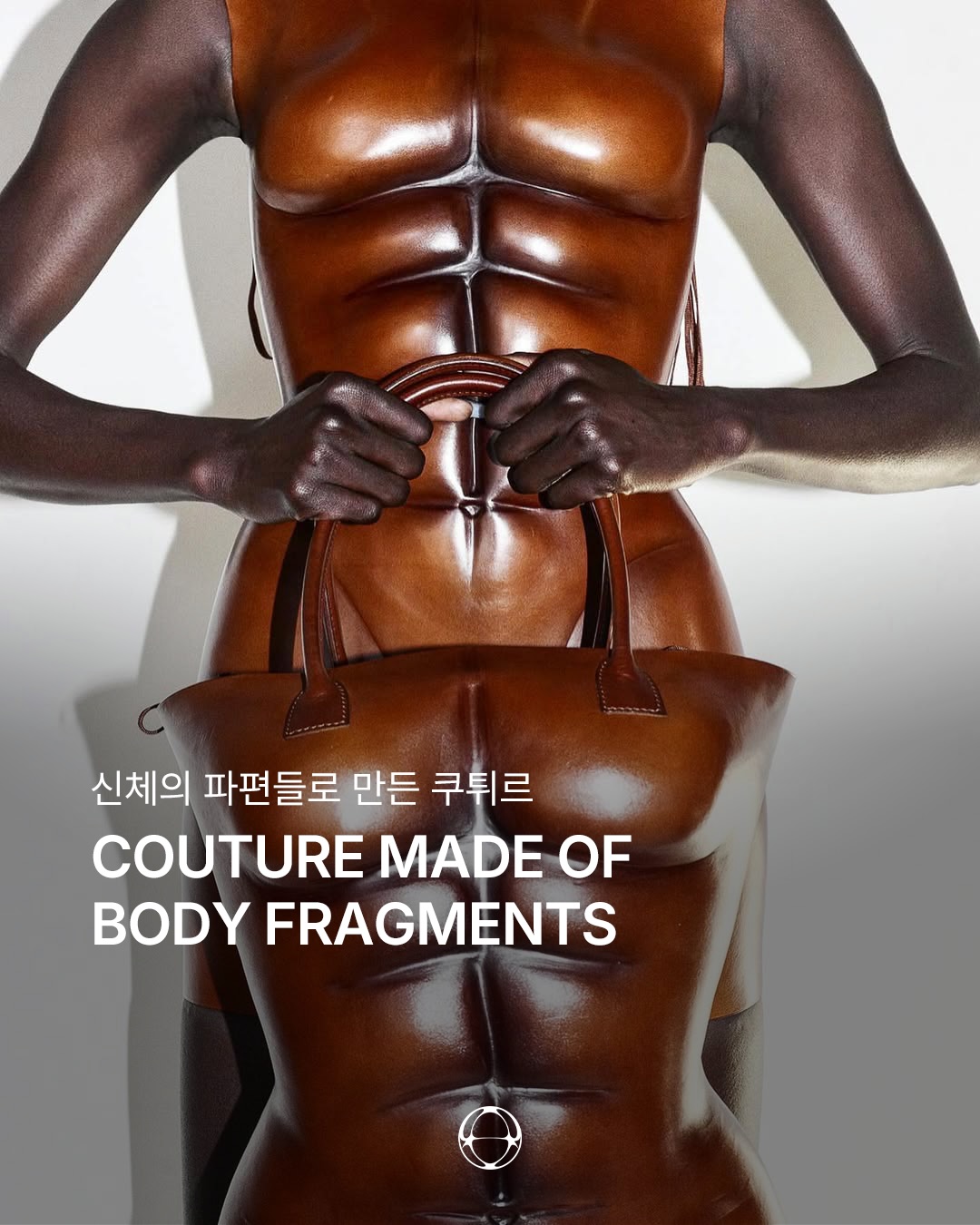
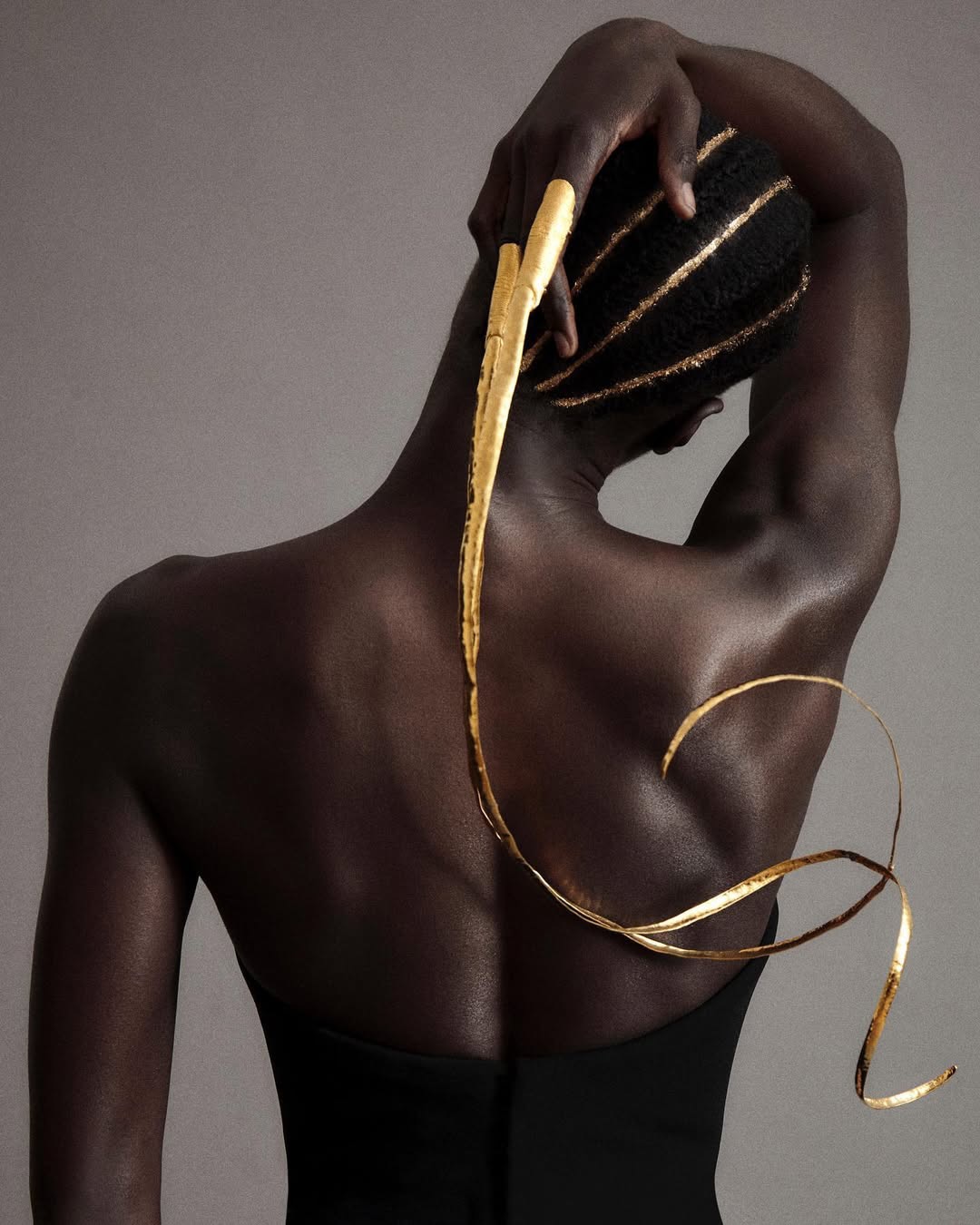
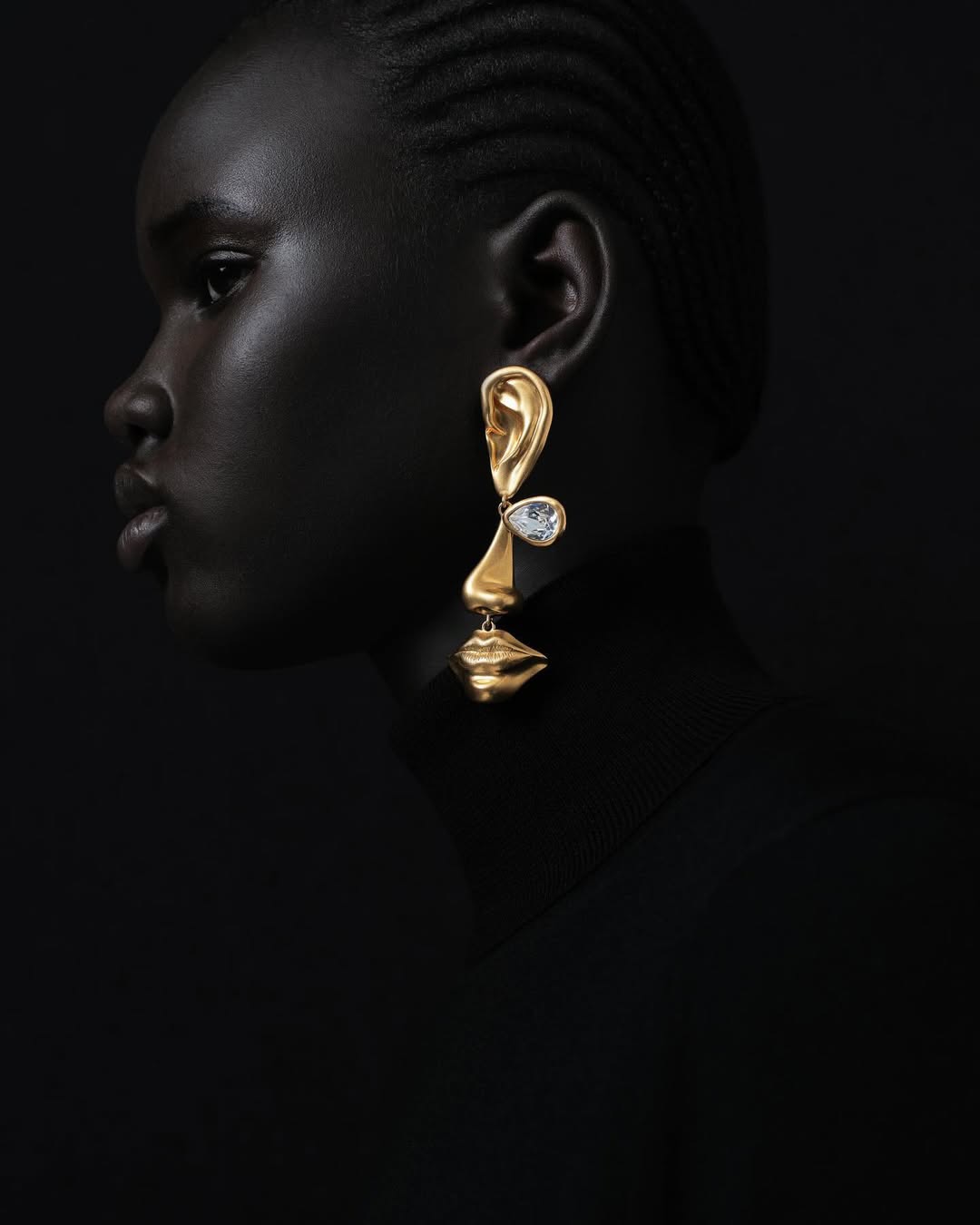
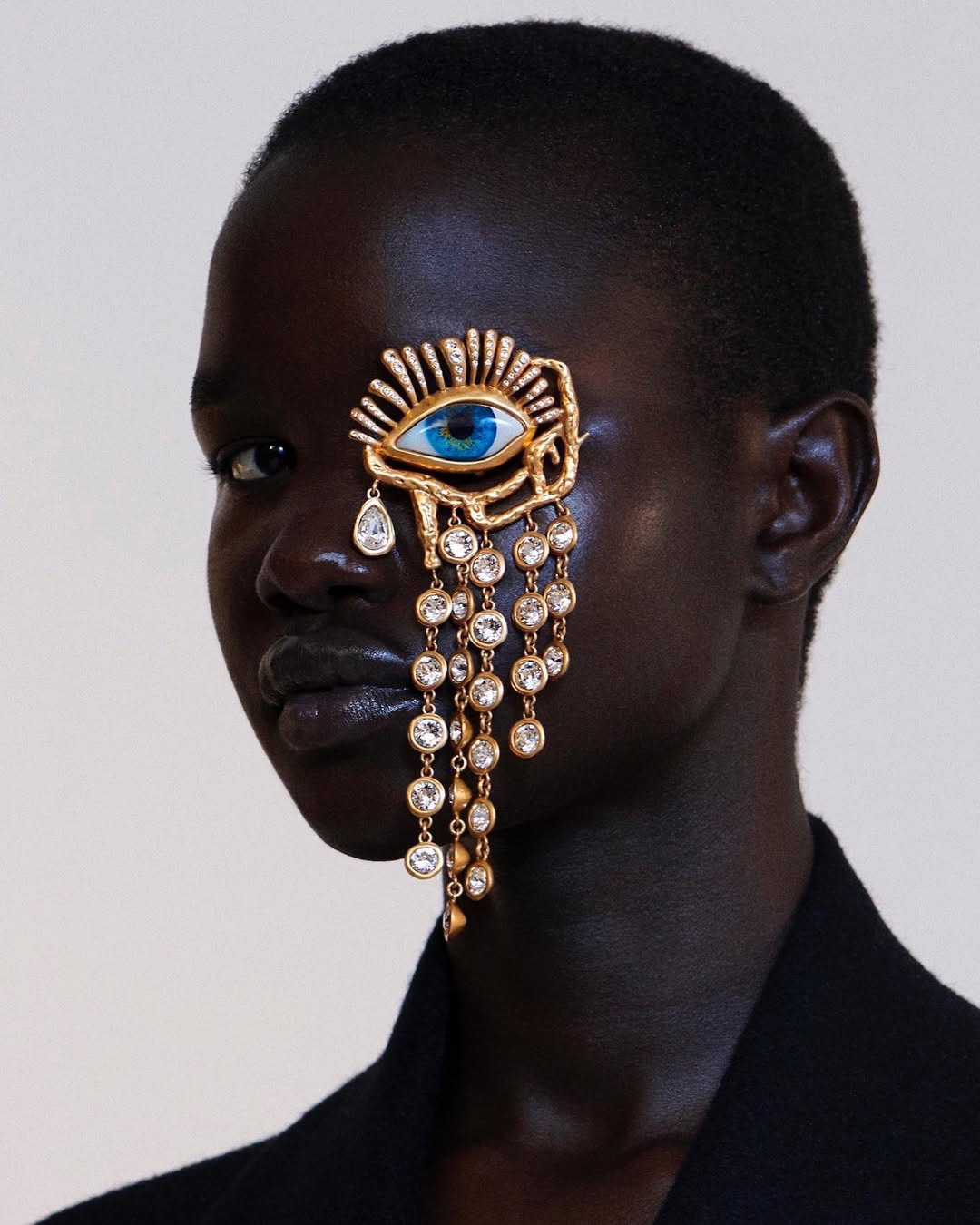
This approach originates from the creative dialogue between the house's founder, Elsa Schiaparelli, and Salvador Dalí. While Dalí's surrealist paintings transferred dreams and the unconscious onto canvas, Schiaparelli transformed them into wearable sculptures. The body ceases to be an object replicating reality; instead, it exists as a symbol that is exaggerated, transformed, and recreated.
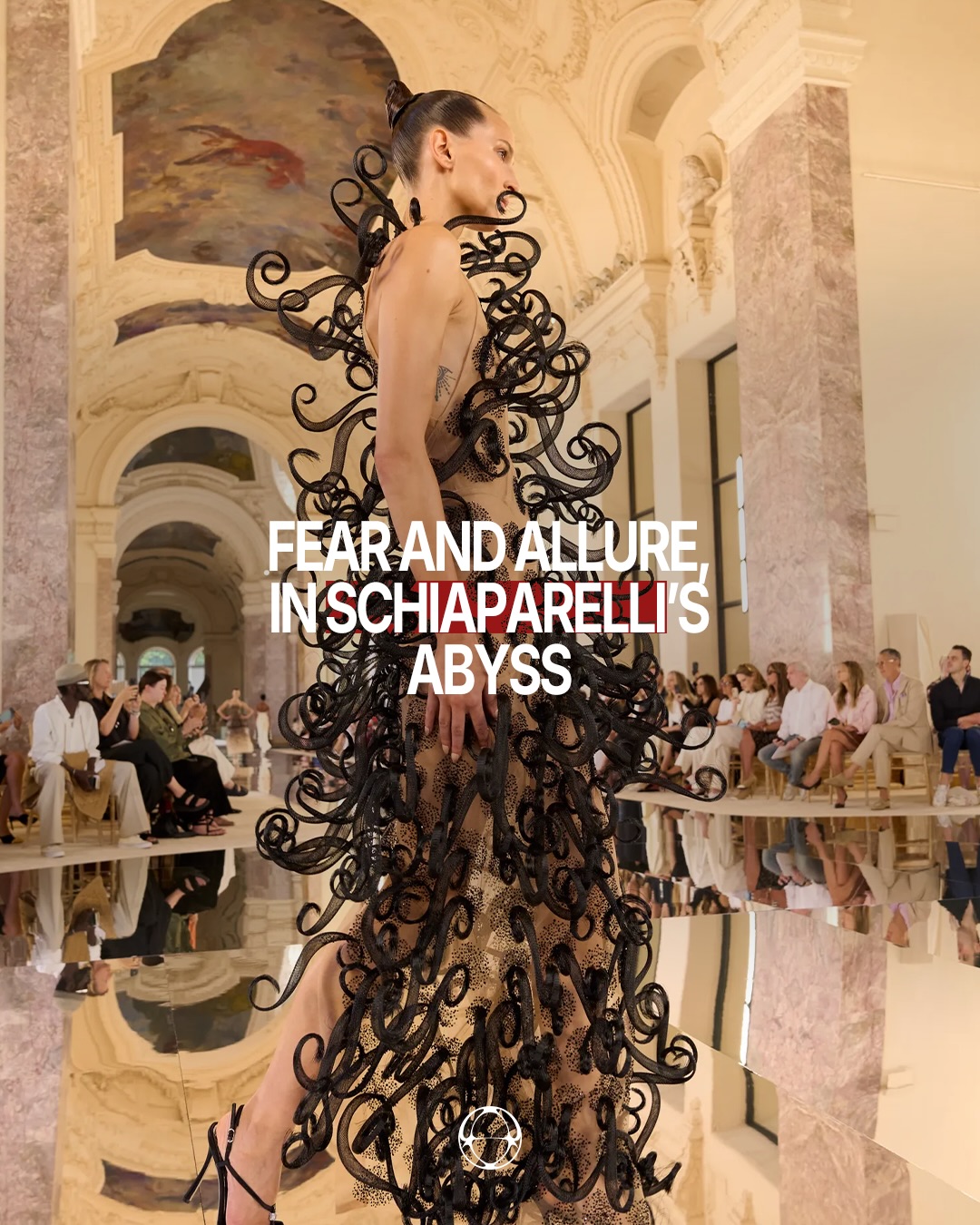
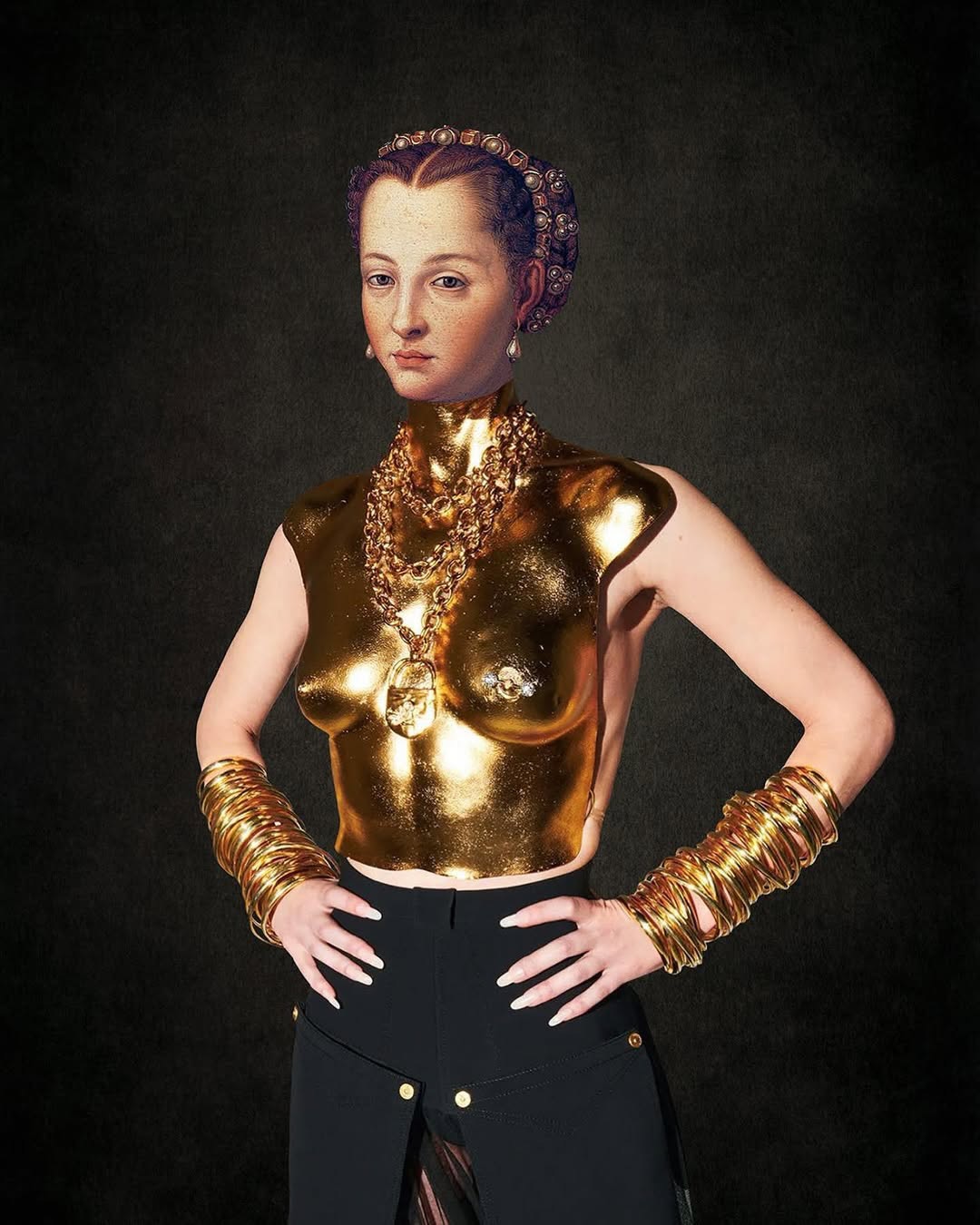
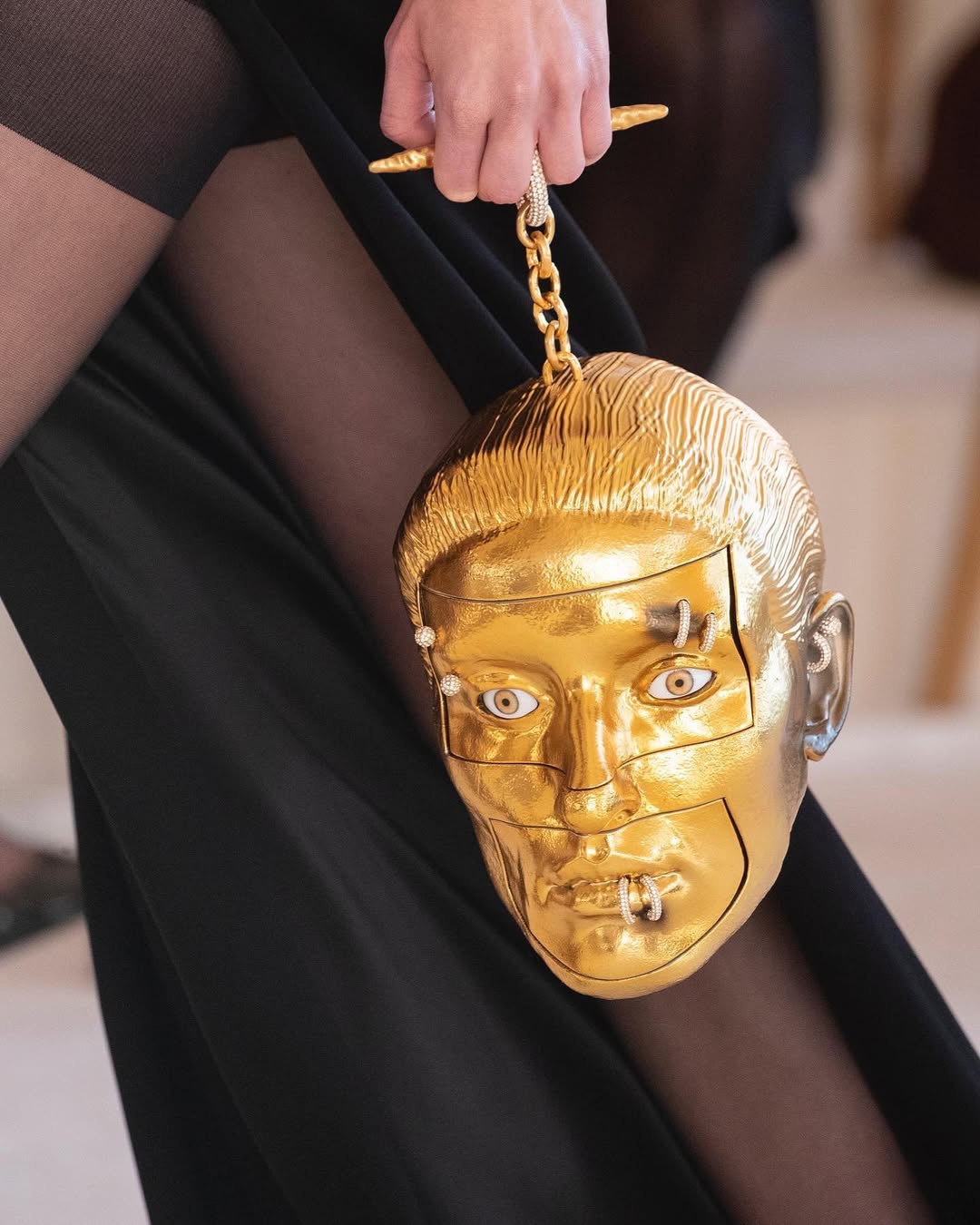
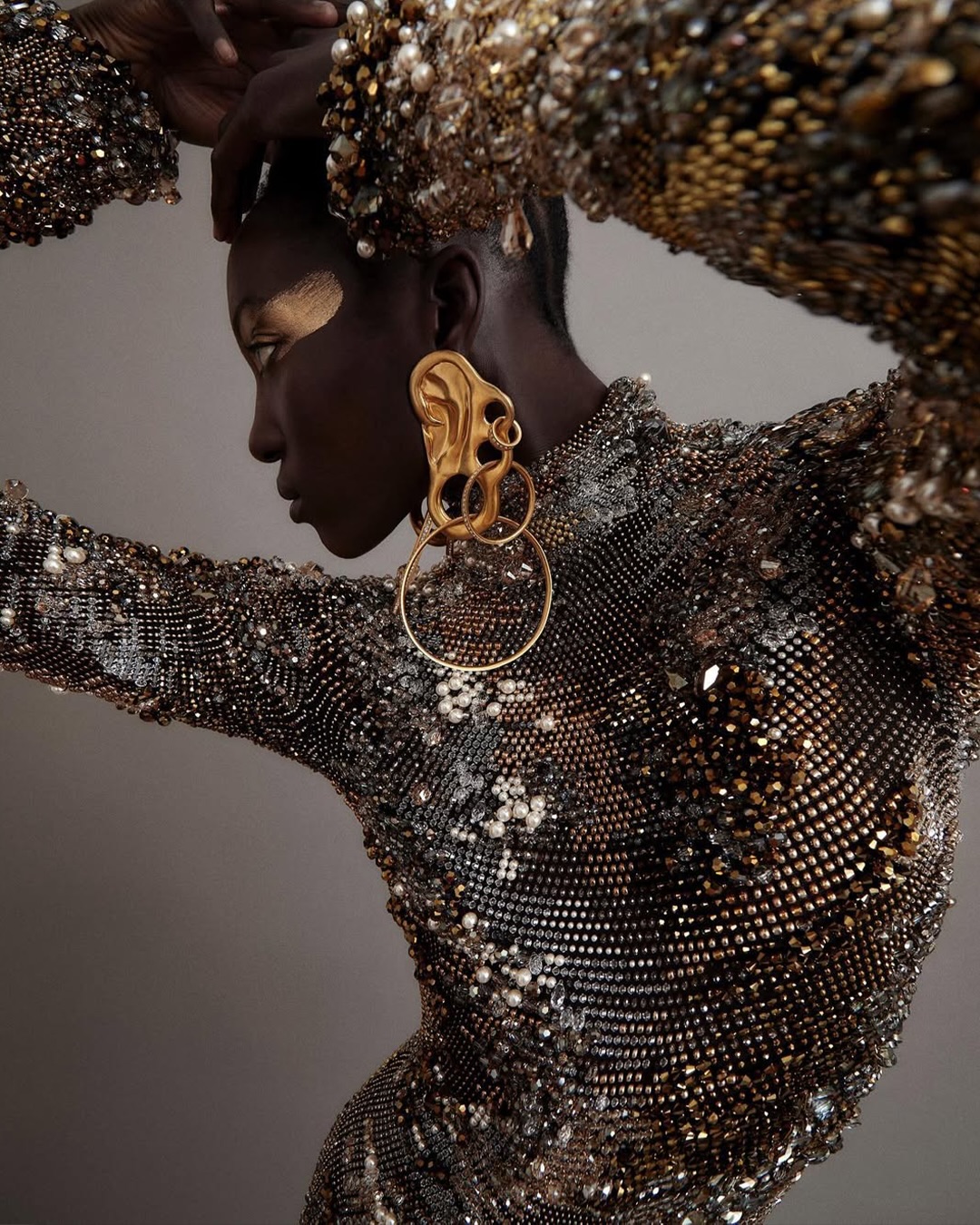
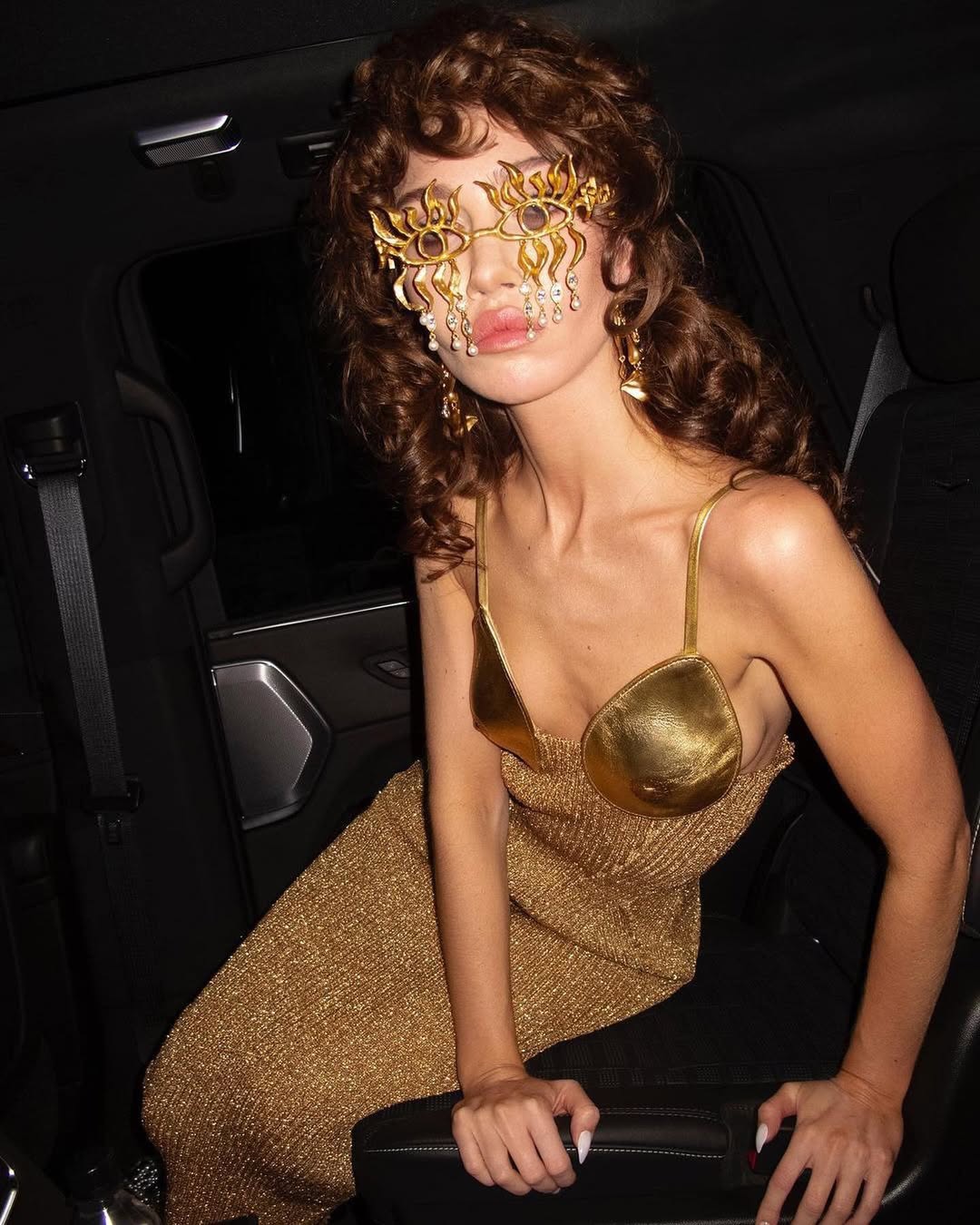
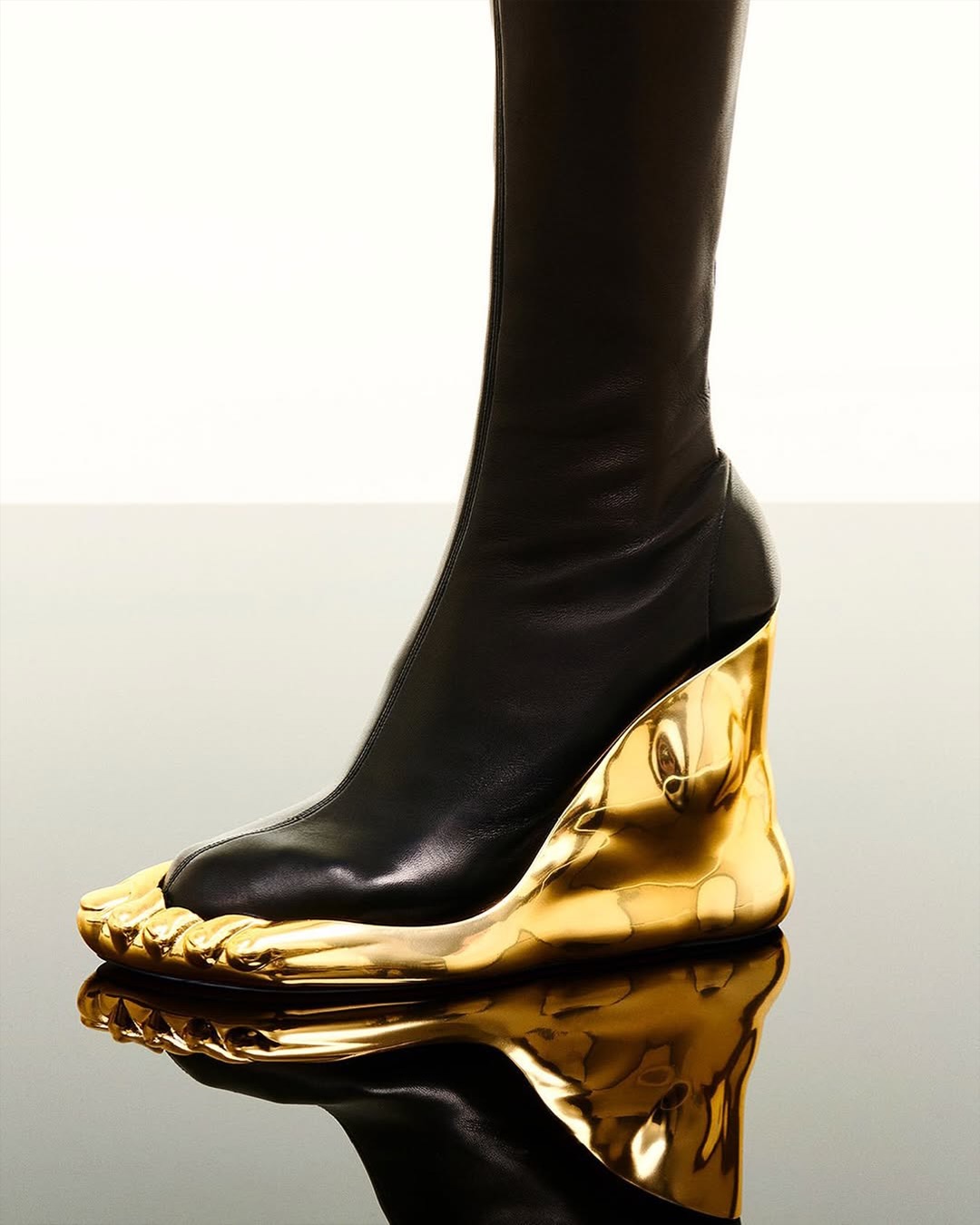
Today, Creative Director Daniel Roseberry carries forward this legacy, deploying body motifs with even greater boldness and drama. Recent collections merge anatomical detail with metal embellishments, leather sculptures, and sculptural silhouettes to deliver a powerful visual impact. This demonstrates that fashion can extend beyond clothing to become an act of wearing ideas and philosophy.
Schiaparelli's language of the body remains profoundly relevant. In an era when fashion evolves ever more conceptually and artistically, the maison sustains its singular identity through surrealist roots, continuing to probe the very essence of couture.
FAQ
Why does Schiaparelli frequently use body motifs?
Inspired by founder Elsa Schiaparelli's surrealist dialogue with Salvador Dalí, the house treats the body not as a subject to reproduce but as an artistic symbol to distort and reinterpret. Fragmented anatomy—eyes, lips, fingers—functions as devices embodying surrealist philosophy.
Who is Schiaparelli's current creative director?
Daniel Roseberry is Schiaparelli's current creative director. He advances the maison's surrealist legacy with bolder, more theatrical body motifs, presenting collections that marry anatomical detailing with sculptural silhouettes.
What was the relationship between Schiaparelli and Salvador Dalí?
Elsa Schiaparelli and Salvador Dalí collaborated in the 1930s to manifest surrealism through fashion. Where Dalí expressed dreams and the unconscious in painting, Schiaparelli transformed them into wearable sculpture, establishing couture philosophy that treats the body as symbolic language.