Even after the Paris Fashion Week shows conclude, the conversation around the collections continues. PAP Magazine visited the Comme des Garçons Homme Plus and Junya Watanabe MAN 2026 Spring/Summer Re-See, witnessing two contrasting visions of contemporary menswear. Though both fall under the Garçons umbrella, the designers interpret modern masculinity through entirely different lenses.
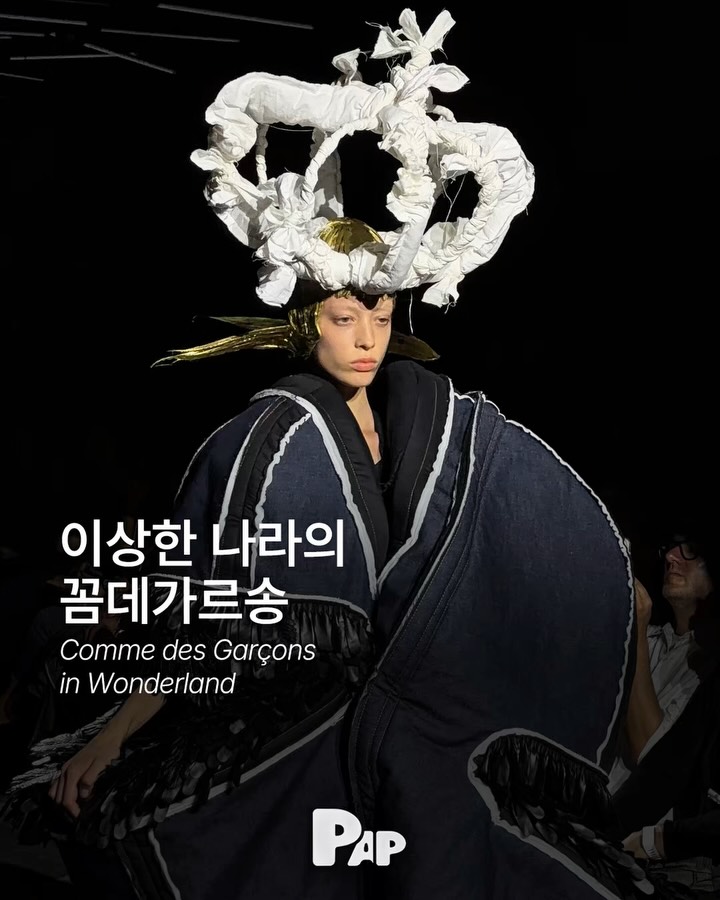
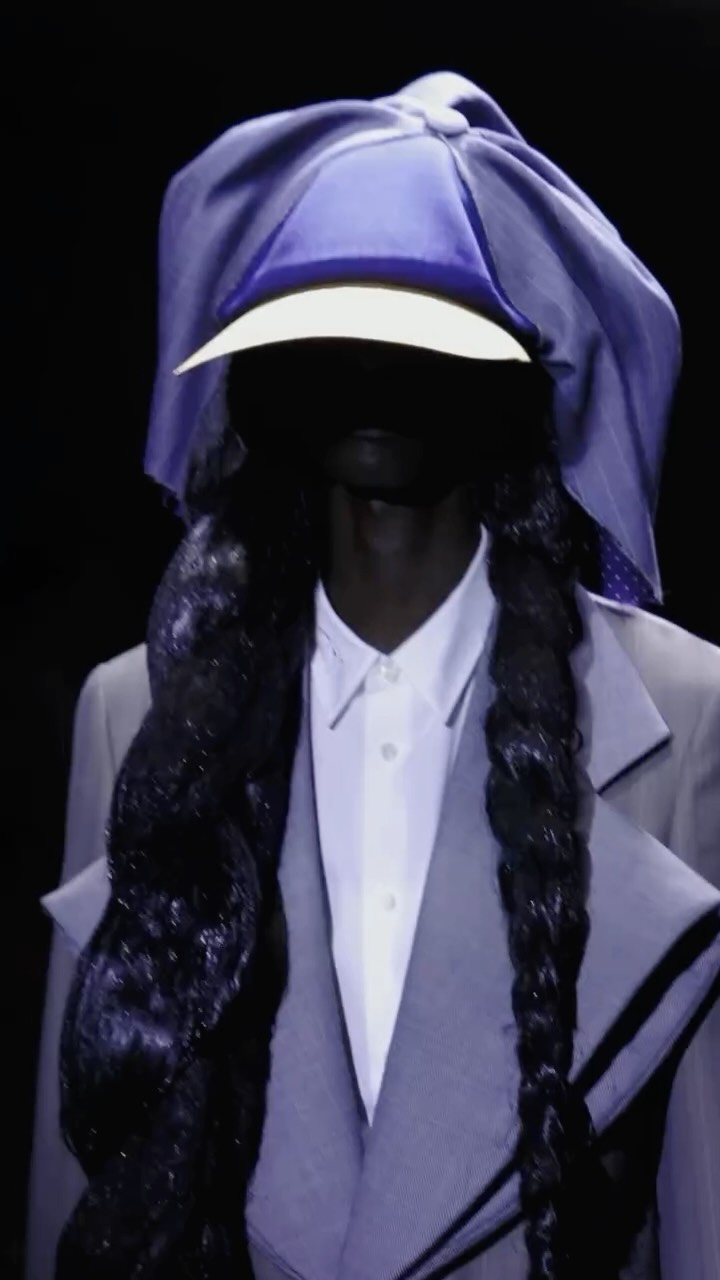
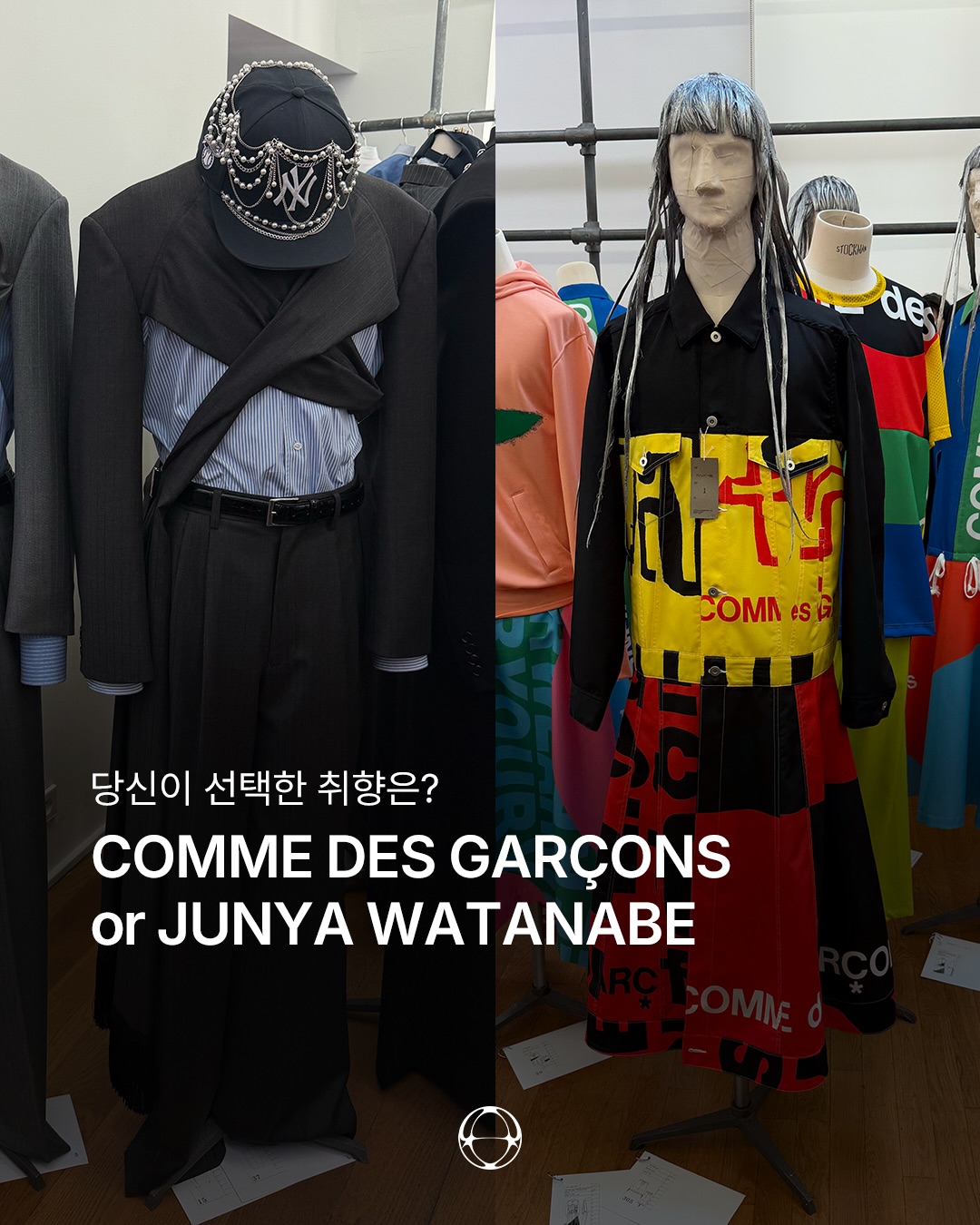
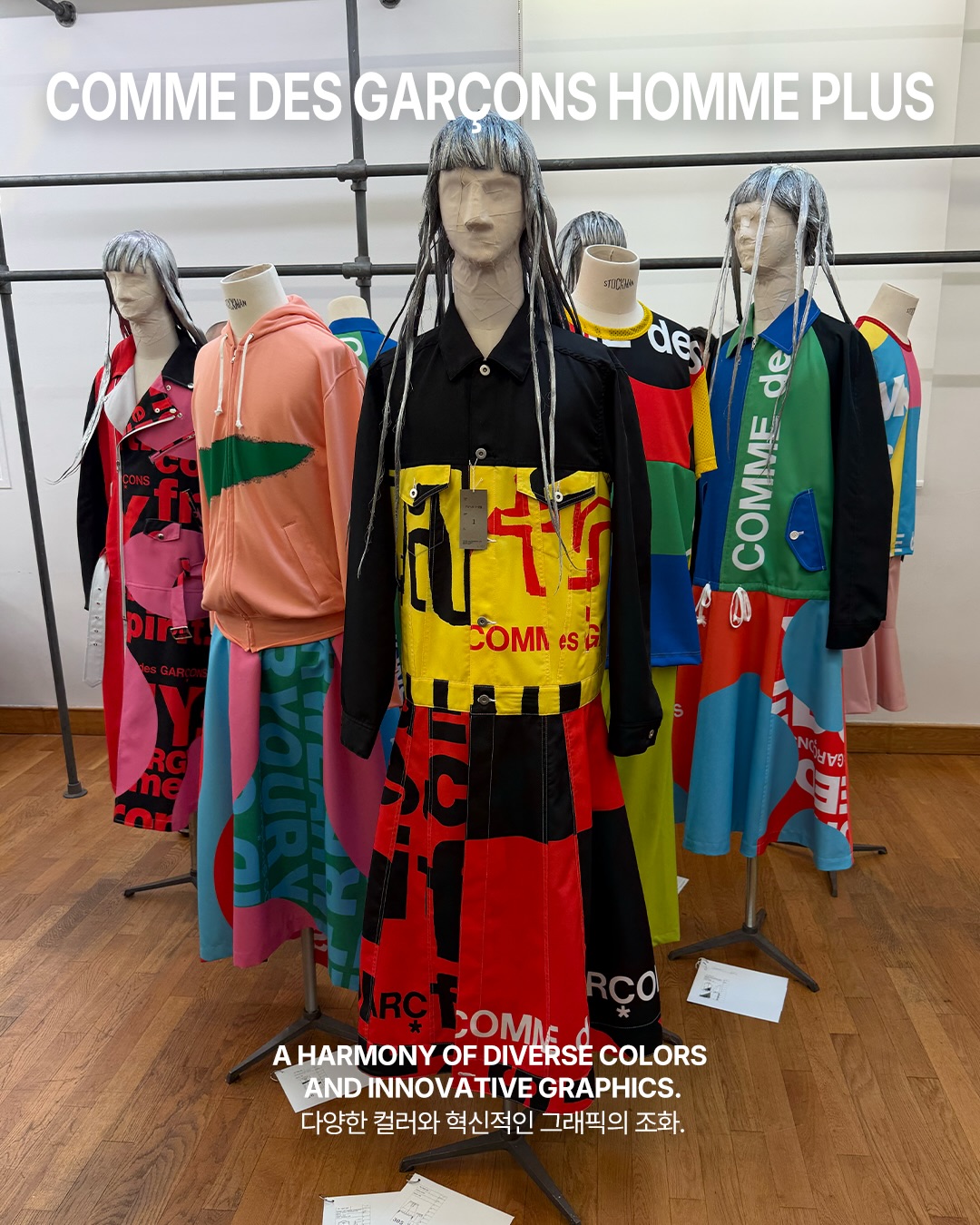
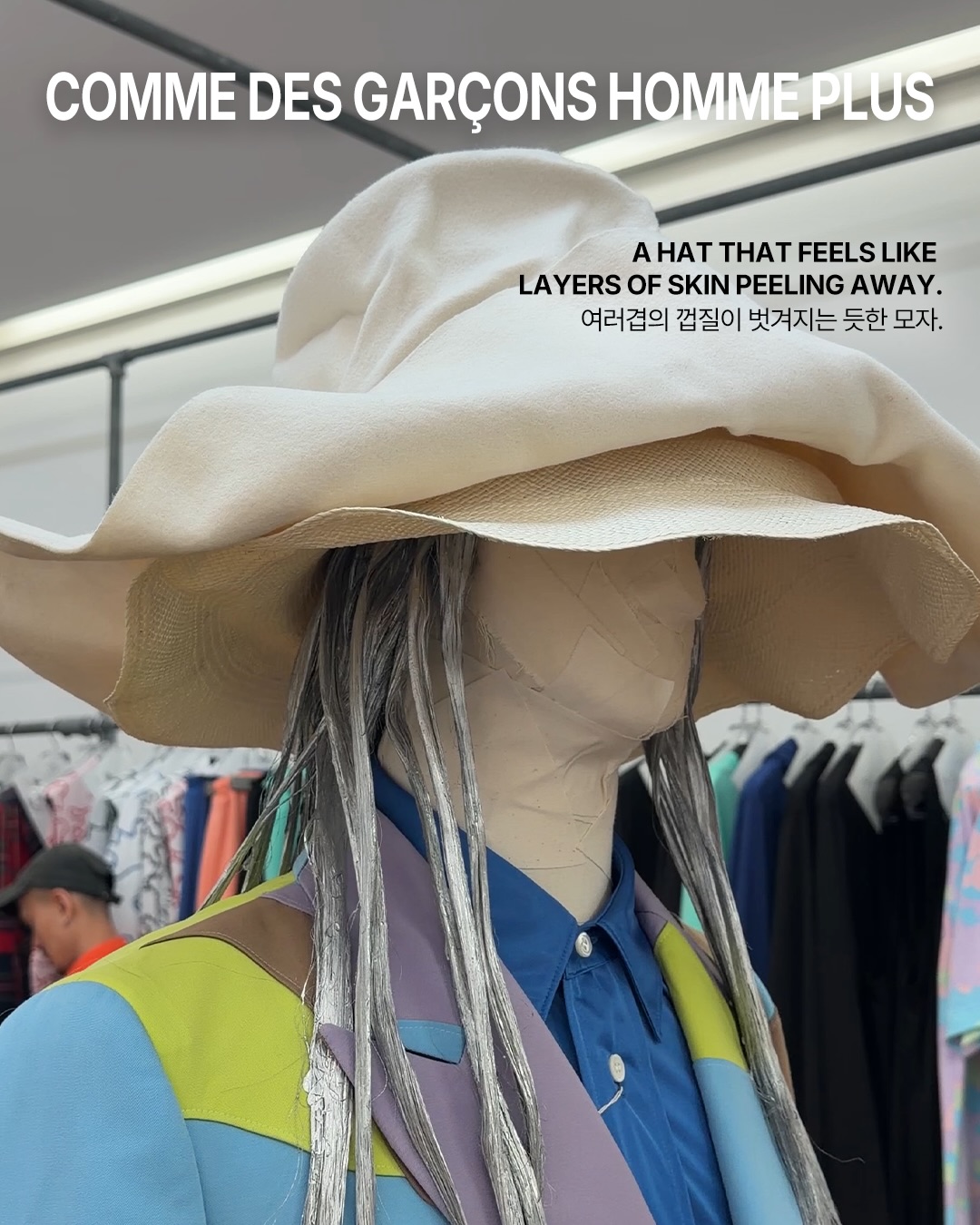
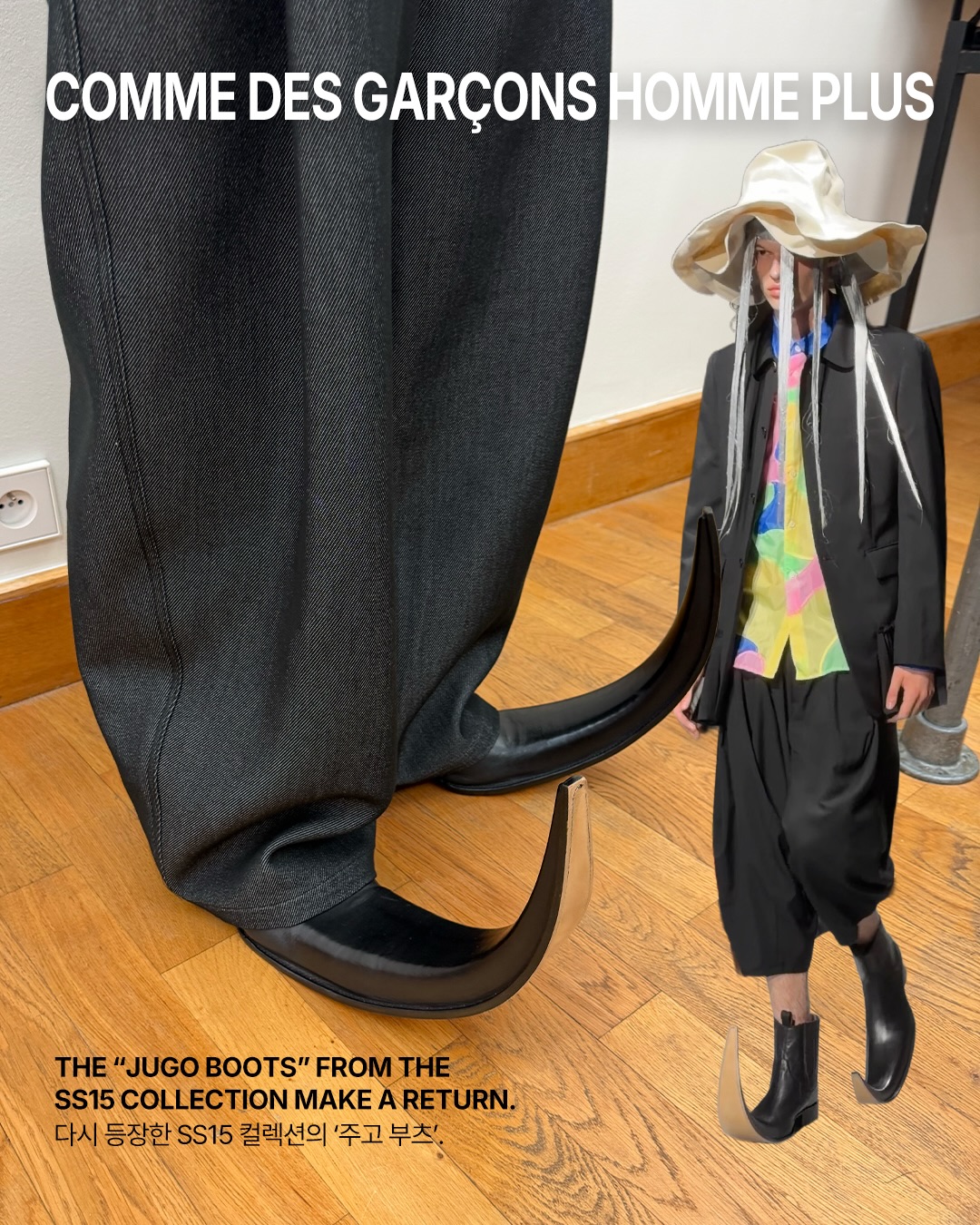
Rei Kawakubo's Comme des Garçons Homme Plus reinforced the brand's signature avant-garde aesthetic by resurrecting the iconic Jugo boots this season. The collision of bold patterns, silver wigs, and towering stacked hats symbolize artistic rebellion through fashion. Black fabric asymmetrically wrapped over striped shirts, headpieces adorned with chains and beads—these elements obscure the wearer's identity while simultaneously projecting an intense presence. Each look reads as a statement of defiance, a refusal to conform to conventional ideas of menswear.
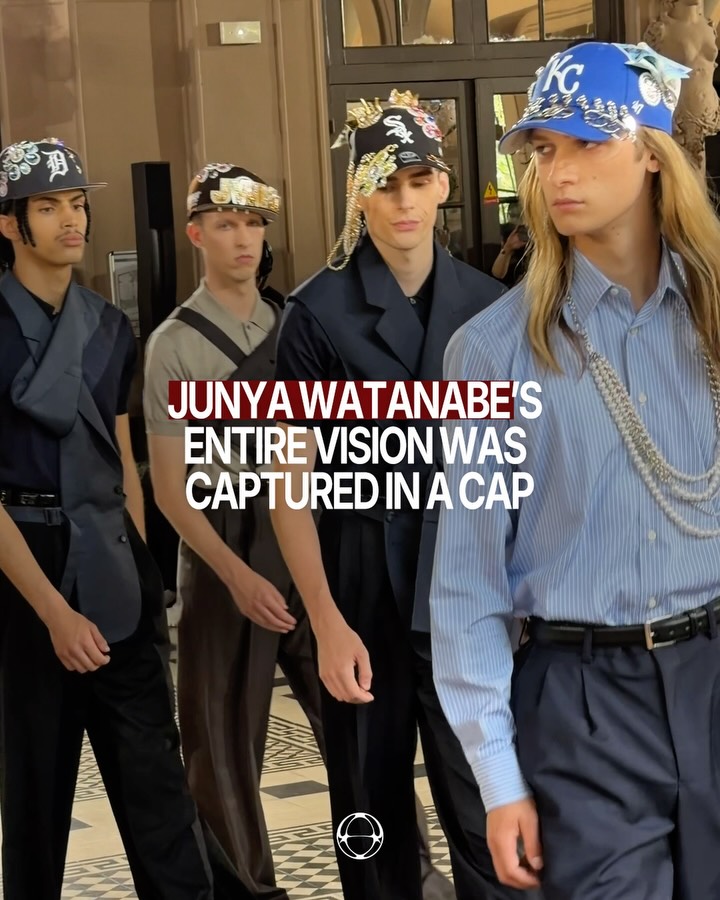
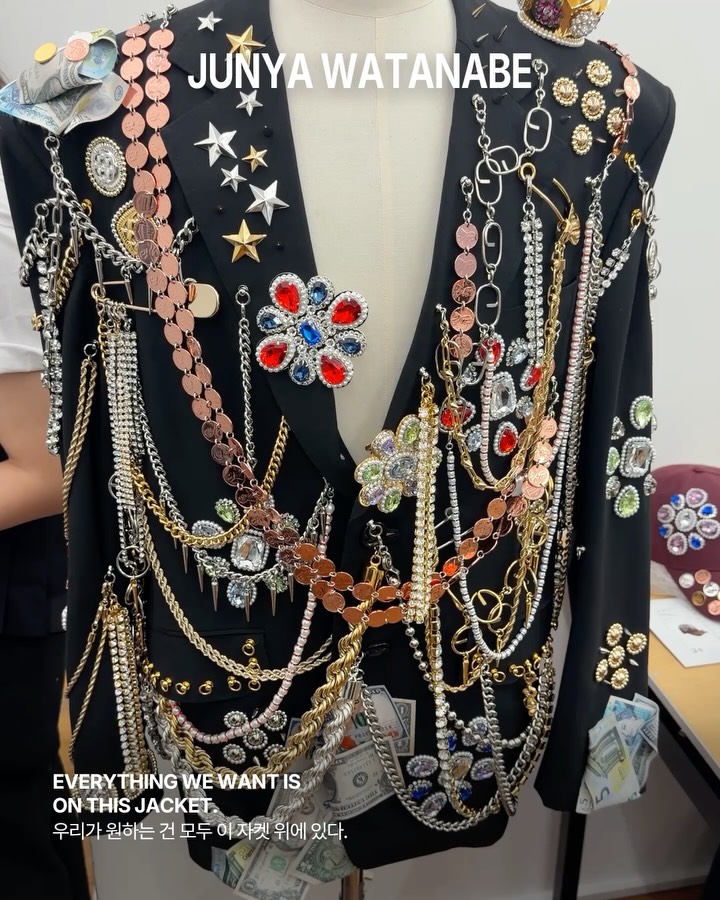
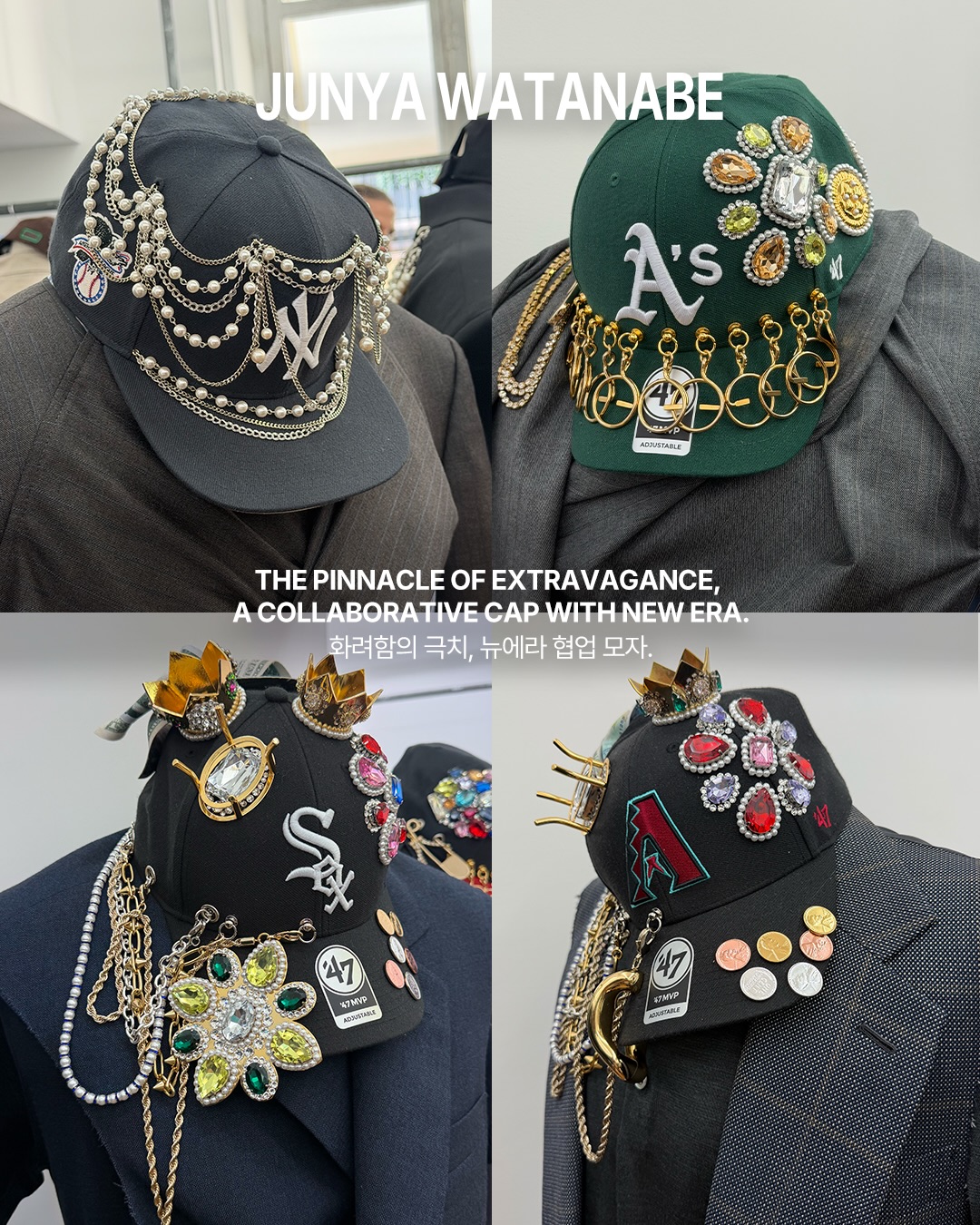
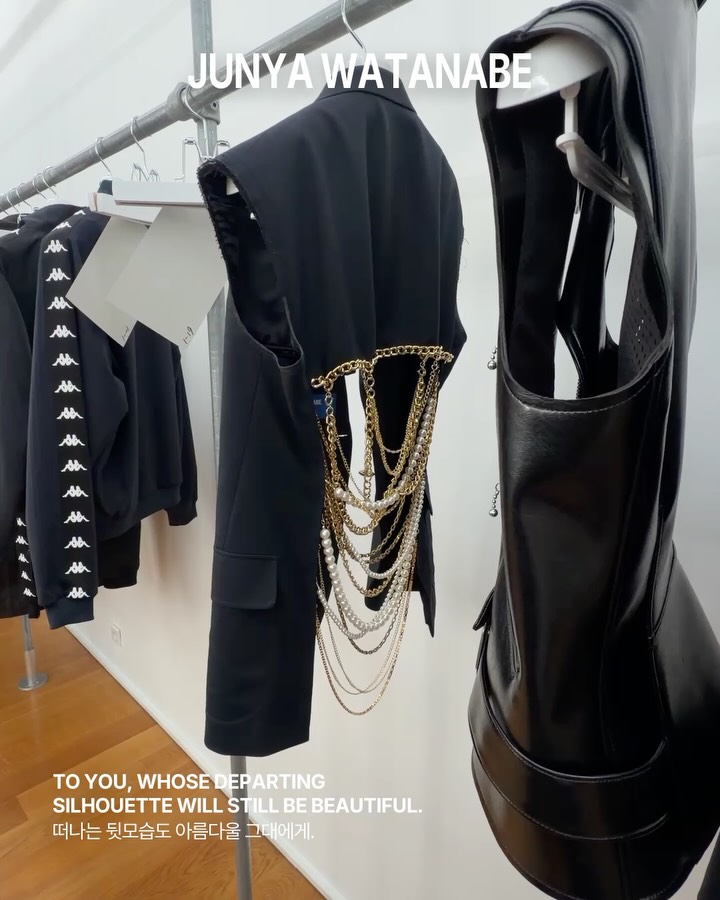
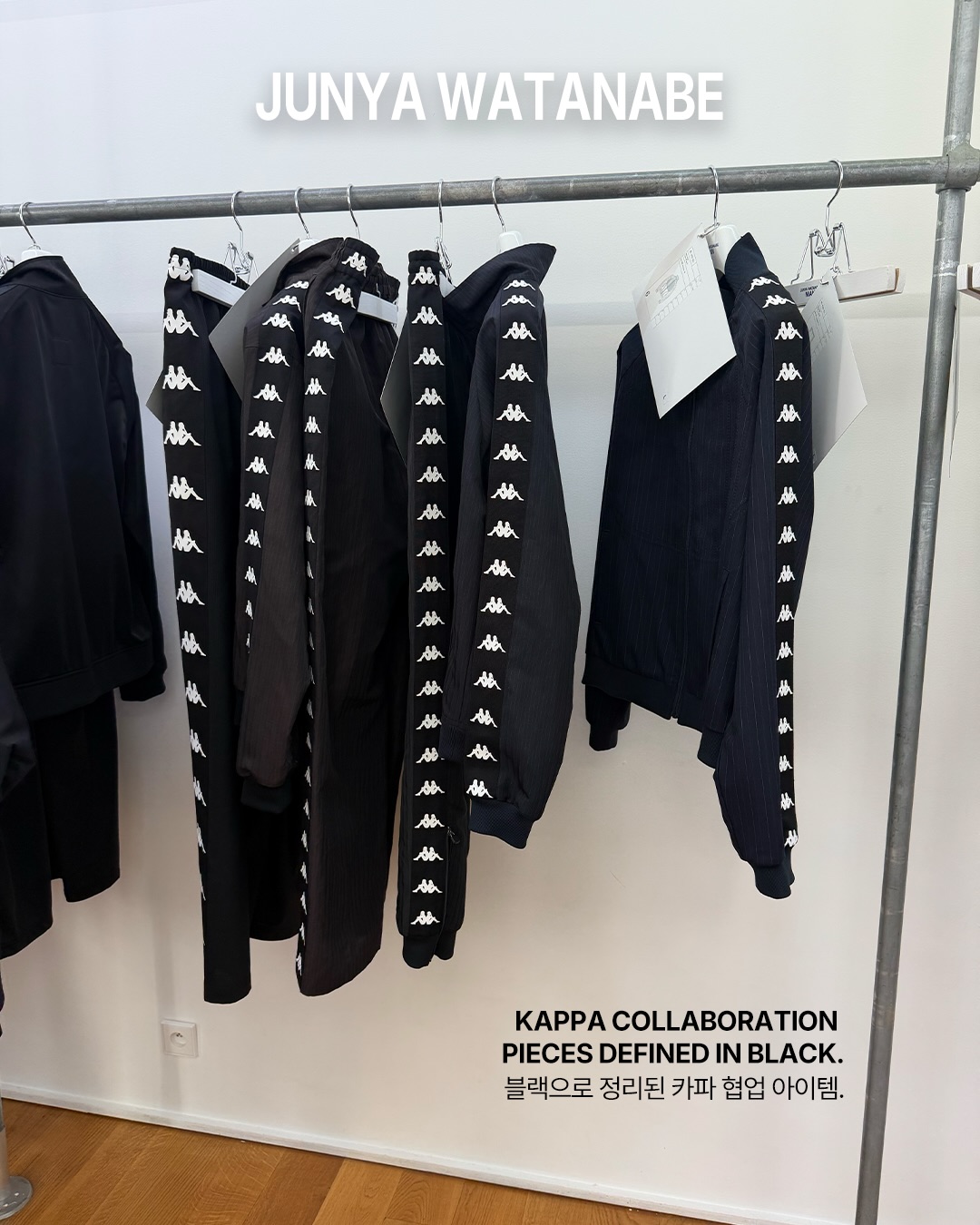
Junya Watanabe, by contrast, presented menswear that balances utility with structural ingenuity through collaborations with Kappa, New Era, Needles, and Carhartt WIP. Graphic-heavy shirts in bold yellow, color-blocked jackets, and meticulously reconstructed streetwear elements demonstrated Watanabe's signature approach. His use of denim and patchwork techniques applies architectural rigor to everyday clothing, striking a careful balance between the real and the experimental. These are clothes that exist in the world while pushing its boundaries.
Will you choose artistic rebellion or refined reality? The question posed by Comme des Garçons and Junya Watanabe transcends mere style preference—it asks how you fundamentally approach fashion itself. Both brands dismantle the boundaries of menswear, but their trajectories diverge completely. One turns inward to the realm of pure expression, the other engages directly with the fabrics of contemporary life. Which direction does your wardrobe face?
Rei Kawakubo's Comme des Garçons Homme Plus reinforced the brand's signature avant-garde aesthetic by resurrecting the iconic Jugo boots this season. The collision of bold patterns, silver wigs, and towering stacked hats symbolize artistic rebellion through fashion. Black fabric asymmetrically wrapped over striped shirts, headpieces adorned with chains and beads—these elements obscure the wearer's identity while simultaneously projecting an intense presence. Each look reads as a statement of defiance, a refusal to conform to conventional ideas of menswear.
Junya Watanabe, by contrast, presented menswear that balances utility with structural ingenuity through collaborations with Kappa, New Era, Needles, and Carhartt WIP. Graphic-heavy shirts in bold yellow, color-blocked jackets, and meticulously reconstructed streetwear elements demonstrated Watanabe's signature approach. His use of denim and patchwork techniques applies architectural rigor to everyday clothing, striking a careful balance between the real and the experimental. These are clothes that exist in the world while pushing its boundaries.
Will you choose artistic rebellion or refined reality? The question posed by Comme des Garçons and Junya Watanabe transcends mere style preference—it asks how you fundamentally approach fashion itself. Both brands dismantle the boundaries of menswear, but their trajectories diverge completely. One turns inward to the realm of pure expression, the other engages directly with the fabrics of contemporary life. Which direction does your wardrobe face?
FAQ
What defines Comme des Garçons Homme Plus 2026 S/S?
The collection revived the iconic Jugo boots and amplified avant-garde aesthetics with clashing bold patterns, silver wigs, and towering hat embellishments.
Which brands did Junya Watanabe collaborate with for 2026 S/S?
Through collaborations with Kappa, New Era, Needles, Carhartt WIP and others, the collection presented menswear combining practicality and structural beauty.
How do Rei Kawakubo and Junya Watanabe's designs differ?
Rei Kawakubo pursues avant-garde aesthetics symbolizing artistic resistance, while Junya Watanabe focuses on practical menswear that meticulously reconstructs streetwear elements.