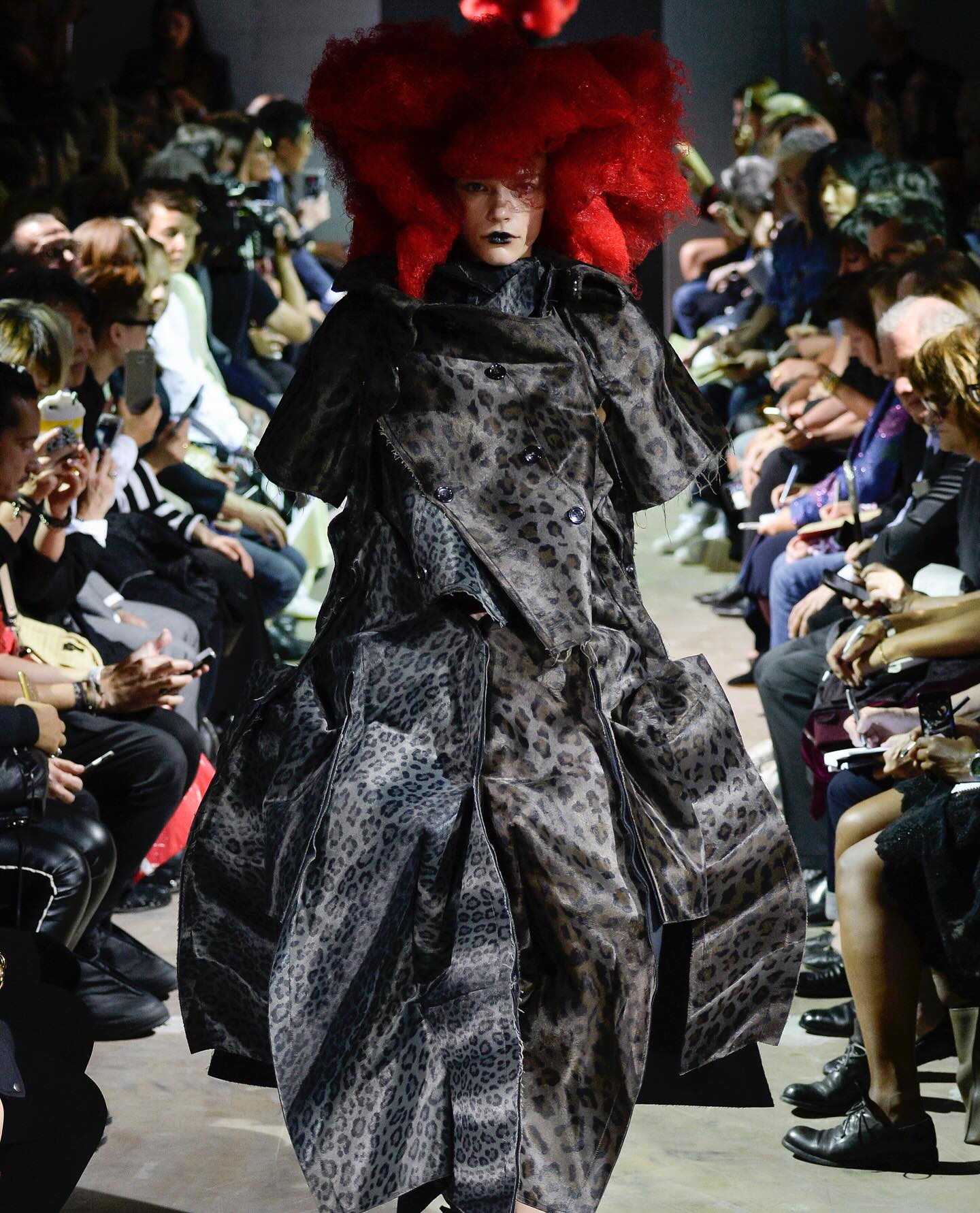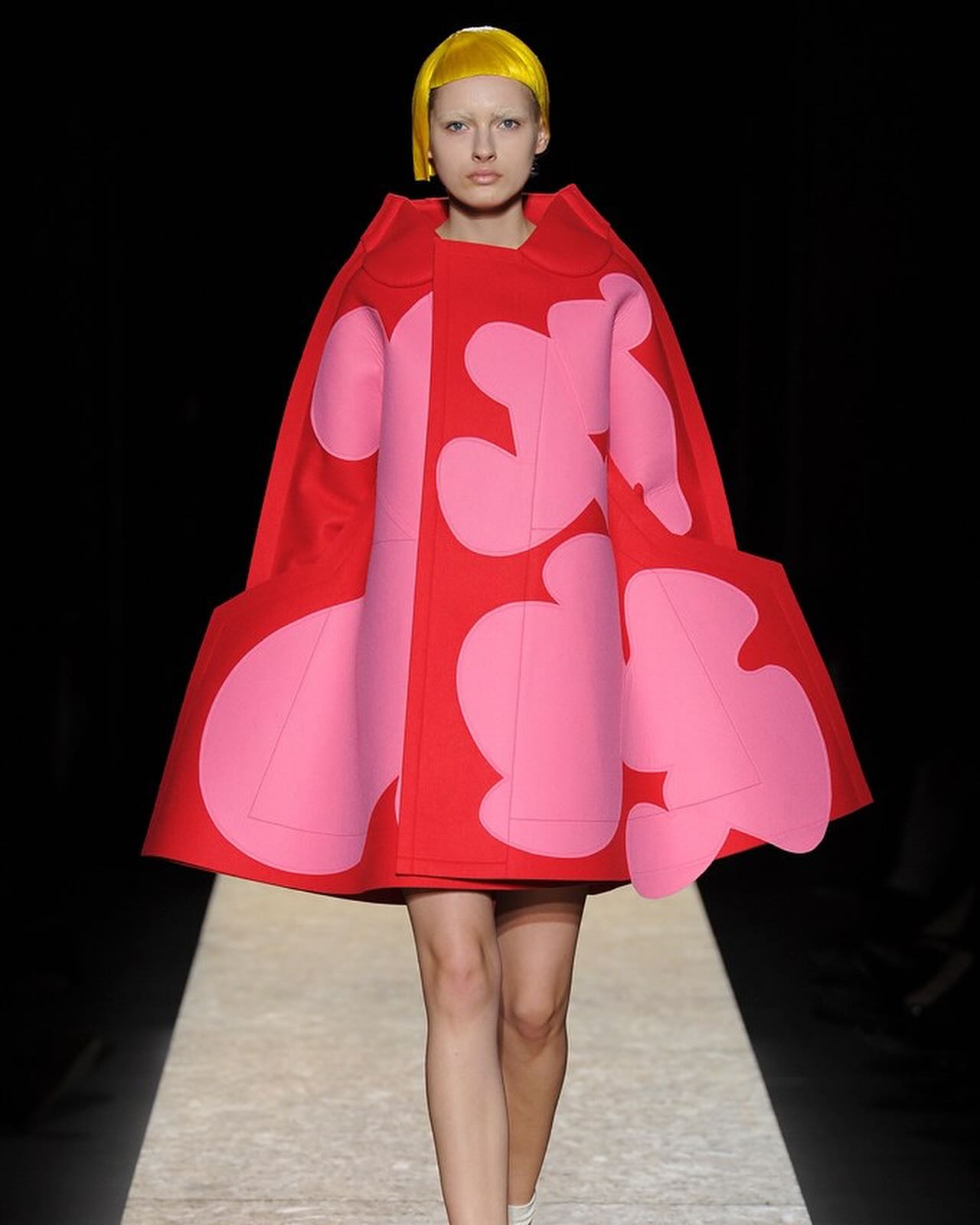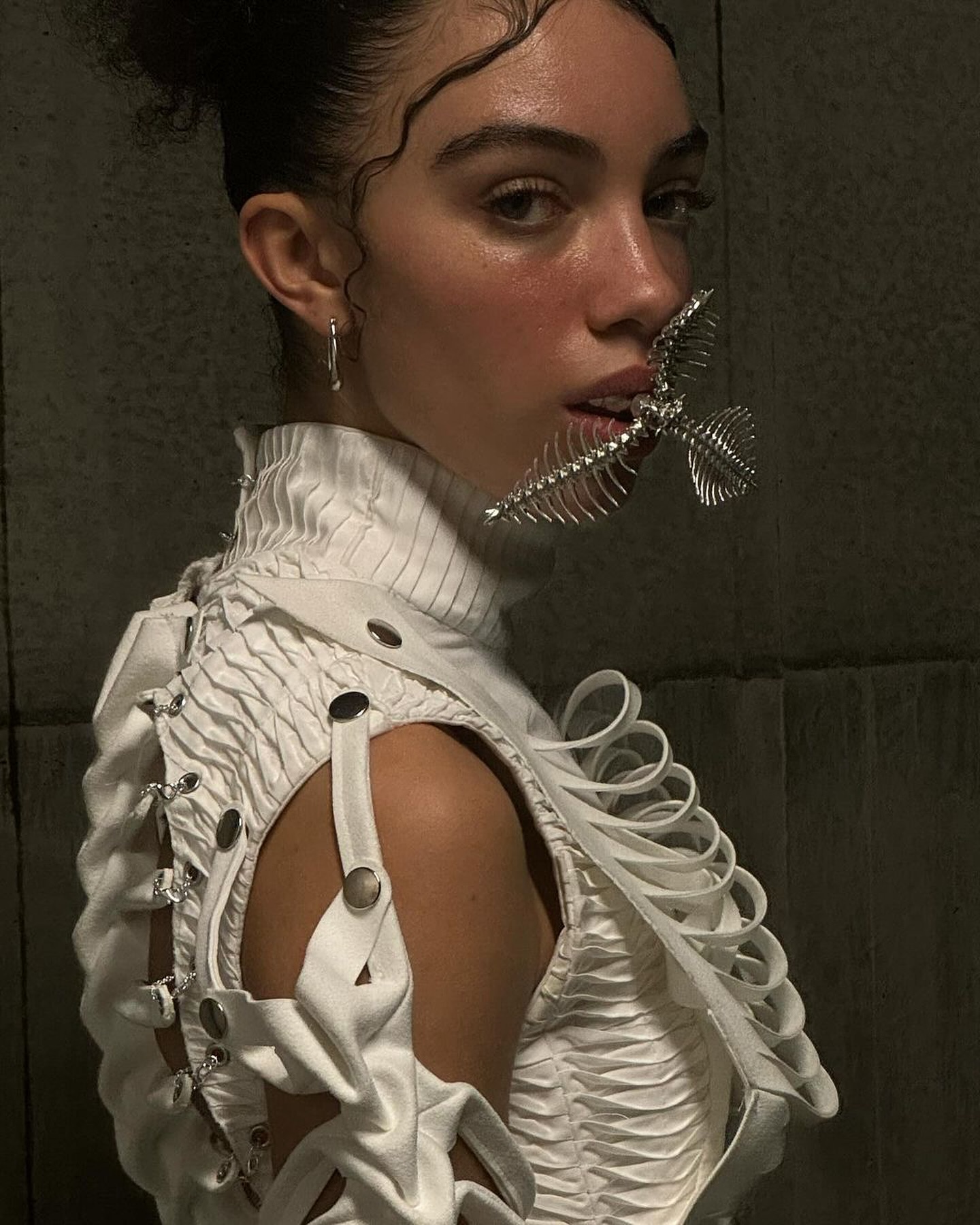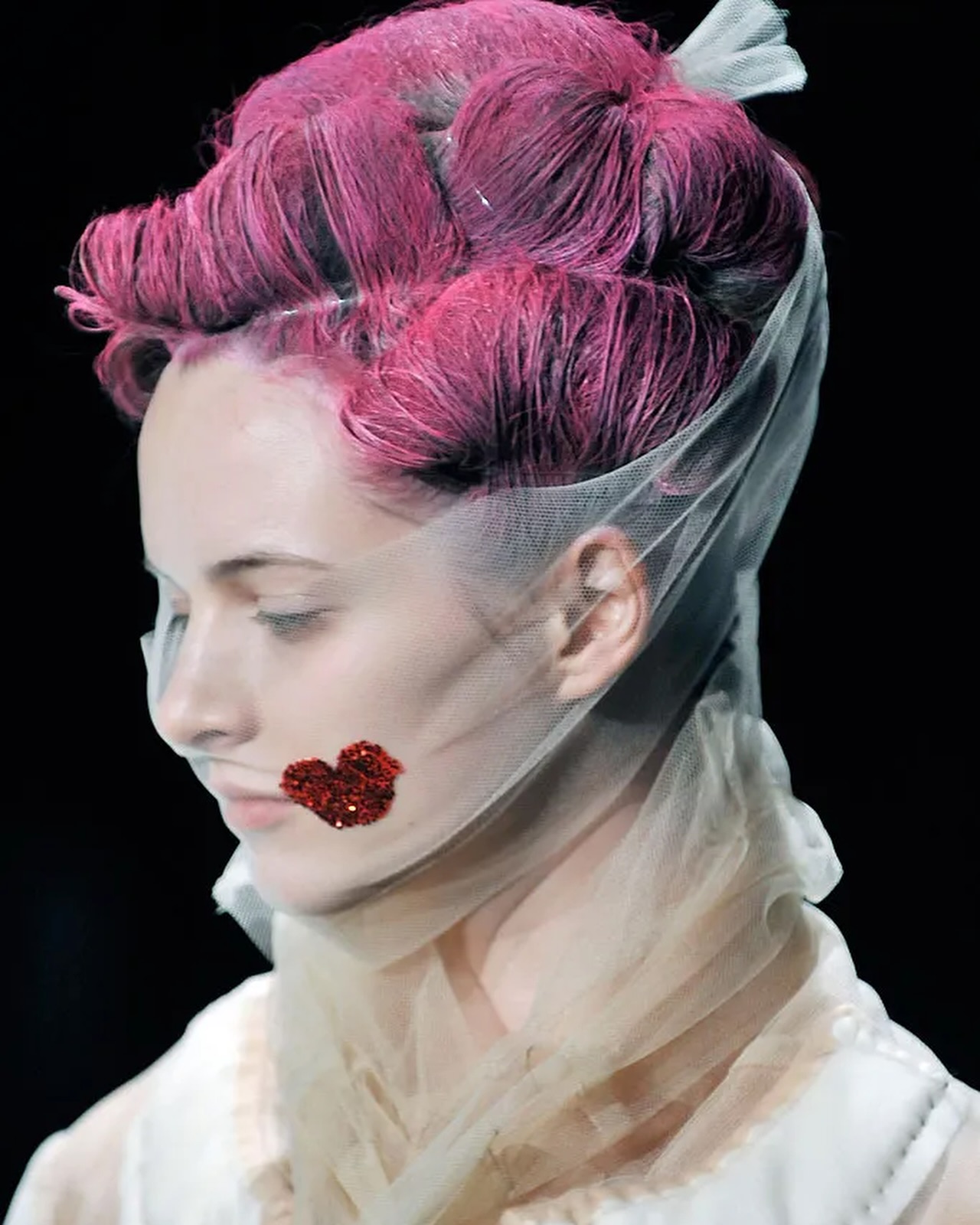
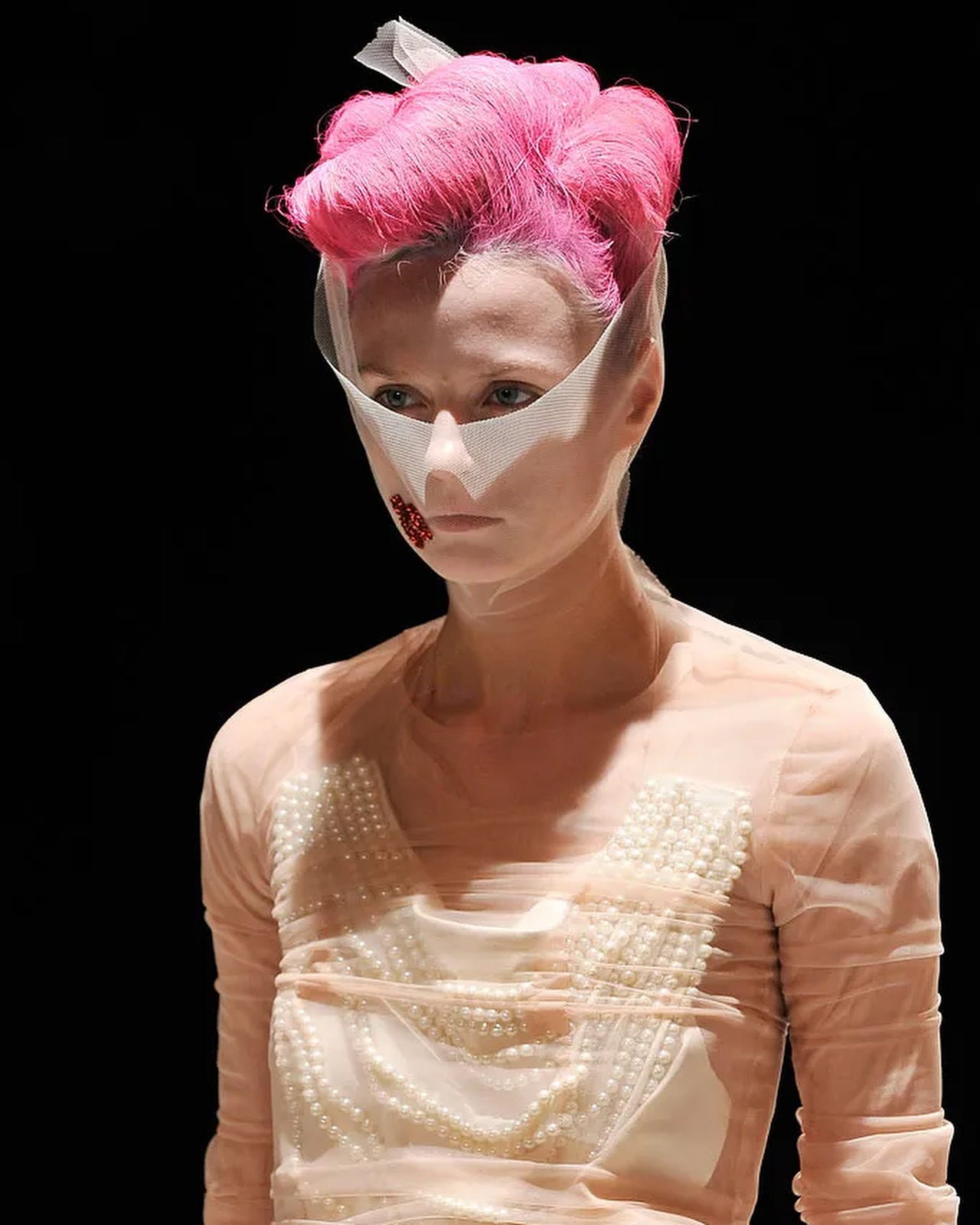
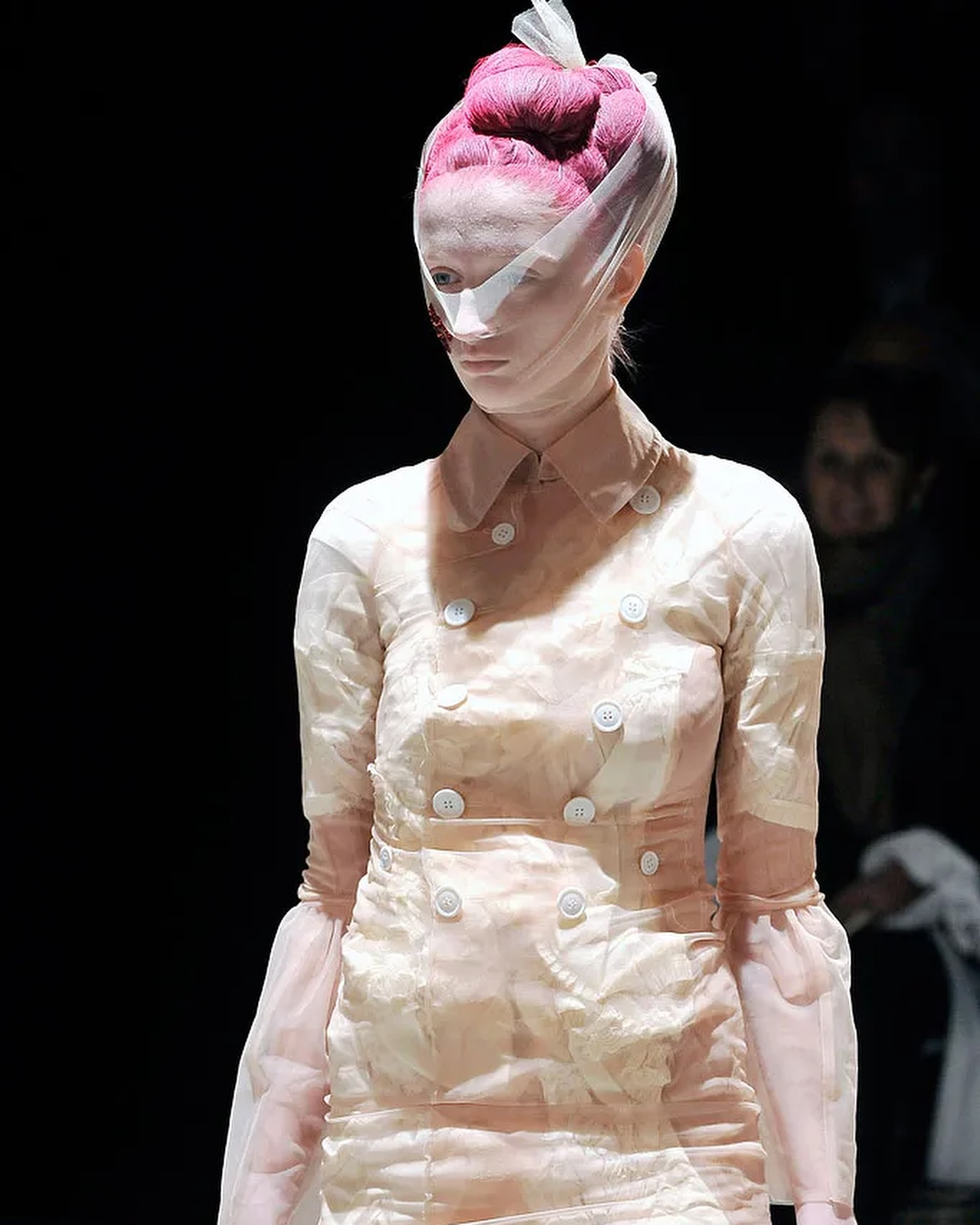
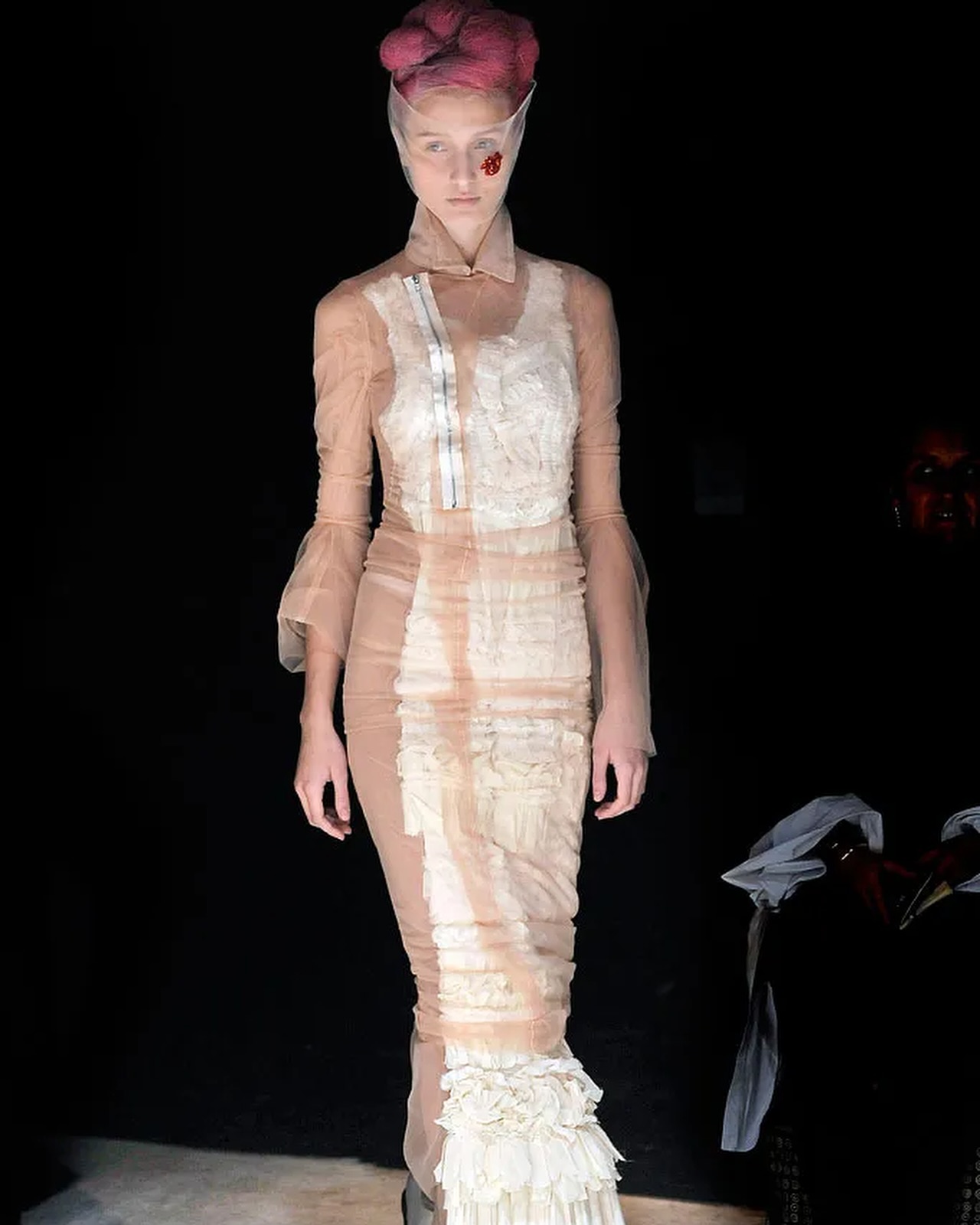
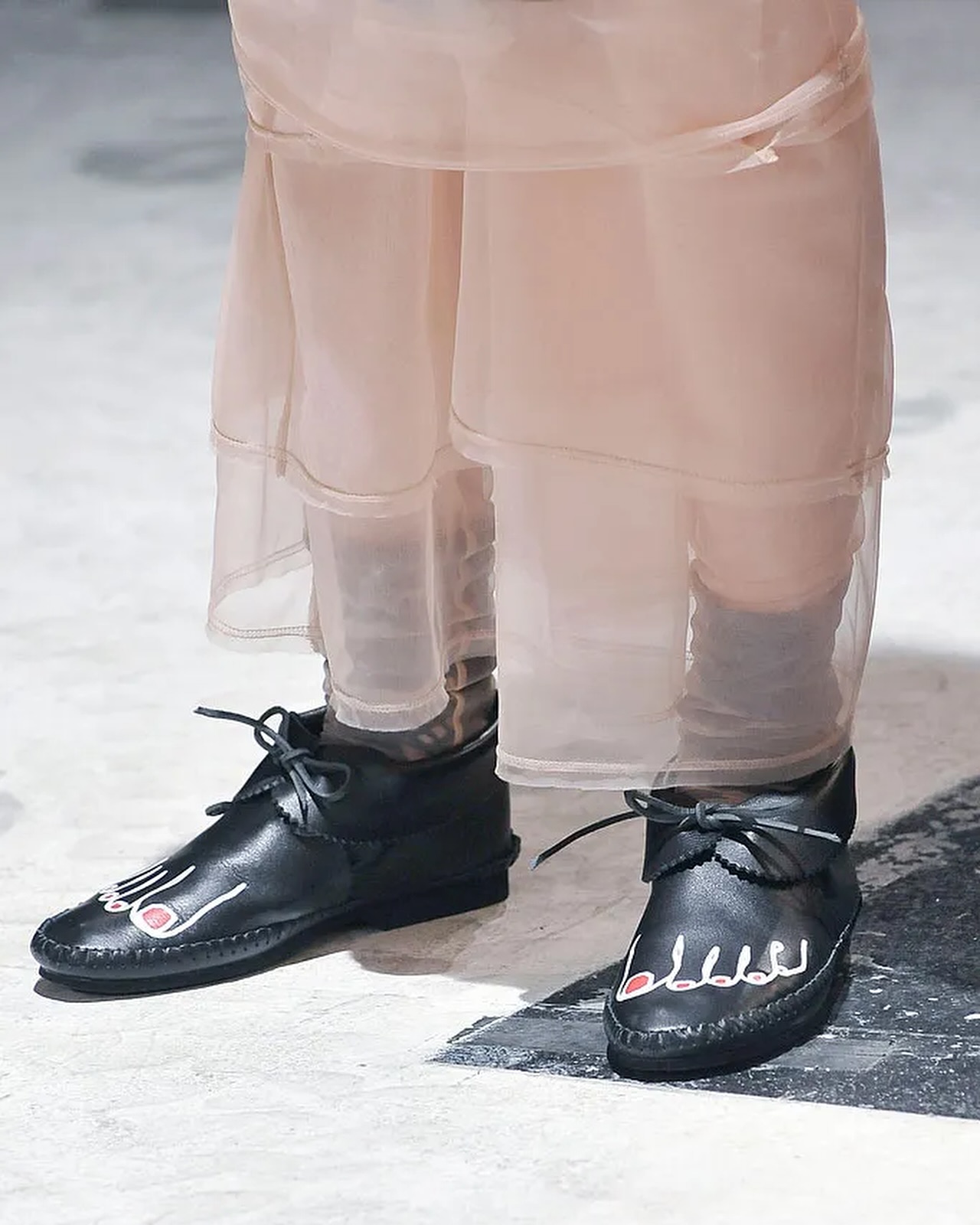
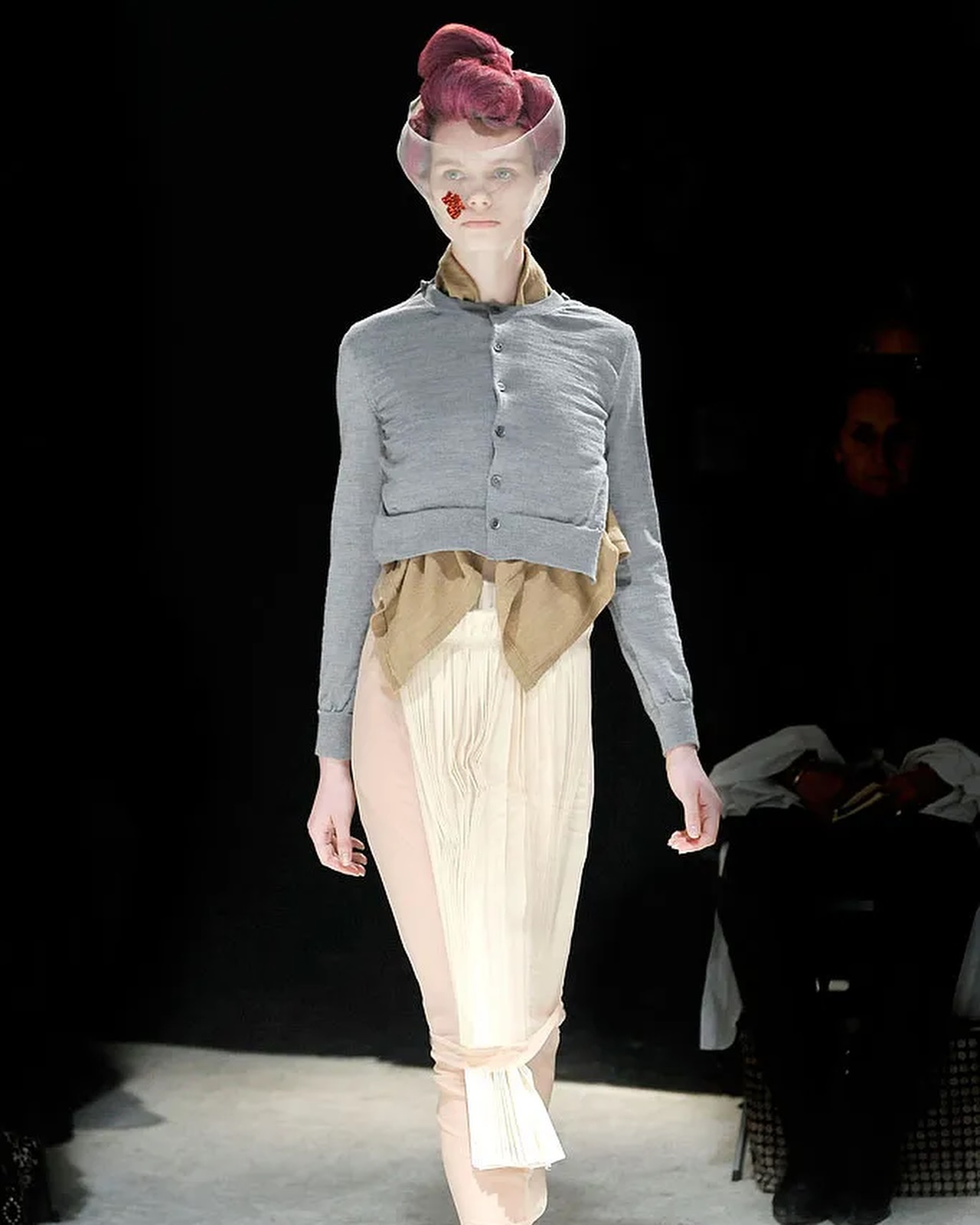
The collection was rich with trompe-l'œil elements—sketched toes on shoes and drawn jacket outlines blurred the line between reality and illusion. Despite Kawakubo's reserved public demeanor, she unleashed powerful, complex feelings on the runway that resonated deeply with audiences. The show challenged viewers to confront emotions that defied easy categorization.
What makes Kawakubo's work particularly remarkable is how her designs, once dismantled, often become wearable pieces. This ability to transform radical avant-garde concepts into practical fashion demonstrates her unique genius. 'Wonderland' remains a testament to how fashion can probe the anxieties of its time, serving as both artistic statement and cultural commentary on an age of uncertainty.
FAQ
What characterizes Rei Kawakubo's 2009 F/W 'Wonderland' collection?
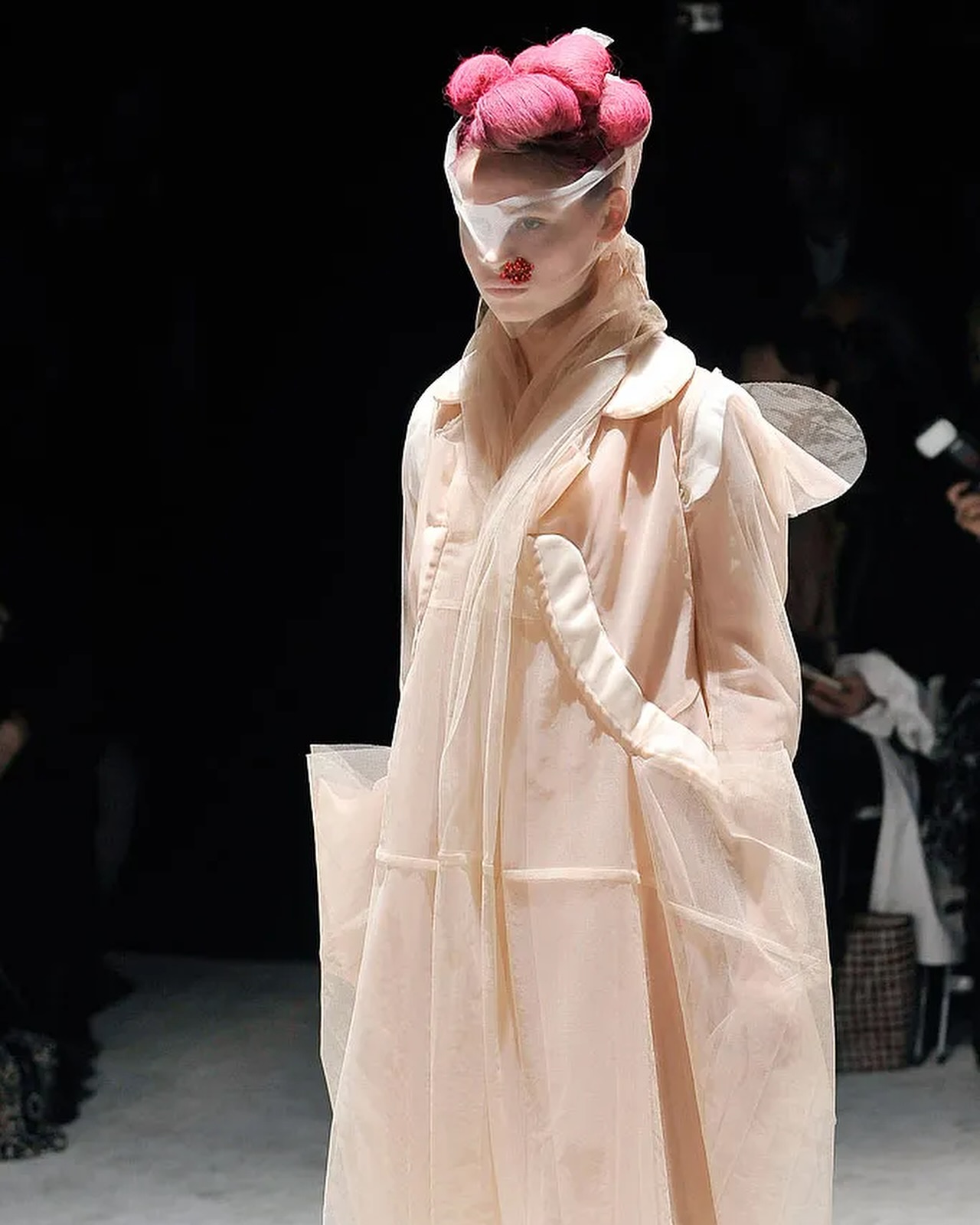
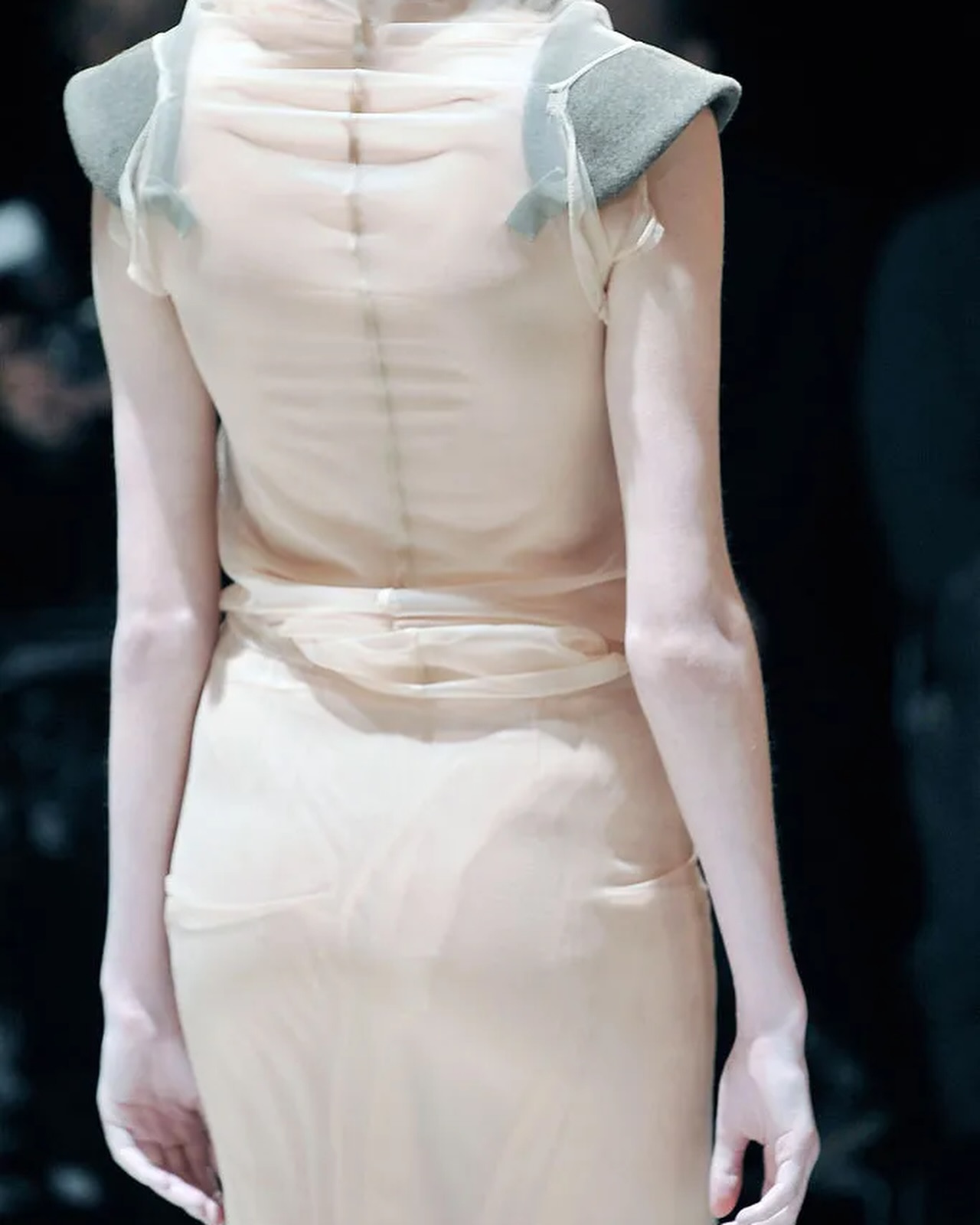
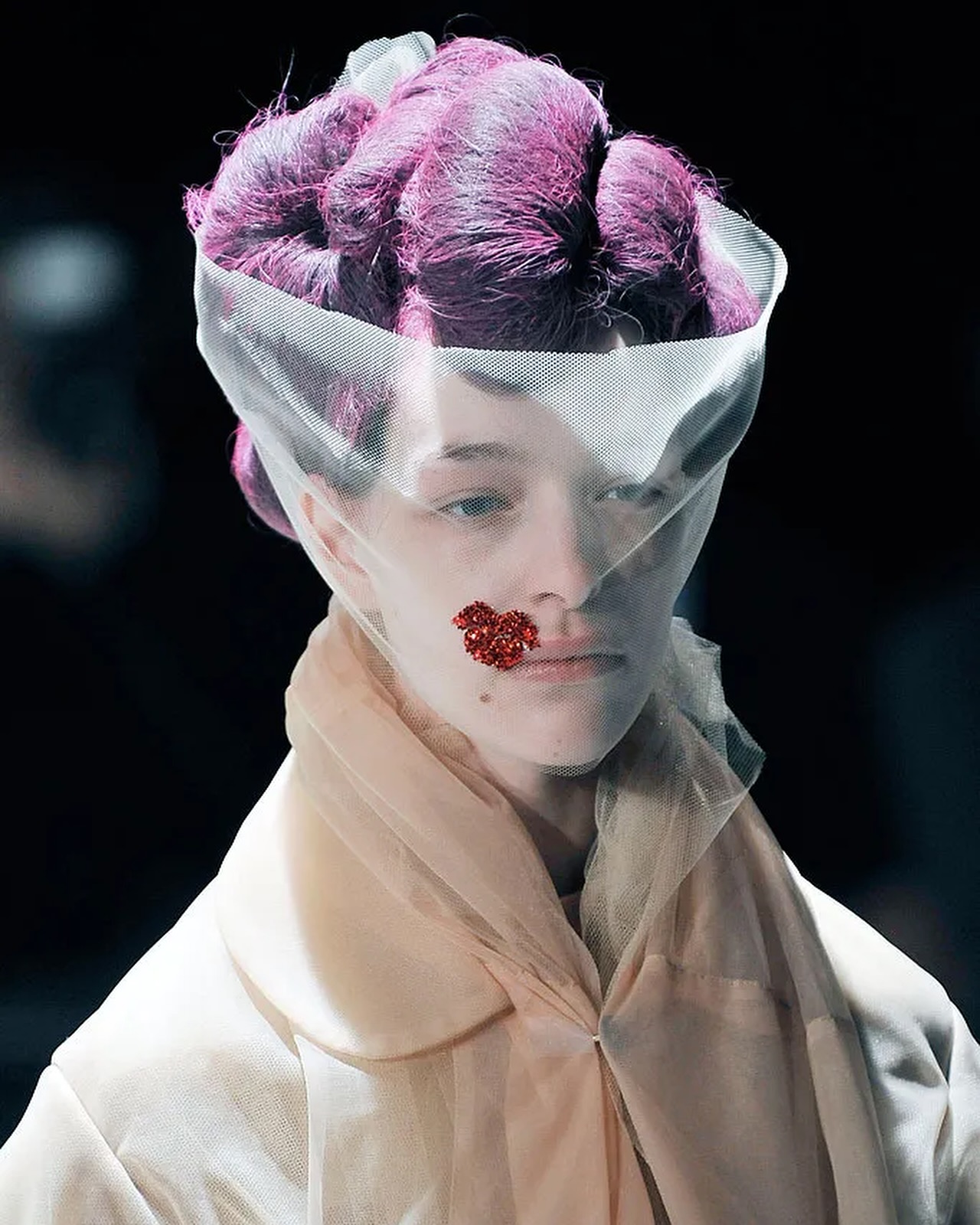
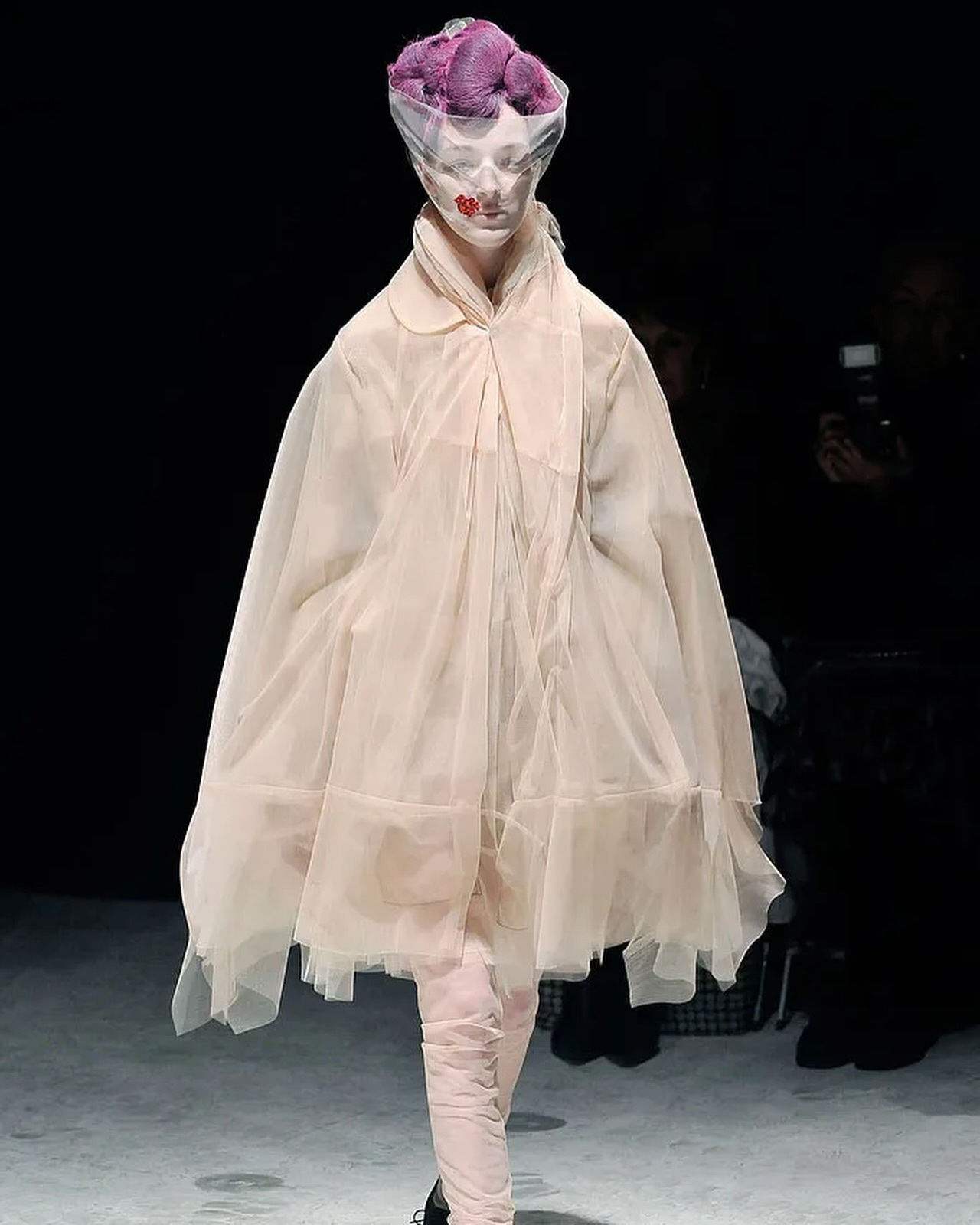
Featuring flesh-toned tulle layers, veil masks, and pyramidal structures stacking jackets and sweaters, it employed trompe-l'œil techniques like sketched toes on shoes and drawn jacket outlines to blur reality and fantasy. Rather than simply showing clothes, it expressed the era's chaos and complex emotions.
Who is Rei Kawakubo?
Rei Kawakubo is Comme des Garçons' founder and one of contemporary fashion's most avant-garde and witty designers. She's renowned for transforming avant-garde concepts into wearable fashion, presenting intense emotions and experimental designs on stage despite her reserved demeanor.
How was trompe-l'œil technique used in the 2009 F/W Comme des Garçons collection?
The trompe-l'œil (visual deception) technique appeared through details like sketched toes on shoes and drawn jacket outlines. This technique blurred boundaries between reality and illusion, visually reinforcing the collection's 'Wonderland' theme.