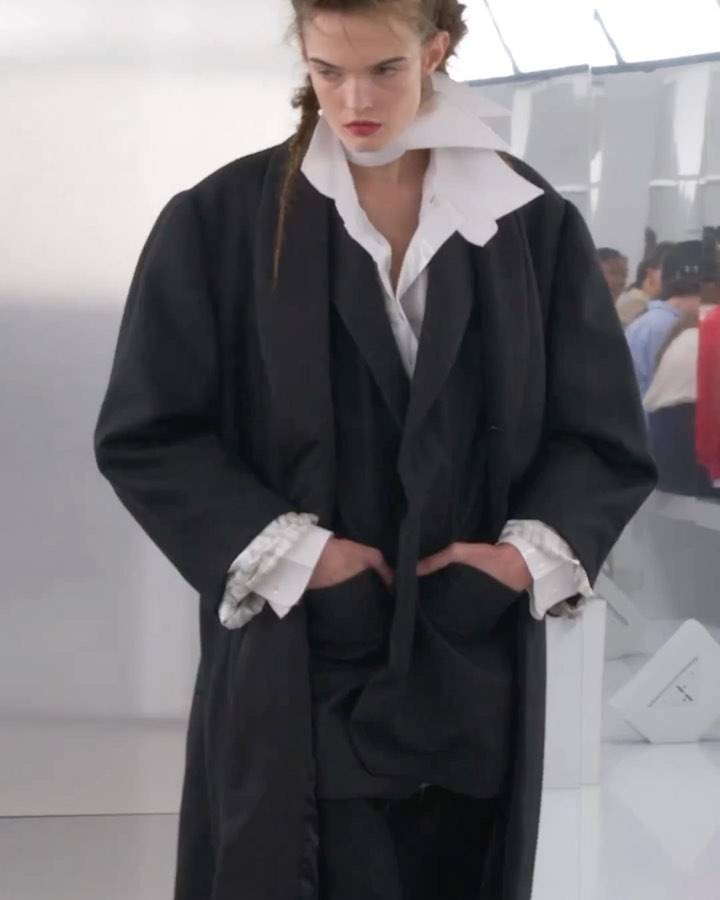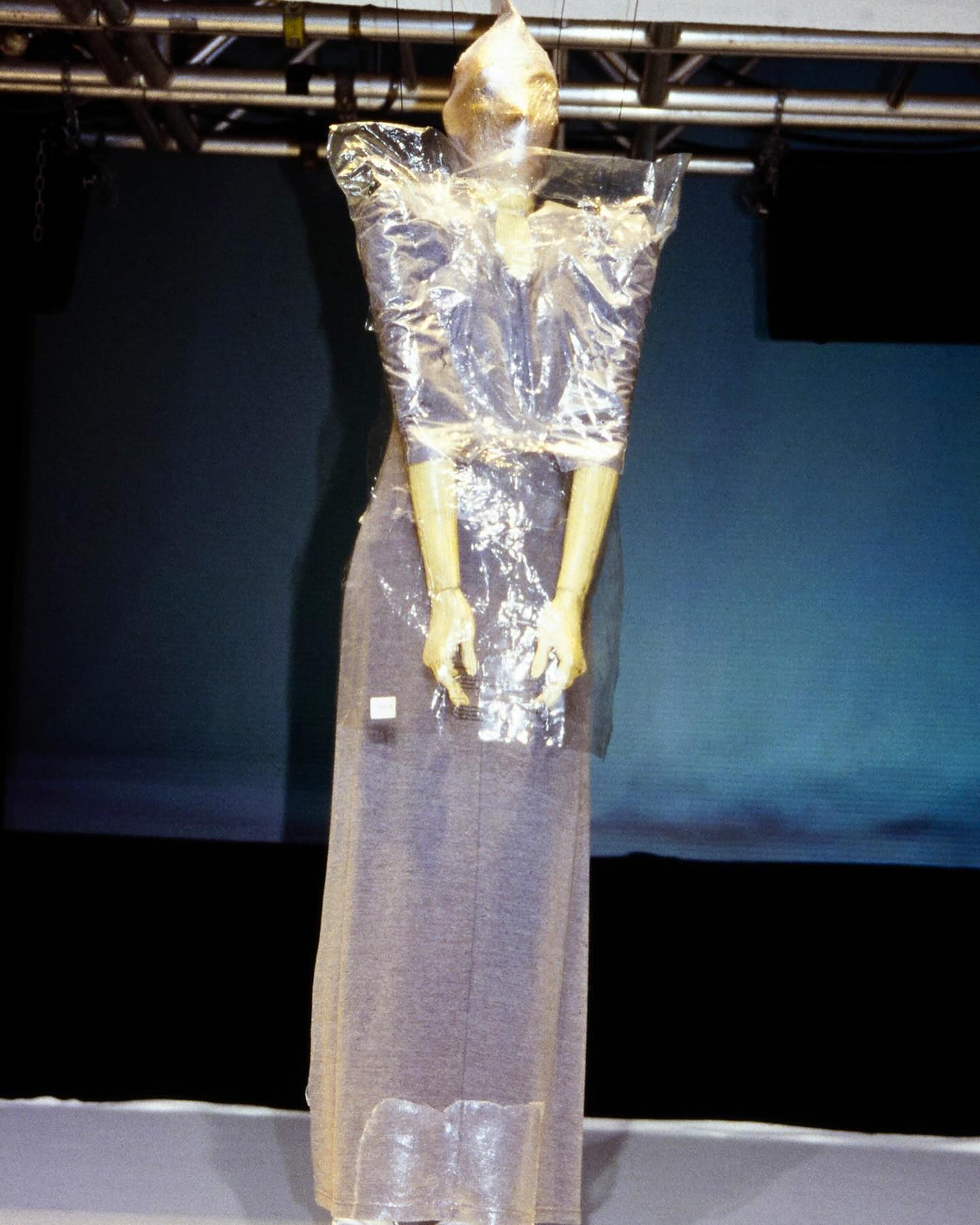
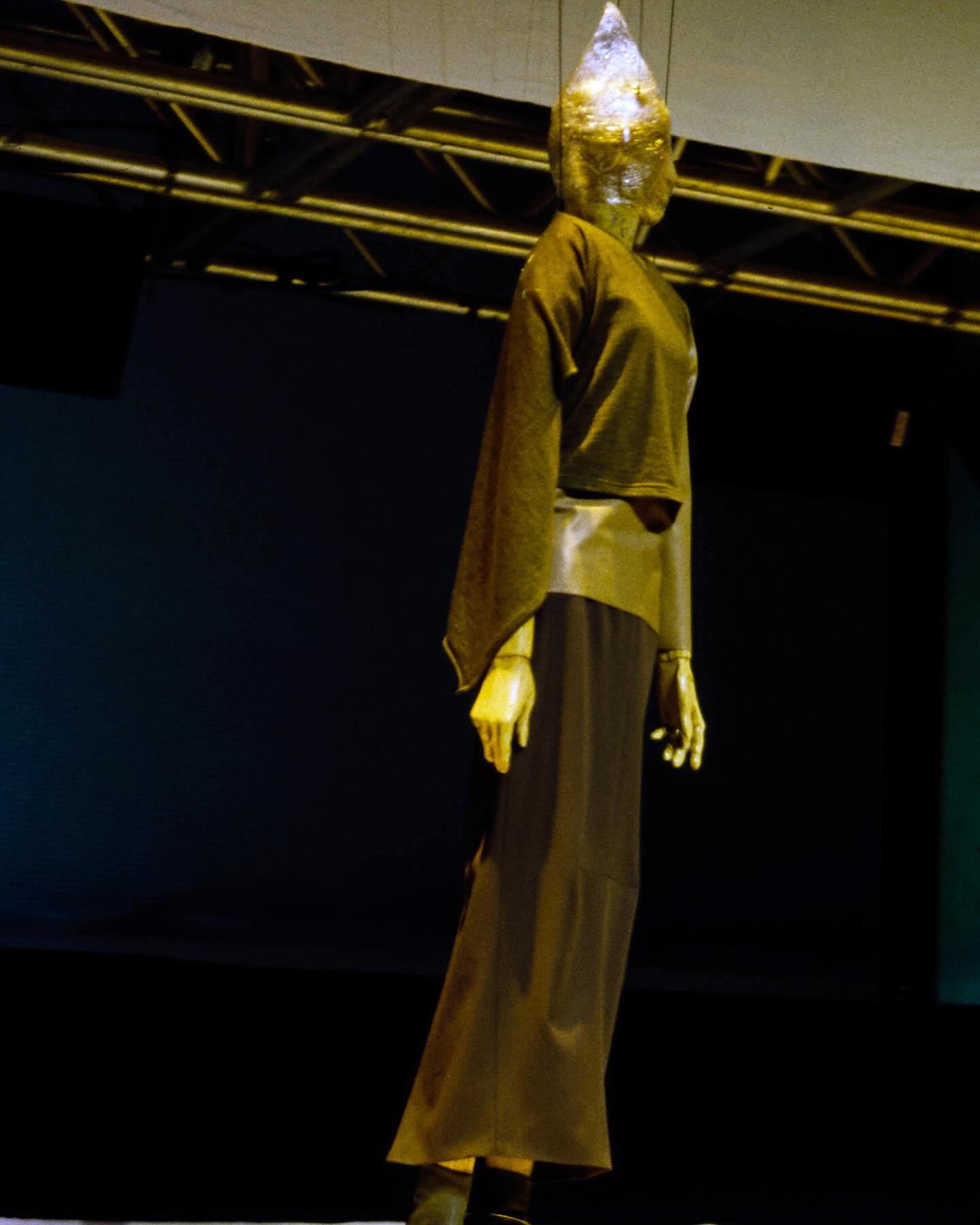
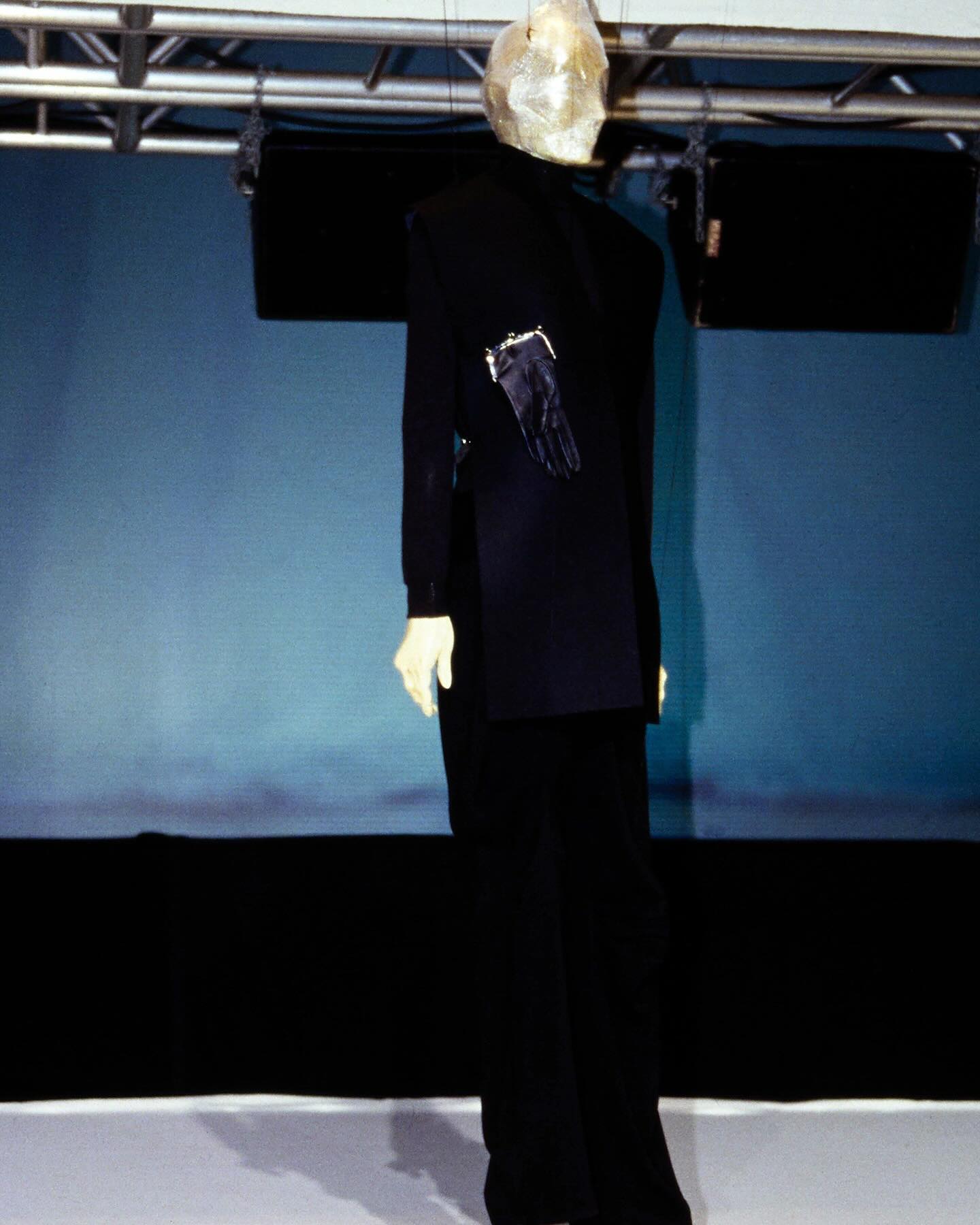
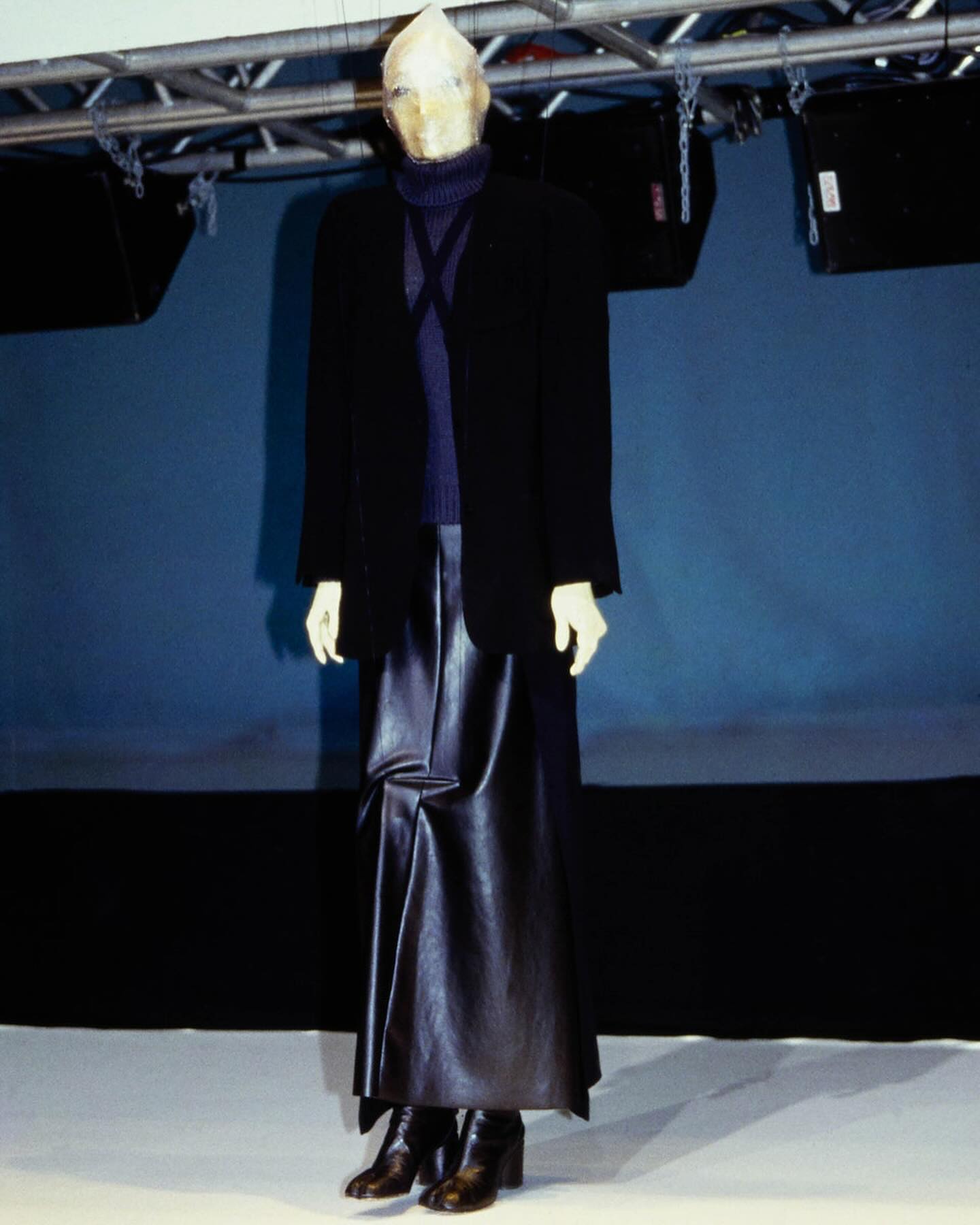
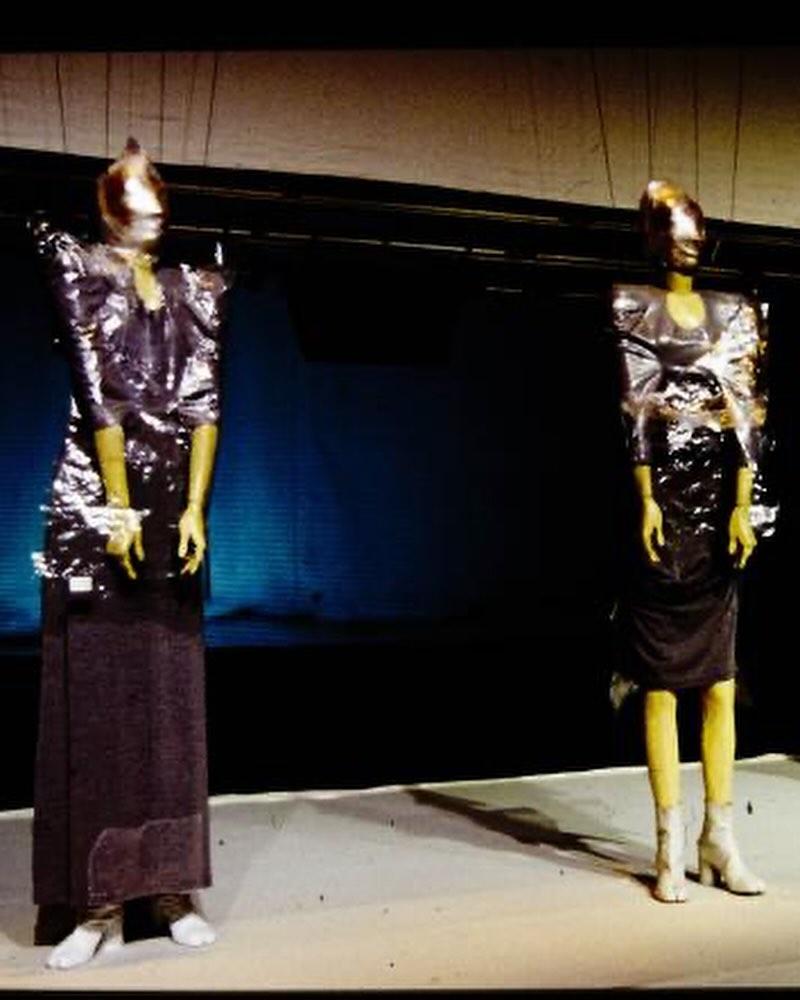
The transparent vinyl-wrapped garments exemplified Margiela's signature deconstructivist philosophy to the extreme. This paradoxical approach—simultaneously revealing and concealing the structure and form of clothing—demonstrated that fashion could transcend mere wearability to become conceptual art. The choice of vinyl, an industrial and unconventional material, was a radical experiment for its time.
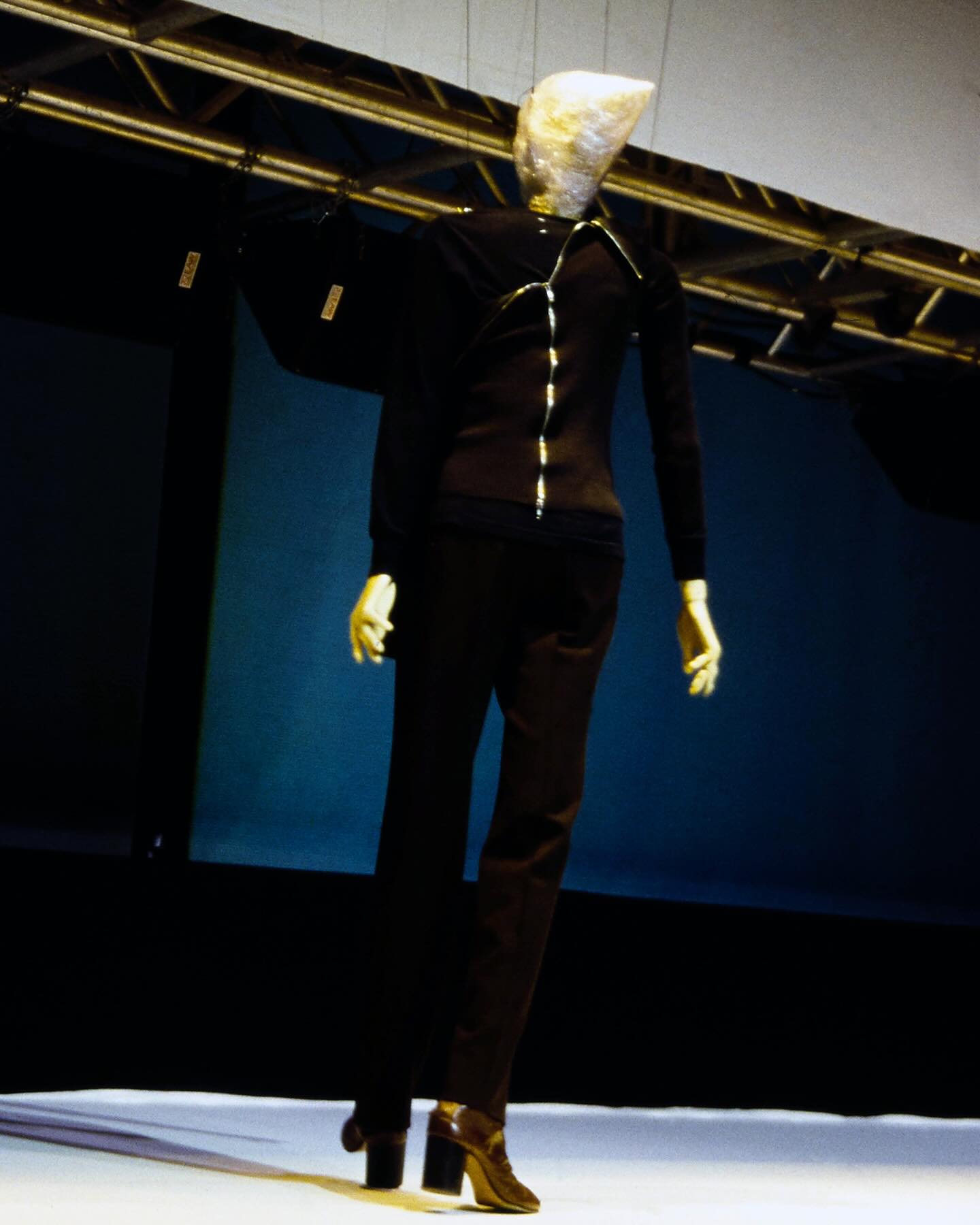
This collection starkly embodied the brand's pursuit of anonymity and anti-fashion attitude. The act of erasing the model's identity and packaging clothes in wrapping material carried a critical message about consumerism and commercialism in the fashion industry. Twenty-five years later, this runway continues to be celebrated as an icon of experimental fashion, inspiring contemporary designers worldwide.
FAQ
What defines the Maison Margiela 1998 FW collection?
The collection's defining feature is garments completely wrapped in plastic vinyl. It became a fashion landmark through staging that focused on clothing over models and experimental materials that maximized deconstructivist philosophy.
Why did Margiela use vinyl material?
Vinyl expressed Margiela's deconstructivism and anti-fashion stance. By packaging clothes in industrial, non-traditional material, he critiqued consumerism and commercialism in fashion, creating a paradoxical approach that simultaneously revealed and concealed structure.
How did the Maison Margiela 1998 collection influence contemporary fashion?
The 1998 FW collection remains an experimental fashion icon 25 years later, inspiring contemporary designers. It demonstrated fashion's potential as conceptual art and posed essential questions about fashion through anonymity and anti-commercial attitude.