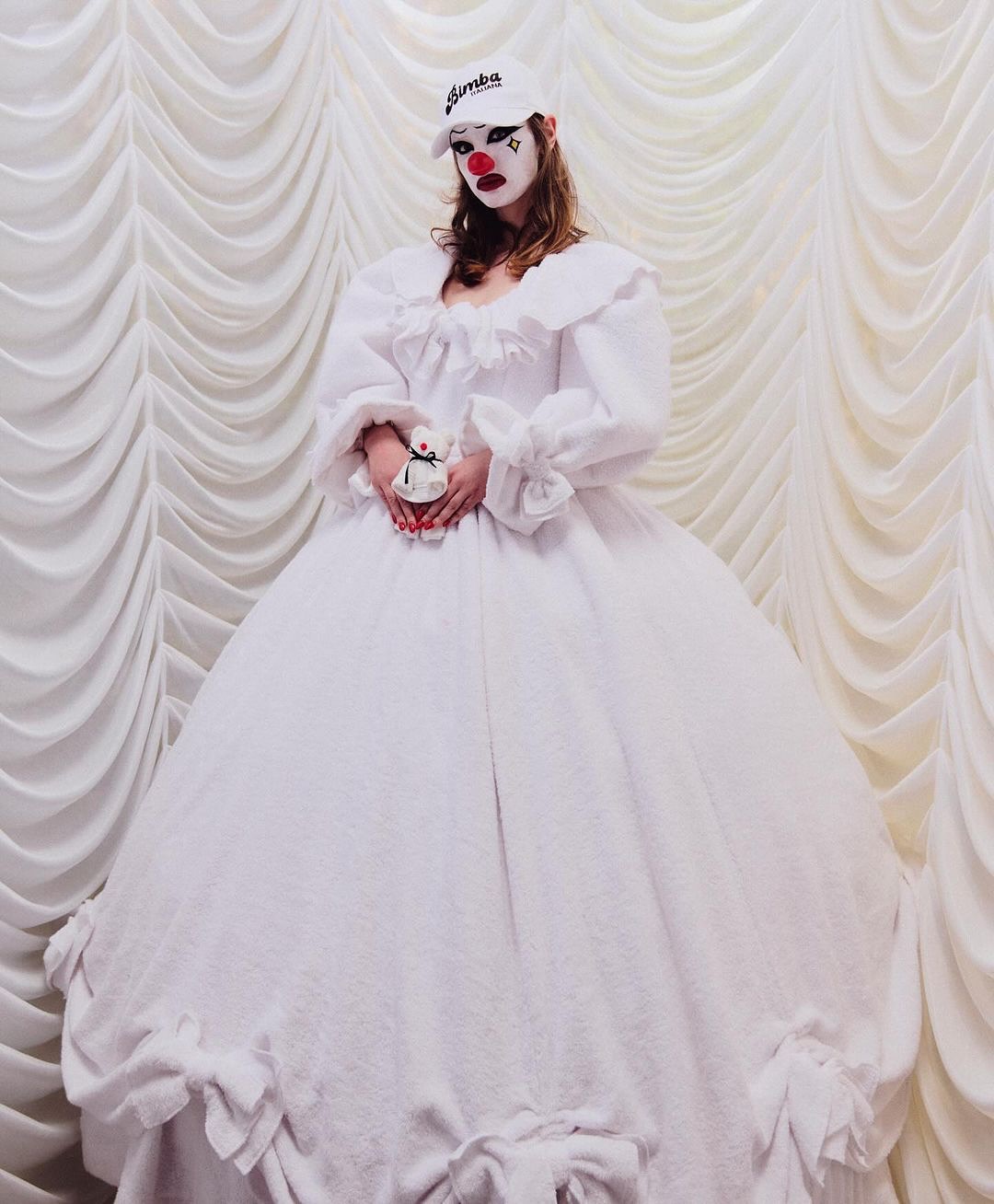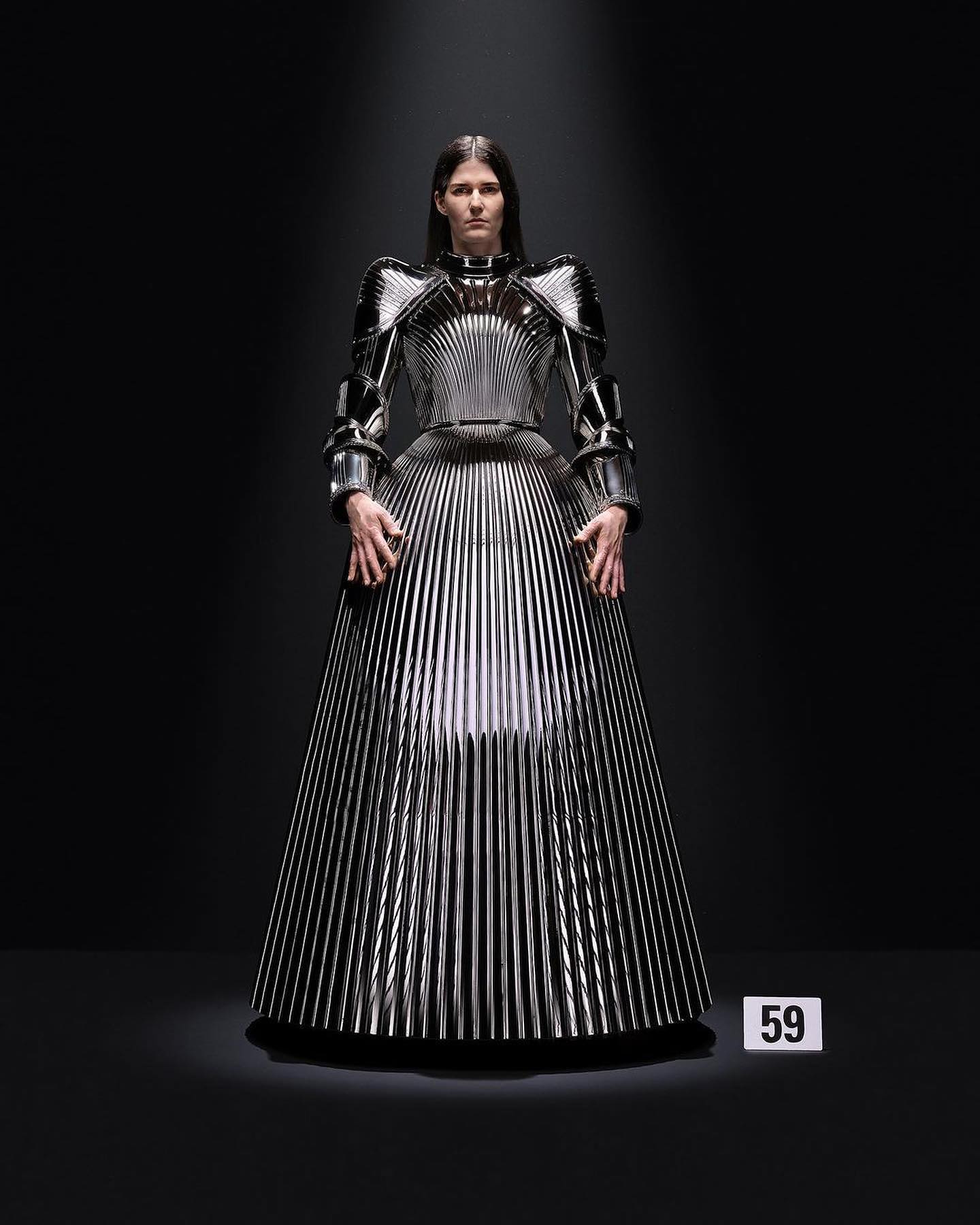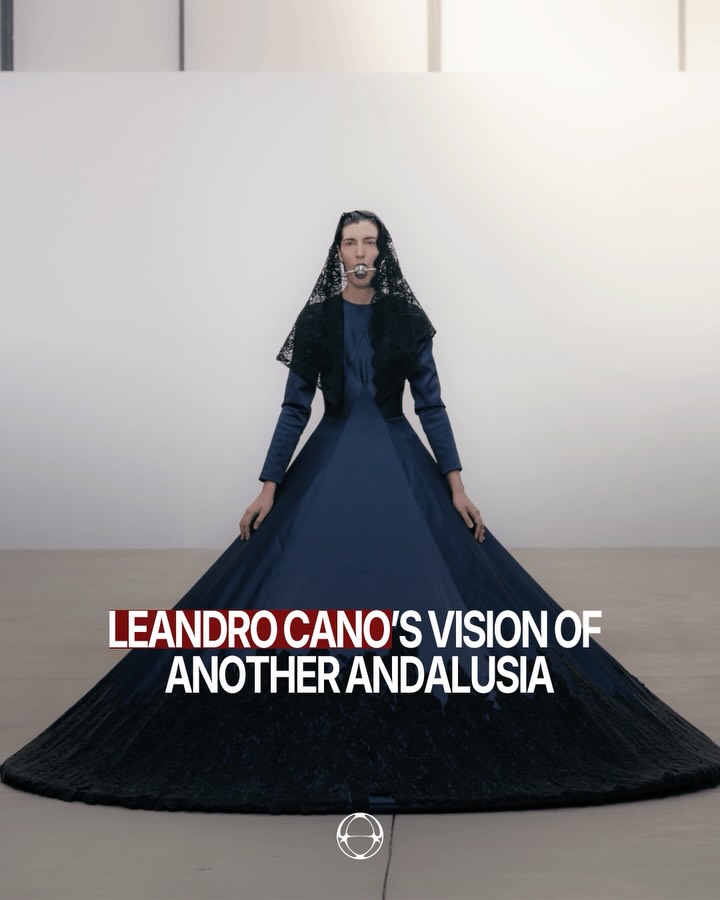
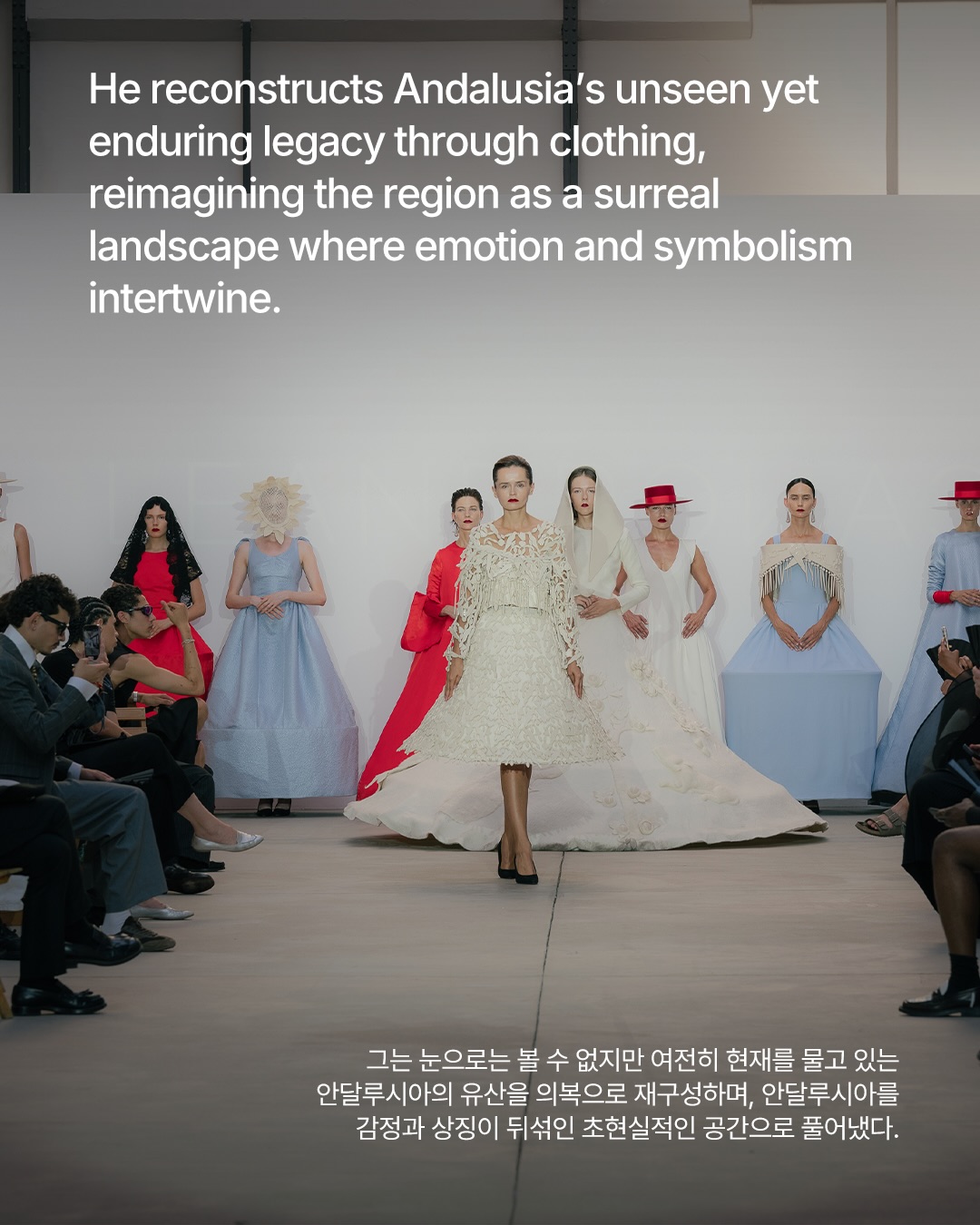
Designer Leandro Cano has unveiled his Fall/Winter 2026/27 Couture collection, 'UN CHIEN ANDALOU,' at Fondazione Sozzani in Paris. The collection explores an Andalusia far removed from the familiar postcard image, instead tracing the history and memories shaped by thousands of years of intersecting civilizations. Cano reconstructs an inheritance that cannot be seen yet continues to leave its mark on the present, reimagining Andalusia as a surreal landscape where emotion and symbolism coexist in profound layers.
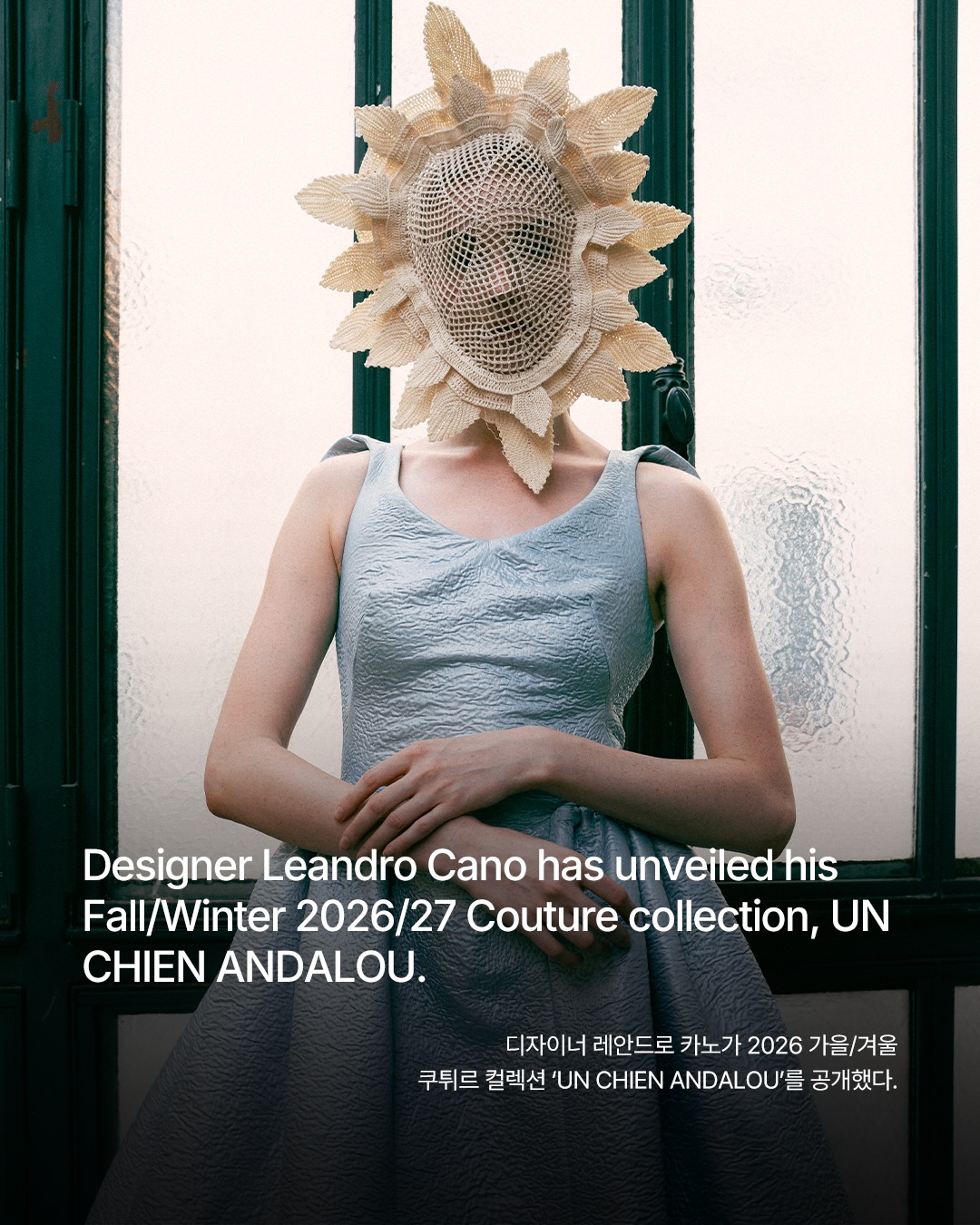
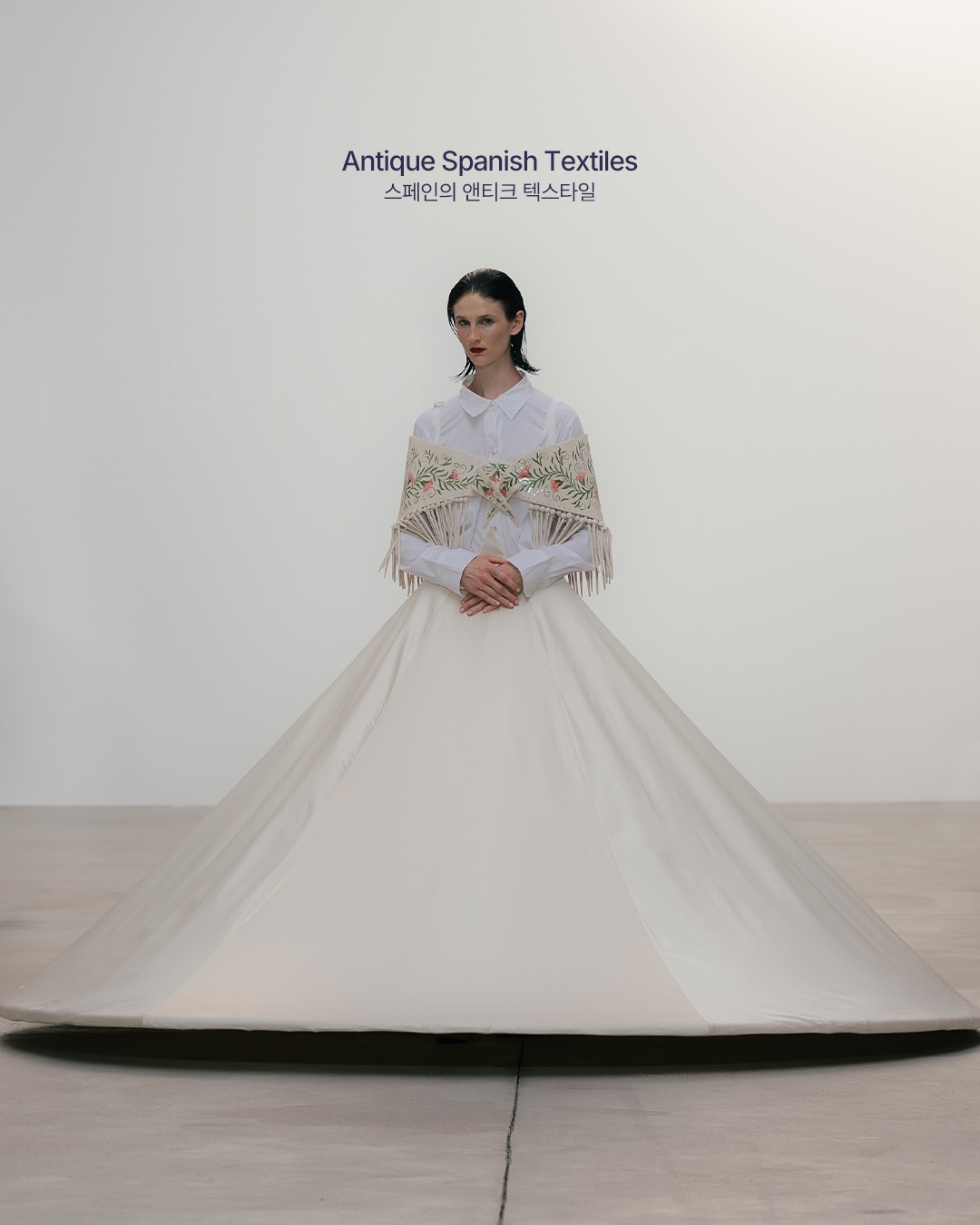
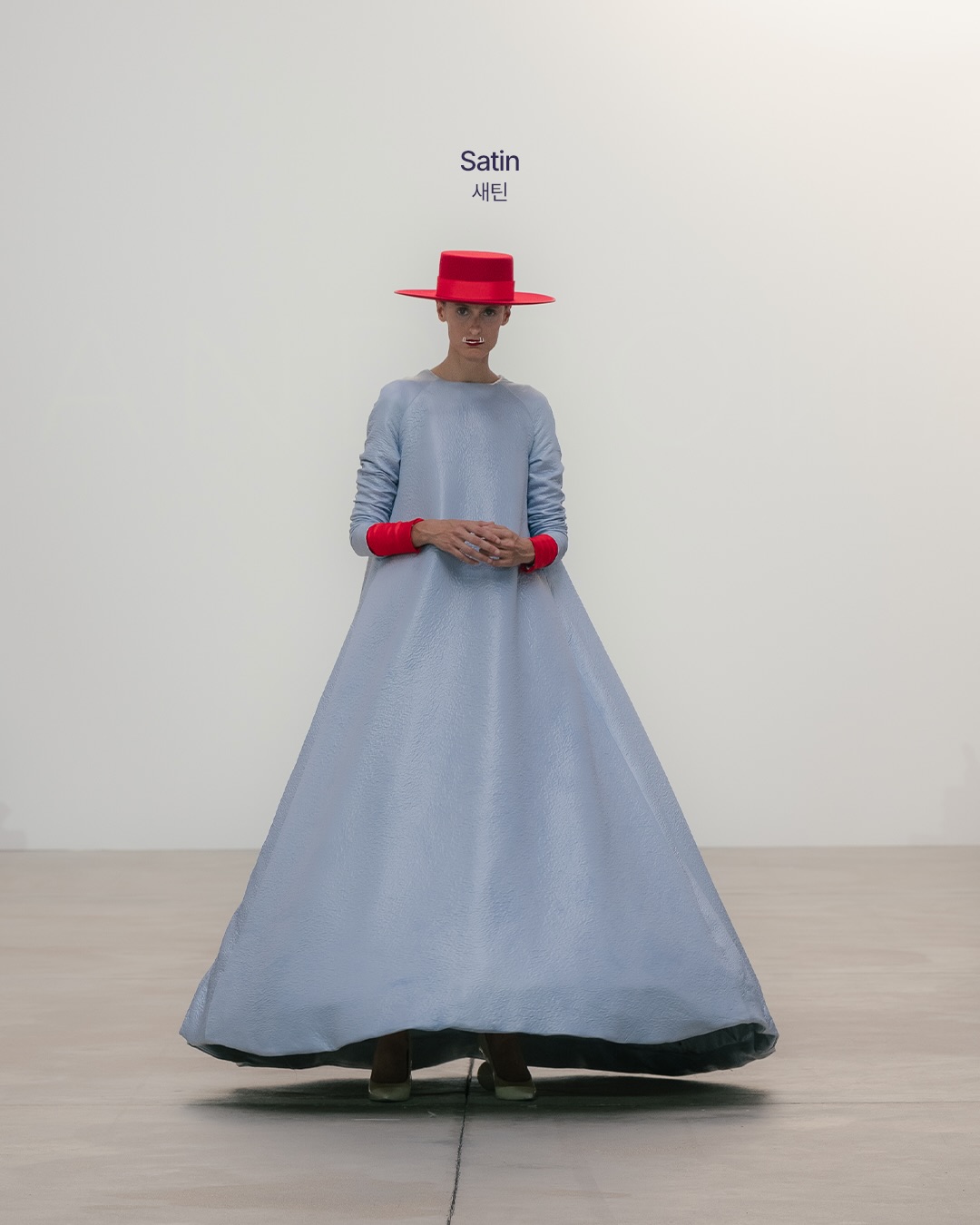
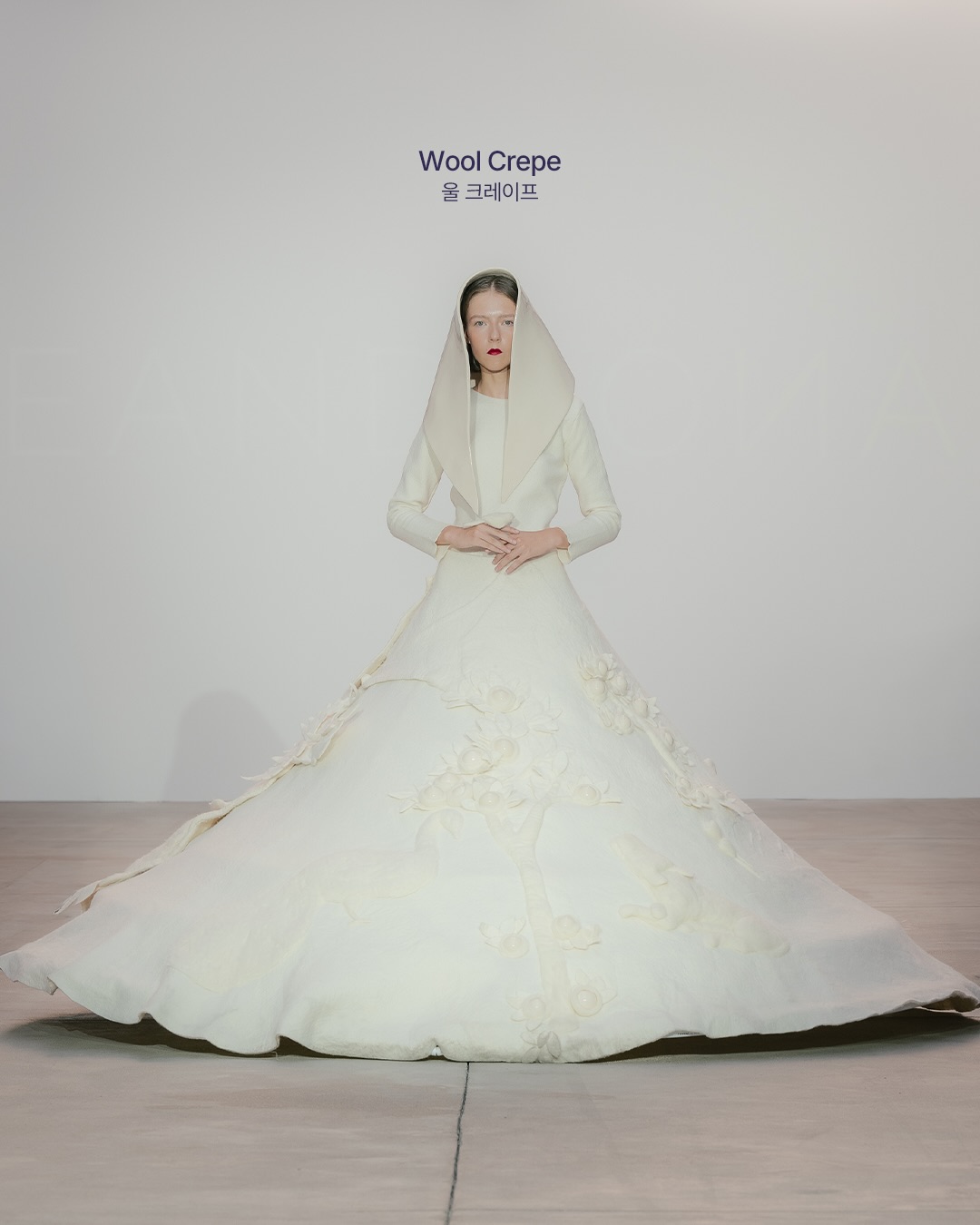
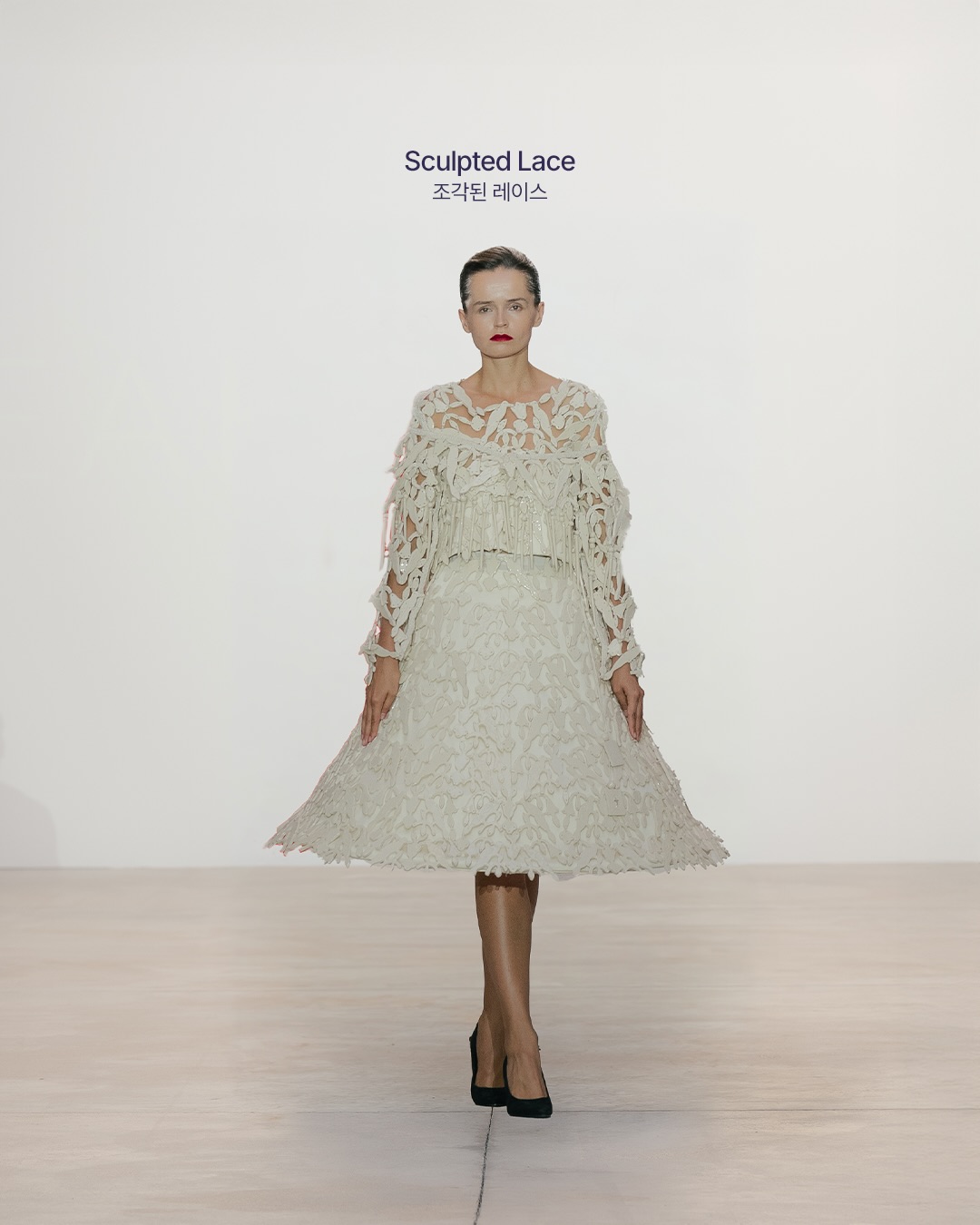
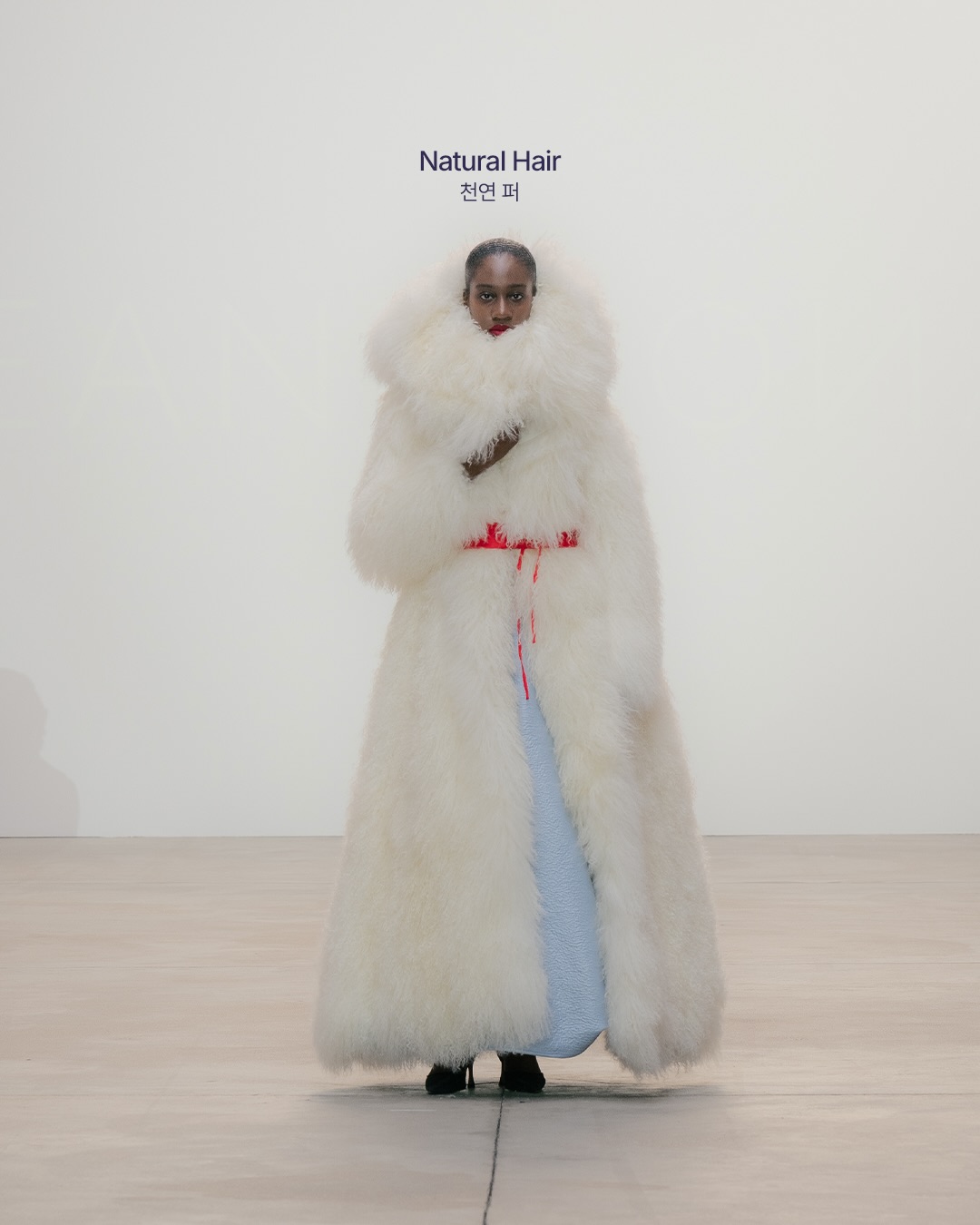
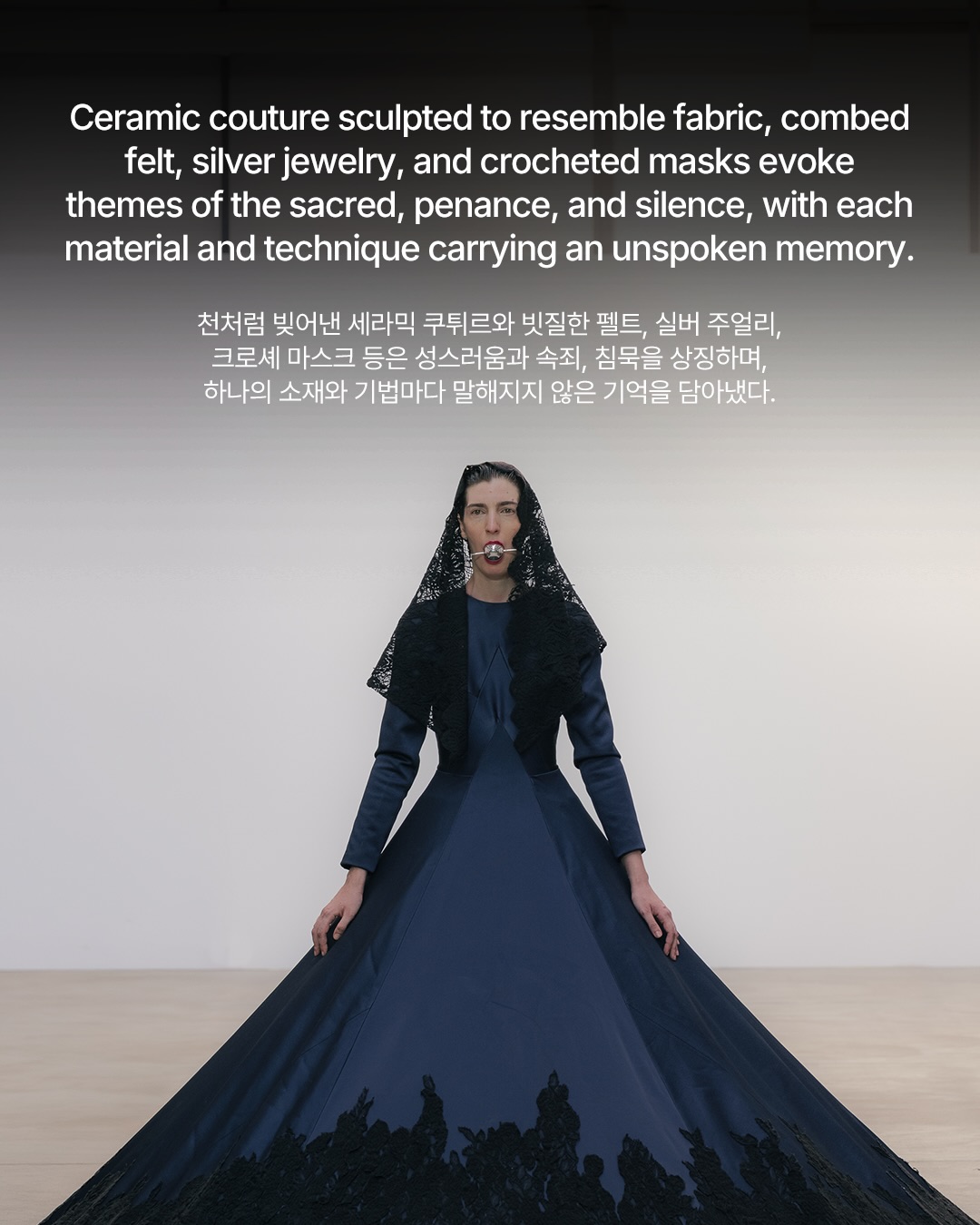
Crafted from satin, cotton, wool crepe, lace, natural hair, hand embroidery, and antique Spanish textiles, the collection places exceptional craftsmanship at its core. Ceramic couture sculpted to resemble fabric, combed felt, silver jewelry, and crocheted masks evoke themes of the sacred, penance, and silence. Each material and technique carries an unspoken memory, transforming garments into artistic declarations that revive historical heritage through a contemporary lens. This is not merely fashion—it is a visual testimony to an invisible past.
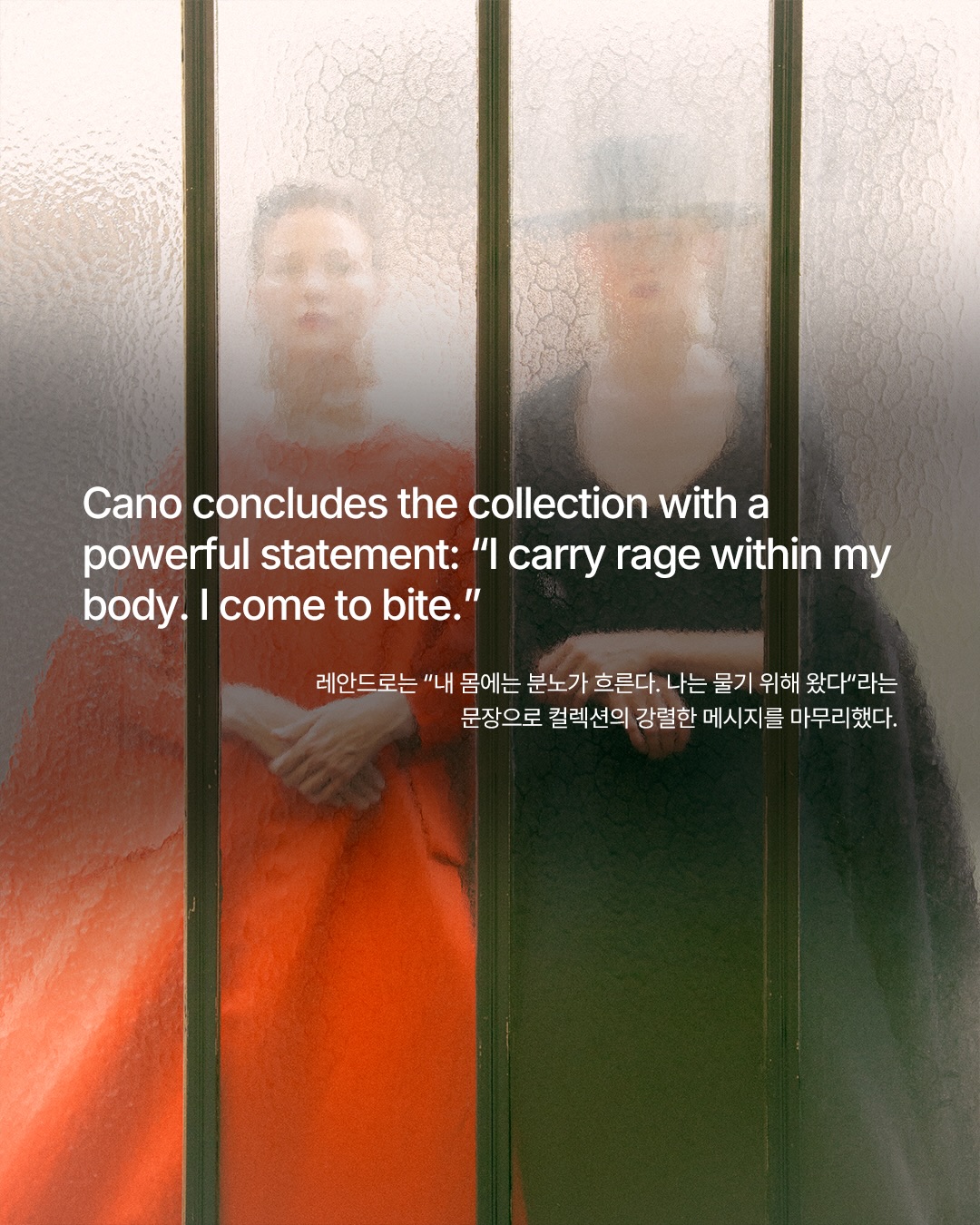
Cano concludes the collection with a powerful statement: "I carry rage within my body. I come to bite." Through these words, he reveals the unseen wounds and resistance embedded in Andalusian history. His vision pierces through the beauty found in tourist imagery, directing attention toward the truths concealed in silence.
Crafted from satin, cotton, wool crepe, lace, natural hair, hand embroidery, and antique Spanish textiles, the collection places exceptional craftsmanship at its core. Ceramic couture sculpted to resemble fabric, combed felt, silver jewelry, and crocheted masks evoke themes of the sacred, penance, and silence. Each material and technique carries an unspoken memory, transforming garments into artistic declarations that revive historical heritage through a contemporary lens. This is not merely fashion—it is a visual testimony to an invisible past.
Cano concludes the collection with a powerful statement: "I carry rage within my body. I come to bite." Through these words, he reveals the unseen wounds and resistance embedded in Andalusian history. His vision pierces through the beauty found in tourist imagery, directing attention toward the truths concealed in silence.
FAQ
What's the concept of Leandro Cano's Fall/Winter 2026 collection?
Leandro Cano reinterpreted Andalusia not through tourist imagery but via millennia of intersecting civilizations and memory. He expressed the invisible yet omnipresent Andalusian legacy through a surrealist space blending emotion and symbolism.
What materials and techniques did Leandro Cano use?
Satin, cotton, wool crepe, lace, natural hair, hand embroidery, and Spanish antique textiles. Notably, ceramic couture molded like fabric, brushed felt, silver jewelry, and crochet masks symbolize the sacred and penitential.