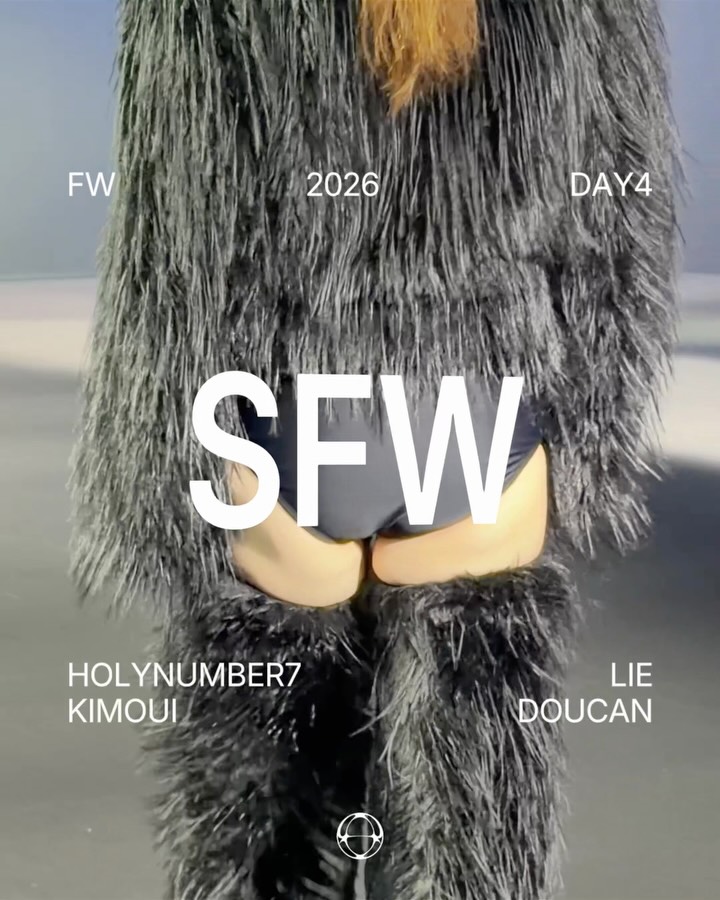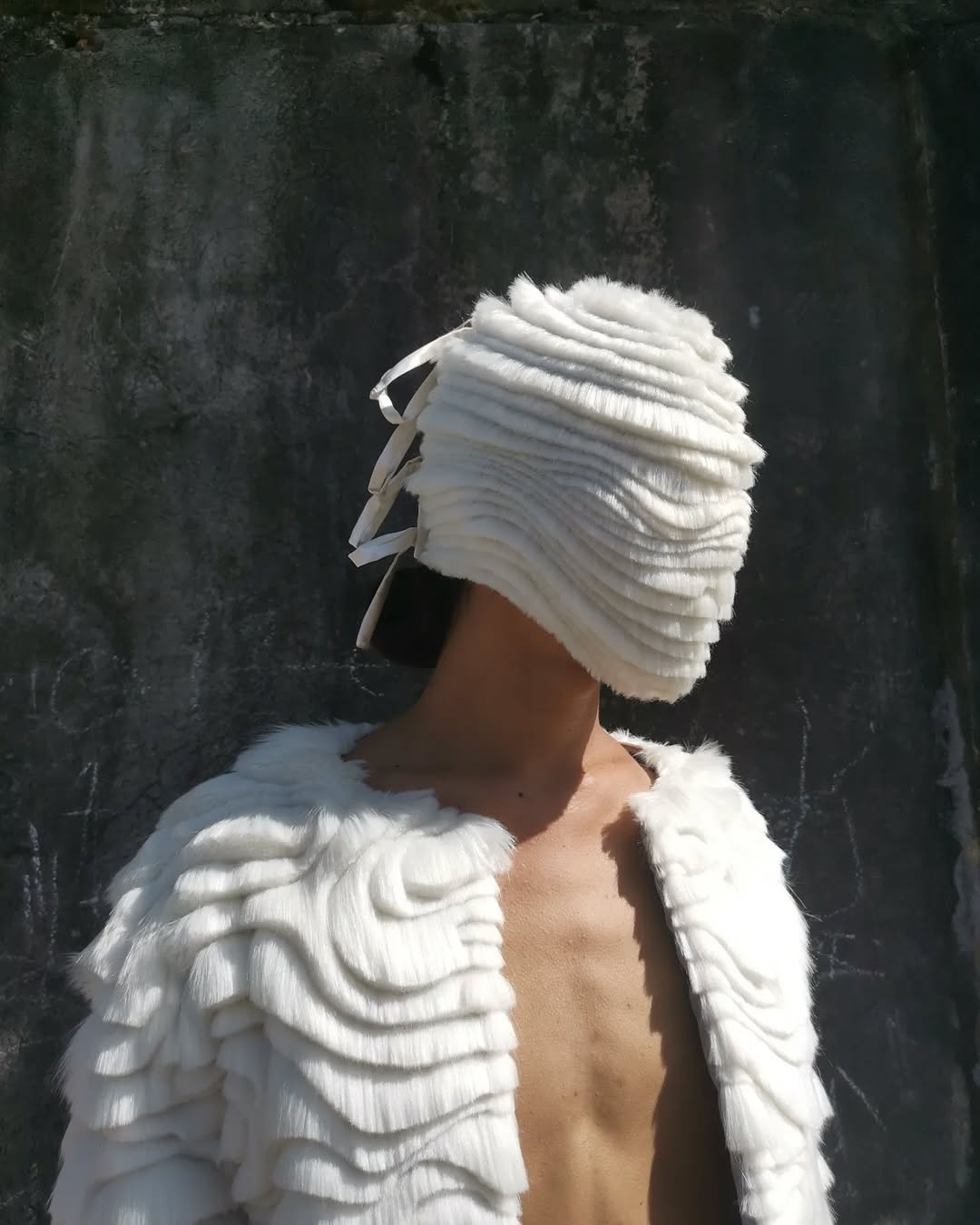
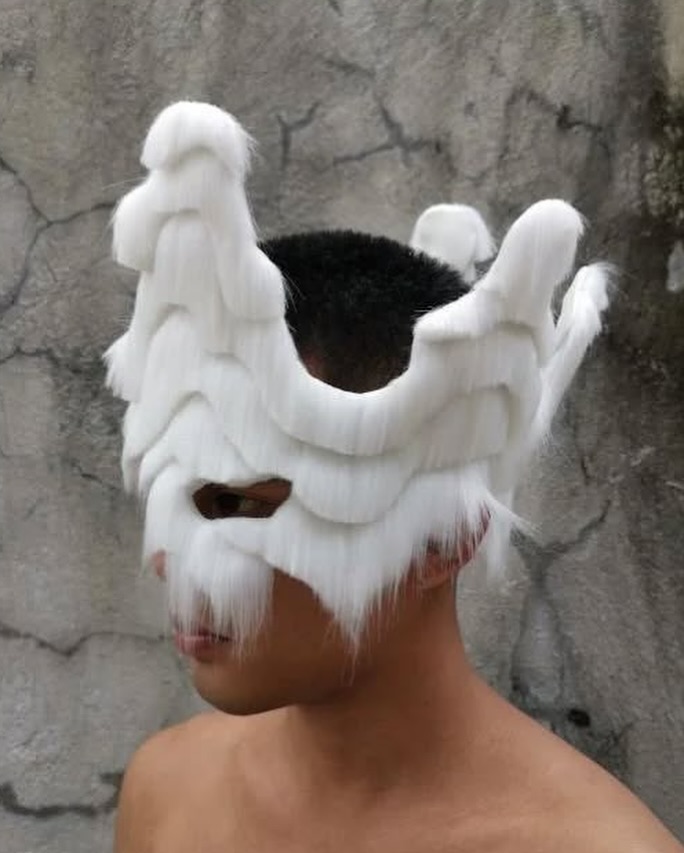
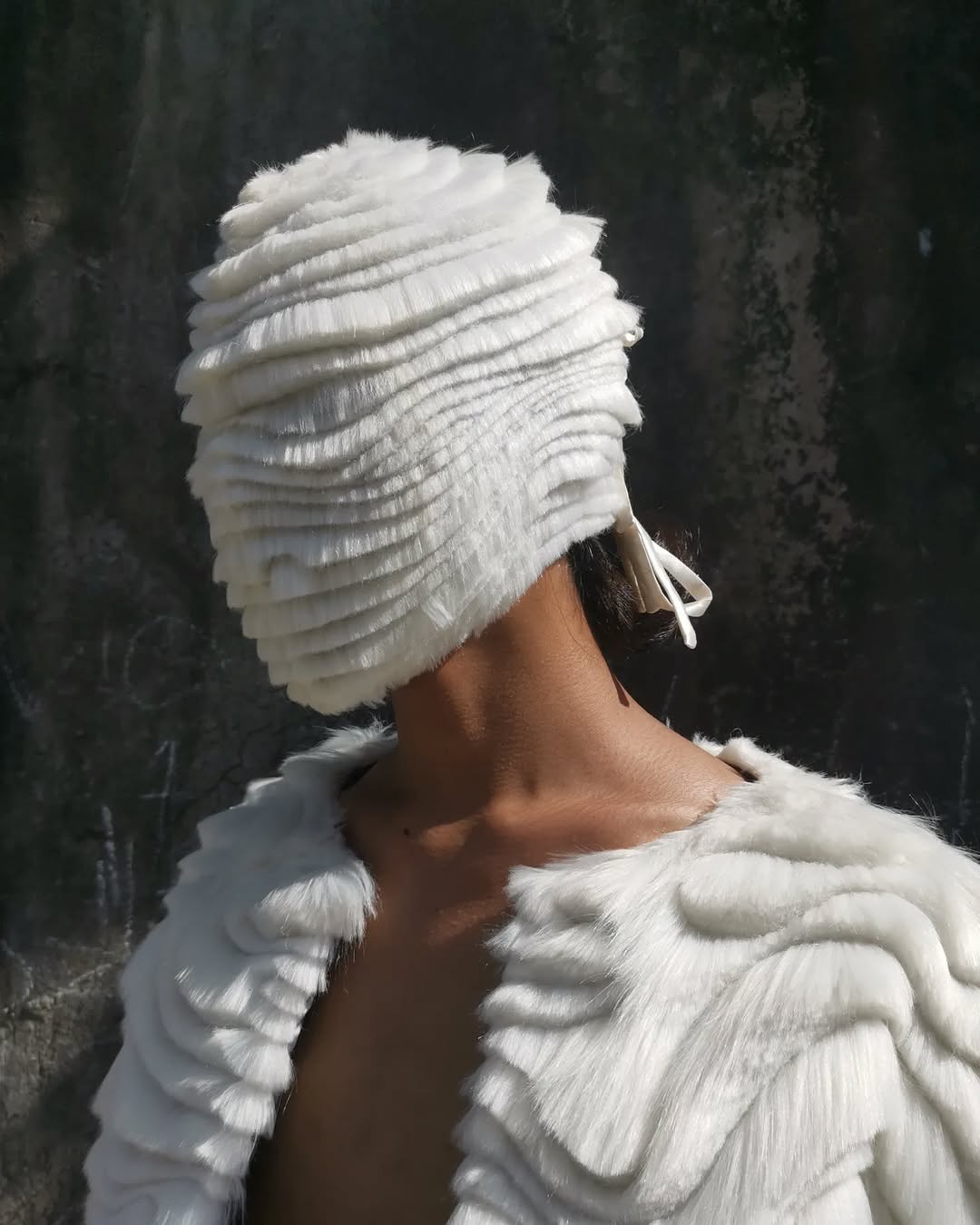
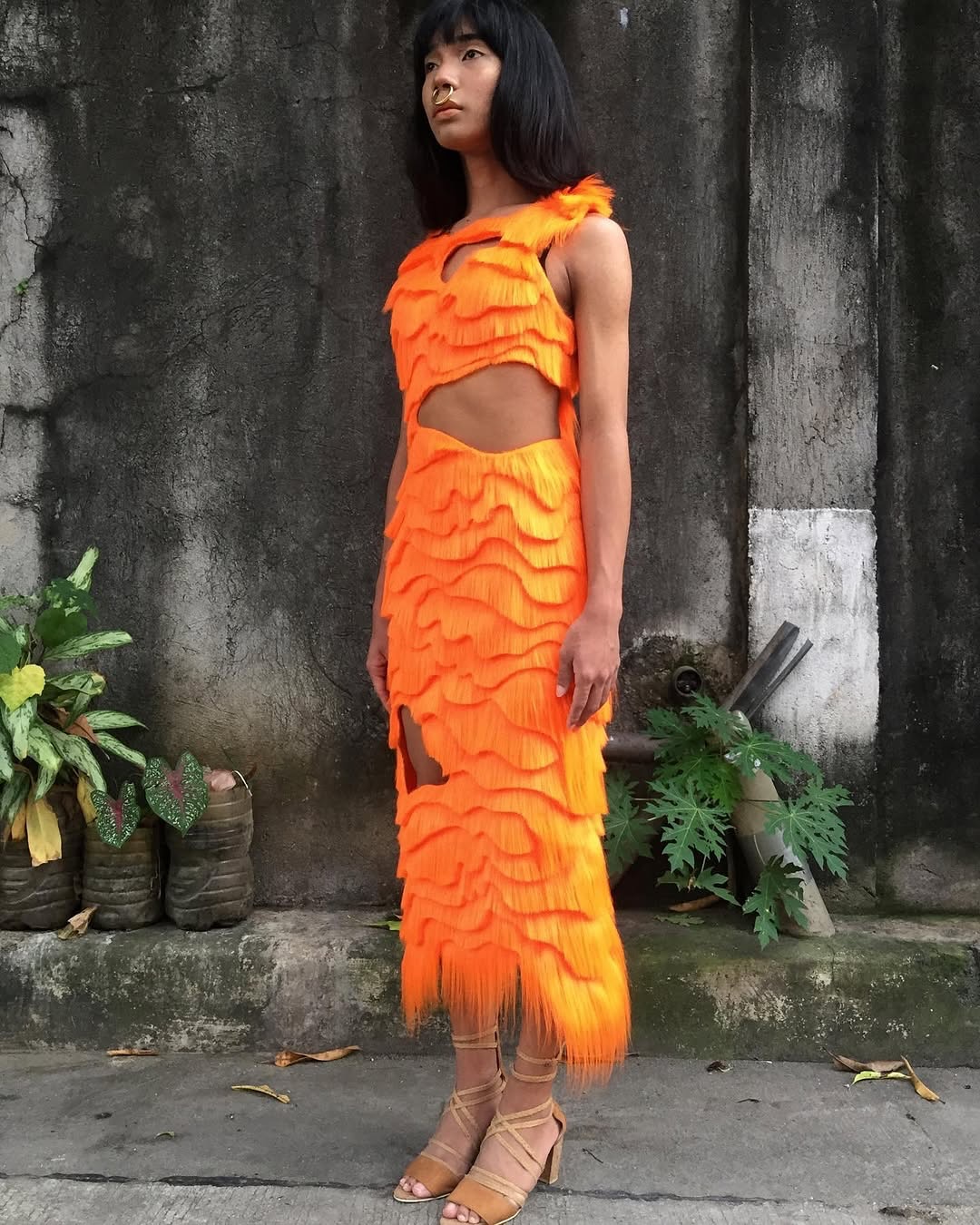
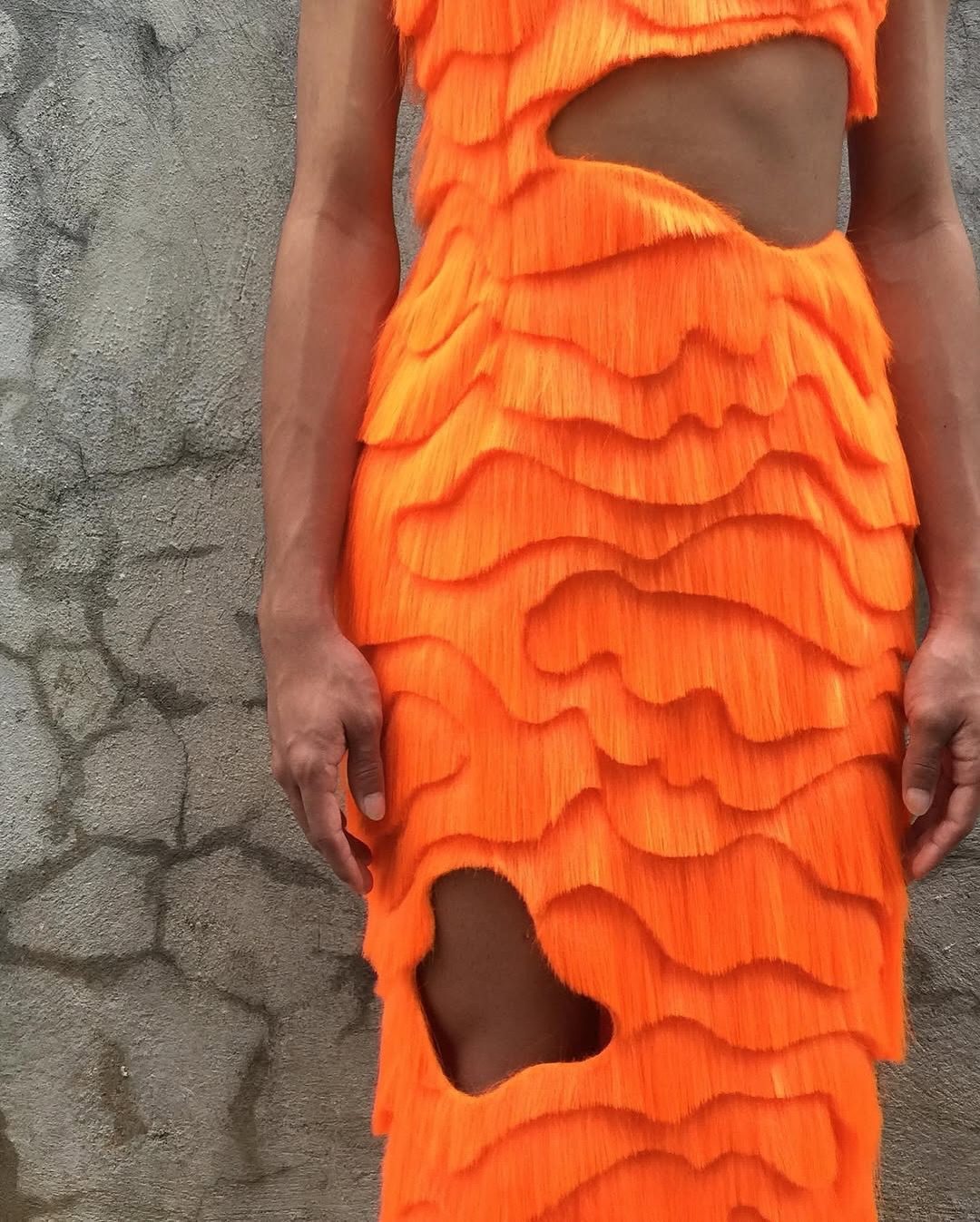
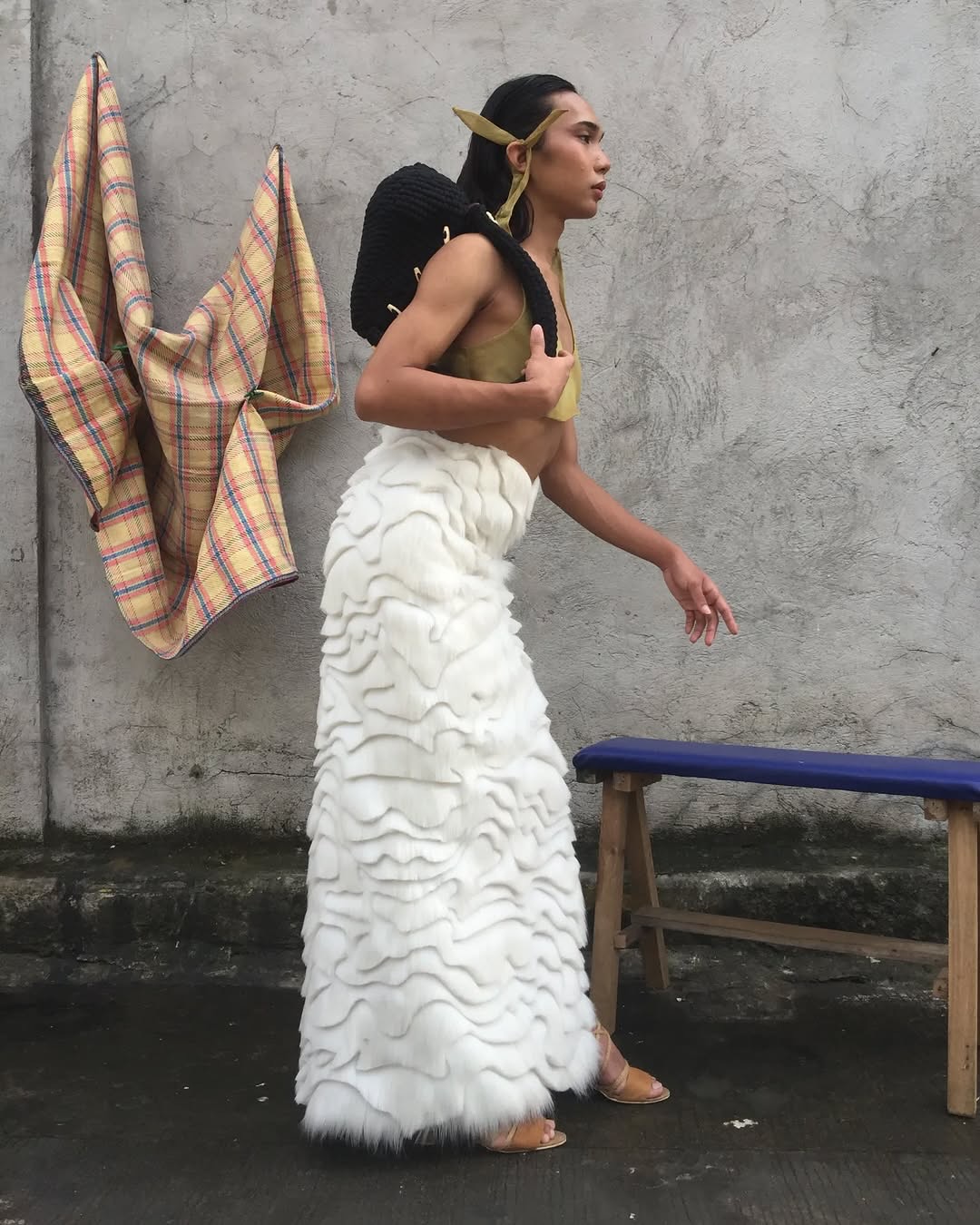
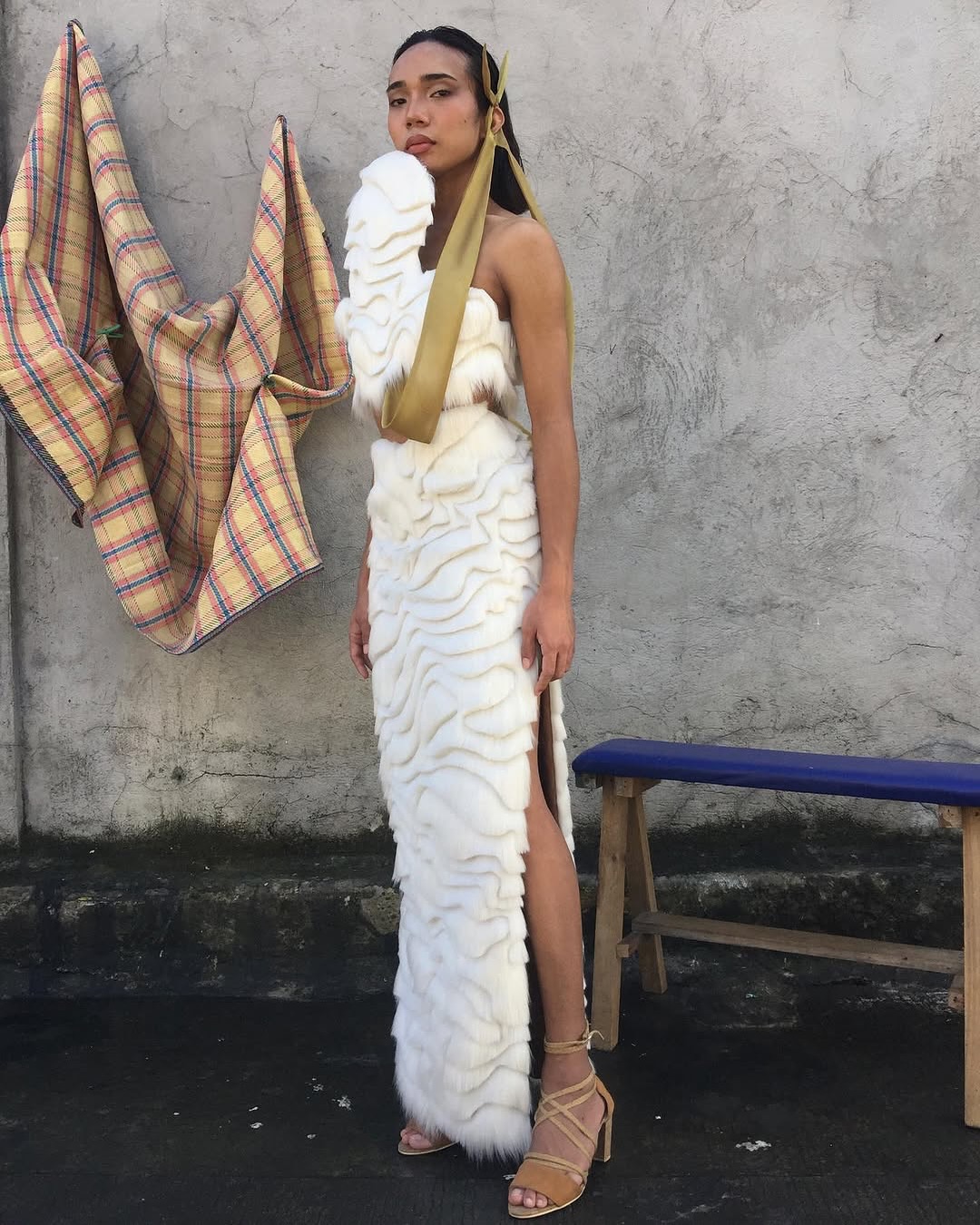
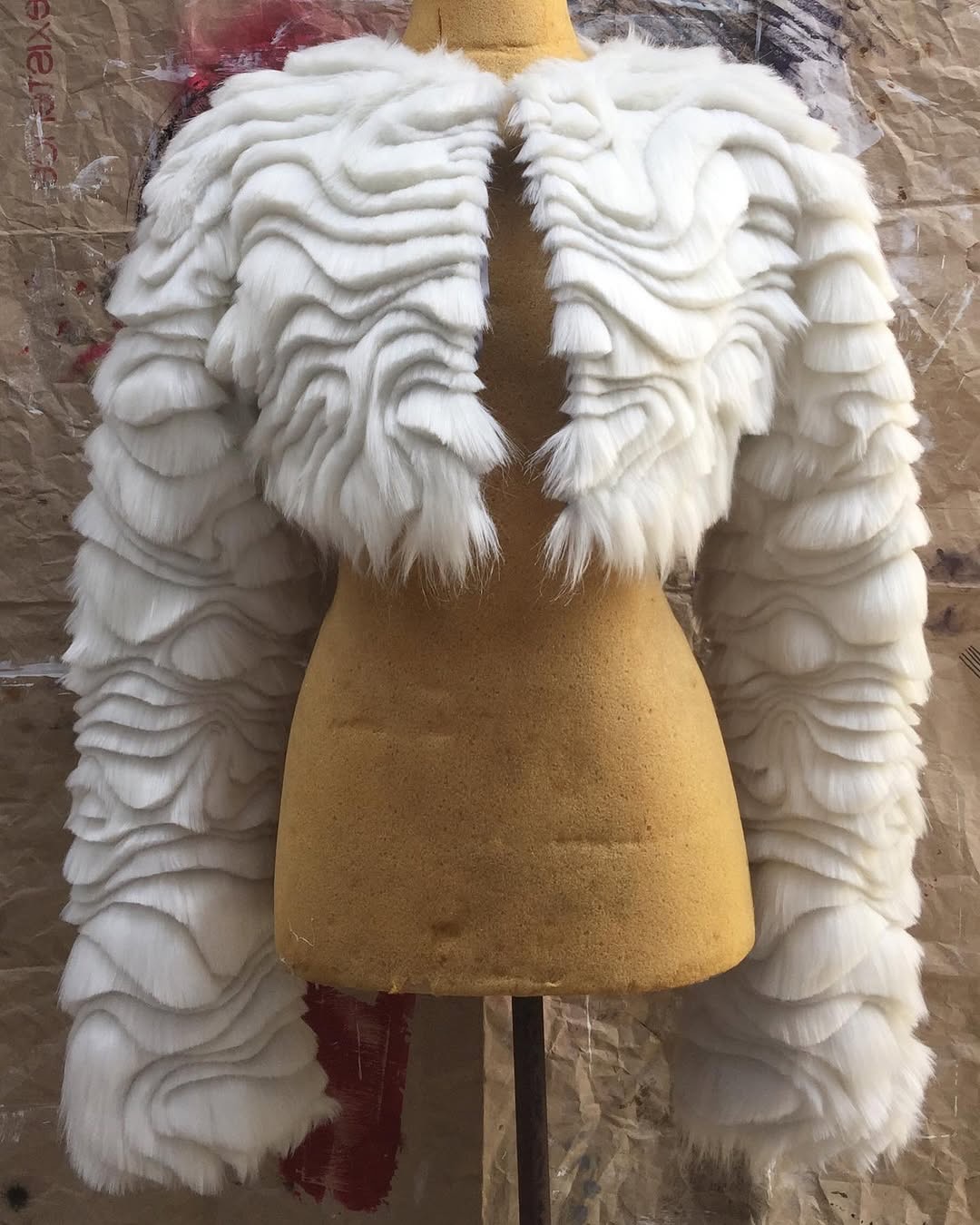
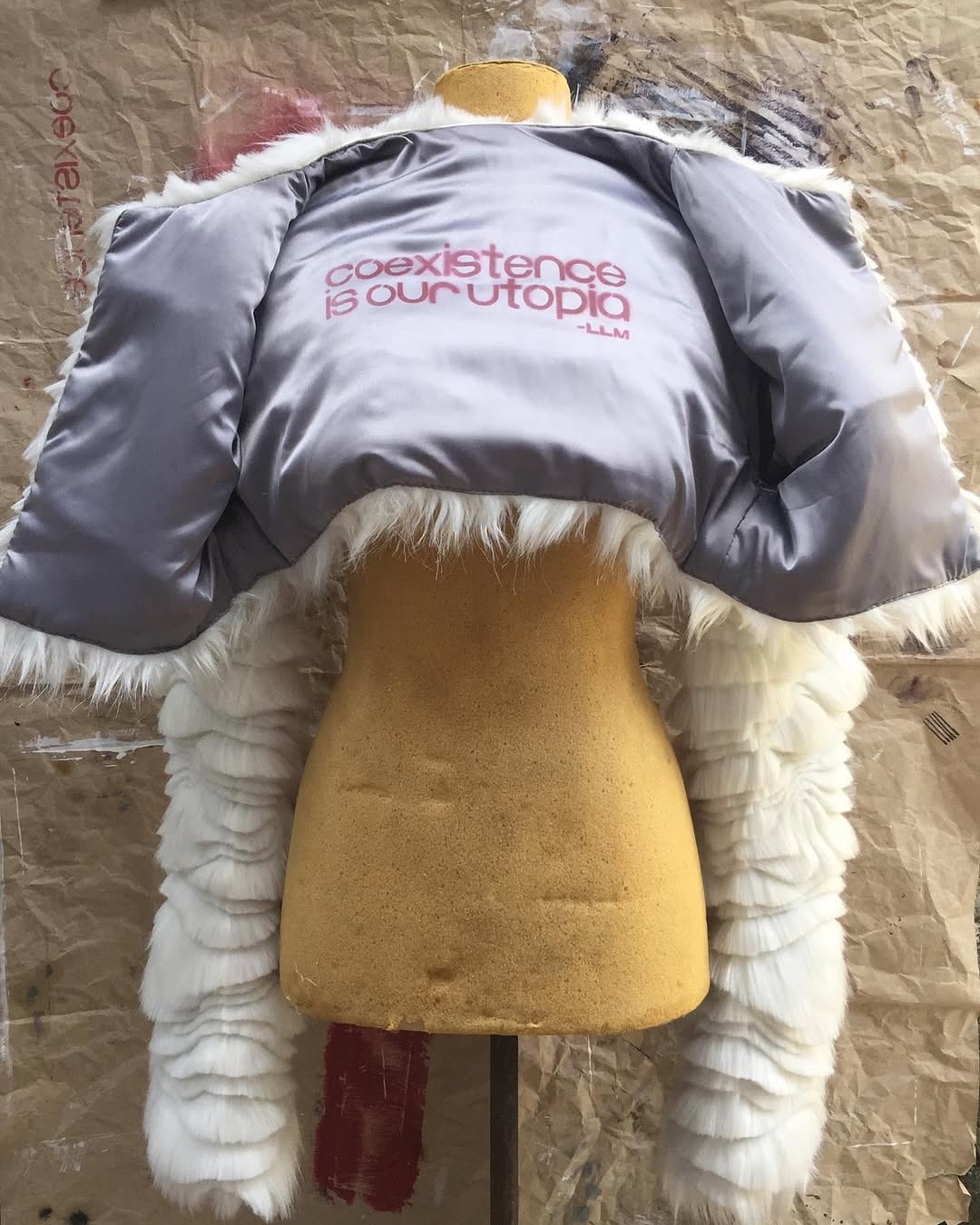
Filipino designer Le by Lemoria is capturing attention with sculptural fashion pieces crafted from faux fur that transcend conventional garment design. Her work is less about clothing and more about narrative sculpture, weaving Filipino traditional craftsmanship with contemporary fashion vocabulary. Hand-cut layers of synthetic fur are meticulously stacked to create organic forms that appear to be in perpetual motion.
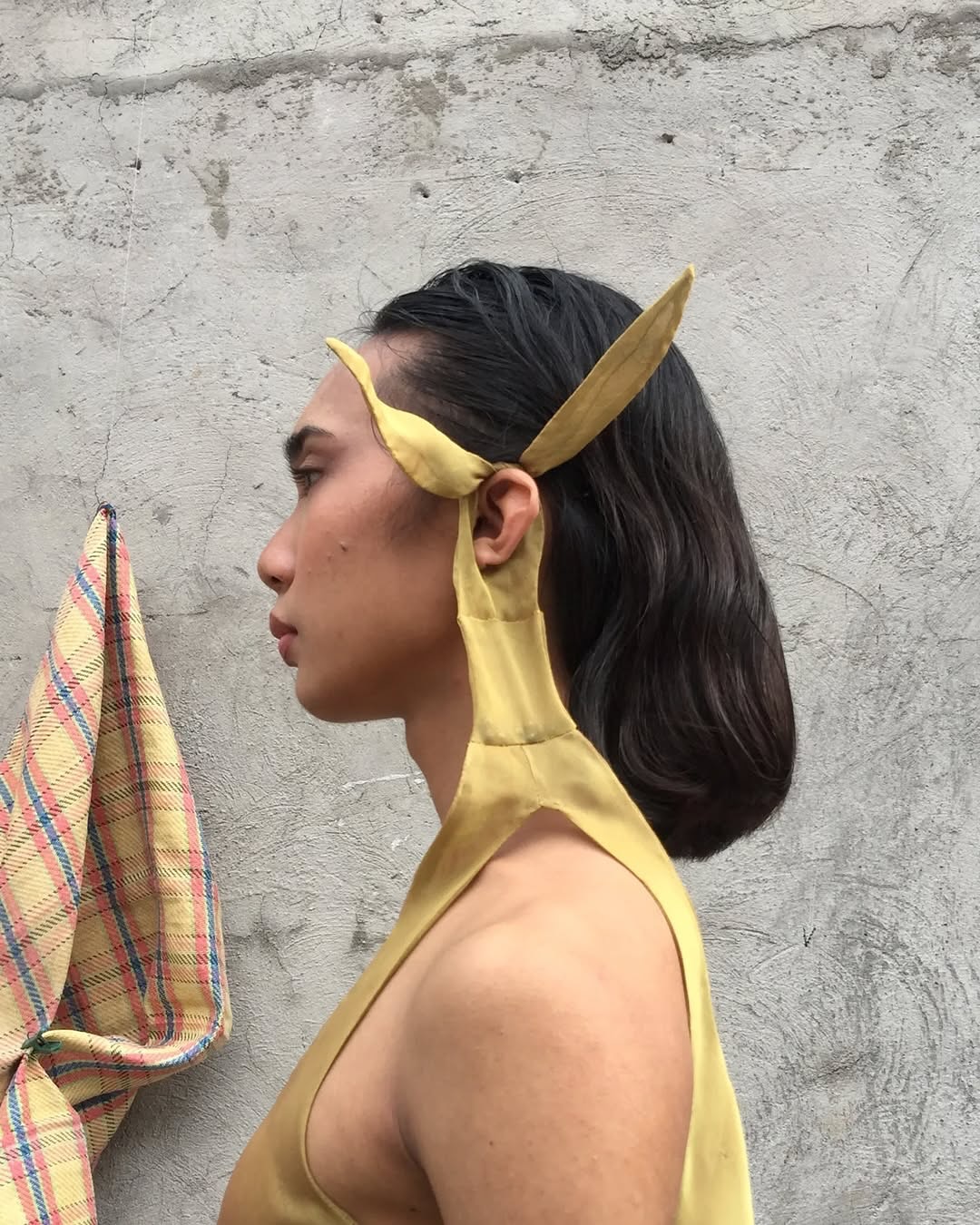
The core of her inspiration lies in the traditional Filipino woven 'basahan' rugs—practical household textiles made from repurposed fabric scraps. Lemoria translates this ethos of resourceful beauty into modern fur-layering techniques, where each individually cut piece contributes to undulating textures that shift with the wearer's movement. The result is a living, breathing surface that celebrates imperfection and handcraft.
As sustainability and cultural identity become central to fashion discourse, Lemoria's practice offers a compelling case study in translating heritage craft into contemporary design language. Her pieces stand as tributes to heritage, creativity, and the beauty inherent in resourcefulness—proof that fashion can function as a powerful form of storytelling and art. In an era of mass production, her labor-intensive process reaffirms the value of slow, thoughtful making rooted in cultural memory.
The core of her inspiration lies in the traditional Filipino woven 'basahan' rugs—practical household textiles made from repurposed fabric scraps. Lemoria translates this ethos of resourceful beauty into modern fur-layering techniques, where each individually cut piece contributes to undulating textures that shift with the wearer's movement. The result is a living, breathing surface that celebrates imperfection and handcraft.
As sustainability and cultural identity become central to fashion discourse, Lemoria's practice offers a compelling case study in translating heritage craft into contemporary design language. Her pieces stand as tributes to heritage, creativity, and the beauty inherent in resourcefulness—proof that fashion can function as a powerful form of storytelling and art. In an era of mass production, her labor-intensive process reaffirms the value of slow, thoughtful making rooted in cultural memory.
FAQ
What materials does Le Vir Moria work with?
Le Vir Moria primarily works with faux fur. She hand-cuts each fur piece and layers them to create sculptural, organic textures, offering a contemporary reinterpretation of Philippine craft traditions rooted in resourcefulness and recycling.
How did the Basahan rug inspire Le Vir Moria's designs?
Basahan is a traditional Philippine rug woven from old cloth, embodying recycling and handcraft values. Le Vir Moria translates its layering technique and functional beauty into modern fashion language, forming the foundation of her signature hand-cut, stacked fur textures.
Why are Le Vir Moria's pieces considered sculptural?
Her pieces focus on three-dimensional form rather than mere garments. Hand-cut fur layers create undulating textures and organic shapes that shift with the wearer's movement, elevating fashion into narrative-driven sculptural art.