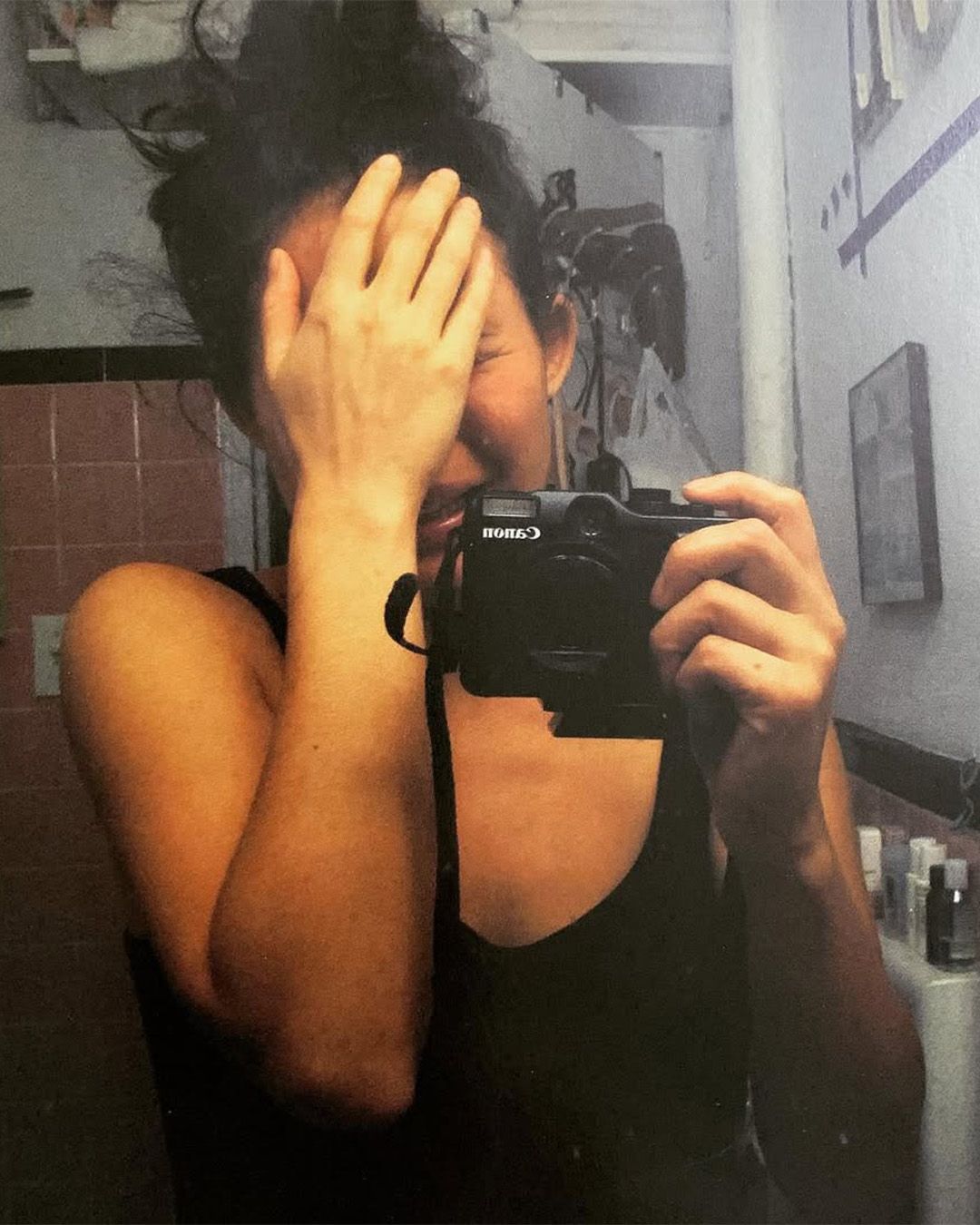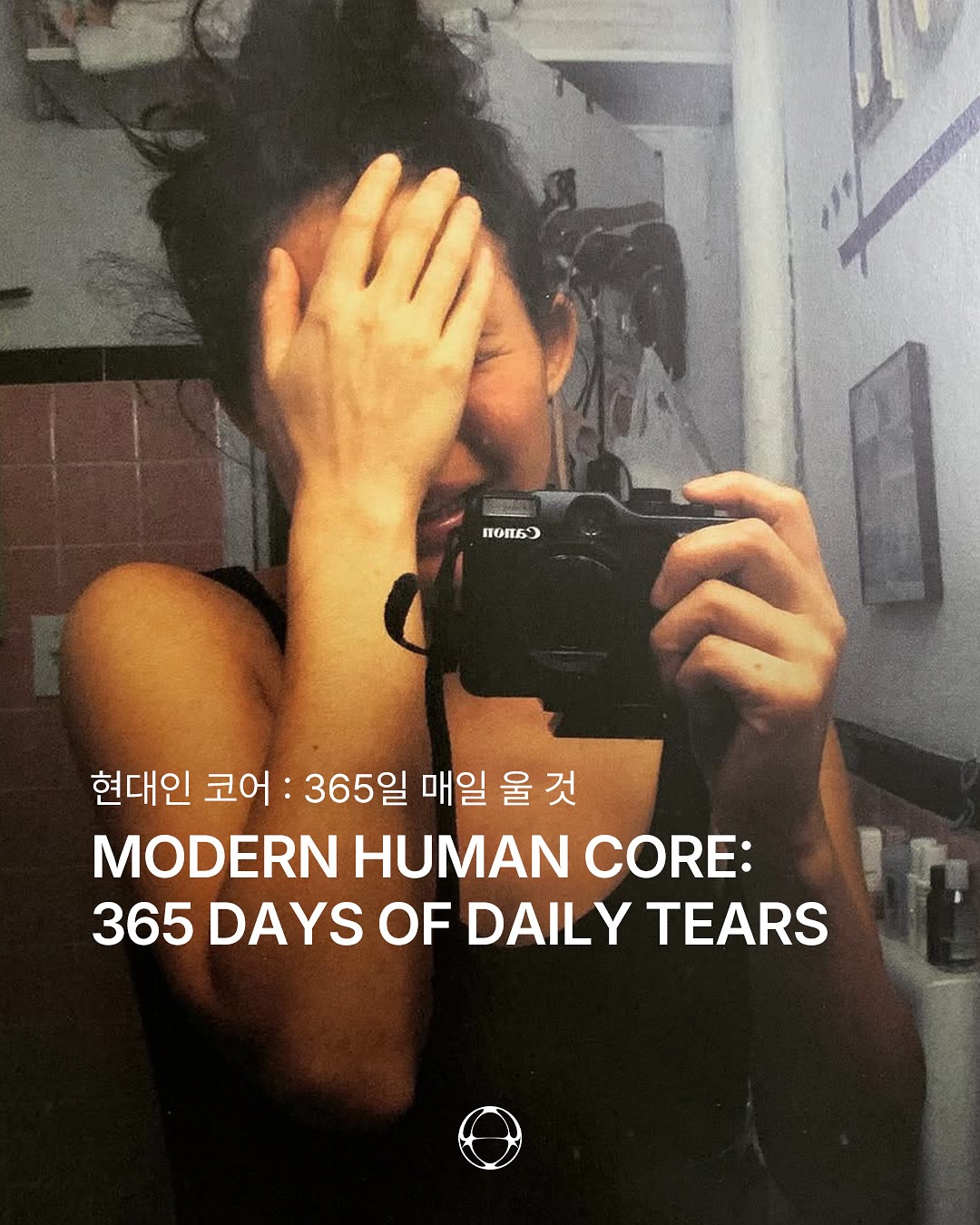
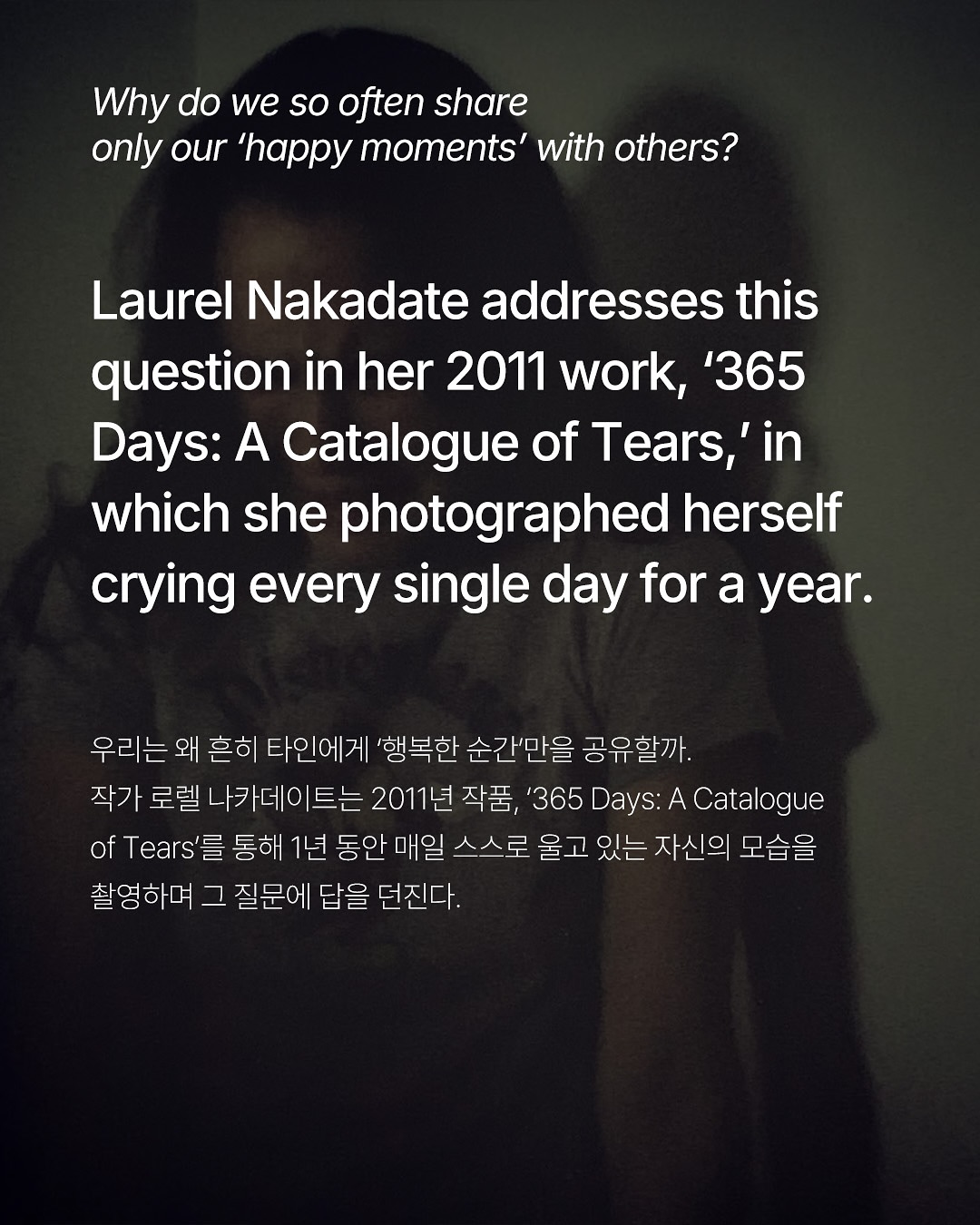
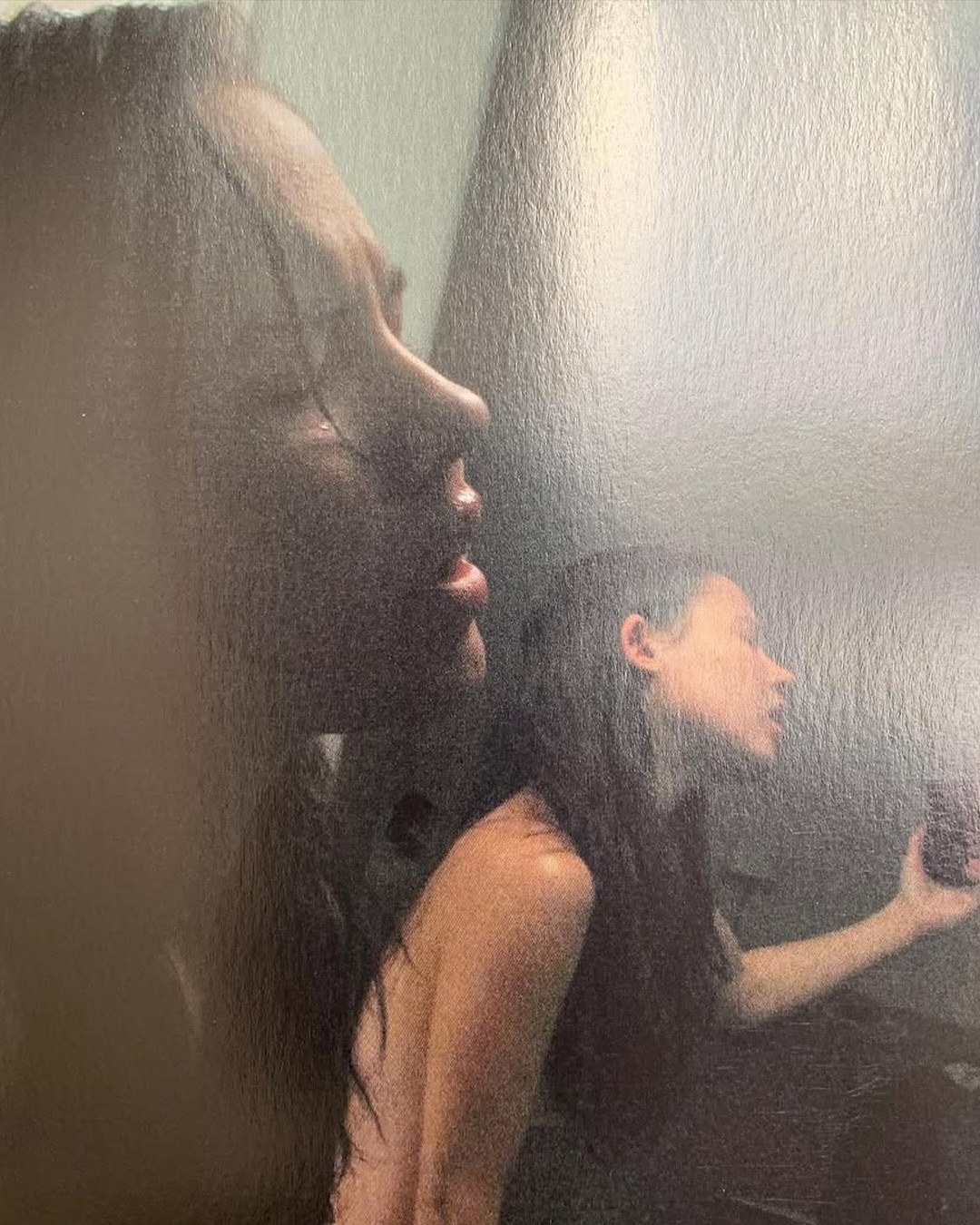
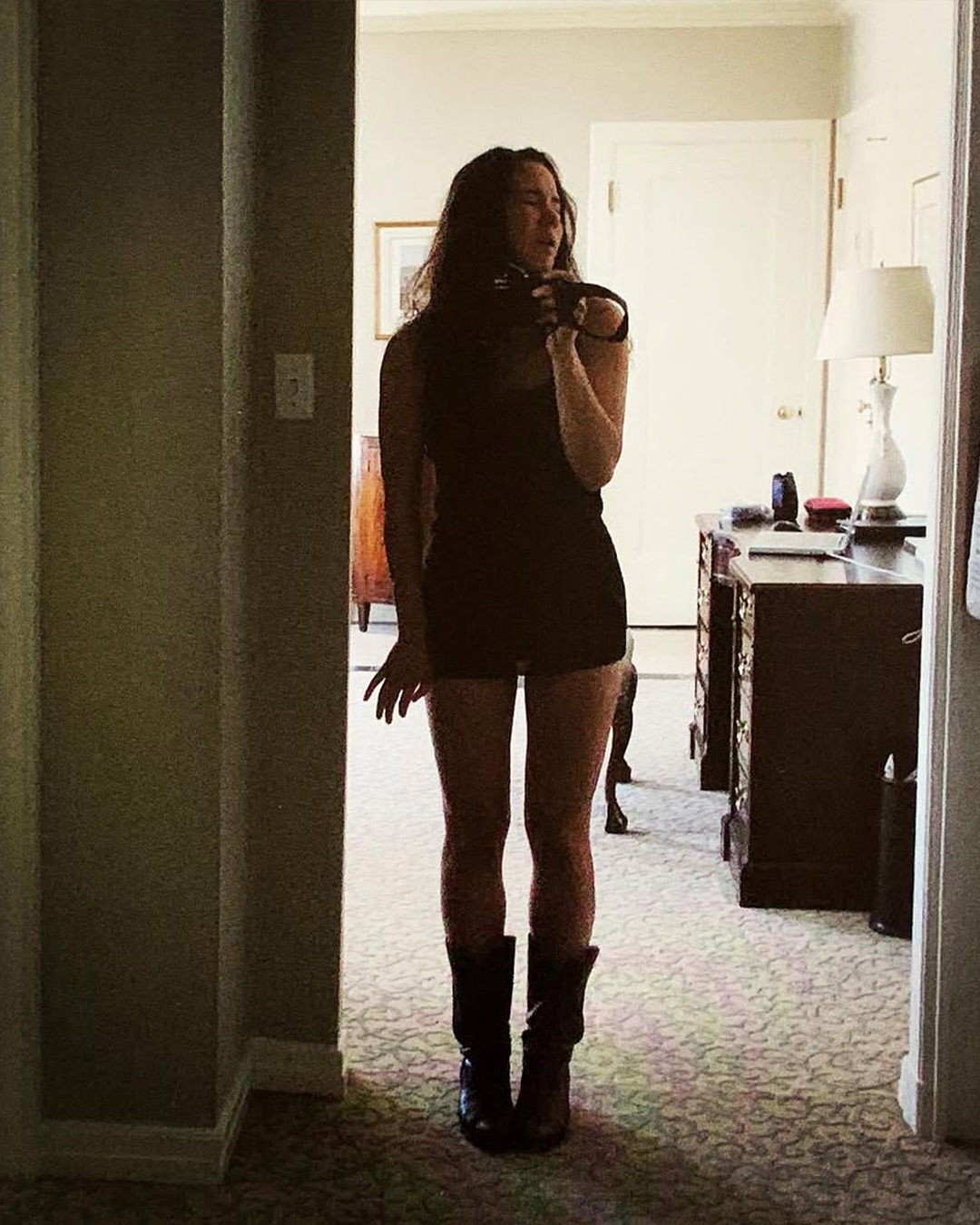
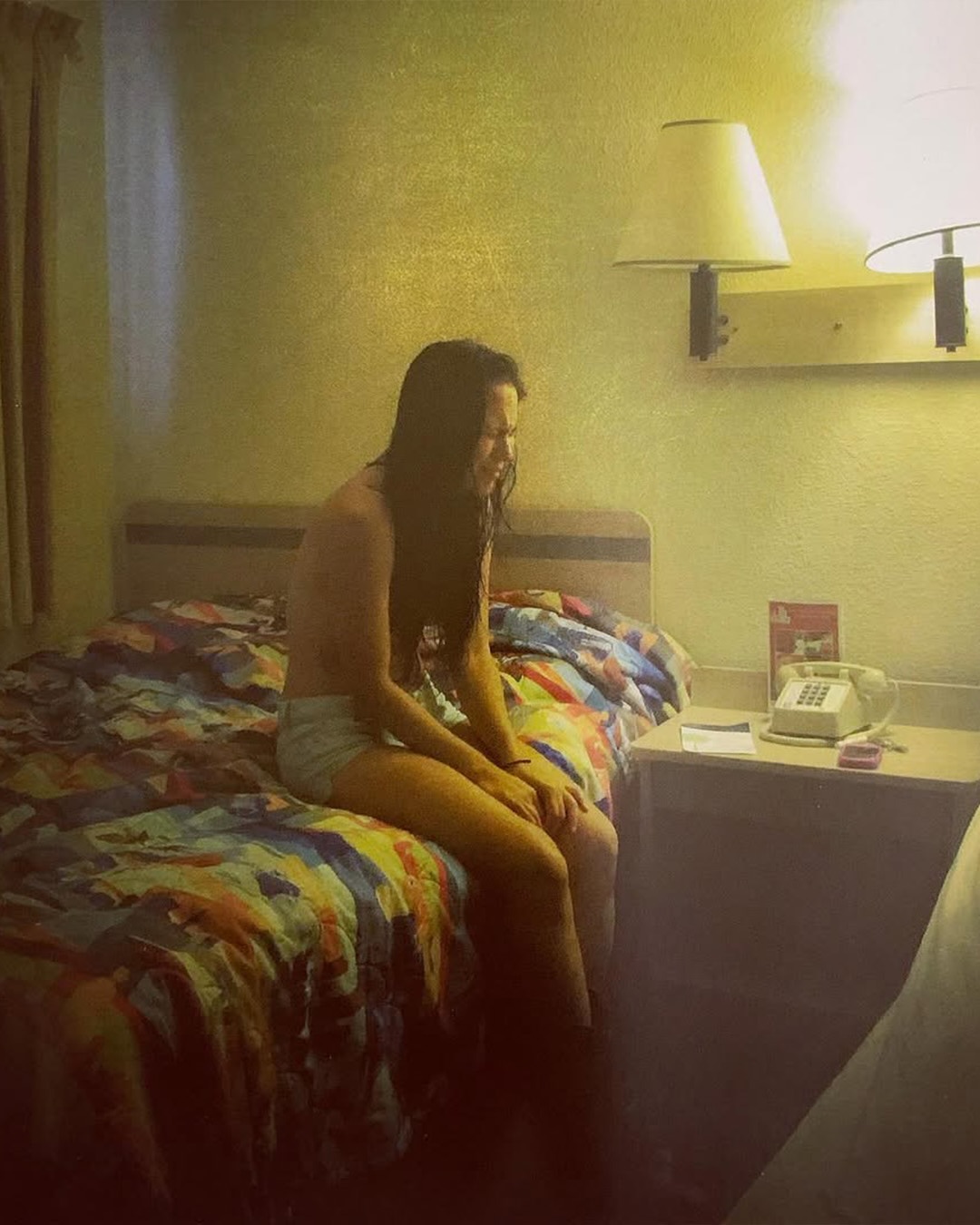
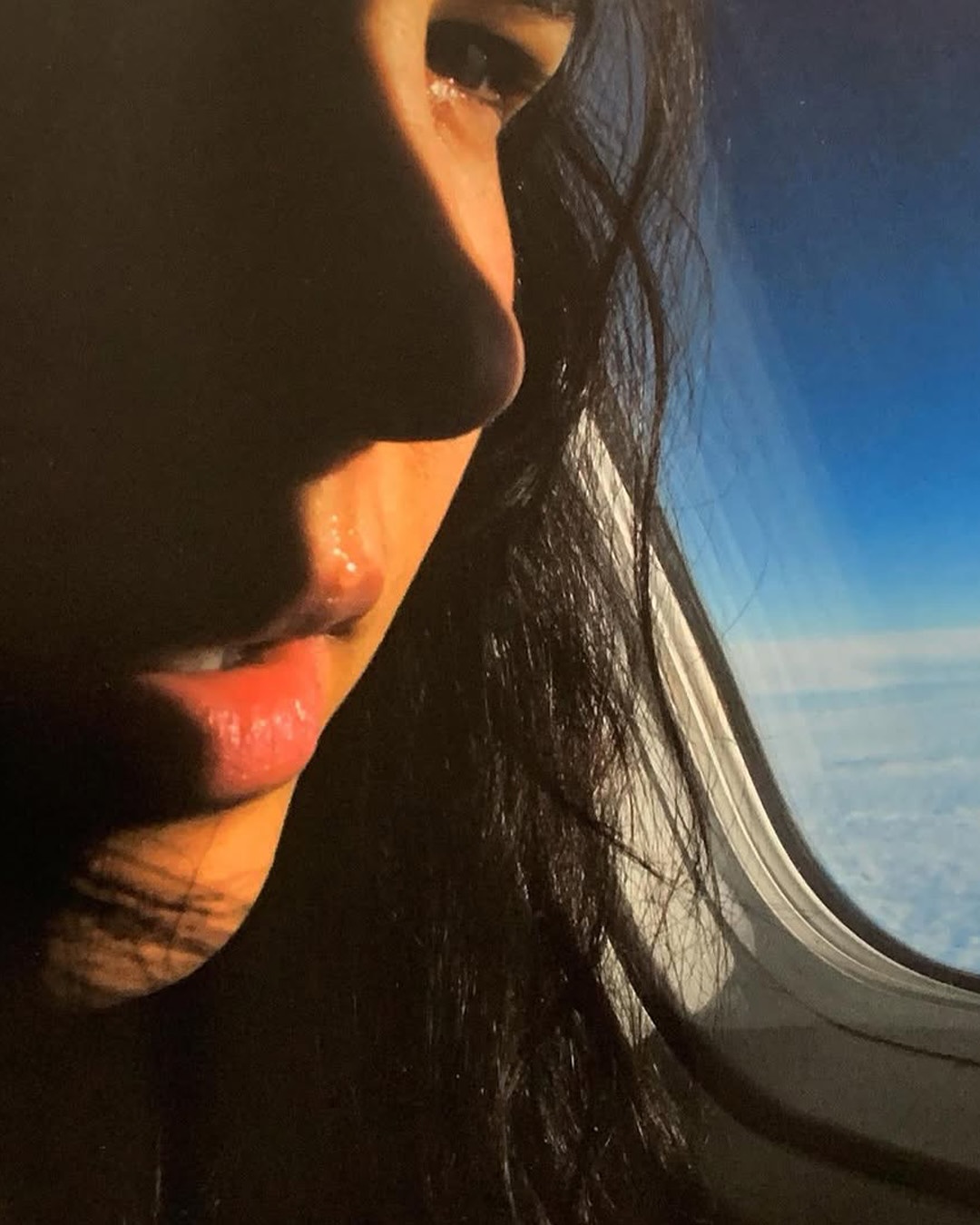
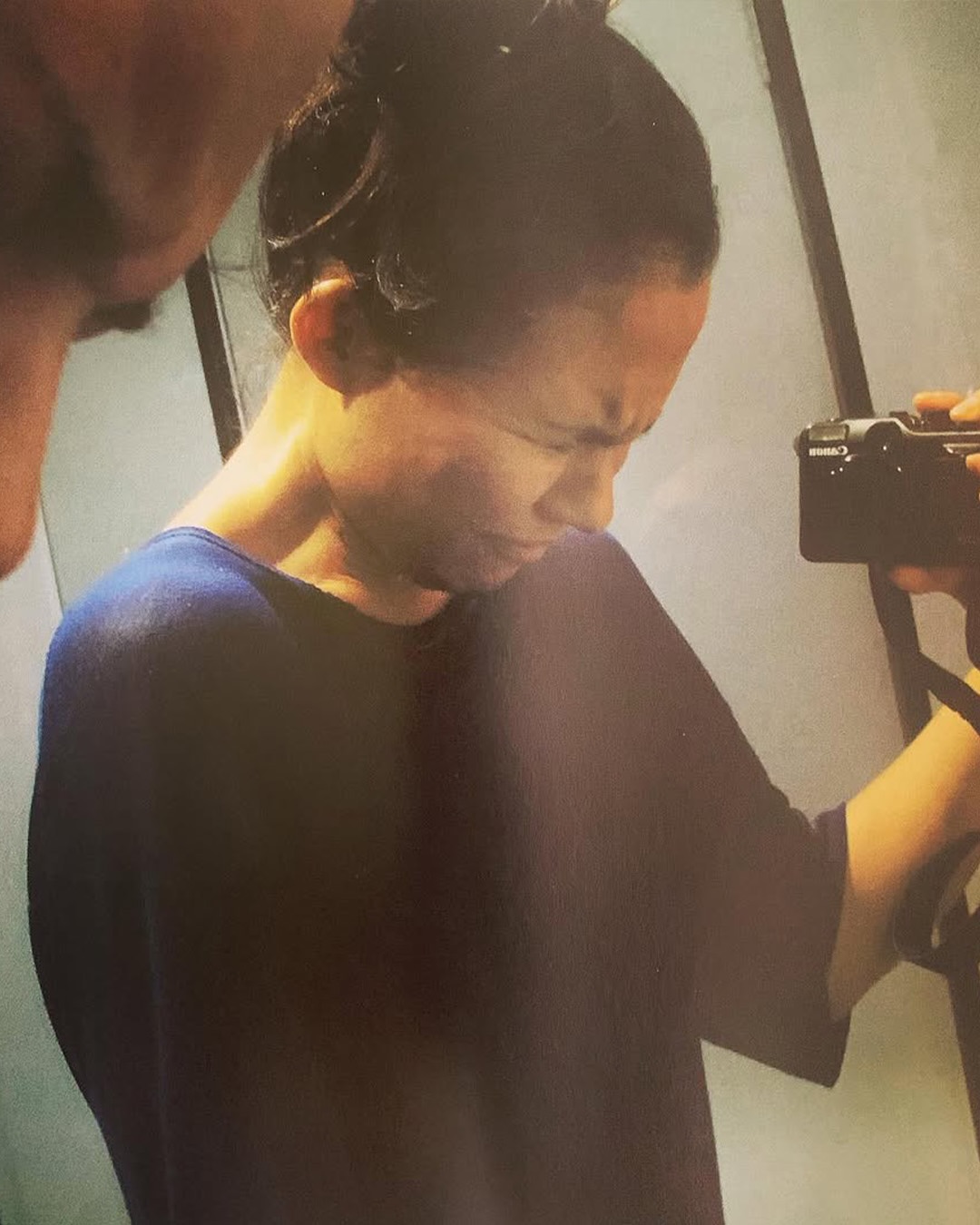
The photographs reveal more than simple sadness—they expose human vulnerability and inner pain. Images show her sitting by a window watching raindrops, feeling isolated on an airplane, and even struggling to hold back tears while wearing only underwear. Nakadate has stated that on some days the tears came naturally, while on others she had to think of her pet or listen to sad music to induce crying. Even this process becomes a moment we can relate to.
This work challenges the norms of social media, which often demand only happy images. It reminds us that sadness and loneliness are equally natural human emotions, prompting reflection on the perfectly curated moments that flood our feeds. Nakadate's tears, documented over 365 days, go beyond a simple daily record—they stand as a powerful artistic achievement that captures the truth of human experience through the medium of photography.
FAQ
What is Laurel Nakadate's '365 Days: A Catalogue of Tears'?
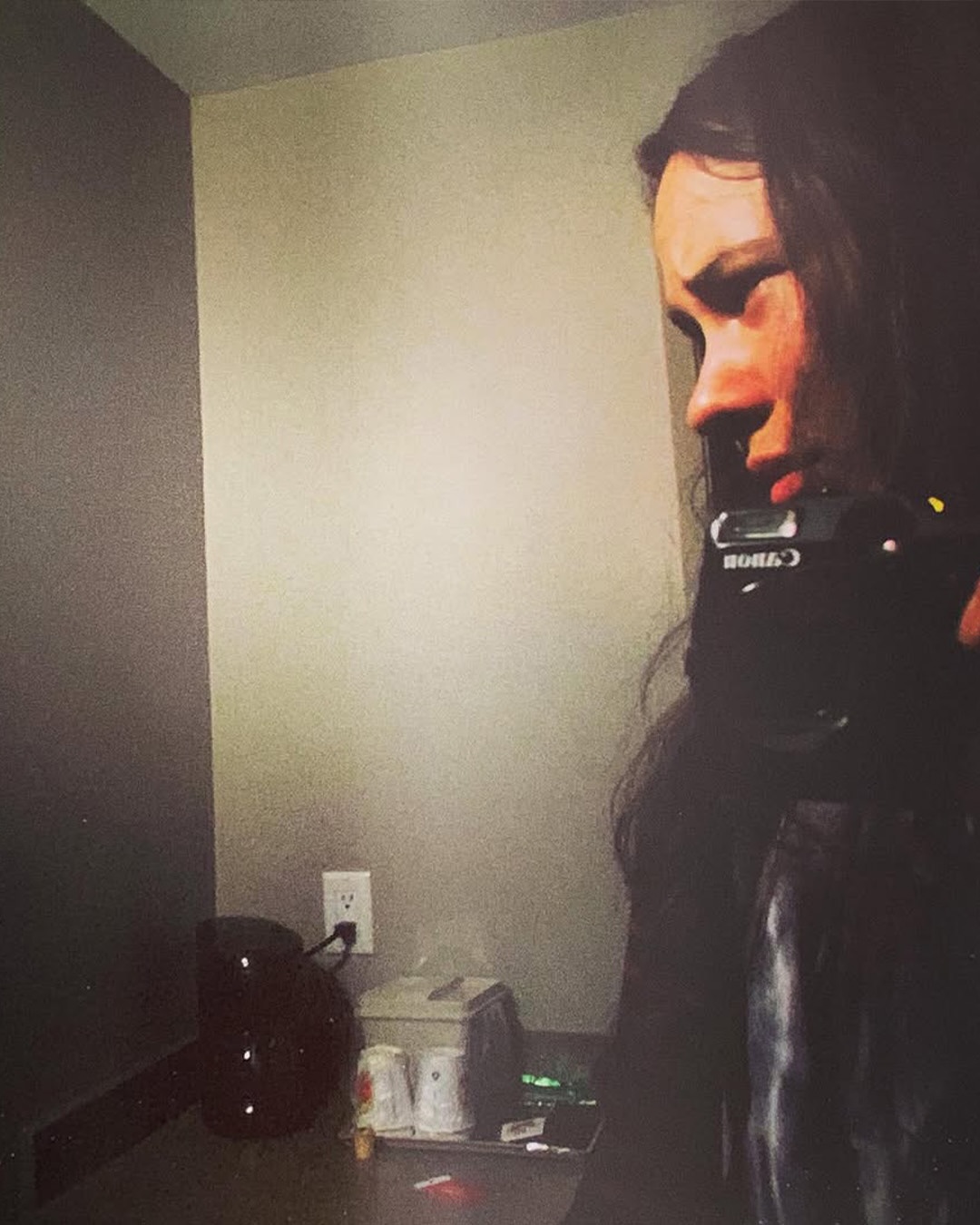
This 2011 photo series documents Laurel Nakadate filming herself crying daily for one year with a self-camera. Shot in locations from New York apartments to airplanes and hotels, it challenges social media's mandate for 'happy images,' affirming sadness and loneliness as natural emotions.
How did Laurel Nakadate film herself crying every day?
The artist revealed that some days tears flowed naturally, while other days she recalled pets or played sad songs to induce crying. She captured moments before tears, while crying, and after crying, blurring boundaries between performance and genuine experience.
How does this work relate to social media?
This work challenges the culture of sharing only 'happy moments' that social media demands. By recording tears for 365 days, Nakadate reminds us that sadness and loneliness are natural human emotions, prompting reflection on perfectly curated SNS imagery.