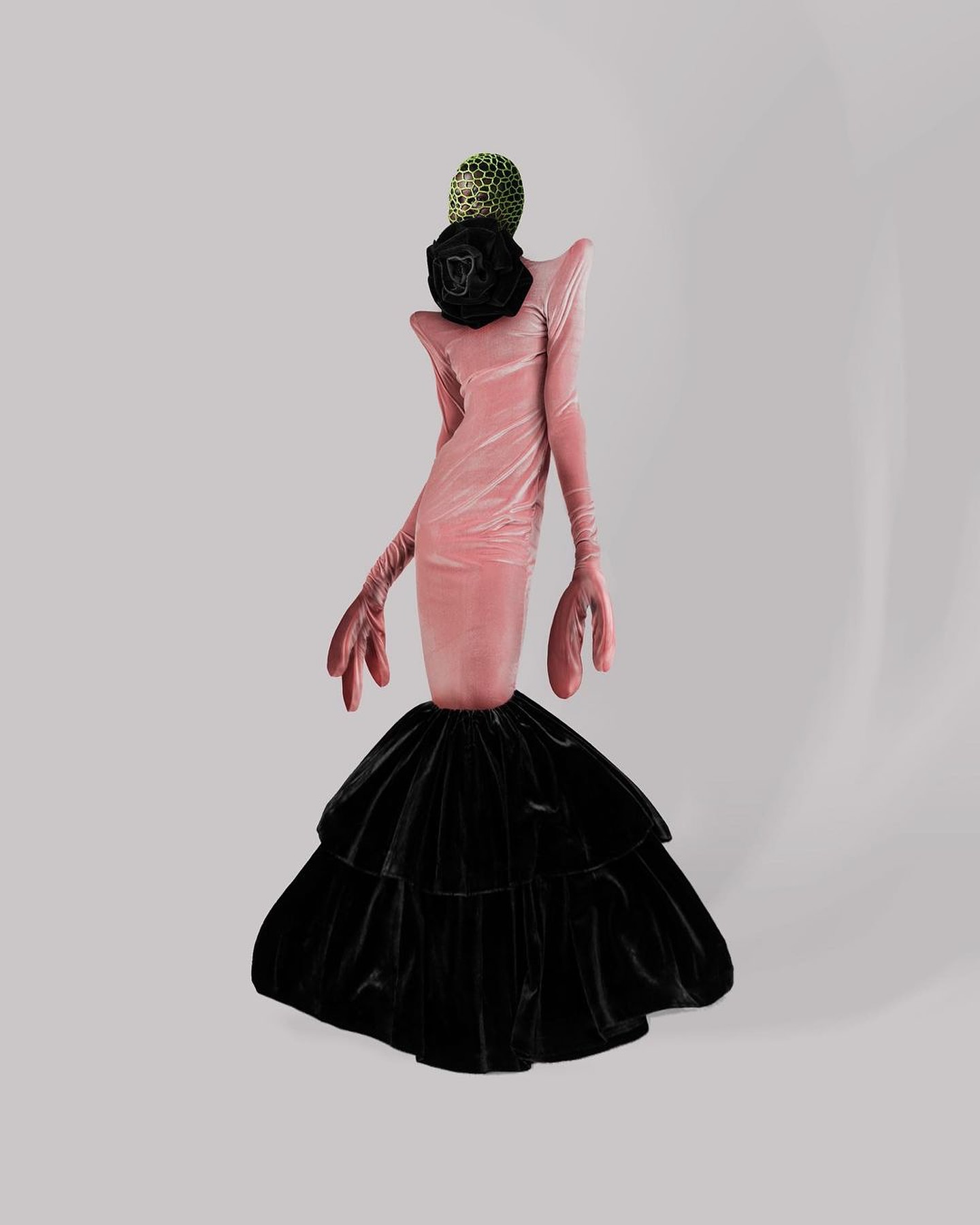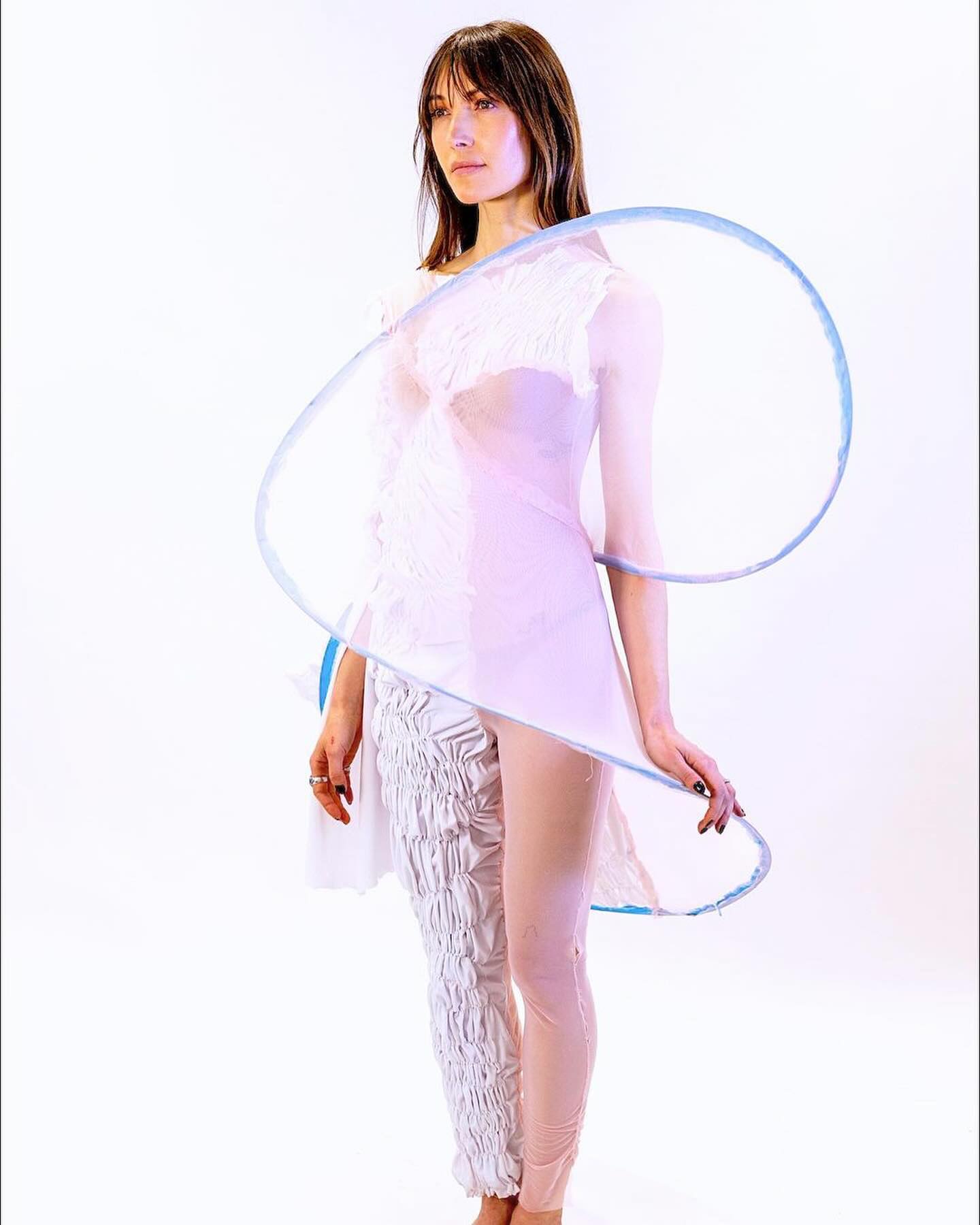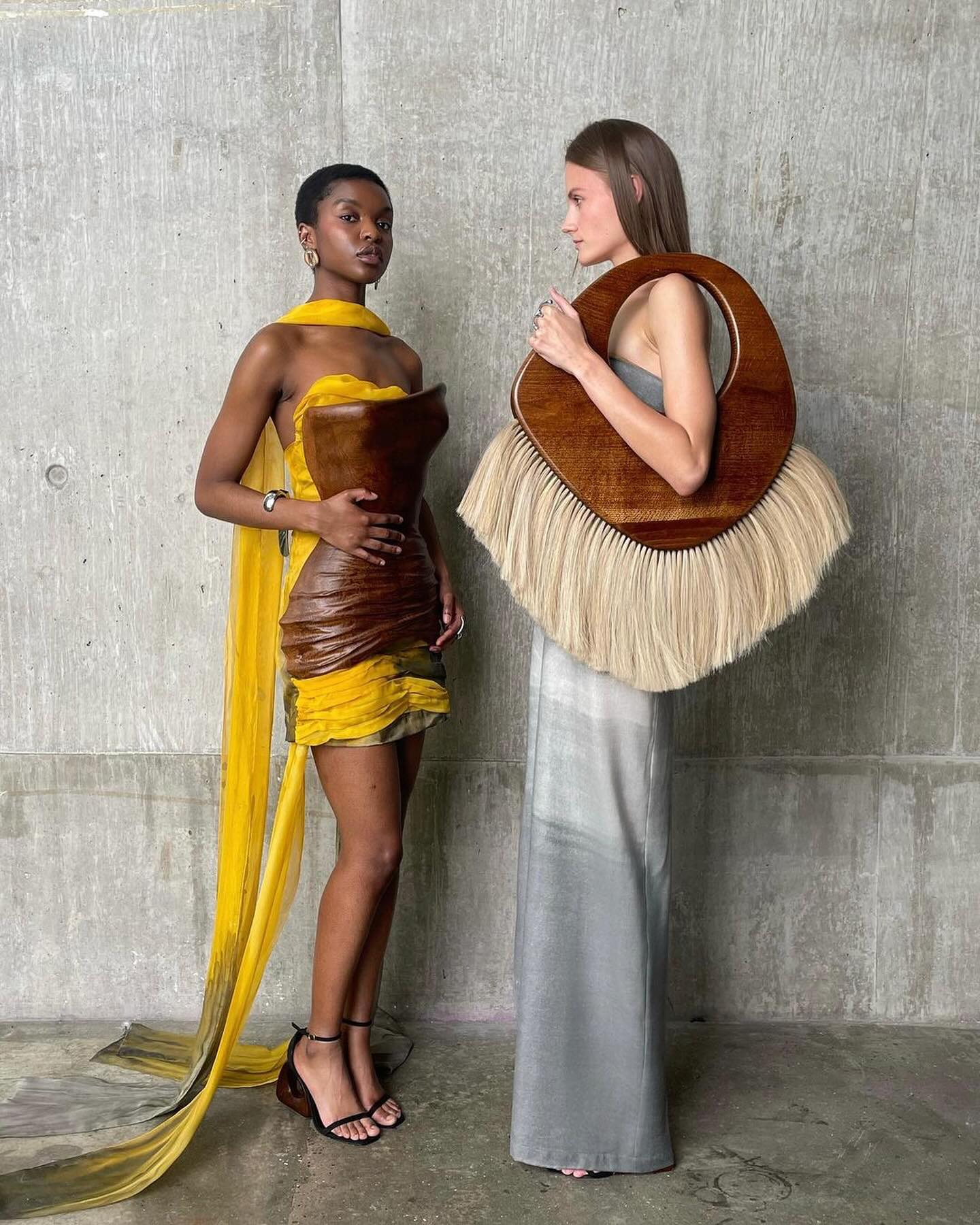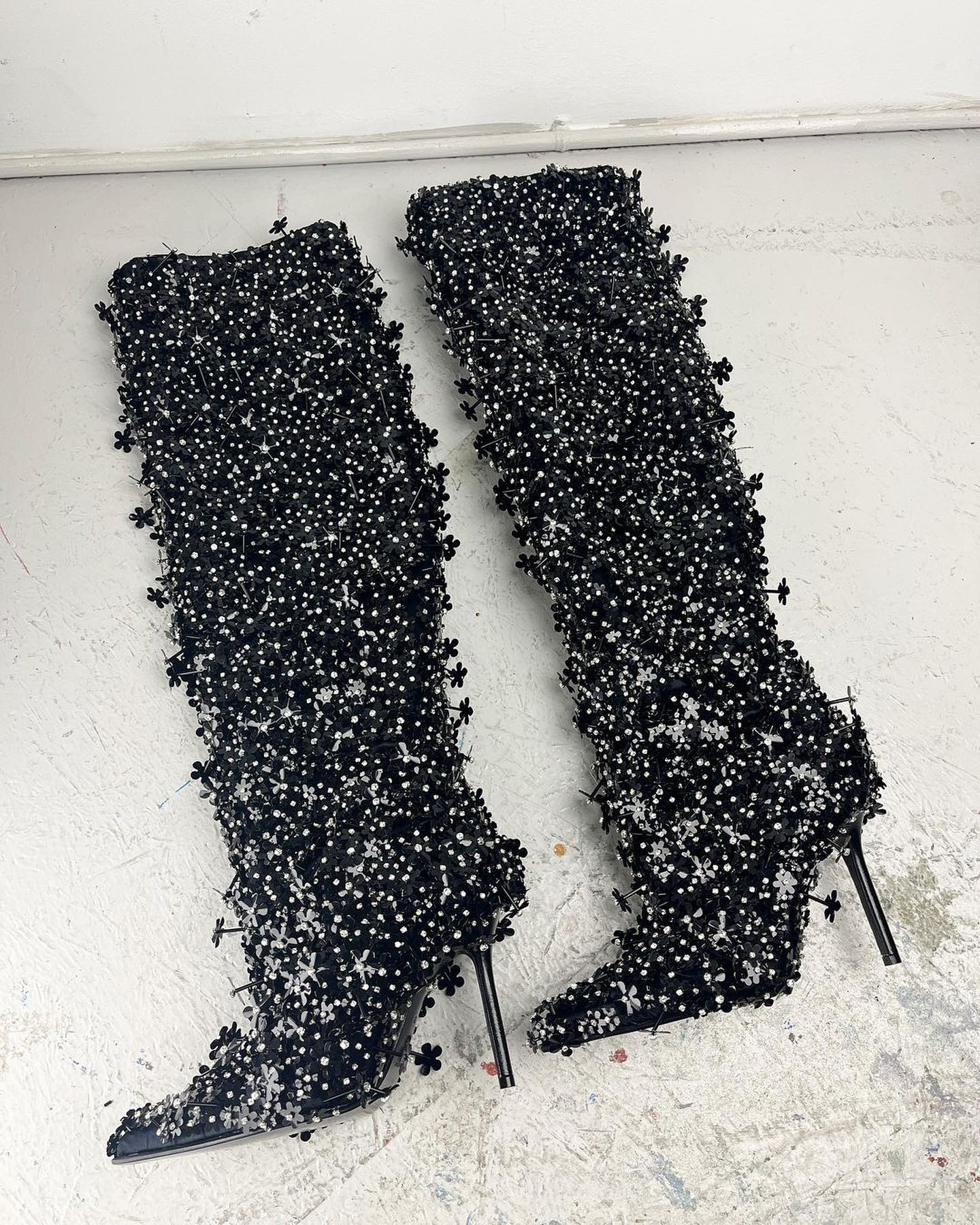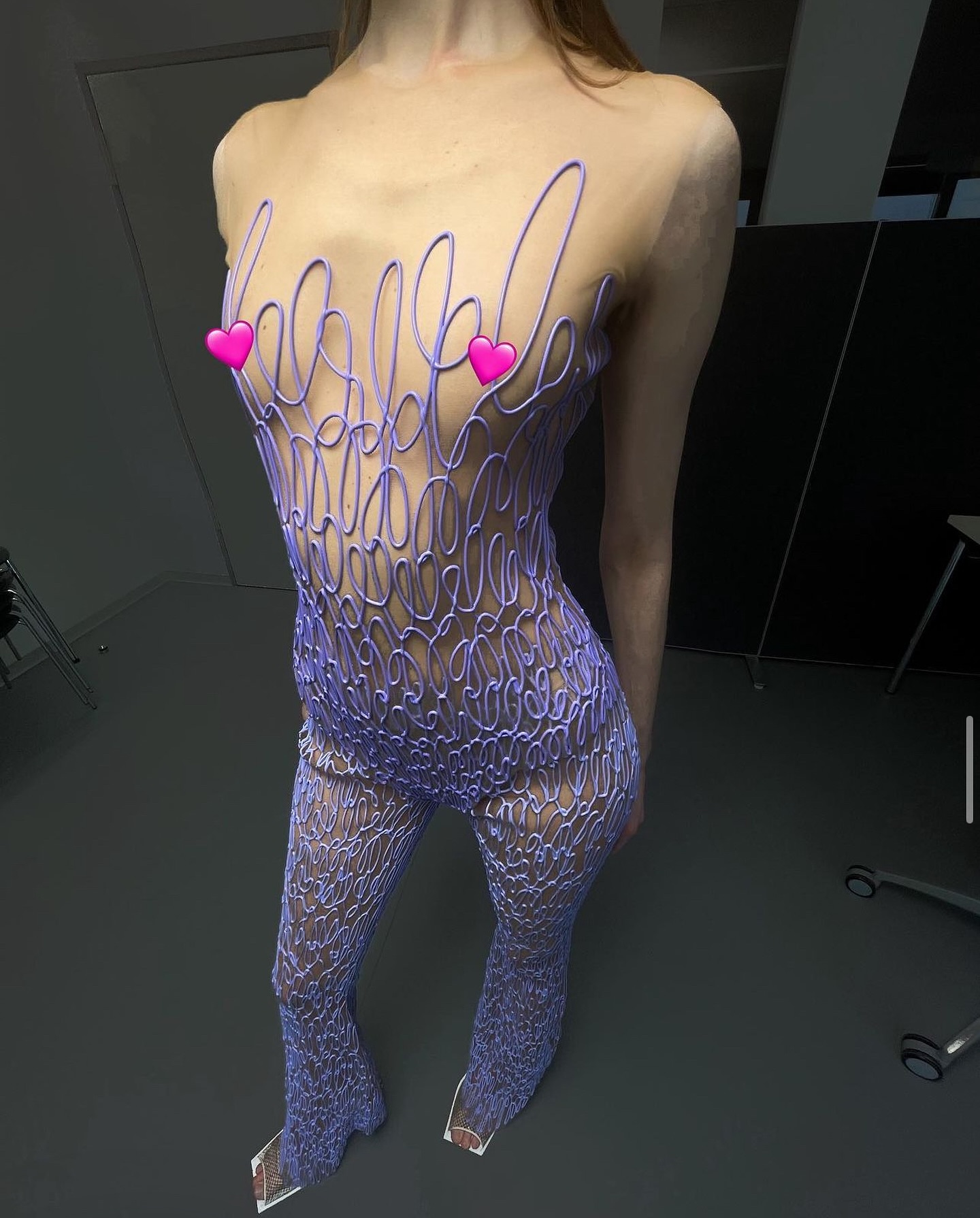
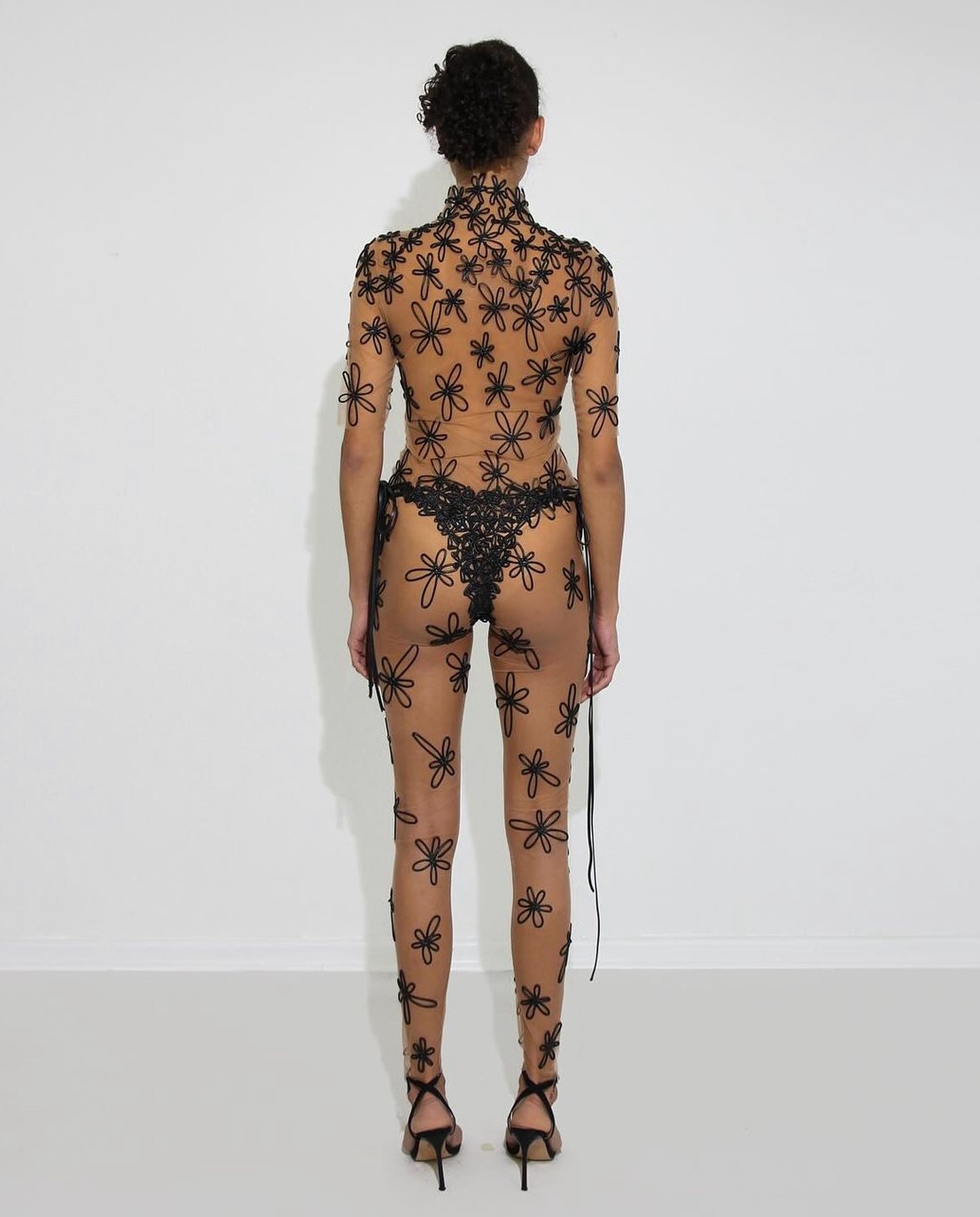
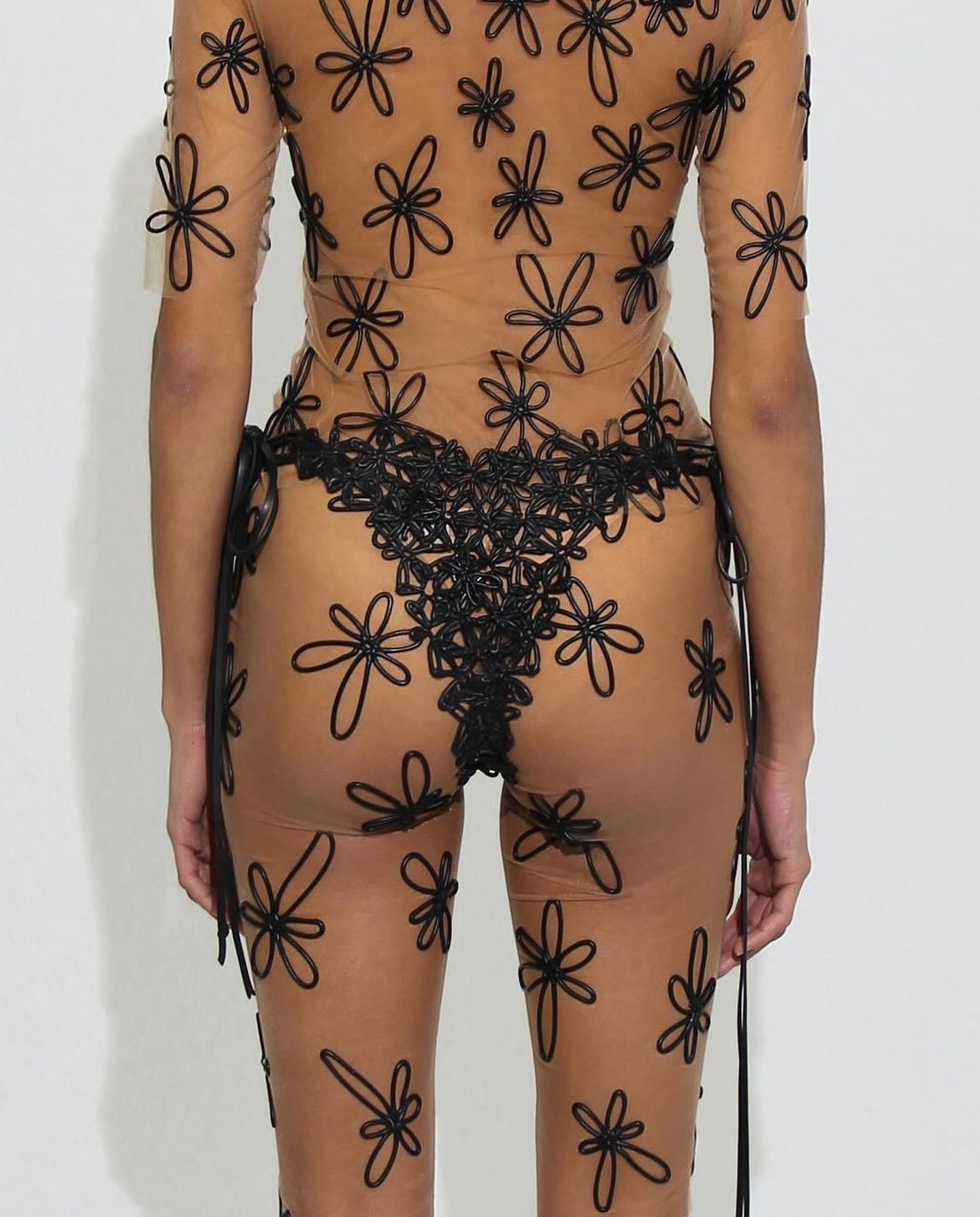
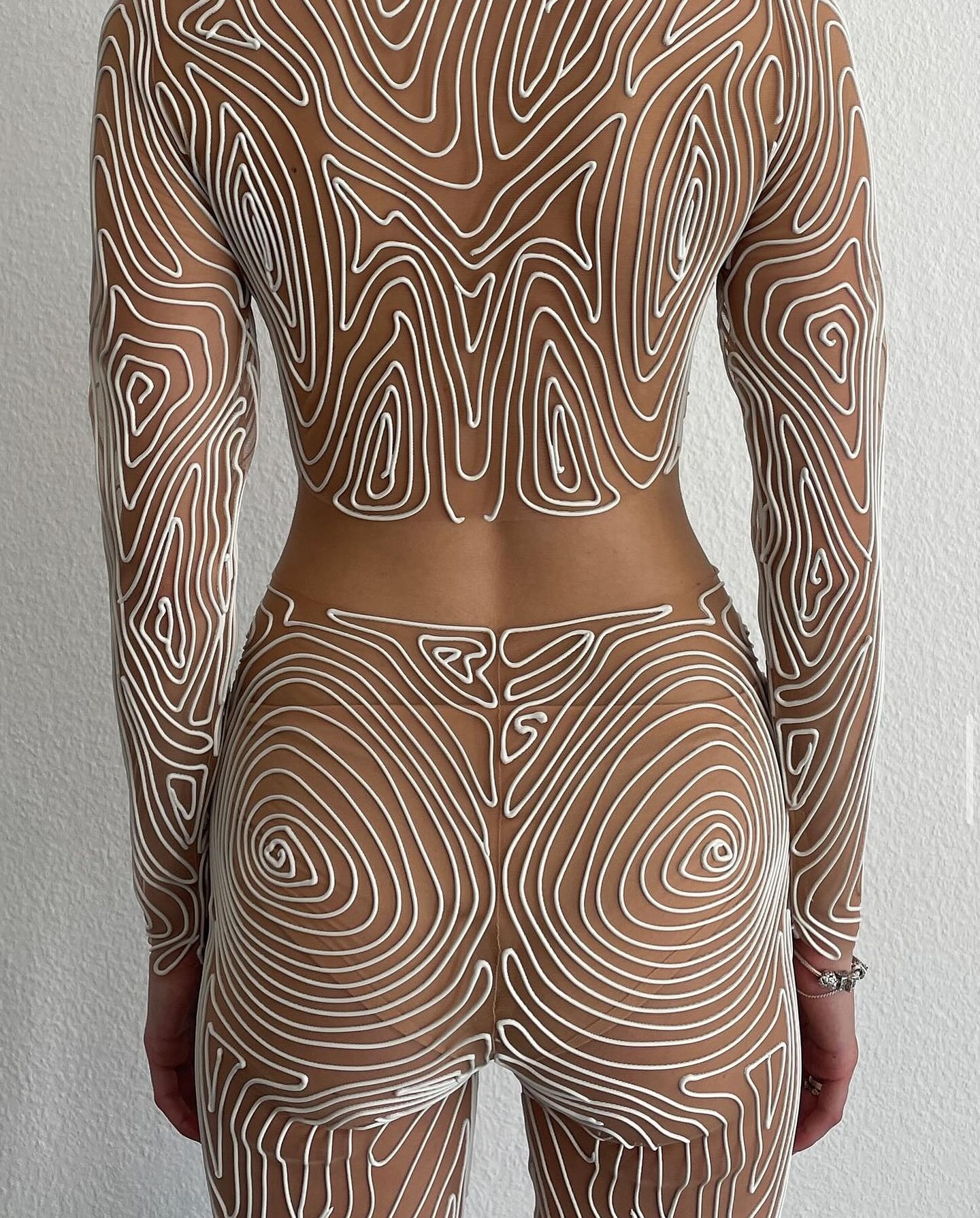
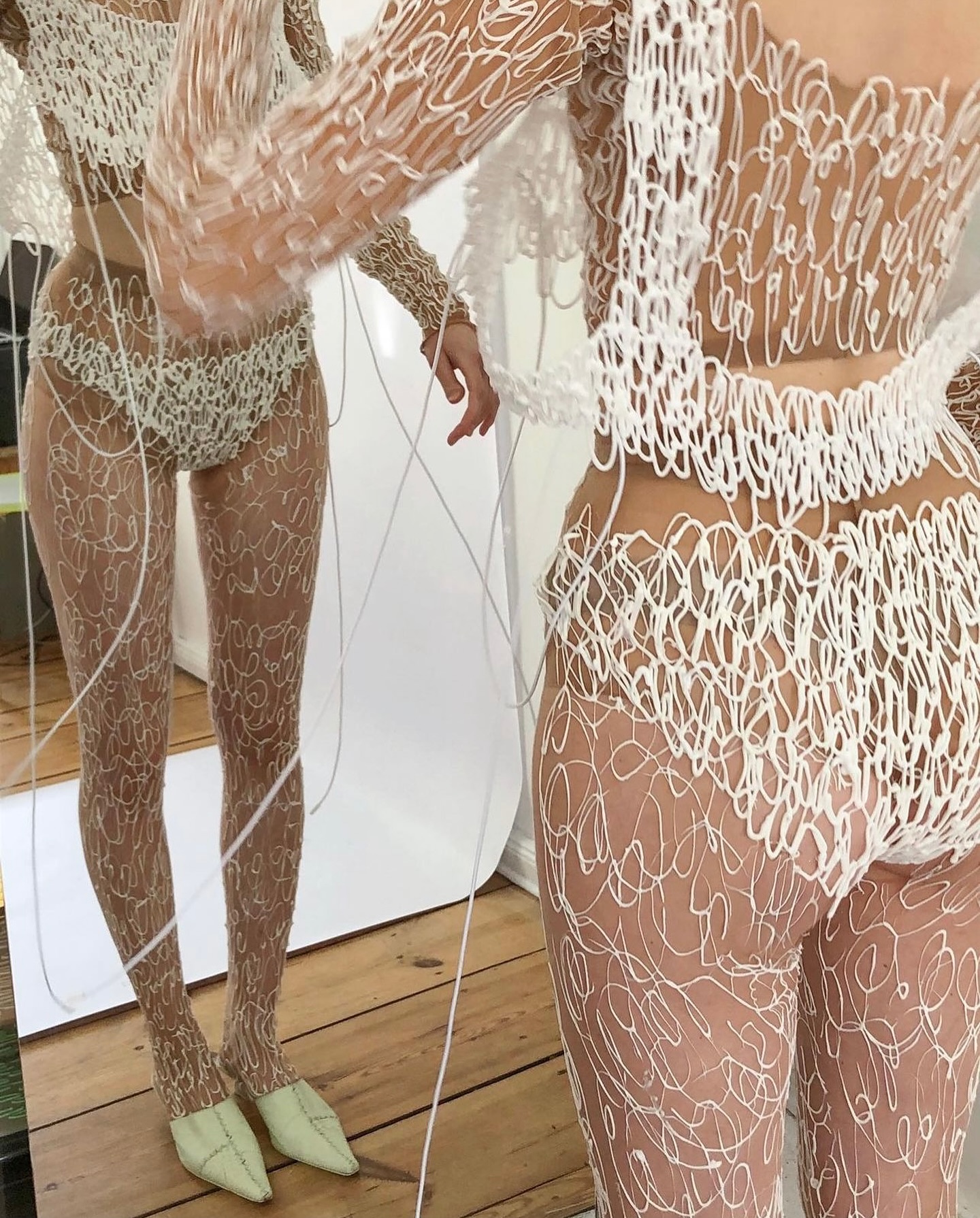
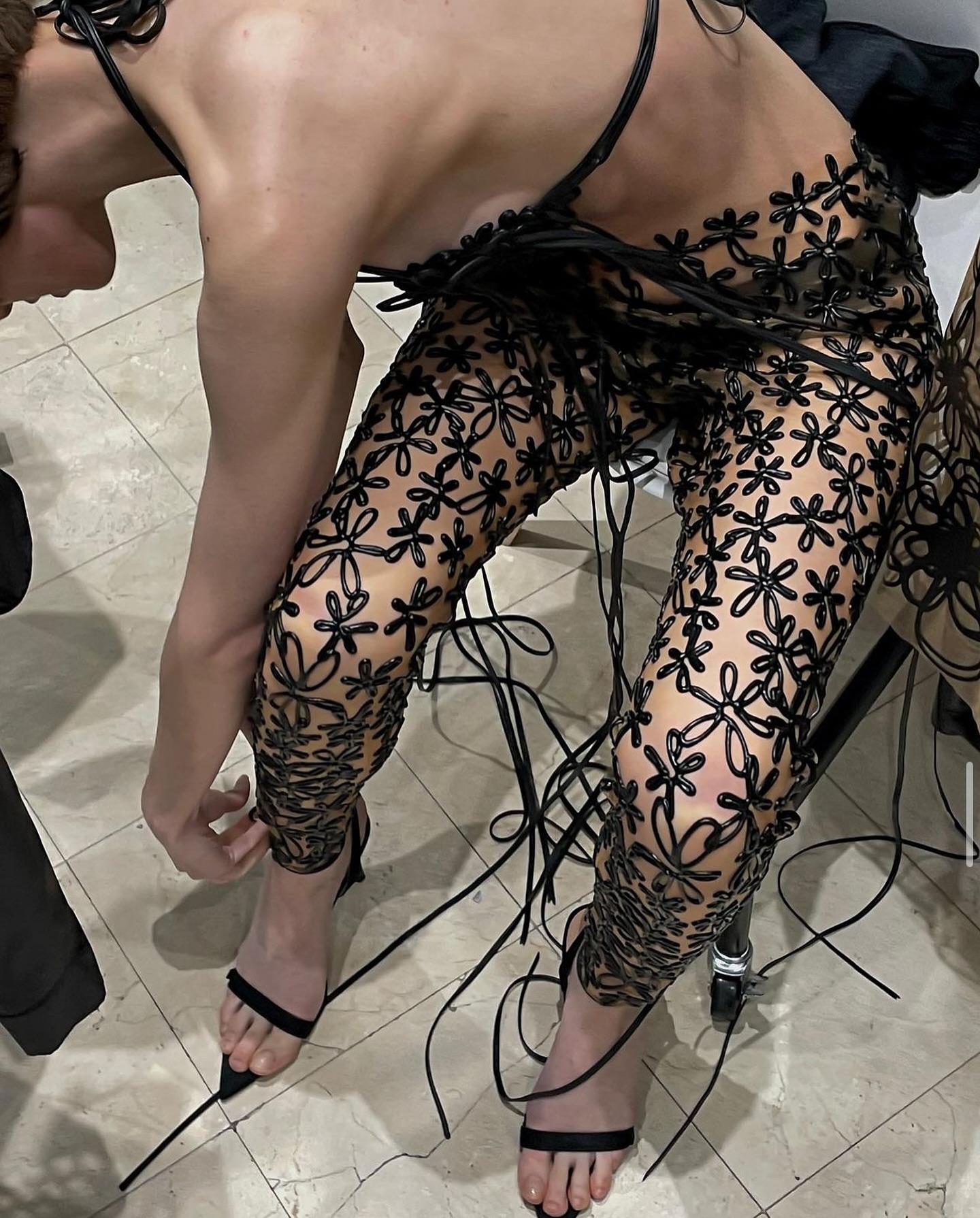
Her unique approach, blending architectural and fashion design, focuses on reimagining age-old handcraft methods into modern creations. The latex mesh bodysuit demonstrates organic patterns reminiscent of hand-woven textiles, forming a sculptural silhouette that embraces the wearer's body. The material's inherent elasticity and sheen offer a fresh interpretation of lace's delicate qualities.
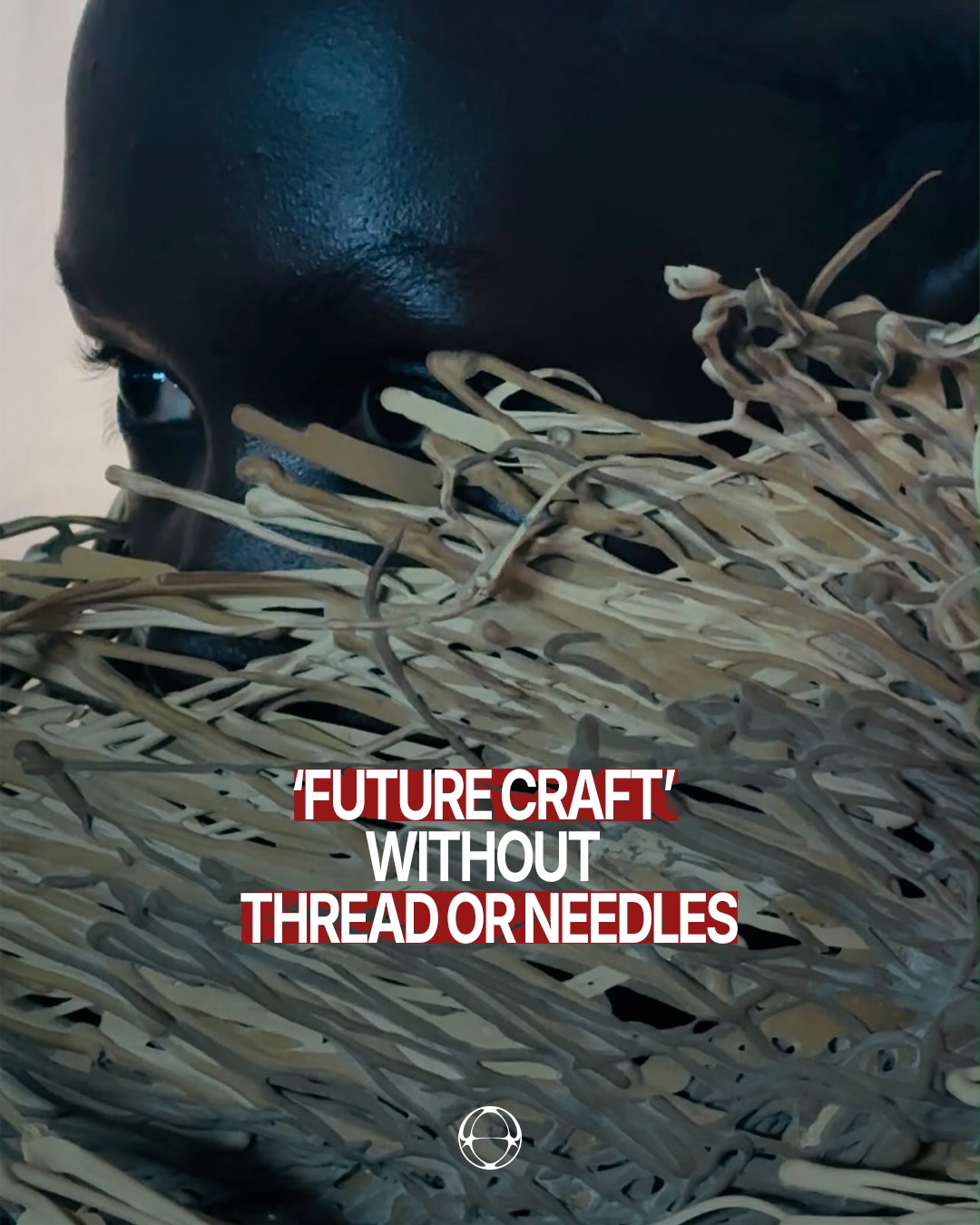
Through her 'FUTURE CRAFT' concept, Kucharska fuses the historical richness of traditional crafts with contemporary aesthetics. Her designs promote standardized manufacturing processes and environmental consciousness while maintaining romantic and eccentric visual language. The innovative use of latex celebrates confidence and elegance, inviting wearers to embrace a bold, sensual aesthetic.
As sustainability becomes a critical conversation in fashion, Kucharska's experimental approach demonstrates how material innovation can satisfy both environmental responsibility and artistic expression. Her work dissolves boundaries between tradition and innovation, function and aesthetics, presenting new possibilities for the future of fashion design.
FAQ
What material did Kasia Kucharska use to replace lace?
Berlin-based designer Kasia Kucharska uses latex as an alternative to traditional lace. She leverages latex's elasticity and sheen to create mesh patterns inspired by traditional craft techniques, producing innovative garments that simultaneously express sustainability and sensuality.
What is the FUTURE CRAFT concept?
FUTURE CRAFT is the design philosophy presented by Kasia Kucharska, aiming to fuse the historicity of traditional crafts with contemporary sensibility. It's an approach that reinterprets ancient handcraft techniques with modern materials and manufacturing methods while simultaneously pursuing environmental consciousness and artistic expression.
What is Kasia Kucharska's design background?
Kasia Kucharska has a unique background combining architecture and fashion design. This interdisciplinary approach influences her structurally designing garments like sculptures while contemporarily reinterpreting traditional craft techniques in her work.