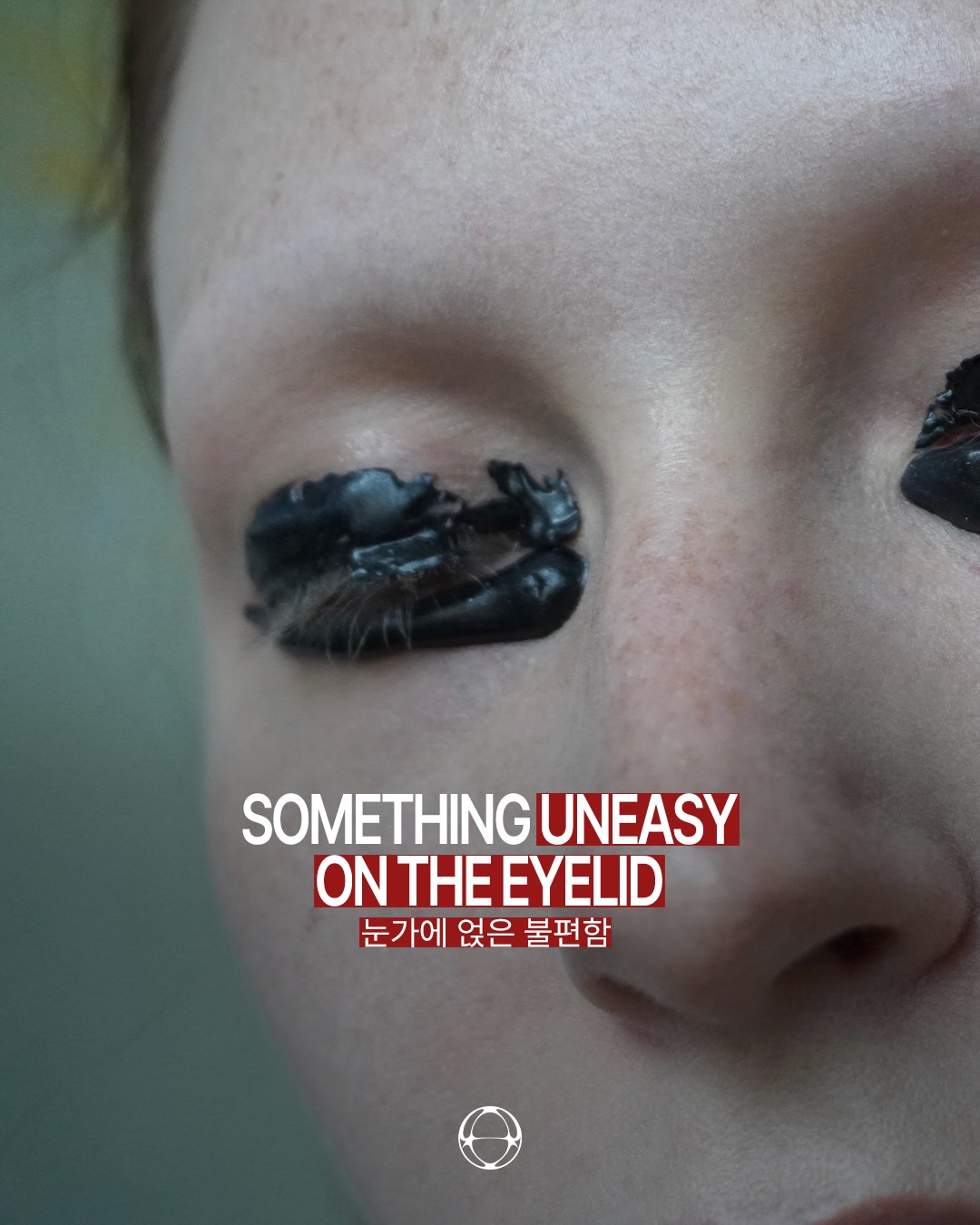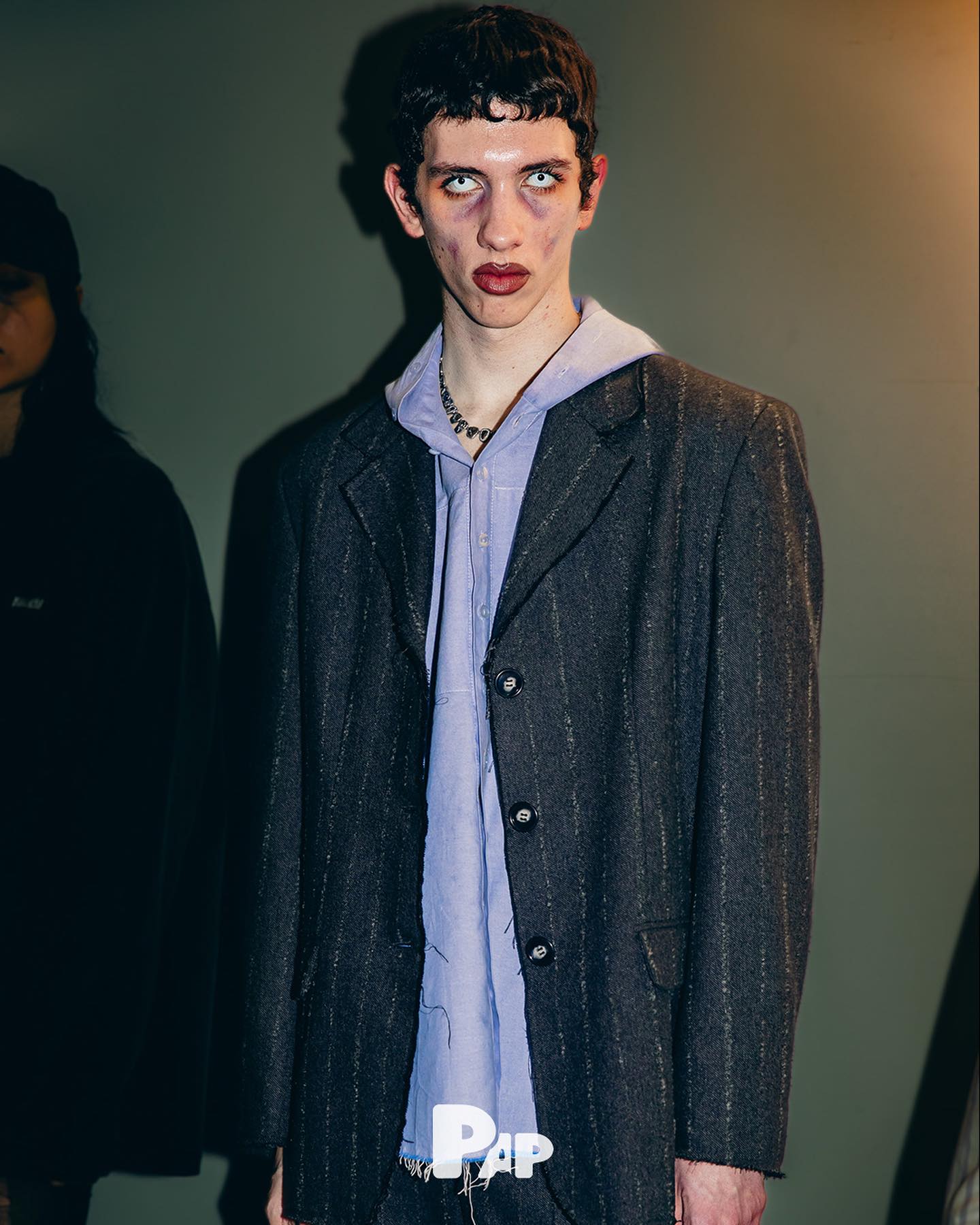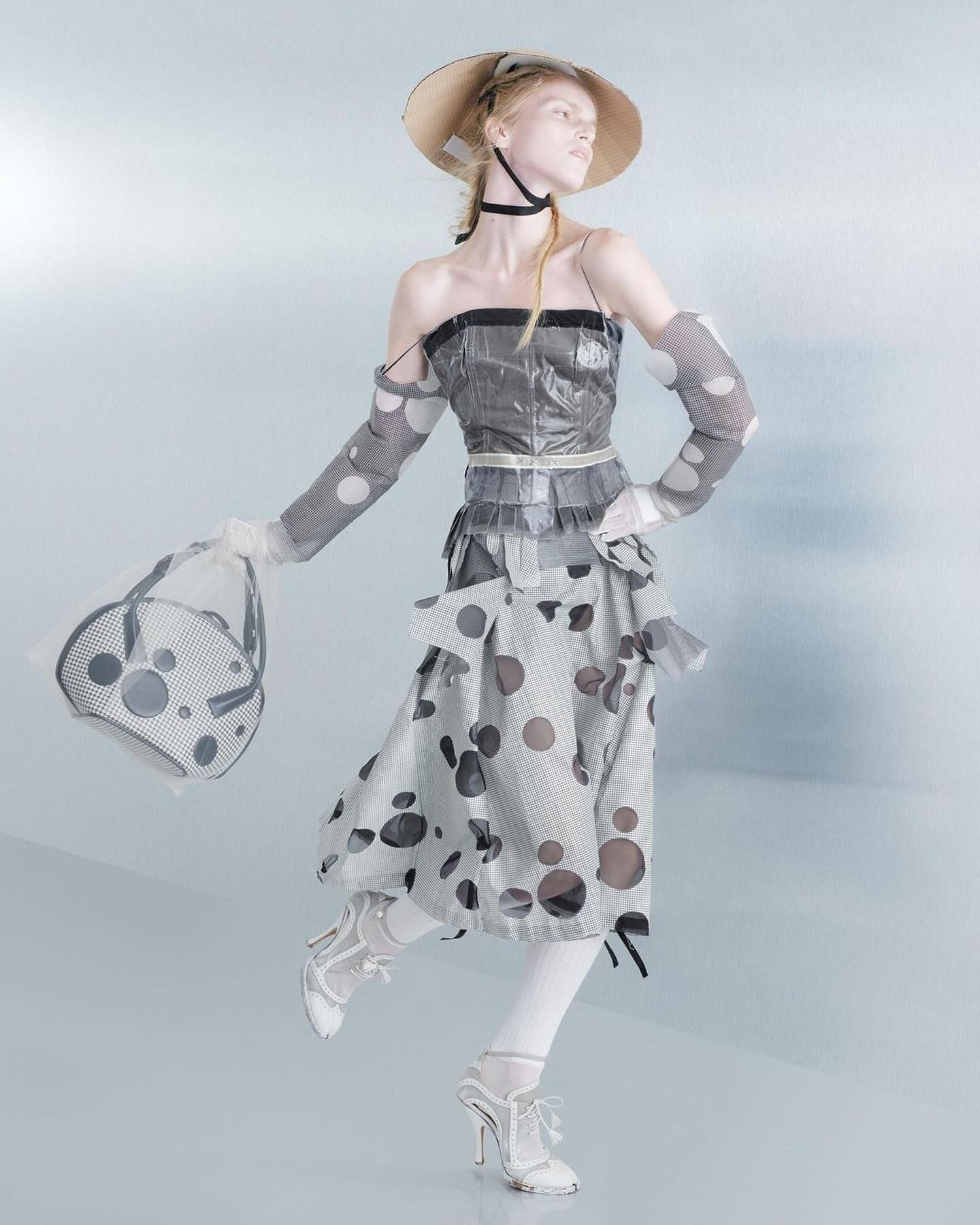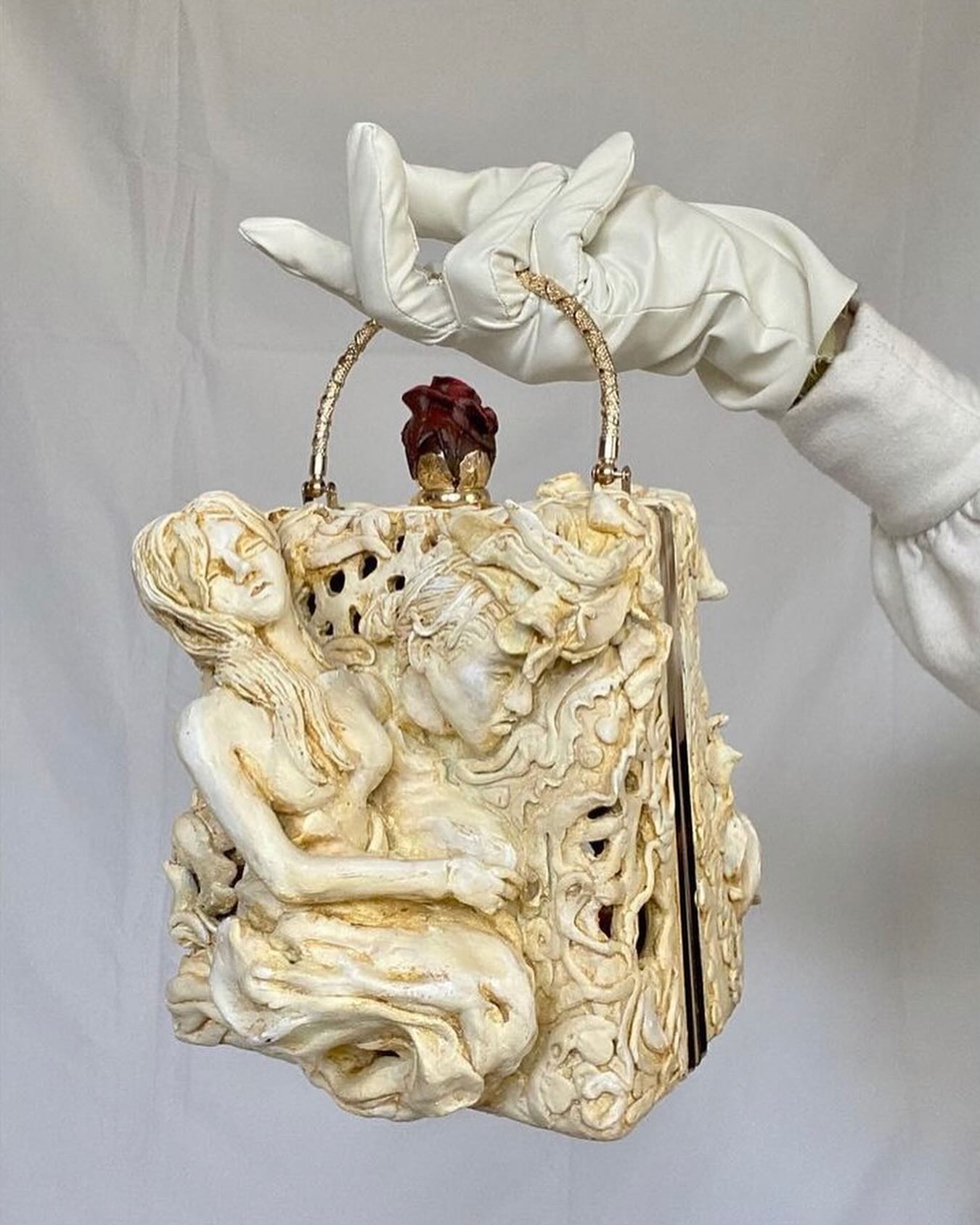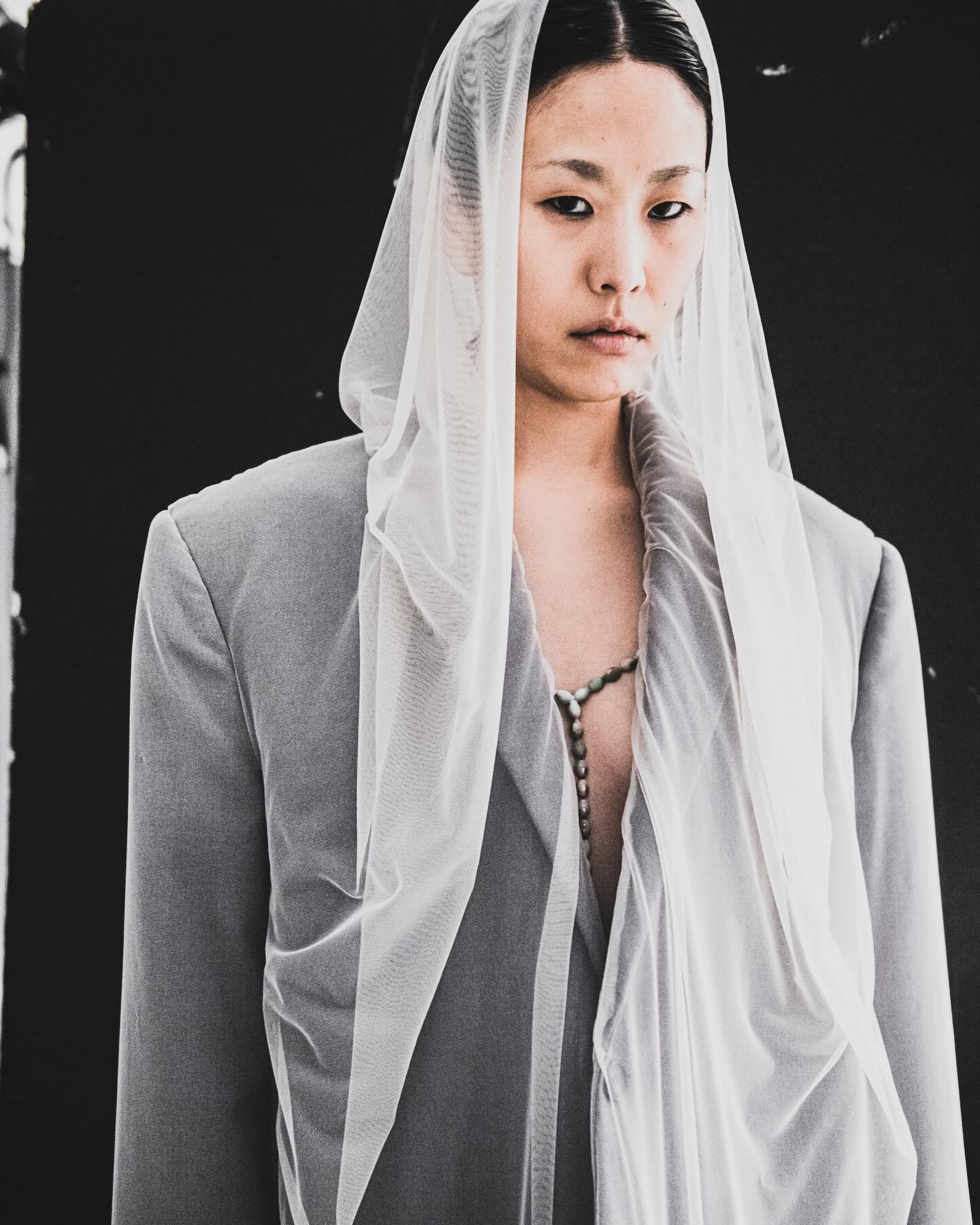
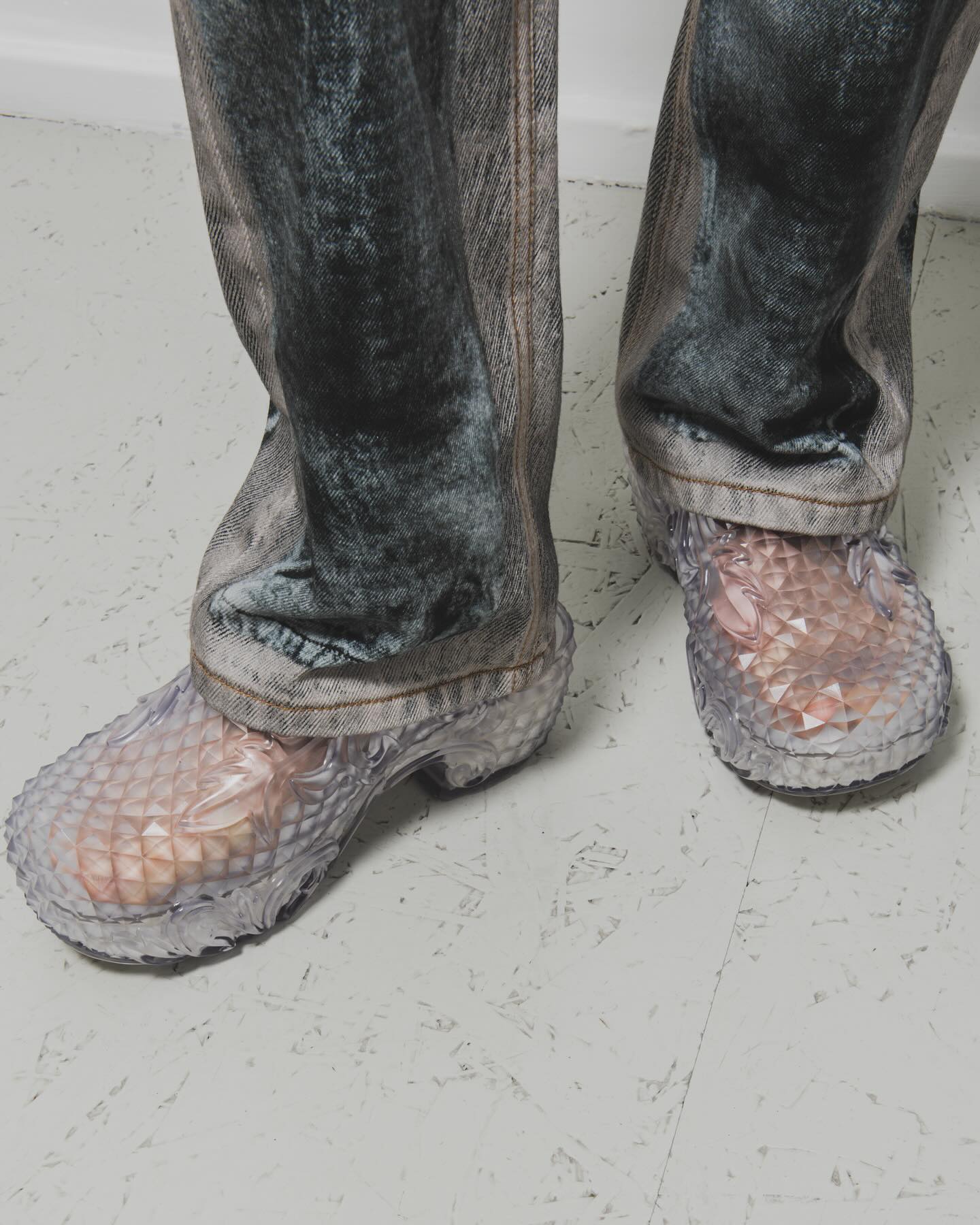
The crystal-resembling shoes stand out as one of the collection's highlights, translating Martens' philosophy of structural deconstruction and reconstruction onto footwear as canvas. This approach explores shoes not merely as accessories but as fashion objects with transformative potential—a hallmark of Y/Project's innovative methodology.
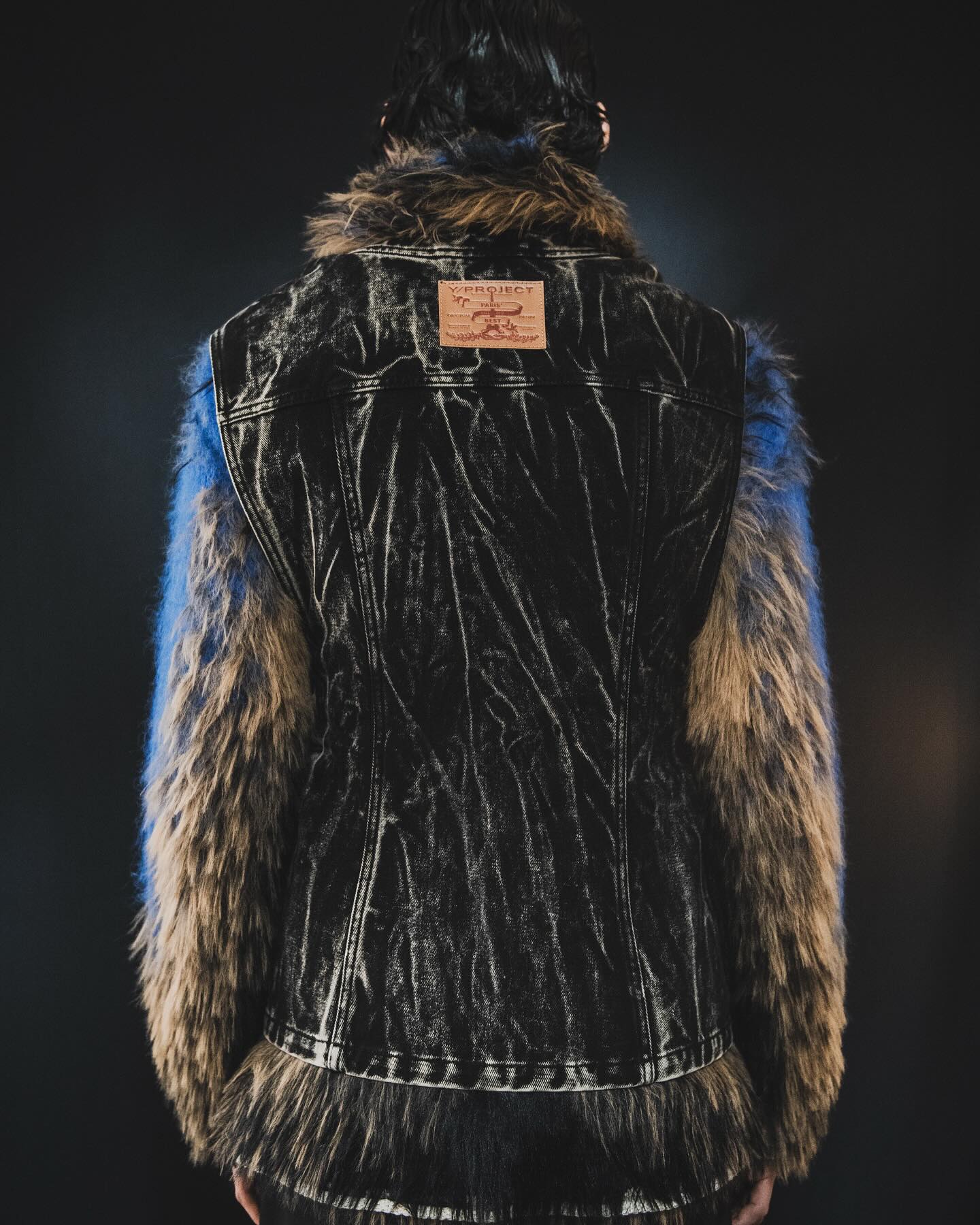
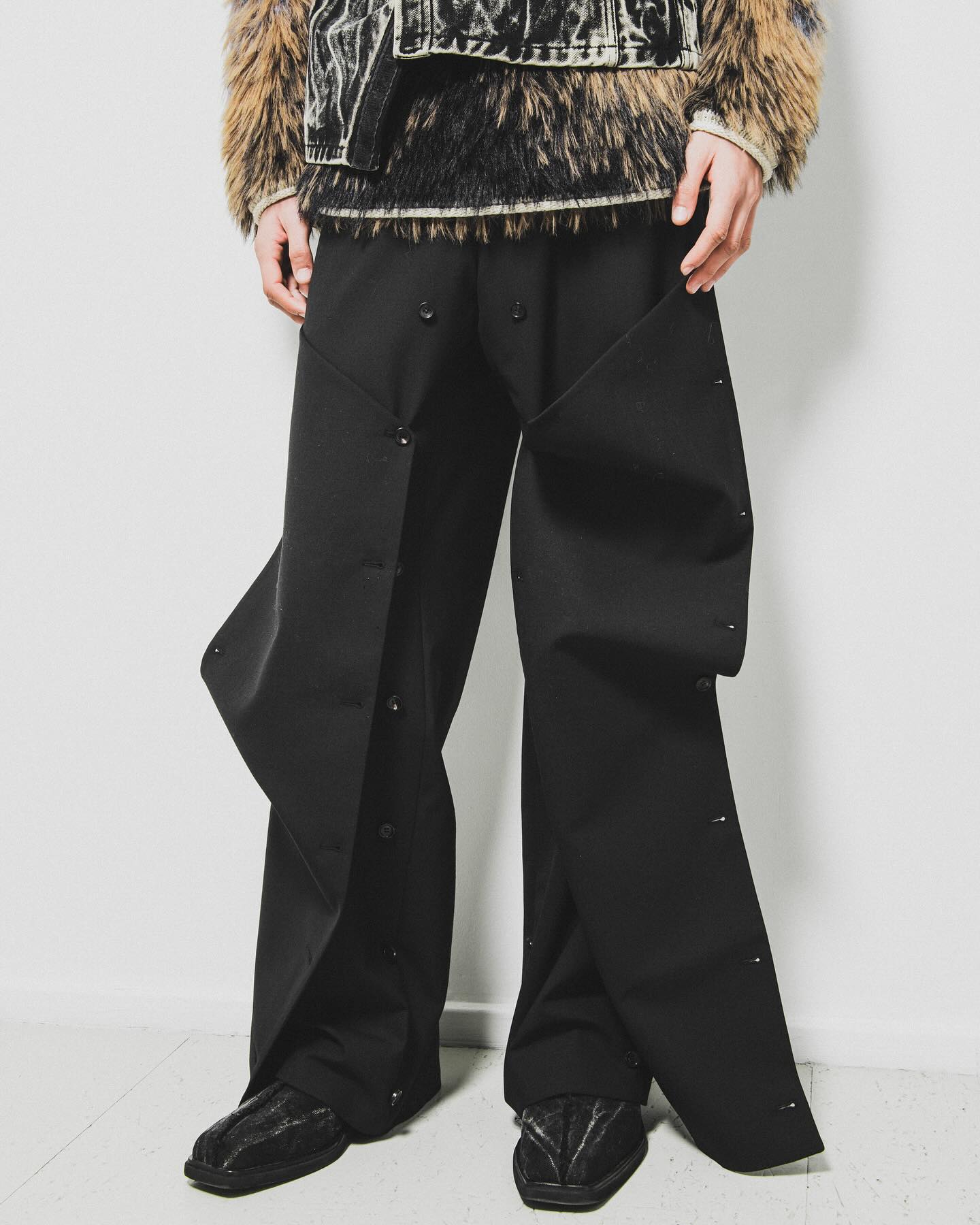
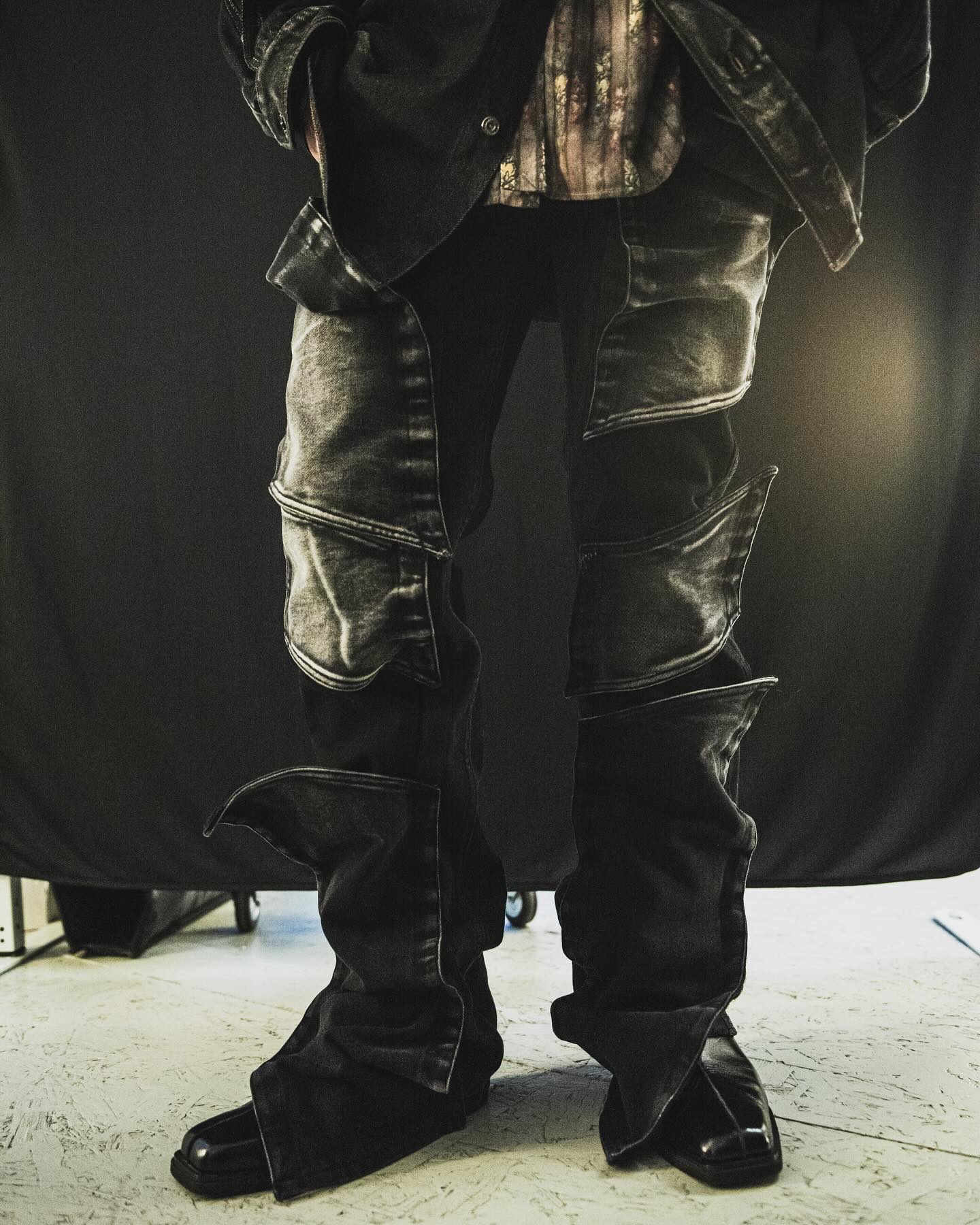
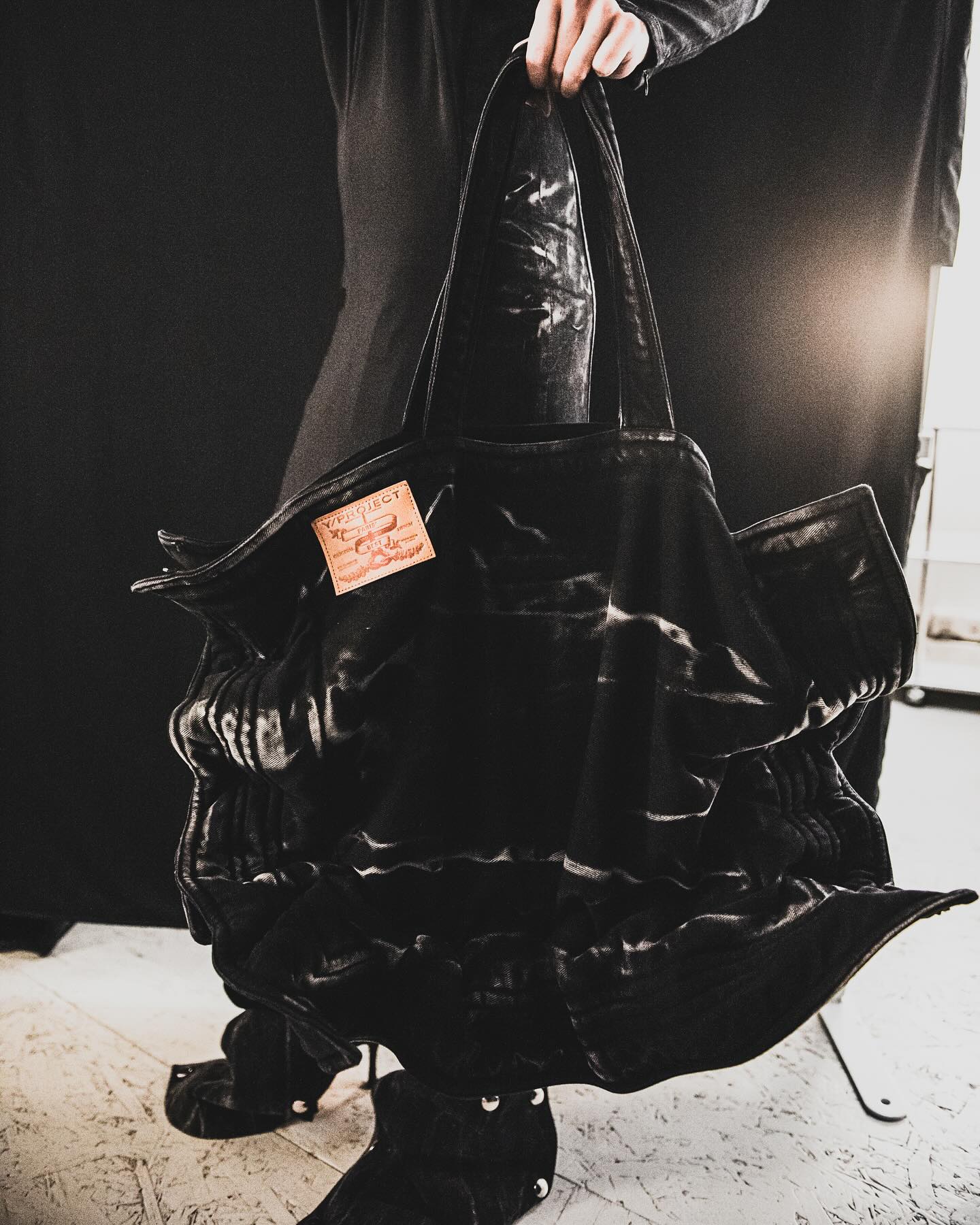
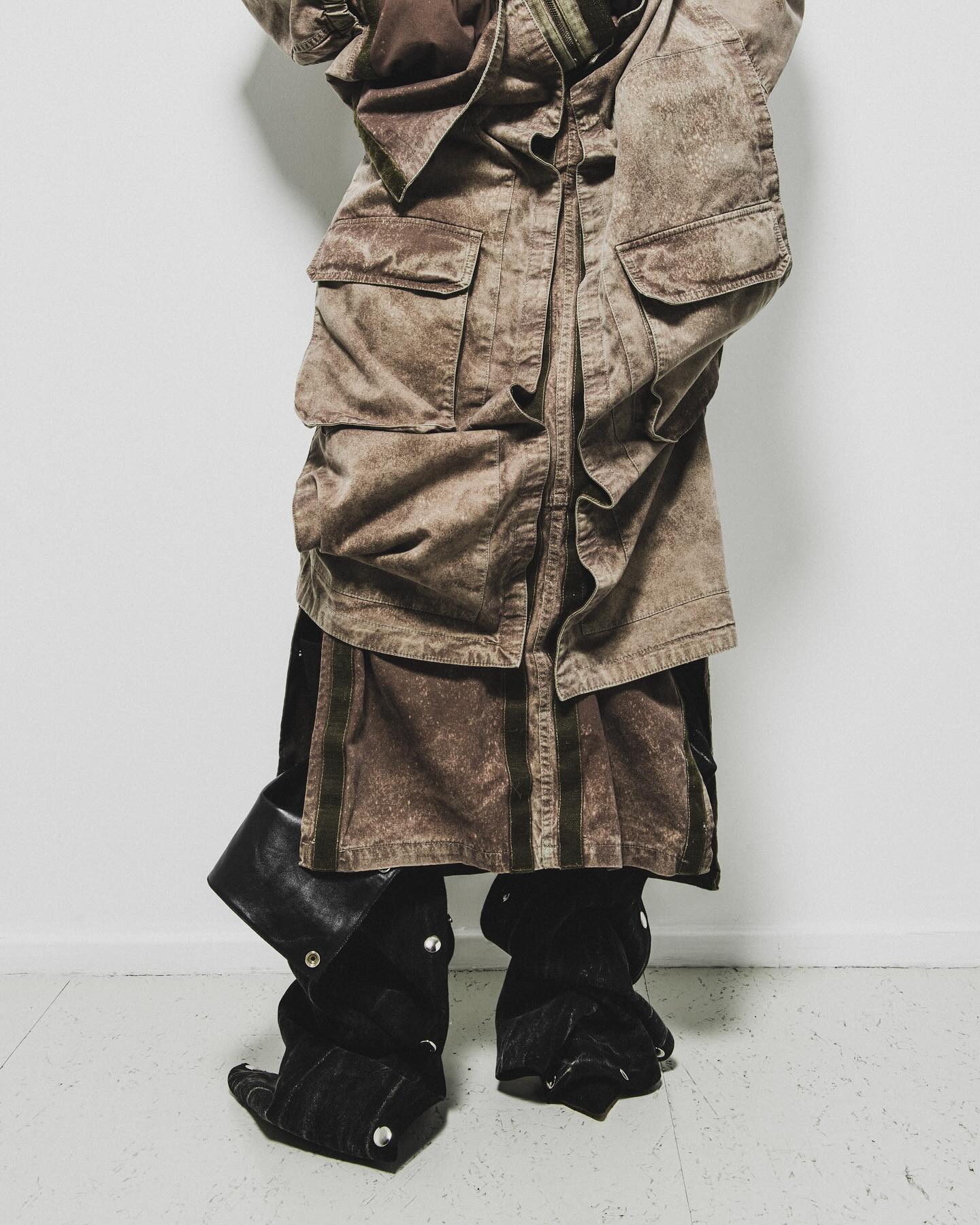
Through Y/Project, Martens has consistently questioned and reinterpreted traditional garment construction. This season continued that trajectory with experimental silhouettes that blur the boundaries between functionality and sculptural form. The details captured backstage offer precious glimpses into his creative process and the technical complexity behind each look.
In an era when the fashion industry increasingly favors conservatism, Y/Project maintains its avant-garde spirit and continues the discourse on new forms of clothing. The FW24 collection proves that deconstruction and reconstruction—though long-established methodologies—remain profoundly contemporary when executed with vision and precision.
FAQ
What are the key design features of Y/Project's FW24 collection?
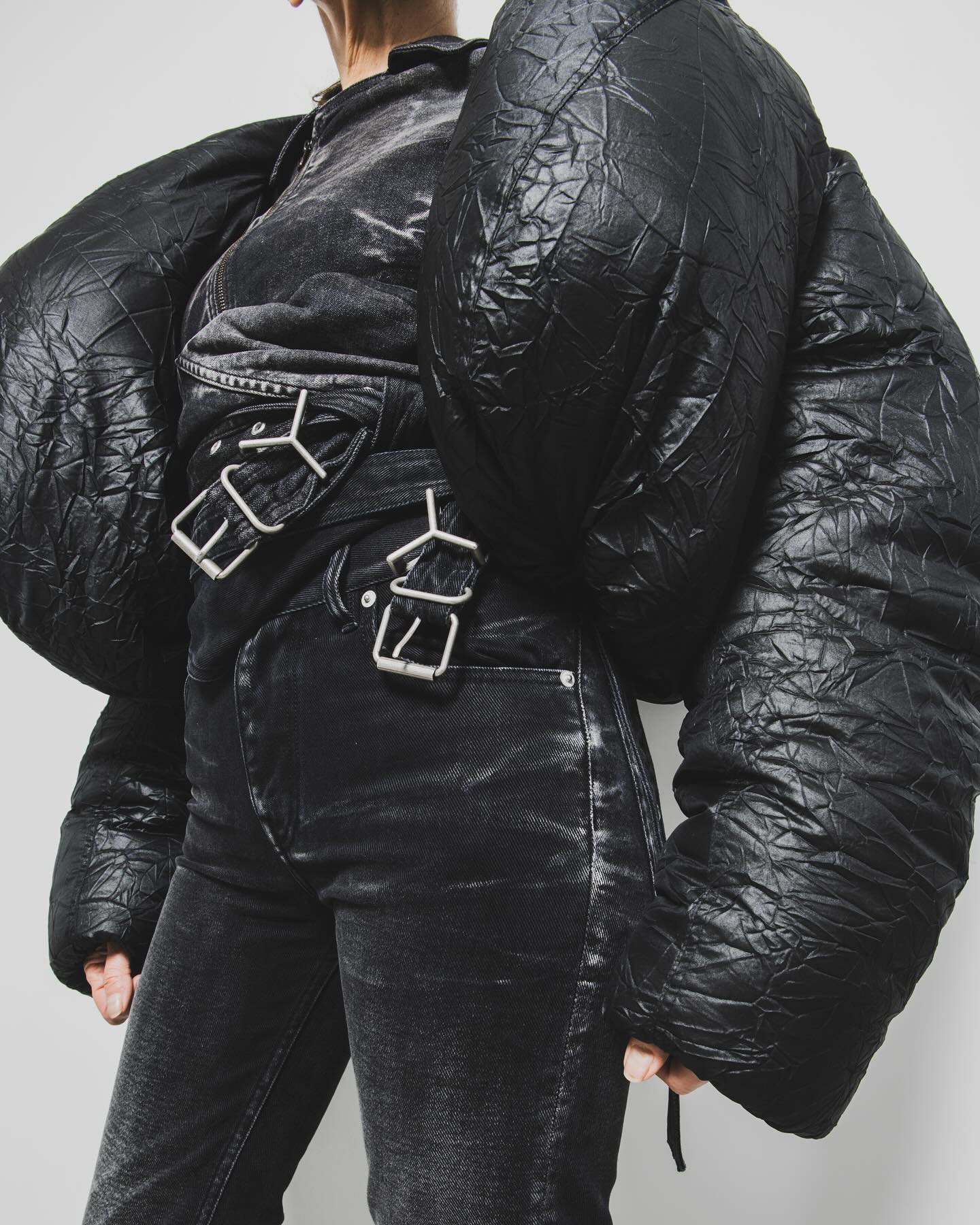
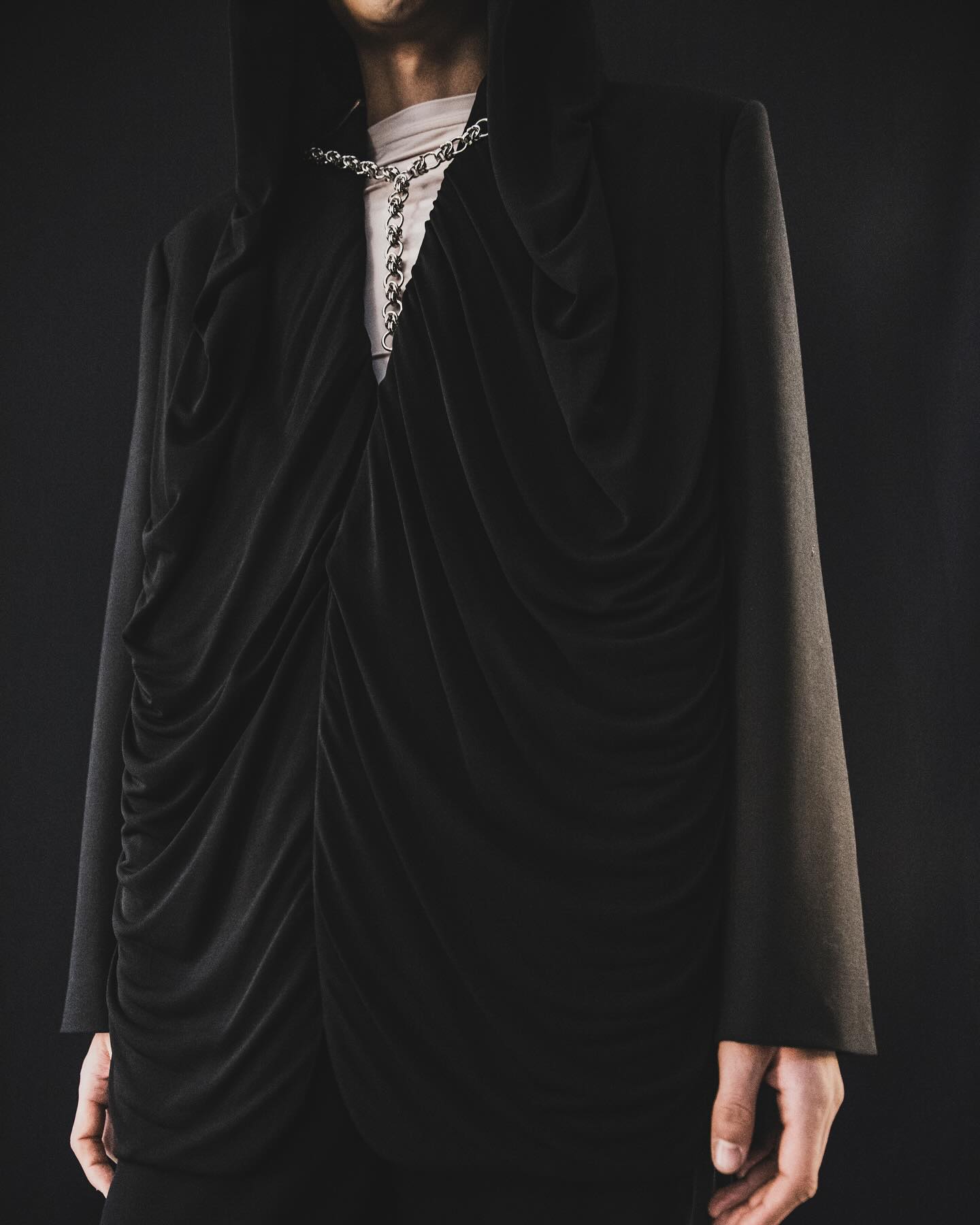
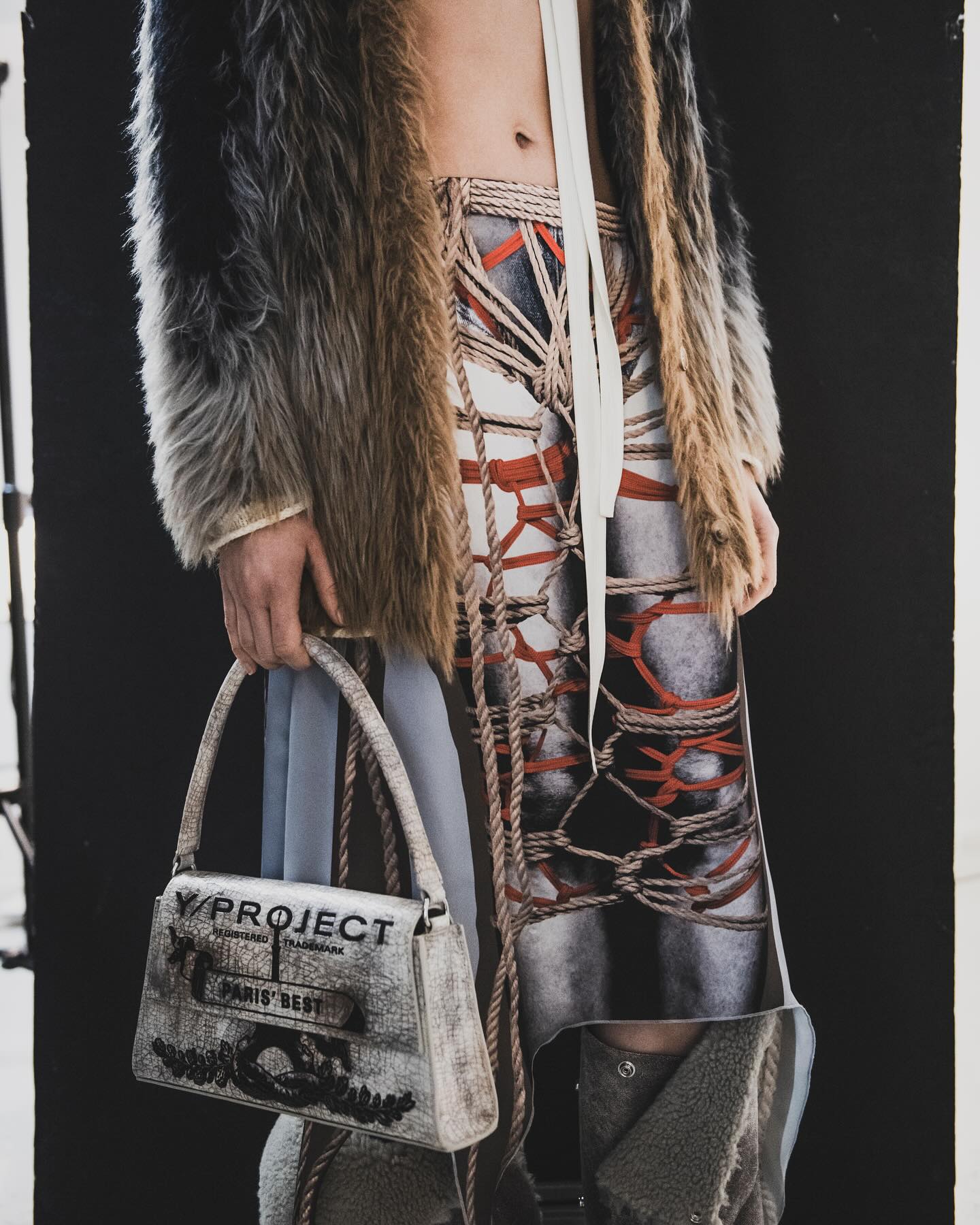
Y/Project's FW24 collection centers on Glenn Martens' signature deconstructionist aesthetic, featuring pants with button-detachable elements, oversized outerwear with shirring and cutting details, and structurally crystal-reminiscent shoes. Each piece carries unique details while maintaining Martens' consistent iconic atmosphere.
What design philosophy does Glenn Martens hold?
Glenn Martens pursues a deconstructionist philosophy that constantly questions and reinterprets traditional garment structures. Through experimental silhouettes that dissolve boundaries between functionality and sculptural form, he implements structural deconstruction and reconstruction in clothing, exploring new possibilities for fashion as object.
What position does Y/Project hold in contemporary fashion?
Y/Project maintains its avant-garde spirit despite the fashion industry's increasingly conservative tendencies, continuing discourse on new garment forms. It proves experimental design's possibilities by contemporarily reinterpreting the established methodology of deconstruction and reconstruction.