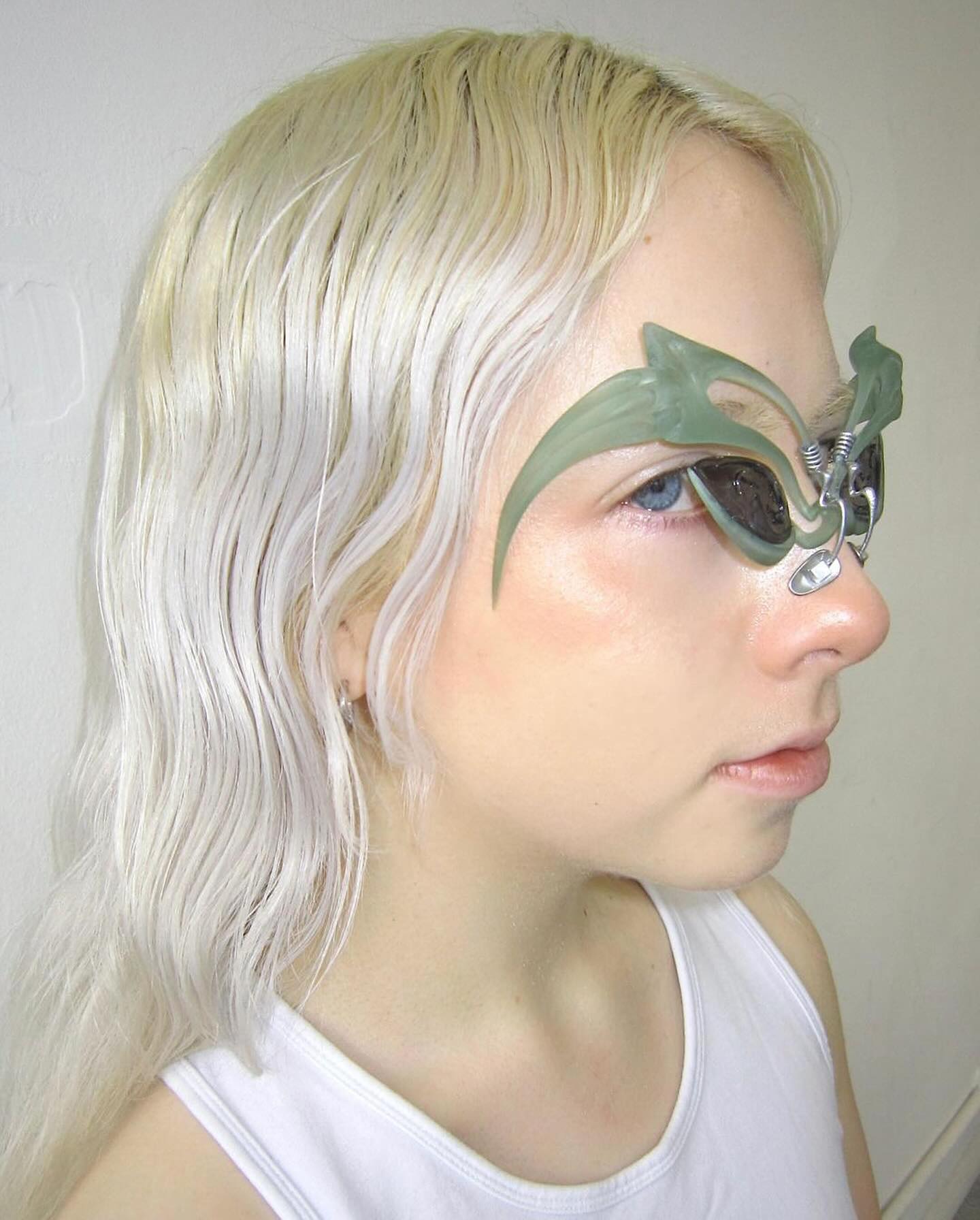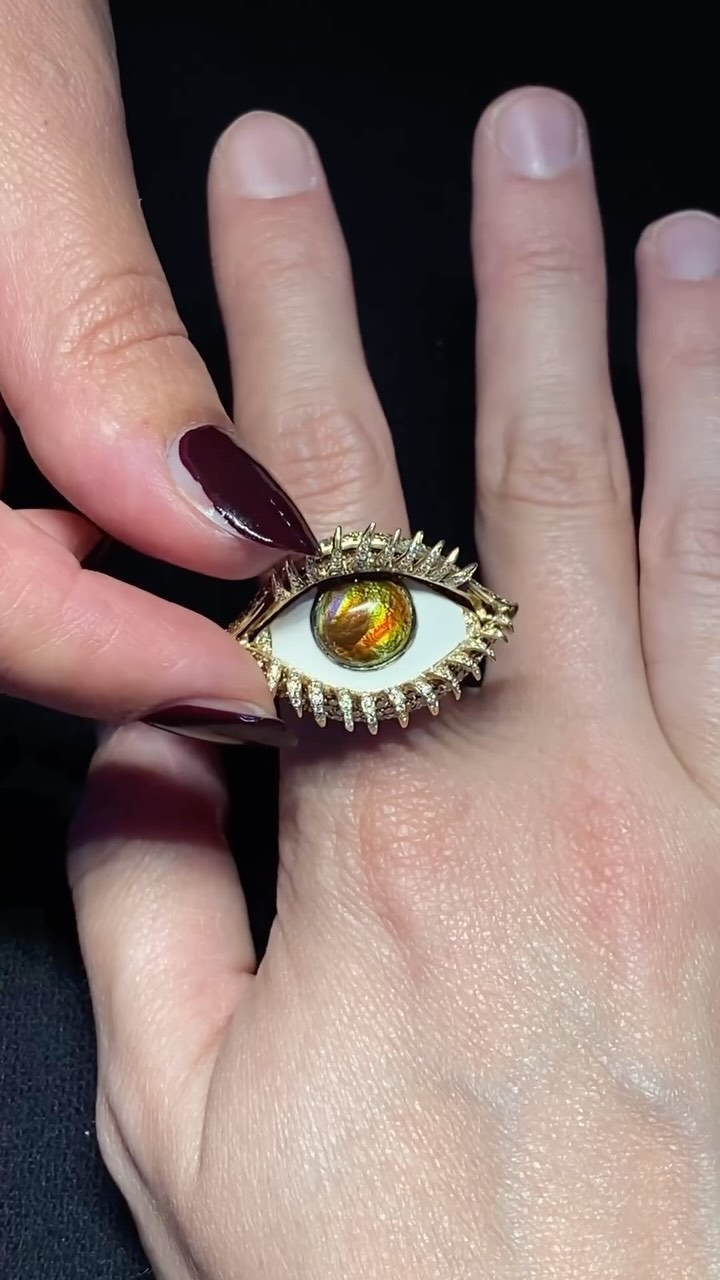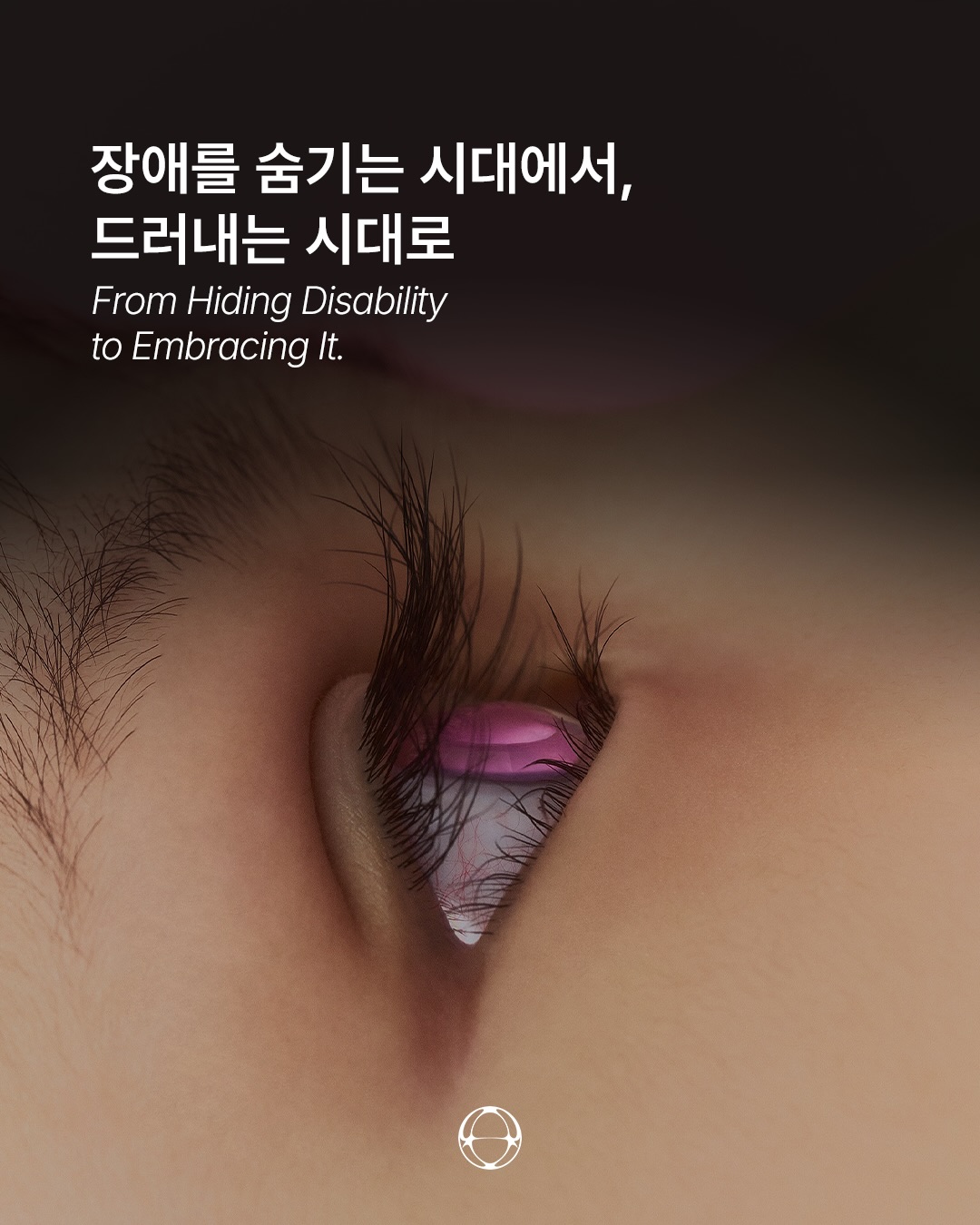
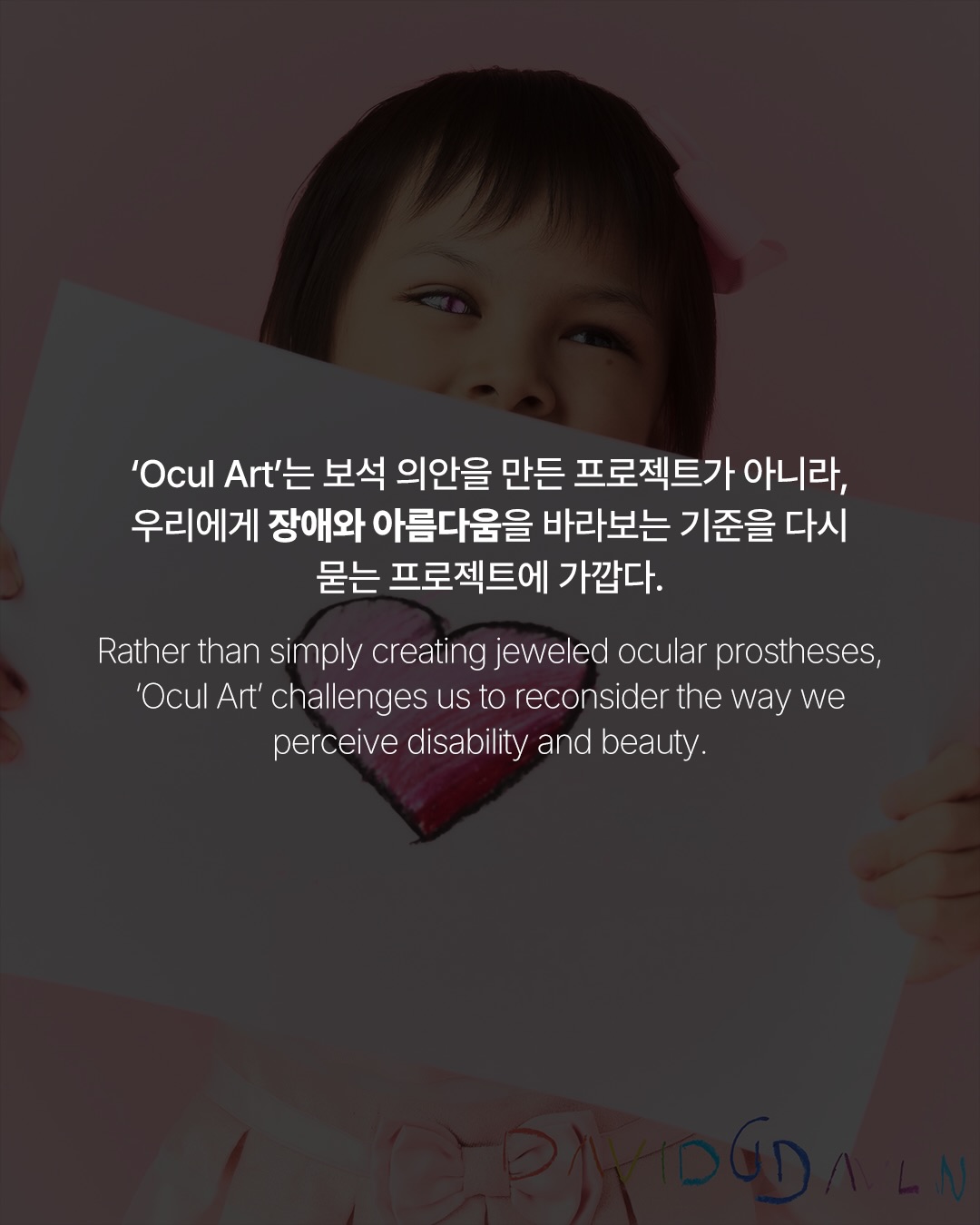
The true meaning of the project lies in its final gesture. DAVID AVALON announced it will provide custom-made ocular prostheses free of charge for children who need them. Art does not end with a beautiful object. It finds its greatest meaning when it has the power to change someone's life. 'Ocul Art' places disability and beauty side by side, then asks a direct question. How do you see disability right now? And how do you define beauty?
FAQ
What is the significance of David Avalon's Ocul Art project?
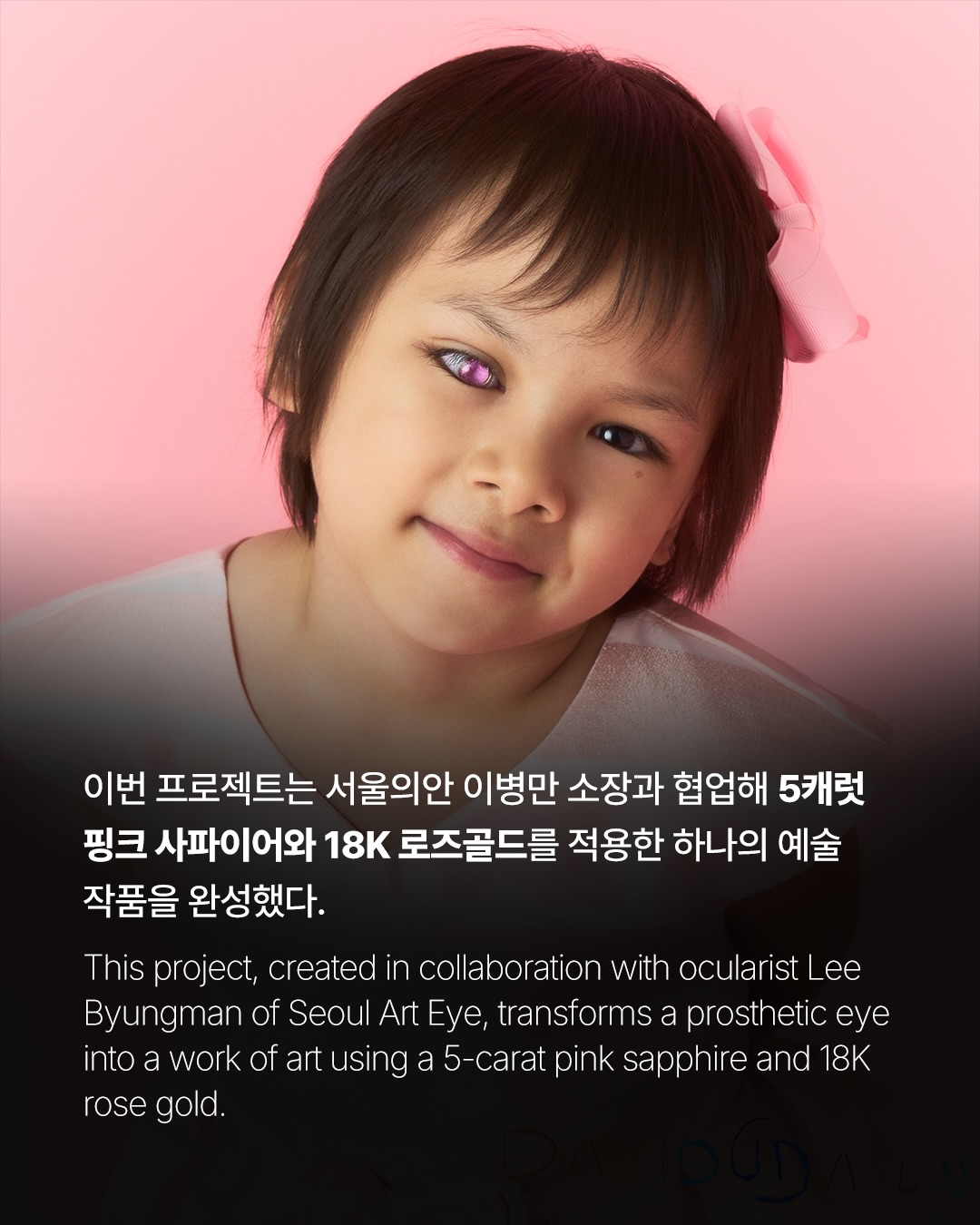
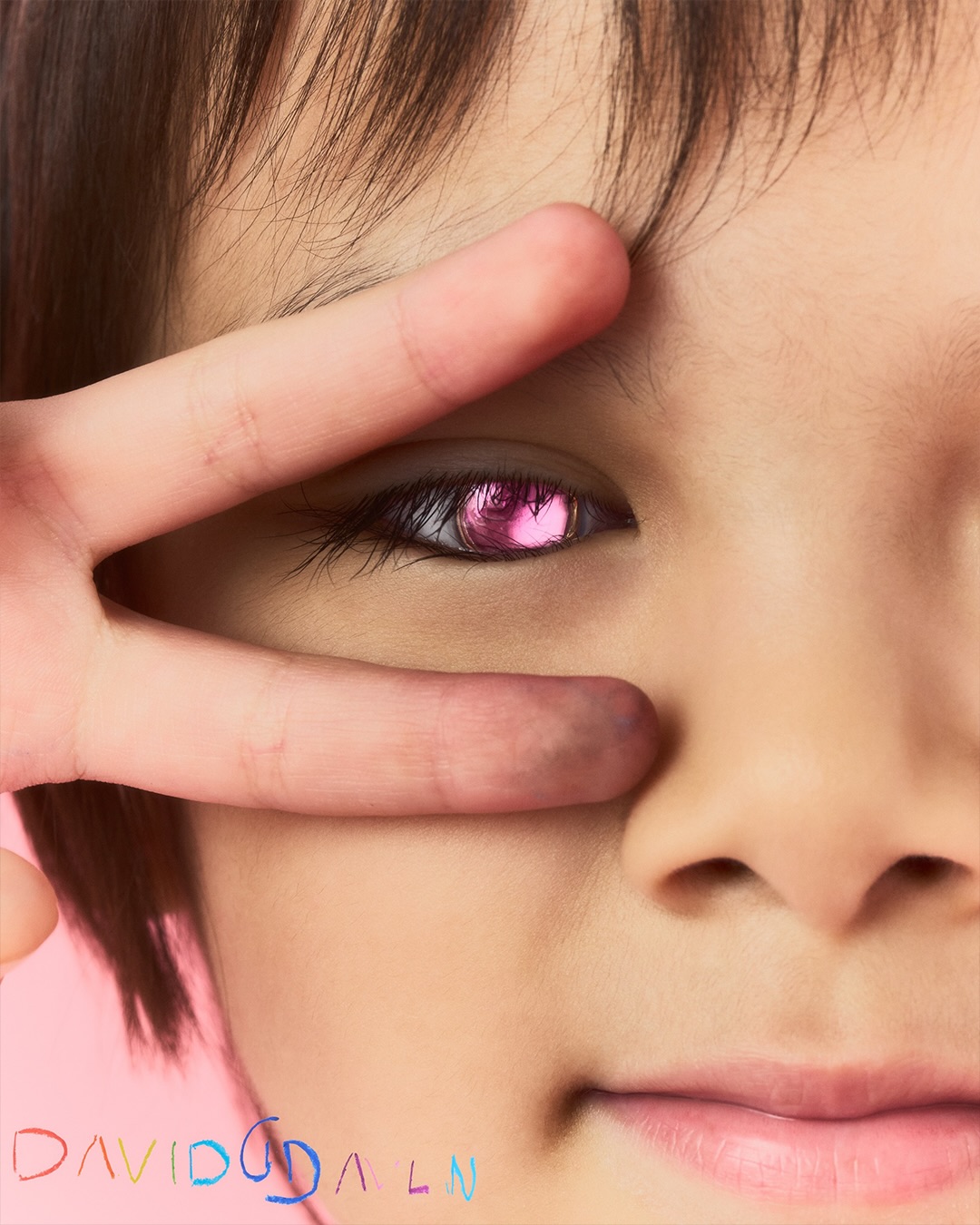
Ocul Art redefines prosthetic eyes not as something to hide but as an artistic medium for self-expression. Created with 5-carat pink sapphire and 18K rose gold in collaboration with Seoul Artificial Eye's director 이병만, it carries a social message of providing free custom prosthetics to young patients.
Are there examples of prosthetic eyes made as art?
David Avalon's 'Ocul Art' project is a prime example. Collaborating with Seoul Artificial Eye, he created an artistic prosthetic using 5-carat pink sapphire and 18K rose gold, transforming prosthetics into a medium of self-expression like fashion and jewelry.
What does the movement to express disability through fashion or art mean?
It's an attempt to reinterpret disability not as something to hide but as individuality and beauty. David Avalon's Ocul Art designs prosthetics like jewelry, discussing freedom of expression and dignity together without separating disability from beauty.