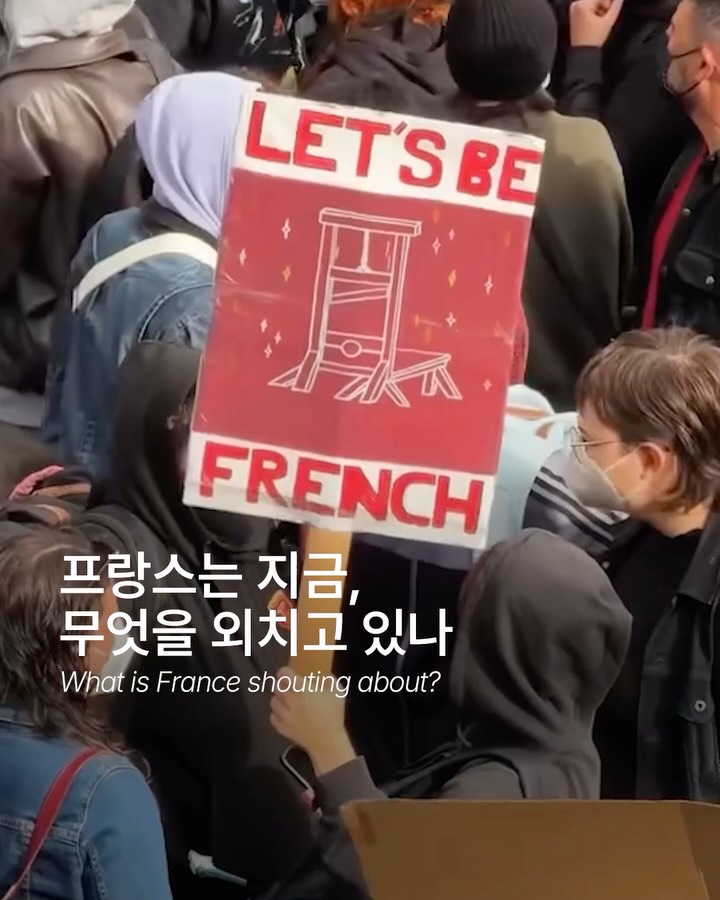
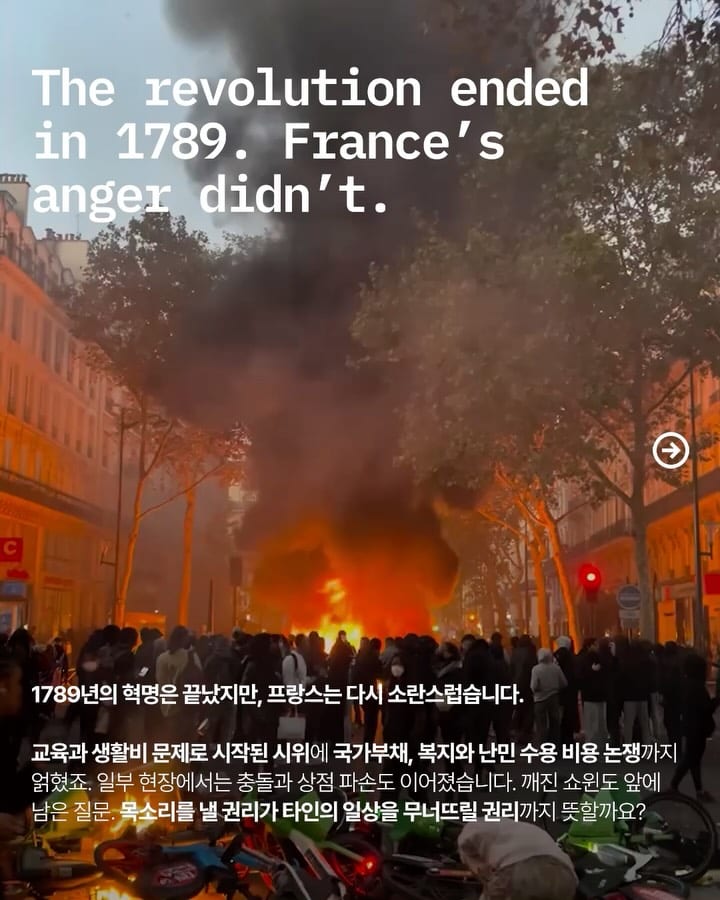
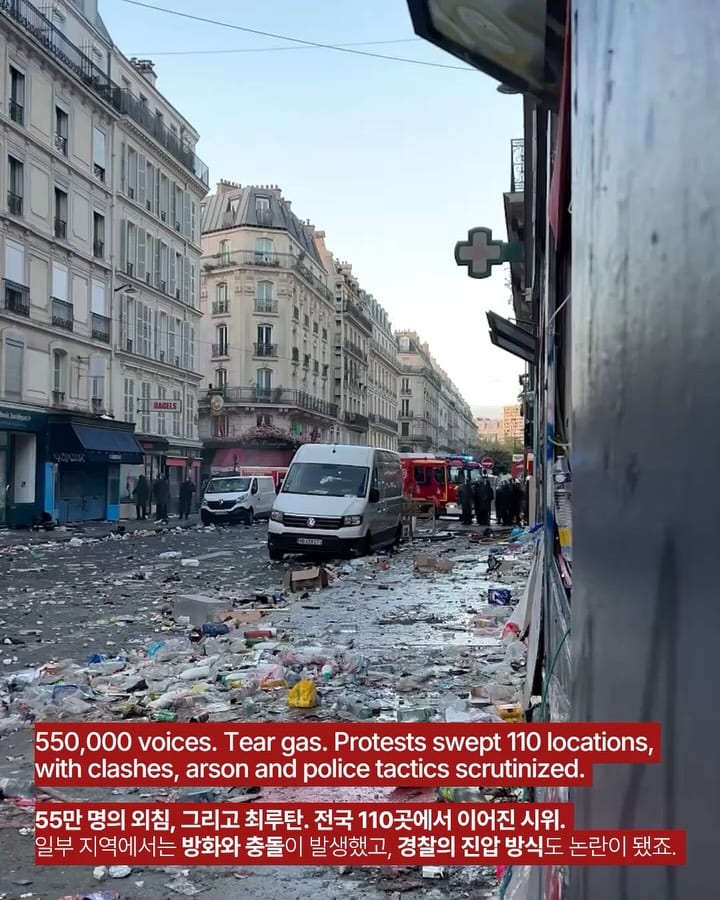
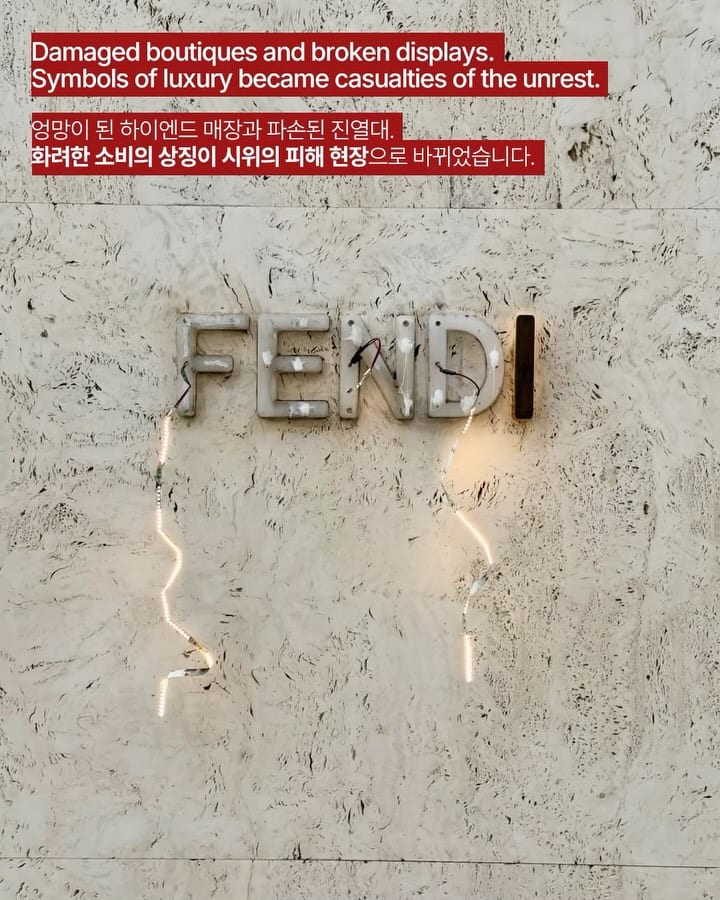
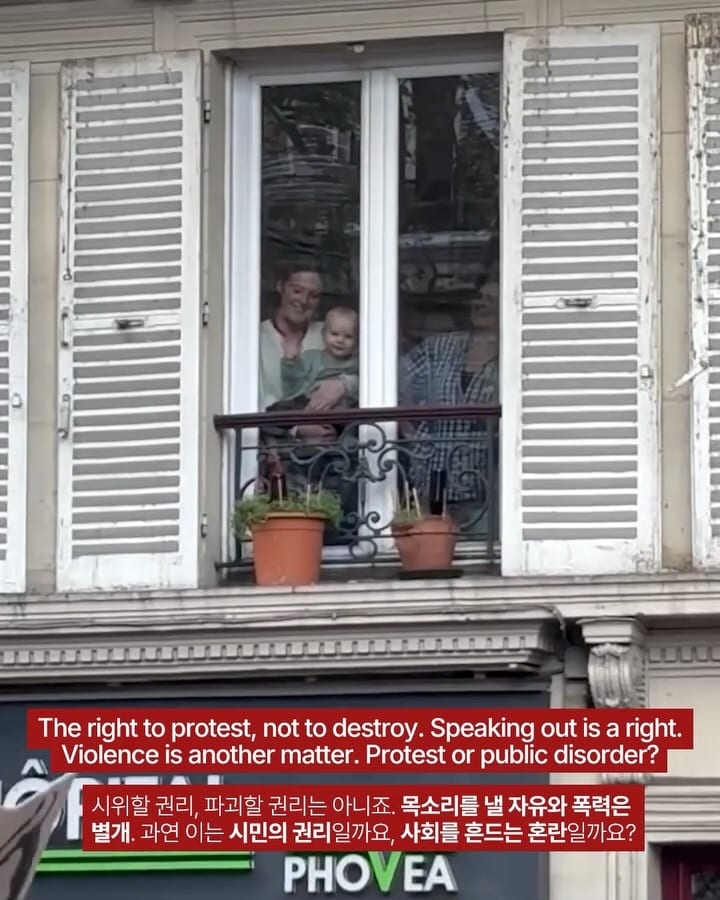
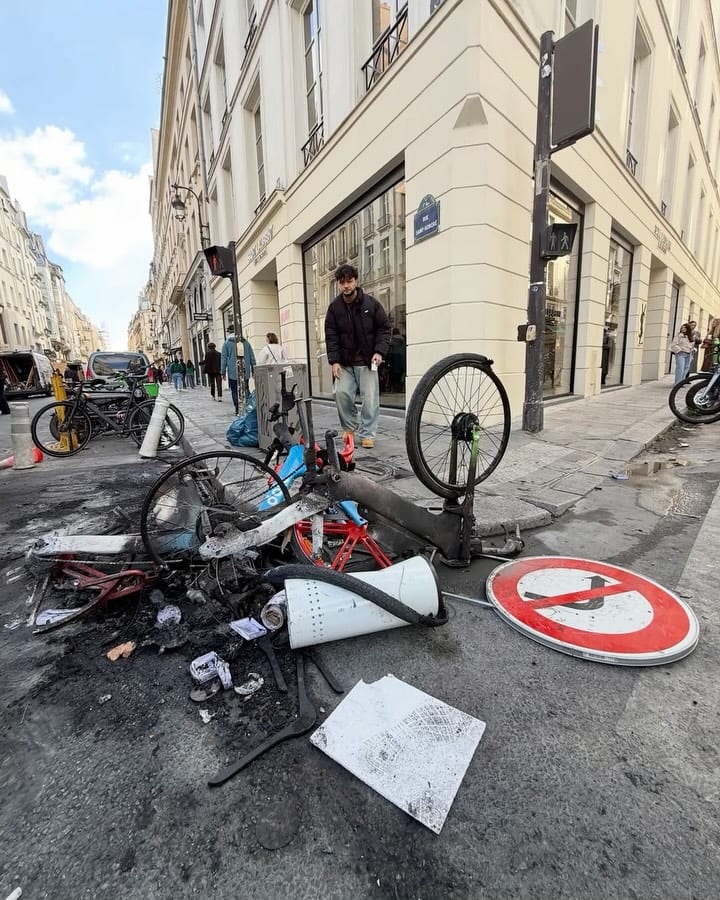
The streets are littered with broken glass and tear gas. Clashes with police, arson and vandalism have marked some protests. Calling themselves the 'Young Vests,' protesters echo the 2018 Yellow Vest movement. But behind the shattered luxury windows, only fractures remain. The right to protest is one thing. Disrupting others' lives is another.
The revolution ended in 1789. France's anger didn't. In a nation built on liberty, equality, fraternity, who are these protests really for? Footage from the scenes shows empty streets, graffiti-covered walls. Slogans fade into echoes, leaving behind broken storefronts and police vans.
What is France shouting about? Do you see this unrest as righteous anger, or merely destruction?
FAQ
How did the 2026 protests in France begin?
What started as student demonstrations over education standards and living costs soon drew workers and citizens, spreading to 110 regions nationwide. Around 550,000 people participated, with overlapping grievances—national debt, welfare budgets, public services, and calls for President Macron's resignation—amplifying social tensions across the country.
What is the Young Vests movement?
Young Vests refers to youth- and student-led protests continuing the legacy of the 2018 Yellow Vest movement. Demonstrators oppose rising living costs and government policy through street marches and occupations of public facilities, with some sites experiencing police clashes and vandalism of shops.
What is happening at the protest sites in France?
Demonstrations continue across 110 regions, with some sites seeing tear gas, police crackdowns, arson, and damage to public property. Major city streets, including Paris, are littered with broken glass and debris, while protest footage captures empty boulevards and graffiti-covered buildings.