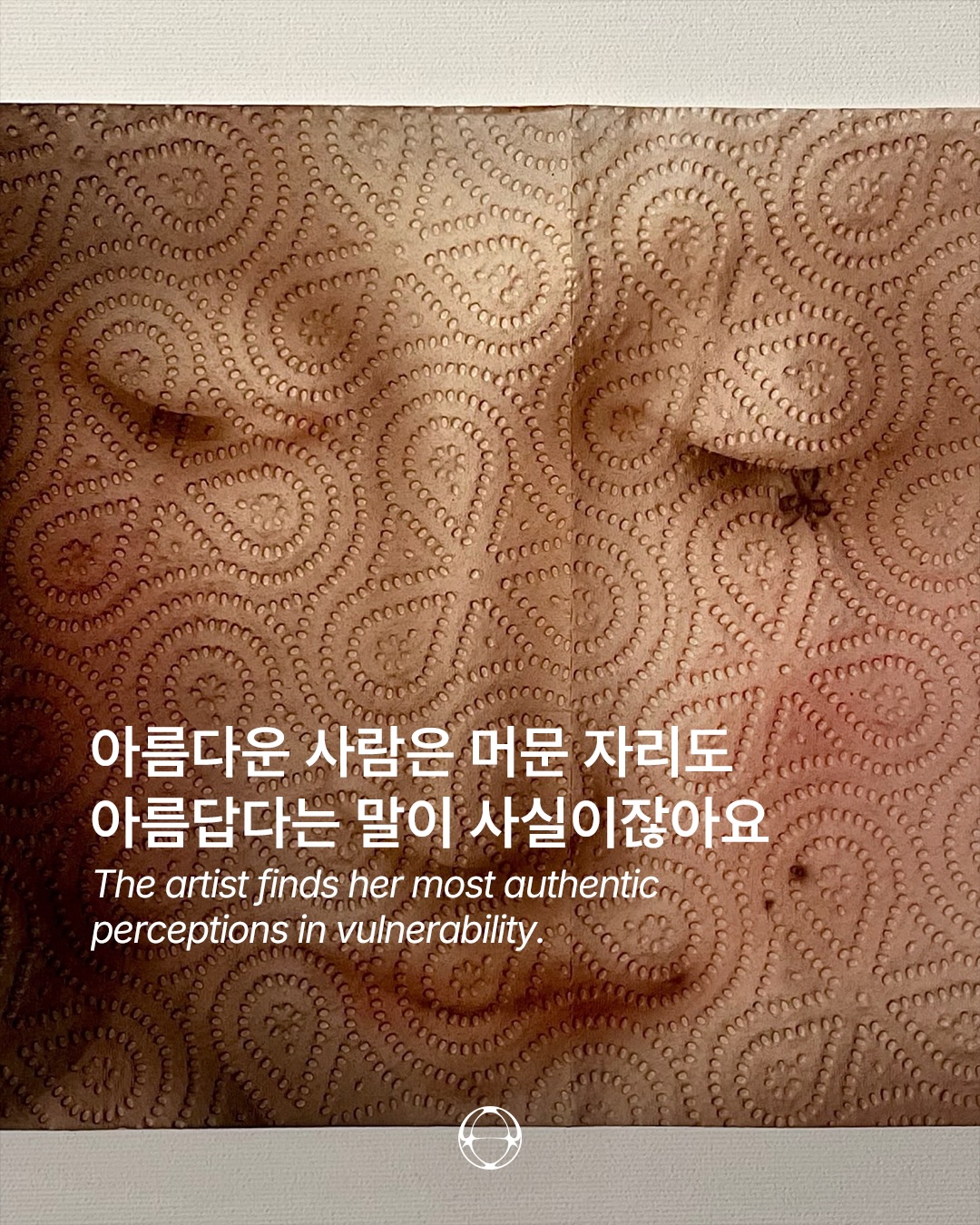
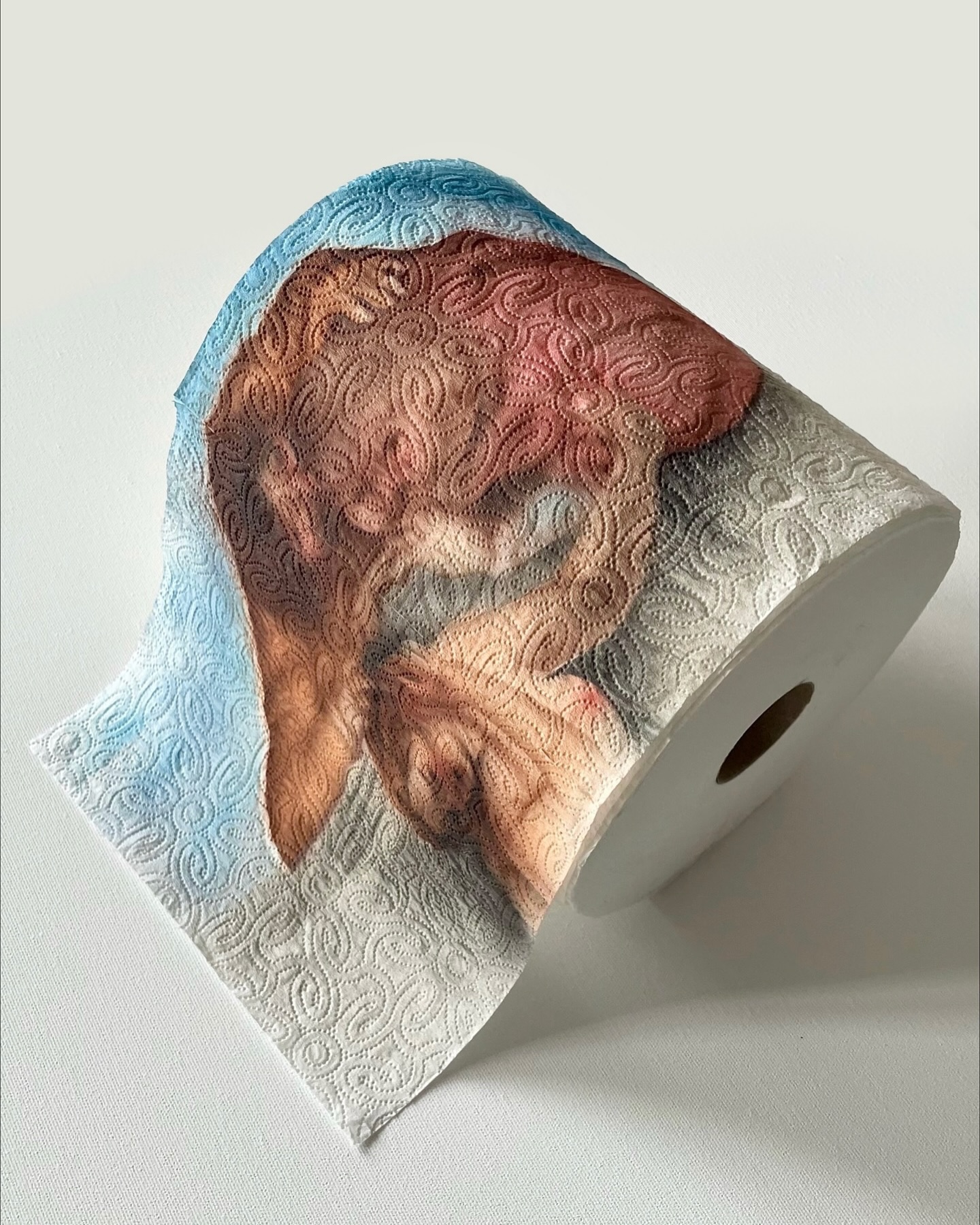
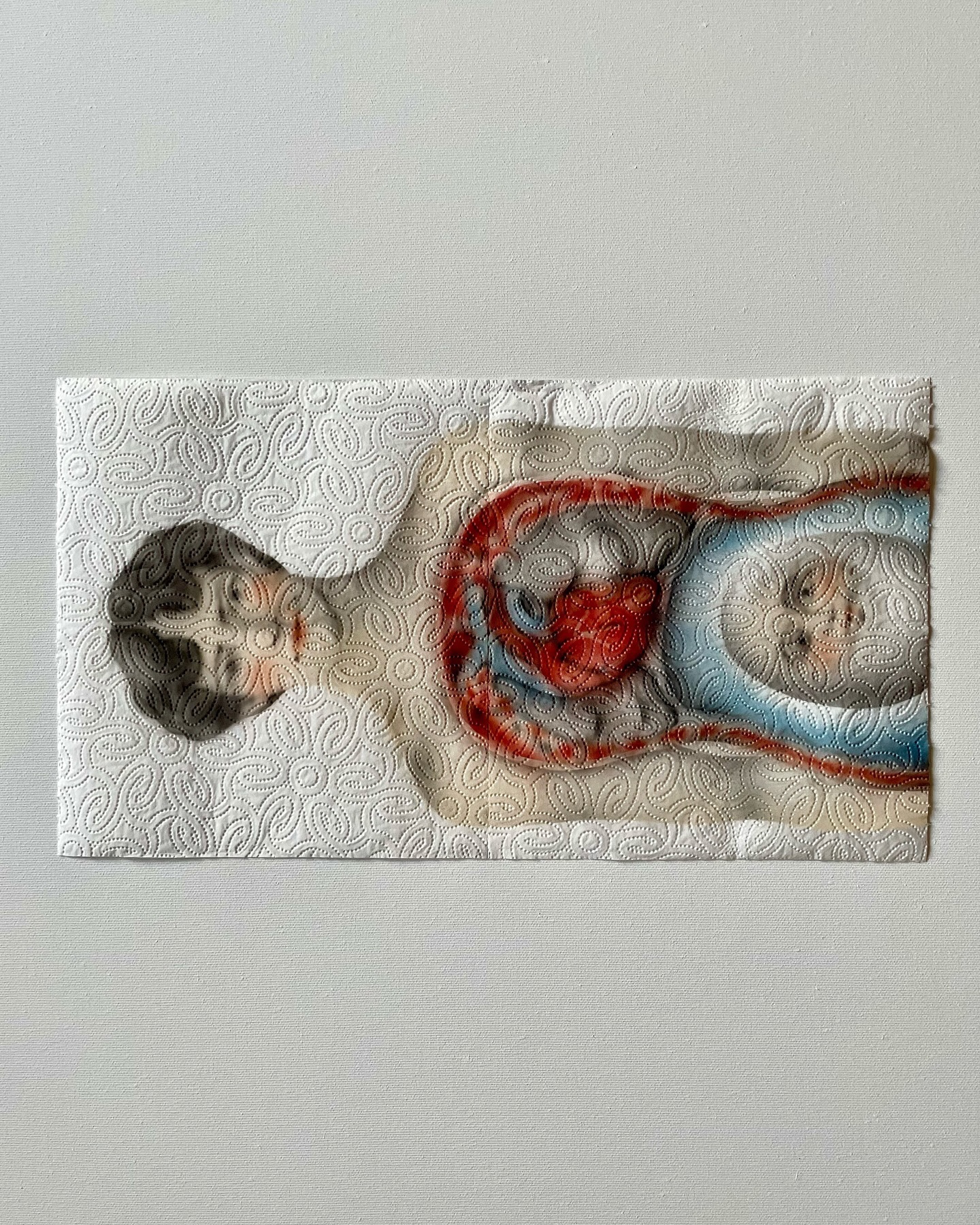
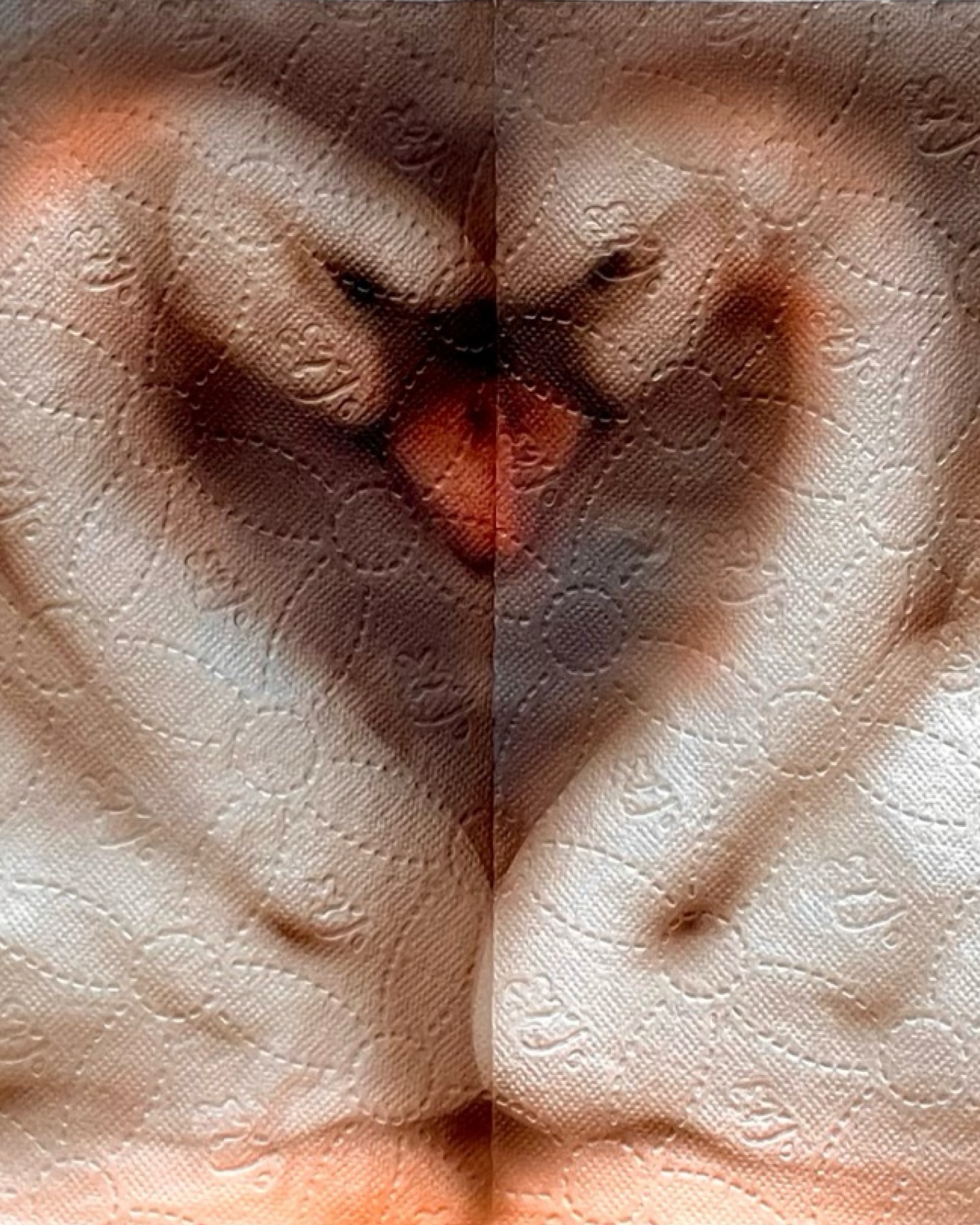
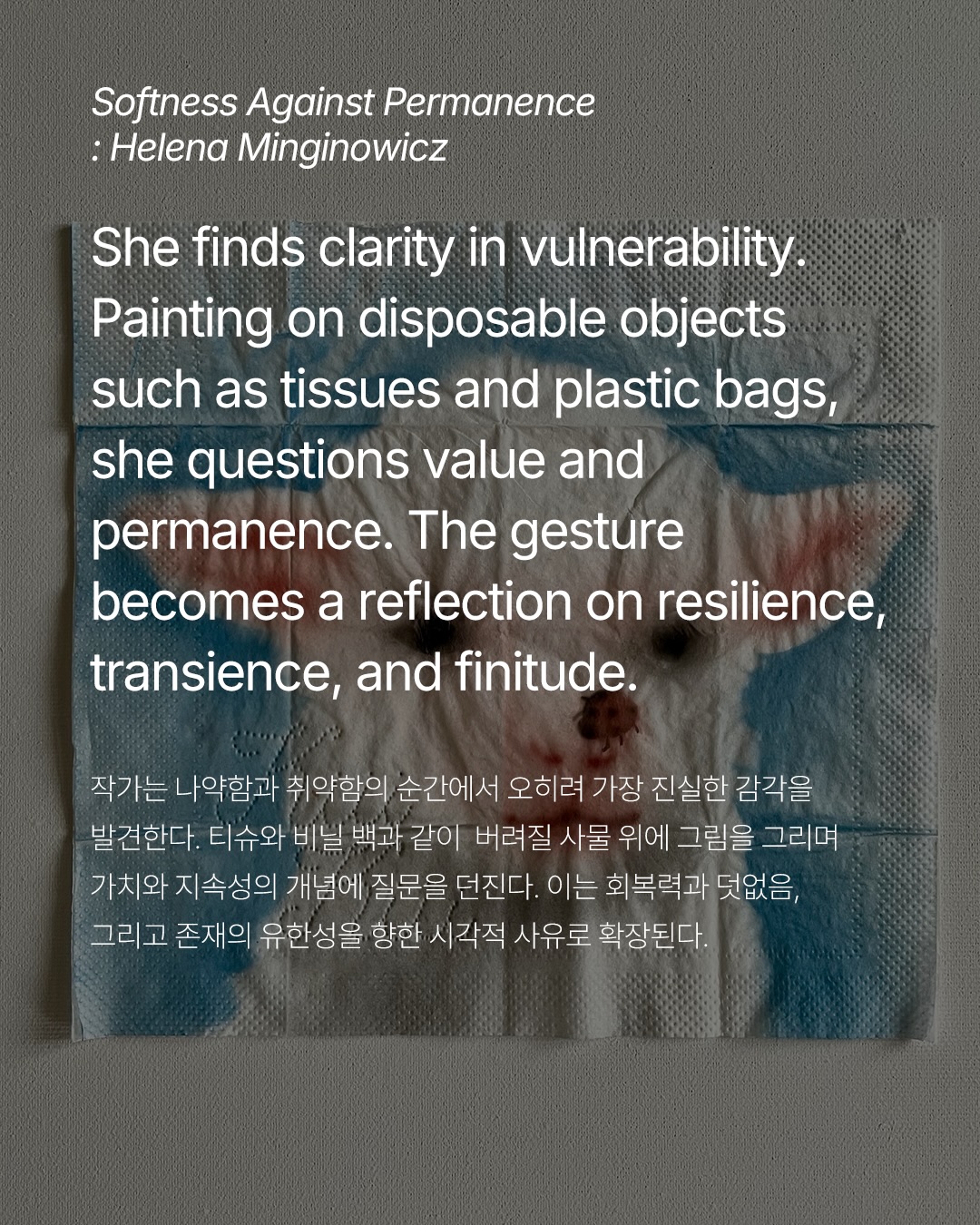
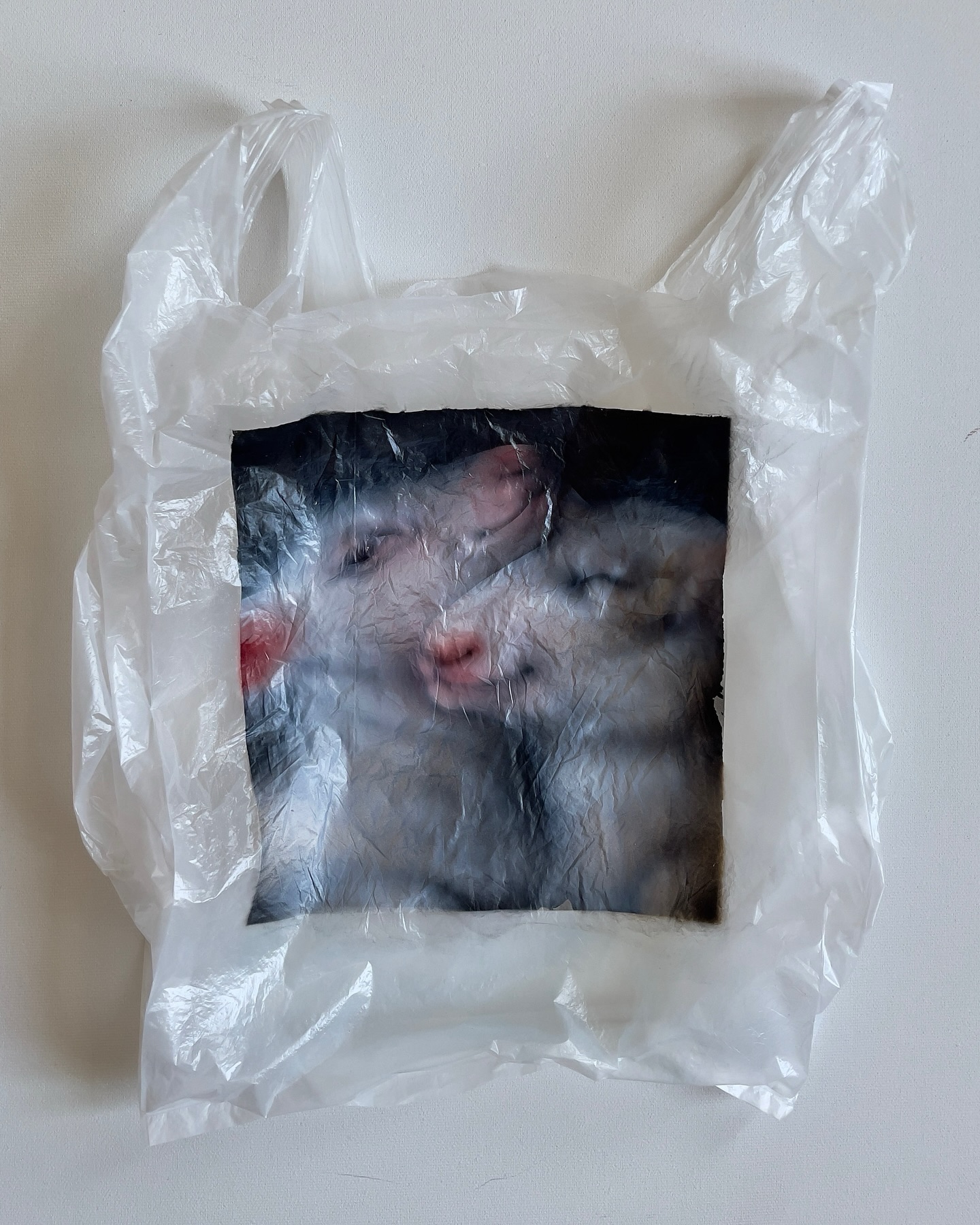
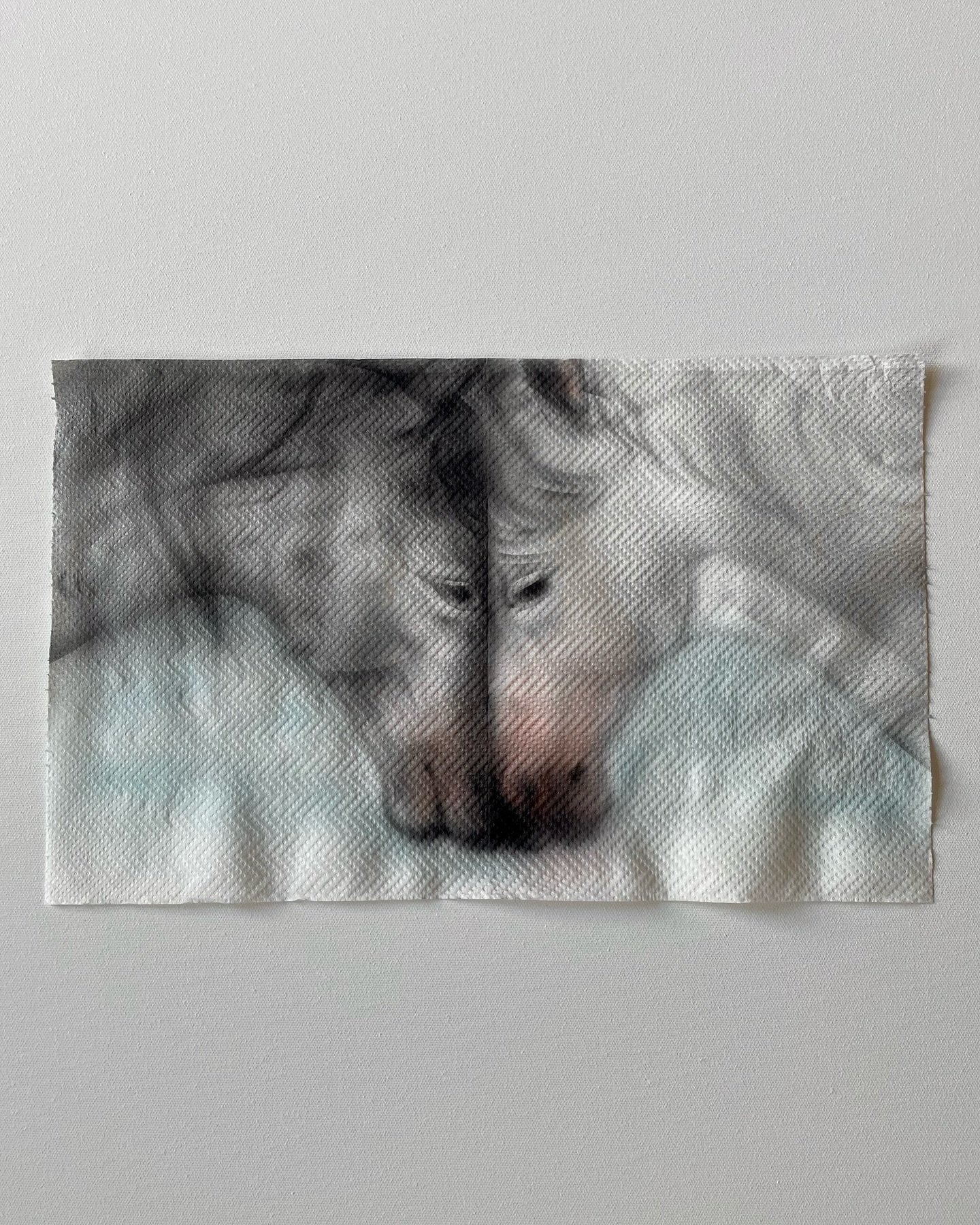
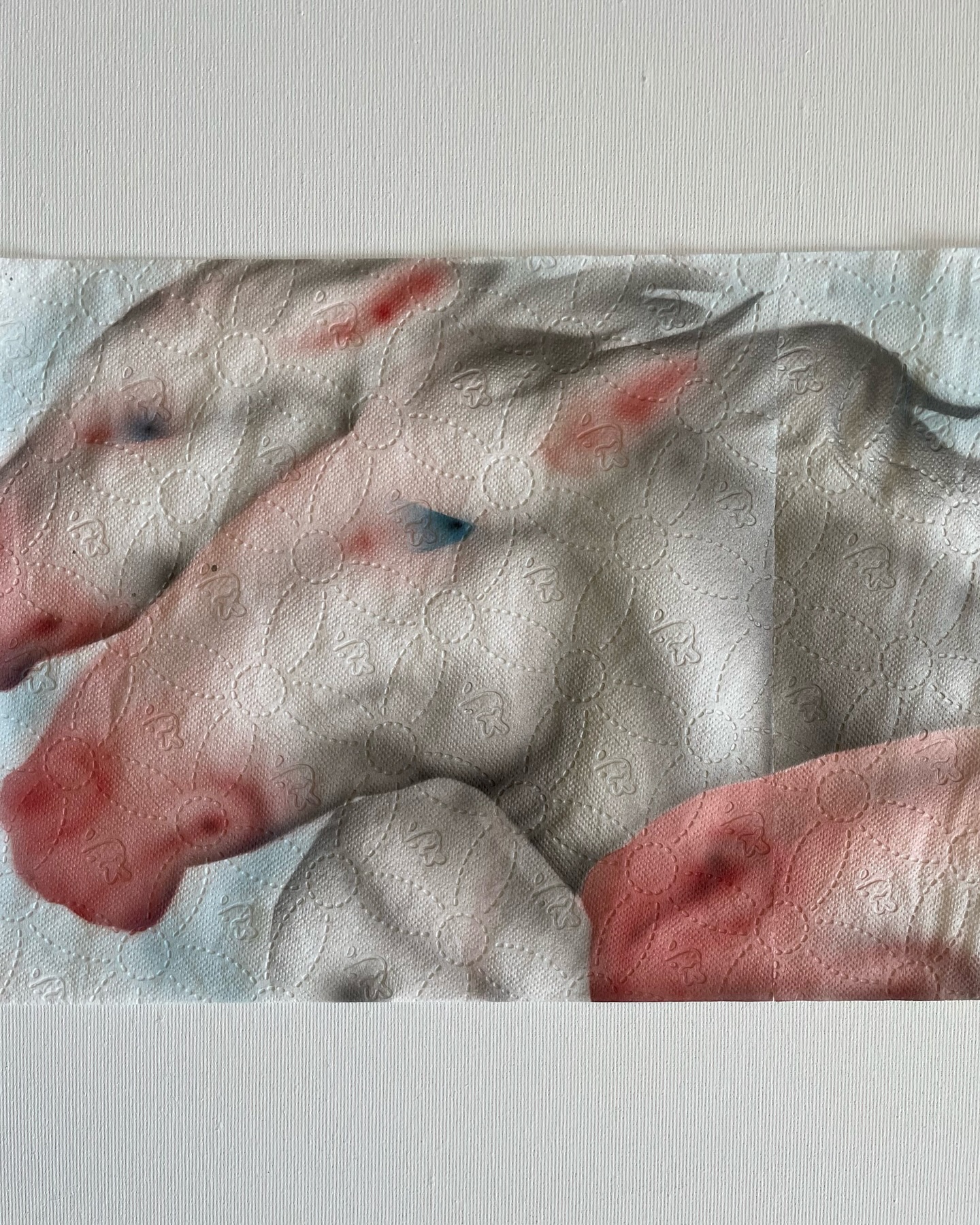
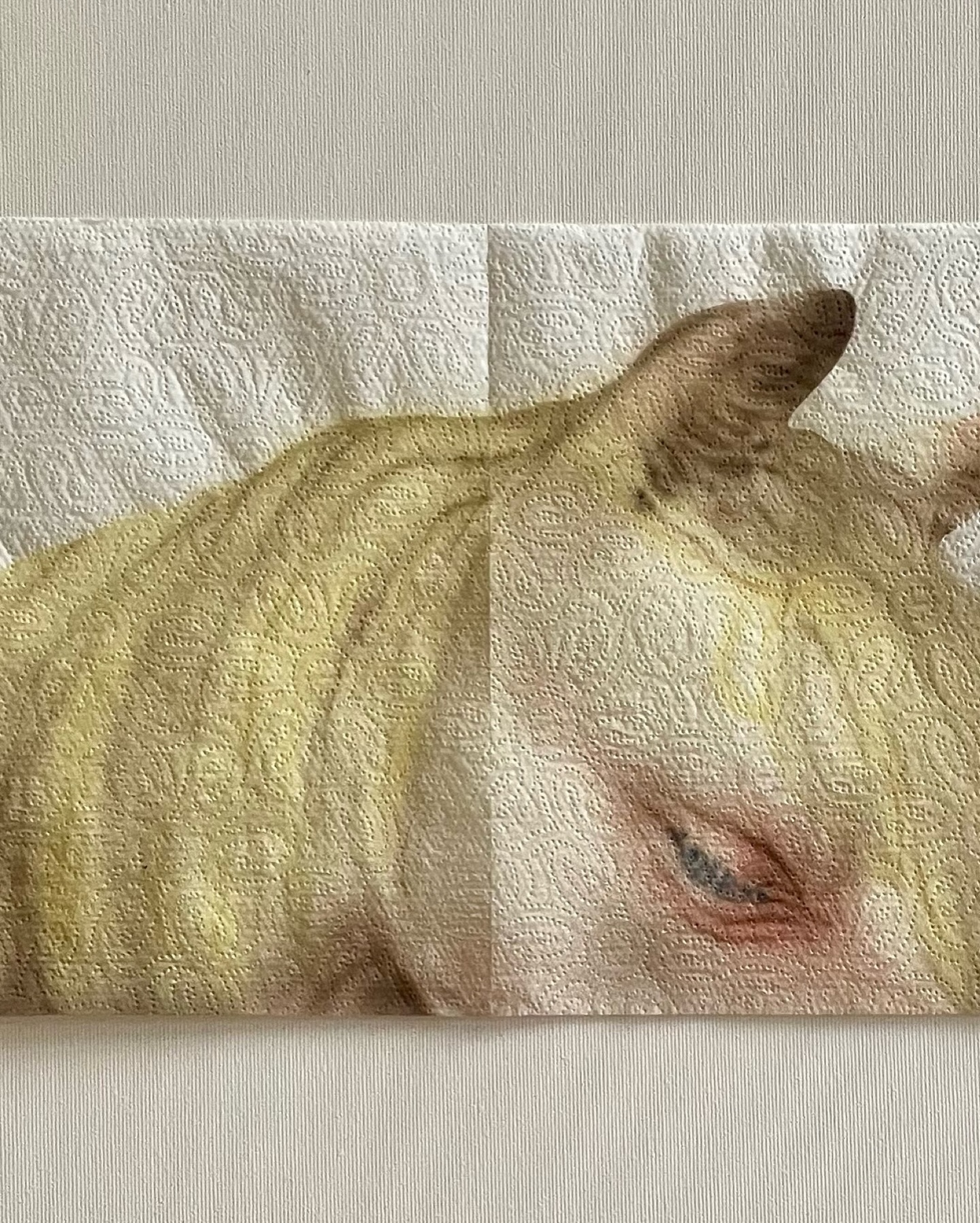
Helena discovers her most authentic perceptions in moments of weakness and vulnerability. Her work unfolds through painting on disposable objects from everyday life—tissues, plastic bags—questioning what holds value and what deserves permanence. This approach challenges fundamental assumptions about worth and longevity in art and life.
The delicate patterns and forms inscribed on fragile materials expand into a visual meditation on resilience, transience, and the finitude of existence. When materials destined for disposal become art, we are reminded how arbitrary our standards of value can be. Helena's practice is ultimately about the courage to embrace vulnerability rather than conceal it, finding the most authentic beauty within that acceptance.

FAQ
What materials does Helena work with?
Helena paints on easily discarded everyday objects like tissues and plastic bags. By choosing such fragile, temporary materials, she questions concepts of value and permanence, developing visual inquiry exploring resilience, ephemerality, and existence's finite nature.
What does vulnerability mean in Helena's work?
Helena discovers the most truthful sensations in moments of weakness and vulnerability. Her work concerns the courage to find most authentic beauty within vulnerability rather than concealing it. Through materials destined for disposal becoming art, she reveals how arbitrary our value standards are.
How did Helena become an artist?
Since quiet, observation-loving childhood, art was Helena's language and way of understanding the world. Imaginary landscapes constructed through long solitary drawing sessions became today's sensory foundation for her work, with these solitary creative hours forming the basis of her unique artistic world.