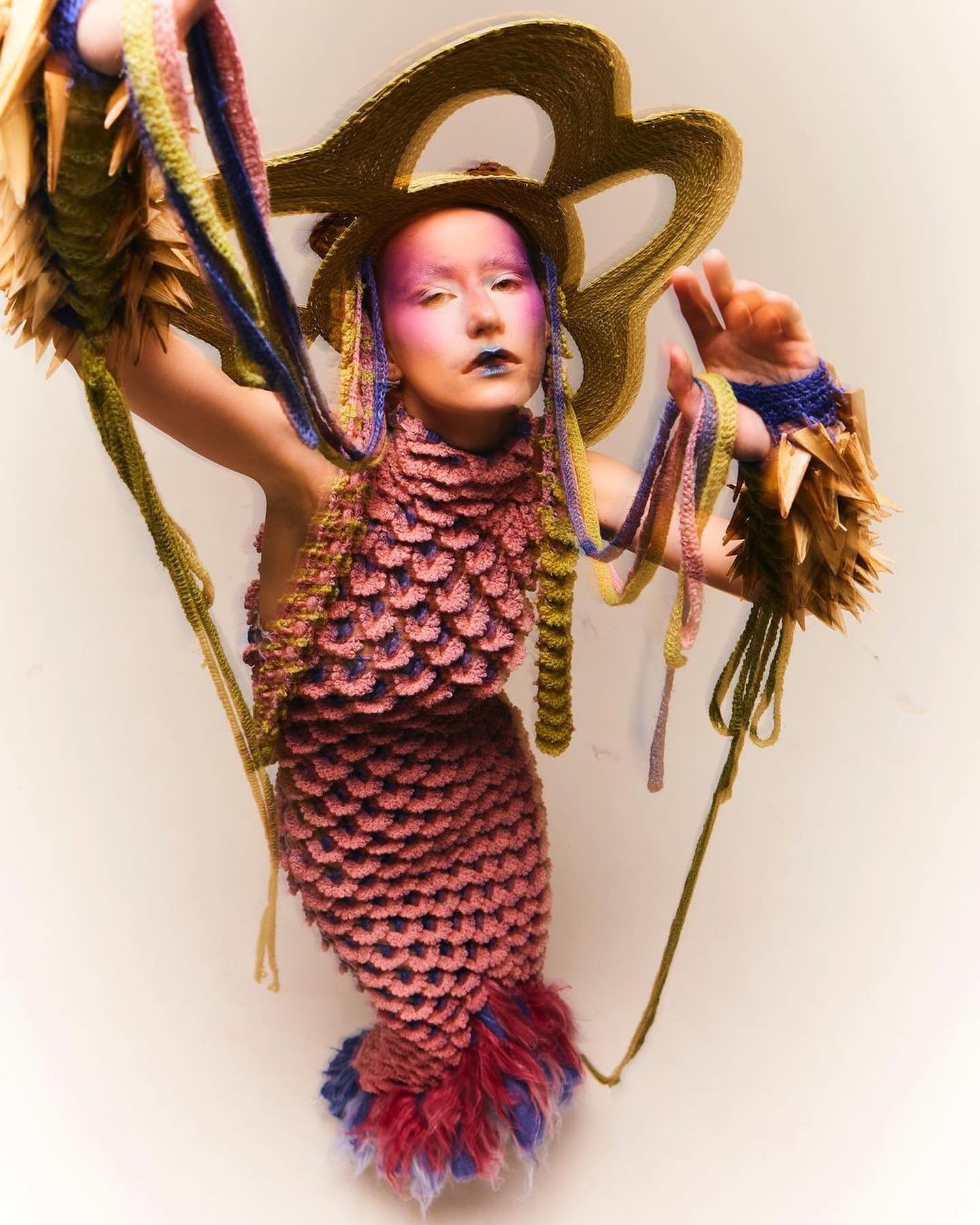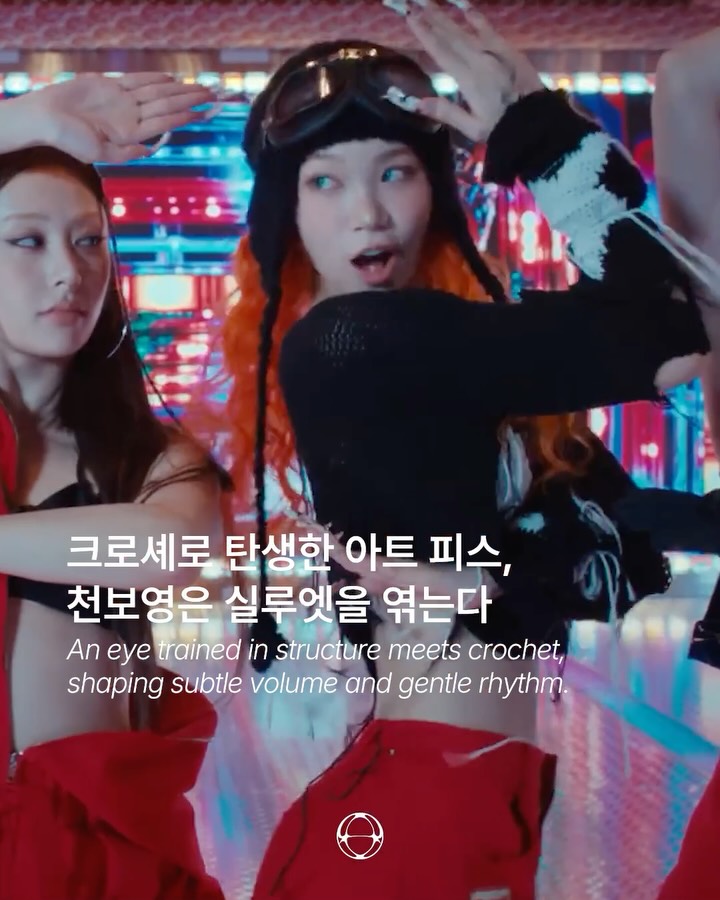
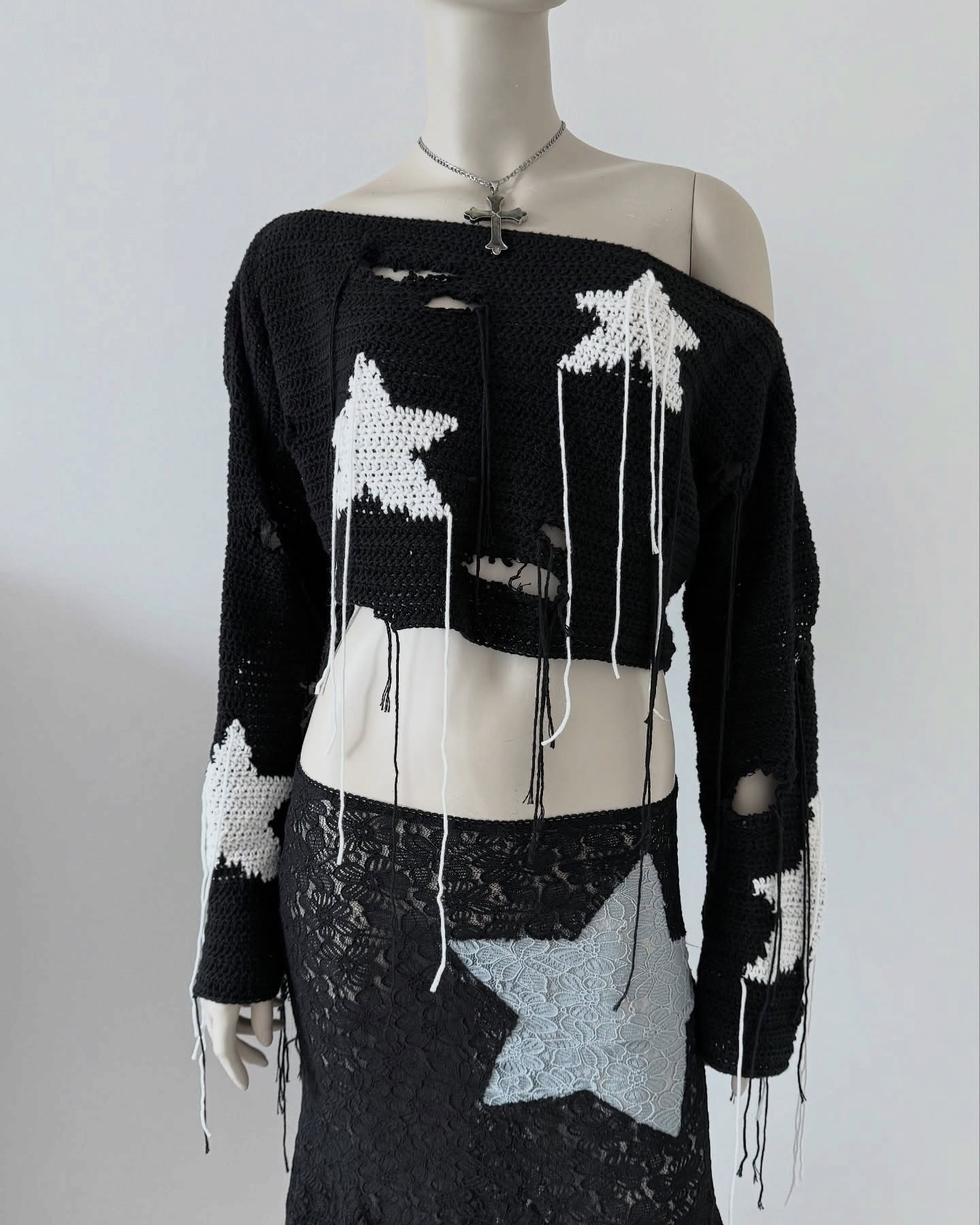
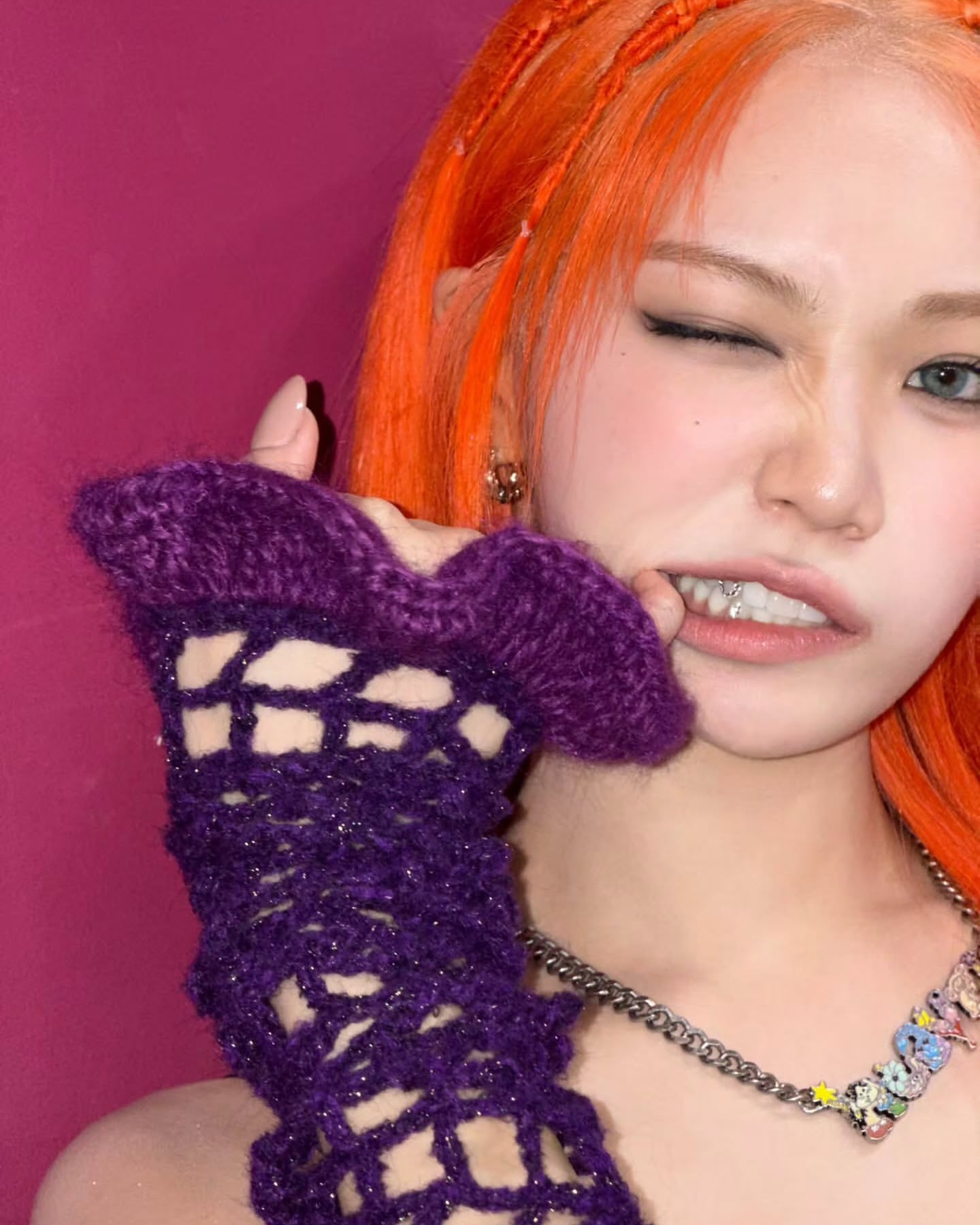
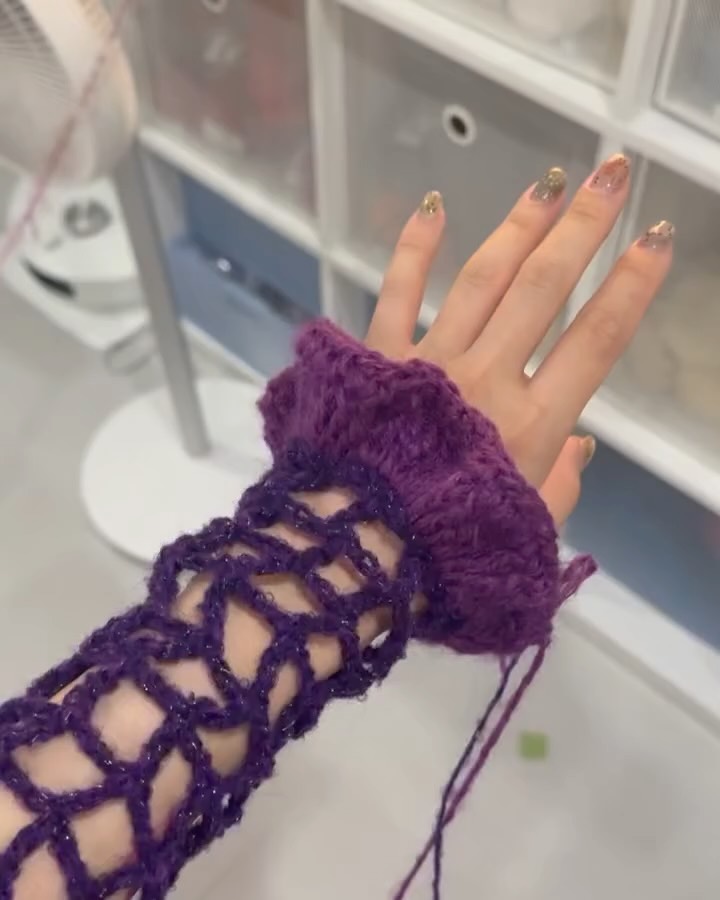
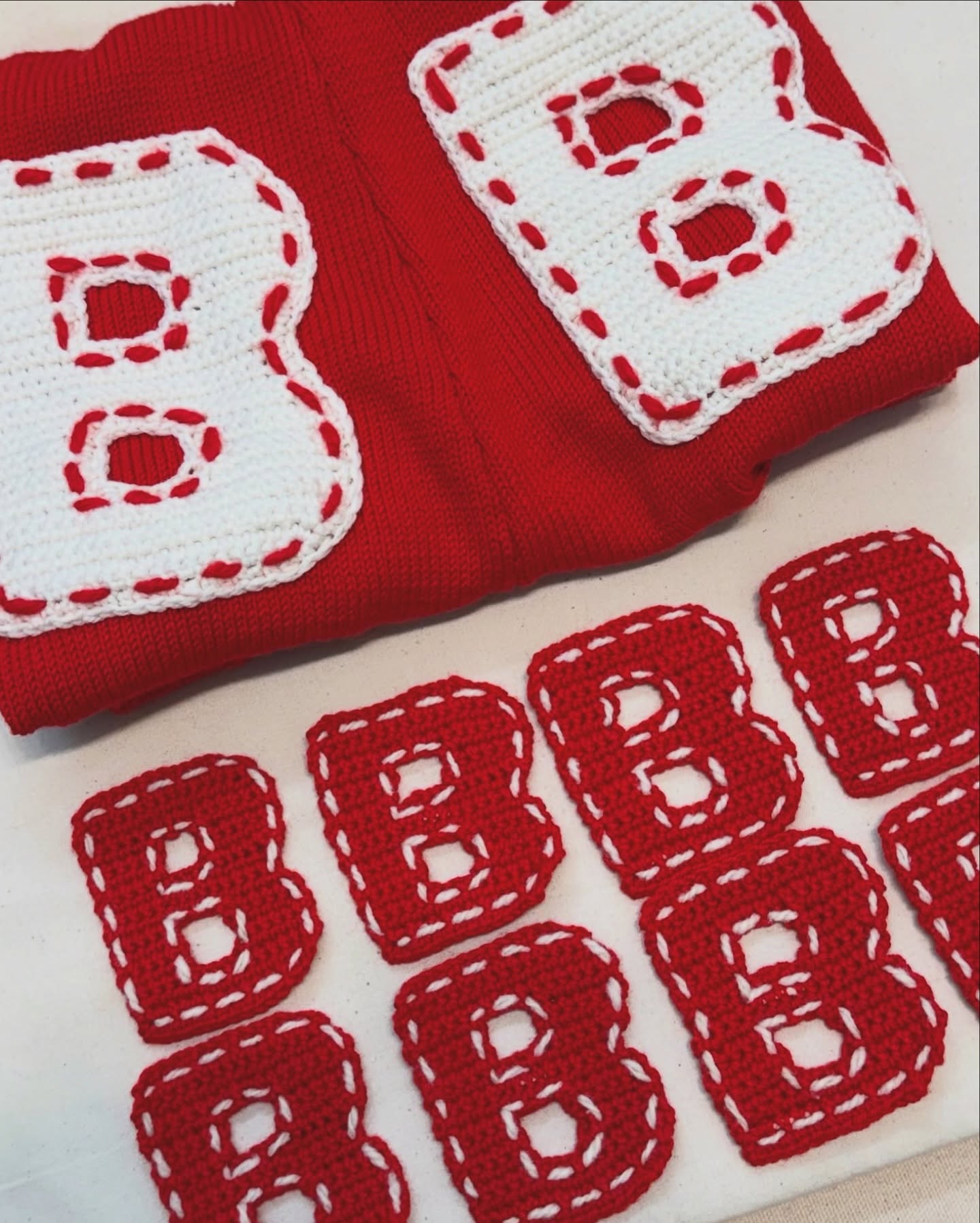
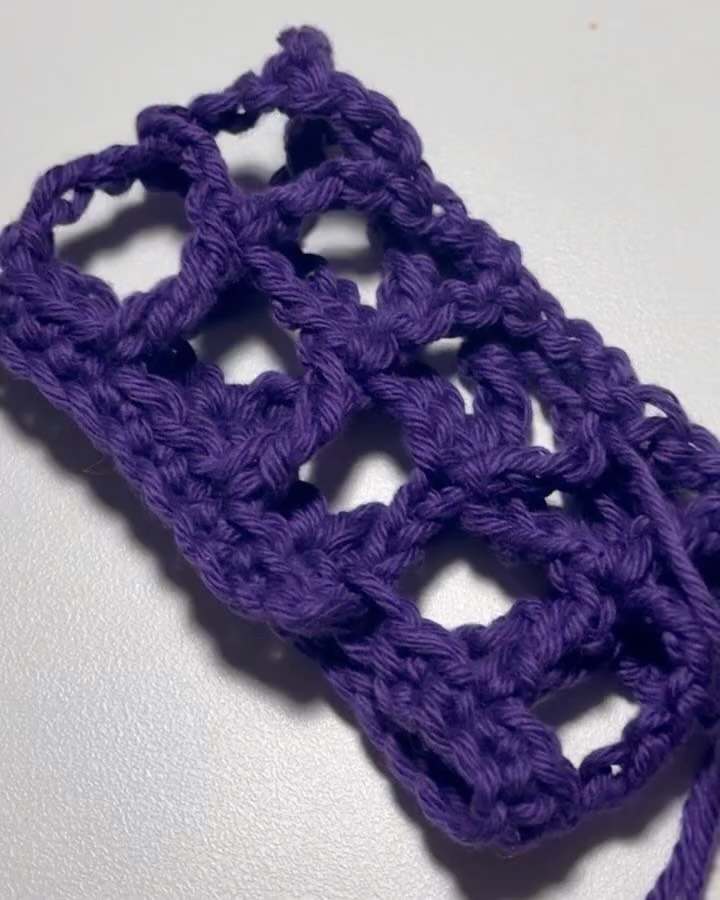
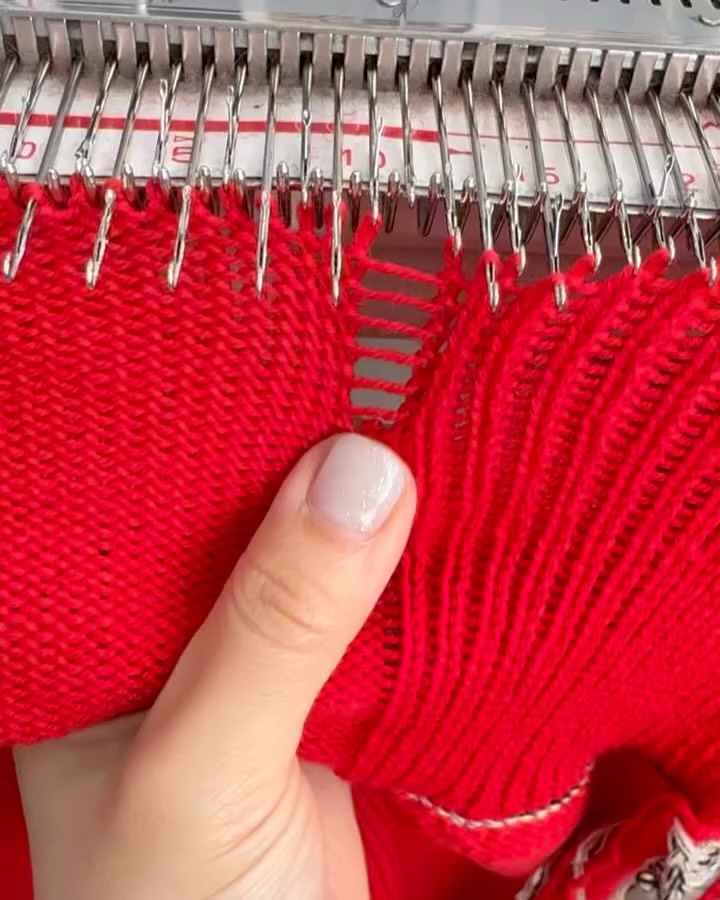
Cheon's work transcends simple handicraft. She utilizes crochet's inherent structural patterns to create sculptural volume and architectural silhouettes. Her signature approach maximizes the deep, saturated colors of her materials while sharply defining form and texture.
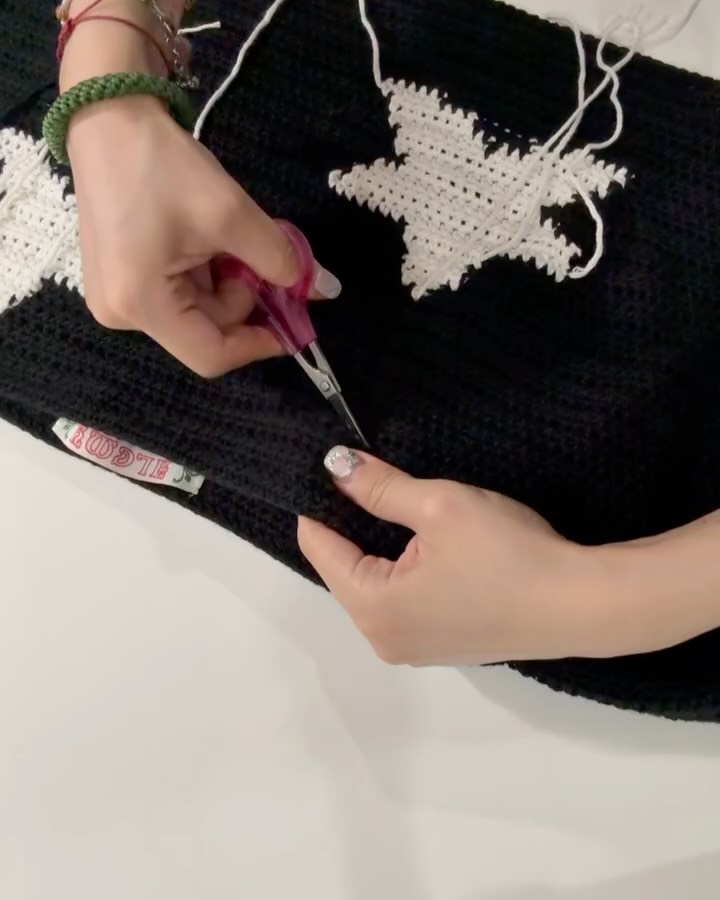
Her practice extends beyond stage wear. Through collaboration with fellow crochet artist @daintyknit, she has created costumes for TWICE's performances and expanded her pieces into everyday objects. It represents a moment where traditional craft meets contemporary fashion, opening new possibilities.
As crochet evolves beyond nostalgic trend into legitimate art form, Cheon Boyoung's practice stands as an important case study of Korean crochet art today. Her pieces demonstrate how meticulous handcraft can elevate stage presence while maintaining artistic integrity.
FAQ
Who is artist Chun Boyoung?
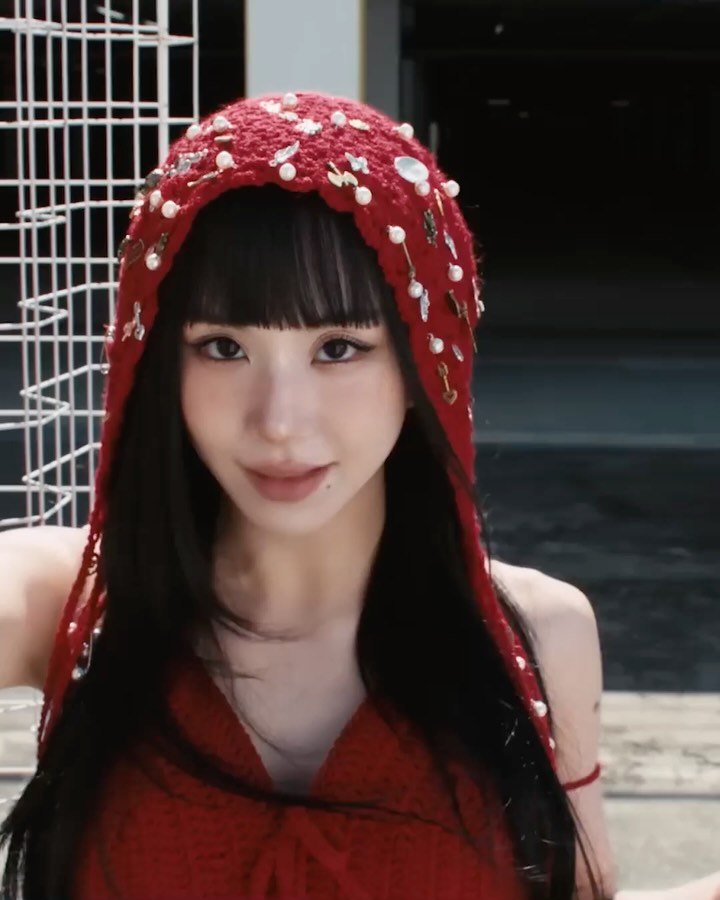
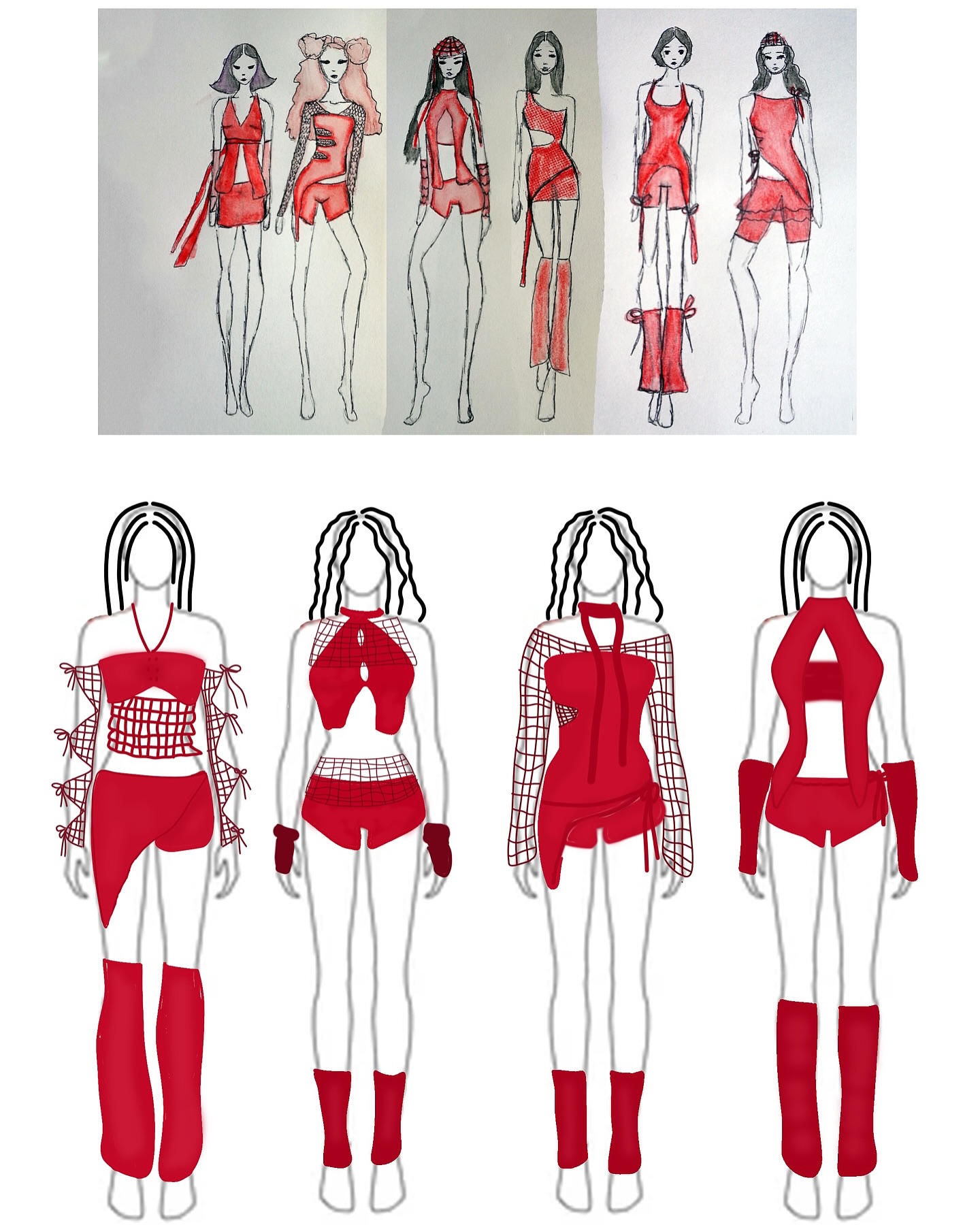
Chun Boyoung is a Korean crochet artist creating K-POP idol stage costumes using crochet techniques. She handcrafts performance outfits for acts like LE SSERAFIM's 'Spaghetti' and TWICE, gaining recognition for implementing structural patterns and dimensional volume.
Who made LE SSERAFIM's Spaghetti stage costumes?
Crochet artist Chun Boyoung created them. She utilized crochet's characteristic structural patterns to achieve dimensional volume and vivid texture, adding a finishing touch to LE SSERAFIM's final music show performance.
How is crochet art utilized in fashion?
Artists like Chun Boyoung are contemporizing traditional crochet techniques, expanding them into stage costumes and everyday objects. Beyond mere retro trends, it's evolving into art pieces realizing architectural silhouettes and dimensional volume, actively utilized in K-POP stages.